Self-guided audio tour in Tokyo
Now a Guided Walk in the Zigway app
Where old Edo buried its dead, it learned to cheer.
3.6 km · 50 min walking · 31 min of stories · 2 languages
The introduction and the first minute at the first stop.
Edo-Tokyo Museum Plaza
The idea came from governor Suzuki Shun'ichi, about a decade before it opened. The architect, Kikutake Kiyonori, won the job in a closed competition.
Ekoin Temple & Nezumi Kozo Grave
After the great fire of 1657, the fourth shogun, Ietsuna, granted land here, on the river's east bank. A mound was raised over the dead, most of them with no surviving relatives.
Former Yasuda Garden
The trees ahead of you belong to the former Yasuda Garden. From here you only see its edge, but its story runs deep.
The Sumida Hokusai Museum
Notice the paths that cut right into the building at ground level. The architect Kazuyo Sejima designed those walkways.
Yokoamicho Park & Tokyo Memorial Hall
Inside, the hall is laid out like a Christian church. The city had bought this land from the army to make a park.
Guided Walk · in the Zigway app
Buy it once in the app and walk it whenever you're in Tokyo. GPS plays each story as you arrive, it works offline, and the introduction and first stop are free to try.
Start Free on iPhone
Hear the stories behind the streets and sights around you as you walk Tokyo. Try it free on iPhone.
Your Private Tour Guide
Step into the heart of old Edo with this self-guided walk through Ryogoku, Tokyo’s most storied riverside district. Known globally as the home of professional sumo wrestling, Ryogoku offers far more than just heavyweight bouts; it is a living museum where the spirit of the Edo period (1603-1868) still lingers in the air. This walking route invites you to discover the intersection of traditional sports, world-class art, and resilient history. You will begin by marveling at the futuristic silhouette of the Edo-Tokyo Museum before diving into the tranquil beauty of the Kyu-Yasuda Teien Garden, a rare example of a traditional stroll garden that once relied on the tides of the Sumida River. As you continue your neighborhood stroll, the energy of the Ryogoku Kokugikan—the spiritual home of sumo—takes center stage. Even if a tournament isn't in session, the atmosphere of the surrounding streets, often filled with aspiring wrestlers in traditional yukata, is unmistakable. This self-guided adventure also highlights the culinary heritage of the area at Ryogoku Edo NOREN, where you can explore authentic flavors in a reconstructed Edo-style marketplace. History buffs will find deep meaning at Eko-in Temple, a site of remembrance for the Great Fire of Meireki and the original venue for outdoor sumo tournaments. Finally, the trail concludes with a tribute to Japan’s most famous artist, Katsushika Hokusai, at a museum dedicated to his life and work in the very neighborhood where he was born. This walking tour Tokyo experience provides the flexibility to linger at your favorite spots while uncovering the deep-rooted traditions that define the Japanese capital. Whether you are a first-time visitor or a seasoned traveler, this route offers a unique perspective on how Tokyo honors its past while embracing the modern era. Explore independently and at your own pace, letting the stories of samurai, sumo, and ukiyo-e artists guide your way.
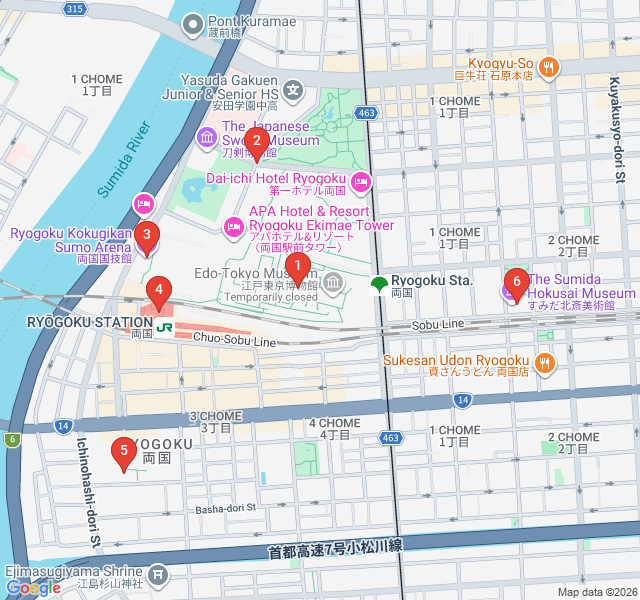
Numbers indicate the order of stops on the tour.
Start your journey at the Edo-Tokyo Museum, a building that looks more like a spaceship than a history center. Designed by architect Kikutake Kiyonori, the structure is elevated 19 meters off the ground, a design inspired by traditional Japanese storehouses. While the interior is often undergoing preservation, the exterior remains a landmark of Metabolist architecture. This site serves as a gateway to the district, symbolizing the massive scale of Tokyo’s transformation from the marshy Edo of the 1600s to the sprawling metropolis of today. Take a moment to appreciate how the building frames the skyline before heading toward the greenery nearby.
Just a short walk away lies the Kyu-Yasuda Teien Garden, a hidden gem of serenity. Originally built in the late 17th century for a samurai lord, this garden features a central pond shaped like the kanji character for 'heart.' Historically, the pond’s water level rose and fell with the tides of the Sumida River, though today it is managed mechanically. As you stroll the circular path, notice the bridge and the carefully manicured pine trees that offer a stark, beautiful contrast to the surrounding city buildings. It is a perfect example of the 'shakkei' or 'borrowed scenery' technique common in Japanese landscape design.
You are now standing before the Ryogoku Kokugikan, the hallowed ground of professional sumo. Built in 1985, this stadium hosts three of the six annual Grand Sumo Tournaments. Sumo is more than a sport; it is a Shinto ritual with over 1,500 years of history. Look up at the roof of the stadium, which is designed to resemble a traditional shrine. On tournament days, the air here is electric, but even on quiet days, you might spot sumo wrestlers, known as rikishi, walking to their nearby stables in their colorful yukata. The bronze statues and banners surrounding the arena celebrate the legendary champions of this ancient discipline.
Located inside the historic Ryogoku Station building, Edo NOREN is a unique space that recreates the atmosphere of an Edo-period marketplace. The centerpiece is a full-sized 'dohyo,' or sumo ring, which is used for cultural events and demonstrations. Surrounding the ring are various restaurants serving local specialties, most notably 'Chanko Nabe'—the protein-rich stew that fuels sumo wrestlers. This is a great place to see the connection between the sport and the local food culture. The wooden architecture and traditional lanterns inside provide a nostalgic backdrop for a quick break or a look at the local crafts on display.
Eko-in Temple holds a somber but significant place in Tokyo’s history. It was founded in 1657 to pray for the 100,000 victims of the Great Fire of Meireki. Because it was a place where people from all walks of life were commemorated, it became a hub for public entertainment to raise funds for the temple. This is where the first organized sumo tournaments were held outdoors, long before the modern stadiums existed. Look for the 'Chikara-zuka' or Strength Mound, a monument where aspiring wrestlers come to pray for success. The temple’s inclusive spirit continues today, offering a peaceful space for reflection amidst the busy city.
Your walk concludes at the Sumida Hokusai Museum, a striking modern building designed by Pritzker Prize-winner Kazuyo Sejima. This museum is dedicated to Katsushika Hokusai, the world-renowned ukiyo-e artist most famous for 'The Great Wave off Kanagawa.' Hokusai was born in this very neighborhood and spent most of his 90-year life here, capturing the landscapes and daily life of Edo. The museum’s angular, reflective facade mirrors the surrounding park, bridging the gap between Hokusai’s historic woodblock prints and contemporary Japanese design. It is a fitting end to a route that celebrates the enduring creativity and resilience of the Ryogoku district.
Start Free on iPhone
Open Zigway as you walk and your private tour guide tells the stories behind what you pass.
Your Private Tour Guide
Don't miss the good stuff
Explore Freely
 Moderate
Tokyo, Japan
Discover Tokyo's premier creative district on this self-guided walk through Roppongi’s world-class museums and striking modern architecture.
 Easy
Tokyo, Japan
Discover the 'Old Tokyo' charm of Yanaka on this self-guided walk through historic temples, artisan alleys, and a stunning torii gate shrine.
 Easy
Tokyo, Japan
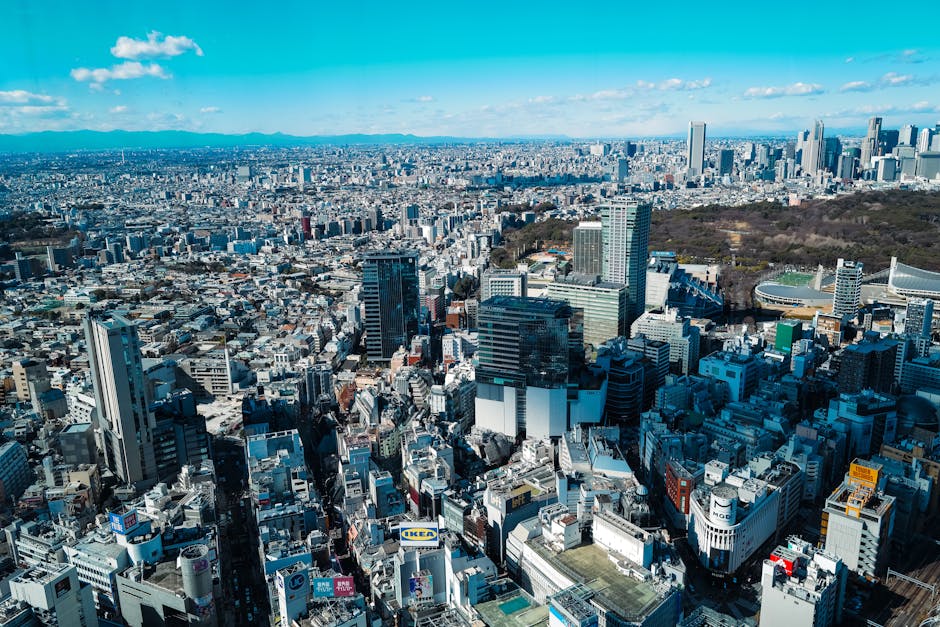
Experience Shibuya's electric energy on this self-guided walk from the iconic Scramble Crossing to the panoramic views of Shibuya Sky.
 Easy
Tokyo, Japan
Explore Tokyo's indie heart. From vintage fashion in Shimokitazawa to world-class art in Shinjuku, discover the city's creative soul independently.
 Moderate
Gdansk, Poland
Discover the origins of WWII in Gdansk on this self-guided walk through heroic last stands, massive museums, and strategic hilltop fortifications.
 Moderate
Warsaw, Poland
Explore the resilient spirit of Warsaw's Muranów district on this self-guided walk through the history and landmarks of the former Jewish Ghetto.
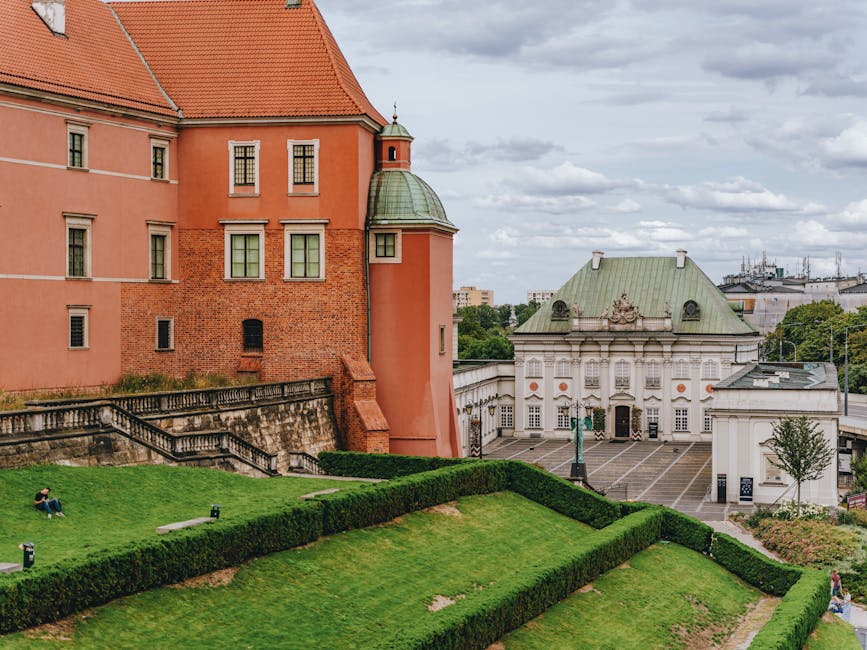 Moderate
Warsaw, Poland
A powerful self-guided walk through Warsaw's WWII history, tracking the 1944 Uprising from ruined skyscrapers to solemn memorials.
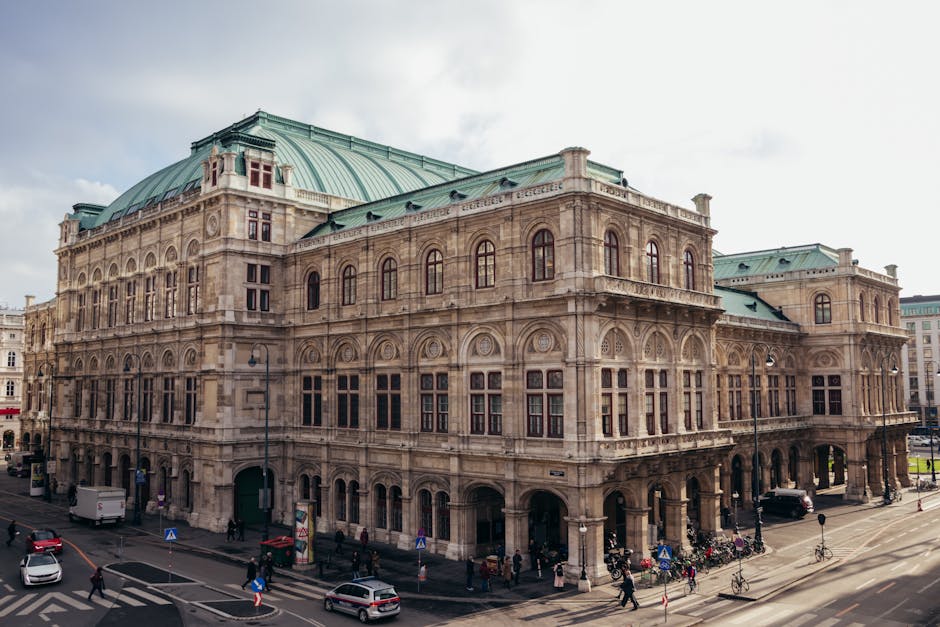 Moderate
Vienna, Austria
Follow the footsteps of Mozart and Strauss through Vienna’s historic center on this self-guided walk through the city's rich musical history.
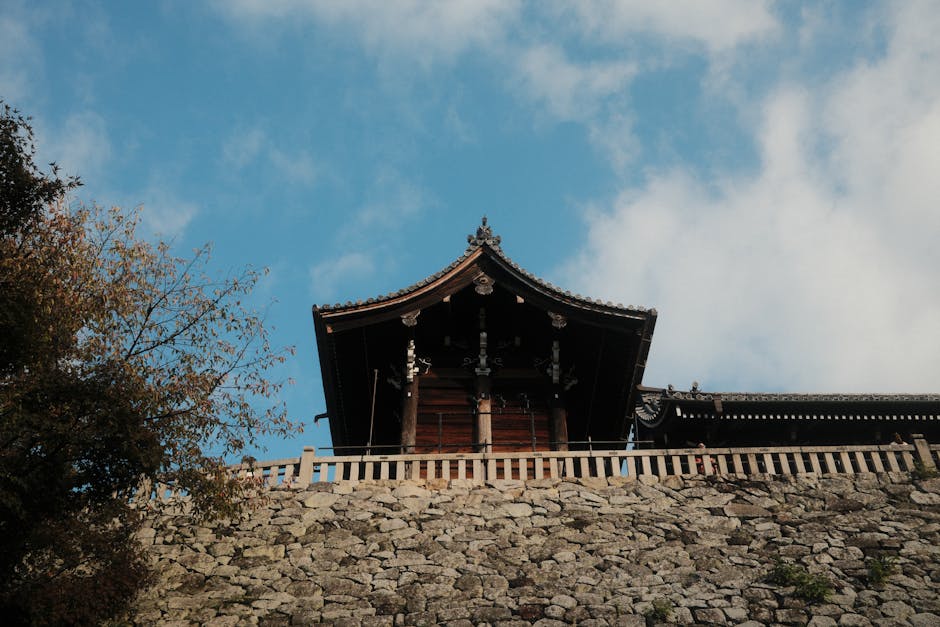 Moderate
Kyoto, Japan
Discover the soul of old Kyoto on this self-guided walk through preserved stone lanes, iconic pagodas, and the grand wooden stage of Kiyomizu-dera.
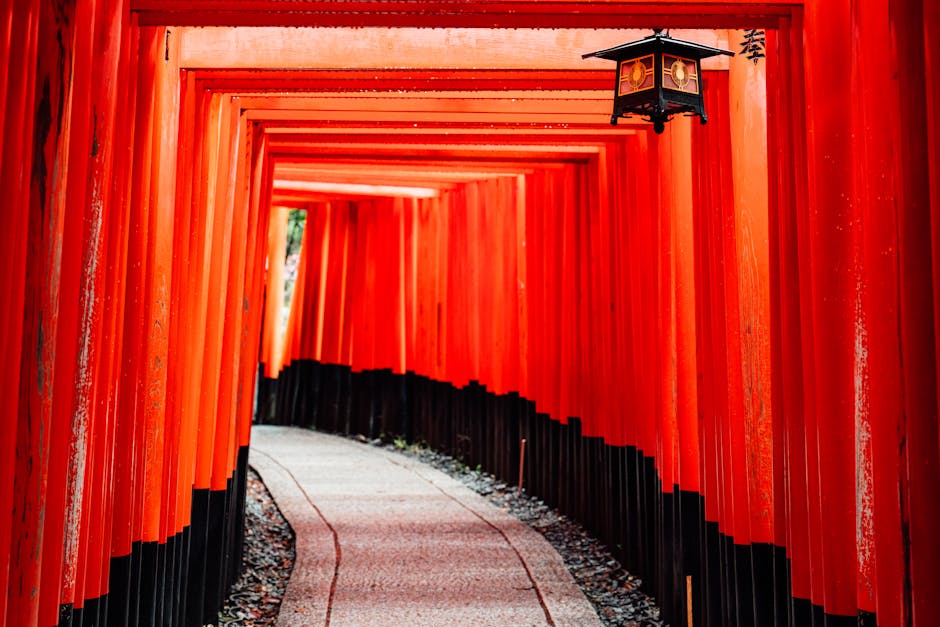 Challenging
Kyoto, Japan
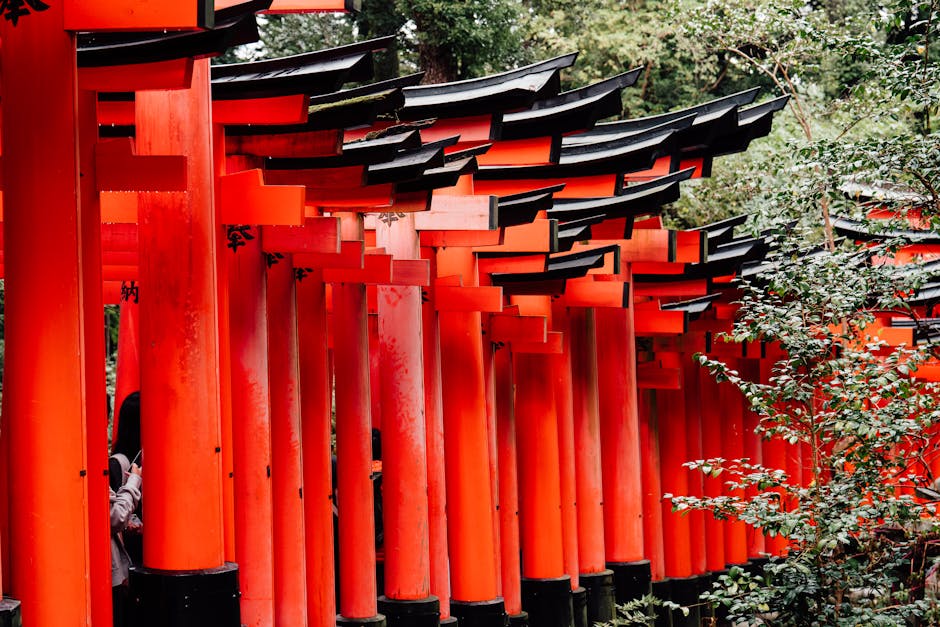
Ascend the sacred Mount Inari through thousands of vermillion torii gates on this challenging and spiritual self-guided walk in Kyoto.
 Easy
Kyoto, Japan
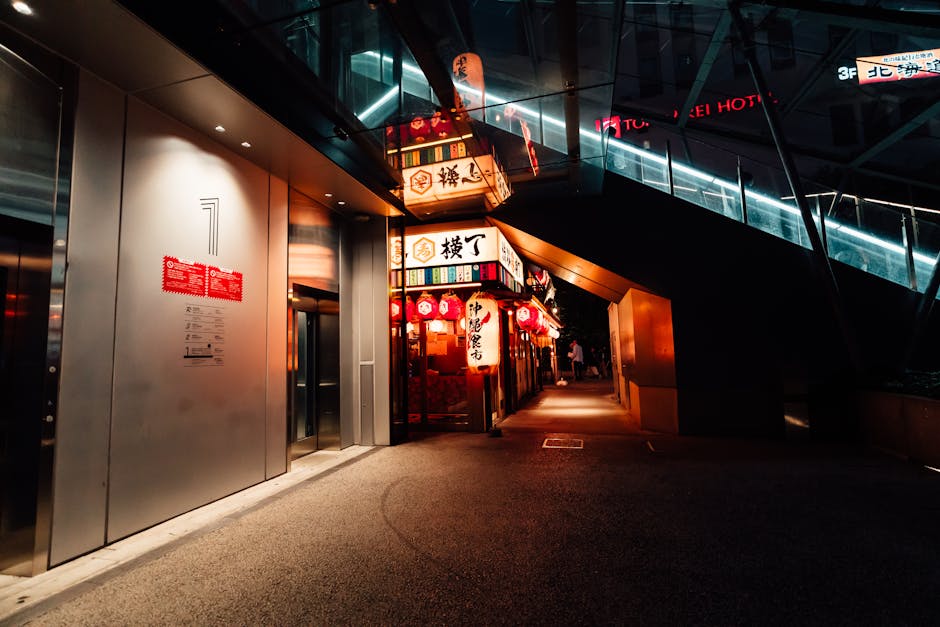
Explore Kyoto's most atmospheric alleyway. Discover geiko history, riverside dining, and hidden nightlife on this self-guided evening stroll.
 Moderate
Kyoto, Japan
Experience a serene self-guided walk along Kyoto's iconic Philosopher's Path, visiting Zen temples, hidden shrines, and the stunning Silver Pavilion.