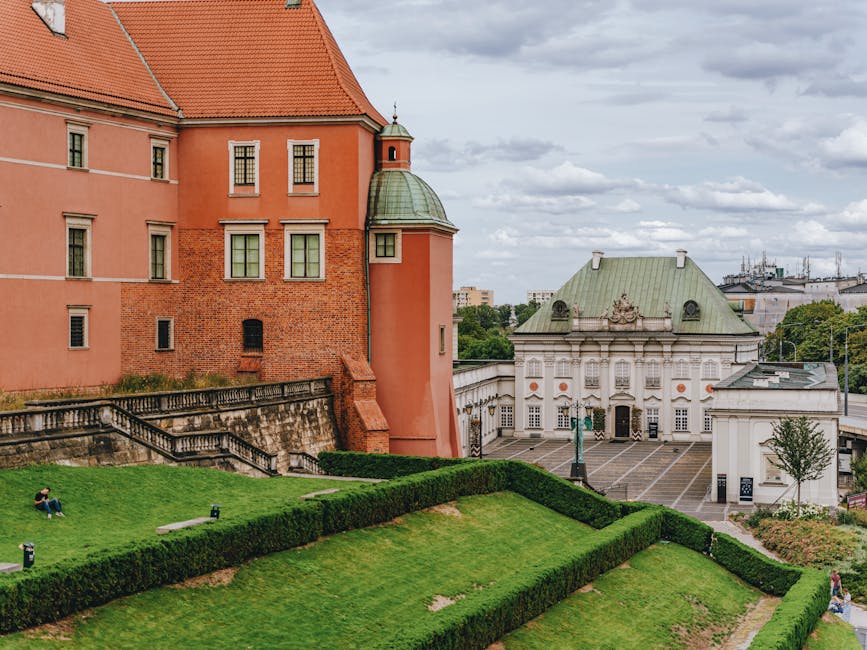
Self-guided audio tour in Warsaw
Start Free on iPhone
Start free on iPhone to unlock this self-guided walking tour in Warsaw. Hear all the stories that make it amazing, walk at your own pace, and begin whenever you want.
Your Private Tour Guide
Warsaw is a city that refused to die, a metropolis literally rebuilt from the ashes of World War II. This self-guided walk takes you through the heart of the 1944 Warsaw Uprising, a 63-day struggle against Nazi occupation that defined the Polish spirit and resulted in the near-total destruction of the city. This neighborhood stroll connects the physical scars of the city with the stories of the men, women, and children who fought in the sewers and streets. You will start at the world-renowned Warsaw Uprising Museum, housed in a former power station, which serves as the definitive repository of this history. From there, the walking route leads you toward the city center to see the ruins that were rebuilt into modern landmarks. You will encounter the Prudential Building, once the tallest in Poland, which stood as a skeletal symbol of defiance after being hit by thousands of shells during the conflict. The path also leads to the Warsaw Uprising Monument, where dramatic bronze figures emerge from the pavement to commemorate the insurgents. This walking route is more than a history lesson; it is a journey through the 'Phoenix City.' It is an ideal way to explore Warsaw independently, allowing you to pause for reflection at these powerful sites. By following this trail, you will understand how the events of 1944 shaped the modern layout and the resilient identity of the Polish capital today.
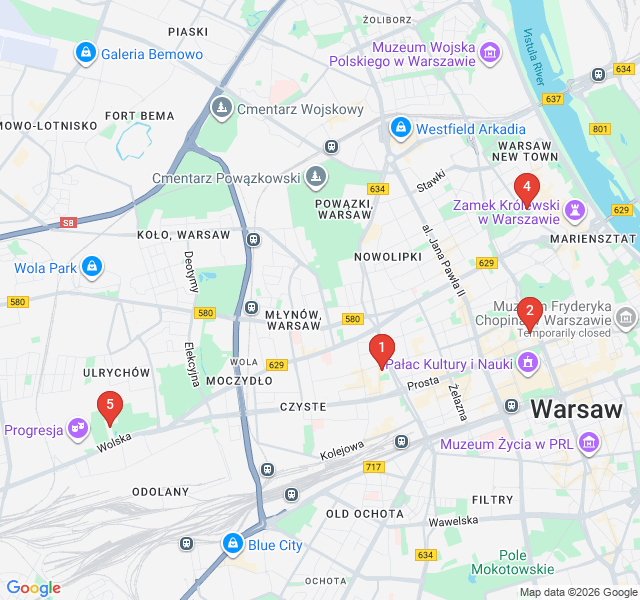
Numbers indicate the order of stops on the tour.
Start exploring with Zigway at this former tram power station, now one of Poland's most visited museums. On August 1, 1944, at exactly 5:00 PM—known as 'W-Hour'—the Polish Home Army rose up against the German occupiers. This museum captures the intensity of those 63 days through an immersive design that includes a replica of a Liberator B-24 bomber and a recreation of the city's sewer system, which insurgents used for movement. As you walk through the industrial halls, listen for the 'heartbeat' of the city—a rhythmic thumping sound that permeates the building, symbolizing the life of Warsaw in 1944. It is a profound introduction to the scale of the sacrifice and the complexity of the struggle.
This tower, once the headquarters of the Polish Telephone Joint-stock Company (PAST), was the tallest building in Warsaw when it was completed in 1910. During the Uprising, it became a strategic fortress for the German forces due to its height and thick walls. For 20 days, Polish insurgents launched repeated assaults to capture the building and the vital communication lines it housed. They finally succeeded on August 20, 1944, using improvised flame throwers made from fire extinguishers. Today, the building still bears the marks of the battle, and the 'Kotwica' (Anchor) symbol of the Polish Underground State sits atop its roof as a permanent reminder of the victory.
Standing before the Hotel Warszawa, you are looking at the 'Skyscraper of Resistance.' Originally the Prudential Insurance building, this 16-story steel-frame tower was a marvel of pre-war engineering. During the Uprising, it was hit by approximately 1,000 shells, including a 2nd-ton mortar shell that was captured in one of the most famous photographs of the war. Despite the massive explosion that tilted the building, the steel frame held firm. It became a symbol of Polish endurance—a skeleton of a building that refused to fall. It has since been meticulously restored to its Art Deco glory, serving as a luxury hotel, yet its history as a defiant landmark remains its most significant feature.
Located at Krasiński Square, this is perhaps the most emotionally charged monument in the city. Unveiled in 1989, the bronze sculptures depict two scenes: a group of insurgents engaged in battle and a smaller group descending into a manhole. This refers to the evacuation of the Old Town, where thousands of fighters and civilians crawled through the narrow, filthy sewers to escape German encirclement. The monument stands on the very ground where many of these escapes took place. Take a moment to look at the faces of the bronze soldiers; they represent the diverse range of people—from professional soldiers to young scouts—who fought for the city's freedom.
To reach this final stop, a short tram ride toward the Wola district is recommended. This is the largest war cemetery in Poland and the final resting place for over 100,000 people, most of whom were civilians killed during the Uprising and the subsequent massacres in Wola. Unlike the more decorative military cemeteries, this site is characterized by its scale and the 'Mound of Ashes'—a monument containing the remains of those burned by German forces. It is a place of deep silence and reflection, emphasizing that the Uprising was not just a military operation, but a human tragedy of immense proportions. The 'Fallen Unconquered' monument here serves as a final tribute to the city's spirit.
Start Free on iPhone
Explore “Resistance and Ruins: The 1944 Uprising Trail” with your very own Private Tour Guide with Zigway. Start free on iPhone, skip the large group and the fixed routes, and hear the city come alive as you go.
Your Private Tour Guide
Don't miss the good stuff
Explore Freely
 Easy
EasyWarsaw, Poland
Discover the hidden courtyards and grand pre-war architecture of Warsaw's most atmospheric neighborhood on this self-guided stroll.
 Easy
EasyWarsaw, Poland
Explore the 'Polish Versailles' at your own pace. Discover Baroque architecture, royal history, and stunning gardens on this self-guided walk.
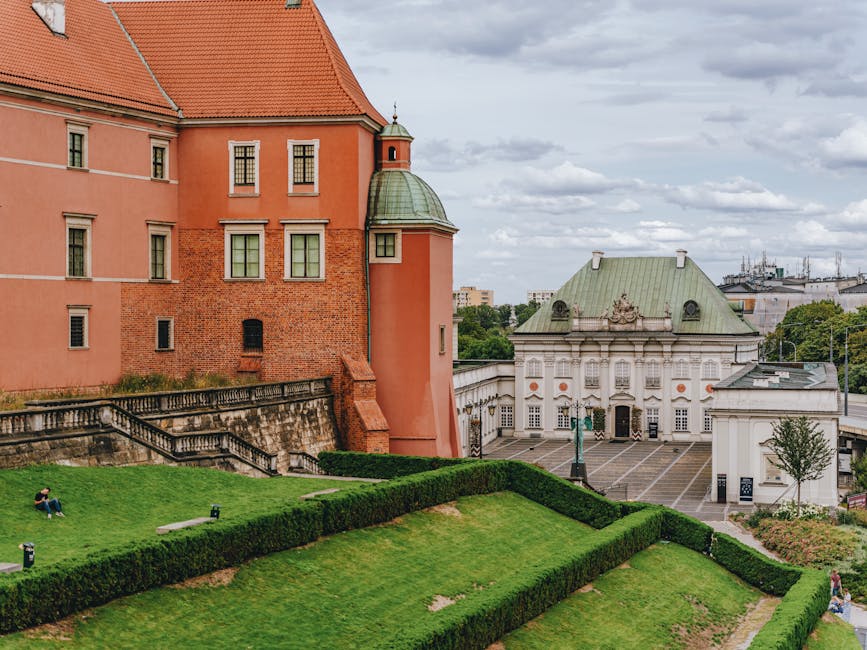 Moderate
Warsaw, Poland
Explore the resilient spirit of Warsaw's Muranów district on this self-guided walk through the history and landmarks of the former Jewish Ghetto.
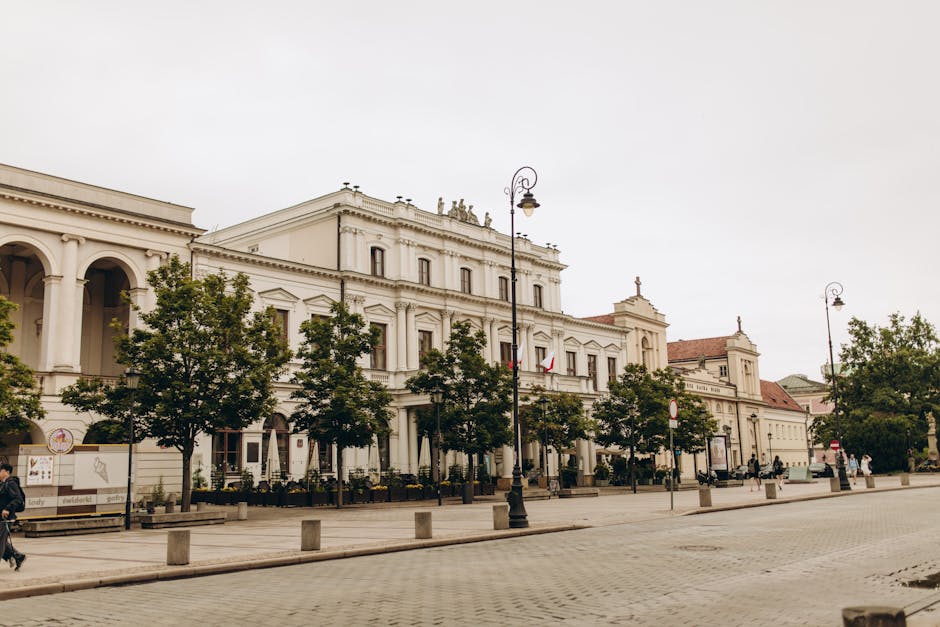 Easy
EasyWarsaw, Poland
Explore Warsaw's scenic riverfront, rooftop gardens, and industrial-chic architecture on this self-guided stroll through the Powiśle district.
 Moderate
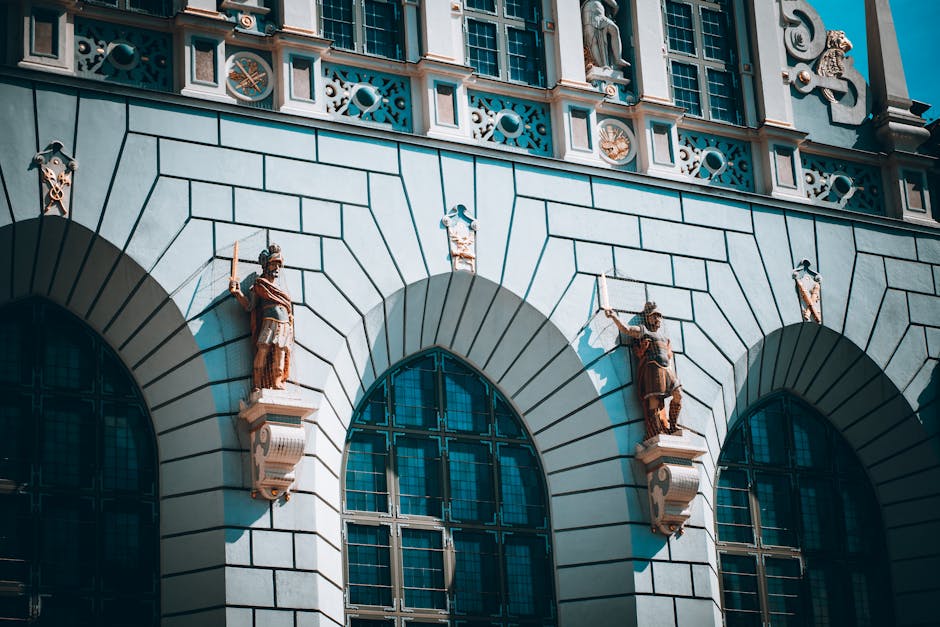
Gdansk, Poland
Discover the origins of WWII in Gdansk on this self-guided walk through heroic last stands, massive museums, and strategic hilltop fortifications.
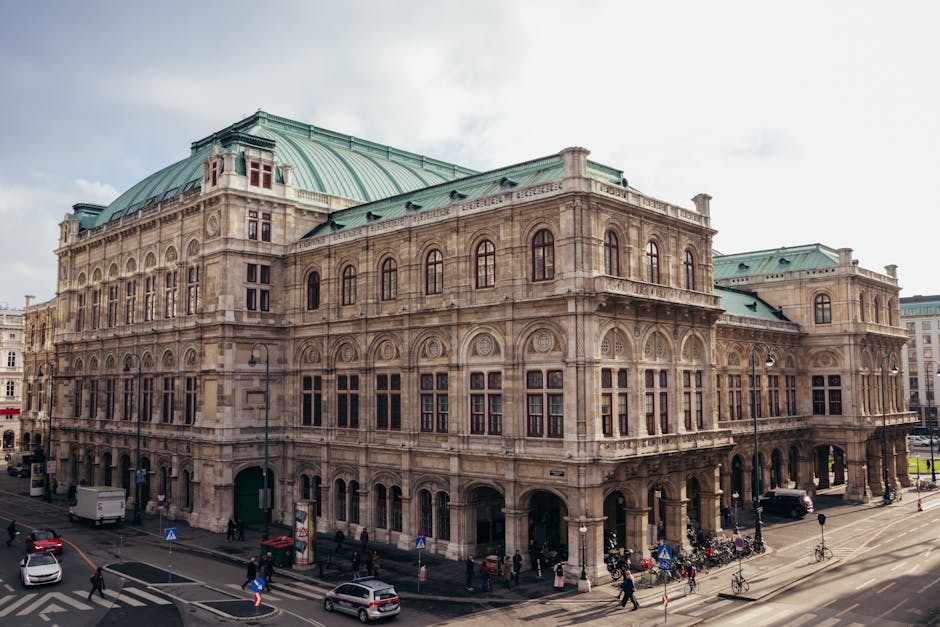 Moderate
Vienna, Austria
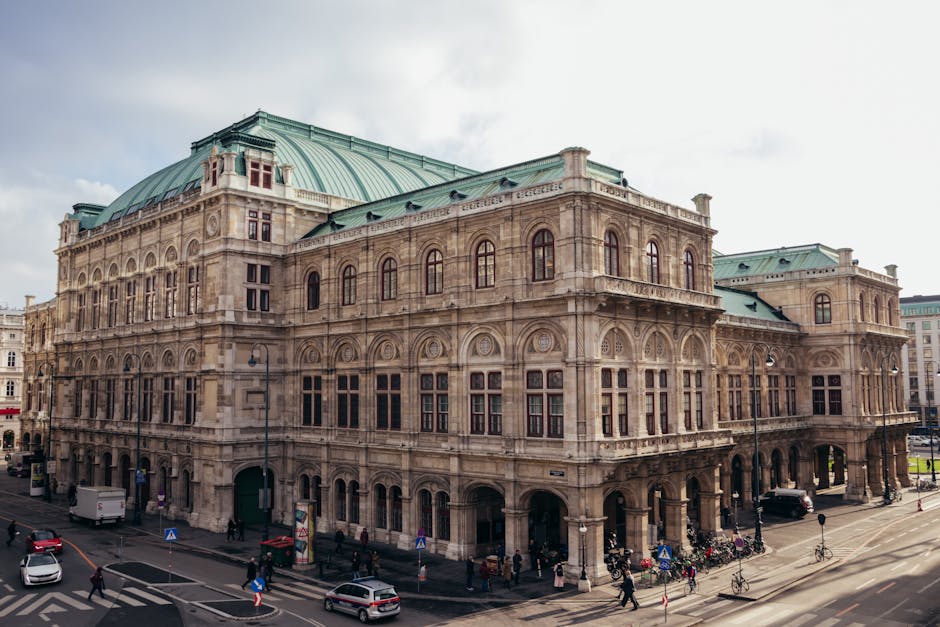
Follow the footsteps of Mozart and Strauss through Vienna’s historic center on this self-guided walk through the city's rich musical history.
 Moderate
Vienna, Austria
Discover the noir world of The Third Man and Cold War Vienna on this atmospheric self-guided audio walk through the historic Innere Stadt.
 Moderate
Helsinki, Finland
Explore the 'Gibraltar of the North' on this independent walking route through the historic bastions and hidden gardens of Suomenlinna Sea Fortress.
 Easy
EasyKrakow, Poland
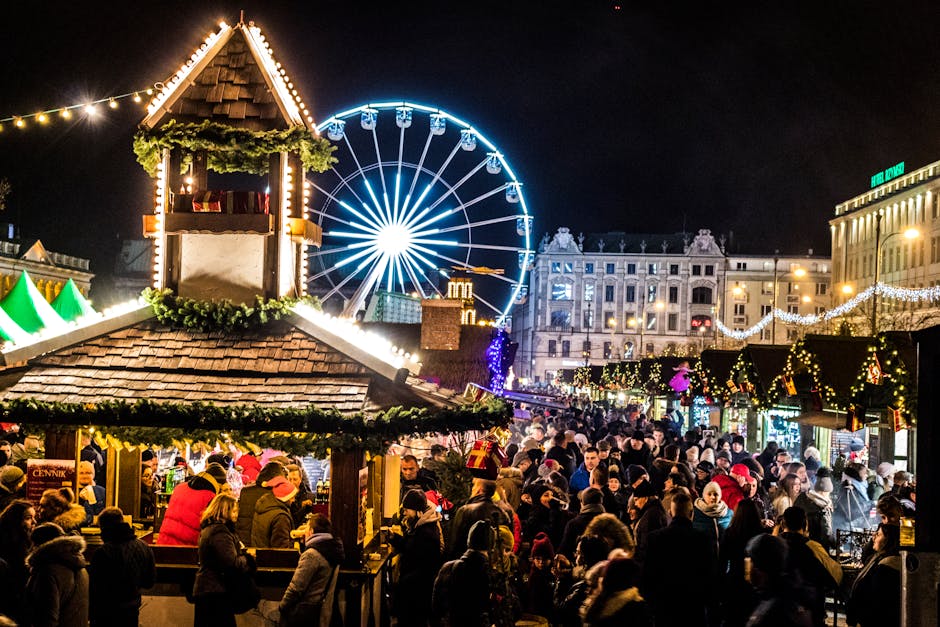
Explore the prestigious Jagiellonian University district, featuring Neo-Gothic architecture, Baroque churches, and Krakow's hidden scholarly gems.
 Easy
EasyKrakow, Poland
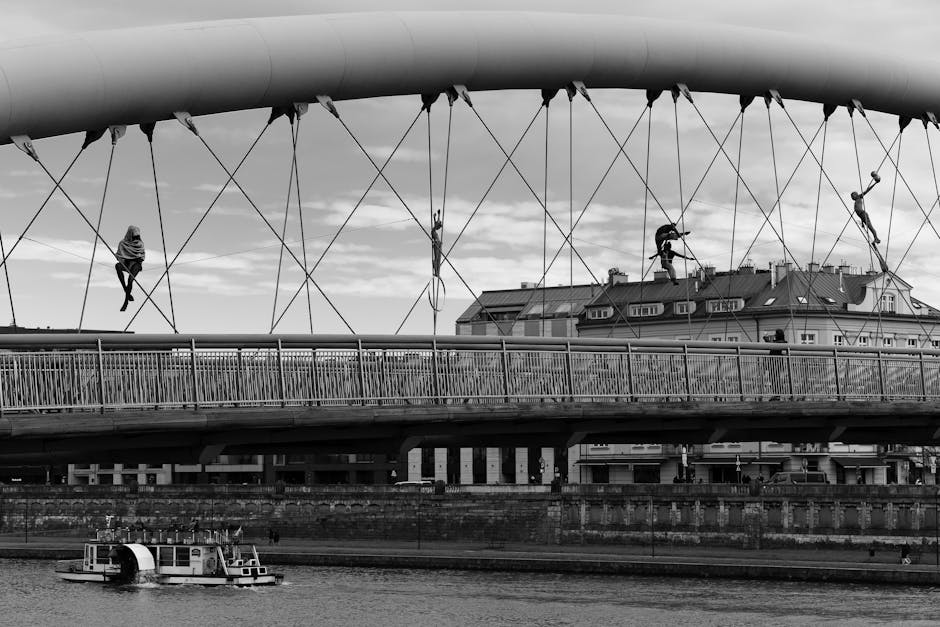
Explore Krakow's hidden nightlife with this self-guided walk through medieval cellars, jazz clubs, and bohemian bars in the Old Town and Kazimierz.
 Easy
EasyKrakow, Poland
Discover Krakow’s creative soul in Zabłocie, exploring industrial heritage, contemporary art museums, and avant-garde architecture at your own pace.
 Easy
EasyKrakow, Poland
Explore the historic heart of Kazimierz on this self-guided walk through synagogues, ancient cemeteries, and vibrant squares.