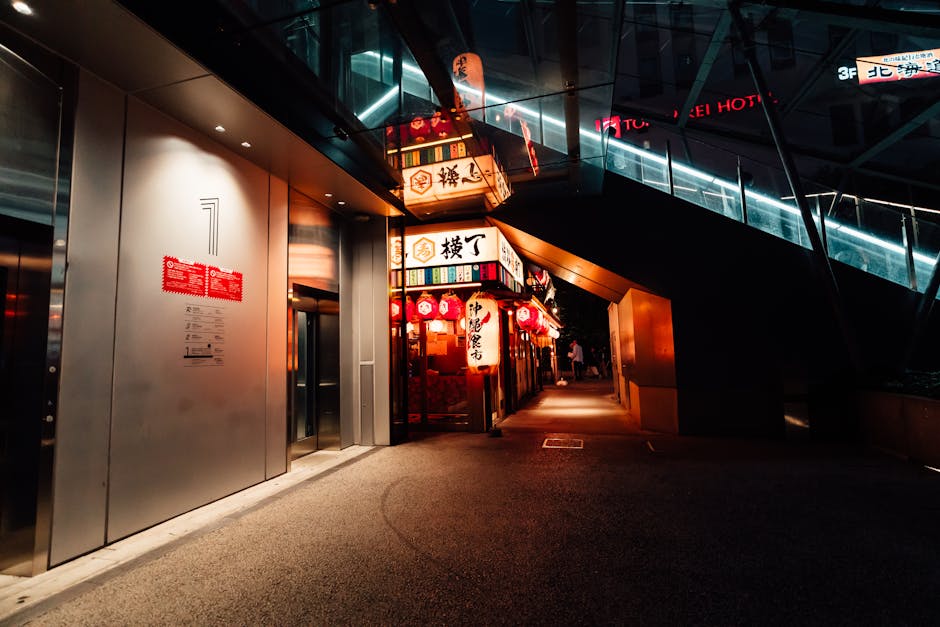
Self-guided audio tour in Kyoto
Start Free on iPhone
Start free on iPhone to unlock this self-guided walking tour in Kyoto. Hear all the stories that make it amazing, walk at your own pace, and begin whenever you want.
Your Private Tour Guide
As twilight descends upon Kyoto, the narrow corridor of Pontocho Alley transforms into one of the most atmospheric spaces in Japan. This self-guided walk invites you to step away from the modern neon of the city and into a world of glowing red lanterns, historic wooden machiya houses, and the subtle scent of high-end incense. Pontocho is one of Kyoto's five hanamachi, or geiko districts, where the traditions of the Edo period remain woven into the fabric of daily life. On this neighborhood stroll, you will navigate the slender passage between the Kamo River and the Takase Canal, discovering how this area evolved from a simple riverbank into a premier destination for culinary arts and traditional entertainment. The route highlights the architectural beauty of the Kaburenjo Theater and the vibrant energy of Kiyamachi-dori, providing a balanced look at both the ancient and contemporary nightlife scenes. While many visitors simply rush through the main alley, this walking route encourages you to notice the small details: the intricate carvings on doorframes, the seasonal 'yuka' dining platforms over the water, and the quiet dignity of the Kamogawa riverbank. Whether you are hoping to catch a glimpse of a geiko heading to an evening appointment or looking for the perfect hidden bar, this independent exploration offers the historical context needed to appreciate Kyoto's evening charm. By following this route at your own pace, you can experience the transition from the bustling Shijo Bridge to the peaceful northern reaches of the district, making it an essential experience for anyone seeking the true spirit of Kyoto after dark. **Note:** This area is known for its ever-changing character. Street art, pop-up venues, and temporary exhibitions may differ from what's described. That's part of the adventure - you might discover something entirely new!
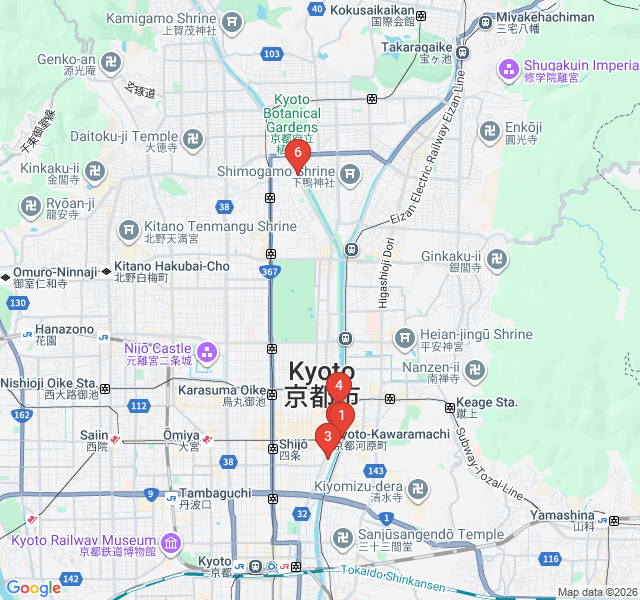
Numbers indicate the order of stops on the tour.
Begin your self-guided adventure at Shijō Bridge, the bustling artery that connects the Gion district with the heart of Kyoto. From here, you can see the Kamo River flowing beneath you, a waterway that has defined the city's geography for over a millennium. Looking north, the row of buildings on your left marks the start of Pontocho. In the summer months, you'll see 'yuka'—elevated wooden decks where diners enjoy the breeze. This bridge is a transition point between the grand scale of the city and the intimate, narrow streets you are about to explore. Take a moment to appreciate the Minamiza Kabuki Theatre on the eastern end, which serves as a reminder of the area's deep roots in the performing arts.
Step into the narrow entrance of Pontocho Alley, a street so slender that umbrellas often overlap during a rainstorm. This path dates back to the 1670s and is famous for its 'Chidori' or plover lanterns, which represent the birds that traditionally nested along the riverbanks. As you walk, you'll pass an array of establishments ranging from exclusive, invitation-only tea houses to modern izakayas and bars. The architecture here is strictly preserved, featuring dark wood and 'koshi' (slatted) windows. Keep an eye out for small shrines tucked between buildings, which are still maintained by the local business owners to ensure prosperity and protection from fire.
A short walk westward brings you to Kiyamachi-dori, which runs parallel to the Takase River canal. While Pontocho feels like a hidden world, Kiyamachi is open and vibrant. The canal was originally built in the 17th century to transport goods like wood and rice into the city center. Today, it is lined with cherry trees that are spectacularly illuminated in the spring. This southern section of the street is a mix of history and modern life, where you can find monuments marking the residences of famous samurai alongside bustling cafes. The sound of the running water provides a soothing backdrop to the city's energetic nightlife.
Located at the northern end of the alley, the Pontocho Kaburenjo Theater is the cultural heart of the district. Built in the late 19th century and reconstructed in 1927, its architecture is a unique blend of traditional Japanese and Western styles. This is the primary training ground and performance space for the geiko and maiko of Pontocho. Every May, it hosts the Kamogawa Odori, a spectacular dance festival that has been performed since 1872. Even when performances aren't scheduled, the building's exterior, with its distinctive brickwork and grand presence, stands as a testament to the enduring importance of traditional arts in Kyoto's modern identity.
Returning to Kiyamachi-dori further north, you'll notice the atmosphere shifts toward a more modern, eclectic nightlife. This area is packed with multi-story buildings housing everything from jazz bars to karaoke boxes. Despite the modern signage, the history remains visible in the stone markers commemorating the Bakumatsu period—a time of intense political upheaval in the mid-1800s. Many loyalist samurai frequented the inns and bars along this canal, making it a place of secret meetings and historical intrigue. It’s a fascinating place to witness how Kyoto layers its revolutionary past with its vibrant, neon-lit present.
Conclude your walking route at the bank of the Kamo River. This riverside park is the 'living room' of Kyoto. In the evenings, you'll see locals sitting in perfectly spaced intervals along the bank—a phenomenon often called the 'Kamogawa distance.' From this vantage point, you can look back at the Pontocho buildings and see the glow of the restaurants reflecting on the water. It is a peaceful place to reflect on your journey through the alleyways. Note that the park area extends far north; while the coordinates point to a specific spot, the entire riverbank offers a serene escape from the city's density. Please be aware that river levels can change with the weather, so stay on designated paths.
Start Free on iPhone
Explore “Twilight Tales of Pontocho Alley” with your very own Private Tour Guide with Zigway. Start free on iPhone, skip the large group and the fixed routes, and hear the city come alive as you go.
Your Private Tour Guide
Don't miss the good stuff
Explore Freely
 Moderate
Kyoto, Japan
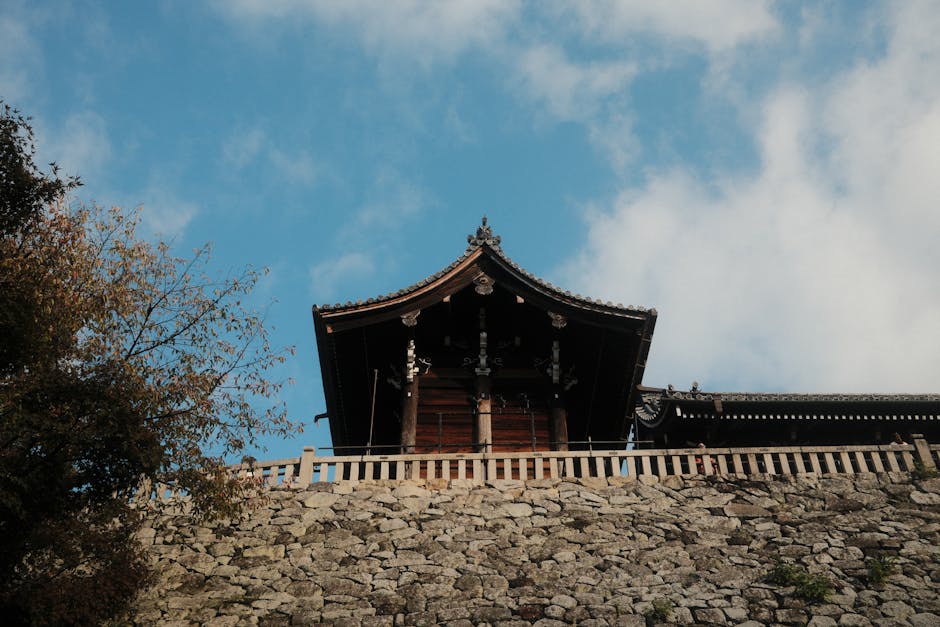
Discover the soul of old Kyoto on this self-guided walk through preserved stone lanes, iconic pagodas, and the grand wooden stage of Kiyomizu-dera.
 Challenging
Kyoto, Japan
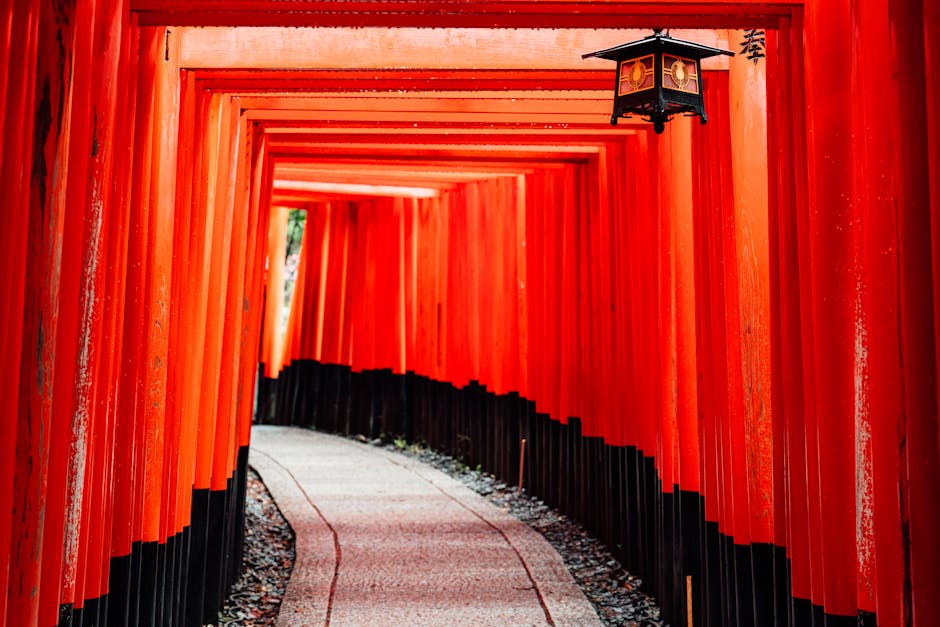
Ascend the sacred Mount Inari through thousands of vermillion torii gates on this challenging and spiritual self-guided walk in Kyoto.
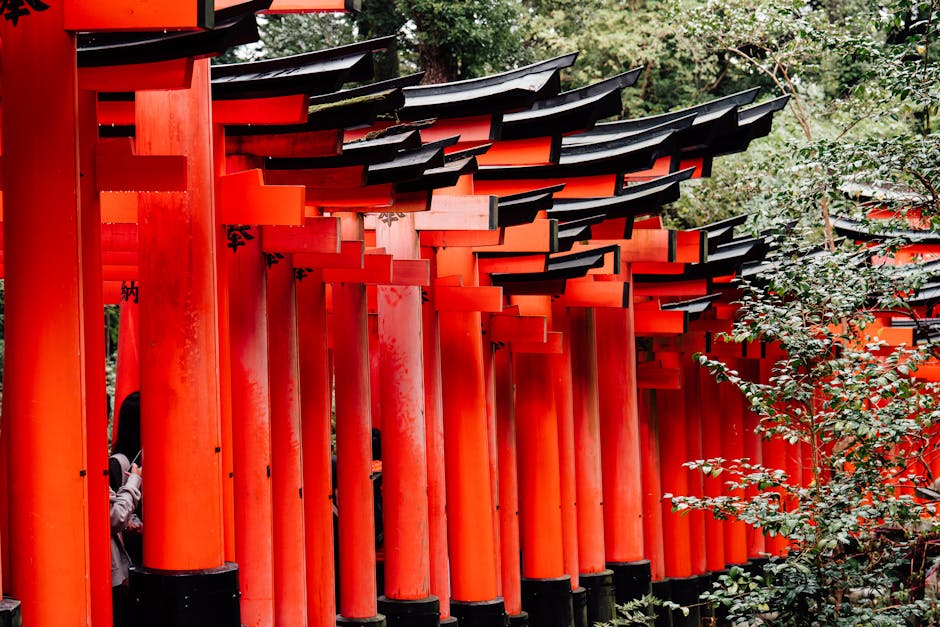 Moderate
Kyoto, Japan
Experience a serene self-guided walk along Kyoto's iconic Philosopher's Path, visiting Zen temples, hidden shrines, and the stunning Silver Pavilion.
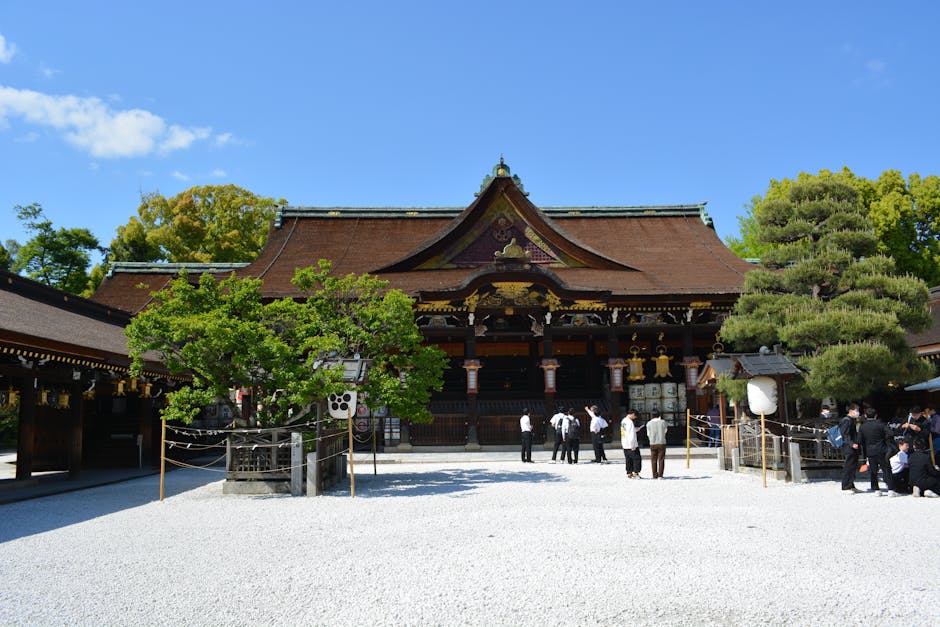 Easy
EasyKyoto, Japan
Discover the striking contrast between Kyoto's ancient traditions and futuristic architecture on this self-guided neighborhood stroll.
 Easy
EasyVienna, Austria
Explore Vienna’s vibrant open-air gallery along the Danube Canal on this self-guided street art and nightlife stroll through Leopoldstadt.
 Easy
EasyKrakow, Poland
Explore Krakow's hidden nightlife with this self-guided walk through medieval cellars, jazz clubs, and bohemian bars in the Old Town and Kazimierz.
 Easy
EasyGdansk, Poland
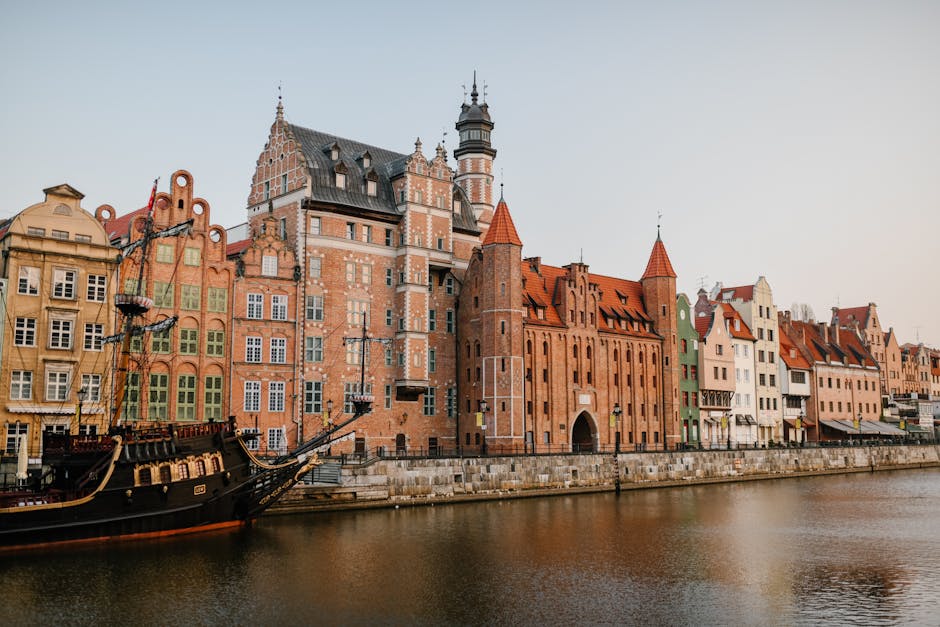
Discover the 'Baltic Gold' on this self-guided walk through Gdansk's historic mills, massive cathedrals, and the magical Mariacka Street.
 Easy
EasyNairobi, Kenya
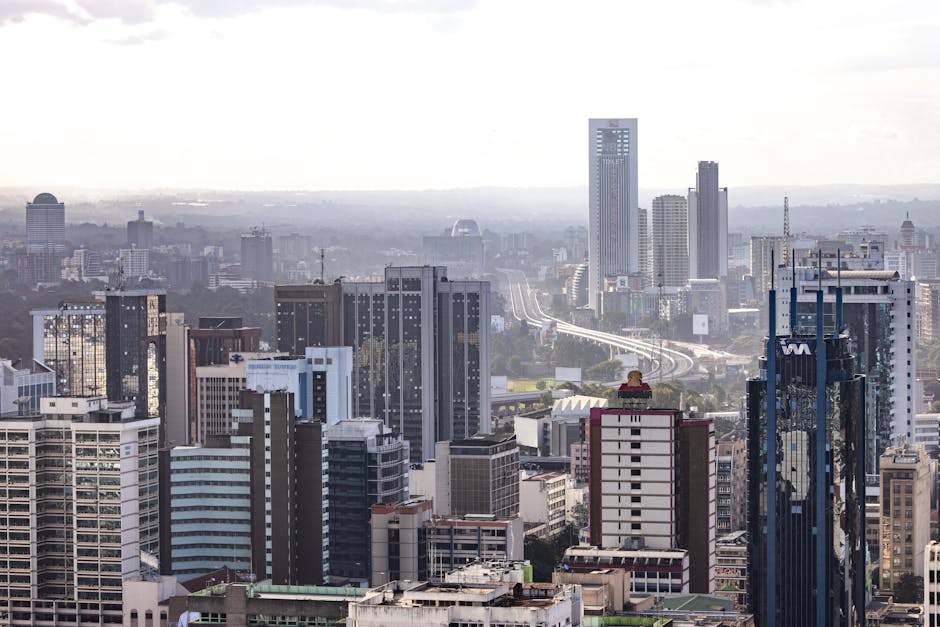
Explore the history of Kenya’s independence through the statues, monuments, and parks that define Nairobi’s political heart on this self-guided walk.
 Moderate
Tokyo, Japan
Discover Tokyo's premier creative district on this self-guided walk through Roppongi’s world-class museums and striking modern architecture.
 Easy
EasyTokyo, Japan
Discover the 'Old Tokyo' charm of Yanaka on this self-guided walk through historic temples, artisan alleys, and a stunning torii gate shrine.
 Easy
EasyTokyo, Japan
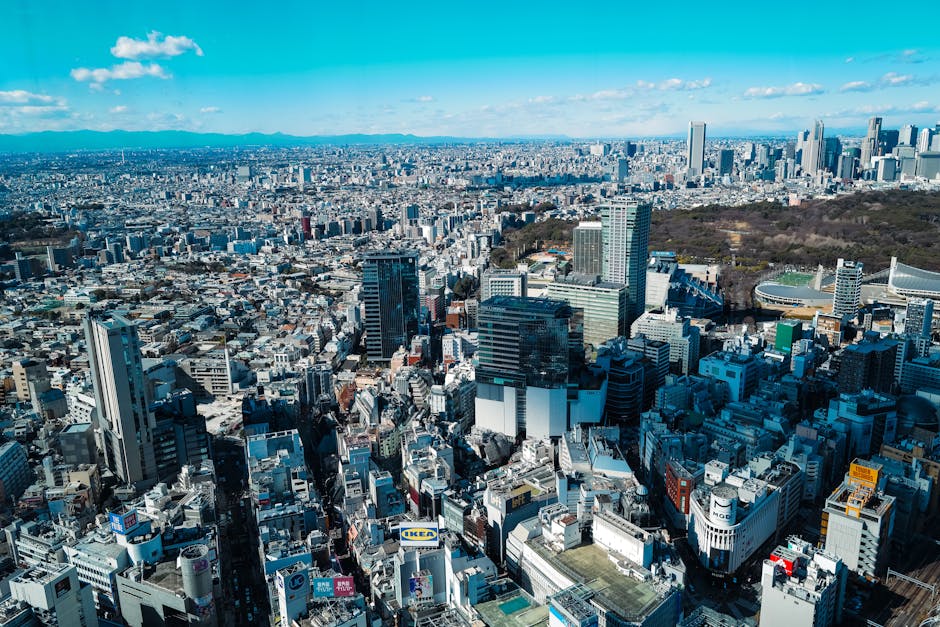
Experience Shibuya's electric energy on this self-guided walk from the iconic Scramble Crossing to the panoramic views of Shibuya Sky.
 Easy
EasyTokyo, Japan
Explore Tokyo's indie heart. From vintage fashion in Shimokitazawa to world-class art in Shinjuku, discover the city's creative soul independently.