Self-guided audio tour in Gdansk
Start Free on iPhone
Start free on iPhone to unlock this self-guided walking tour in Gdansk. Hear all the stories that make it amazing, walk at your own pace, and begin whenever you want.
Your Private Tour Guide
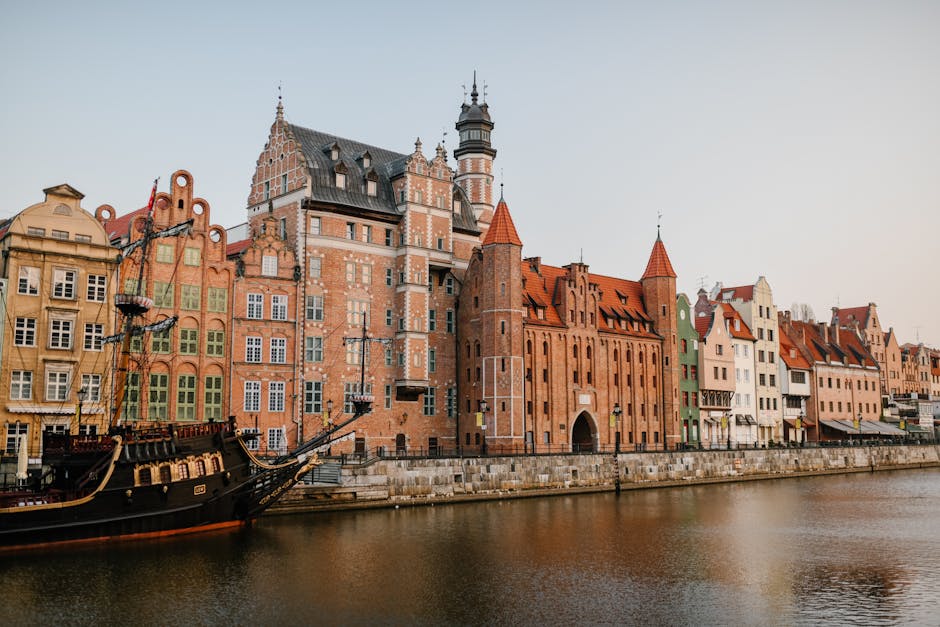
Gdansk is a city where history is literally etched into the stone and fossilized in resin. On this self-guided walking route, you will discover why this Baltic port has been the amber capital of the world for centuries. This neighborhood stroll through the Main City (Główne Miasto) blends the industrial heritage of the Middle Ages with the refined elegance of the city's golden age. Your journey begins at the Great Mill, a masterpiece of 14th-century engineering that now houses the world's largest Amber Museum. Here, you can explore the 'Baltic Gold' that once fueled the city's immense wealth. As you move through the historic streets, you will encounter the Basilica of St. Nicholas, a rare survivor of the city's wartime destruction, offering a glimpse into the opulent interior design of centuries past. The route takes you toward the heart of the town to the Four Quarters Fountain, a modern landmark marking the intersection of the city's ancient administrative districts. Looming over the skyline is the massive St. Mary’s Church, the largest brick cathedral in the world, which serves as a testament to the power of the Hanseatic League. The walk concludes on the enchanting Mariacka Street. Often cited as one of the most beautiful streets in Europe, Mariacka is a haven for photography enthusiasts and those interested in high-end shopping. With its ornate terraces, decorative rain spouts known as gargoyles, and numerous basement workshops, it remains the soul of Gdansk’s amber trade. This walking tour Gdansk allows you to experience the city's unique atmosphere at your own pace, moving from the clatter of the Radunia Canal to the quiet, cobblestoned elegance of the amber galleries. Whether you are hunting for a unique souvenir or looking to capture the perfect architectural shot, this route offers the best of the city's historic charm without the need for a formal guided tour Gdansk. Explore independently and let the stories of the Baltic coast unfold before you.
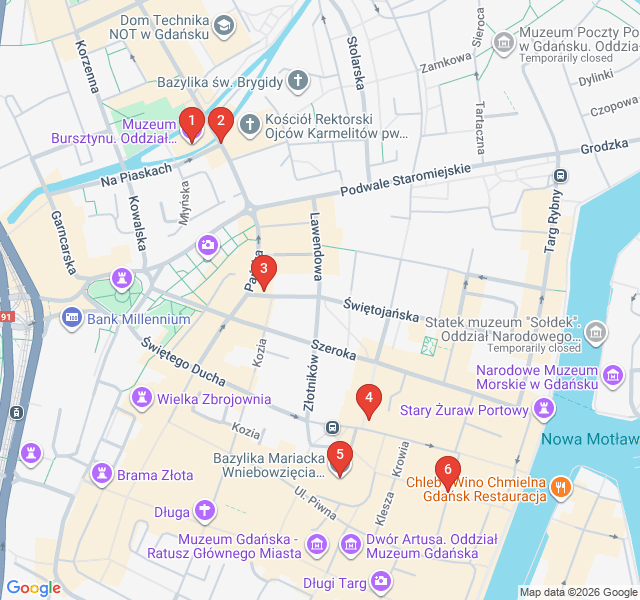
Numbers indicate the order of stops on the tour.
Start your self-guided adventure at the Great Mill, which now houses the Amber Museum. This isn't just a collection of jewelry; it is a deep dive into the natural history and cultural significance of amber. You will find ancient inclusions—insects and plants trapped in resin millions of years ago—alongside contemporary masterpieces. The building itself is a relic of the Teutonic Knights, once the largest industrial building in medieval Europe. As you explore, notice how the modern museum architecture integrates with the massive wooden beams of the mill. It is the perfect introduction to the wealth and craftsmanship that defined Gdansk for centuries.
Step outside and look at the structure you just exited. Built by the Teutonic Knights around 1350, the Great Mill was powered by the Radunia Canal, an artificial waterway that still flows beside it. For centuries, this was the largest mill in Europe, equipped with 18 waterwheels that ground flour for the entire region. The distinctive, massive roof was designed to store grain. Today, the area around the mill is a peaceful spot where you can see the canal's rushing water and appreciate the medieval engineering that helped turn Gdansk into a trade powerhouse long before the industrial revolution.
A short walk brings you to the Basilica of St. Nicholas. While much of Gdansk was rebuilt after the devastation of 1945, this church remarkably survived almost untouched. Founded by the Dominicans in the 12th century, it is the oldest church in the Main City. Step inside to see the striking contrast between the austere Gothic brick exterior and the lavish Baroque and Rococo interior. The high altar and the intricately carved choir stalls are breathtaking. It serves as a rare, authentic link to the pre-war city, filled with centuries of art that escaped the flames of history.
Continue toward the heart of the district to the Four Quarters Fountain. This modern installation, featuring four bronze lions, marks the symbolic center where the four historic quarters of the Main City meet: Kogge, Altstadt, Rechtstadt, and Vorstadt. It’s a popular spot for locals to gather and a great place to orient yourself. The fountain sits in the shadow of the Royal Chapel, built for the city's Catholic minority in the late 17th century. The square here perfectly captures the blend of Gdansk's reconstructed history and its vibrant, modern public life.
You are now standing before the 'Crown of Gdansk.' St. Mary's is one of the largest brick churches in the world, capable of holding 25,000 people. Its construction took over 150 years, beginning in 1343. Inside, the space is vast and light, filled with white walls and high vaults. Don't miss the 15th-century astronomical clock, a complex masterpiece that tracks the positions of the sun and moon and features a parade of figures at noon. If you are feeling energetic, you can climb the 400-plus steps of the tower for an unparalleled view of the city and the Baltic Sea beyond.
Finish your stroll on Mariacka Street, the most picturesque thoroughfare in the city. This street was painstakingly reconstructed after World War II to restore its unique 'perrony'—raised stone terraces where merchants once sat. Look up to see the 'pyski,' or gargoyle-like water spouts that drain rainwater away from the buildings. This is the heart of the amber trade. Every basement and terrace houses a gallery or workshop where you can watch craftsmen at work. It is the best place to find a piece of Baltic gold or simply soak in the romantic, Old World atmosphere that makes Gdansk so unforgettable.
Start Free on iPhone
Explore “The Amber Trail and Mariacka Magic” with your very own Private Tour Guide with Zigway. Start free on iPhone, skip the large group and the fixed routes, and hear the city come alive as you go.
Your Private Tour Guide
Don't miss the good stuff
Explore Freely
 Moderate
Gdansk, Poland
Discover the bohemian soul of Gdańsk. Explore the literary landmarks of Günter Grass, Prussian villas, and the trendy cafes of historic Wrzeszcz.
 Easy
EasyGdansk, Poland
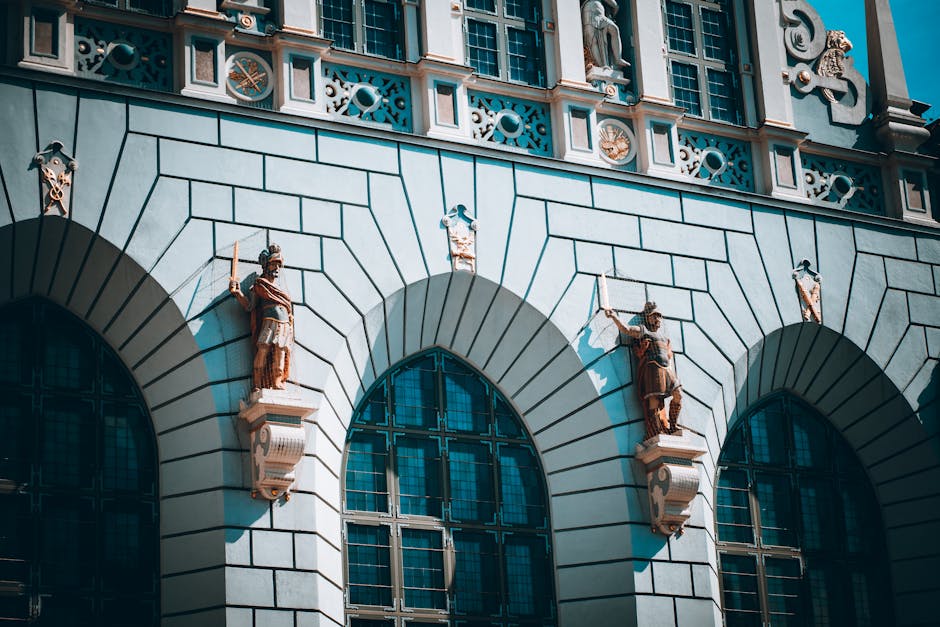
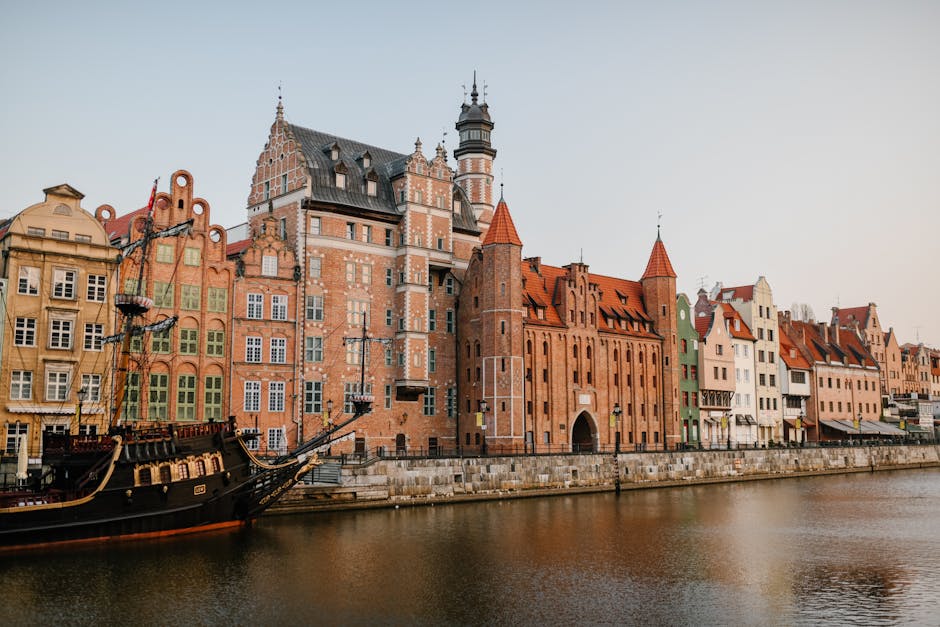
Discover the opulent Royal Way of Gdansk at your own pace. Explore Hanseatic history, gilded architecture, and the iconic Neptune's Fountain.
 Easy
EasyGdansk, Poland
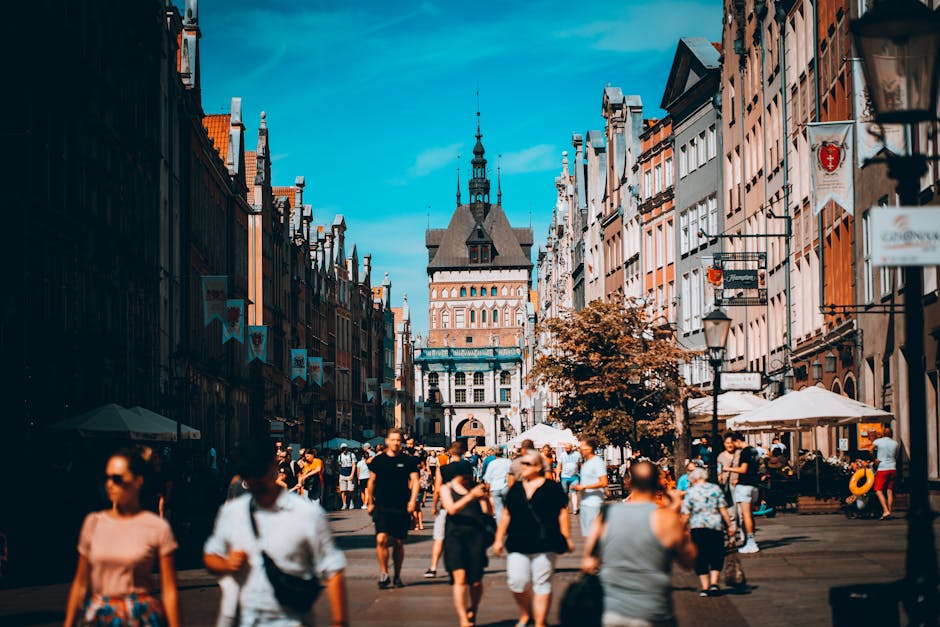
Discover the monastic heritage, world-famous organs, and lush botanical gardens of Oliwa on this peaceful self-guided neighborhood stroll.
 Easy
EasyGdansk, Poland
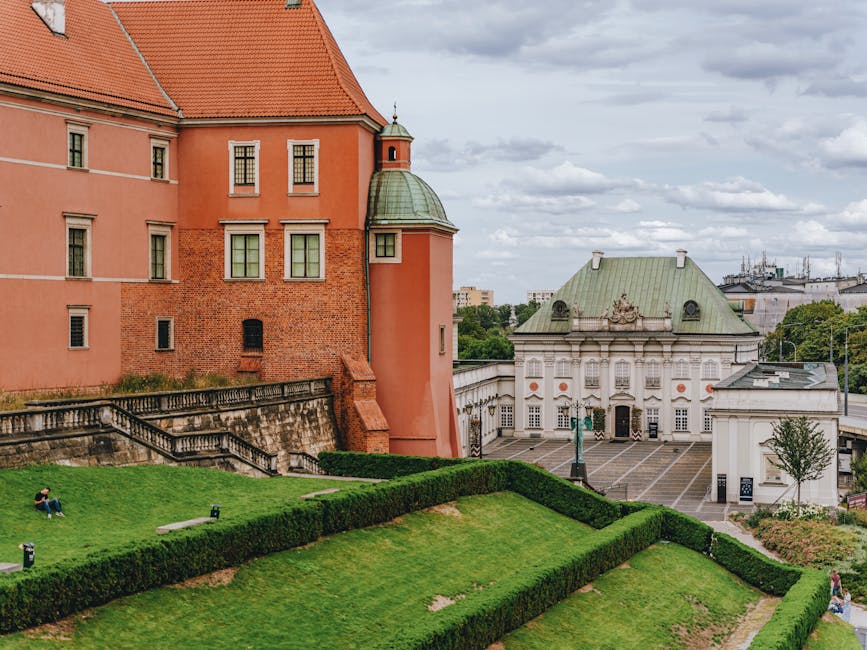
Taste the history of the Baltic. Explore Gdansk's culinary heritage from medieval markets to gold-flecked liqueurs on this self-guided walk.
 Easy
EasyWarsaw, Poland
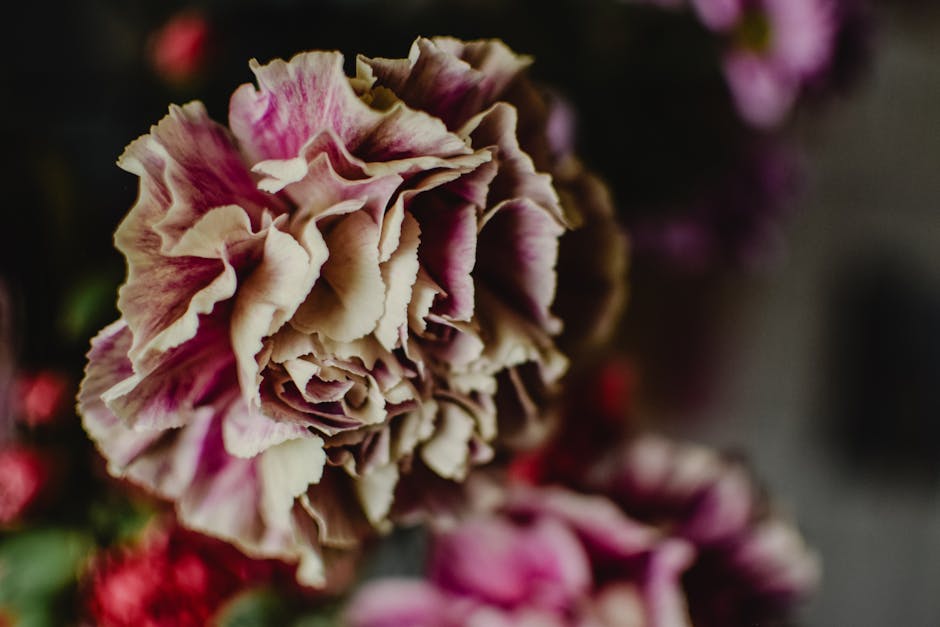
Explore the miracle of Warsaw's reconstructed Old Town on this self-guided walk through royal squares, medieval walls, and heroic monuments.
 Easy
EasyHelsinki, Finland
Discover Helsinki's oldest neighborhood on this self-guided audio walk through Kruununhaka’s historic streets, hidden courtyards, and scenic shores.
 Easy
EasyGothenburg, Sweden
Explore Gothenburg's elegant academic district, featuring grand 19th-century stone architecture and the iconic cultural hub of Götaplatsen.
 Easy
EasyGothenburg, Sweden
Explore Gothenburg’s historic wooden houses, legendary giant cinnamon buns, and panoramic fortress views on this self-guided neighborhood stroll.
 Easy
EasyKrakow, Poland
Explore the prestigious Jagiellonian University district, featuring Neo-Gothic architecture, Baroque churches, and Krakow's hidden scholarly gems.
 Easy
EasyKrakow, Poland
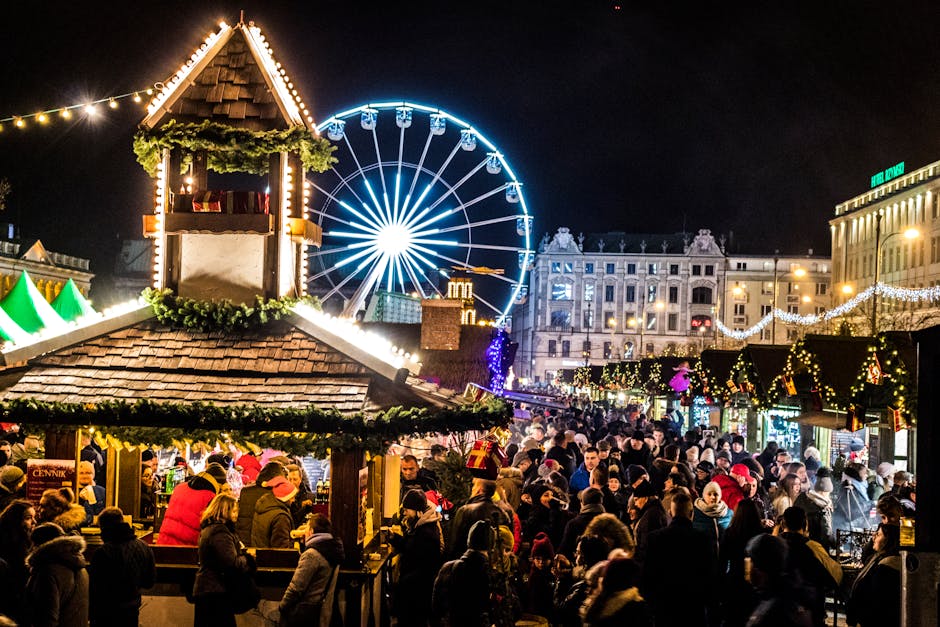
Explore Krakow's hidden nightlife with this self-guided walk through medieval cellars, jazz clubs, and bohemian bars in the Old Town and Kazimierz.
 Easy
EasyKrakow, Poland
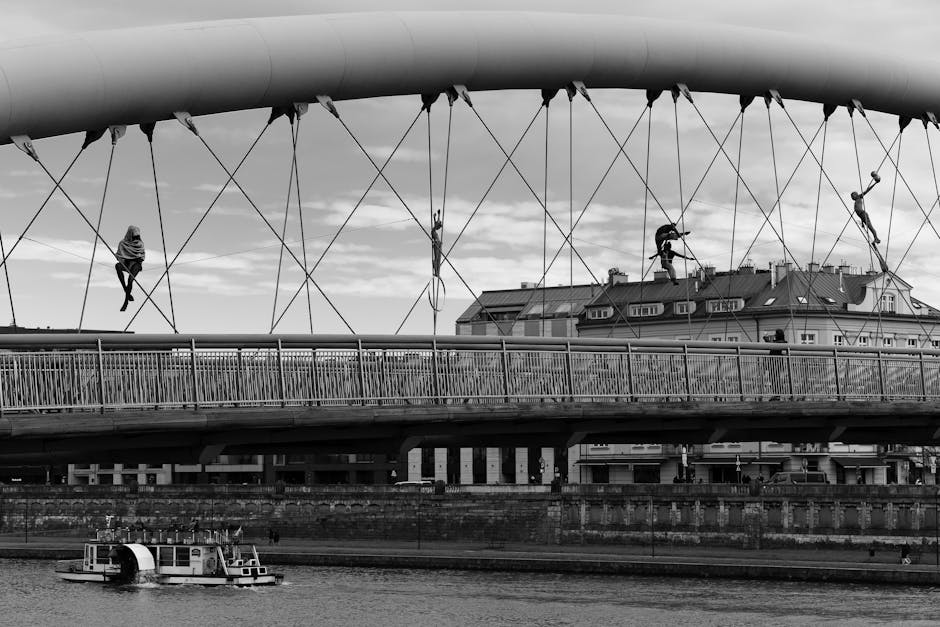
Discover Krakow’s creative soul in Zabłocie, exploring industrial heritage, contemporary art museums, and avant-garde architecture at your own pace.
 Easy
EasyKrakow, Poland
Explore the historic heart of Kazimierz on this self-guided walk through synagogues, ancient cemeteries, and vibrant squares.