Self-guided audio tour in Gothenburg
Start Free on iPhone
Start free on iPhone to unlock this self-guided walking tour in Gothenburg. Hear all the stories that make it amazing, walk at your own pace, and begin whenever you want.
Your Private Tour Guide
Step into the refined elegance of Gothenburg’s Vasastan neighborhood, a district defined by grand 19th-century architecture and an unmistakable academic atmosphere. This self-guided walk invites you to explore a side of the city that feels both historic and vibrantly intellectual. Unlike the narrow cobblestone streets of Haga, Vasastan boasts wide avenues and imposing stone buildings that reflect the wealth and ambition of Gothenburg’s golden age. On this neighborhood stroll, you will encounter the epicenter of Swedish design at the Röhsska Museum before wandering through the lush canopy of Vasaparken, the green heart of the university district. This route highlights the transition from the heavy, granite structures of the National Romantic movement to the monumental classicism of the city's cultural hub. You will stand at the foot of the iconic Poseidon statue at Götaplatsen, surrounded by the city's prestigious theater, concert hall, and art museum. This walking route is perfect for those who appreciate the intersection of history and modern city life. Whether you are a student of architecture or a traveler seeking a peaceful yet culturally rich experience, this audio walk provides the context you need to understand Gothenburg's expansion beyond its old fortified walls. While some might look for a guided tour Gothenburg offers many ways to see the sights, but exploring Vasastan independently allows you to linger under the linden trees or spend extra time admiring the intricate masonry of the Vasakyrkan. It is a quintessential walking tour Gothenburg experience for those who love grand urban planning and quiet, scholarly corners. The path is easy to navigate and provides a deep dive into the 19th-century expansion of the city, showing how Gothenburg transformed from a fortified trade port into a modern European center of education and art. Each stop reveals a different facet of Swedish identity, from the practical beauty of its design history to the spiritual weight of its granite monuments.
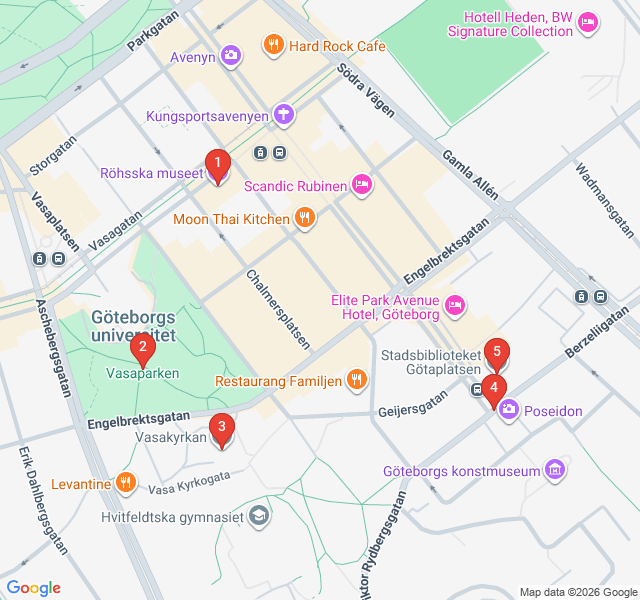
Numbers indicate the order of stops on the tour.
Welcome to the Röhsska Museum, Sweden's premier institution for design, fashion, and decorative arts. Opened in 1916, this building is a masterpiece of the Swedish brick architecture style popular in the early 20th century. Notice the dark red brick and the intricate details around the entrance. The museum was founded through a donation from the Röhss brothers and has since become a focal point for understanding Swedish aesthetics. Inside, the collections span centuries, from ancient Chinese ceramics to modern Scandinavian furniture. It represents the Swedish philosophy that beauty should be accessible to everyone, not just the elite. As you stand here, you are at the gateway to Vasastan, where the city’s intellectual and artistic ambitions truly began to take shape.
Just a short walk from the museum, you enter Vasaparken, a lush green lung that serves as the living room for the University of Gothenburg. Surrounded by grand university buildings, this park has been a site for both scholarly contemplation and public celebration since the late 1800s. The most prominent building nearby is the University's main administrative building, an imposing structure that anchors the neighborhood's academic identity. In the winter, the park often hosts an ice rink, while in the summer, the lawns are filled with students and locals enjoying the sun. The park is a perfect example of how Gothenburg integrated nature into its 19th-century urban planning, creating a balanced environment for its citizens.
Rising above the trees of the park is the Vasakyrkan, or Vasa Church. Completed in 1909, it is one of the most significant examples of National Romantic architecture in Sweden. Unlike the slender Gothic churches found elsewhere, this building is constructed from heavy, rough-hewn pink granite from the Swedish west coast. Its massive walls and sturdy tower evoke the feeling of a medieval fortress, reflecting a time when Swedish architects were looking back to their own history and rugged landscape for inspiration. The interior is equally impressive, featuring a wide, open space that was innovative for its time. Take a moment to admire the granite carvings and the way the building seems to grow directly from the earth.
You have arrived at Götaplatsen, the cultural heart of Gothenburg. This monumental square was created for the Gothenburg Tercentenary Exhibition in 1923 and is flanked by three major cultural institutions: the Gothenburg Museum of Art, the City Theater, and the Concert Hall. In the center stands the iconic Poseidon statue, created by the famous sculptor Carl Milles. When it was first unveiled, the statue's proportions caused quite a stir among the locals, but it has since become the most recognized symbol of the city. The square is a masterpiece of Neoclassical design, intended to show the world that Gothenburg was a sophisticated city of the arts. It remains the site of major city festivals and celebrations today.
Our final stop is the Gothenburg City Library, located right on the edge of Götaplatsen. While the surrounding buildings look back to classical styles, the library represents the modern face of the city. Originally built in 1967 and significantly renovated and expanded in 2014, its glass facade invites the public into a light-filled space of knowledge and community. It is one of the most visited cultural institutions in Sweden, reflecting the city’s ongoing commitment to education and accessibility. The building’s design creates a seamless transition between the grand cultural plaza and the bustling shopping street of Avenyn. It is a fitting place to end your stroll, where history and the future of Gothenburg meet.
Start Free on iPhone
Explore “Vasastan: Grand Avenues and Academic Elegance” with your very own Private Tour Guide with Zigway. Start free on iPhone, skip the large group and the fixed routes, and hear the city come alive as you go.
Your Private Tour Guide
Don't miss the good stuff
Explore Freely
 Easy
EasyGothenburg, Sweden
Discover Gothenburg’s maritime flavors on this self-guided walk through historic market halls and iconic seafood landmarks.
 Moderate
Gothenburg, Sweden
Discover Gothenburg’s maritime soul on this self-guided walk from the historic Central Station to the scenic riverfront at Stenpiren.
 Easy
EasyGothenburg, Sweden
Explore Gothenburg’s historic wooden houses, legendary giant cinnamon buns, and panoramic fortress views on this self-guided neighborhood stroll.
 Easy
EasyGothenburg, Sweden
Explore Gothenburg's maritime soul on this self-guided walk from historic shipyards to sleek modern piers and iconic industrial landmarks.
 Easy
EasyKrakow, Poland
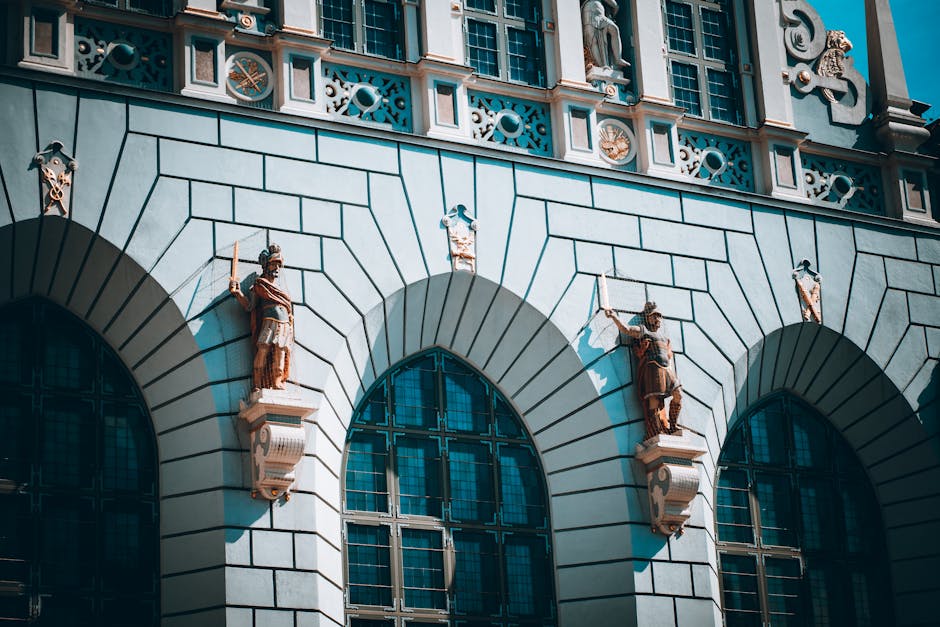
Explore the prestigious Jagiellonian University district, featuring Neo-Gothic architecture, Baroque churches, and Krakow's hidden scholarly gems.
 Easy
EasyGdansk, Poland
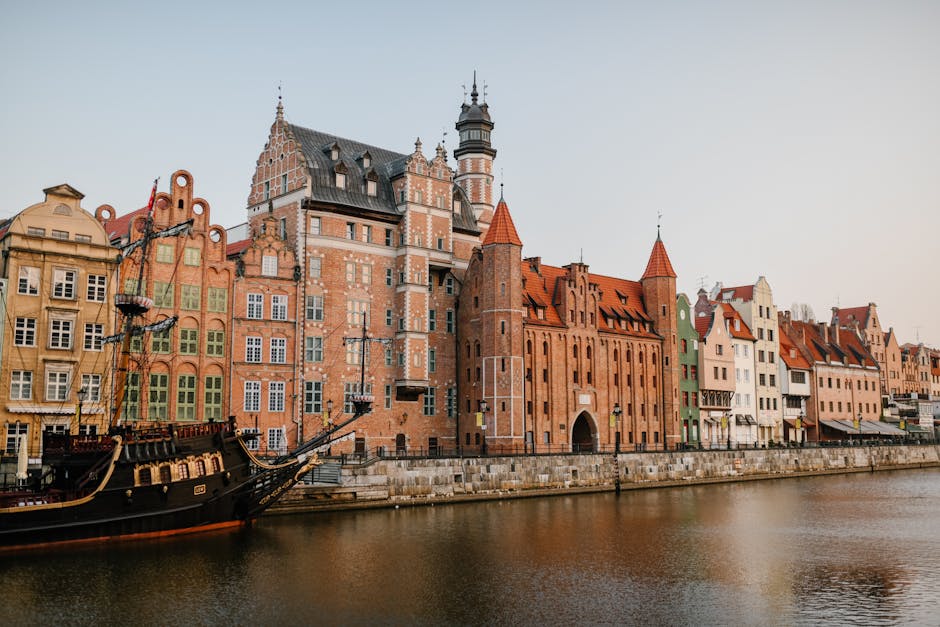
Discover the opulent Royal Way of Gdansk at your own pace. Explore Hanseatic history, gilded architecture, and the iconic Neptune's Fountain.
 Easy
EasyGdansk, Poland
Discover the 'Baltic Gold' on this self-guided walk through Gdansk's historic mills, massive cathedrals, and the magical Mariacka Street.
 Easy
EasyWarsaw, Poland
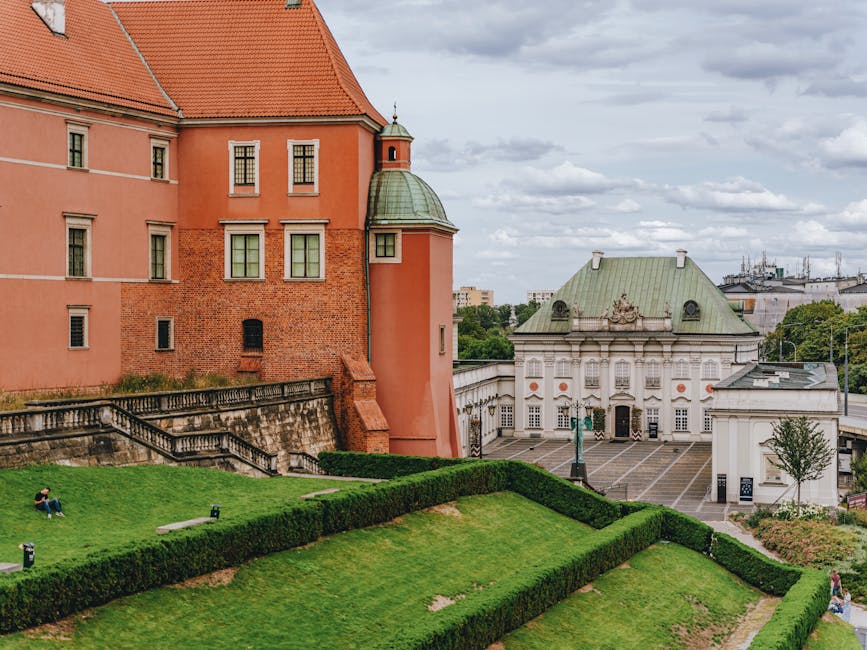
Explore the miracle of Warsaw's reconstructed Old Town on this self-guided walk through royal squares, medieval walls, and heroic monuments.
 Easy
EasyStockholm, Sweden
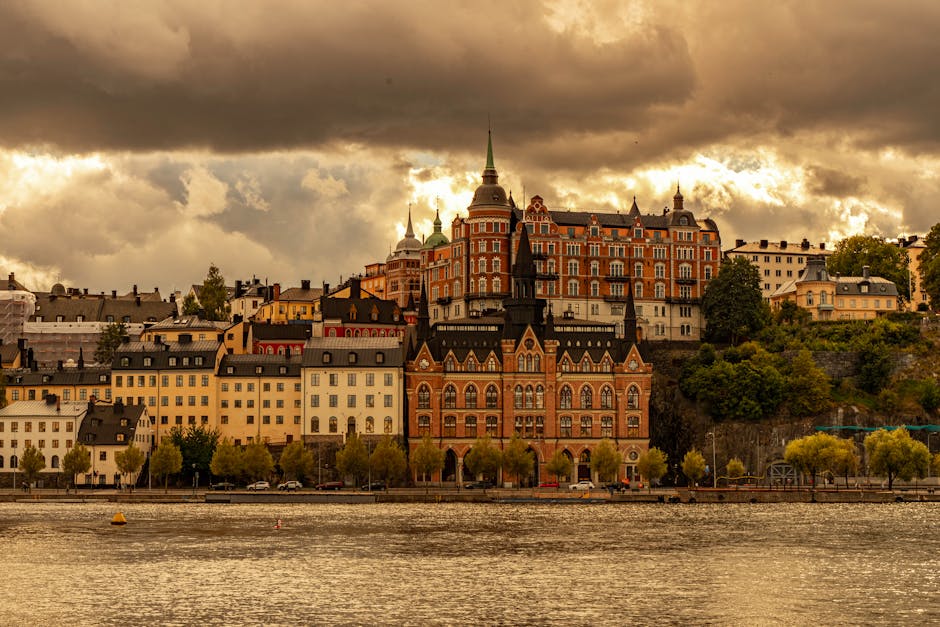
Taste your way through Stockholm's premier food halls and historic cafes on this flavor-focused self-guided walk through the city's heart.
 Easy
EasyStockholm, Sweden
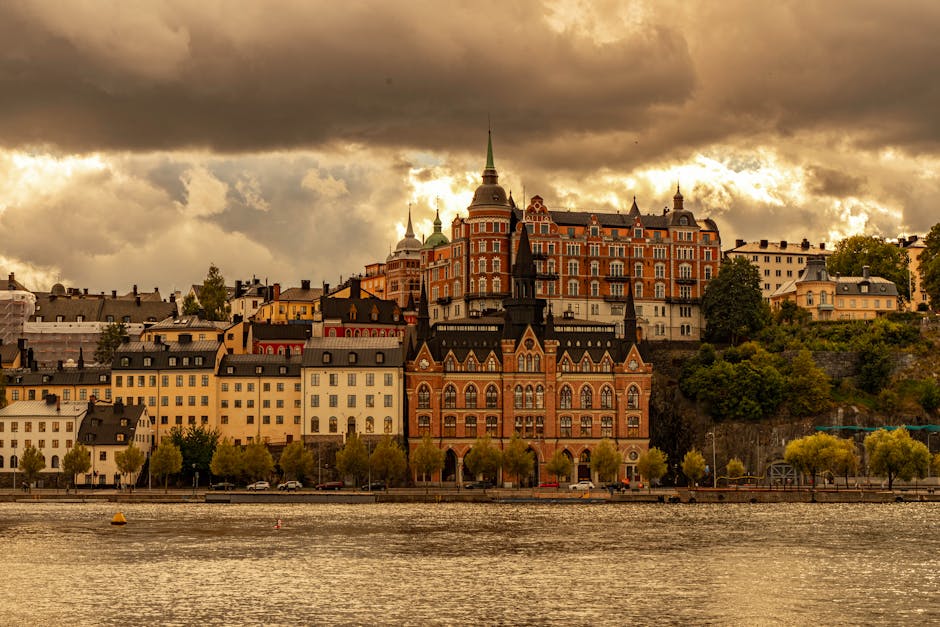
Discover Stockholm's naval legacy on this peaceful self-guided walk through historic barracks, grand admiralty houses, and scenic island fortresses.
 Moderate
Stockholm, Sweden
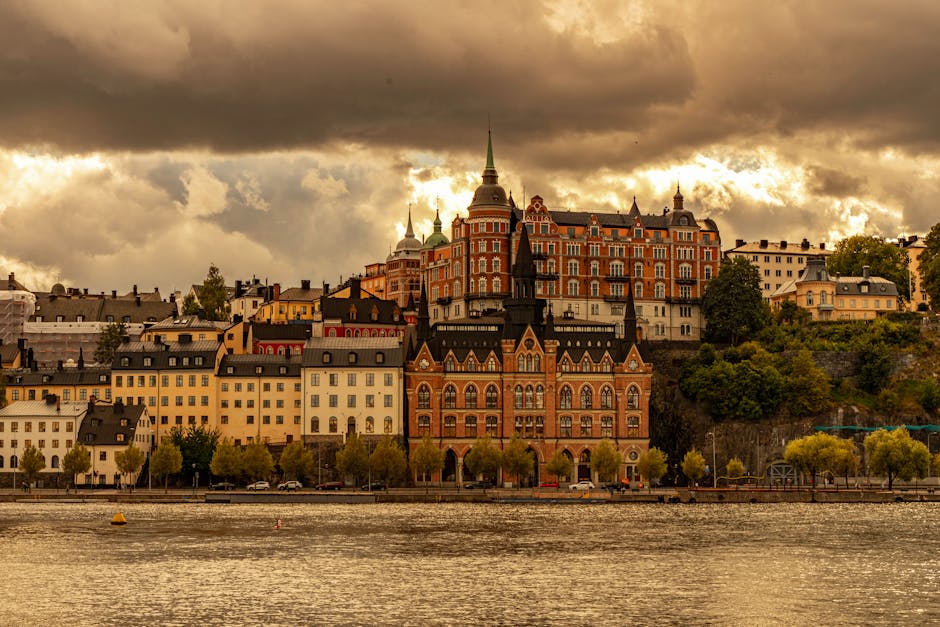
Walk the gritty, atmospheric streets of Södermalm and discover the real-life locations of Stieg Larsson's Millennium trilogy.
 Easy
EasyStockholm, Sweden
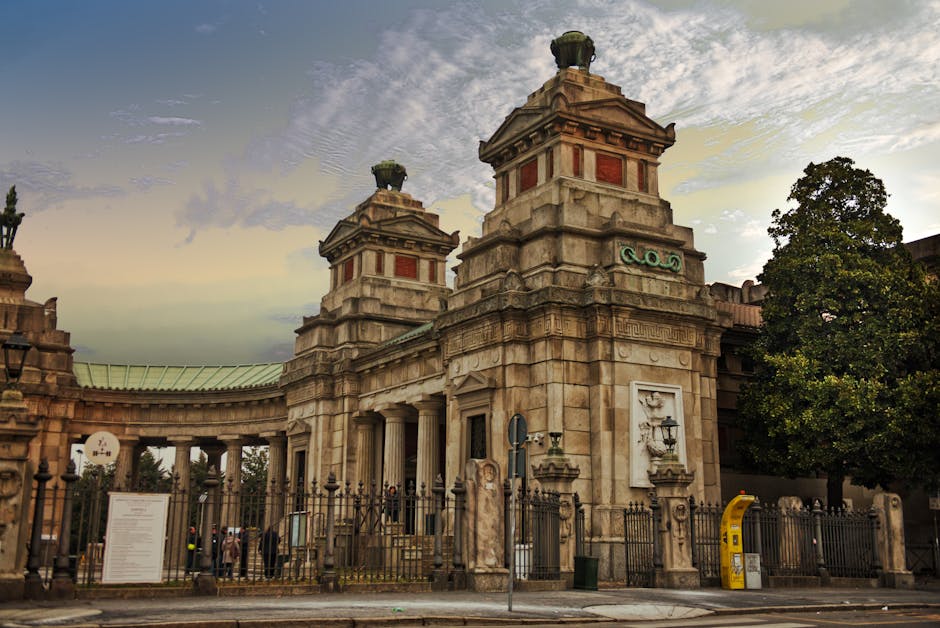
Explore the world's longest art gallery on this self-guided walk through Stockholm’s most stunning cavernous subway stations.