Self-guided audio tour in Kyoto
Start Free on iPhone
Start free on iPhone to unlock this self-guided walking tour in Kyoto. Hear all the stories that make it amazing, walk at your own pace, and begin whenever you want.
Your Private Tour Guide
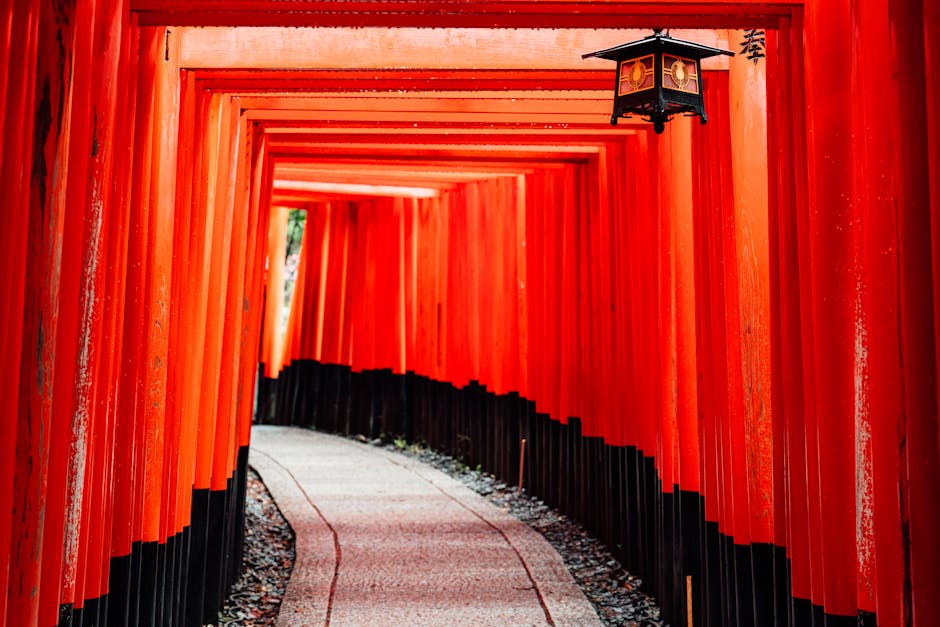
Embark on a profound journey through one of Japan's most iconic landscapes with this self-guided walk at Fushimi Inari Taisha. This route explores the 'Vermillion Path,' a winding ascent through thousands of vibrant torii gates that stretch across the sacred slopes of Mount Inari. For centuries, pilgrims and travelers have climbed these forested paths to honor Inari, the Shinto deity of rice, prosperity, and success. Unlike a standard guided tour Kyoto visitors might expect, this neighborhood stroll allows you to experience the spiritual atmosphere and natural beauty of the Fushimi district at your own pace. As you begin your self-guided adventure, you will pass through the grand Romon Gate and the main shrine buildings before entering the world-famous Senbon Torii. These 'thousand gates' create a tunnel of orange light, offering a unique opportunity for photography and quiet reflection. The path then leads you deeper into the mountain, where the crowds begin to thin and the sounds of the city are replaced by the rustle of cedar leaves and the calls of forest birds. Along the way, you will encounter numerous sub-shrines guarded by stone foxes, the messengers of Inari, each holding a symbolic item like a key or a scroll. This walking route is designed for those who enjoy a physical challenge combined with cultural immersion. The ascent to the summit of Mount Inari involves several hundred stone steps, but the rewards are plentiful. You will reach stunning viewpoints overlooking the sprawling city of Kyoto and discover hidden shrines tucked away in mossy groves. This experience is more than just a sightseeing trip; it is an invitation to explore the intersection of ancient Japanese tradition and the enduring power of nature. Whether you are seeking the perfect photograph or a moment of Zen-like peace, this independent walk through the vermillion gates is a highlight of any visit to Kyoto.
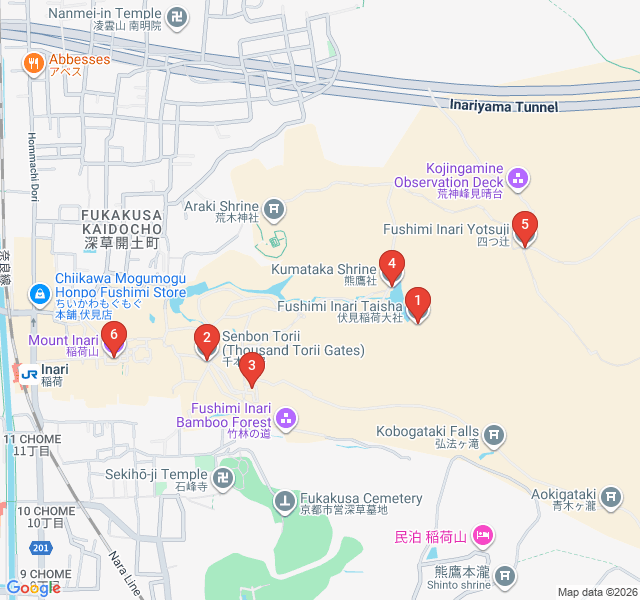
Numbers indicate the order of stops on the tour.
Welcome to the base of Mount Inari. This grand complex is the head shrine of approximately 30,000 Inari shrines across Japan. As you enter, notice the massive Romon Gate, donated in 1589 by the leader Toyotomi Hideyoshi. The shrine is dedicated to Inari, the Shinto god of rice and business. Look closely at the fox statues, or 'kitsune,' flanking the entrance. They are considered messengers of the gods and often hold a key in their mouths—the key to the rice granary. This site has been a place of worship since the year 711, long before Kyoto even became the capital of Japan.
You are now entering the most famous section of the mountain. These dense rows of vermillion gates are called Senbon Torii. Each gate has been donated by an individual or a company hoping for good fortune or expressing gratitude for success. If you look at the back of the gates, you will see the names of the donors and the dates they were installed carved into the wood. The vibrant orange color is more than just decorative; in Shinto tradition, it represents the sun and life, and the lacquer used helps protect the wood from the humid forest environment.
This area is often called the 'Inner Shrine.' After passing through the density of the gates, visitors often stop here to make a wish at the Omokaru-ishi, or 'heavy-light stones.' To try it yourself, stand before a stone lantern and make a wish, then attempt to lift the top stone. It is said that if the stone feels lighter than you expected, your wish will come true; if it feels heavy, your path to success may be more difficult. This stop serves as a brief plateau before the steeper climb up the mountain begins.
Set beside the Kodama-ike pond, Kumataka Shrine has a distinctly different, more mysterious vibe. The name translates to 'Bear Hawk,' and the shrine is a popular spot for those searching for lost items or people. Tradition says that if you clap your hands by the pond, the direction of the echo will give you a clue to finding what you have lost. The area is often filled with hundreds of tiny torii gates left by worshippers and flickering candles, creating a spiritual atmosphere that feels worlds away from the busy entrance below.
You have reached the Yotsuji intersection, a major crossroads on the mountain path. This is the perfect place to catch your breath and enjoy one of the best views in Kyoto. From this height, you can see across the Fushimi district toward the city center and the western mountains. Many people choose to end their climb here, as the path ahead forms a circular loop to the summit. There are several historic tea houses here that have served weary hikers for generations, offering 'Inari Sushi'—fried tofu pouches filled with rice, said to be a favorite treat of the fox messengers.
Congratulations, you have reached the summit, known as Ichinomine (the First Peak), sitting at 233 meters above sea level. This is the highest point on the mountain and the most sacred spot in the complex. The air here is often cooler, and the forest denser. The summit is marked by an ancient altar surrounded by thousands of miniature shrines and stone monuments called 'tsuka.' While there is no grand panoramic view at the very top due to the trees, the sense of accomplishment and the spiritual quietude make the climb worthwhile. From here, the path loops back down toward Yotsuji.
Start Free on iPhone
Explore “The Vermillion Path of 10,000 Gates” with your very own Private Tour Guide with Zigway. Start free on iPhone, skip the large group and the fixed routes, and hear the city come alive as you go.
Your Private Tour Guide
Don't miss the good stuff
Explore Freely
 Moderate
Kyoto, Japan
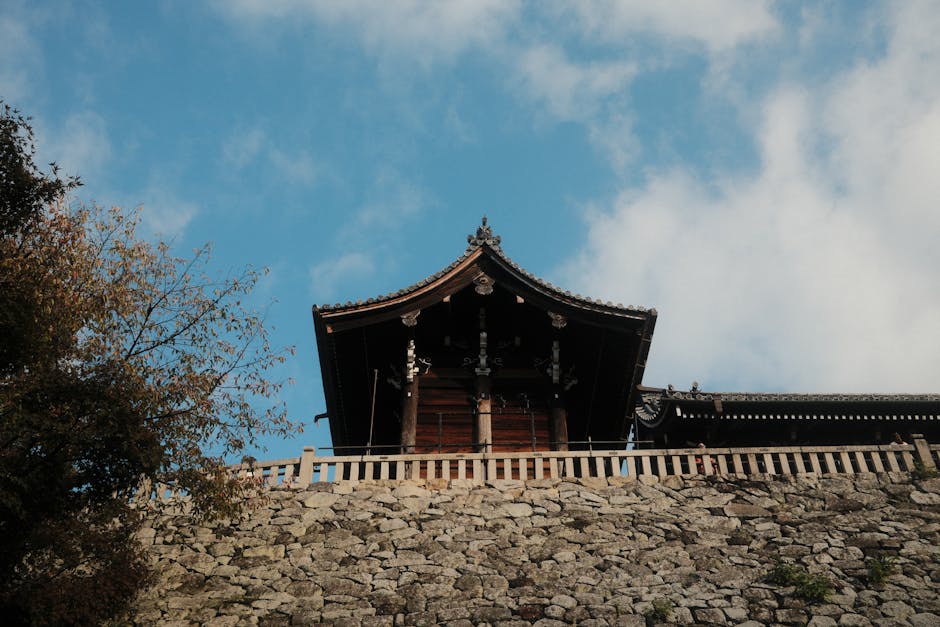
Discover the soul of old Kyoto on this self-guided walk through preserved stone lanes, iconic pagodas, and the grand wooden stage of Kiyomizu-dera.
 Easy
EasyKyoto, Japan
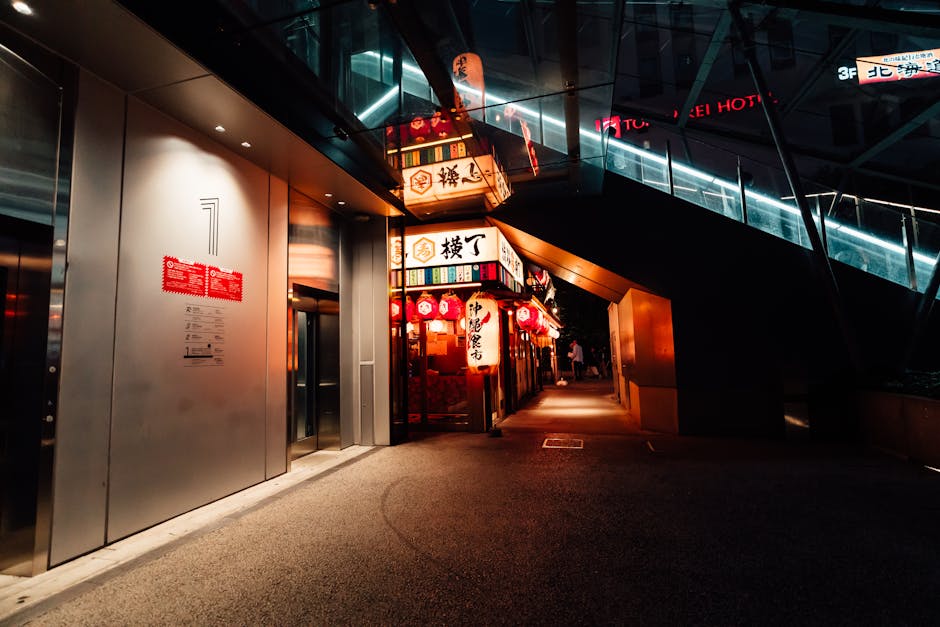
Explore Kyoto's most atmospheric alleyway. Discover geiko history, riverside dining, and hidden nightlife on this self-guided evening stroll.
 Moderate
Kyoto, Japan
Experience a serene self-guided walk along Kyoto's iconic Philosopher's Path, visiting Zen temples, hidden shrines, and the stunning Silver Pavilion.
 Easy
EasyKyoto, Japan
Discover the striking contrast between Kyoto's ancient traditions and futuristic architecture on this self-guided neighborhood stroll.
 Easy
EasyNairobi, Kenya
Discover Nairobi's iconic skyline on this self-guided architecture walk through the CBD’s most famous modernist and Brutalist landmarks.
 Moderate
Krakow, Poland
Discover Krakow’s stunning skyline and riverside charm on this self-guided audio walk through scenic viewpoints and historic mounds.
 Easy
EasyNairobi, Kenya
Explore Nairobi's architectural evolution from colonial-era landmarks to iconic Brutalist skyscrapers on this historic self-guided walking route.
 Moderate
Nairobi, Kenya
Discover Nairobi's lush side on this self-guided walk through botanical gardens, historic memorials, and vibrant local markets.
 Moderate
Tokyo, Japan
Discover Tokyo's premier creative district on this self-guided walk through Roppongi’s world-class museums and striking modern architecture.
 Easy
EasyTokyo, Japan
Discover the 'Old Tokyo' charm of Yanaka on this self-guided walk through historic temples, artisan alleys, and a stunning torii gate shrine.
 Easy
EasyTokyo, Japan
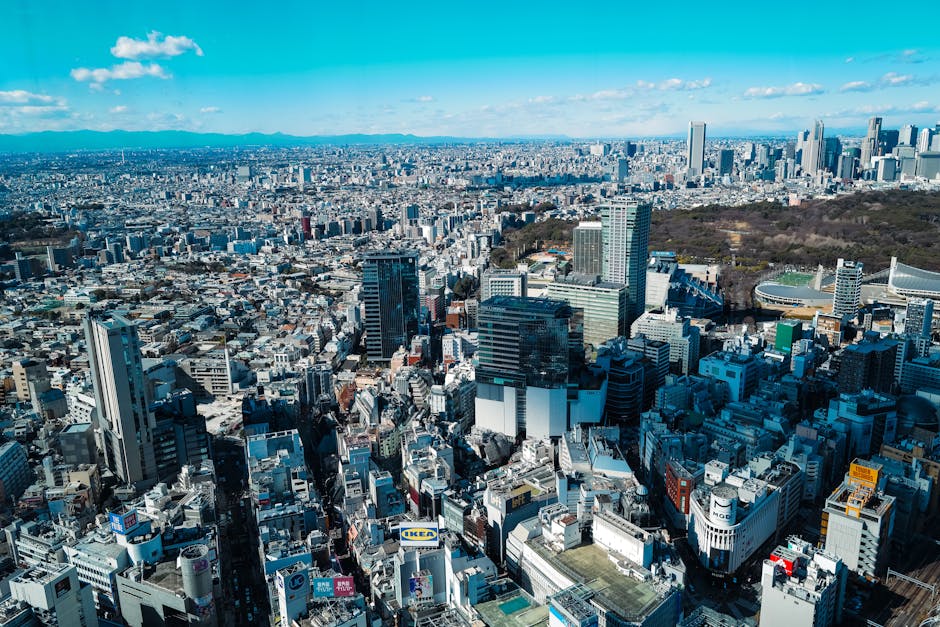
Experience Shibuya's electric energy on this self-guided walk from the iconic Scramble Crossing to the panoramic views of Shibuya Sky.
 Easy
EasyTokyo, Japan
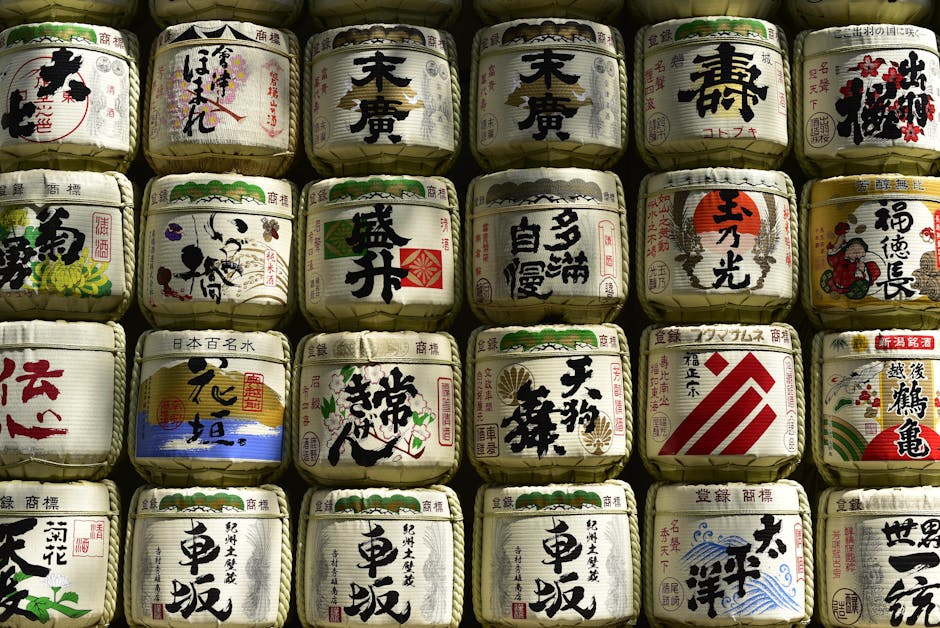
Explore Tokyo's indie heart. From vintage fashion in Shimokitazawa to world-class art in Shinjuku, discover the city's creative soul independently.