Self-guided audio tour in Nairobi
Start Free on iPhone
Start free on iPhone to unlock this self-guided walking tour in Nairobi. Hear all the stories that make it amazing, walk at your own pace, and begin whenever you want.
Your Private Tour Guide
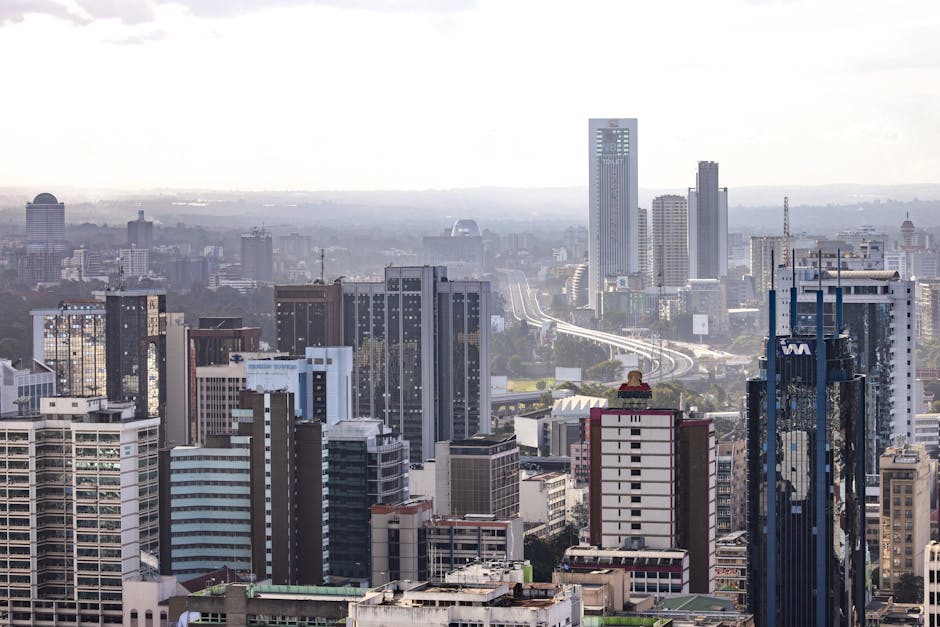
Nairobi is famously known as the 'Green City in the Sun,' but beyond the skyscrapers and bustling matatu stages lies a network of serene escapes. This self-guided walk invites you to explore the lungs of the city, transitioning from vibrant local markets to historic memorial gardens and lush indigenous forests. You will discover how Nairobi manages its delicate balance between rapid urban development and conservation, visiting sites that hold deep political and environmental significance. The journey begins in the lively atmosphere of the City Park Market, where the scents of fresh produce and spices set the stage for an adventure through the city's botanical heritage. As you follow this walking route, you will encounter the legacy of Nobel Peace Prize laureate Wangari Maathai at Uhuru Park and the artistic spirit of the Murumbi Peace Memorial. From the towering trees of the Nairobi Arboretum to the reclaimed beauty of John Michuki Memorial Park, this stroll highlights the resilience of nature in an African metropolis. It is an ideal way to travel through the city's geography while enjoying the quietude of its 'hidden oases.' Whether you are a photography enthusiast looking for the perfect light under a canopy of bamboo or a history buff interested in the sites of national memory, this neighborhood stroll offers a refreshing perspective on Kenya's capital city. Explore at your own pace and find out why these green spaces are the true heartbeat of Nairobi.
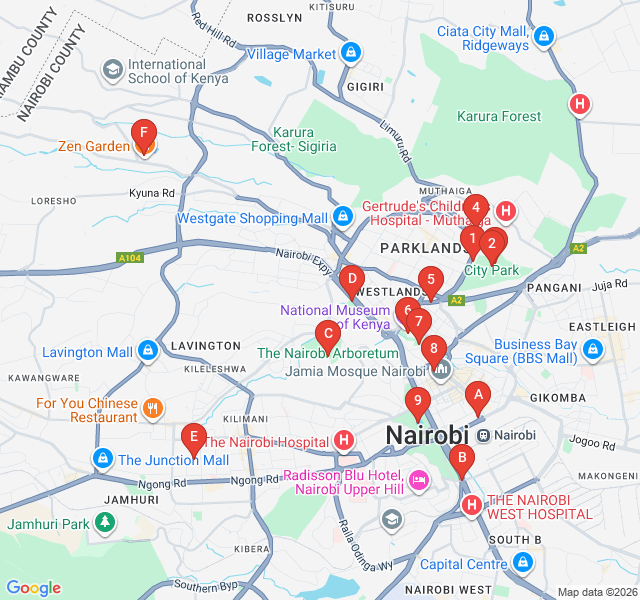
Numbers indicate the order of stops on the tour.
Start exploring with Zigway at the City Park Market, a sensory explosion in the Parklands area. This is one of Nairobi's most authentic markets, where locals come for fresh organic vegetables, exotic fruits, and vibrant flowers. Unlike the more touristy markets downtown, this spot offers a glimpse into the daily rhythm of the city. Take a moment to observe the stallholders and the incredible variety of produce brought in from the fertile Highlands. It is the perfect place to grab a healthy snack or a bottle of water before heading into the quiet of the nearby forest.
Step into City Park, a rare remnant of the indigenous forest that once covered the entire Nairobi area. As you walk through the shaded paths, keep an eye out for the Sykes' monkeys; they are famously bold here, though it is best to observe them without offering food. This park has served as a recreational haven since the colonial era and remains a vital biodiversity hotspot. The mix of towering ancient trees and winding trails provides a natural buffer against the city's noise, making it a favorite for local joggers and families seeking a breath of fresh air.
Located within the City Park grounds, the Murumbi Peace Memorial is a place of profound quiet and artistic significance. It marks the final resting place of Joseph Murumbi, Kenya’s second Vice President and a legendary African art collector, and his wife Sheila. The site is adorned with sculptures by famous African artists, reflecting Murumbi's passion for preserving the continent's cultural heritage. This memorial is not just a graveyard but a garden of reflection, celebrating a man who chose to retire from politics to dedicate his life to the arts and the environment.
As you reach the intersection of Limuru Road and City Park Drive, you are standing at a major artery connecting the leafy suburbs of the north to the city center. This area showcases Nairobi's rapid growth, with modern apartment blocks rising alongside the green canopy. From here, the route begins to transition from the wilder forest setting toward the structured green spaces of the urban core. Notice the vibrant 'matatus'—the colorful minibuses—speeding by, each decorated with unique graffiti, representing the kinetic energy of Nairobi's street culture.
Ngara is a bustling commercial hub that serves as a gateway to the CBD. This stage is a focal point for commuters and a place where the informal economy thrives. You will see vendors selling everything from second-hand clothes to street food. While it may feel chaotic compared to the park, Ngara is essential to understanding the city's social fabric. It represents the 'working' Nairobi, a bridge between the residential Parklands and the administrative heart of the nation. It is a brief but intense immersion into the local pace of life.
Part of the Nairobi National Museum grounds, the Snake Park has been a popular educational site since the 1960s. It houses a wide variety of reptiles, from the deadly Black Mamba to the impressive African Rock Python. Beyond the snakes, the facility also hosts crocodiles and turtles in a lush, outdoor setting. It serves as a research center for snakebite treatment, which is a critical issue in rural East Africa. The surrounding grounds are beautifully landscaped, offering a preview of the botanical richness you will see throughout the rest of your walk.
This park is a testament to environmental restoration. Named after a former Minister of Environment who spearheaded the cleanup of the Nairobi River, this space was once a neglected dumpsite and a security concern. Today, it is a flourishing memorial park with paved walkways and thousands of indigenous trees. The river that runs through it is a symbol of the city's ongoing efforts to reclaim its natural beauty. It is a peaceful, well-maintained stretch that offers a rare moment of silence right on the edge of the busy downtown district.
Jeevanjee Gardens is a historic park in the heart of the city, donated to the people of Nairobi by Alibhai Mulla Jeevanjee, an influential Asian businessman and philanthropist, in 1906. It is a unique 'open-air' parliament where locals gather to discuss politics, religion, and social issues under the shade of massive trees. The park features several statues and a smoking zone, and it remains one of the few completely free public spaces in the CBD. Its survival is a victory for civil society, as it has been protected from commercial redevelopment multiple times.
Uhuru Park, meaning 'Freedom Park' in Swahili, is perhaps the most famous green space in Kenya. It was here that Nobel Laureate Wangari Maathai famously protested against the construction of a skyscraper, saving the park for future generations. The park features an artificial lake where people enjoy boat rides, and several national monuments. It has been the site of major political rallies and historic speeches. Following a recent renovation, the park now boasts modern walkways and improved landscaping, offering one of the best views of the Nairobi skyline from its grassy slopes.
This park is located on the site of the former U.S. Embassy, which was destroyed in the 1998 terrorist bombing. It is a place of solemn remembrance and peace, dedicated to those who lost their lives. The park is impeccably maintained, featuring a memorial wall with the names of the victims, a small museum, and a lush garden designed to offer a sanctuary for reflection. It stands as a symbol of resilience and the city's commitment to peace, providing a stark, quiet contrast to the noisy intersection of Haile Selassie Avenue just outside its gates.
As you cross near the Bunyala Roundabout, you are traversing one of Nairobi's busiest transport corridors. This area is part of the extensive infrastructure projects that have reshaped the city's skyline, including the Nairobi Expressway which looms overhead. While predominantly an urban transit point, the landscaping along the highway reflects the city's 'Green City' initiative. From here, you are moving away from the central business district and heading toward the more expansive botanical collections of the Arboretum.
Established in 1907, the Nairobi Arboretum is a 30-hectare forest reserve that is home to over 300 species of trees and a vibrant population of birds and monkeys. It was originally created to test which exotic tree species would grow best for the railway's fuel needs, but it has evolved into a sanctuary for indigenous flora. The wide, shaded paths are perfect for a long, leisurely walk. It is a popular spot for outdoor church services, picnics, and romantic walks, offering a deep sense of seclusion despite being just minutes from the State House.
Riverside is one of Nairobi's most prestigious neighborhoods, where the business world meets the natural world. Riverside Park is a commercial development that has carefully integrated green spaces and water features into its design, mirroring the flow of the nearby Nairobi River. The area is characterized by upscale offices, embassies, and luxury apartments, all nestled within a thick canopy of trees. It represents the modern, 'eco-conscious' face of Nairobi’s corporate architecture, where preserving the riverine environment has become a priority.
Tucked away in the Mbaazi Avenue area, the Savelberg Retreat Centre is a hidden gem known for its peaceful atmosphere and beautiful gardens. While it serves as a hostel and conference center, the grounds are often open to those seeking a moment of quiet meditation. The lush lawns and colorful flower beds make it a favorite for those who want to escape the city's frantic energy without leaving the urban area. It highlights the role of religious and community organizations in maintaining green 'lungs' within the city's residential neighborhoods.
Conclude your self-guided adventure at Zen Garden in the Spring Valley neighborhood. This final stop is the epitome of serenity, featuring a beautifully manicured garden with a specific focus on Asian-inspired landscaping and bamboo groves. The atmosphere here is one of complete tranquility, making it the perfect place to reflect on your journey. Whether you choose to enjoy a meal at the on-site restaurant or simply sit and take in the greenery, it provides a sophisticated and peaceful end to your exploration of Nairobi's hidden oases.
Start Free on iPhone
Explore “Hidden Oases: The City Park Nature Walk” with your very own Private Tour Guide with Zigway. Start free on iPhone, skip the large group and the fixed routes, and hear the city come alive as you go.
Your Private Tour Guide
Don't miss the good stuff
Explore Freely
 Easy
EasyNairobi, Kenya
Explore Nairobi's architectural evolution from colonial-era landmarks to iconic Brutalist skyscrapers on this historic self-guided walking route.
 Moderate
Nairobi, Kenya
Discover the creative soul of Nairobi on this self-guided walk through the city's premier art galleries, markets, and artisan workshops.
 Moderate
Nairobi, Kenya
Taste your way through Nairobi's Westlands on this self-guided walk featuring street snacks, cultural landmarks, and hidden foodie gems.
 Easy
EasyNairobi, Kenya
Explore the history of Kenya’s independence through the statues, monuments, and parks that define Nairobi’s political heart on this self-guided walk.
 Moderate
Gdansk, Poland
Discover Zaspa, a massive open-air gallery where grey housing blocks are transformed by over 60 monumental murals. Explore at your own pace.
 Moderate
Gothenburg, Sweden
Explore Gothenburg’s lush "Green Lung" on this self-guided walk through the Botanical Garden, Slottsskogen park, and rugged Änggård Mountains.
 Moderate
Krakow, Poland
Discover Krakow’s stunning skyline and riverside charm on this self-guided audio walk through scenic viewpoints and historic mounds.
 Moderate
Gdansk, Poland
Discover the origins of WWII in Gdansk on this self-guided walk through heroic last stands, massive museums, and strategic hilltop fortifications.