Self-guided audio tour in Nairobi
Start Free on iPhone
Start free on iPhone to unlock this self-guided walking tour in Nairobi. Hear all the stories that make it amazing, walk at your own pace, and begin whenever you want.
Your Private Tour Guide
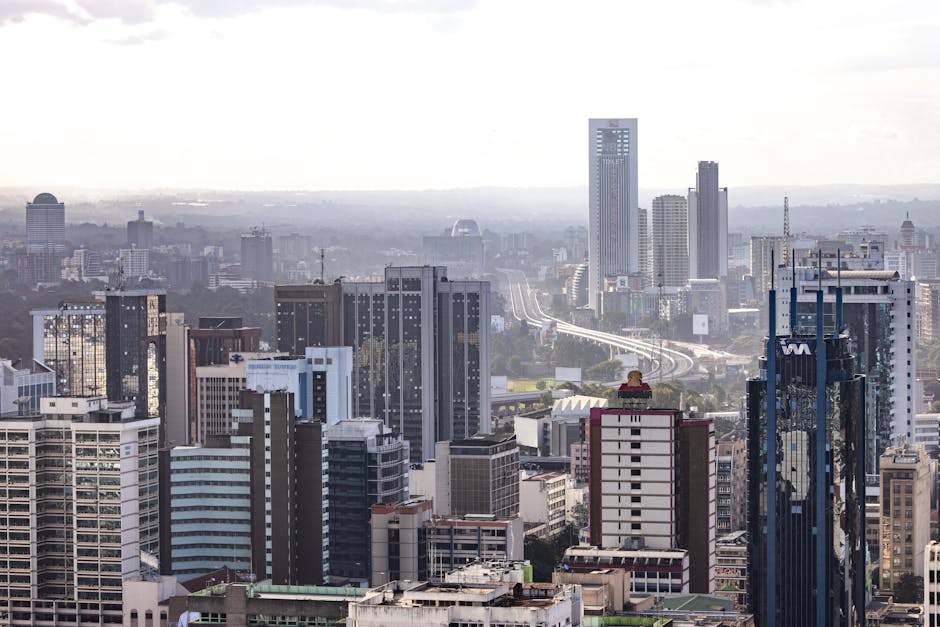
Step into the vibrant pulse of Nairobi's Central Business District on this self-guided walk that traces the lineage of Kenya’s modern identity. This walking route is more than just a stroll through the city center; it is a journey through the triumphs and tragedies that shaped a nation. Starting at the solemn Kenyatta Mausoleum, you will navigate the streets where the echoes of independence still resonate, moving from the colonial era to the present day. This neighborhood stroll allows you to explore the intersection of politics, activism, and architectural history at your own pace, away from the constraints of a rigid schedule. Nairobi's CBD is a dense urban environment where every corner tells a story, from the towering heights of the Kenyatta International Convention Centre to the quiet, reflective grounds of the August 7th Memorial Park. You will encounter the bronze figures of giants like Dedan Kimathi and Tom Mboya, men whose legacies continue to influence Kenyan society. As you traverse this political heart, you will witness the evolution of Nairobi from a swampy railway depot to a major African metropolis. This self-guided adventure concludes at the expansive Uhuru Park, a symbol of environmental activism and public freedom. Whether you are interested in the intricacies of the Mau Mau uprising or the architectural shifts of the post-independence era, this walking tour Nairobi offers a deep dive into the soul of the city. For those seeking a guided tour Nairobi experience without the crowds, our audio narrative provides the context needed to understand these historic landmarks. Discover the stories of the men and women who fought for 'Uhuru'—freedom—and see how their vision lives on in the bustling markets and grand plazas of the capital.
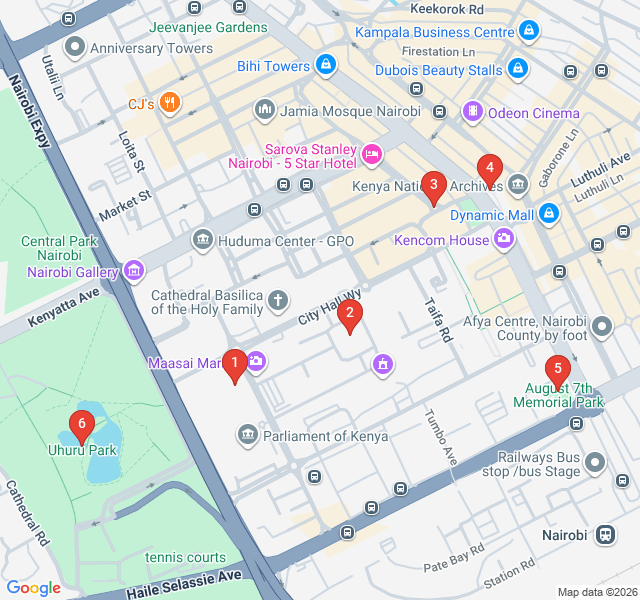
Numbers indicate the order of stops on the tour.
Begin your self-guided adventure at the Kenyatta Mausoleum, located adjacent to the Parliament Buildings. This is the final resting place of Mzee Jomo Kenyatta, the founding father and first president of Kenya. The site is heavily guarded and access to the interior is typically restricted to special occasions, but the exterior view offers a glimpse into the solemnity of the nation’s political center. Notice the architectural blend of modernism and traditional African motifs. Kenyatta led Kenya from 1963 until his death in 1978, transitioning the nation from British colonial rule to an independent republic. The surrounding area, with its neat gardens and colonial-era government buildings, reflects the early years of the Kenyan state.
A short walk brings you to the Kenyatta Monument at the City Square, positioned in front of the iconic Kenyatta International Convention Centre (KICC). This massive bronze statue depicts Jomo Kenyatta in a seated position, dressed in traditional robes and holding his signature fly-whisk. The KICC itself, behind the monument, was for years the tallest building in the city and remains a symbol of Nairobi’s architectural ambition. Its design, inspired by a traditional African hut, serves as a backdrop to many national celebrations. Take a moment to look around the plaza; this is the administrative heart of the city, where the judiciary, executive, and legislative branches all converge.
Continue your walking route to the corner of Kimathi Street and Mama Ngina Street to find the statue of Dedan Kimathi. Unlike the formal political legacy of Kenyatta, Kimathi represents the grassroots struggle for freedom. He was a senior military and spiritual leader of the Mau Mau Uprising against British colonial rule in the 1950s. Dressed in military fatigues and holding a rifle and a dagger, the statue commemorates his execution by the British in 1957. For decades, his role was downplayed, but today he is celebrated as a national hero. This spot is a powerful reminder of the physical and human cost of Kenya’s independence movement.
Walking toward Moi Avenue, you will encounter the memorial dedicated to Tom Mboya. Mboya was a charismatic trade unionist, Pan-Africanist, and government minister who played a pivotal role in the 'Airlift Africa' project, which sent students like Barack Obama Sr. to study in the United States. Tragically, he was assassinated near this very spot in 1969, an event that deeply scarred the young nation. The statue captures his oratorical energy and serves as a site of reflection on what many consider a 'lost' chapter of Kenyan leadership. The surrounding Moi Avenue is one of the busiest streets in Nairobi, showcasing the city's modern commercial energy.
Navigate to the intersection of Moi Avenue and Haile Selassie Avenue to reach the August 7th Memorial Park. This tranquil garden stands on the site of the former United States Embassy, which was destroyed in a devastating terrorist bombing in 1998. The park is a tribute to the over 200 people who lost their lives and the thousands who were injured. It features a memorial wall with the names of the victims, a small museum, and lush greenery that offers a rare moment of peace in the middle of the CBD. It is a testament to the resilience of the Kenyan people and their commitment to peace in the face of tragedy.
Conclude your self-guided walk at Uhuru Park, the city’s most famous green space. 'Uhuru' means freedom in Swahili, and this park has been the stage for many of the country's most significant political rallies and protests. It was famously saved from commercial development in the 1980s by Nobel Peace Prize laureate Wangari Maathai and her Green Belt Movement. As you wander past the artificial lake and the Freedom Corner, you are walking on ground that has seen the transition of power and the birth of new political movements. It’s the perfect place to sit and reflect on the journey you've taken through the political heart of Nairobi.
Start Free on iPhone
Explore “Freedom Fighters and Founders: The Political Heart” with your very own Private Tour Guide with Zigway. Start free on iPhone, skip the large group and the fixed routes, and hear the city come alive as you go.
Your Private Tour Guide
Don't miss the good stuff
Explore Freely
 Easy
EasyNairobi, Kenya
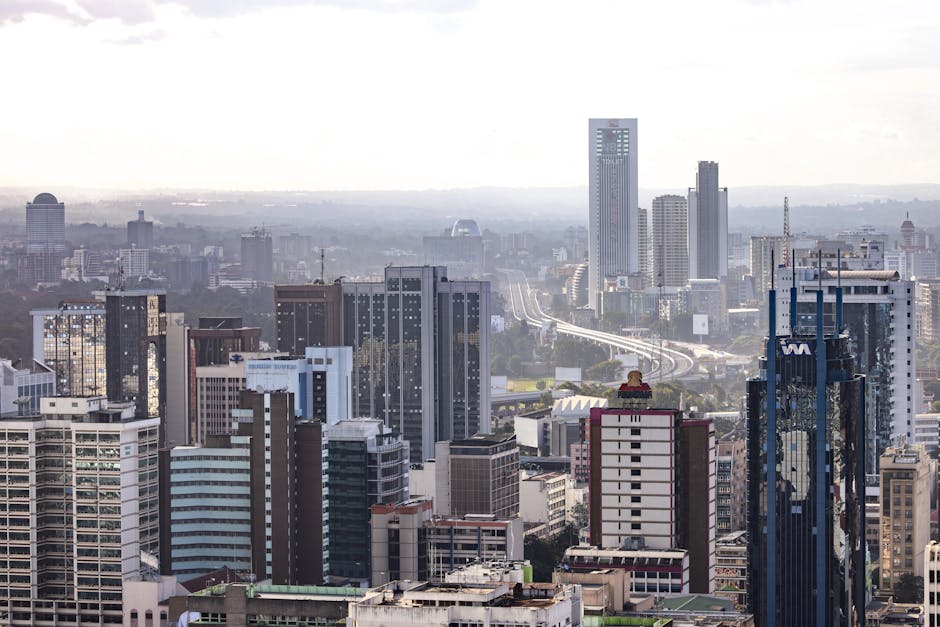
Explore Nairobi's architectural evolution from colonial-era landmarks to iconic Brutalist skyscrapers on this historic self-guided walking route.
 Moderate
Nairobi, Kenya
Discover the creative soul of Nairobi on this self-guided walk through the city's premier art galleries, markets, and artisan workshops.
 Moderate
Nairobi, Kenya
Taste your way through Nairobi's Westlands on this self-guided walk featuring street snacks, cultural landmarks, and hidden foodie gems.
 Easy
EasyNairobi, Kenya
Discover Nairobi's iconic skyline on this self-guided architecture walk through the CBD’s most famous modernist and Brutalist landmarks.
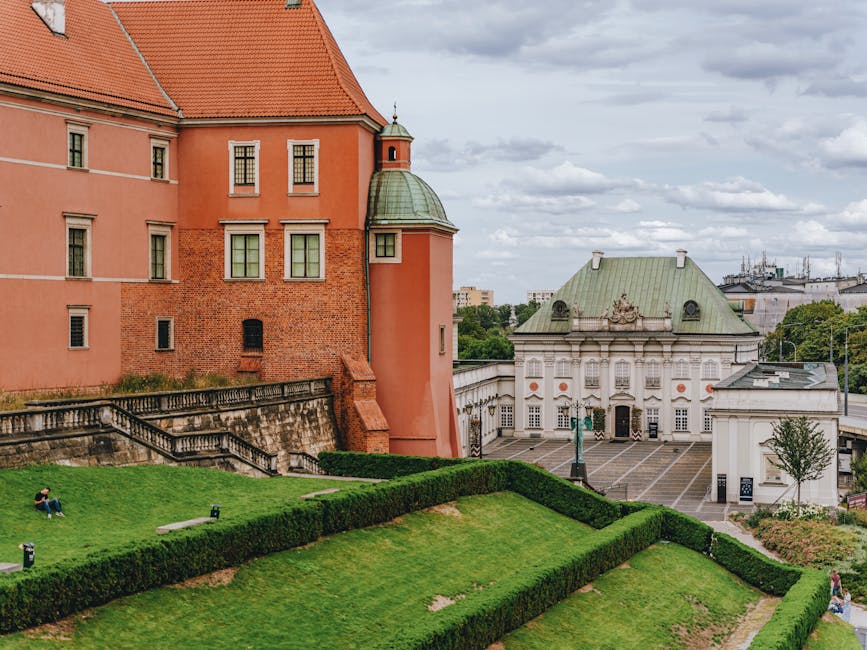 Easy
EasyWarsaw, Poland
Explore the miracle of Warsaw's reconstructed Old Town on this self-guided walk through royal squares, medieval walls, and heroic monuments.
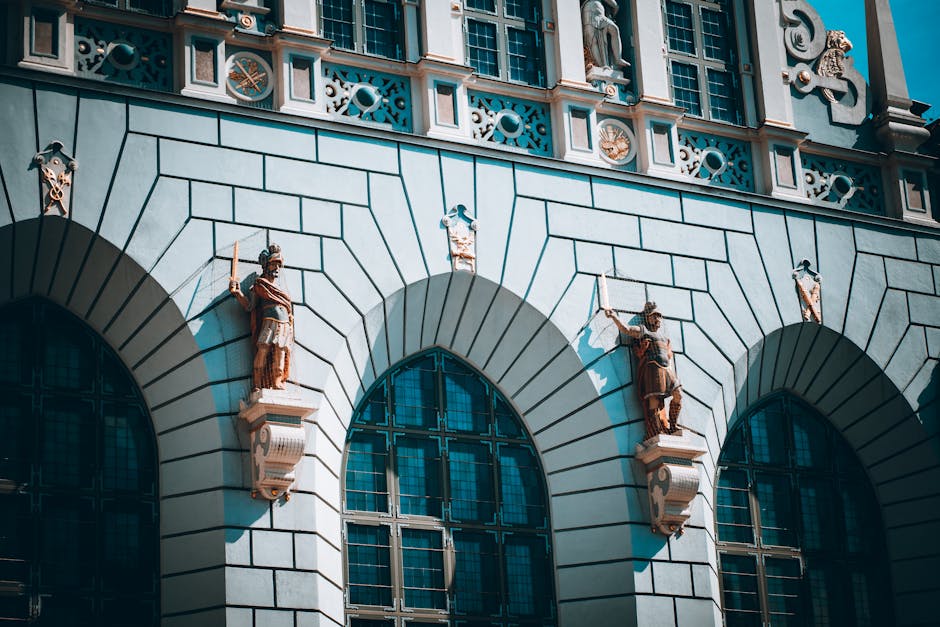 Easy
EasyGdansk, Poland
Discover the opulent Royal Way of Gdansk at your own pace. Explore Hanseatic history, gilded architecture, and the iconic Neptune's Fountain.
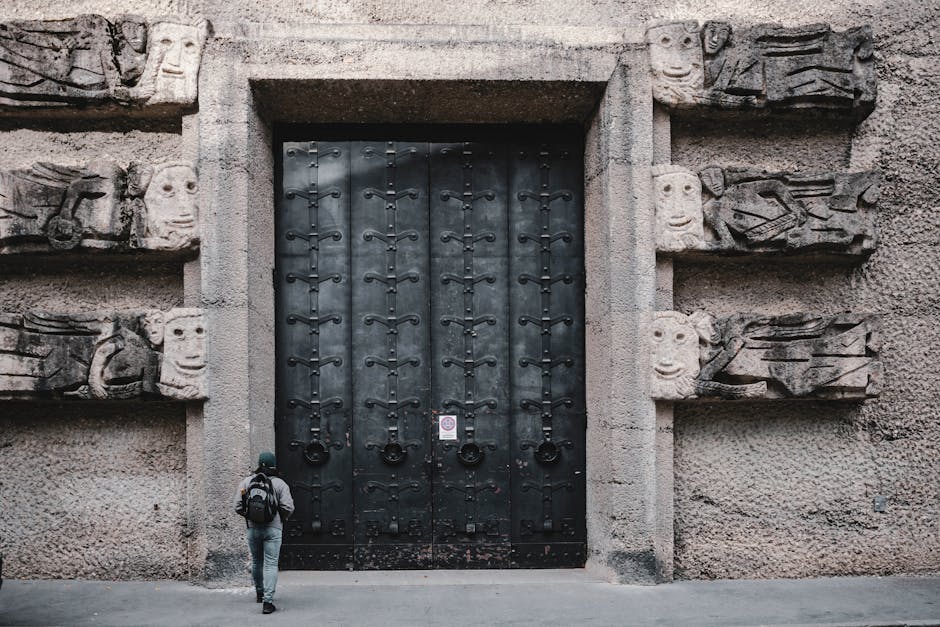 Easy
EasySalzburg, Austria
Discover the 'Rome of the North' on this self-guided walk through the Baroque squares and monumental legacy of Salzburg’s Prince-Archbishops.
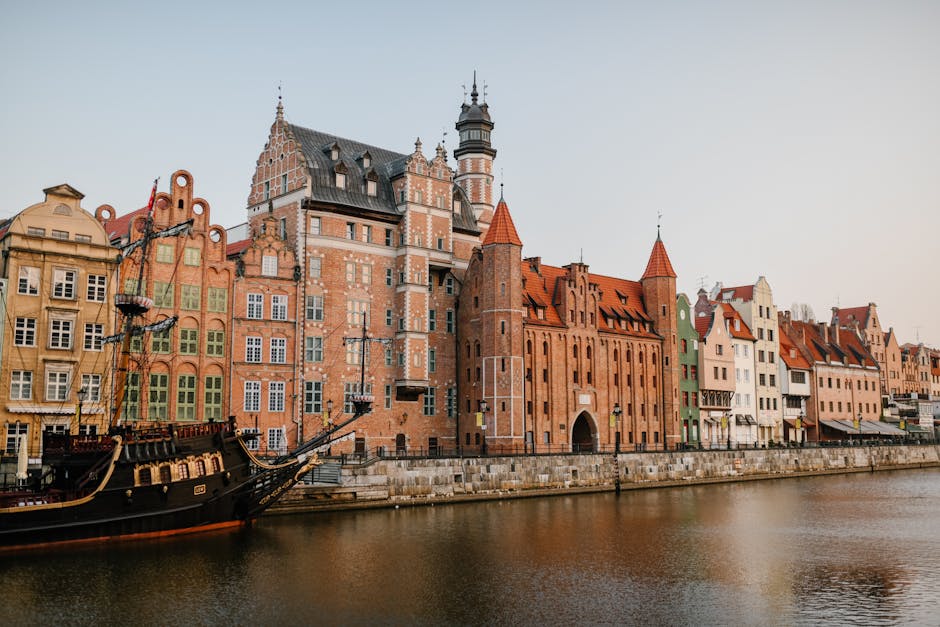 Easy
EasyGdansk, Poland
Discover the 'Baltic Gold' on this self-guided walk through Gdansk's historic mills, massive cathedrals, and the magical Mariacka Street.