Self-guided audio tour in Tokyo
Start Free on iPhone
Start free on iPhone to unlock this self-guided walking tour in Tokyo. Hear all the stories that make it amazing, walk at your own pace, and begin whenever you want.
Your Private Tour Guide
Roppongi is often celebrated for its neon-lit nightlife, but during the day, this district transforms into Tokyo’s most sophisticated cultural hub. This neighborhood stroll takes you through the famed Roppongi Art Triangle, a cluster of world-class institutions and public installations that redefine the urban landscape. By following this walking route, you will experience the seamless blend of cutting-edge architecture, traditional Japanese aesthetics, and contemporary global art that makes Roppongi unique. The journey begins at Tokyo Midtown, a massive complex that houses the Suntory Museum of Art. Here, the focus is on 'Art in Life,' showcasing how beauty is woven into the fabric of daily Japanese existence. From there, the path leads to the National Art Center, Tokyo, an architectural marvel designed by Kisho Kurokawa. Its undulating glass facade is a masterpiece in itself, even before you step inside to see the rotating exhibitions. As you navigate the streets, you will encounter significant public art, most notably the towering spider sculpture known as Maman, which guards the entrance to the Roppongi Hills complex. This area is home to the Mori Art Museum, situated on the 53rd floor of the Mori Tower, making it one of the highest contemporary art spaces in the world. This self-guided walk is not just for art aficionados; it is an exploration of how Tokyo uses design to harmonize its futuristic ambitions with its historical roots. You will find tranquil moments in the Mōri Garden, a traditional landscape that provides a stark, beautiful contrast to the surrounding glass skyscrapers. Exploring independently allows you to set your own pace, spending extra time at a specific gallery or stopping for a coffee while overlooking the city skyline. This walking tour Tokyo offers a comprehensive look at the city's creative heart, providing a perfect balance of indoor gallery time and outdoor discovery. Whether you are a first-time visitor or a long-time resident, this neighborhood stroll reveals the layers of innovation and tradition that define modern Japan. **Note:** This area is known for its ever-changing character. Street art, pop-up venues, and temporary exhibitions may differ from what's described. That's part of the adventure - you might discover something entirely new!
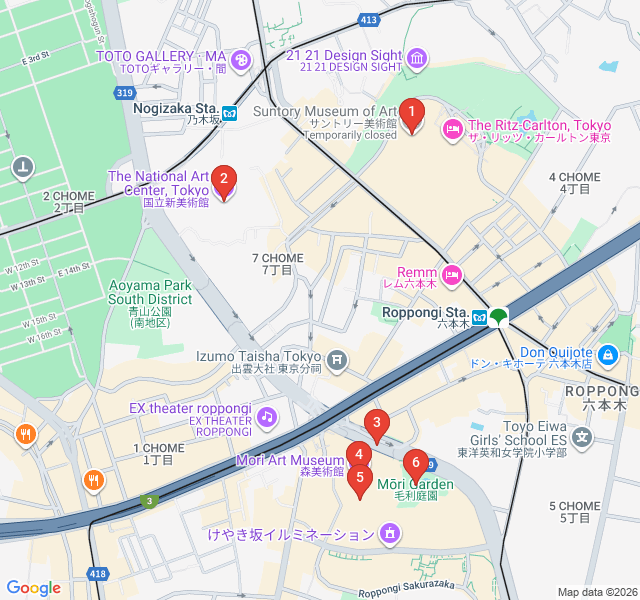
Numbers indicate the order of stops on the tour.
Start your journey at the Suntory Museum of Art, located within the Tokyo Midtown complex. Designed by the renowned architect Kengo Kuma, the museum itself is a work of art, featuring vertical louvers made of Japanese oak that create a warm, serene atmosphere. The museum’s philosophy is 'Art in Life,' focusing on traditional Japanese crafts, ceramics, and textiles that have historically been part of everyday living. Because the museum does not have a permanent display, the exhibitions are always changing, often highlighting rare treasures from their collection of over 3,000 items. It is a perfect introduction to how Japanese culture values the intersection of utility and beauty.
A short walk from Tokyo Midtown brings you to the National Art Center, Tokyo (NACT). This is one of Japan's largest exhibition spaces, notable for its lack of a permanent collection. Instead, it serves as a massive venue for various traveling art shows. The building, designed by Kisho Kurokawa, is famous for its undulating green glass facade that mimics the waves of the ocean. Inside, the massive inverted concrete cones house cafes and restaurants, creating a futuristic interior landscape. Even if you don't enter a specific exhibition, the atrium is a public space meant for soaking in the architectural grandeur and the play of light through the glass.
As you approach the Roppongi Hills complex, you are greeted by 'Maman,' a bronze spider sculpture standing over 30 feet tall. Created by the world-renowned artist Louise Bourgeois, this is one of several editions found in major cities globally. The spider carries a sac containing 26 white marble eggs under its belly. Bourgeois intended the sculpture to be a tribute to her mother, a weaver, symbolizing protection, nurturing, and the intricate web of family. It has become an iconic meeting point in Roppongi and serves as a gateway to the more contemporary art experiences waiting for you within the Mori Tower.
Located on the 53rd floor of the Roppongi Hills Mori Tower, the Mori Art Museum is a pioneer in the global contemporary art scene. It focuses on Asian art but features artists from all over the world. The museum is known for its accessibility and late opening hours, often staying open until 10:00 PM. The exhibitions here are frequently immersive and thought-provoking, designed to challenge perceptions of modern society. Because the museum is dedicated to temporary exhibitions, the content changes completely every few months. The high-altitude location adds a unique sense of scale and detachment from the bustling city streets below.
Just below the Mori Art Museum is Tokyo City View, an indoor observation deck that offers some of the best vistas in the city. From here, you can see the Tokyo Tower in the foreground, the Skytree in the distance, and on clear days, even the silhouette of Mount Fuji. The deck features floor-to-ceiling windows that provide a 360-degree panorama of the urban sprawl. It is an excellent place to appreciate Tokyo's density and the sheer scale of its infrastructure. The view changes dramatically depending on the time of day, with the sunset turning the city into a sea of twinkling lights.
Finish your walk by descending back to ground level to find the Mōri Garden. This is a traditional Japanese landscape garden that once belonged to a feudal lord’s estate during the Edo period. It features a central pond, cherry trees, and winding paths. The garden offers a profound contrast to the high-tech Mori Tower that looms over it. It is a space designed for reflection and seasonal appreciation, particularly beautiful during the cherry blossom season in spring or the autumn foliage. It serves as a reminder that even in the most modern parts of Tokyo, history and nature are never far away.
Start Free on iPhone
Explore “The Roppongi Art Triangle: Modern Masterpieces” with your very own Private Tour Guide with Zigway. Start free on iPhone, skip the large group and the fixed routes, and hear the city come alive as you go.
Your Private Tour Guide
Don't miss the good stuff
Explore Freely
 Easy
EasyTokyo, Japan
Discover the 'Old Tokyo' charm of Yanaka on this self-guided walk through historic temples, artisan alleys, and a stunning torii gate shrine.
 Easy
EasyTokyo, Japan
Experience Shibuya's electric energy on this self-guided walk from the iconic Scramble Crossing to the panoramic views of Shibuya Sky.
 Easy
EasyTokyo, Japan
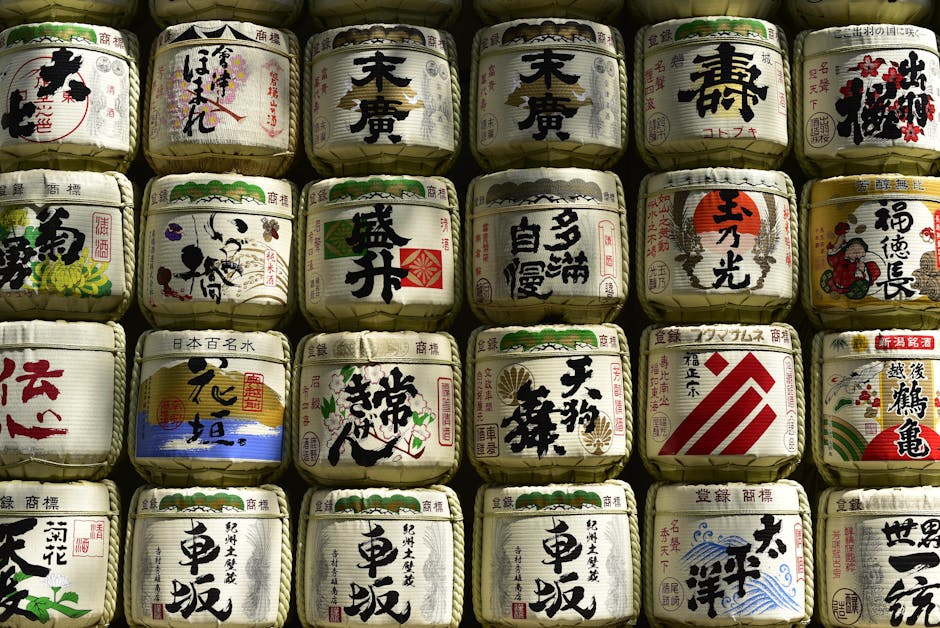
Explore Tokyo's indie heart. From vintage fashion in Shimokitazawa to world-class art in Shinjuku, discover the city's creative soul independently.
 Easy
EasyTokyo, Japan
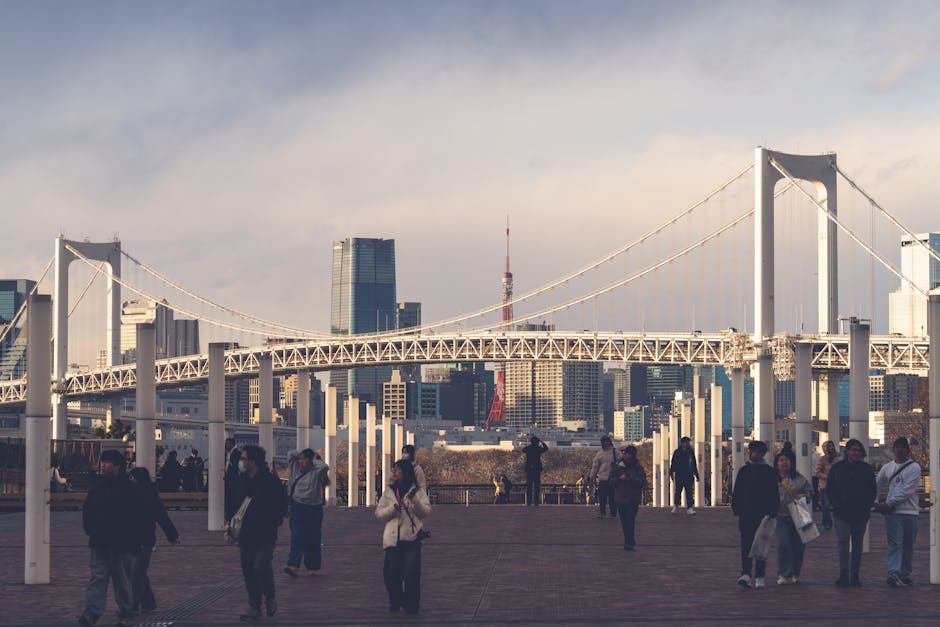
Explore Tokyo's Electric Town on this self-guided walk. Discover retro gaming, anime culture, and hidden artisan workshops under the train tracks.
 Easy
EasyWarsaw, Poland
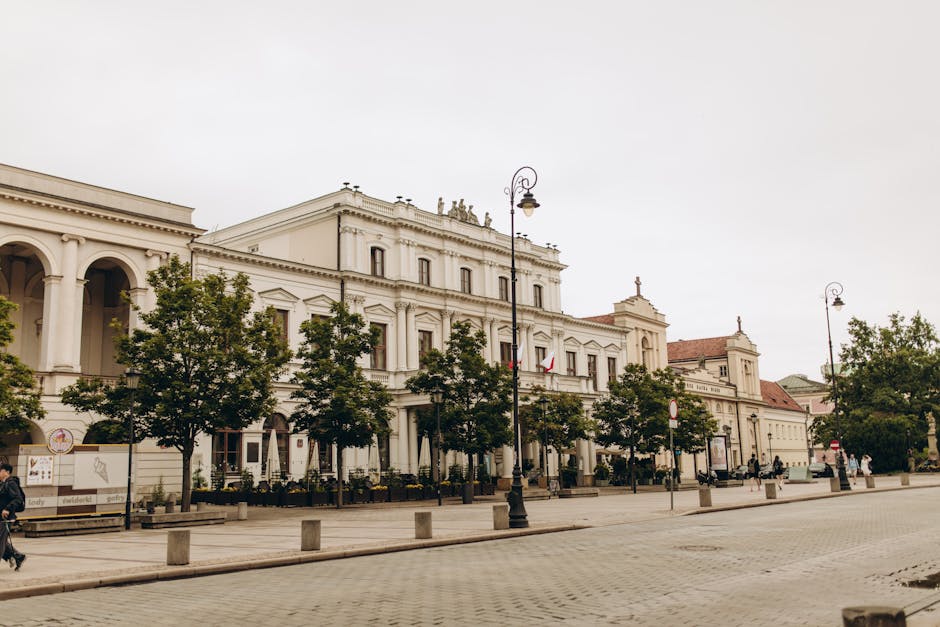
Explore the 'Polish Versailles' at your own pace. Discover Baroque architecture, royal history, and stunning gardens on this self-guided walk.
 Easy
EasyNairobi, Kenya
Discover Nairobi's iconic skyline on this self-guided architecture walk through the CBD’s most famous modernist and Brutalist landmarks.
 Moderate
Nairobi, Kenya
Discover the pulse of Nairobi's contemporary art scene on this self-guided walk through the galleries and creative spaces of Kilimani.
 Easy
EasyGdansk, Poland
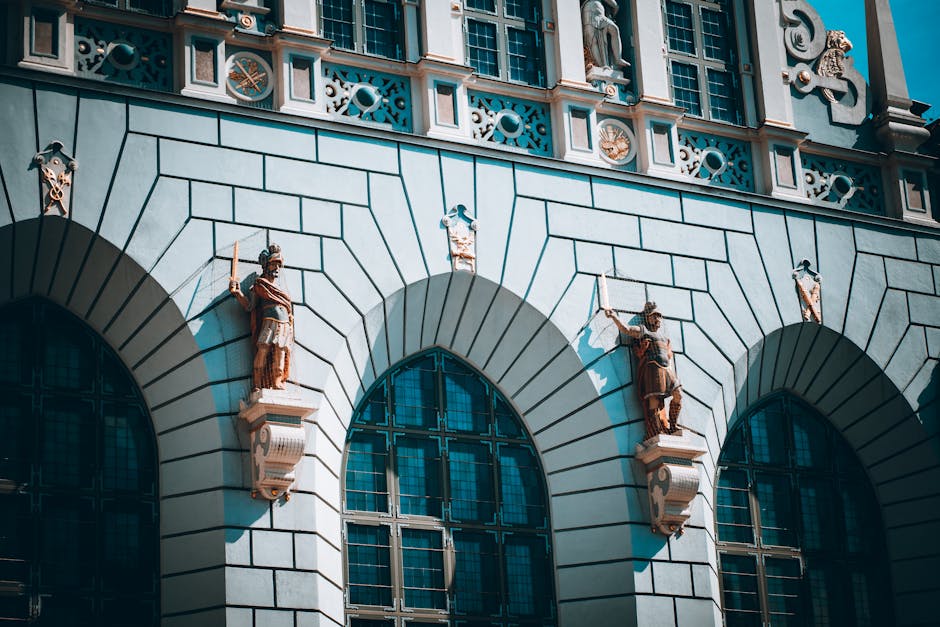
Discover the opulent Royal Way of Gdansk at your own pace. Explore Hanseatic history, gilded architecture, and the iconic Neptune's Fountain.
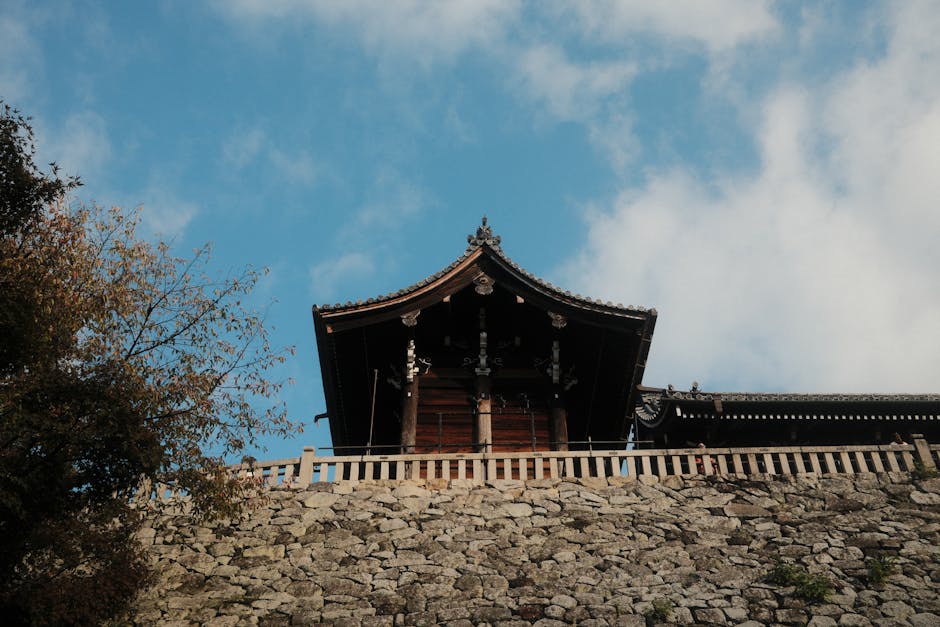 Moderate
Kyoto, Japan
Discover the soul of old Kyoto on this self-guided walk through preserved stone lanes, iconic pagodas, and the grand wooden stage of Kiyomizu-dera.
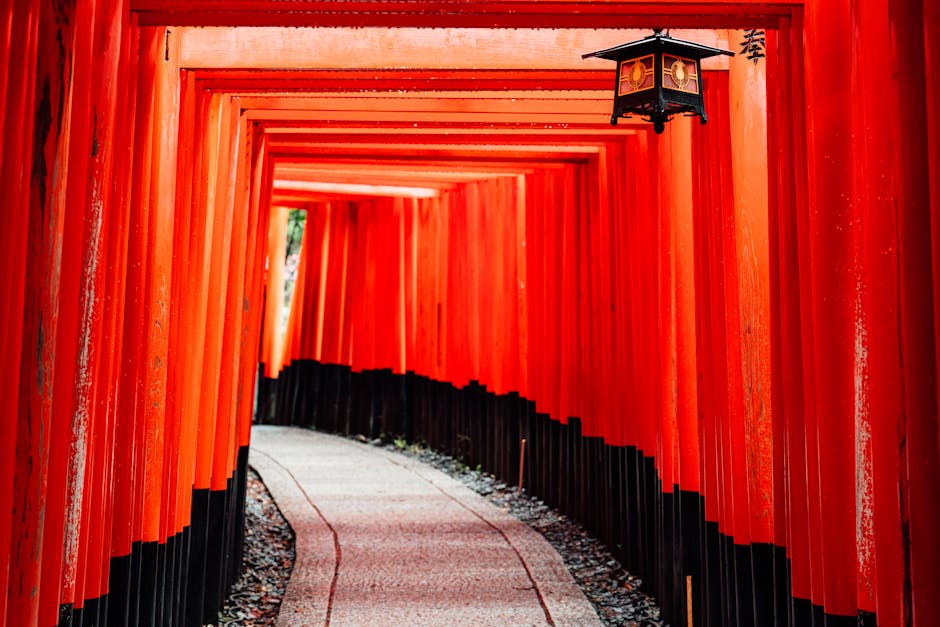 Challenging
Kyoto, Japan
Ascend the sacred Mount Inari through thousands of vermillion torii gates on this challenging and spiritual self-guided walk in Kyoto.
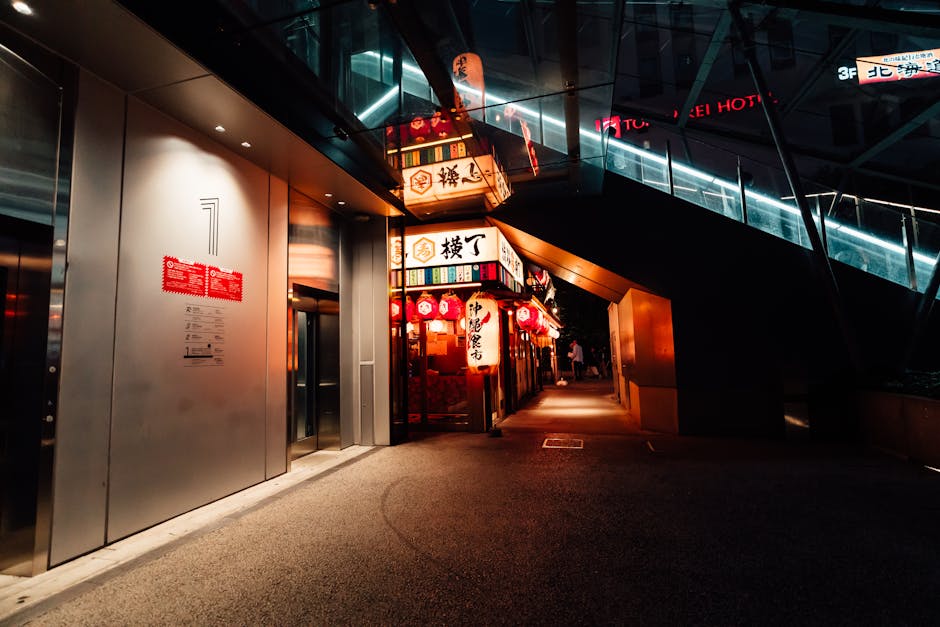 Easy
EasyKyoto, Japan
Explore Kyoto's most atmospheric alleyway. Discover geiko history, riverside dining, and hidden nightlife on this self-guided evening stroll.
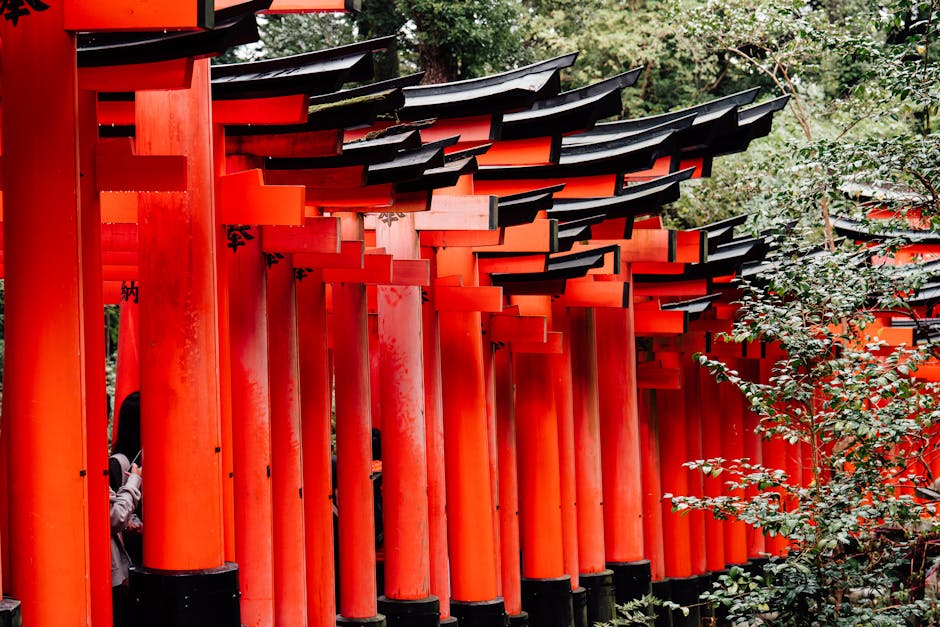 Moderate
Kyoto, Japan
Experience a serene self-guided walk along Kyoto's iconic Philosopher's Path, visiting Zen temples, hidden shrines, and the stunning Silver Pavilion.