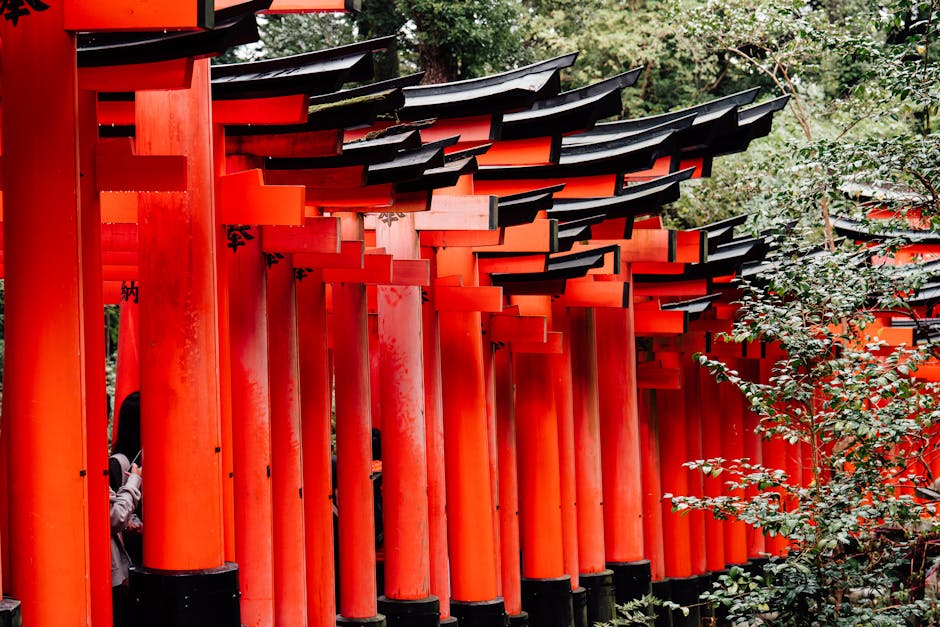
Self-guided audio tour in Kyoto
Start Free on iPhone
Start free on iPhone to unlock this self-guided walking tour in Kyoto. Hear all the stories that make it amazing, walk at your own pace, and begin whenever you want.
Your Private Tour Guide
Step into a world where time slows down and nature speaks through the rustle of maple leaves and the gentle flow of water. This self-guided walking route in Kyoto’s eastern Higashiyama district follows the historic Philosopher’s Path, a stone walkway that winds alongside a canal lined with hundreds of cherry trees. Named after Nishida Kitaro, one of Japan’s most famous philosophers who used this route for daily meditation, the path offers a profound sense of tranquility. This journey is more than just a walk; it is an exploration of Japan’s spiritual and architectural heritage, connecting grand Zen complexes with hidden hillside shrines. Begin your self-guided adventure at the Keage Incline, a relic of Meiji-era engineering that has transformed into one of the city’s most picturesque walkways. From there, you will transition from industrial history to spiritual grandeur at Nanzen-ji, home to a massive wooden gate and a surprising red-brick aqueduct. As you continue north, the route introduces you to the 'Looking-back Buddha' at Eikandō and the quirky guardian mice of Ōtoyo Shrine. Each stop provides a unique perspective on Kyoto’s ability to blend the natural world with human devotion. The final stretch of this neighborhood stroll leads you through the moss-covered gates of Hōnenin before concluding at the iconic Ginkaku-ji, the Silver Pavilion. While the pavilion was never actually covered in silver, its sophisticated sand gardens and reflection ponds represent the pinnacle of Higashiyama culture. This walking route Kyoto offers is perfect for those seeking to escape the city’s hustle and immerse themselves in the 'wabi-sabi' aesthetic—finding beauty in imperfection and transience. Whether you are visiting during the pink haze of spring or the fiery reds of autumn, this walking route provides a meditative space to reflect on the history and beauty of Japan’s ancient capital.
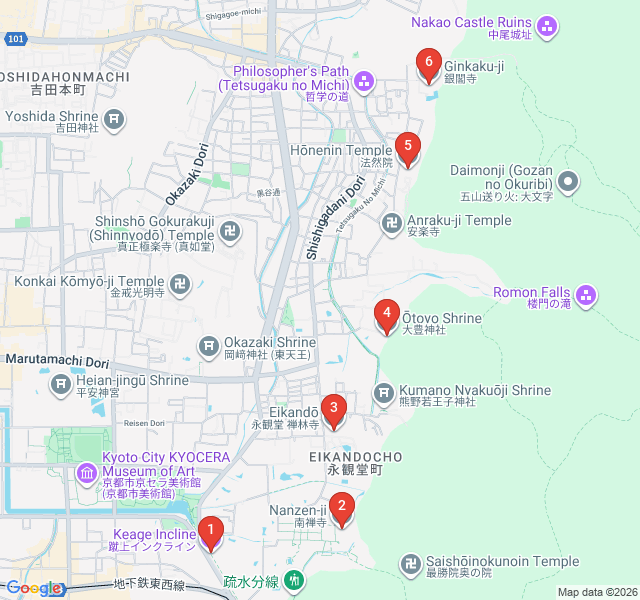
Numbers indicate the order of stops on the tour.
Start exploring with Zigway at the Keage Incline, a slope of abandoned railway tracks that once served as a vital transportation link. In the late 19th century, this was part of the Biwako Canal system, used to transport boats between the canal and the river. Today, the industrial machinery is gone, replaced by a stunning corridor of cherry trees. As you walk along the tracks, imagine the flatbed cars that once carried boats up this hill. It is a rare example of Meiji-era industrial heritage blending seamlessly into Kyoto's natural landscape. This spot is particularly famous for its 'tunnel' of blossoms in early April, making it a favorite for photography enthusiasts.
A short walk from the incline brings you to Nanzen-ji, one of the most important Zen temples in Japan. The first thing you will notice is the Sanmon, an enormous wooden gate that represents the 'gate of liberation.' Beyond the gate lies a sprawling complex of sub-temples and gardens. One of the most striking features here is the Suirokaku, a large red-brick aqueduct built in 1890. While its Western, Roman-style architecture might seem out of place in a Zen temple, it has become a beloved part of the scenery, often appearing in Japanese television dramas. The contrast between the ancient wooden structures and the weathered brickwork creates a unique atmosphere found nowhere else in Kyoto.
Continuing north, you reach Eikandō, also known as Zenrin-ji. This temple is world-renowned for its autumn colors, but its spiritual history is even more compelling. Inside the Amida-do hall is the famous 'Mikaeri Amida' statue. Unlike most Buddha statues that look straight ahead, this one is turned to look over its shoulder. Legend says the statue came to life to encourage a priest named Eikan, telling him he was moving too slowly. The temple grounds also feature a stunning pond and a pagoda perched high on the hillside, offering a peaceful vantage point over the temple roofs and the city beyond.
As you begin your stroll along the actual Philosopher's Path canal, look for the entrance to Ōtoyo Shrine. This is a quiet, local favorite known for its unusual guardian animals. While most Japanese shrines are guarded by stone lions or foxes, Ōtoyo is protected by stone mice. One mouse holds a scroll representing wisdom, while the other holds a sake gourd representing fertility and health. These mice are linked to a myth where a mouse saved the deity Okuninushi from a fire. This hidden gem offers a whimsical and intimate break from the larger temple complexes nearby.
Tucked away behind a rustic thatched gate is Hōnenin, a temple that feels like a secret garden. After passing through the gate, you will walk between two large mounds of sand known as Byakusandan. These represent water, and walking between them is said to purify the visitor's mind and body. The designs raked into the sand change with the seasons, often featuring maple leaves or flower motifs. Hōnenin is particularly famous for its lush green moss and the quiet, contemplative atmosphere that inspired many Japanese writers. It is a perfect spot to pause and practice the same meditation that philosopher Nishida Kitaro once did on these very grounds.
Your journey concludes at Ginkaku-ji, the 'Temple of the Silver Pavilion.' Built by Shogun Ashikaga Yoshimasa as a retirement villa, it was intended to rival the Golden Pavilion (Kinkaku-ji) built by his grandfather. Interestingly, the silver foil was never applied, leaving the beautiful dark wood exposed—a perfect embodiment of 'wabi-sabi' aesthetics. The grounds are a masterpiece of Zen landscape design, featuring a massive cone of sand called the 'Moon Viewing Platform' and a meticulously raked sand garden meant to resemble the sea. Follow the path up the hill for a final, breathtaking view of the temple complex set against the backdrop of Kyoto’s urban sprawl.
Start Free on iPhone
Explore “The Philosopher's Meditative Walk” with your very own Private Tour Guide with Zigway. Start free on iPhone, skip the large group and the fixed routes, and hear the city come alive as you go.
Your Private Tour Guide
Don't miss the good stuff
Explore Freely
 Moderate
Kyoto, Japan
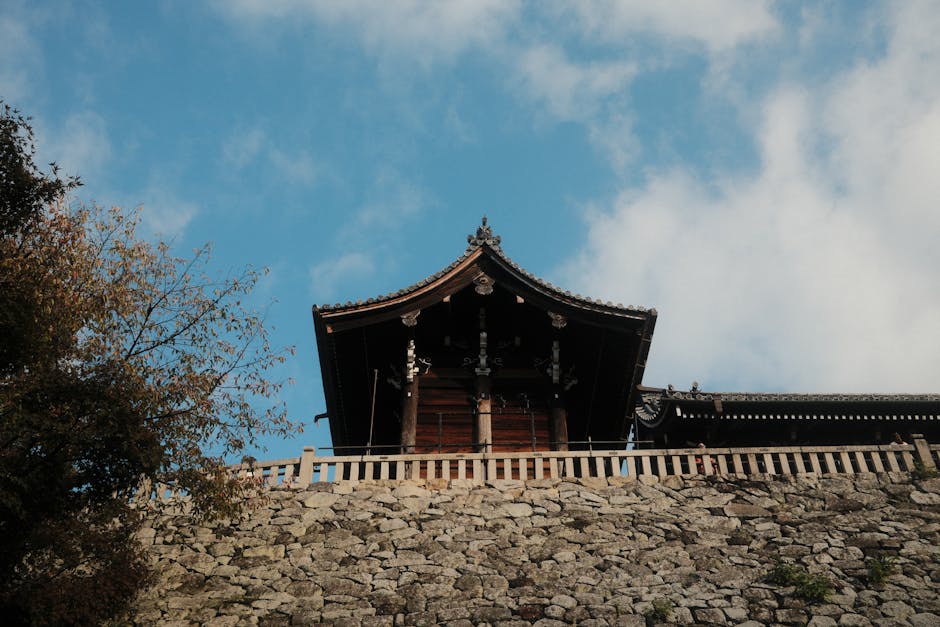
Discover the soul of old Kyoto on this self-guided walk through preserved stone lanes, iconic pagodas, and the grand wooden stage of Kiyomizu-dera.
 Challenging
Kyoto, Japan
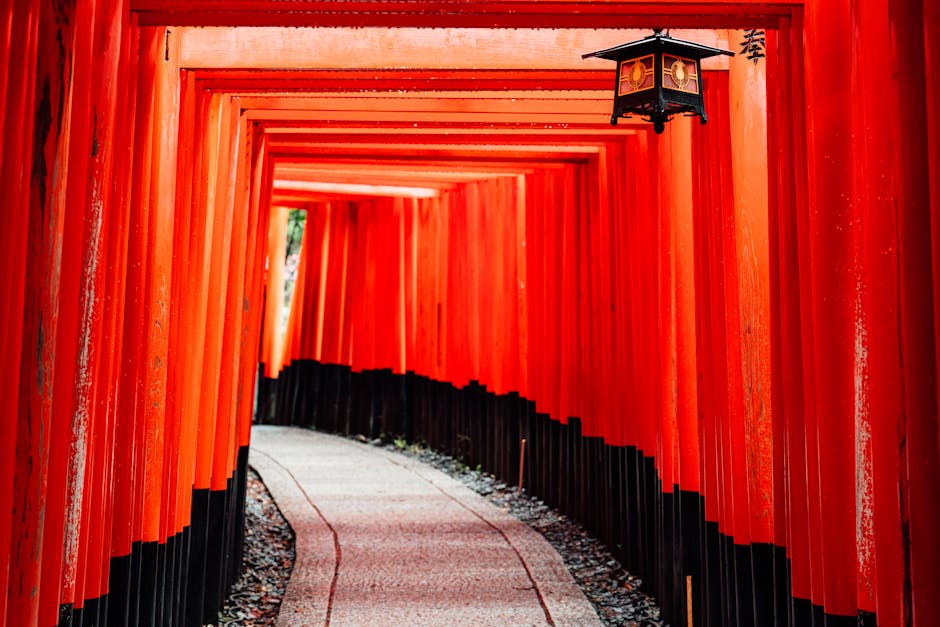
Ascend the sacred Mount Inari through thousands of vermillion torii gates on this challenging and spiritual self-guided walk in Kyoto.
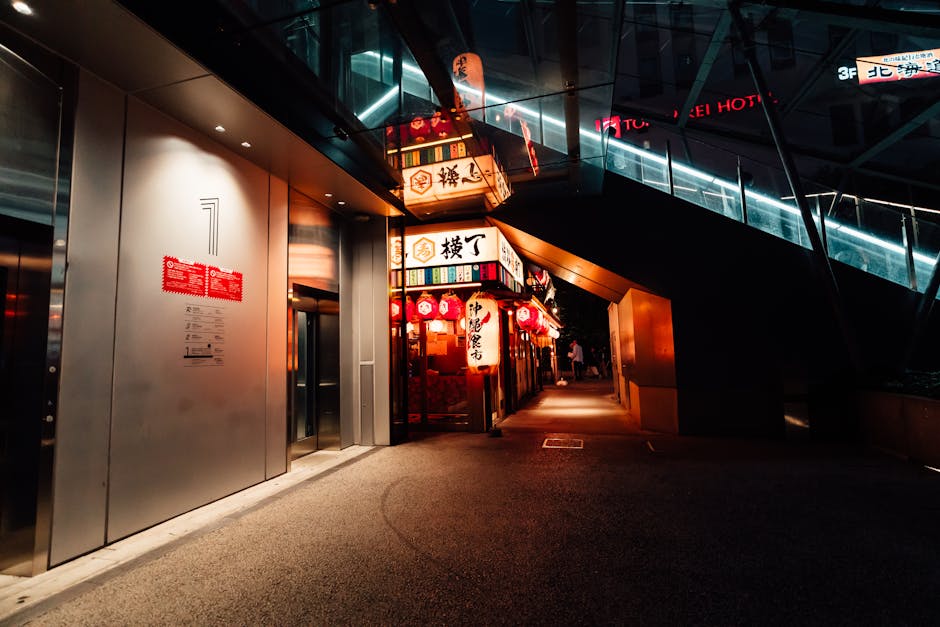 Easy
EasyKyoto, Japan
Explore Kyoto's most atmospheric alleyway. Discover geiko history, riverside dining, and hidden nightlife on this self-guided evening stroll.
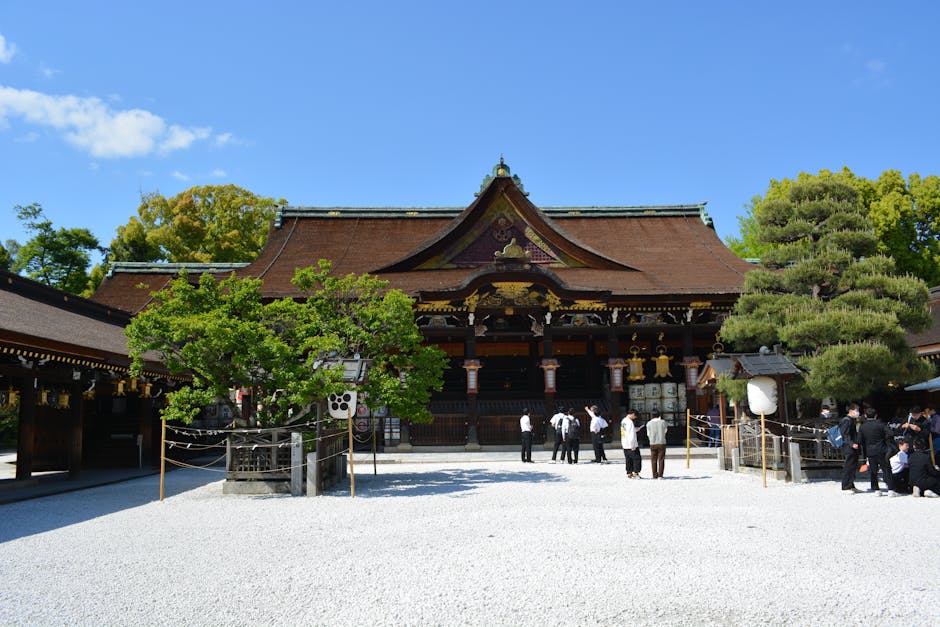 Easy
EasyKyoto, Japan
Discover the striking contrast between Kyoto's ancient traditions and futuristic architecture on this self-guided neighborhood stroll.
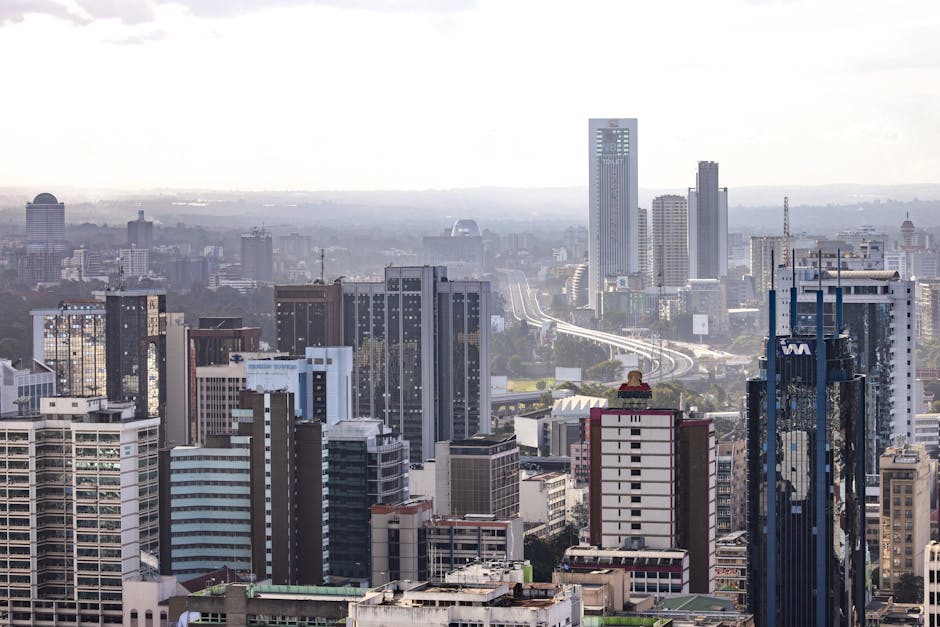 Moderate
Nairobi, Kenya
Discover Nairobi's lush side on this self-guided walk through botanical gardens, historic memorials, and vibrant local markets.
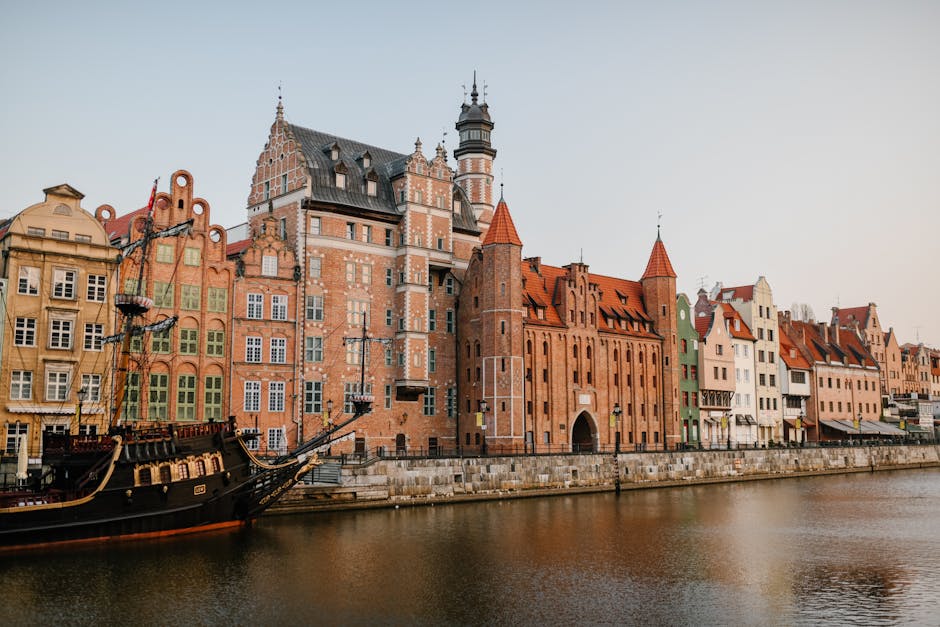 Easy
EasyGdansk, Poland
Discover the monastic heritage, world-famous organs, and lush botanical gardens of Oliwa on this peaceful self-guided neighborhood stroll.
 Easy
EasyNairobi, Kenya
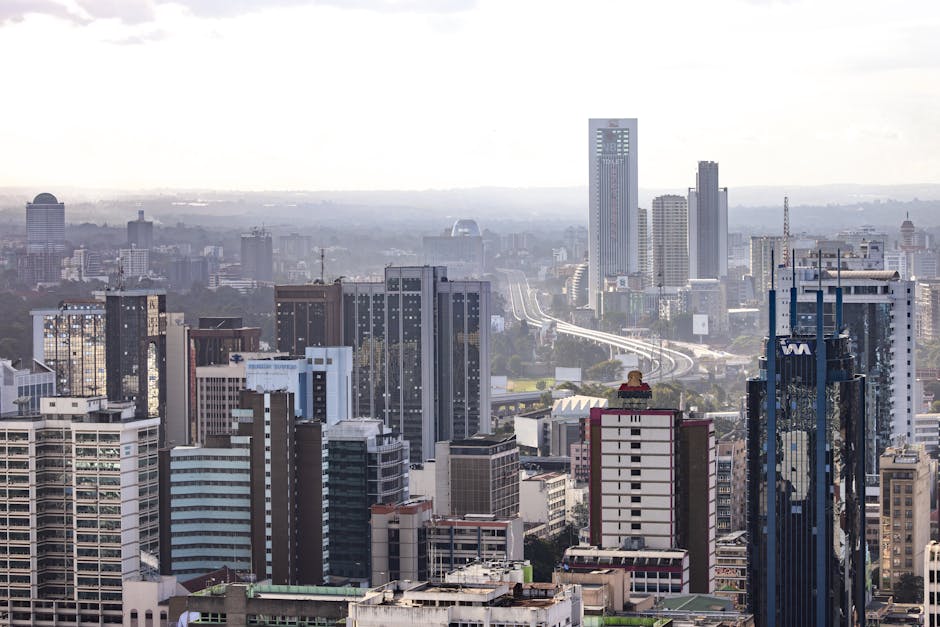
Discover Nairobi's iconic skyline on this self-guided architecture walk through the CBD’s most famous modernist and Brutalist landmarks.
 Moderate
Gdansk, Poland
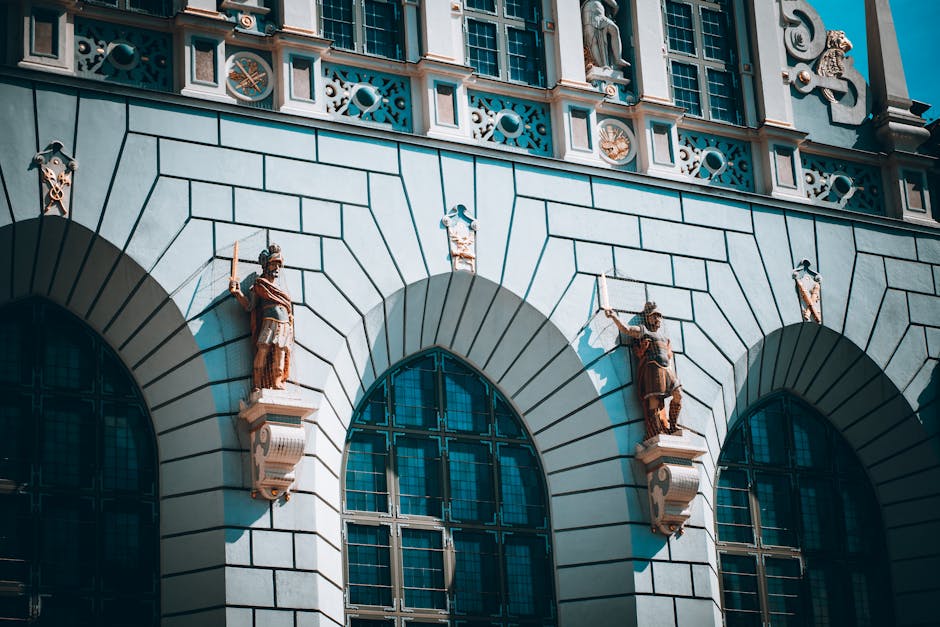
Discover the origins of WWII in Gdansk on this self-guided walk through heroic last stands, massive museums, and strategic hilltop fortifications.
 Moderate
Tokyo, Japan
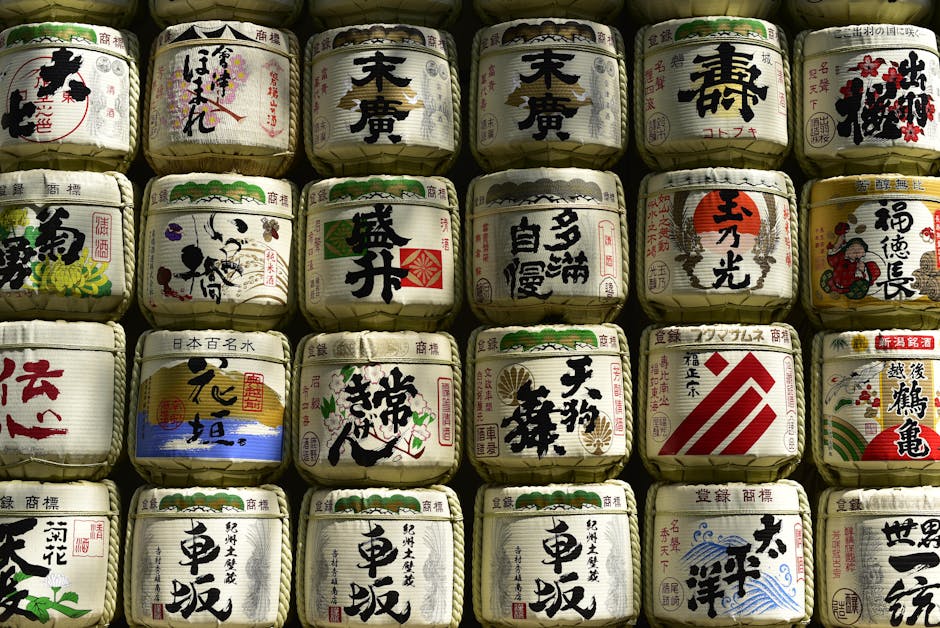
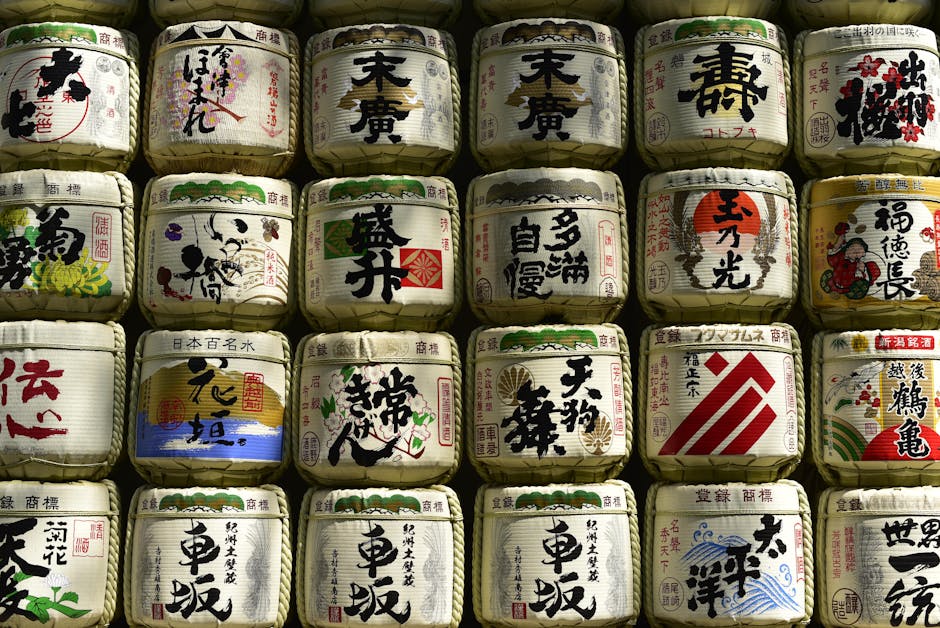
Discover Tokyo's premier creative district on this self-guided walk through Roppongi’s world-class museums and striking modern architecture.
 Easy
EasyTokyo, Japan
Discover the 'Old Tokyo' charm of Yanaka on this self-guided walk through historic temples, artisan alleys, and a stunning torii gate shrine.
 Easy
EasyTokyo, Japan
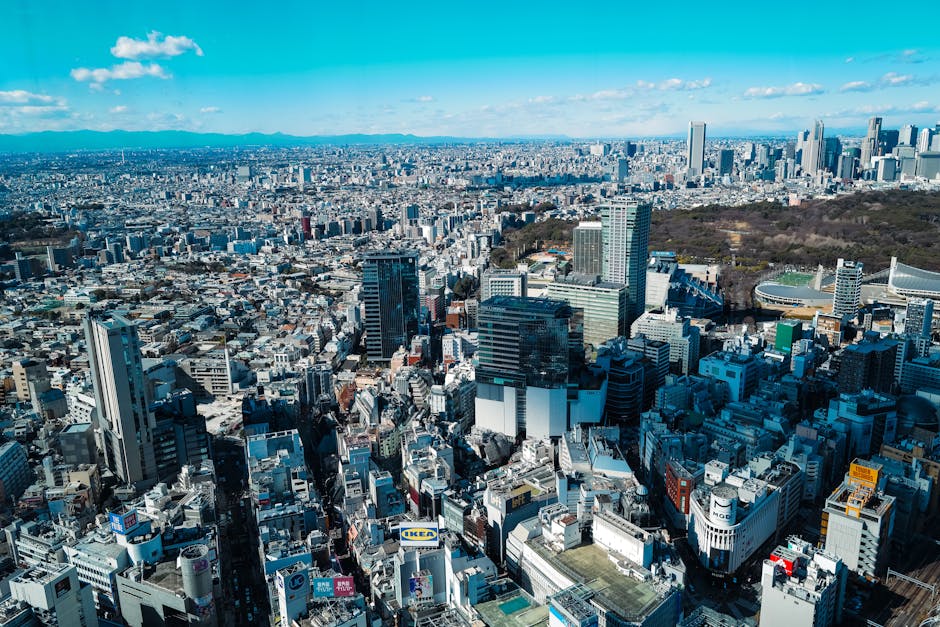
Experience Shibuya's electric energy on this self-guided walk from the iconic Scramble Crossing to the panoramic views of Shibuya Sky.
 Easy
EasyTokyo, Japan
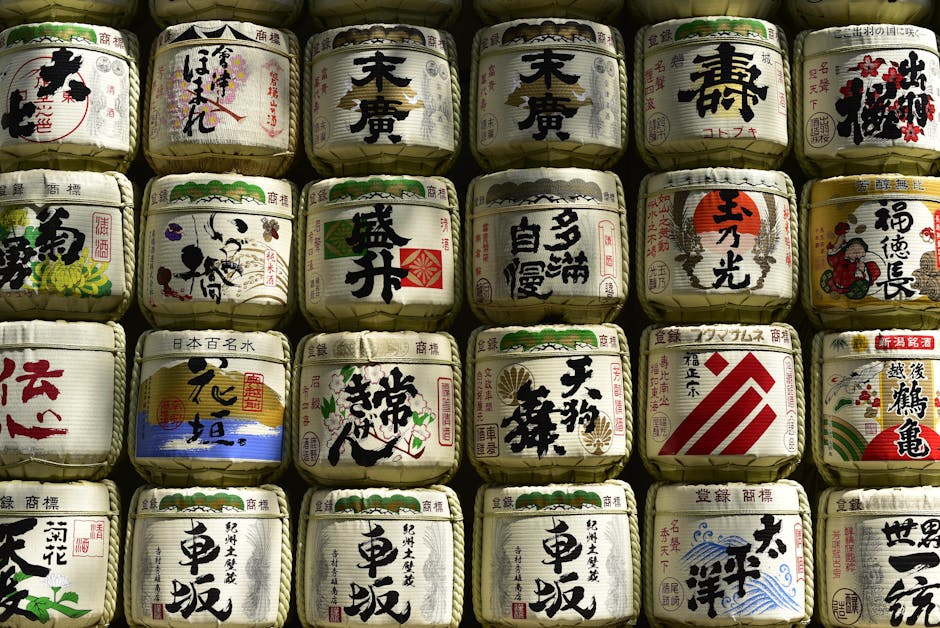
Explore Tokyo's indie heart. From vintage fashion in Shimokitazawa to world-class art in Shinjuku, discover the city's creative soul independently.