Self-guided audio tour in Bologna
Start Free on iPhone
Start free on iPhone to unlock this self-guided walking tour in Bologna. Hear all the stories that make it amazing, walk at your own pace, and begin whenever you want.
Your Private Tour Guide
Step into the aromatic, medieval heart of 'Bologna La Grassa' (Bologna the Fat) with this self-guided food and history walking route. The Quadrilatero district has served as the city's primary marketplace since the Middle Ages, and its narrow, cobblestone alleys still pulse with the same energy today as they did centuries ago. On this neighborhood stroll, you will navigate a dense grid of artisanal workshops, historic deli counters, and ancient taverns that have defined Italian gastronomy for generations. This walking route is designed for those who want to experience the authentic culinary heritage of Bologna at their own pace, moving from the oldest tavern in the city to the most prestigious pasta makers. As you explore independently, you will discover why the Quadrilatero is more than just a tourist destination; it is a living museum of food. The route highlights the deep connection between the city’s urban architecture and its culinary traditions. You will encounter the legendary 'sfogline'—women who hand-roll pasta with rhythmic precision—and see windows draped with aged Prosciutto di Parma and massive wheels of Parmigiano Reggiano. This self-guided adventure allows you to soak in the atmosphere of the Mercato di Mezzo and admire the Art Nouveau storefronts of legendary bakeries without the pressure of a fixed schedule. Whether you are a first-time visitor or a seasoned traveler, this walking tour Bologna provides the perfect framework to understand the city's obsession with quality ingredients. You will see how medieval trade guilds shaped these streets and how family-run businesses have preserved recipes for hundreds of years. This neighborhood stroll is as much about the history of the buildings as it is about the flavors they house. By the end of this self-guided walk, you will have a profound appreciation for the craftsmanship behind Bologna’s most famous exports, from Mortadella to handmade tortellini, all while enjoying the freedom of a solo exploration. **Note:** This area is known for its ever-changing character. Street art, pop-up venues, and temporary exhibitions may differ from what's described. That's part of the adventure - you might discover something entirely new!
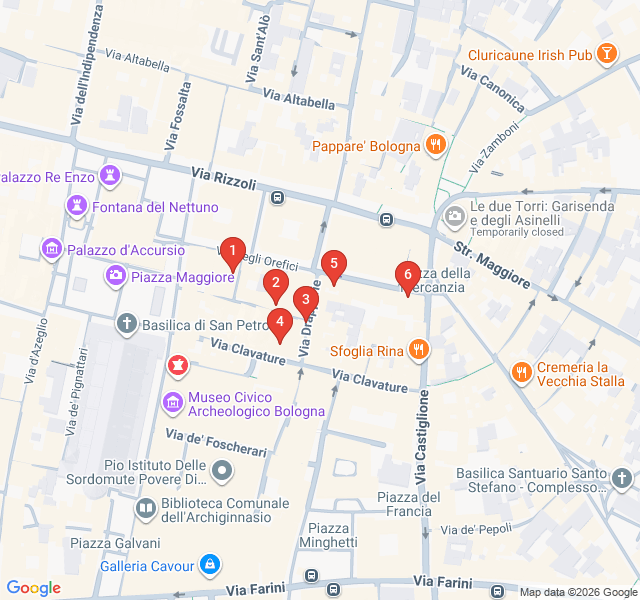
Numbers indicate the order of stops on the tour.
Welcome to the oldest social hub in Bologna. Established in 1465, Osteria del Sole has survived for over half a millennium by sticking to a unique tradition: they serve only wine. In a city where food is king, this tavern remains a sanctuary for drinkers. The rule here is simple: you bring your own food—perhaps some cured meats or bread from a nearby stall—and buy a glass of local Pignoletto or Sangiovese from the counter. The interior, with its weathered wooden tables and walls lined with dusty photos, feels like a time capsule. It represents the egalitarian spirit of Bologna, where students, professors, and workers have shared tables for centuries.
As you move through the narrow alleys, you will encounter the Pescheria del Pavaglione. While the Quadrilatero is famous for its meat and cheese, this historic fishmonger reminds us of the city's complex supply chains dating back to the Middle Ages. The display of fresh seafood is often a work of art, featuring daily catches that serve the city's top restaurants. The name 'Pavaglione' refers to the nearby portico where the silk trade once flourished. Observe the architecture here; the tightly packed shops were designed to keep the narrow streets cool, naturally preserving the fresh produce before the invention of refrigeration.
You are now standing before a temple of cured meats. Salumeria Simoni is legendary for its Mortadella, the pink, silk-textured sausage that the world mistakenly calls 'baloney.' In Bologna, Mortadella is a protected delicacy with a history involving the Guild of Salaroli. Look for the 'PGI' (Protected Geographical Indication) seals. The shop often displays massive versions of the sausage, some weighing over 100 kilograms. The expertise here has been passed down through generations, and the staff are masters at slicing the meat so thin it practically melts. It is a perfect example of the 'slow food' philosophy that dominates this neighborhood.
The Mercato di Mezzo was Bologna's first indoor market after the unification of Italy, though its roots as a trading site go back to the 12th century. After a significant restoration, it now functions as a vibrant three-story food hall. This is the heart of the Quadrilatero's social life. You can see the blend of traditional stalls selling raw ingredients alongside modern counters where you can grab a craft beer or a quick plate of tortellini. The architecture maintains its historical bones while adapting to modern tastes, making it a perfect spot to observe the local 'aperitivo' culture in an authentic setting.
Since 1932, Tamburini has been one of the most prestigious names in Italian gastronomy. It is famous for its 'sfogline'—the pasta makers who can be seen through the window rolling out golden sheets of egg pasta. The precision required to make 'Tortellini' (which legend says were modeled after Venus’s navel) is immense. Each small knot of pasta must be folded by hand. Tamburini is a 'salumeria,' 'pastaio,' and 'gastronomia' all in one. The smell of aged balsamic vinegar and cured pork here is unmistakable. It is a cornerstone of the neighborhood, representing the high standards that 'Bologna the Fat' demands of its producers.
Our final stop is a visual and sensory masterpiece. Paolo Atti e Figli is an Art Nouveau jewel that has been baking traditional breads and pastries since 1880. The shop’s interior, with its ornate wooden cabinetry and vintage signage, is as famous as its products. Look for the 'Certosino,' a traditional Bolognese spiced Christmas cake, or their signature 'Pan di Spagna.' The Atti family has maintained the same high quality for over a century, providing the city with the essential carbohydrates that accompany every meal. It is the perfect place to admire the elegance of old-world European retail before finishing your exploration.
Start Free on iPhone
Explore “Quadrilatero Culinary Heritage Trail” with your very own Private Tour Guide with Zigway. Start free on iPhone, skip the large group and the fixed routes, and hear the city come alive as you go.
Your Private Tour Guide
Don't miss the good stuff
Explore Freely
 Moderate
Bologna, Italy
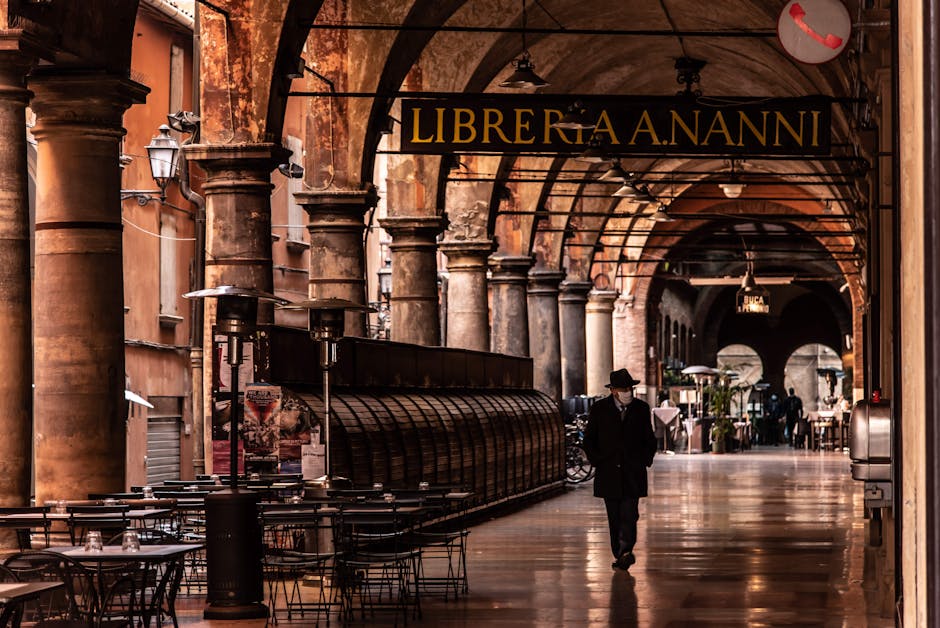
Explore Bologna's UNESCO-listed porticoes on this self-guided architectural stroll through historic streets and grand, frescoed arches.
 Easy
EasyBologna, Italy
Uncover Bologna's secret 'Little Venice' on this self-guided walk through hidden canals, ancient mills, and the city's industrial past.
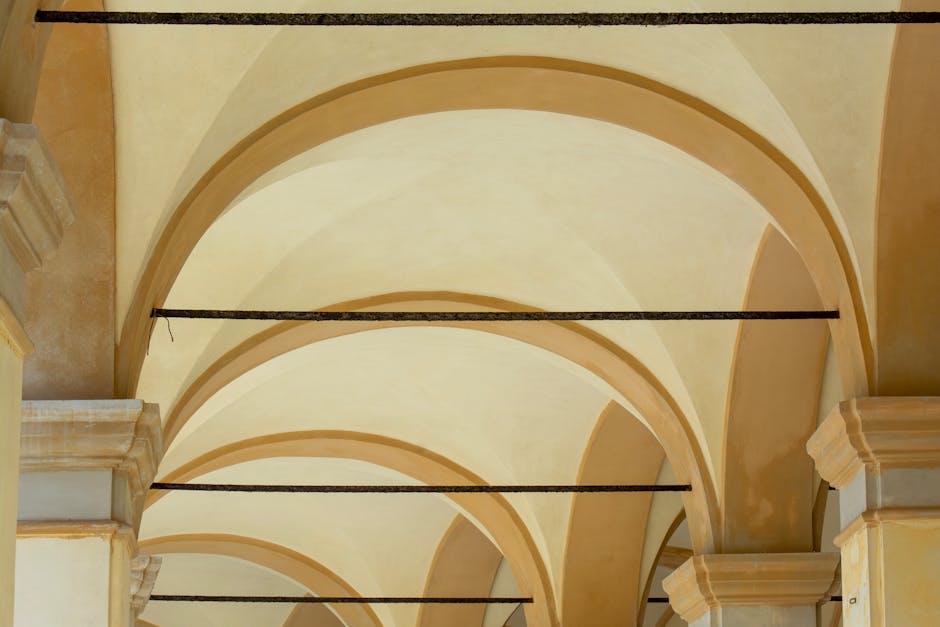 Easy
EasyBologna, Italy
Uncover the legends and hidden architectural wonders of medieval Bologna on this self-guided stroll through the historic city center.
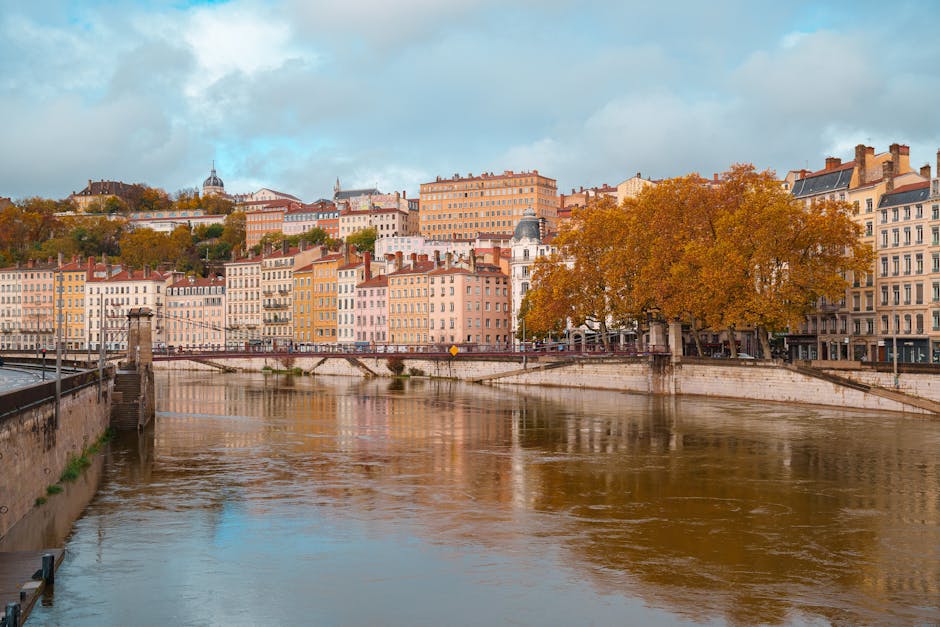 Easy
EasyBologna, Italy
Discover the rebellious soul of Bologna with a self-guided stroll through the bars, street art, and bohemian history of the iconic Pratello district.
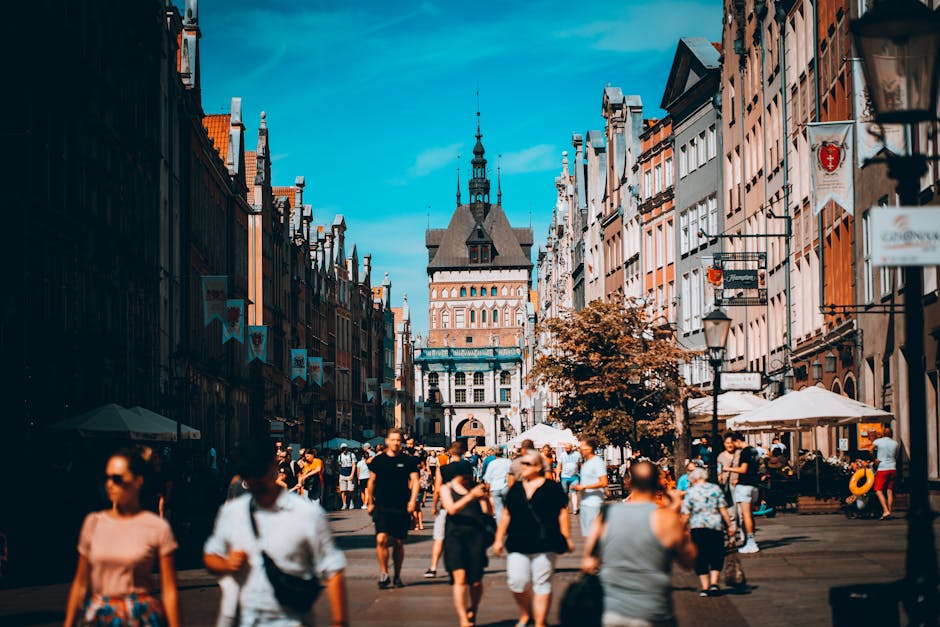 Easy
EasyGdansk, Poland
Taste the history of the Baltic. Explore Gdansk's culinary heritage from medieval markets to gold-flecked liqueurs on this self-guided walk.
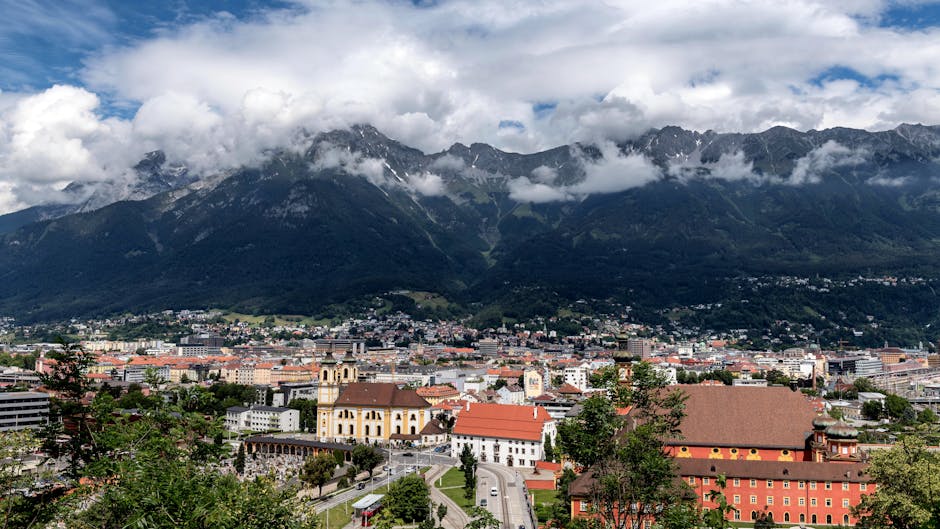 Easy
EasyInnsbruck, Austria
Discover the flavors of Tyrol on this self-guided stroll through Innsbruck’s historic Old Town and vibrant market hall.
 Easy
EasyGothenburg, Sweden
Discover Gothenburg’s maritime flavors on this self-guided walk through historic market halls and iconic seafood landmarks.
 Easy
EasyGothenburg, Sweden
Explore Gothenburg's elegant academic district, featuring grand 19th-century stone architecture and the iconic cultural hub of Götaplatsen.
 Easy
EasyRome, Italy
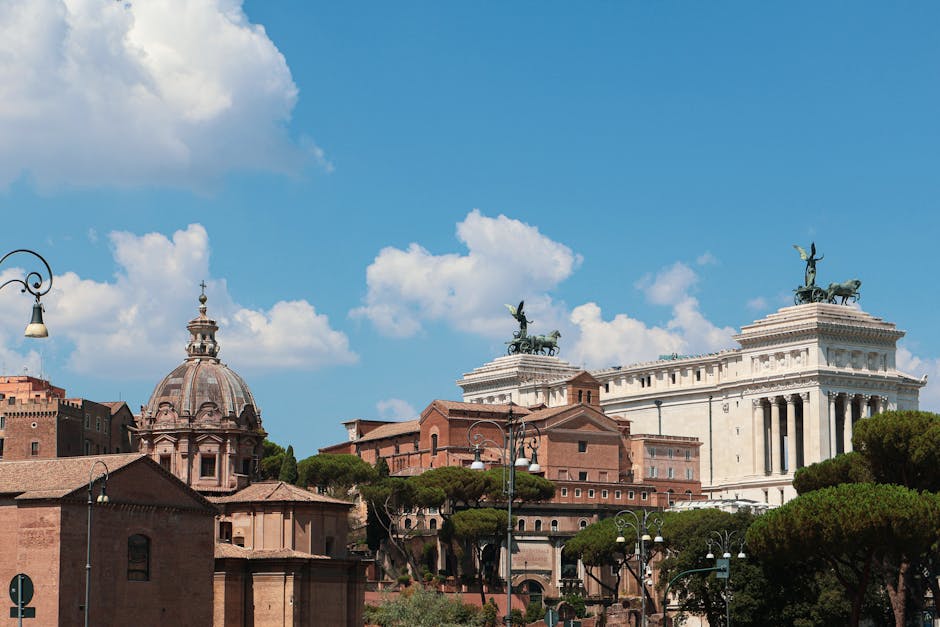
Explore Rome’s industrial heart on this self-guided walk featuring massive murals, the 'Iron Colosseum,' and unique industrial archaeology.
 Easy
EasyRome, Italy
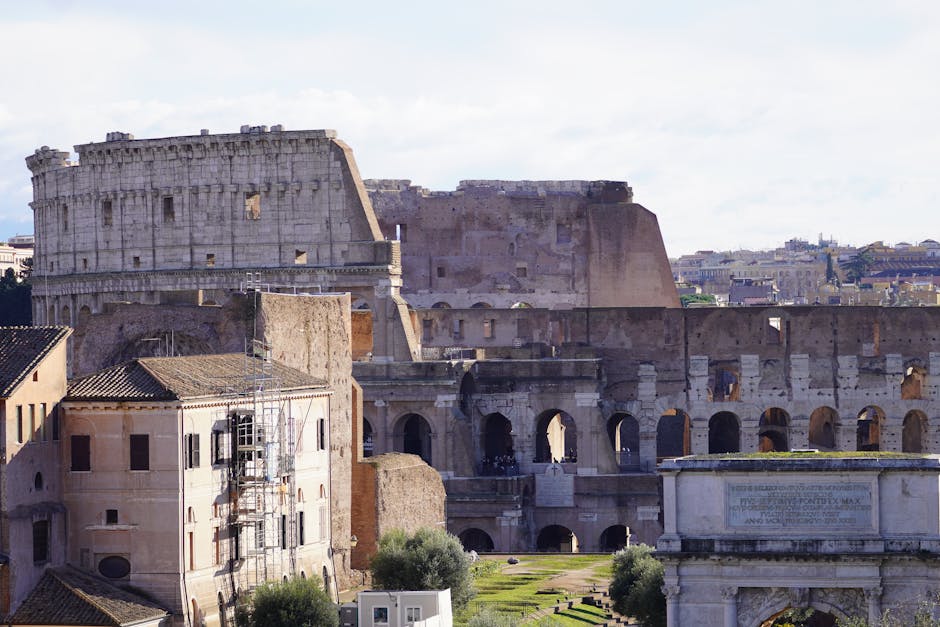
Explore Rome’s whimsical Fairytale District. A self-guided walk through Art Nouveau palaces, mythical fountains, and the magical Coppedè architecture.
 Moderate
Rome, Italy
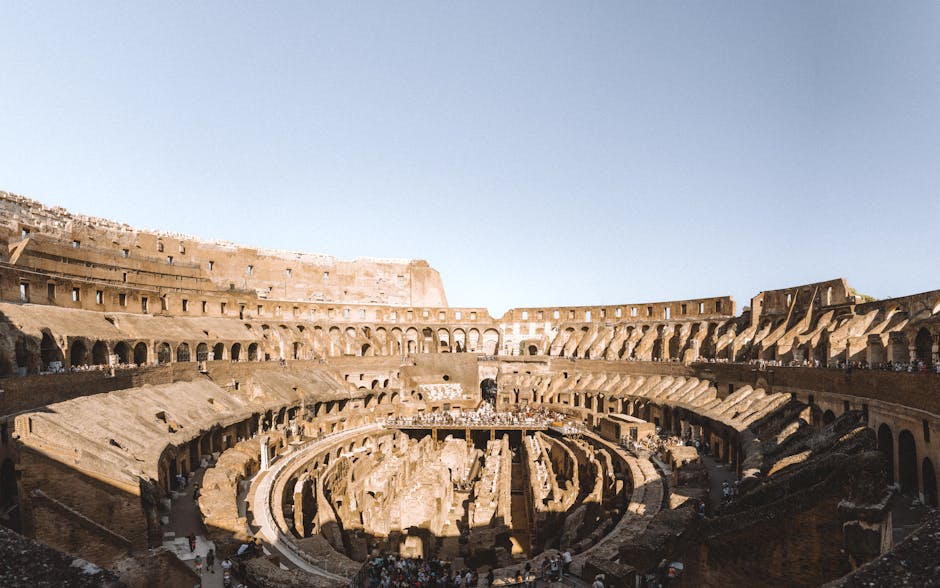
Uncover Rome's hidden history on this self-guided walk through ancient gladiator pits, subterranean temples, and buried Roman houses.
 Challenging
Rome, Italy
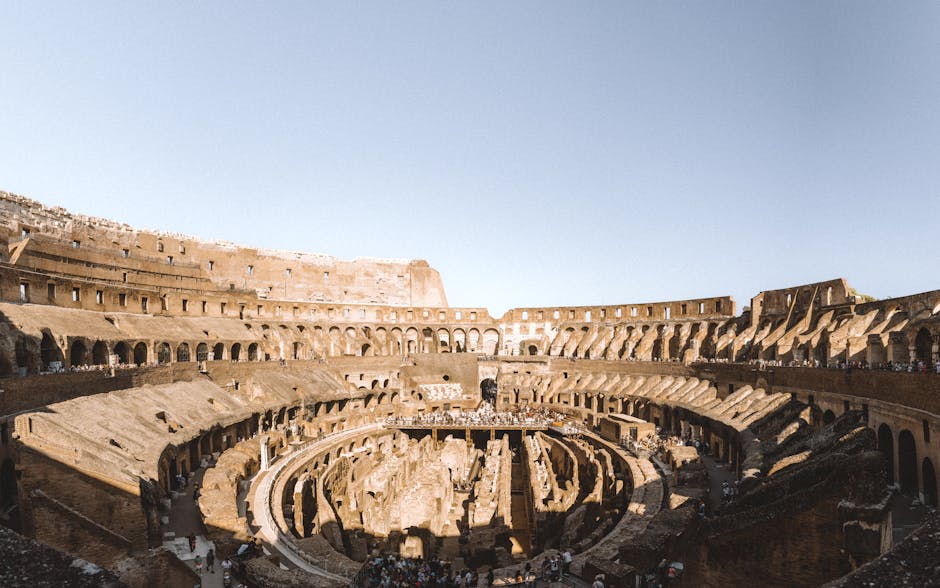
Walk the 'Queen of Roads.' Explore ancient catacombs, imperial villas, and historic basalt stones on this scenic self-guided Roman adventure.