Self-guided audio tour in Rome
Start Free on iPhone
Start free on iPhone to unlock this self-guided walking tour in Rome. Hear all the stories that make it amazing, walk at your own pace, and begin whenever you want.
Your Private Tour Guide
Step back in time along the Via Appia Antica, famously known as the Regina Viarum or the Queen of Roads. This self-guided walk offers a rare escape from the bustling center of Rome, leading you through a breathtaking landscape where ancient history meets the quiet beauty of the Roman countryside. Constructed in 312 BC, this road was once the vital artery connecting Rome to the distant port of Brindisi. Today, it serves as an open-air museum, lined with towering cypress trees, crumbling tombs, and the very same basalt paving stones that felt the march of Roman legions and early Christian pilgrims. On this walking route, you will experience the layered history of the Appian Way. You begin at the site of a legendary divine encounter before venturing underground into the vast, silent networks of the catacombs. As you continue your neighborhood stroll, the landscape opens up to reveal the massive ruins of imperial villas and the best-preserved chariot racing circuit in the Roman world. The route is more than just a history lesson; it is a physical journey through the evolution of Rome, from its pagan glory to its early Christian foundations. Exploring independently allows you to truly feel the atmosphere of this historic path. You can pause to admire the intricate masonry of the Mausoleum of Cecilia Metella or wander through the sprawling remains of the Villa dei Quintili at your own speed. This is not a typical walking tour Rome experience; it is a challenging but rewarding trek through a park that feels miles away from the modern city. Whether you are interested in archaeology, religious history, or simply looking for a peaceful nature walk among ruins, the Via Appia Antica delivers an unforgettable glimpse into the eternal soul of the city. While many visitors stick to the Colosseum, this audio walk takes you off the beaten path to where the true scale of Roman ambition is still visible in the stones beneath your feet.
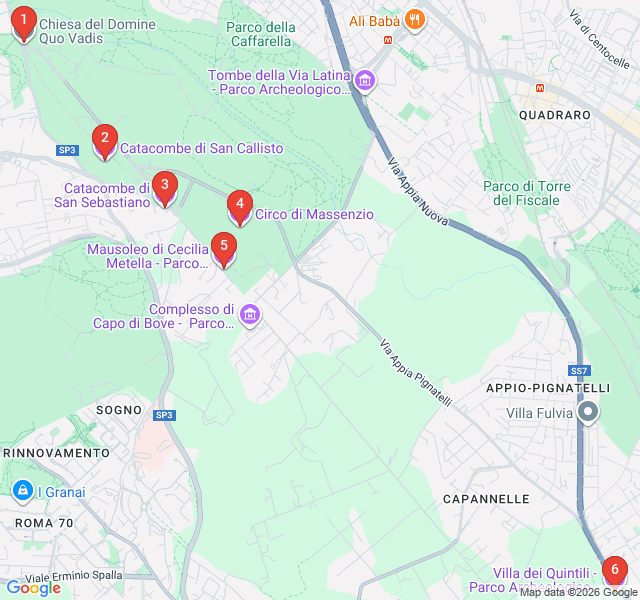
Numbers indicate the order of stops on the tour.
Our self-guided walk begins at this small but significant church, officially known as Santa Maria in Palmis. It stands at the spot where, according to tradition, Saint Peter met Jesus while fleeing Rome to escape Nero’s persecution. Peter asked, 'Domine, quo vadis?' or 'Lord, where are you going?' Jesus replied that he was going to Rome to be crucified again, prompting Peter to return and face his martyrdom. Inside, you can see a copy of a marble slab featuring two footprints, traditionally believed to be those of Jesus. This site marks the transition from the city’s immediate outskirts into the sacred and funerary landscape of the Appian Way.
Venturing further, we reach the most famous of Rome’s underground cemeteries. The Catacombs of Saint Callixtus are a vast honeycomb of tunnels stretching nearly 20 kilometers across four levels. This was the official cemetery of the Church of Rome in the 3rd century, serving as the final resting place for dozens of martyrs and 16 early popes. The 'Crypt of the Popes' is often called 'the little Vatican' because of its historical importance. As you walk through the silent, cool galleries, you will see early Christian symbols like the fish and the anchor carved into the tufa rock, offering a poignant look at the faith of the early Roman community.
Just a short distance away lies another vital subterranean site. The Catacombs of Saint Sebastian were one of the few that remained accessible throughout the Middle Ages, which is why the term 'catacomb'—originally a local place name for this specific area—came to describe all such underground burials. Above the tunnels sits a beautiful basilica dedicated to the martyr Sebastian. This site is particularly famous for housing the remains of Saints Peter and Paul for a period during the 3rd century to protect them from desecration. The mix of pagan mausoleums and Christian tombs here illustrates the complex religious transition of the Roman Empire.
As we continue our neighborhood stroll, the landscape opens into a massive archaeological complex. This is the Circus of Maxentius, the best-preserved Roman circus in existence. Built in the early 4th century by Emperor Maxentius, it was designed for chariot racing, much like the Circus Maximus, but on a more intimate imperial scale. You can still clearly see the 'spina'—the central barrier—and the towers where the starting gates once stood. It is a hauntingly beautiful site, often much quieter than the ruins in the city center, allowing you to imagine the roar of the crowds and the thunder of horse hooves against the backdrop of the Roman hills.
Towering over the road is one of the most iconic landmarks of the Appian Way. This massive cylindrical tomb was built during the reign of Augustus for Cecilia Metella, the daughter of a Roman Consul and daughter-in-law of the wealthy Marcus Licinius Crassus. Its sheer size and the quality of its travertine facing speak to the immense wealth of the Roman aristocracy. In the 14th century, the Caetani family transformed the tomb into a fortified tower for their castle, which explains the battlements you see at the top. The structure effectively became a toll gate, controlling traffic along this vital route for centuries.
Our walking route concludes at the sprawling ruins of the Villa dei Quintili. This estate was so magnificent that Emperor Commodus had the original owners, the Quintili brothers, executed just so he could seize the property for himself. The site once featured private thermal baths, a theater, and lavishly decorated halls overlooking the countryside. Today, walking through the skeletal remains of the brickwork and the remnants of marble floors gives you a sense of the staggering luxury enjoyed by Rome’s elite. It is the perfect place to reflect on the rise and fall of the empire before heading back toward the city.
Start Free on iPhone
Explore “The Queen of Roads: Ancient Via Appia Walk” with your very own Private Tour Guide with Zigway. Start free on iPhone, skip the large group and the fixed routes, and hear the city come alive as you go.
Your Private Tour Guide
Don't miss the good stuff
Explore Freely
 Easy
EasyRome, Italy
Explore Rome’s industrial heart on this self-guided walk featuring massive murals, the 'Iron Colosseum,' and unique industrial archaeology.
 Easy
EasyRome, Italy
Explore Rome’s whimsical Fairytale District. A self-guided walk through Art Nouveau palaces, mythical fountains, and the magical Coppedè architecture.
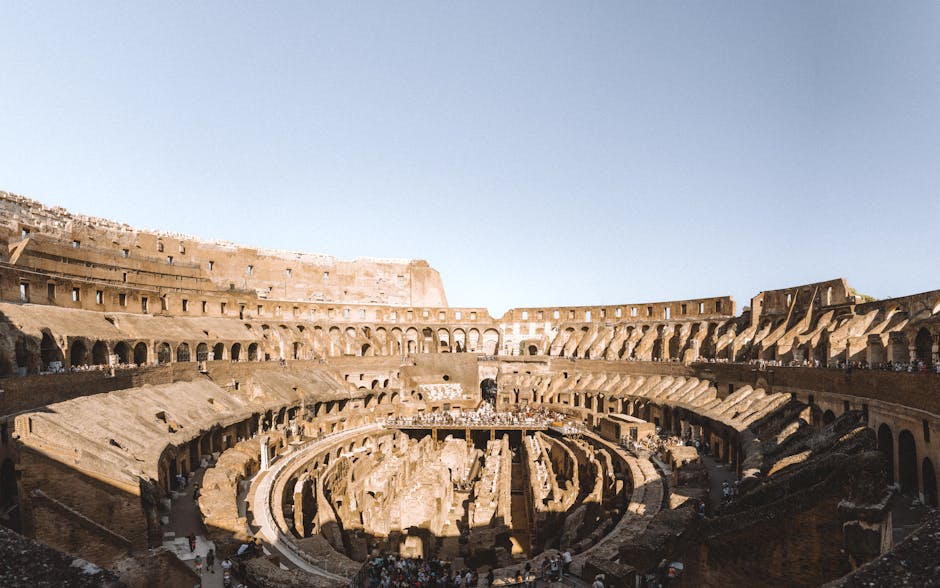 Moderate
Rome, Italy
Uncover Rome's hidden history on this self-guided walk through ancient gladiator pits, subterranean temples, and buried Roman houses.
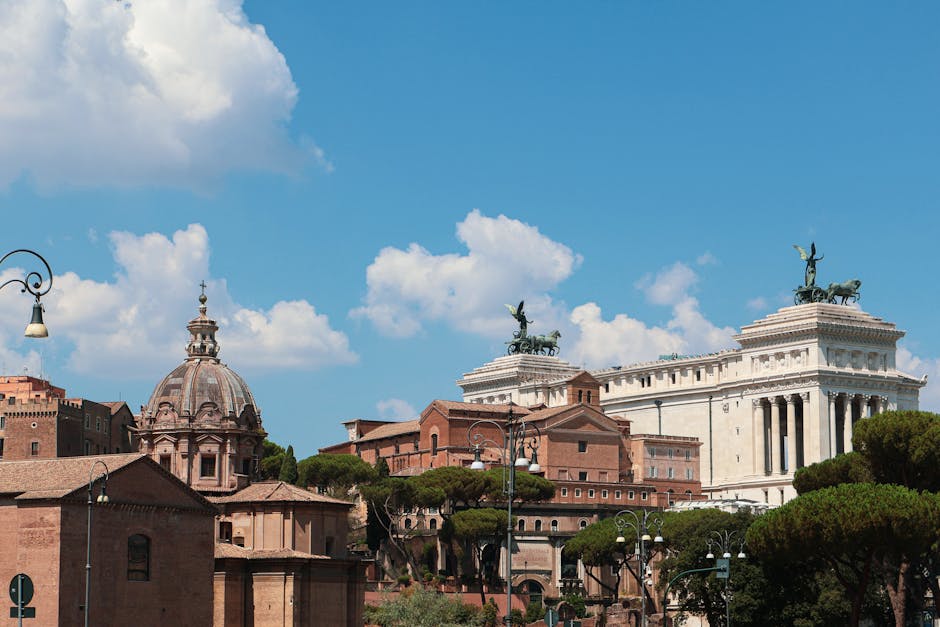 Easy
EasyRome, Italy
Explore Rome’s authentic kitchen on this self-guided walk through Testaccio’s ancient markets, olive oil mountains, and legendary food stalls.
 Moderate
Nairobi, Kenya
Discover Nairobi's lush side on this self-guided walk through botanical gardens, historic memorials, and vibrant local markets.
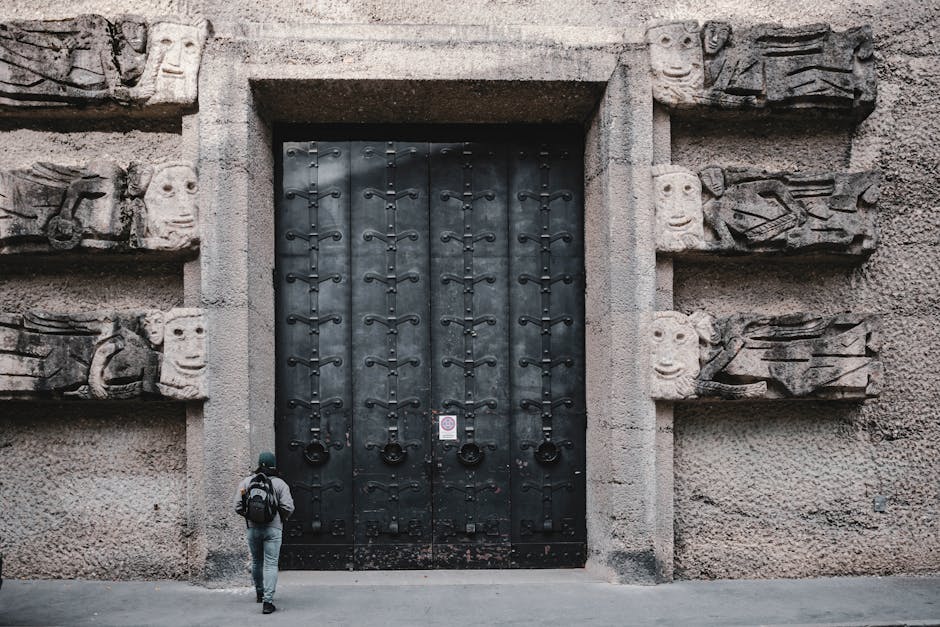 Easy
EasySalzburg, Austria
Discover Salzburg's oldest medieval alley, the birthplace of the 'Silent Night' author, and breathtaking views on this quiet self-guided walk.
 Easy
EasyNairobi, Kenya
Discover Nairobi's iconic skyline on this self-guided architecture walk through the CBD’s most famous modernist and Brutalist landmarks.
 Moderate
Nairobi, Kenya
Discover the pulse of Nairobi's contemporary art scene on this self-guided walk through the galleries and creative spaces of Kilimani.
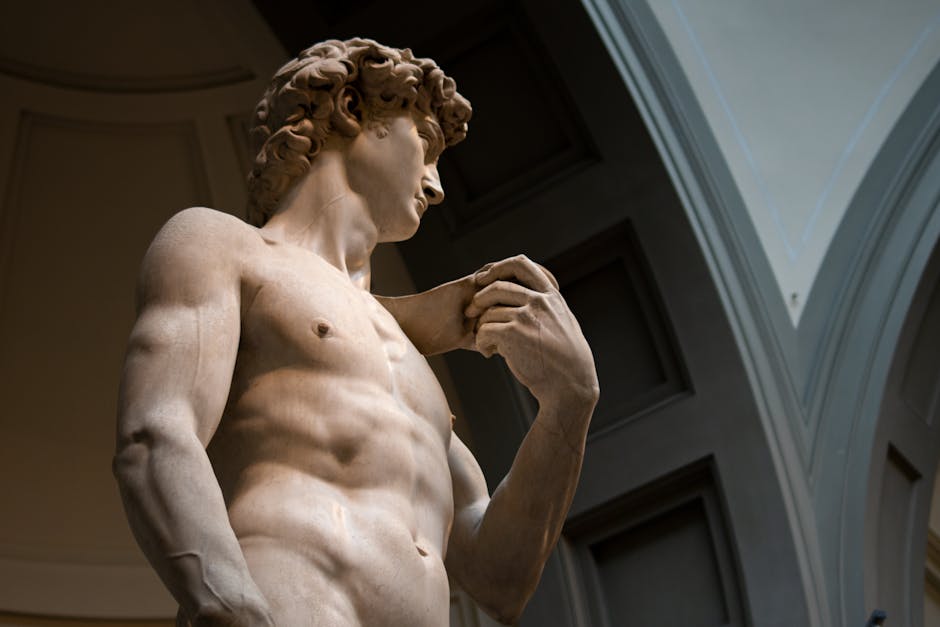 Easy
EasyFlorence, Italy
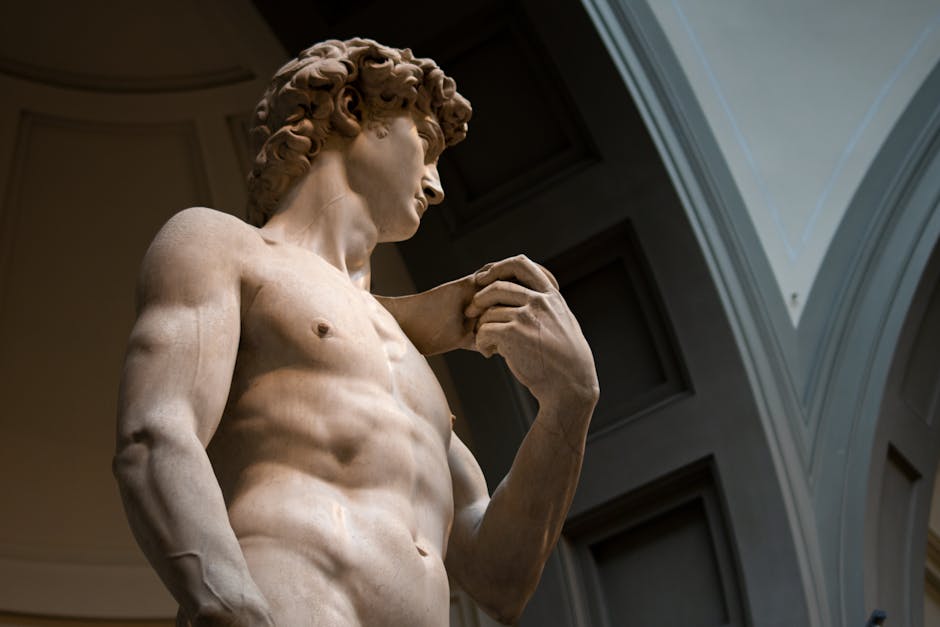
Discover the intersection of Renaissance architecture and modern luxury on this self-guided walk through Florence’s high-fashion districts.
 Easy
EasyFlorence, Italy
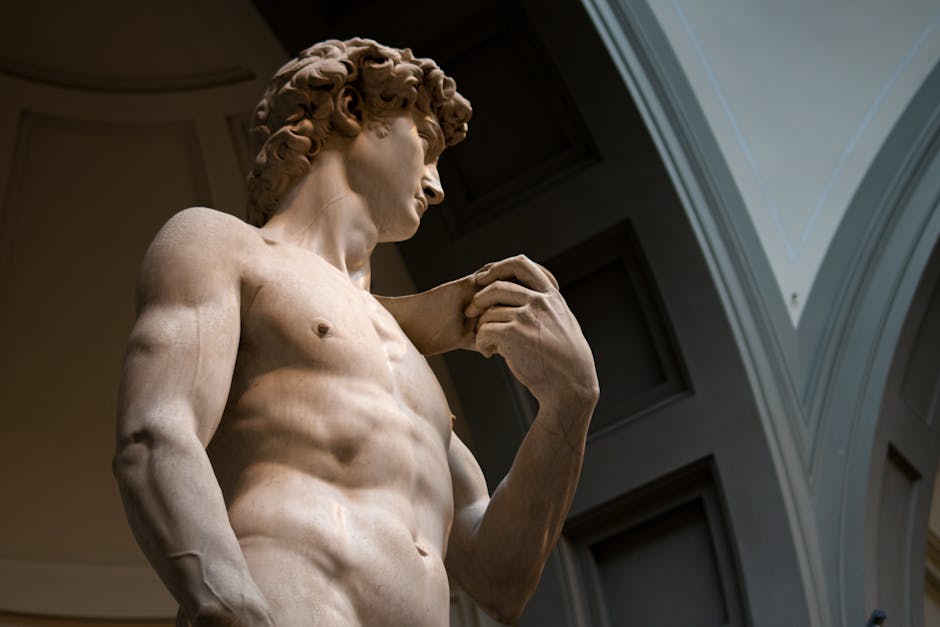
Explore the medieval streets of Florence through the eyes of Dante Alighieri on this self-guided literary and historical walking route.
 Easy
EasyFlorence, Italy
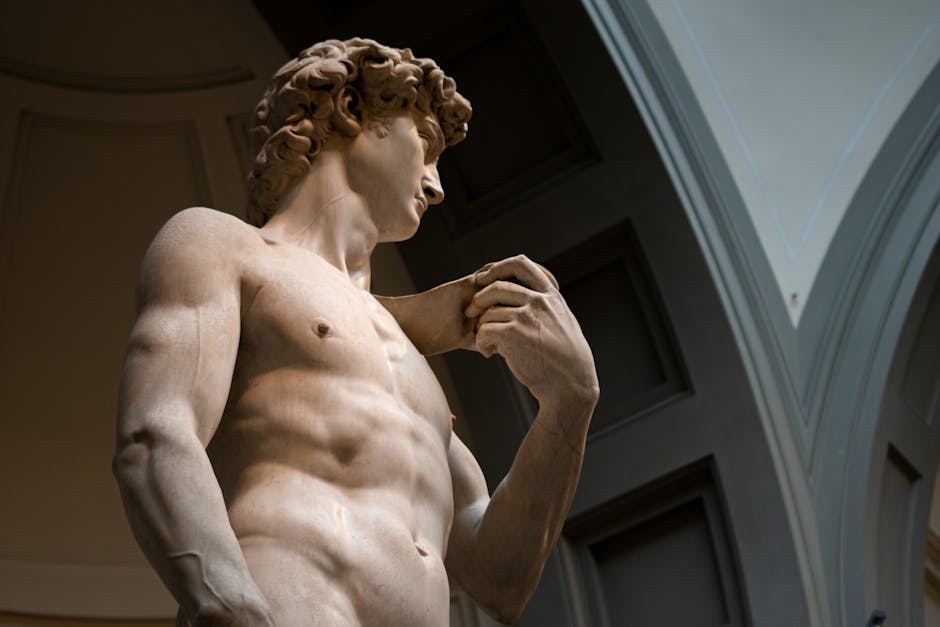
Experience the magic of Florence at sunset. Discover iconic bridges and breathtaking river views on this romantic self-guided audio walk.
 Easy
EasyFlorence, Italy
Discover the 'buchette del vino'—Florence's unique Renaissance wine windows—on this self-guided walk through the city's historic streets.