Self-guided audio tour in Rome
Start Free on iPhone
Start free on iPhone to unlock this self-guided walking tour in Rome. Hear all the stories that make it amazing, walk at your own pace, and begin whenever you want.
Your Private Tour Guide
While tourists flock to the Colosseum, the soul of Rome’s culinary heritage beats in Testaccio. This neighborhood stroll takes you through the city's original 'foodie district,' a place where ancient history and modern appetites collide. Originally a commercial hub for the Roman Empire, Testaccio became the site of Europe’s largest slaughterhouse in the 19th century, birthing a unique cuisine based on the 'quinto quarto' or the 'fifth quarter'—the offal and cuts traditionally left for the working class. On this self-guided adventure, you will explore the layers of Rome that most visitors miss. Your walking route begins at the vibrant Testaccio Market, a temple to fresh produce and street food, where you can sample Roman classics like trippa alla romana or a gourmet panino. From there, you will encounter the Monte Testaccio, an extraordinary artificial hill made entirely of discarded Roman olive oil amphorae, serving as a 2,000-year-old testament to the city's ancient trade. The journey offers a surprising shift in atmosphere as you visit the Non-Catholic Cemetery, a peaceful sanctuary where poets like Keats and Shelley rest in the shadow of a massive, marble-clad Egyptian pyramid. This walking tour Rome enthusiasts will love provides an intimate look at local life, from the legendary gourmet counters of Taverna Volpetti to the social heart of the district in Piazza di Santa Maria Liberatrice. Whether you are a history buff or a food lover, this self-guided walk offers the flexibility to linger over a glass of wine or a slice of pizza bianca while uncovering the authentic character of one of Rome's most beloved neighborhoods. Discover the flavors and stories of Testaccio at your own pace, away from the typical crowds, and see why this district remains the true kitchen of the Eternal City. **Note:** This area is known for its ever-changing character. Street art, pop-up venues, and temporary exhibitions may differ from what's described. That's part of the adventure - you might discover something entirely new!
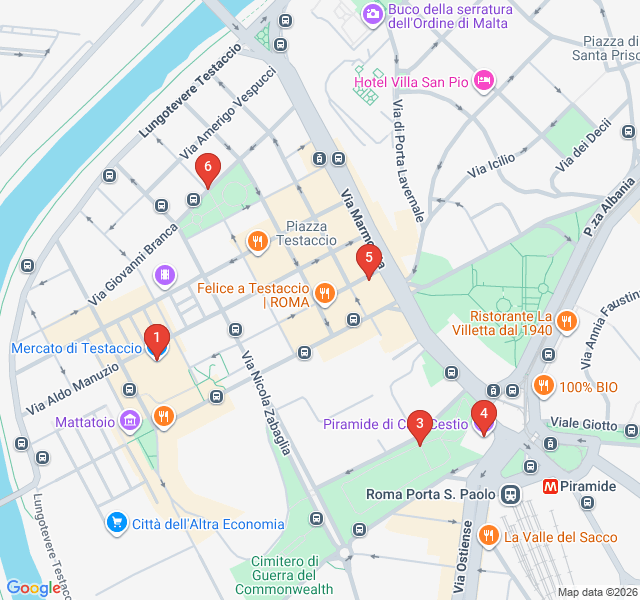
Numbers indicate the order of stops on the tour.
Start your self-guided adventure at the Nuovo Mercato di Testaccio. This isn't just a place to buy groceries; it's the social and culinary heart of the neighborhood. When the market moved to this modern, light-filled space in 2012, Roman ruins were discovered beneath the floor—you can actually see them through glass panels in the ground. The stalls here range from traditional butchers to high-end street food vendors. Look for 'Mordi e Vai' for classic Roman sandwiches or 'Casa Manco' for artisanal pizza by the slice. This market embodies the evolution of Testaccio from a rough-and-tumble slaughterhouse district to a refined foodie destination. Note that the market typically winds down by mid-afternoon and is usually closed on Sundays.
Look up at the green hill before you. It may look like a natural formation, but it is actually one of the world's largest ancient landfills. Known as Monte dei Cocci, this hill is composed of approximately 53 million broken pieces of Roman olive oil amphorae. From the 1st to the 3rd century AD, these clay vessels were imported from across the Empire, emptied at the nearby Tiber river docks, and discarded here in a remarkably organized fashion. Today, the base of the hill is lined with restaurants and nightclubs carved directly into the ancient pottery shards, which provide natural climate control. While the summit is usually closed to the public without a special permit, the view from the perimeter offers a staggering sense of Roman logistics.
Tucked away behind high stone walls is the Cimitero Acattolico, often cited as one of the most beautiful cemeteries in the world. It was established for non-Catholics who were forbidden from being buried in consecrated ground, including Protestants, Jews, and Orthodox Christians. The atmosphere here is a serene contrast to the bustling market you just left. Among the lush greenery and wandering cats, you will find the graves of English Romantic poets John Keats and Percy Bysshe Shelley. Look for the 'Angel of Grief' statue, a poignant monument that has become an icon of the cemetery. This site is a testament to Rome’s long-standing international community and offers a peaceful moment for reflection.
Standing directly adjacent to the cemetery is one of Rome’s most unexpected sights: a 36-meter-high white marble pyramid. Built around 12 BC as a tomb for Caius Cestius, a wealthy Roman magistrate, it reflects the 'Egyptomania' that swept Rome after the conquest of Egypt in 30 BC. While most Roman funerary monuments have crumbled over the millennia, this pyramid survived because it was incorporated into the Aurelian Walls in the 3rd century AD to serve as a defensive fortification. Its sharp lines and gleaming Carrara marble make it a favorite for photographers. It remains the only ancient Egyptian-style pyramid in Europe, standing as a stark reminder of the reach and varied tastes of the Roman Empire.
As you head back into the residential streets, you encounter Taverna Volpetti, the sister restaurant to the world-famous Volpetti deli nearby. The Volpetti family has been a cornerstone of Testaccio’s gourmet scene for decades, specializing in high-quality cured meats, cheeses, and truffles. This area is the perfect place to appreciate the neighborhood’s transition into a culinary powerhouse. Unlike the tourist-heavy center of Rome, the shops here cater to locals who take their ingredients seriously. If you have time, peek into the nearby deli on Via Marmorata to see rows of hanging prosciutto and wheels of pecorino romano. It is a sensory experience that defines the neighborhood’s dedication to quality and tradition.
Your neighborhood stroll concludes in the main square of Testaccio. Piazza di Santa Maria Liberatrice is the district's living room. Surrounded by fascist-era architecture and the large church for which it is named, the square features a central playground where local children play and seniors sit on benches to gossip. It is the perfect spot to observe the daily rhythms of Roman life. This square represents the resilience of the Testaccio community; despite the neighborhood's gentrification, it maintains a fierce local identity and a slower pace of life. From here, you are perfectly positioned to find a local trattoria for a traditional dinner of Cacio e Pepe or Carbonara, the true rewards of a walk through this district.
Start Free on iPhone
Explore “Testaccio Flavors: The Original Foodie District” with your very own Private Tour Guide with Zigway. Start free on iPhone, skip the large group and the fixed routes, and hear the city come alive as you go.
Your Private Tour Guide
Don't miss the good stuff
Explore Freely
 Easy
EasyRome, Italy
Explore Rome’s industrial heart on this self-guided walk featuring massive murals, the 'Iron Colosseum,' and unique industrial archaeology.
 Easy
EasyRome, Italy
Explore Rome’s whimsical Fairytale District. A self-guided walk through Art Nouveau palaces, mythical fountains, and the magical Coppedè architecture.
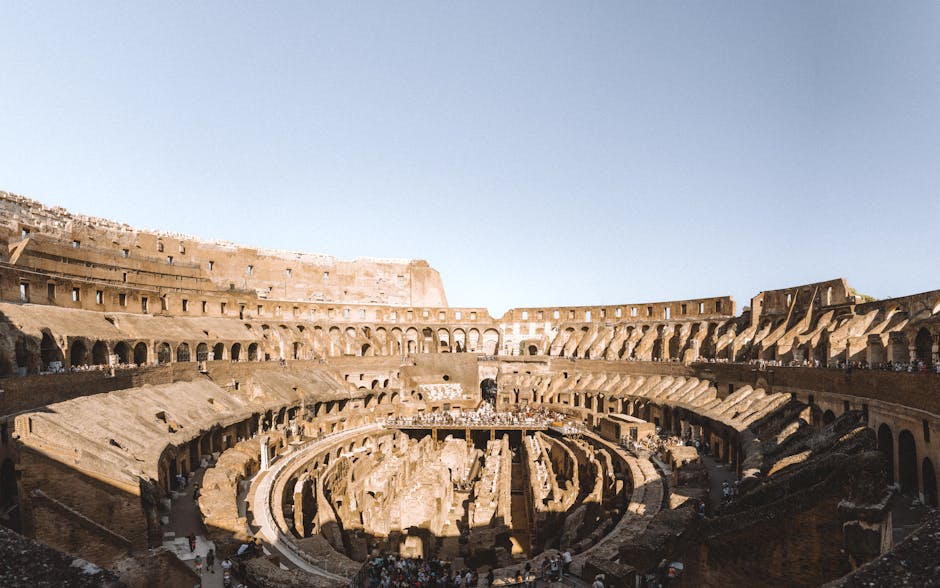 Moderate
Rome, Italy
Uncover Rome's hidden history on this self-guided walk through ancient gladiator pits, subterranean temples, and buried Roman houses.
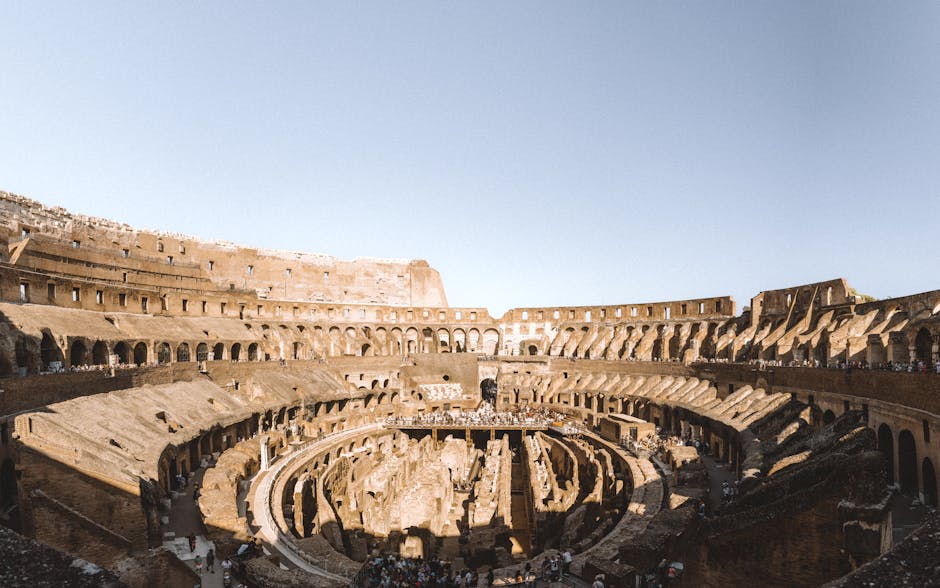 Challenging
Rome, Italy
Walk the 'Queen of Roads.' Explore ancient catacombs, imperial villas, and historic basalt stones on this scenic self-guided Roman adventure.
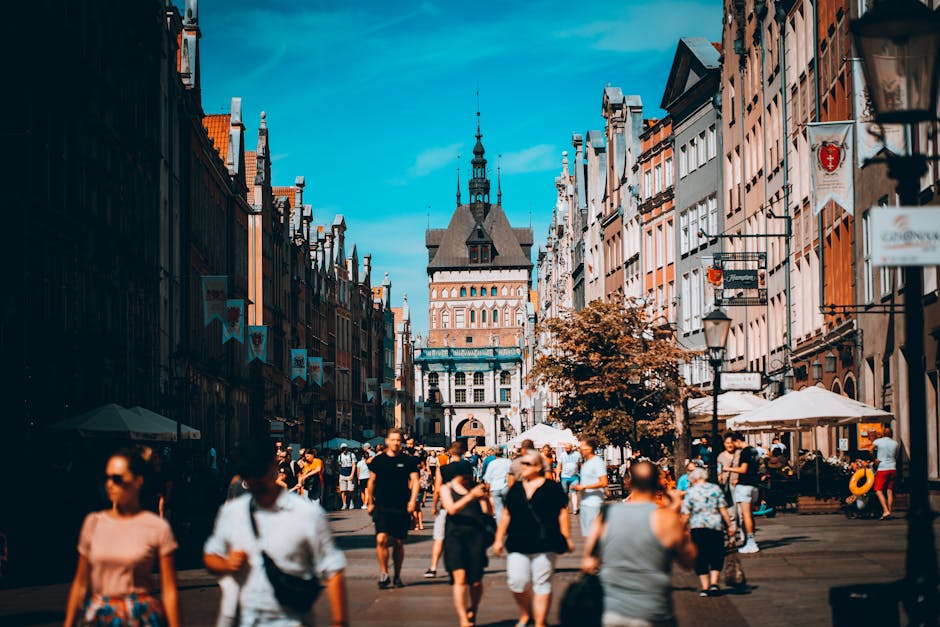 Easy
EasyGdansk, Poland
Taste the history of the Baltic. Explore Gdansk's culinary heritage from medieval markets to gold-flecked liqueurs on this self-guided walk.
 Moderate
Nairobi, Kenya
Taste your way through Nairobi's Westlands on this self-guided walk featuring street snacks, cultural landmarks, and hidden foodie gems.
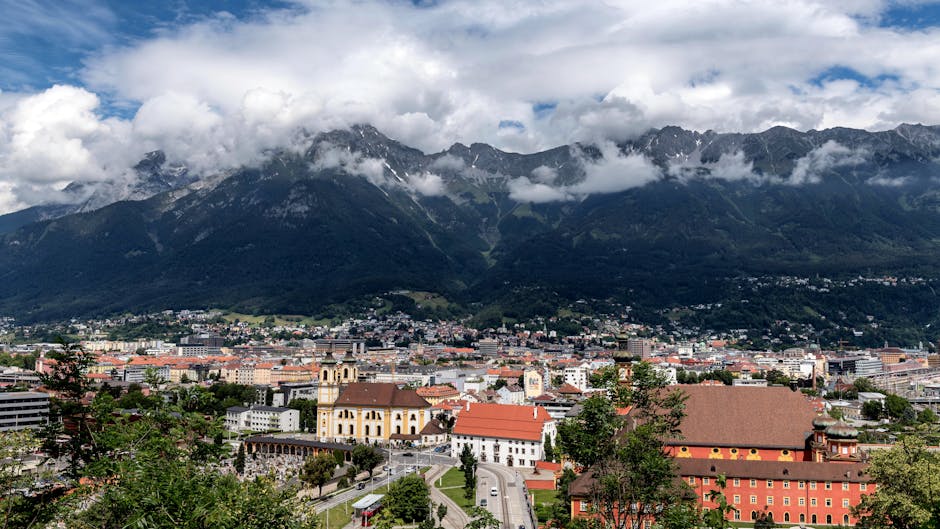 Easy
EasyInnsbruck, Austria
Discover the flavors of Tyrol on this self-guided stroll through Innsbruck’s historic Old Town and vibrant market hall.
 Easy
EasyKrakow, Poland
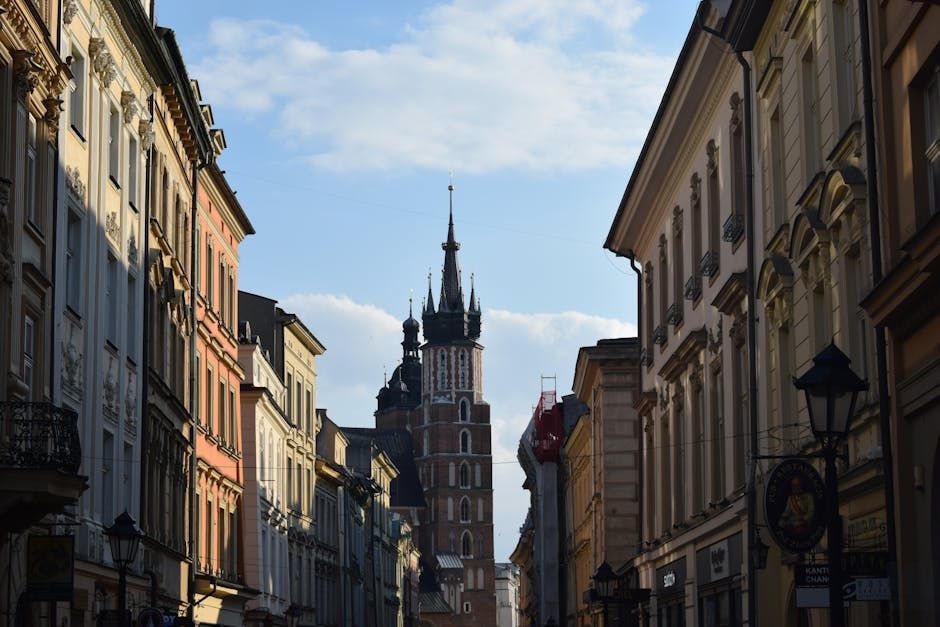
Savor the soul of Krakow on this self-guided walk through historic markets, bohemian cafes, and the city's best pierogi spots.
 Easy
EasyFlorence, Italy
Discover the intersection of Renaissance architecture and modern luxury on this self-guided walk through Florence’s high-fashion districts.
 Easy
EasyFlorence, Italy
Explore the medieval streets of Florence through the eyes of Dante Alighieri on this self-guided literary and historical walking route.
 Easy
EasyFlorence, Italy
Experience the magic of Florence at sunset. Discover iconic bridges and breathtaking river views on this romantic self-guided audio walk.
 Easy
EasyFlorence, Italy
Discover the 'buchette del vino'—Florence's unique Renaissance wine windows—on this self-guided walk through the city's historic streets.