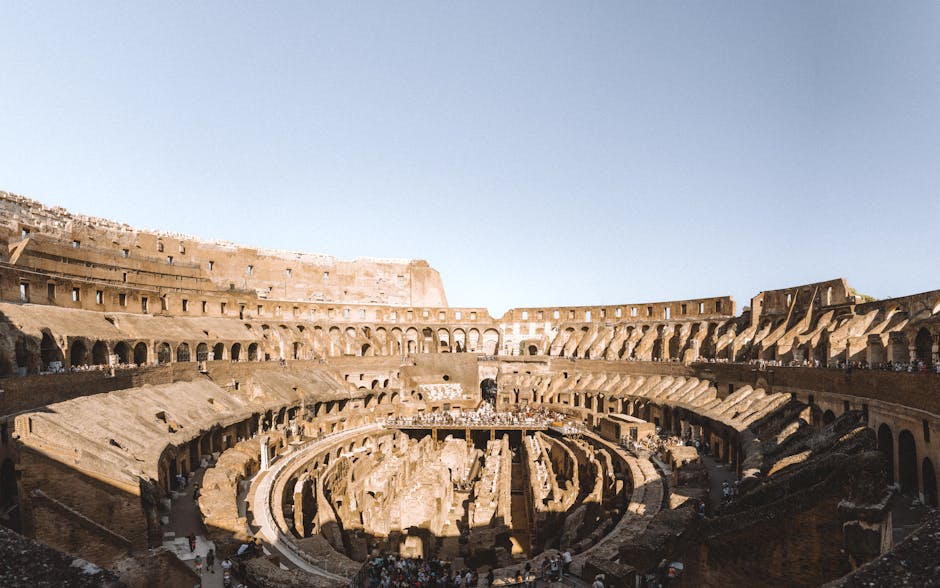
Self-guided audio tour in Rome
Start Free on iPhone
Start free on iPhone to unlock this self-guided walking tour in Rome. Hear all the stories that make it amazing, walk at your own pace, and begin whenever you want.
Your Private Tour Guide
Rome is often described as a 'lasagna' of history, with centuries of civilization stacked directly on top of one another. This self-guided walk through the Monti district and the Caelian Hill invites you to peel back those layers and discover what lies beneath the modern pavement. While millions of visitors flock to the Colosseum nearby, few realize that some of the city's most profound secrets are hidden in the basements of unassuming basilicas and buried beneath quiet residential streets. This neighborhood stroll offers a rare glimpse into the vertical evolution of the Eternal City, moving from the Renaissance heights of Michelangelo down to the pagan mysteries of ancient Roman cults. Your journey begins at the Basilica of San Pietro in Vincoli, home to a world-renowned masterpiece and relics that link the city to its early Christian roots. From there, the route takes you past the Ludus Magnus, the primary training ground for the Colosseum’s gladiators, where you can view the excavated remains of the pits where fighters prepared for combat. As you continue your walking route, you will reach the Basilica of San Clemente. This site is arguably the most significant archaeological complex in the city, featuring a 12th-century church built over a 4th-century basilica, which in turn sits atop a 1st-century Roman house and a temple dedicated to the god Mithras. The adventure continues onto the serene Caelian Hill, away from the typical tourist crowds. Here, you will encounter the Basilica of Santi Giovanni e Paolo and the Case Romane del Celio, a series of remarkably preserved Roman houses containing vibrant frescoes that date back nearly two millennia. The walk concludes along the Clivo di Scauro, an ancient Roman road that still retains its original character, framed by medieval arches and the towering walls of historic basilicas. This travel experience is designed for those who want to understand the physical reality of Rome's long history, where the transition from pagan empire to Christian capital is visible in the very stones and soil beneath your feet.
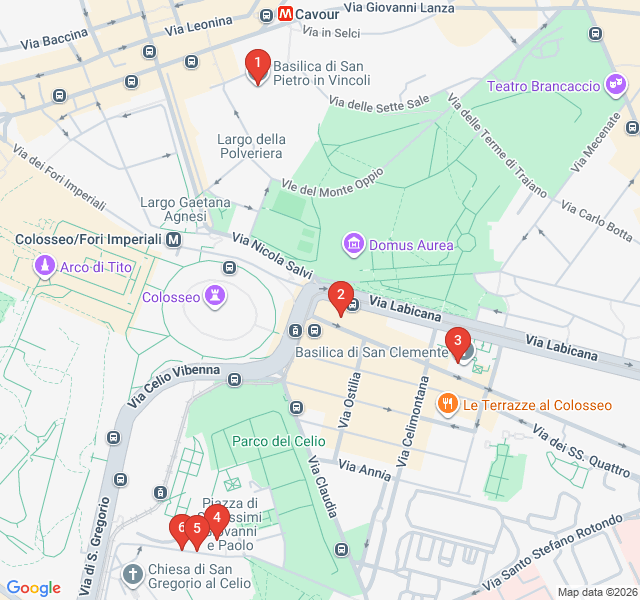
Numbers indicate the order of stops on the tour.
Welcome to the 'Saint Peter in Chains' basilica. This 5th-century church was built to house a very specific relic: the chains that allegedly bound Saint Peter during his imprisonment in Jerusalem and later in Rome. According to legend, when the two sets of chains were brought together, they miraculously fused into one. However, the most famous resident here isn't a relic, but a statue. Michelangelo’s 'Moses' dominates the tomb of Pope Julius II. Notice the incredible detail in the marble—the flowing beard and the intense gaze. Interestingly, Moses is depicted with horns, a result of a common medieval mistranslation of the Hebrew word for 'rays of light.'
Standing here at the corner of Via Labicana, you are looking down into the Ludus Magnus, the largest of the four gladiatorial training schools built by Emperor Domitian. Because the Colosseum was just across the street, an underground tunnel connected these barracks directly to the arena floor, allowing gladiators to enter the stadium without passing through the crowds. You can clearly see the remains of the elliptical practice arena, which was roughly half the size of the Colosseum’s. Surrounding it were the living quarters for the fighters, who were often treated like high-value athletes, albeit ones destined for a brutal life.
Prepare to travel back in time. The Basilica of San Clemente is a perfect archaeological 'lasagna.' The current church you see at street level dates to the 12th century. If you descend to the level below, you enter a 4th-century church that was forgotten for centuries after being filled with rubble. But the journey doesn't stop there. Below the 4th-century church lies a 1st-century Roman warehouse and a 'Mithraeum'—a temple dedicated to the mystery cult of Mithras. You can still see the stone benches where initiates sat and hear the sound of an ancient underground stream that still flows through the lowest level.
This basilica is dedicated to two Roman soldiers who were martyred for their faith. While the interior is beautiful, the real treasure is what’s underneath. This site is unique because, unlike many other churches that were built over ruins, this one was built over a series of active Roman houses that were gradually converted into a place of worship. The exterior of the church also features spectacular medieval brickwork and a bell tower that rests upon the foundations of the Temple of the Divine Claudius, showing how Roman religious architecture was literally recycled by the Christian church.
Enter the Case Romane del Celio to see how the wealthy lived in imperial Rome. These 'Roman Houses of the Caelian Hill' consist of over 20 rooms across multiple levels, featuring frescoes that range from pagan mythological scenes to early Christian motifs. These were high-end apartments and shops that were merged together over time. Walking through these corridors, you can see the 'nymphaeum'—a room dedicated to water nymphs—and get a sense of the domestic life, lighting, and decoration that defined the Roman middle and upper classes during the 2nd and 3rd centuries AD.
Finish your walk on the Clivo di Scauro, one of the most evocative ancient streets in Rome. This road follows its original Roman path and is flanked by the massive supporting arches of the Basilica of Santi Giovanni e Paolo. These arches were built to shore up the church's walls in the Middle Ages, but the street itself feels like a portal to the past. Take a moment to look at the different styles of masonry in the walls—you'll see Roman brick, medieval stone, and Renaissance repairs all mashed together. It is the perfect place to reflect on the layers of time you have just explored.
Start Free on iPhone
Explore “Layers of Time: Rome’s Subterranean Secrets” with your very own Private Tour Guide with Zigway. Start free on iPhone, skip the large group and the fixed routes, and hear the city come alive as you go.
Your Private Tour Guide
Don't miss the good stuff
Explore Freely
 Easy
EasyRome, Italy
Explore Rome’s industrial heart on this self-guided walk featuring massive murals, the 'Iron Colosseum,' and unique industrial archaeology.
 Easy
EasyRome, Italy
Explore Rome’s whimsical Fairytale District. A self-guided walk through Art Nouveau palaces, mythical fountains, and the magical Coppedè architecture.
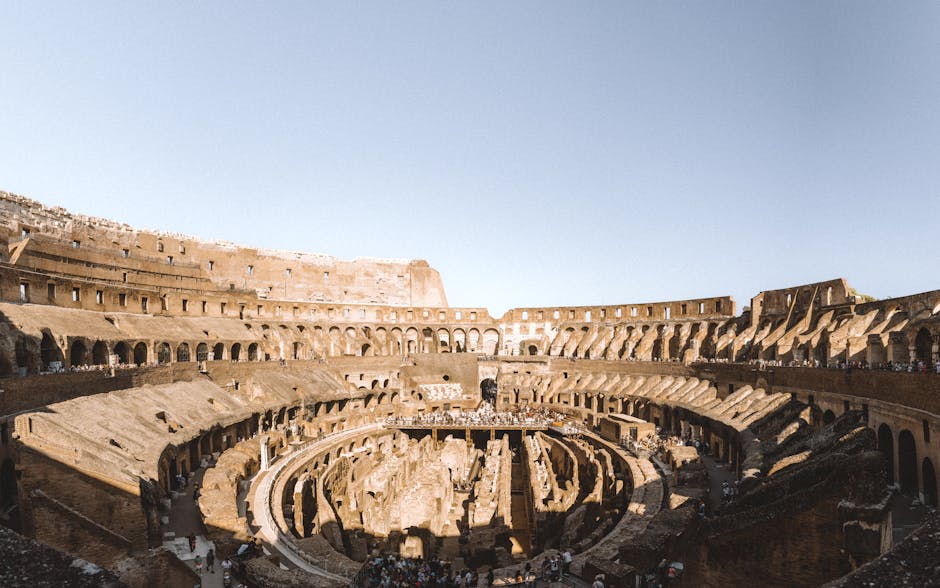 Challenging
Rome, Italy
Walk the 'Queen of Roads.' Explore ancient catacombs, imperial villas, and historic basalt stones on this scenic self-guided Roman adventure.
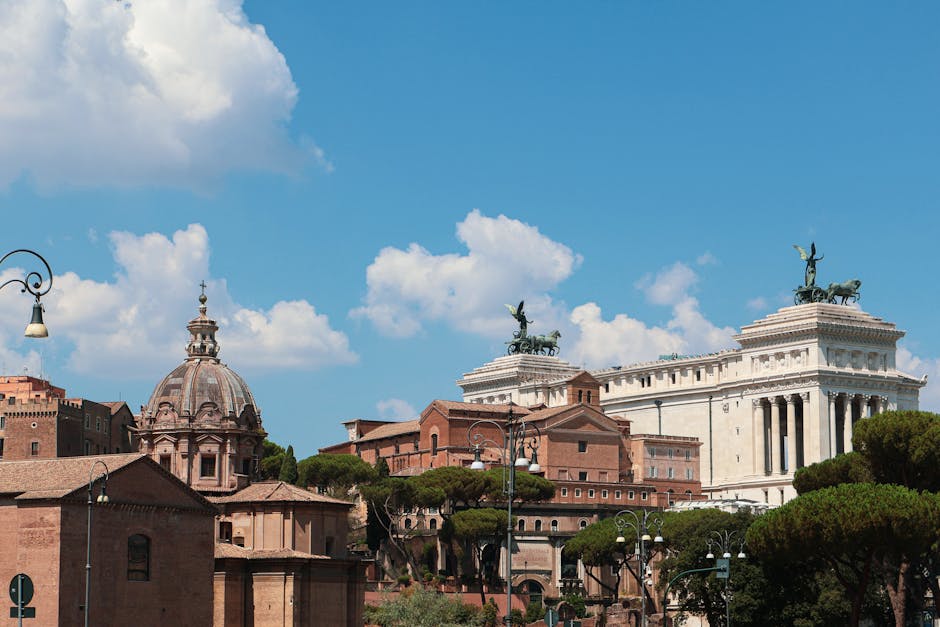 Easy
EasyRome, Italy
Explore Rome’s authentic kitchen on this self-guided walk through Testaccio’s ancient markets, olive oil mountains, and legendary food stalls.
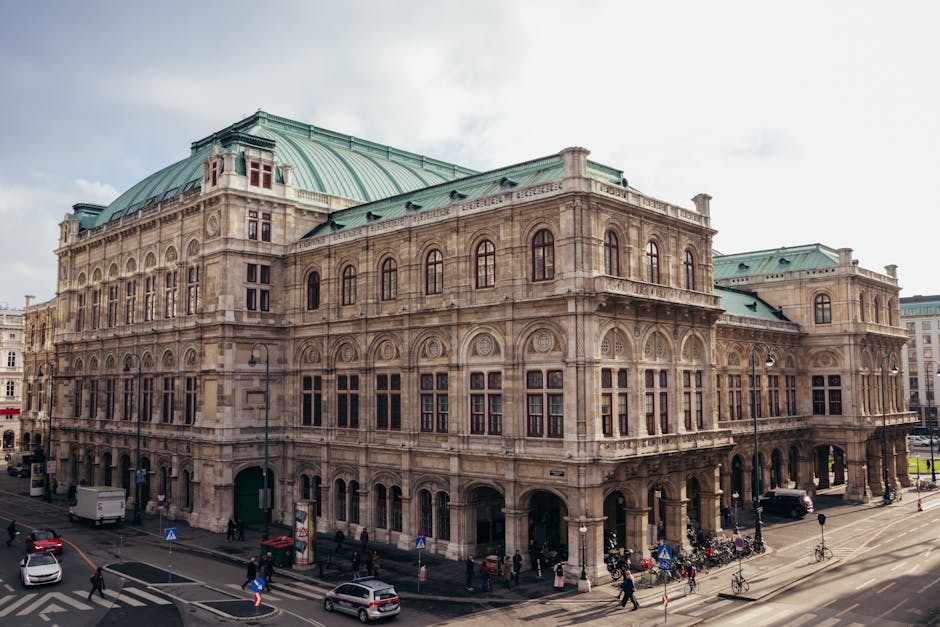 Moderate
Vienna, Austria
Follow the footsteps of Mozart and Strauss through Vienna’s historic center on this self-guided walk through the city's rich musical history.
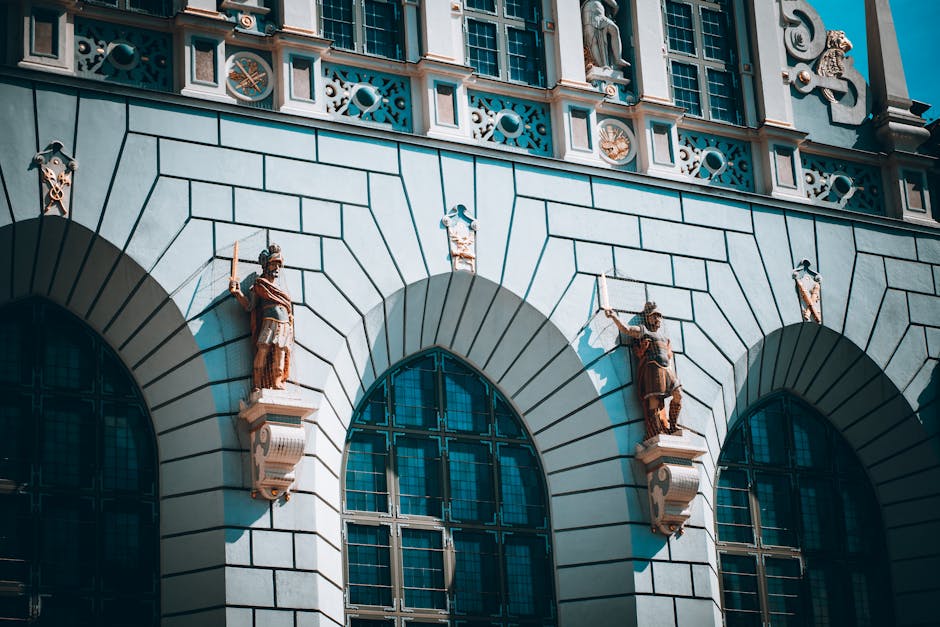 Moderate
Gdansk, Poland
Discover Zaspa, a massive open-air gallery where grey housing blocks are transformed by over 60 monumental murals. Explore at your own pace.
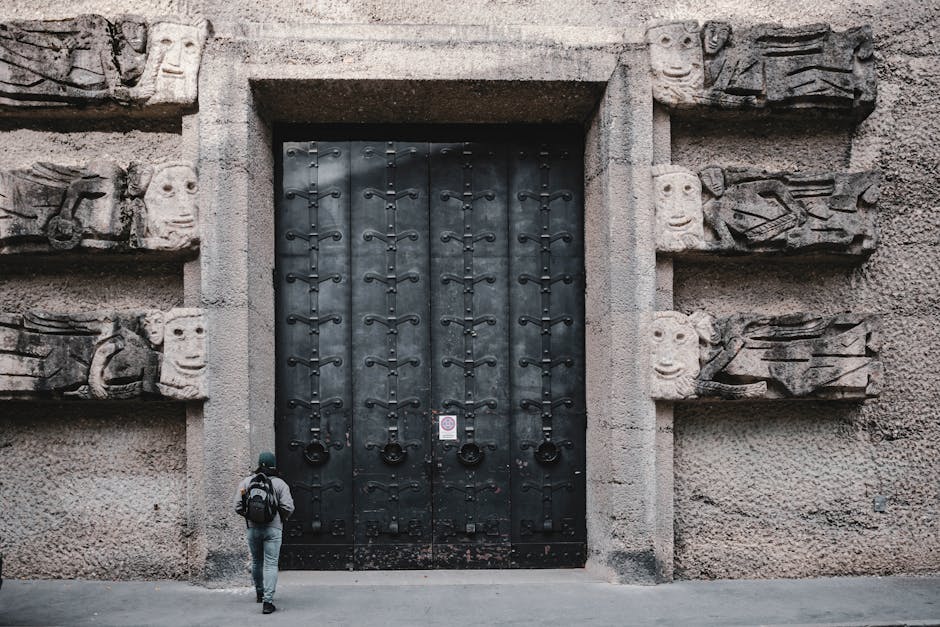 Easy
EasySalzburg, Austria
Discover Salzburg's oldest medieval alley, the birthplace of the 'Silent Night' author, and breathtaking views on this quiet self-guided walk.
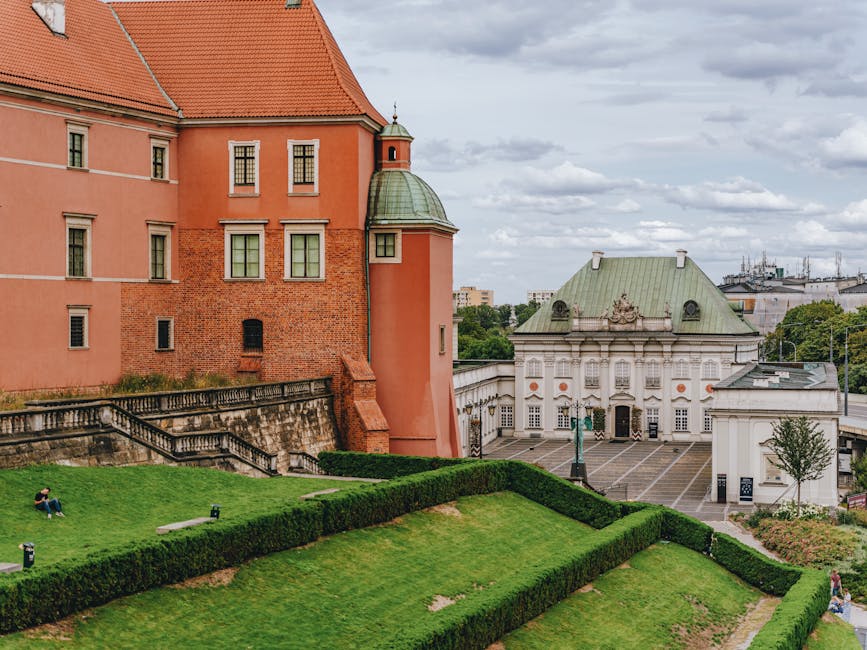 Moderate
Warsaw, Poland
Explore the resilient spirit of Warsaw's Muranów district on this self-guided walk through the history and landmarks of the former Jewish Ghetto.
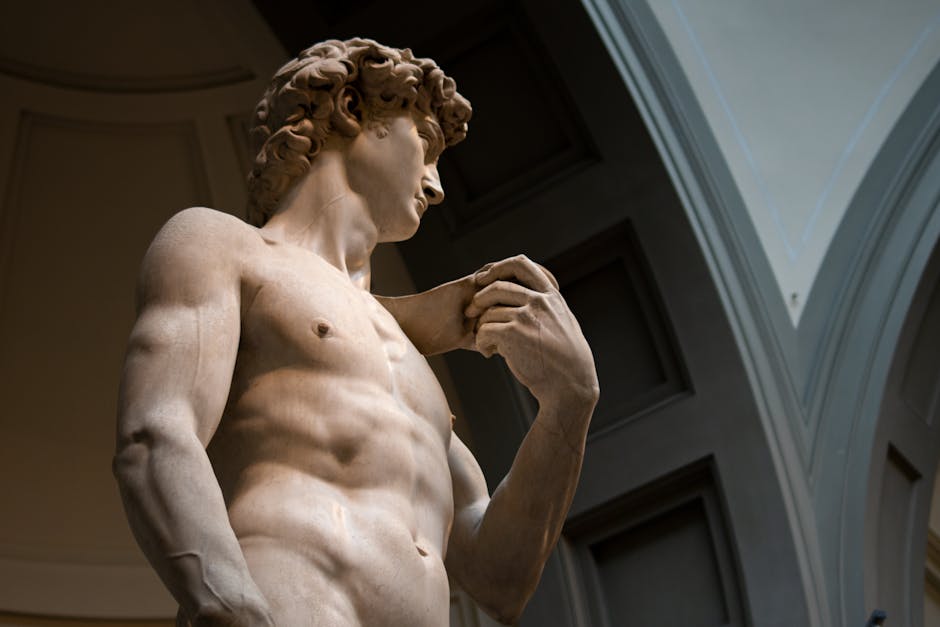 Easy
EasyFlorence, Italy
Discover the intersection of Renaissance architecture and modern luxury on this self-guided walk through Florence’s high-fashion districts.
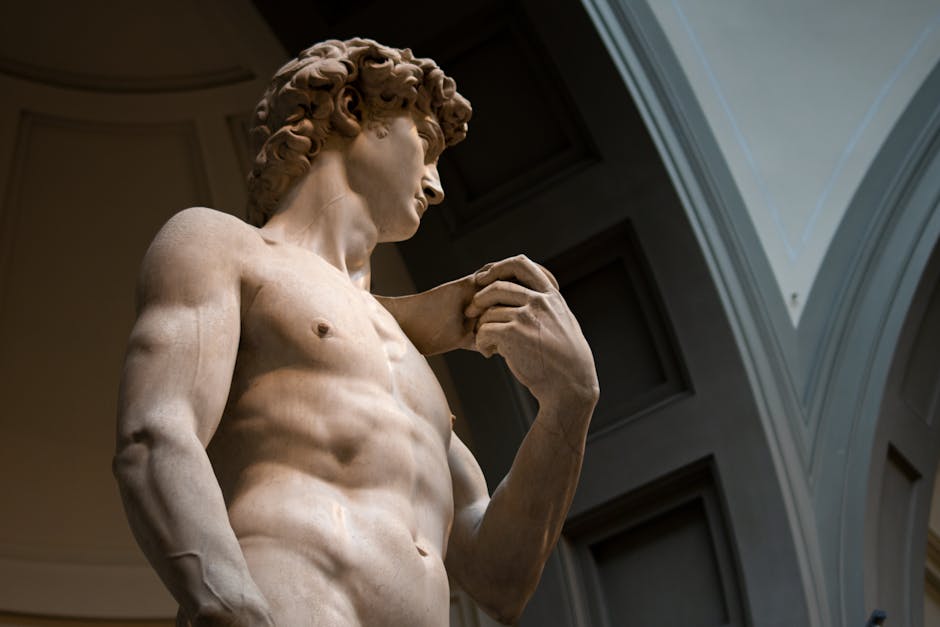 Easy
EasyFlorence, Italy
Explore the medieval streets of Florence through the eyes of Dante Alighieri on this self-guided literary and historical walking route.
 Easy
EasyFlorence, Italy
Experience the magic of Florence at sunset. Discover iconic bridges and breathtaking river views on this romantic self-guided audio walk.
 Easy
EasyFlorence, Italy
Discover the 'buchette del vino'—Florence's unique Renaissance wine windows—on this self-guided walk through the city's historic streets.