Self-guided audio tour in Bologna
Start Free on iPhone
Start free on iPhone to unlock this self-guided walking tour in Bologna. Hear all the stories that make it amazing, walk at your own pace, and begin whenever you want.
Your Private Tour Guide
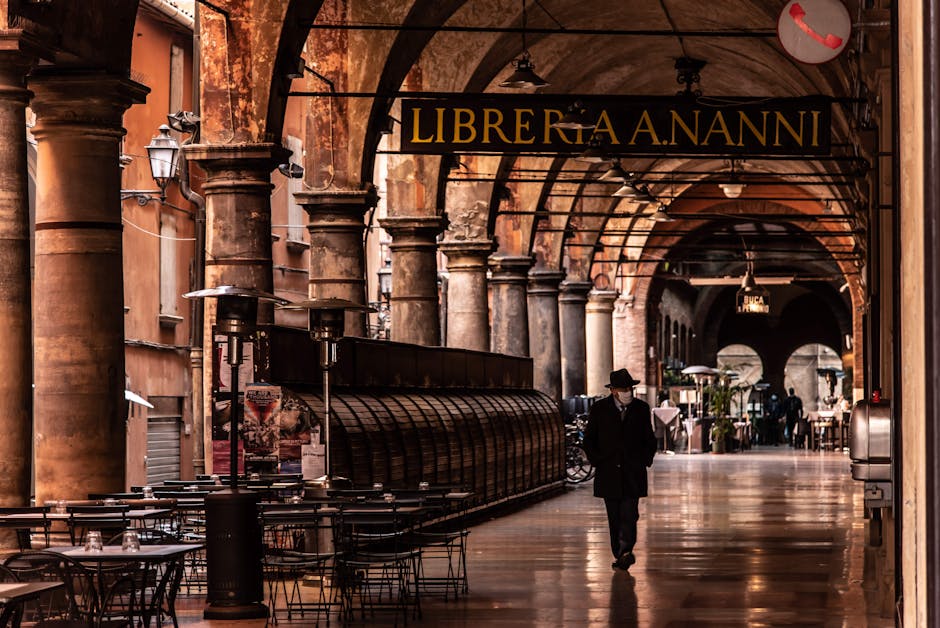
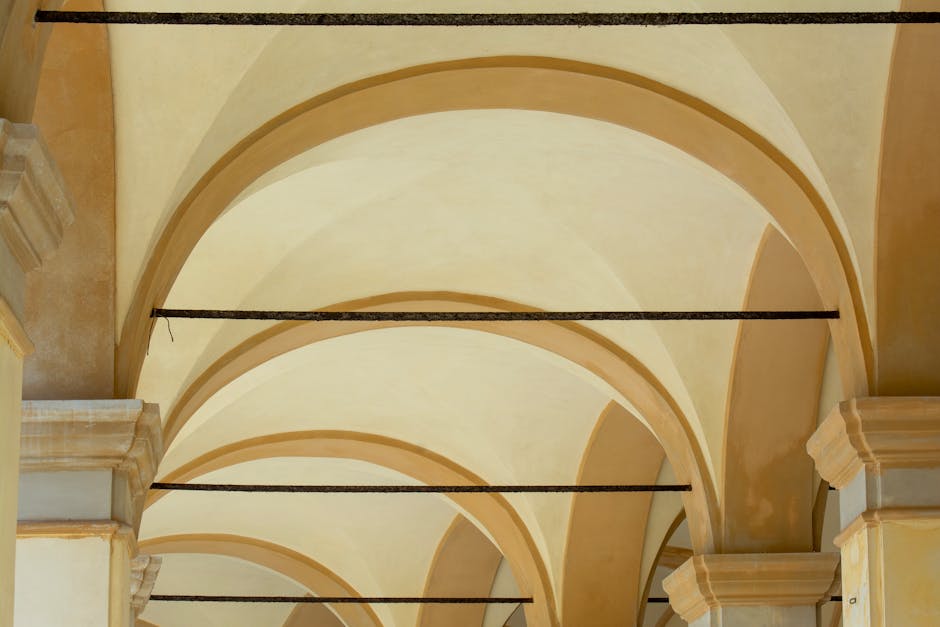
Bologna is a city defined by its shadows and its shelter, a place where architecture serves a deeply social purpose. This self-guided walk explores the Porticoes of Bologna, a UNESCO World Heritage site comprising over 62 kilometers of covered walkways. On this neighborhood stroll, you will discover how these structures evolved from simple wooden extensions in the Middle Ages into the grand, frescoed marble galleries of the Renaissance and beyond. This walking tour Bologna offers an independent way to see the city's most iconic feature without the constraints of a group. Starting in the heart of the historic center, the route leads you through the elegant Portico del Pavaglione, famous for its proximity to the city’s ancient university, and continues toward the artistic heights of the Portico dei Servi. You will witness the diversity of styles that earned this network its international recognition, from the humble medieval designs to the monumental Baroque engineering of the Arco del Meloncello. Along the way, the route highlights the unique urban fabric of Bologna, where the indoors and outdoors blur seamlessly. Whether you are a photography enthusiast looking for the perfect rhythmic shot of endless columns or a history buff interested in the laws that mandated these structures for the public good, this walking route provides a comprehensive overview. The journey concludes at the gateway to the hills, leaving you perfectly positioned to see how the city connects to the surrounding landscape. Exploring independently with this audio walk allows you to linger under the frescoes of Piazza Cavour or admire the architectural symmetry of the Basilica of San Giacomo Maggiore at your own pace. This walking tour Bologna is more than just a sightseeing path; it is an immersion into a way of life that has protected citizens from sun and rain for nearly a millennium.
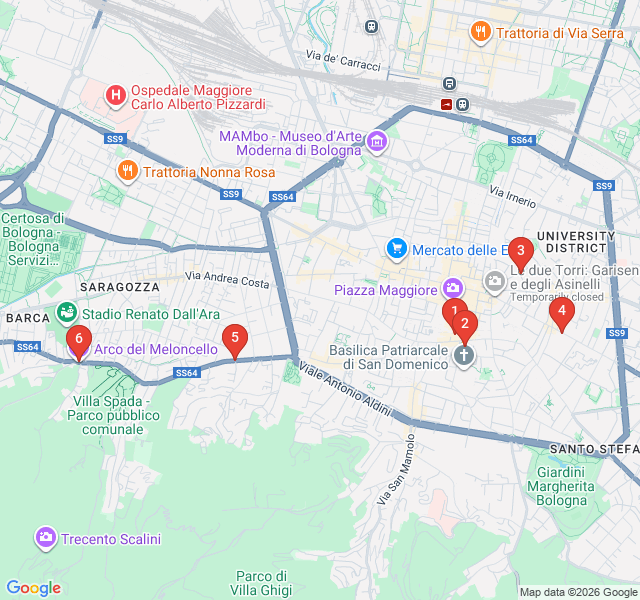
Numbers indicate the order of stops on the tour.
Begin your self-guided adventure at the Portico del Pavaglione, one of Bologna's most glamorous walkways. Stretching 139 meters, this portico has long been the city's premier spot for a 'passeggiata' or social stroll. It was built in the 16th century and connects the Piazza Maggiore to the Archiginnasio, the first permanent seat of the University of Bologna. Look up at the cross-vaulted ceilings and notice the high-end shops that have occupied these spaces for generations. Historically, this area was a hub for the silk trade, specifically the 'pavaglione' or pavilion where silkworms were sold. Its architecture represents the transition from medieval utility to Renaissance elegance, marking it as a centerpiece of the UNESCO designation.
As you move toward Piazza Cavour, the atmosphere shifts to 19th-century refinement. The porticoes surrounding this square are famous for their rich decorative programs. Unlike the simpler brickwork found elsewhere, these ceilings are adorned with intricate frescoes and neoclassical motifs. This area was heavily renovated in the 1860s to reflect the tastes of the newly unified Italy. Take a moment to appreciate the garden in the center of the square, but keep your eyes on the overhead artistry. The porticoes here demonstrate how Bologna continued to reinvent its traditional architecture to suit the fashions of the Victorian era while maintaining the city's unique structural identity.
The portico of San Giacomo Maggiore on Via Zamboni is a masterpiece of Renaissance design. Constructed between 1477 and 1481, it was commissioned by the Bentivoglio family, who ruled Bologna at the time. Notice the slender Corinthian columns and the terracotta decorations that line the upper frieze. This portico served as a grand entrance for the city's elite and the Augustinian friars. It is a prime example of how the city's religious institutions embraced the portico as a way to engage with the public street. The rhythmic spacing of the columns here is a favorite for photographers, offering a perspective that seems to stretch into infinity.
The Portico dei Servi, fronting the Church of Santa Maria dei Servi, is often cited as the widest portico in Bologna. Built in several stages starting in the 14th century, its current appearance is largely the result of 16th-century expansion. The marble columns and wide, airy arches create a sense of monumental calm. This space wasn't just for walking; it was designed to accommodate religious processions and public gatherings. The contrast between the white stone and the warm terracotta of the surrounding buildings is particularly striking during the 'golden hour' before sunset. It remains one of the most architecturally harmonious spots in the entire city.
Via Saragozza serves as the gateway to the hills and contains some of the city's most varied portico styles. As you walk along this street, you'll see the porticoes change from urban residential structures to the beginning of the long climb toward the Sanctuary of San Luca. This section of the walk highlights the social history of the porticoes; many were built by wealthy families to expand their living space above while providing a public right-of-way below. Look for the 'Porta Saragozza', one of the medieval city gates, which marks the transition between the historic core and the residential outskirts. The porticoes here are more utilitarian but no less essential to the city's character.
The final stop on this neighborhood stroll is the Arco del Meloncello, a spectacular piece of 18th-century Baroque engineering. Designed by Carlo Francesco Dotti, this Rococo bridge-like structure allows the portico to cross the road without interruption, continuing the path up the hill. It is a theatrical architectural feat that solves a complex topographical problem while looking magnificent. From here, the Portico di San Luca continues for several kilometers to the hilltop church, but the Arco itself is the crowning achievement of the city's lowland portico system. It represents the peak of portico design, where function meets high-style drama.
Start Free on iPhone
Explore “The Porticoes of UNESCO Heritage” with your very own Private Tour Guide with Zigway. Start free on iPhone, skip the large group and the fixed routes, and hear the city come alive as you go.
Your Private Tour Guide
Don't miss the good stuff
Explore Freely
 Easy
EasyBologna, Italy
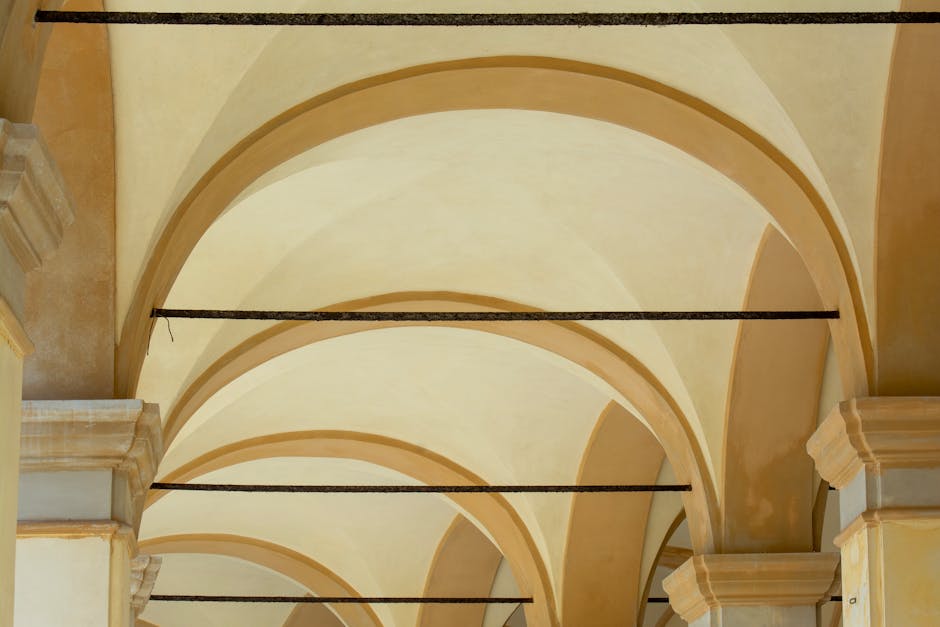
Uncover Bologna's secret 'Little Venice' on this self-guided walk through hidden canals, ancient mills, and the city's industrial past.
 Easy
EasyBologna, Italy
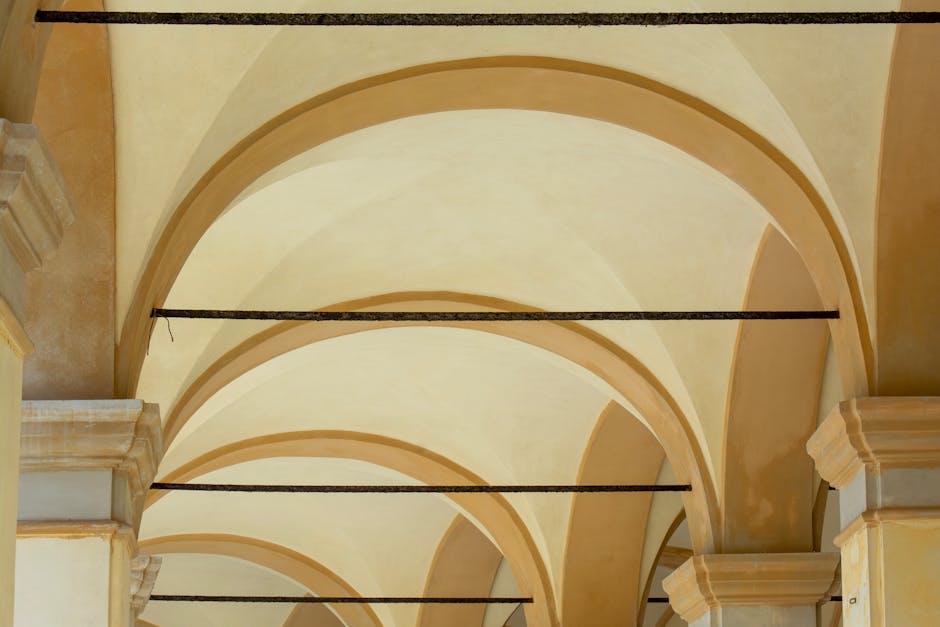
Uncover the legends and hidden architectural wonders of medieval Bologna on this self-guided stroll through the historic city center.
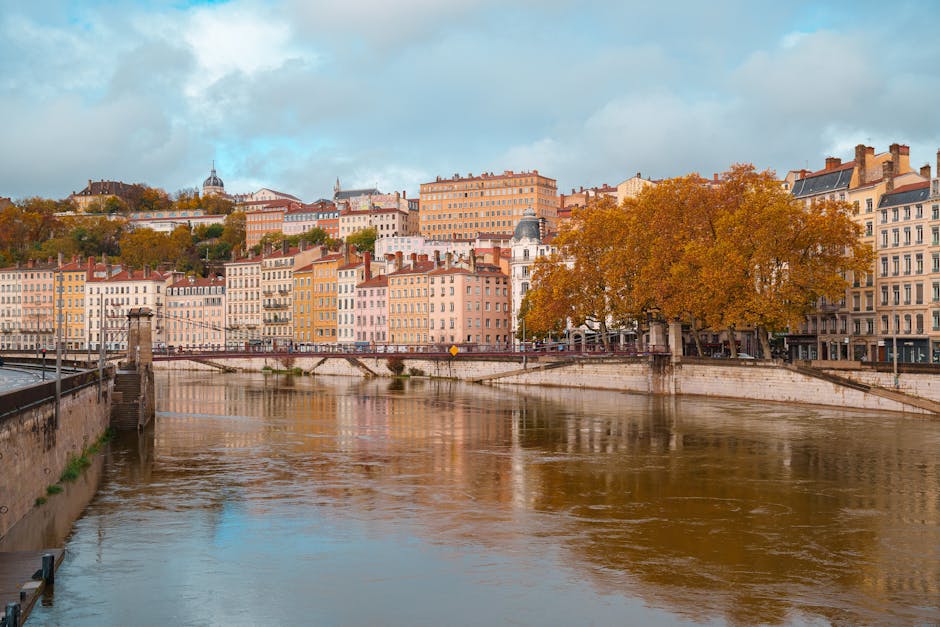 Easy
EasyBologna, Italy
Discover the rebellious soul of Bologna with a self-guided stroll through the bars, street art, and bohemian history of the iconic Pratello district.
 Easy
EasyBologna, Italy
Discover the 'Manhattan of the Middle Ages' on this self-guided walk through Bologna’s skyline of historic stone towers.
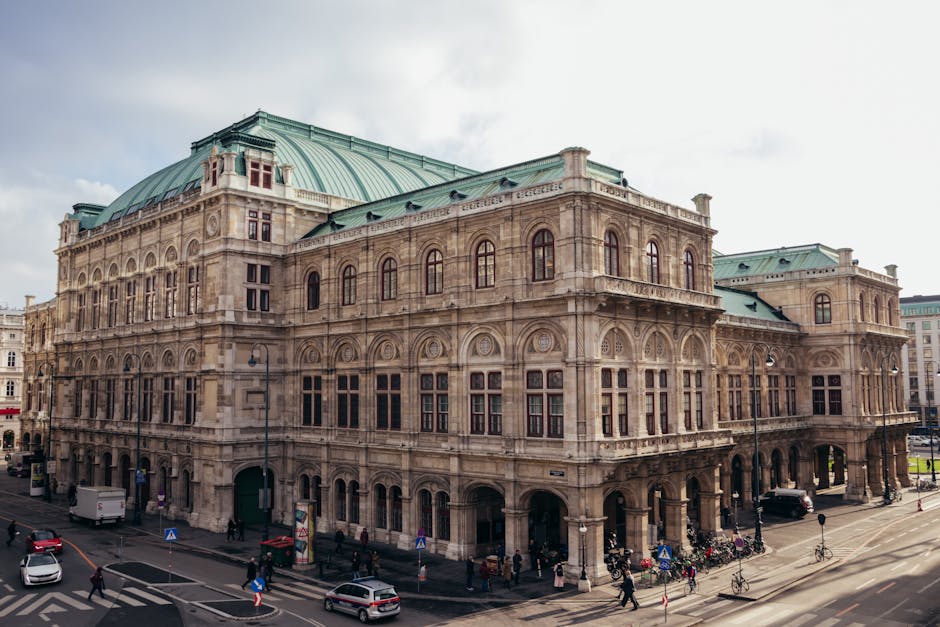 Moderate
Vienna, Austria
Discover the noir world of The Third Man and Cold War Vienna on this atmospheric self-guided audio walk through the historic Innere Stadt.
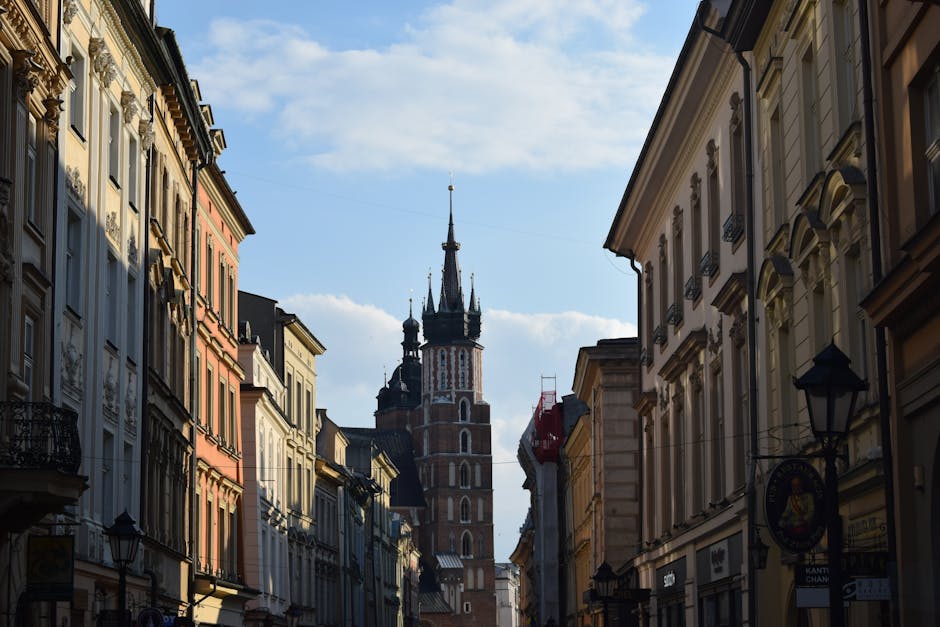 Moderate
Krakow, Poland
Discover Krakow’s stunning skyline and riverside charm on this self-guided audio walk through scenic viewpoints and historic mounds.
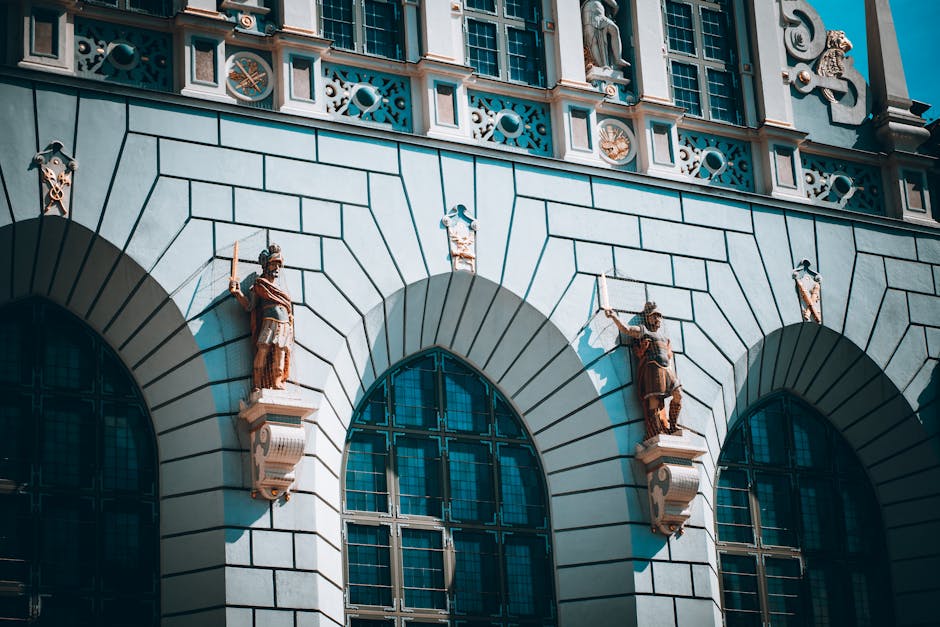 Moderate
Gdansk, Poland
Discover the origins of WWII in Gdansk on this self-guided walk through heroic last stands, massive museums, and strategic hilltop fortifications.
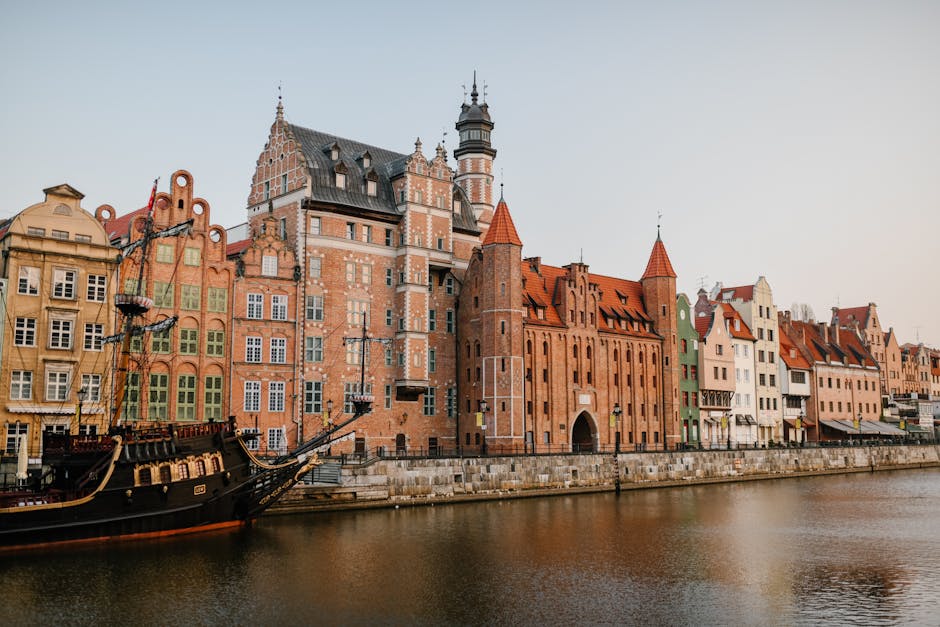 Easy
EasyGdansk, Poland
Discover the 'Baltic Gold' on this self-guided walk through Gdansk's historic mills, massive cathedrals, and the magical Mariacka Street.
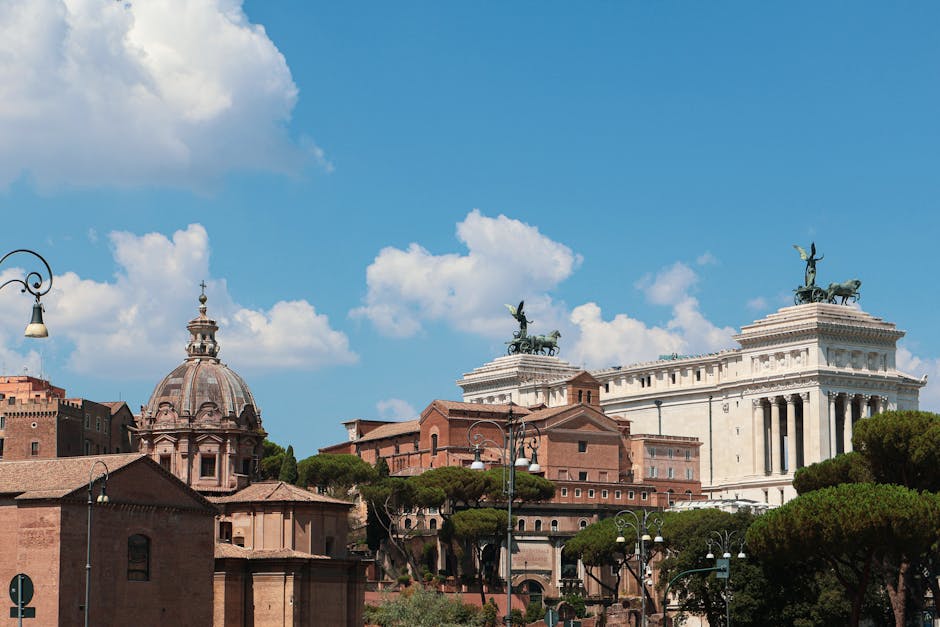 Easy
EasyRome, Italy
Explore Rome’s industrial heart on this self-guided walk featuring massive murals, the 'Iron Colosseum,' and unique industrial archaeology.
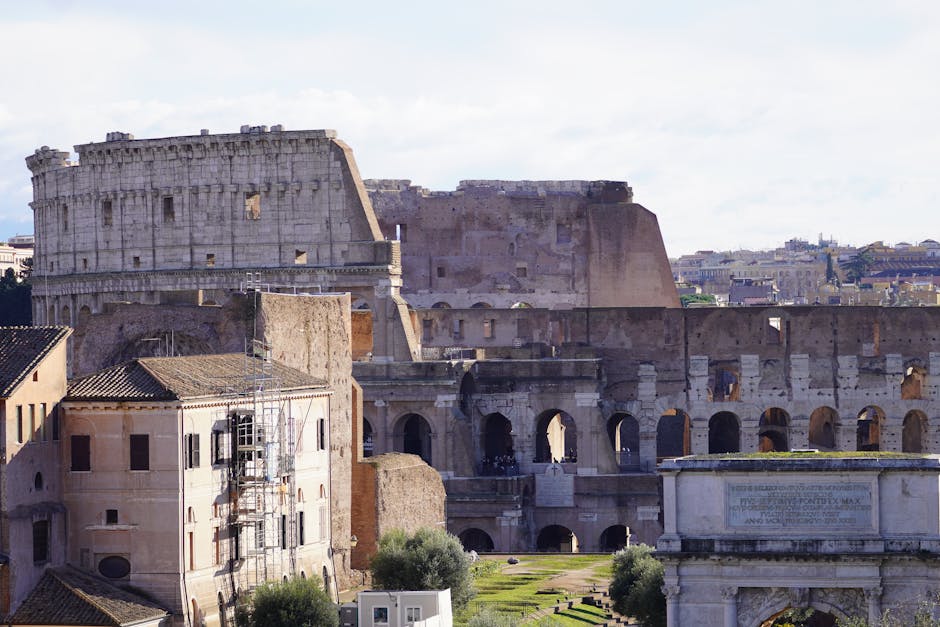 Easy
EasyRome, Italy
Explore Rome’s whimsical Fairytale District. A self-guided walk through Art Nouveau palaces, mythical fountains, and the magical Coppedè architecture.
 Moderate
Rome, Italy
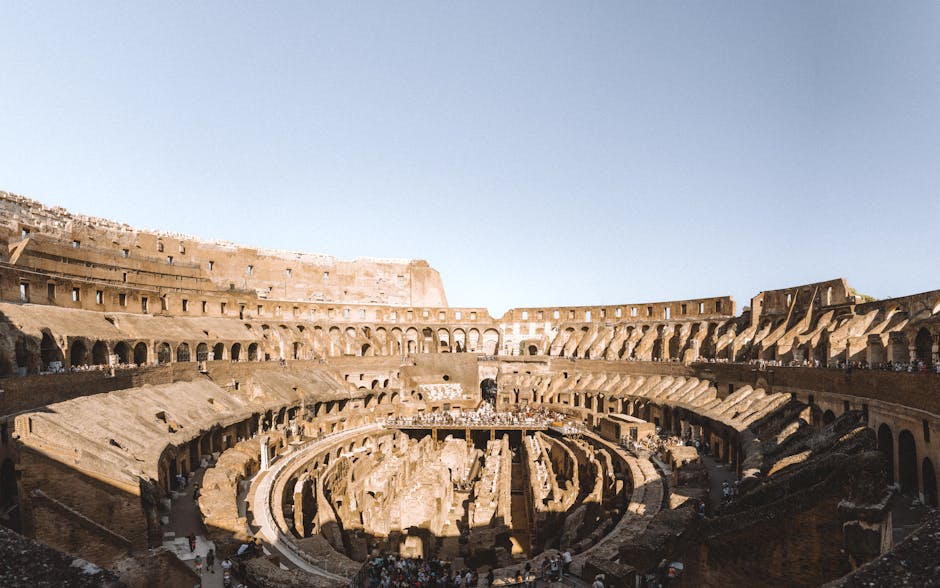
Uncover Rome's hidden history on this self-guided walk through ancient gladiator pits, subterranean temples, and buried Roman houses.
 Challenging
Rome, Italy
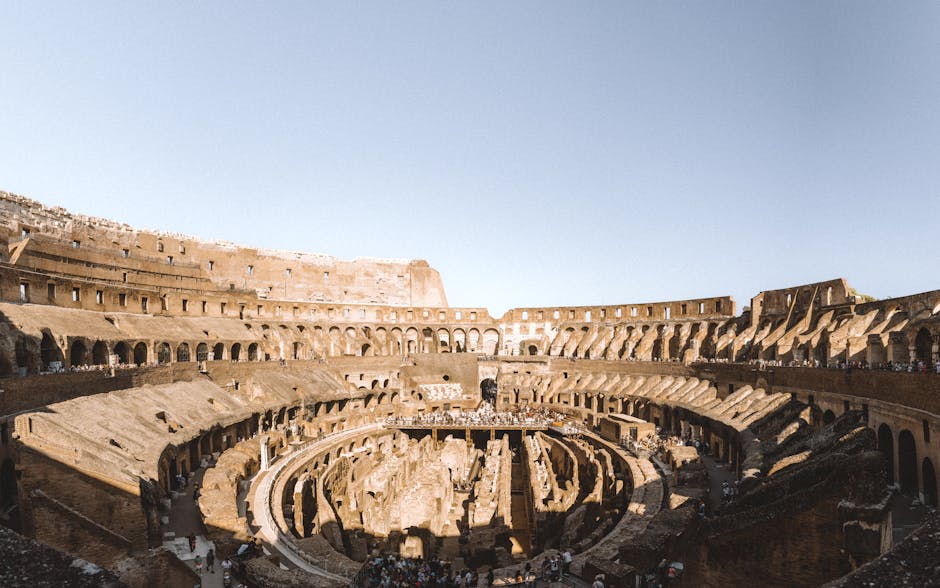
Walk the 'Queen of Roads.' Explore ancient catacombs, imperial villas, and historic basalt stones on this scenic self-guided Roman adventure.