Self-guided audio tour in Tokyo
Start Free on iPhone
Start free on iPhone to unlock this self-guided walking tour in Tokyo. Hear all the stories that make it amazing, walk at your own pace, and begin whenever you want.
Your Private Tour Guide
Welcome to Omotesando, often hailed as Tokyo's Champs-Élysées, where high fashion meets high art. This neighborhood is a living gallery of 21st-century design, featuring one of the highest concentrations of Pritzker Prize-winning architecture in the world. On this self-guided walk, you will navigate the broad, tree-lined avenue and its quiet backstreets to discover how global luxury brands have used glass, concrete, and wood to redefine the urban landscape. This walking route is designed for those who appreciate the intersection of aesthetics and engineering, moving beyond mere window shopping to understand the structural poetry of Tokyo's most stylish district. Starting at the kaleidoscopic entrance of Tokyu Plaza, you will explore the works of luminaries like Tadao Ando, Toyo Ito, and Kengo Kuma. You will see how these architects have interpreted the surrounding environment, such as the iconic Zelkova trees, into their building facades. This neighborhood stroll isn't just about the storefronts; it is about the visionary minds that shaped the skyline of Aoyama and Omotesando. As you explore independently, you will witness the evolution of Japanese design, from the minimalist concrete of the mid-2000s to the intricate, traditional wood-joint techniques used in contemporary masterpieces. Whether you are an architecture student or a curious traveler, this self-guided adventure offers a deep dive into the decadence of Tokyo's design culture. This walking tour Tokyo experience provides the flexibility to linger at your favorite structures or duck into a quiet cafe whenever you choose. By the time you reach the final stop, a stunning wooden lattice structure tucked away in a residential pocket, you will have experienced a masterclass in modern spatial design. Discover the stories behind the glass and steel on this comprehensive walking tour Tokyo enthusiasts will find both inspiring and visually breathtaking.
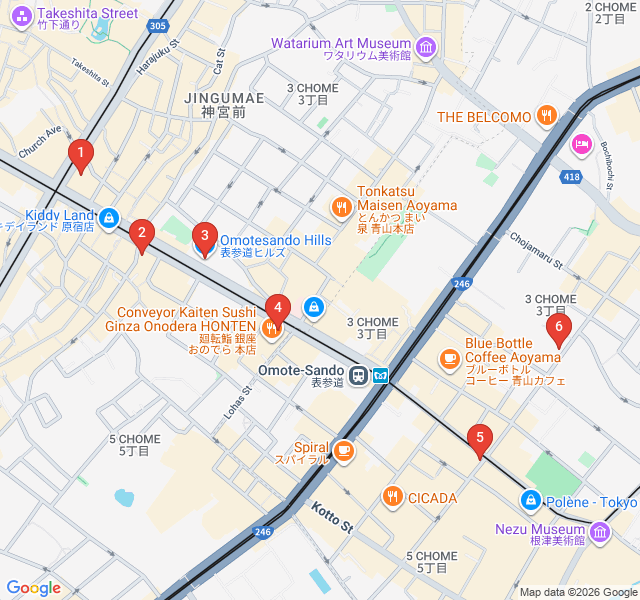
Numbers indicate the order of stops on the tour.
Begin your self-guided adventure at the entrance of Tokyu Plaza Omotesando, affectionately known as 'OMOKADO.' Designed by architect Hiroshi Nakamura, this building is famous for its 'kaleidoscope' entrance. As you ride the escalator, dozens of angled mirrors reflect the bustling street life and the greenery of the trees below, creating an immersive, fragmented reality. This isn't just a flashy entrance; it's a transition between the frantic energy of Harajuku and the sophisticated calm of Omotesando. If you have time, head to the 6th-floor rooftop garden, 'Omo-no-mori.' This public green space features a variety of trees and seating, offering a bird's-eye view of the famous Omotesando crossing and demonstrating how Tokyo architects integrate nature into high-density urban shopping centers.
A short walk down the hill brings you to the Dior flagship store, a stunning example of ethereal architecture by the Pritzker Prize-winning duo SANAA (Kazuyo Sejima and Ryue Nishizawa). The building appears as a stack of clean, white boxes wrapped in a transparent glass skin. Look closely and you will see a translucent acrylic screen behind the glass that drapes like fabric, mimicking the delicate folds of a Dior couture dress. By night, the building glows softly from within, emphasizing its lightness. This design philosophy of 'disappearing architecture' is a hallmark of SANAA, who aimed to create a structure that feels as fluid and airy as the fashion housed inside, contrasting sharply with the solid stone buildings nearby.
Next, you arrive at Omotesando Hills, a massive urban redevelopment project designed by the legendary Tadao Ando. This 250-meter-long facade occupies a significant portion of the avenue's slope. Ando faced the challenge of replacing the historic Dojunkai Aoyama Apartments while respecting the neighborhood's scale. His solution was to sink most of the building underground, keeping the height level with the Zelkova trees. Inside, the floor is designed as a continuous spiral ramp that mimics the natural incline of the street outside. This 'urban circulation' allows you to walk the entire length of the shopping mall without ever using a stairwell, a brilliant structural nod to the experience of strolling down Omotesando itself.
Standing tall near the end of the main avenue is the Tod’s building, an incredible work by Toyo Ito. The most striking feature is the concrete outer skin, which serves as both the building's support and its decoration. The crisscrossing concrete supports are shaped to mimic the silhouettes of the Zelkova trees that line the street. The gaps between the 'branches' are filled with glass, creating a complex interplay of light and shadow inside. Ito’s design is a pioneer in 'organic' structural engineering, where the building doesn't just sit next to nature but actively reflects it. This building proved that high-rise structures could be both structurally sound and poetically integrated into their specific environmental context.
Turn into the Aoyama side streets to find the Prada building, perhaps the most photographed structure in the area. Designed by the Swiss firm Herzog & de Meuron, this six-story glass crystal is covered in a grid of diamond-shaped panes. Some are flat, some are convex (bulging out), and others are concave (curving in). This creates a 'bubbling' effect that changes depending on where you stand. The architects wanted to challenge the traditional idea of a 'window' by making the entire building a transparent lens. Inside, the lack of traditional walls creates a seamless flow between the luxury interior and the street outside, making the shoppers part of the architectural display.
Your final stop is SunnyHills, a specialty shop selling Taiwanese pineapple cakes, designed by Kengo Kuma. This building looks more like a giant bamboo basket or a bird's nest than a retail store. It is constructed using 'Jiigoku Gumi,' a traditional Japanese wood-joining technique that requires no nails or glue. Over 5,000 linear meters of cedar slats are woven together at precise angles. Kuma’s goal was to create a 'forest in the city,' where light filters through the wooden lattice much like sunlight through leaves. It is a warm, tactile conclusion to your route, showcasing how ancient Japanese craftsmanship can be reimagined through a modern, avant-garde lens.
Start Free on iPhone
Explore “Design and Decadence: Omotesando's Architectural Masterpieces” with your very own Private Tour Guide with Zigway. Start free on iPhone, skip the large group and the fixed routes, and hear the city come alive as you go.
Your Private Tour Guide
Don't miss the good stuff
Explore Freely
 Moderate
Tokyo, Japan
Discover Tokyo's premier creative district on this self-guided walk through Roppongi’s world-class museums and striking modern architecture.
 Easy
EasyTokyo, Japan
Discover the 'Old Tokyo' charm of Yanaka on this self-guided walk through historic temples, artisan alleys, and a stunning torii gate shrine.
 Easy
EasyTokyo, Japan
Experience Shibuya's electric energy on this self-guided walk from the iconic Scramble Crossing to the panoramic views of Shibuya Sky.
 Easy
EasyTokyo, Japan
Explore Tokyo's indie heart. From vintage fashion in Shimokitazawa to world-class art in Shinjuku, discover the city's creative soul independently.
 Easy
EasyGdansk, Poland
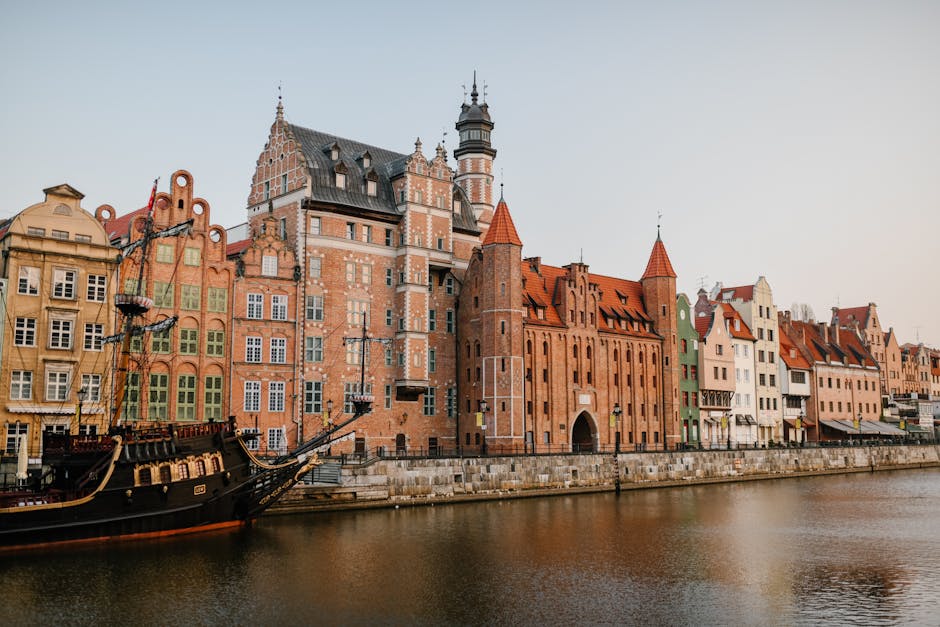
Discover the 'Baltic Gold' on this self-guided walk through Gdansk's historic mills, massive cathedrals, and the magical Mariacka Street.
 Easy
EasyGothenburg, Sweden
Explore Gothenburg’s historic wooden houses, legendary giant cinnamon buns, and panoramic fortress views on this self-guided neighborhood stroll.
 Easy
EasyGothenburg, Sweden
Discover Gothenburg’s 17th-century Dutch foundations, historic canals, and military fortifications on this self-guided architectural walk.
 Easy
EasyNairobi, Kenya
Discover Nairobi's iconic skyline on this self-guided architecture walk through the CBD’s most famous modernist and Brutalist landmarks.
 Moderate
Kyoto, Japan
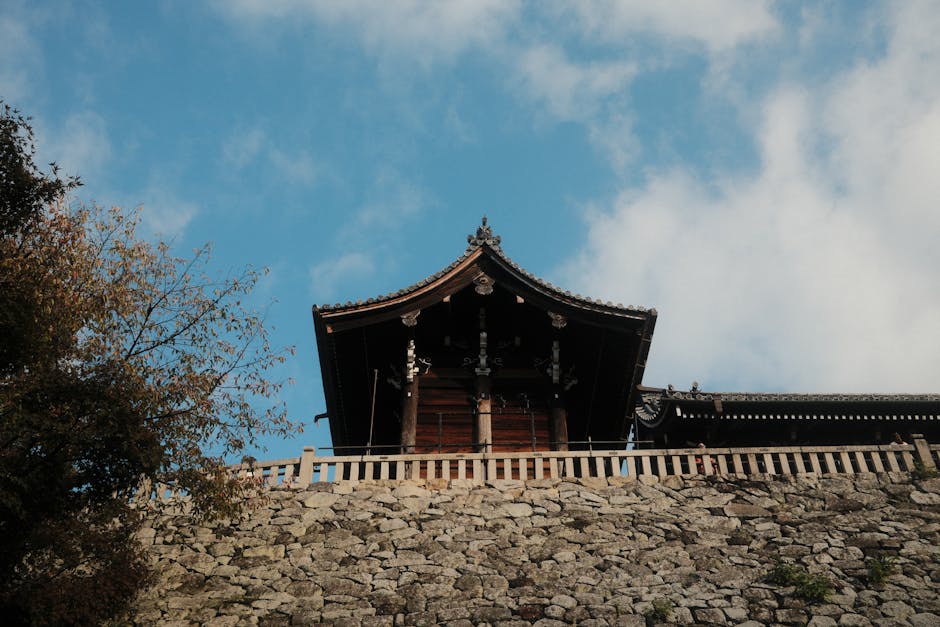
Discover the soul of old Kyoto on this self-guided walk through preserved stone lanes, iconic pagodas, and the grand wooden stage of Kiyomizu-dera.
 Challenging
Kyoto, Japan
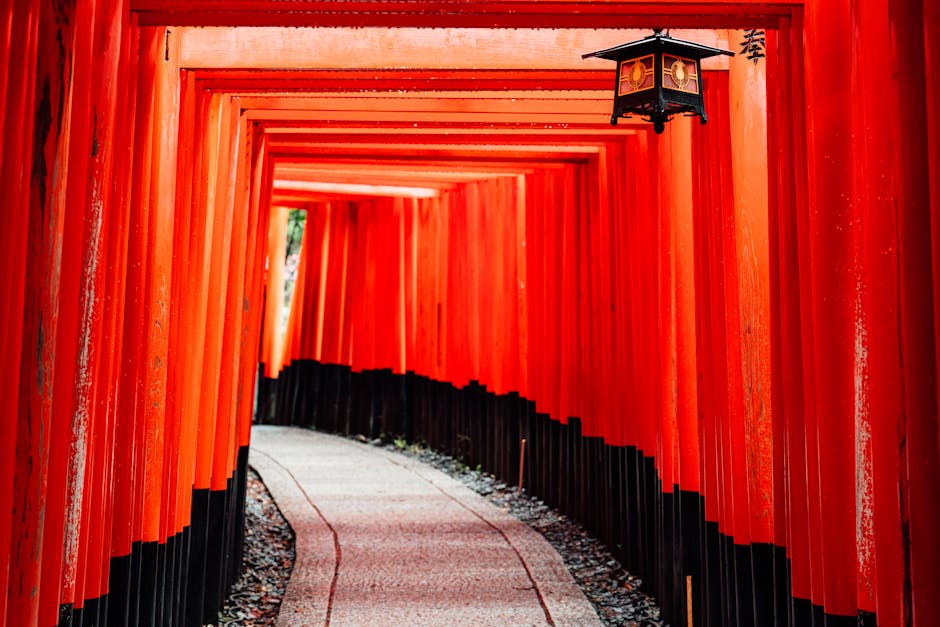
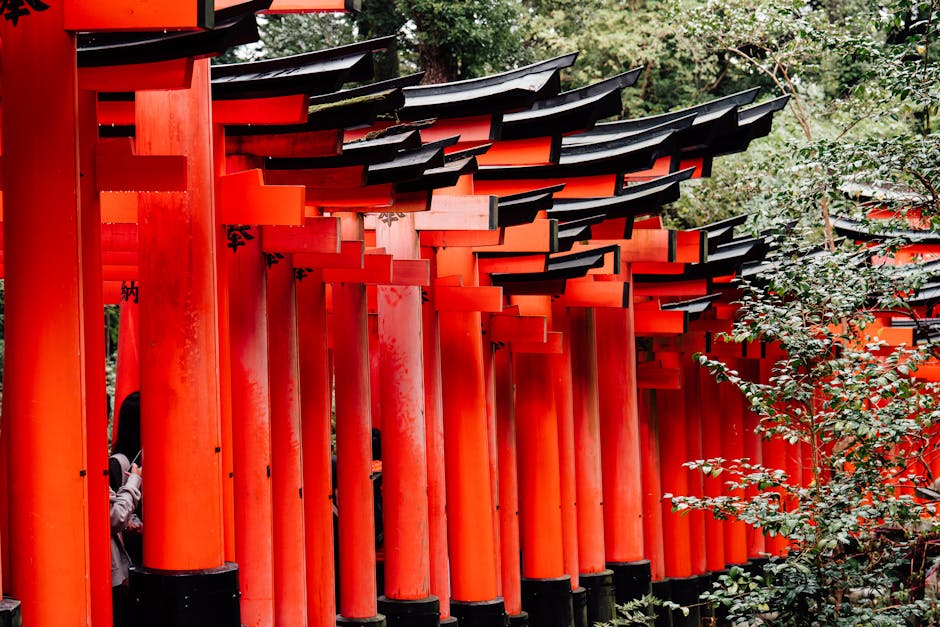
Ascend the sacred Mount Inari through thousands of vermillion torii gates on this challenging and spiritual self-guided walk in Kyoto.
 Easy
EasyKyoto, Japan
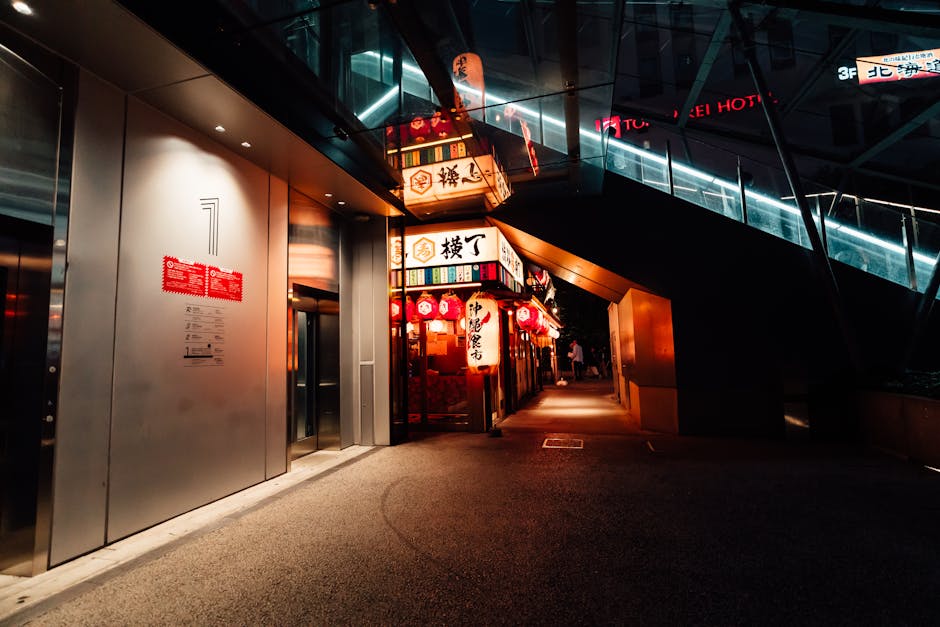
Explore Kyoto's most atmospheric alleyway. Discover geiko history, riverside dining, and hidden nightlife on this self-guided evening stroll.
 Moderate
Kyoto, Japan
Experience a serene self-guided walk along Kyoto's iconic Philosopher's Path, visiting Zen temples, hidden shrines, and the stunning Silver Pavilion.