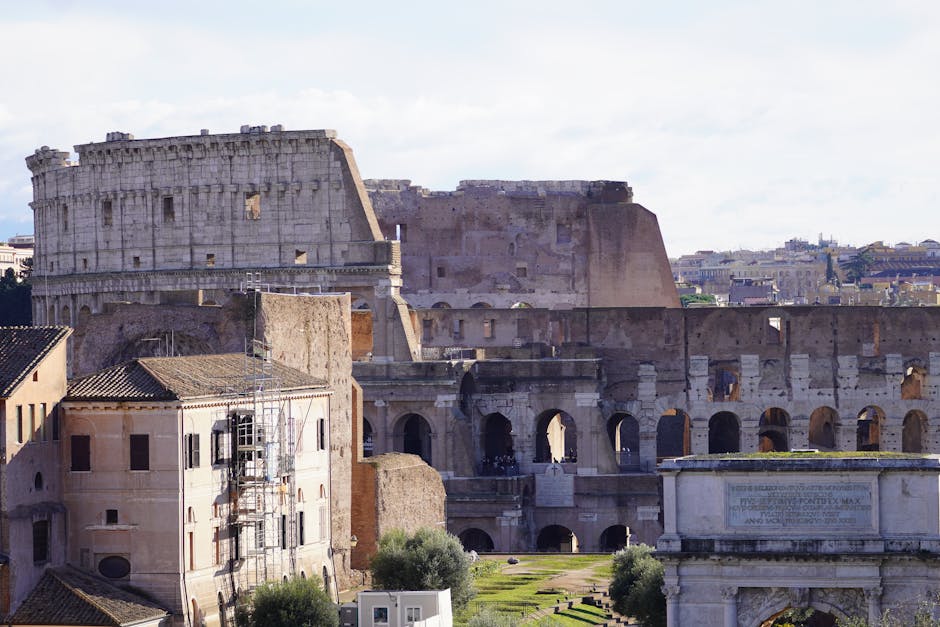
Self-guided audio tour in Rome
Start Free on iPhone
Start free on iPhone to unlock this self-guided walking tour in Rome. Hear all the stories that make it amazing, walk at your own pace, and begin whenever you want.
Your Private Tour Guide
Step into the 17th-century streets of Rome to witness one of history's most intense artistic rivalries. This self-guided walk explores the 'Baroque Duel' between Gian Lorenzo Bernini, the charismatic favorite of the Papal court, and Francesco Borromini, the reclusive and tortured architectural genius. While Bernini dazzled Rome with theatrical sculptures and grand gestures, Borromini pushed the boundaries of mathematics and geometry to create structures that seemed to breathe and undulate. This walking route takes you through the heart of the Centro Storico, beginning on the Quirinal Hill and ending in the majestic Piazza Navona. You will discover how their personal animosity fueled some of the world's most breathtaking architectural innovations. Along the way, you'll see the contrast between Bernini’s lavish use of color and light at Sant'Andrea al Quirinale and Borromini's complex, monochromatic geometry at San Carlo alle Quattro Fontane. The route also highlights Palazzo Barberini, where both masters were forced to collaborate, leaving behind two distinct and iconic staircases. As you explore independently, you will learn the legends behind the Fountain of the Four Rivers and the facade of Sant'Agnese in Agone, where the rivalry supposedly reached its peak. This audio walk is perfect for those who want to understand the soul of Baroque Rome without following a rigid schedule. By choosing a self-guided adventure, you can linger in the quiet courtyards or find a nearby cafe to soak in the atmosphere of the Eternal City. Whether you are an architecture enthusiast or a fan of historical drama, this neighborhood stroll reveals the hidden messages and technical triumphs left behind by two men who quite literally reshaped the skyline of Rome.
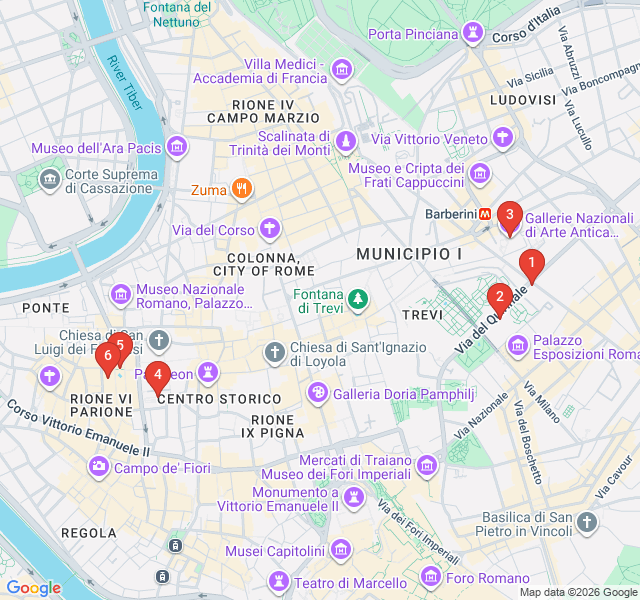
Numbers indicate the order of stops on the tour.
Welcome to San Carlo alle Quattro Fontane, often called San Carlino because of its tiny size. This was Francesco Borromini’s first independent commission and a true manifesto of his style. Unlike the flat facades of the Renaissance, Borromini designed these walls to undulate like waves. Look up at the extraordinary oval dome; it is decorated with a complex honeycomb of crosses, hexagons, and octagons that seem to shrink toward the center, making the small space feel infinitely tall. Borromini worked on this project for free to ensure total creative control, proving that genius doesn't require a massive budget or a vast plot of land.
Just a short walk away, we find Gian Lorenzo Bernini's answer to Borromini. Bernini considered Sant'Andrea al Quirinale to be his most perfect work. While Borromini focused on complex geometry and white surfaces, Bernini used rich, multi-colored marbles and dramatic lighting to create a theatrical experience. The church is laid out as an oval, but unlike most churches, the entrance and the altar are on the short axis, bringing you immediately close to the divine. Notice the sculpture of St. Andrew appearing to float out of the pediment toward the golden light of the dome—a classic example of Bernini's 'bel composto' or beautiful synthesis of art forms.
Palazzo Barberini is a rare place where our two rivals had to work under the same roof. As you enter the courtyard, consider the two staircases. On the left, Bernini designed a grand, square-well staircase that is solid and majestic. On the right, Borromini created a breathtaking helicoidal (spiral) staircase supported by twin columns. Borromini’s stairs are an optical marvel, appearing to defy gravity as they wind upward. This building serves as a permanent architectural debate between Bernini’s traditional Roman monumentality and Borromini’s revolutionary, fluid motion. The palace now houses the National Gallery of Ancient Art, containing masterpieces by Caravaggio and Raphael.
Hidden within the courtyard of the old University of Rome is St. Ivo alla Sapienza, perhaps Borromini’s most intellectually ambitious project. The floor plan is based on two intersecting triangles, forming a Star of David shape with alternating convex and concave walls. This creates a dizzying sense of movement. If you look up at the exterior, you’ll see the famous corkscrew lantern spiraling toward the sky. It is said to represent the 'Path of Wisdom.' Borromini’s use of geometry here was so radical for the 17th century that some of his contemporaries accused him of being mad, yet today it is hailed as a pinnacle of Baroque thought.
Welcome to the grandest stage in Rome. Piazza Navona sits atop the ruins of the ancient Stadium of Domitian, which explains its long, oval shape. In the center stands Bernini’s Fountain of the Four Rivers, a masterpiece of Baroque engineering. Four giant river gods represent the Nile, Ganges, Danube, and Rio de la Plata, supporting a massive Egyptian obelisk. Legend has it that the figure of the Rio de la Plata raises his hand to shield his eyes from the 'hideous' facade of the church in front of him, designed by Borromini. While the dates don't quite support the legend, it perfectly captures the spirit of their lifelong feud.
Our final stop is Sant'Agnese in Agone, where Borromini took over a project started by others and turned it into a Baroque icon. He pulled the facade back into a concave curve to allow the dome to appear more prominent and taller from the narrow square below. This church demonstrates Borromini’s ability to create a sense of grand scale even when space is limited. Inside, the lavish gold and marble decorations reflect the high Baroque style. Standing here, between Bernini’s fountain and Borromini’s church, you are at the epicenter of the Roman Baroque—a movement defined by the friction and brilliance of two men who couldn't stand one another.
Start Free on iPhone
Explore “Bernini vs Borromini: A Baroque Duel” with your very own Private Tour Guide with Zigway. Start free on iPhone, skip the large group and the fixed routes, and hear the city come alive as you go.
Your Private Tour Guide
Don't miss the good stuff
Explore Freely
 Easy
EasyRome, Italy
Explore Rome’s industrial heart on this self-guided walk featuring massive murals, the 'Iron Colosseum,' and unique industrial archaeology.
 Easy
EasyRome, Italy
Explore Rome’s whimsical Fairytale District. A self-guided walk through Art Nouveau palaces, mythical fountains, and the magical Coppedè architecture.
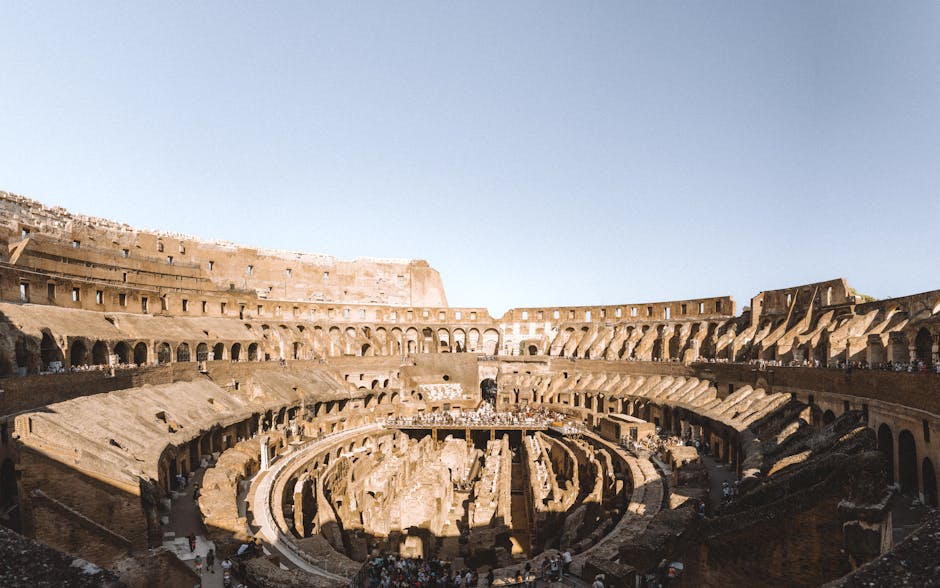 Moderate
Rome, Italy
Uncover Rome's hidden history on this self-guided walk through ancient gladiator pits, subterranean temples, and buried Roman houses.
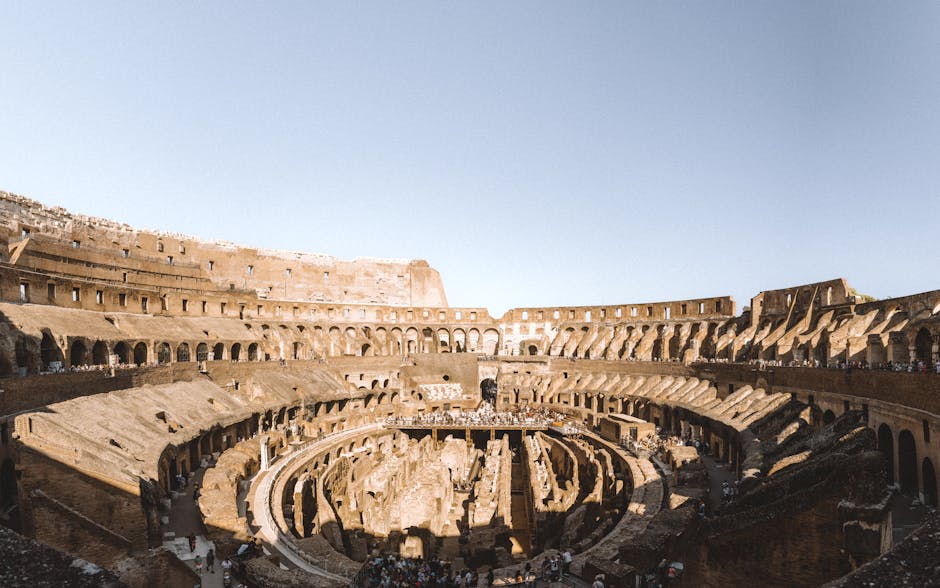 Challenging
Rome, Italy
Walk the 'Queen of Roads.' Explore ancient catacombs, imperial villas, and historic basalt stones on this scenic self-guided Roman adventure.
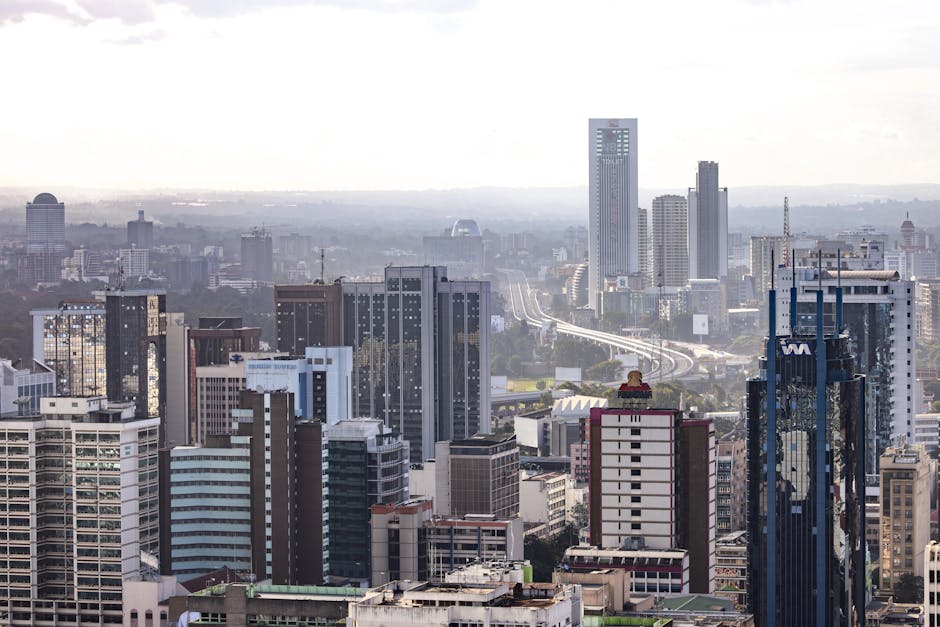 Easy
EasyNairobi, Kenya
Explore Nairobi's architectural evolution from colonial-era landmarks to iconic Brutalist skyscrapers on this historic self-guided walking route.
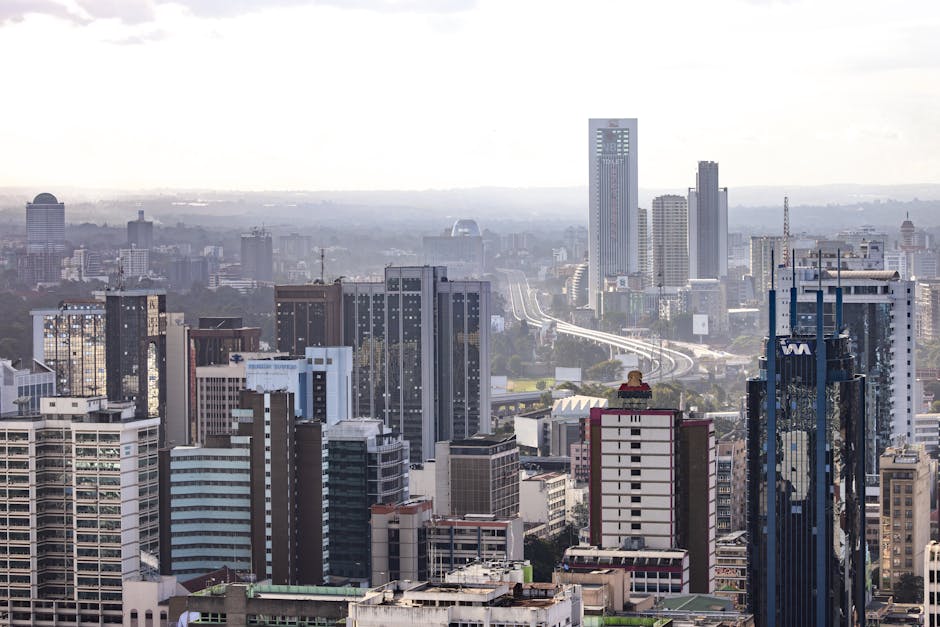 Easy
EasyNairobi, Kenya
Discover Nairobi's iconic skyline on this self-guided architecture walk through the CBD’s most famous modernist and Brutalist landmarks.
 Easy
EasyKrakow, Poland
Explore the prestigious Jagiellonian University district, featuring Neo-Gothic architecture, Baroque churches, and Krakow's hidden scholarly gems.
 Easy
EasyGothenburg, Sweden
Discover Gothenburg’s 17th-century Dutch foundations, historic canals, and military fortifications on this self-guided architectural walk.
 Easy
EasyFlorence, Italy
Discover the intersection of Renaissance architecture and modern luxury on this self-guided walk through Florence’s high-fashion districts.
 Easy
EasyFlorence, Italy
Explore the medieval streets of Florence through the eyes of Dante Alighieri on this self-guided literary and historical walking route.
 Easy
EasyFlorence, Italy
Experience the magic of Florence at sunset. Discover iconic bridges and breathtaking river views on this romantic self-guided audio walk.
 Easy
EasyFlorence, Italy
Discover the 'buchette del vino'—Florence's unique Renaissance wine windows—on this self-guided walk through the city's historic streets.