Self-guided audio tour in Verona
Start Free on iPhone
Start free on iPhone to unlock this self-guided walking tour in Verona. Hear all the stories that make it amazing, walk at your own pace, and begin whenever you want.
Your Private Tour Guide
Before the era of Romeo and Juliet, Verona was a thriving Roman colony known as 'Little Rome.' This self-guided walk invites you to peel back the layers of the Città Antica to reveal the monumental architecture that has stood for two millennia. Starting at the world-famous Arena, you will traverse the ancient Decumanus and Cardo—the primary axes of the Roman city—to discover how the imperial layout still dictates the flow of modern Veronese life. This walking route is designed for those who wish to explore at their own pace, moving from the grandest amphitheaters to the subtle archaeological remains hidden beneath the street level. Along the way, you will encounter the Arco dei Gavi, a rare example of a private triumphal arch, and the majestic Porta Borsari, which served as the city's ceremonial gateway. As you wander, the narrative of Verona's Roman roots unfolds, culminating at the Roman Theater and the ancient Ponte Pietra. This neighborhood stroll is more than just a history lesson; it is an immersive experience into the urban planning and engineering genius of the ancient world. You will see how Roman limestone blends seamlessly into medieval facades and how the Adige River was harnessed to protect and provide for the empire's citizens. Whether you are a history enthusiast or a curious traveler, this self-guided adventure offers a deep dive into the stone-carved legacy of one of Italy's most beautiful cities. Avoid the crowds and discover the echoes of the empire on your own terms, taking in the sights from the bustling Piazza Bra to the tranquil views across the river.
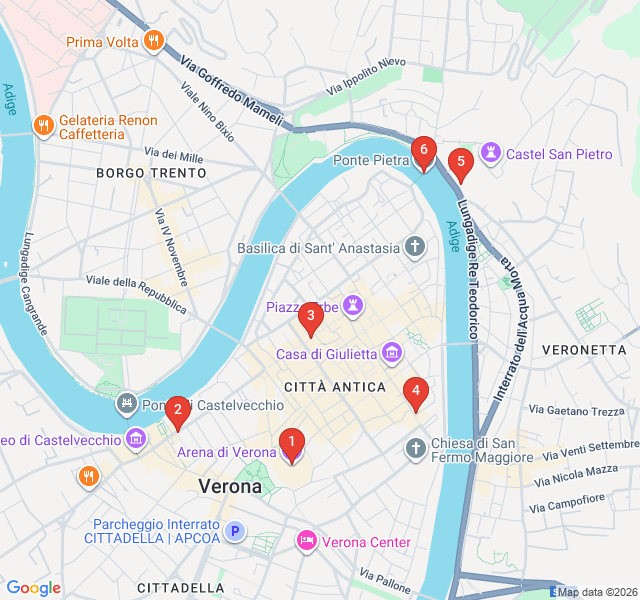
Numbers indicate the order of stops on the tour.
Welcome to the start of your self-guided walk through Roman Verona. Standing before you is the Arena, an architectural marvel completed around 30 AD. It is the third-largest amphitheater in Italy and could once hold nearly 30,000 spectators. Imagine the roar of the crowd as gladiators entered the sandy floor, which gave the 'Arena' its name. While only a small section of the outer 'wing' remains due to a 12th-century earthquake, the interior remains remarkably intact. Today, it is famous for world-class opera, but its Roman origins as a venue for ludi (games) set the stage for Verona’s importance as a strategic imperial hub.
Moving toward the river, you encounter the Arco dei Gavi. Unlike most Roman arches built to celebrate emperors, this was commissioned by the Gavi, a wealthy local family, in the 1st century AD. It is a rare example of a private monument of this scale. Notice the elegant proportions and the white limestone. Interestingly, Napoleon’s troops dismantled the arch in 1805 because it obstructed military traffic. It wasn't until 1932 that the stones were gathered from various locations and the arch was meticulously reconstructed here, adjacent to the Castelvecchio, standing as a testament to Verona's enduring Roman identity.
You are now standing before the Porta Borsari, which was the main entrance to the Roman city. Built in the 1st century AD over an older gate, it served as the checkpoint for the Via Postumia, the vital road connecting the Tyrrhenian and Adriatic seas. Look up at the two rows of arched windows; in Roman times, soldiers would have stood behind these openings to monitor those entering. Its name changed in the Middle Ages to 'Borsari' because of the 'bursarii,' the customs officers who collected duties here. It remains one of the most elegant examples of Roman military architecture in Northern Italy.
Porta Leoni offers a fascinating look at the 'layers' of Verona. If you look into the excavated area below the current street level, you can see the foundations of the original gate and the ancient Roman road. The gate you see standing today is only half of the original structure; the other half was integrated into the neighboring medieval building. The name 'Leoni' comes from a Roman sarcophagus decorated with lions that was found nearby. This site illustrates how the Roman grid system continues to underpin the city, with modern shops and apartments literally built upon the foundations of the empire.
Crossing toward the hill of San Pietro, you find the Teatro Romano. Built in the late 1st century BC, it predates the Arena. While the Arena was for sports, this theater was for drama and music. For centuries, the ruins were hidden beneath residential buildings until an 18th-century merchant named Andrea Monga bought the land and began excavating. Today, you can see the semi-circular seating area carved directly into the hillside. The backdrop of the Adige River and the city skyline makes it clear why the Romans chose this scenic spot for their cultural heart. It still hosts performances every summer.
Your journey ends at Ponte Pietra, the 'Stone Bridge.' This is the oldest bridge in Verona, with parts dating back to 100 BC. It was a crucial link for the Via Postumia. As you walk across, notice the different types of stone and brick. This reflects its long history of repairs, most notably after World War II when retreating German forces blew it up. The local community painstakingly recovered the stones from the riverbed to rebuild it exactly as it was. Standing here, with the Roman Theater on one side and the city center on the other, you are standing on the very foundation of Verona's history.
Start Free on iPhone
Explore “Echoes of Empire: Verona’s Roman Roots” with your very own Private Tour Guide with Zigway. Start free on iPhone, skip the large group and the fixed routes, and hear the city come alive as you go.
Your Private Tour Guide
Don't miss the good stuff
Explore Freely
 Moderate
Verona, Italy
Explore Verona’s most magnificent cathedrals and basilicas on this self-guided walk through the city's artistic and spiritual heart.
 Easy
EasyVerona, Italy
Explore the romantic streets of Verona on this self-guided walk through the history and legends that inspired Shakespeare’s Romeo and Juliet.
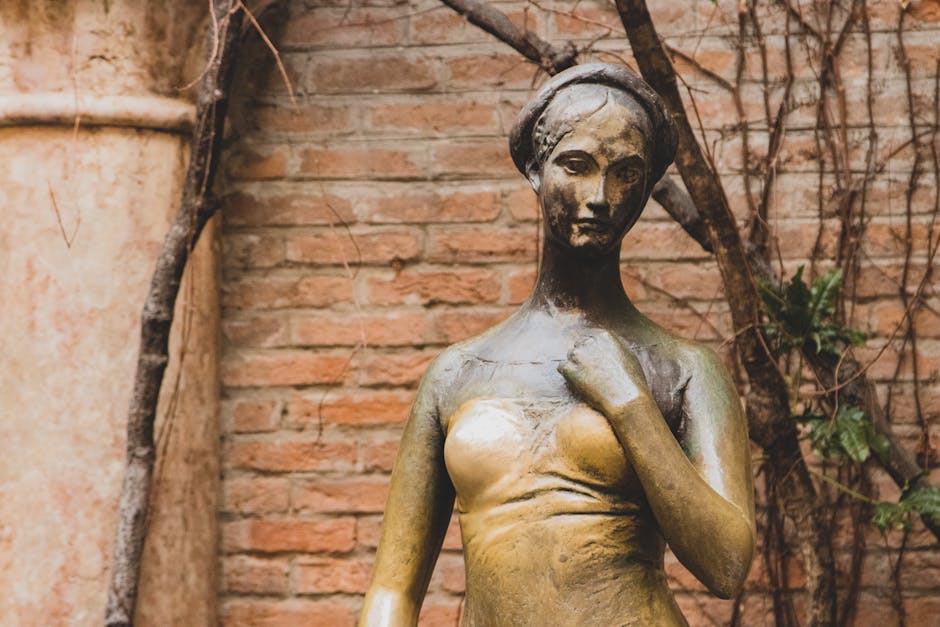 Easy
EasyVerona, Italy
Discover the flavors of Verona on this self-guided walk through historic wine cellars, vibrant markets, and the city's most iconic culinary landmarks.
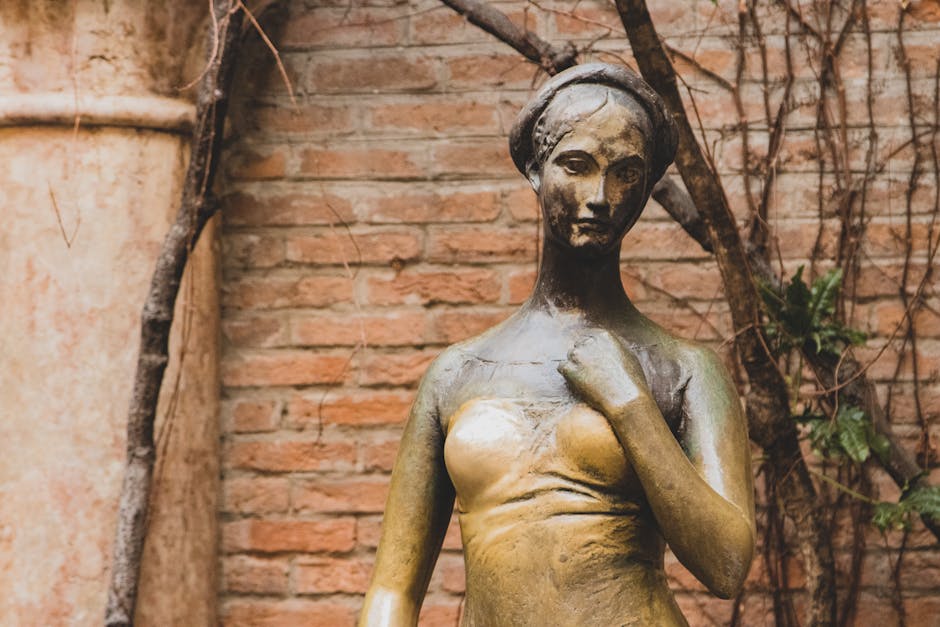 Easy
EasyVerona, Italy
Savor Verona's vibrant aperitivo culture on this self-guided stroll through historic squares and charming wine bars. Discover the city's heartbeat.
 Moderate
Vienna, Austria
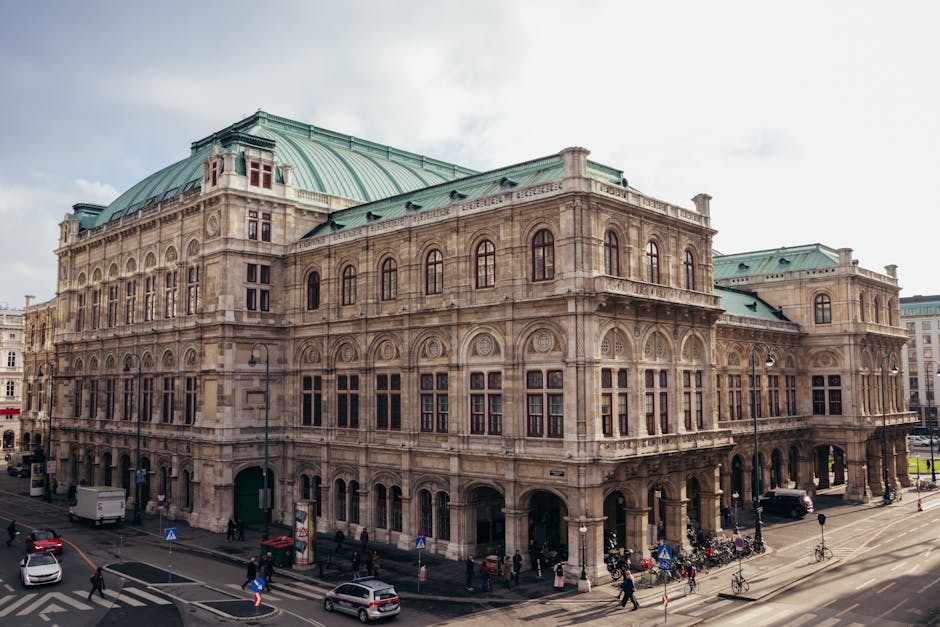
Follow the footsteps of Mozart and Strauss through Vienna’s historic center on this self-guided walk through the city's rich musical history.
 Moderate
Gothenburg, Sweden
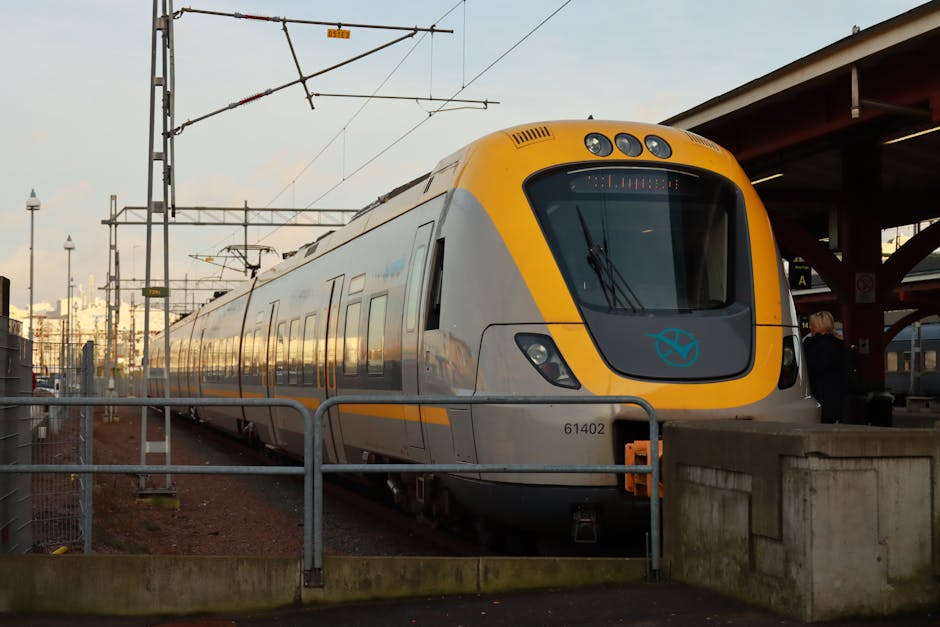
Discover Gothenburg’s maritime soul on this self-guided walk from the historic Central Station to the scenic riverfront at Stenpiren.
 Moderate
Warsaw, Poland
Explore the resilient spirit of Warsaw's Muranów district on this self-guided walk through the history and landmarks of the former Jewish Ghetto.
 Moderate
Warsaw, Poland
A powerful self-guided walk through Warsaw's WWII history, tracking the 1944 Uprising from ruined skyscrapers to solemn memorials.
 Easy
EasyRome, Italy
Explore Rome’s industrial heart on this self-guided walk featuring massive murals, the 'Iron Colosseum,' and unique industrial archaeology.
 Easy
EasyRome, Italy
Explore Rome’s whimsical Fairytale District. A self-guided walk through Art Nouveau palaces, mythical fountains, and the magical Coppedè architecture.
 Moderate
Rome, Italy
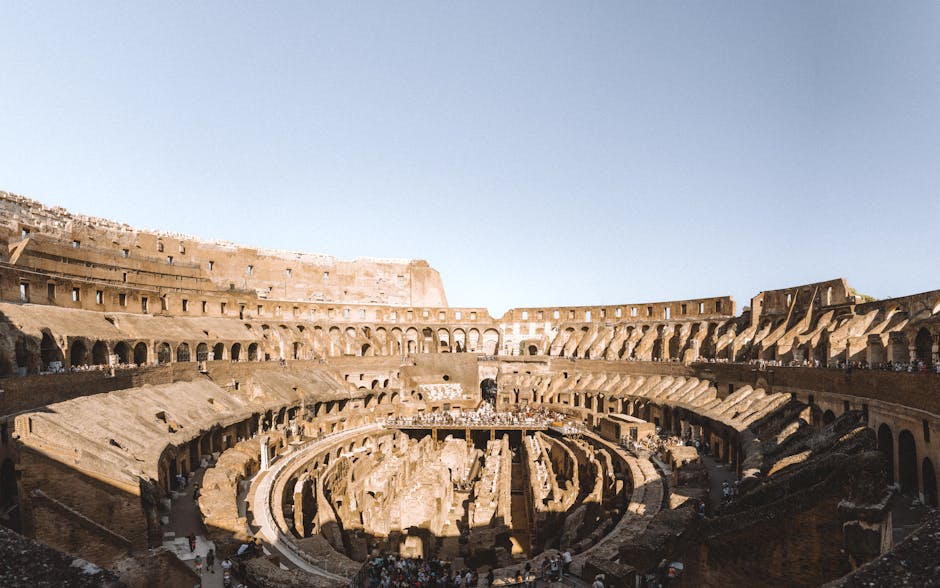
Uncover Rome's hidden history on this self-guided walk through ancient gladiator pits, subterranean temples, and buried Roman houses.
 Challenging
Rome, Italy
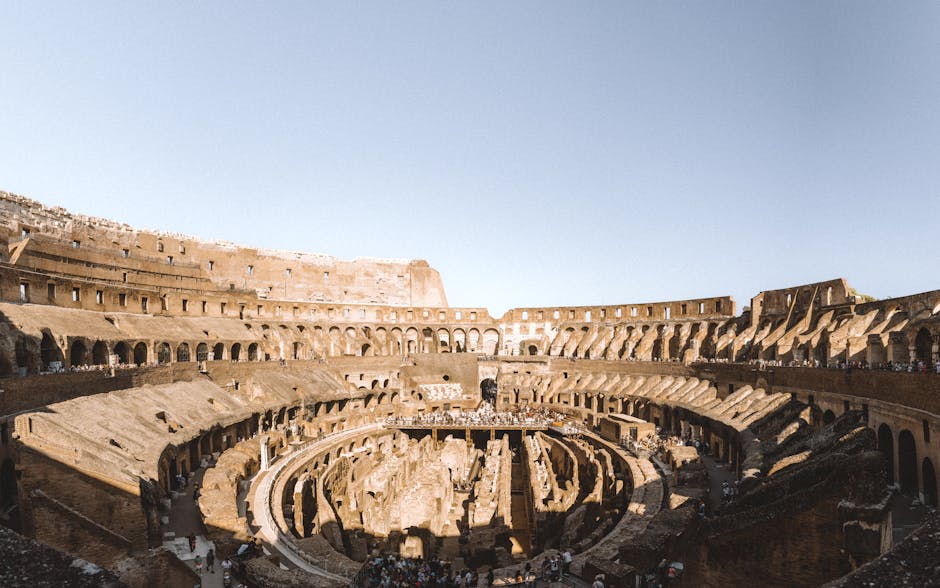
Walk the 'Queen of Roads.' Explore ancient catacombs, imperial villas, and historic basalt stones on this scenic self-guided Roman adventure.