Self-guided audio tour in Verona
Walked and written by a Zigway contributor · Last reviewed November 2026
Start Free on iPhone
Hear the stories behind the streets and sights around you as you walk Verona. Try it free on iPhone.
Your Private Tour Guide
Verona is often celebrated as the city of star-crossed lovers, but beyond the balcony of Juliet lies a profound spiritual and artistic legacy etched into its stone. This self-guided walk invites you to explore the 'City of Churches,' where Romanesque austerity meets Gothic grandeur. As you navigate the winding streets of the Città Antica, you will encounter a series of sacred spaces that served as the canvas for Italy’s greatest masters, including Titian, Pisanello, and Paolo Veronese. This neighborhood stroll focuses on the evolution of religious architecture, from the early Christian foundations near the Adige River to the triumphant Renaissance domes that define the skyline. This walking route is not just a journey through religious history, but a deep dive into the civic pride of Verona. You will see how the powerful Scaliger family and local guilds poured their wealth into these monuments, creating a gallery of sacred art that rivals any museum. From the unique double-towered facade of San Lorenzo to the awe-inspiring wooden ceiling of San Fermo, each stop reveals a different layer of the city's identity. This experience is perfect for those who want to discover at their own pace, moving from the quiet, contemplative atmosphere of the Chiostro dei Canonici to the dramatic scale of the Basilica di Sant' Anastasia. Whether you are an art historian or a curious traveler, this self-guided adventure provides the context needed to appreciate the intricate frescoes, delicate sculptures, and architectural innovations that make Verona a cornerstone of Italian heritage. If you are looking for a comprehensive walking tour Verona offers few routes as visually rewarding as this one.
From Verona Porta Nuova station, walk in through Piazza Bra and along Via Roma toward Castelvecchio, or take a city bus to Castelvecchio. San Lorenzo is on Corso Cavour, set back slightly from the street, so keep an eye out for it.
Weekday mornings. Verona's churches often close for a midday break and limit visits during Mass, which makes Sunday morning the worst time to try this route. During the summer opera season at the Arena the centre is at its busiest; spring and autumn are more comfortable.
Approximate walking distances between stops, from the route's coordinates.
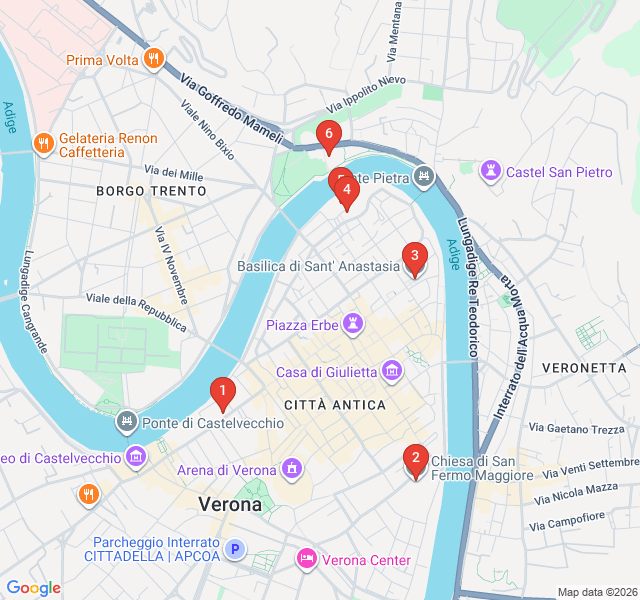
Numbers indicate the order of stops on the tour.
Welcome to the Basilica di San Lorenzo, one of Verona's most intriguing examples of Romanesque architecture. As you stand before its facade, notice the two distinctive cylindrical towers. These aren't just for decoration; they contain spiral staircases leading to the 'matroneum,' or women's gallery, an architectural feature rare in Italy but common in Northern Europe. Inside, the atmosphere is one of solemnity and strength, with alternating layers of brick and tuff stone creating a striped effect typical of Veronese construction. This church was built on the site of an earlier 5th-century paleochristian structure, and much of what you see today dates back to the 12th century, following a devastating earthquake in 1117.
The Chiesa di San Fermo is actually two churches built one on top of the other. The lower church, built in the 11th century, retains a dark, mystical Romanesque atmosphere with sturdy pillars and early frescoes. The upper church, however, was transformed by the Franciscans in the 13th century into a soaring Gothic space. Look up to see the incredible wooden ceiling, which resembles the hull of a ship, decorated with portraits of over 400 saints. Don't miss the Brenzoni Monument on the left wall, which features a stunning fresco of the Annunciation by Pisanello, one of the leading figures of the International Gothic style.
As you enter the Basilica di Sant' Anastasia, the largest church in Verona, you are greeted by the 'Hunchbacks'—two famous marble statues supporting the holy water fonts. This Dominican church is a masterpiece of Italian Gothic design. The interior is vast and richly decorated, but the true treasure lies in the Pellegrini Chapel. Here, high on the wall, is Pisanello's 'Saint George and the Princess.' It is considered one of the most important Gothic frescoes in existence, known for its courtly elegance and meticulous detail. The church’s terracotta facade remains unfinished, a common sight in medieval Italy where funds often ran dry before completion.
The Duomo di Verona, or Cathedral of Santa Maria Matricolare, is the heart of a complex of religious buildings. The Romanesque facade is guarded by stone griffins and features intricate carvings by the master sculptor Niccolò. Once inside, the central nave leads you to the Niches of the Cappella Nichesola, where you will find Titian’s 'Assumption of the Virgin.' This is the only work by the Venetian master in Verona. The Cathedral is famous for its harmonious blend of styles, with Gothic windows inserted into Romanesque walls, reflecting centuries of continuous devotion and architectural evolution.
Just beside the Cathedral, step into the Chiostro dei Canonici. This Romanesque cloister, built in the 12th century, offers a moment of profound peace. As you walk through the double-columned arcade, look down at the floor. Several 'windows' in the pavement reveal Roman mosaics from the original 4th-century church that once stood here. This site was the earliest Christian center of Verona. The red marble columns and the quiet garden provide a stark contrast to the busy streets outside. It serves as a reminder of the layers of history—Roman, Early Christian, and Medieval—that literally sit on top of one another in this city.
To reach our final stop, cross the Ponte Garibaldi for a stunning view of the city. San Giorgio in Braida is easily recognized by its white marble dome, designed by the famed Veronese architect Michele Sanmicheli. While the exterior is impressive, the interior is a veritable art gallery. Above the high altar hangs 'The Martyrdom of Saint George' by Paolo Veronese, one of the most celebrated painters of the Renaissance. The church also bears the scars of history; if you look closely at the facade, you can see bullet holes from a skirmish between French and Austrian troops during the Napoleonic Wars.

Guided Walk
Follow a Roman highway through Roman gates, across the old forum and a bridge rebuilt from its own wreckage, up to the hill where Verona began.
3.3 km · 48 min walking

Guided Walk
Real feuds, murderous lords and a borrowed balcony: how Verona became Shakespeare's stage.
1.8 km · 26 min walking
Explore Mode
Open Zigway, start Explore Mode and just walk. Your guide notices where you are and tells you the story of what's around you, on this route or any street you turn into.
Walk along the Adige to Ponte Pietra and climb the steps, or take the funicular, up to Castel San Pietro for a view back over the city's towers and domes.
Start Free on iPhone
Open Zigway as you walk and your private tour guide tells the stories behind what you pass.
Your Private Tour Guide
Don't miss the good stuff
Explore Freely
 Easy
Verona, Italy
Explore the romantic streets of Verona on this self-guided walk through the history and legends that inspired Shakespeare’s Romeo and Juliet.
 Easy
Verona, Italy
Discover the flavors of Verona on this self-guided walk through historic wine cellars, vibrant markets, and the city's most iconic culinary landmarks.
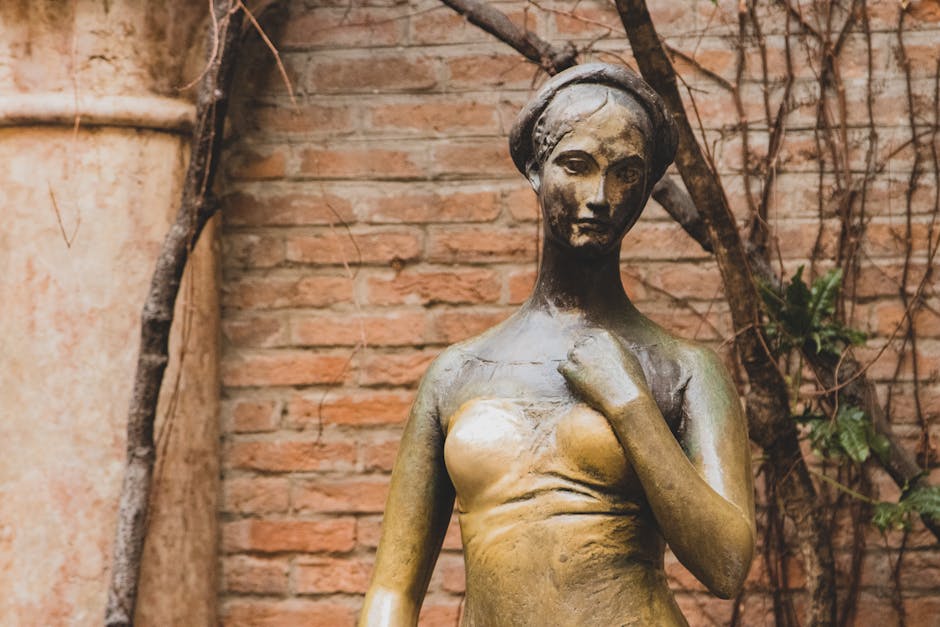 Easy
Verona, Italy
Savor Verona's vibrant aperitivo culture on this self-guided stroll through historic squares and charming wine bars. Discover the city's heartbeat.
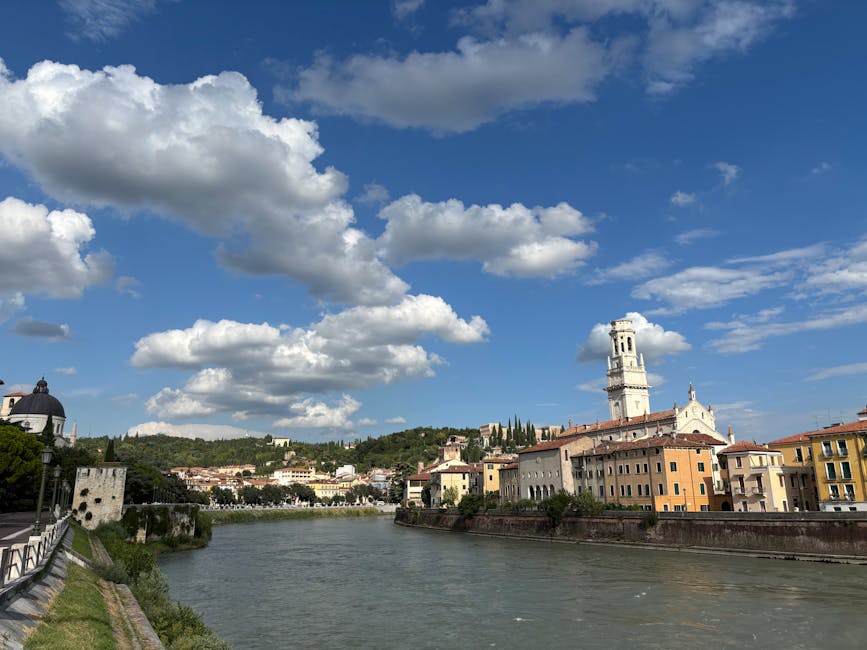 Moderate
Verona, Italy
Discover Verona’s most romantic viewpoints and historic bridges on this scenic self-guided walk along the Adige River.
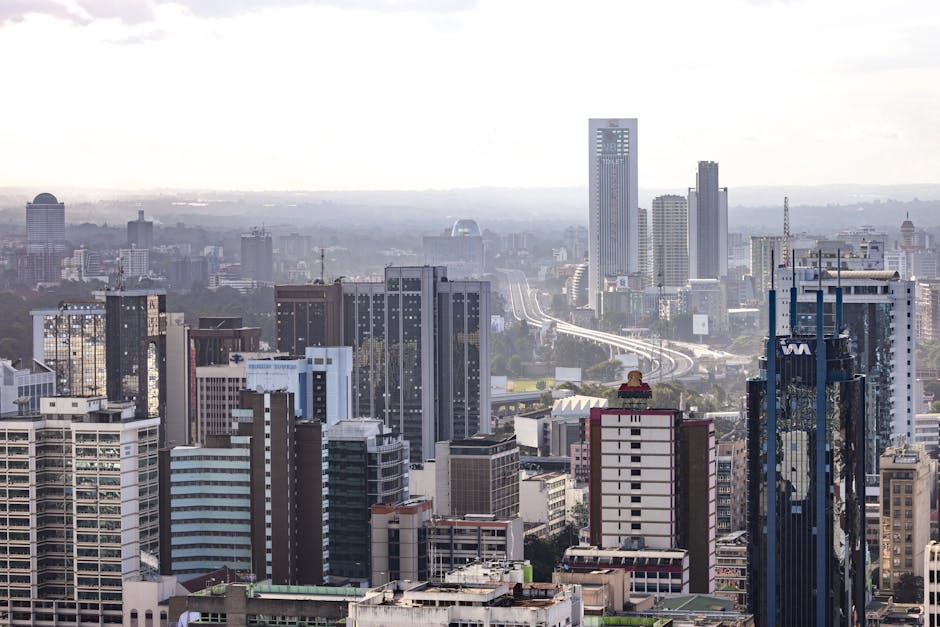 Easy
Nairobi, Kenya
Discover Nairobi's iconic skyline on this self-guided architecture walk through the CBD’s most famous modernist and Brutalist landmarks.
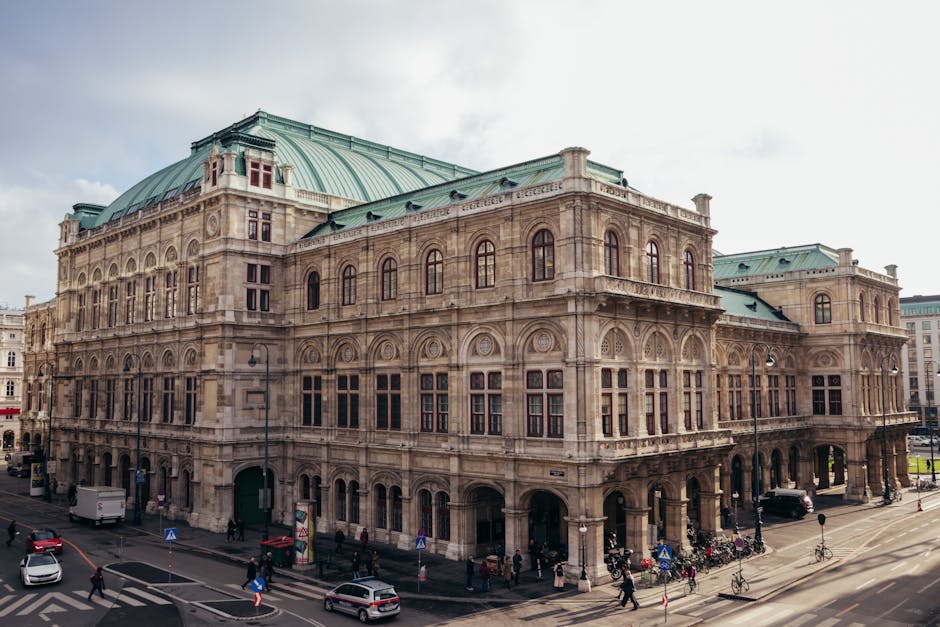 Moderate
Vienna, Austria
Discover the noir world of The Third Man and Cold War Vienna on this atmospheric self-guided audio walk through the historic Innere Stadt.
 Easy
Krakow, Poland
Explore the historic heart of Kazimierz on this self-guided walk through synagogues, ancient cemeteries, and vibrant squares.
 Moderate
Gothenburg, Sweden
Discover Gothenburg’s maritime soul on this self-guided walk from the historic Central Station to the scenic riverfront at Stenpiren.
 Easy
Rome, Italy
Explore Rome’s industrial heart on this self-guided walk featuring massive murals, the 'Iron Colosseum,' and unique industrial archaeology.
 Easy
Rome, Italy
Explore Rome’s whimsical Fairytale District. A self-guided walk through Art Nouveau palaces, mythical fountains, and the magical Coppedè architecture.
 Moderate
Rome, Italy
Uncover Rome's hidden history on this self-guided walk through ancient gladiator pits, subterranean temples, and buried Roman houses.
 Challenging
Rome, Italy
Walk the 'Queen of Roads.' Explore ancient catacombs, imperial villas, and historic basalt stones on this scenic self-guided Roman adventure.