Self-guided audio tour in Florence
Start Free on iPhone
Start free on iPhone to unlock this self-guided walking tour in Florence. Hear all the stories that make it amazing, walk at your own pace, and begin whenever you want.
Your Private Tour Guide
Florence is not merely a city; it is a living gallery where the presence of a single master still haunts the marble and stone. This self-guided walk invites you to trace the meteoric rise of Michelangelo Buonarroti, the man whose hands shaped the very identity of the Renaissance. By following this route, you will move beyond the postcards to understand the evolution of a genius, from his early experimental carvings to the monumental architectural achievements of his later years. This journey through the heart of Tuscany's capital provides a deep dive into the artistic soul of the city, focusing on the places that forged his character and the masterpieces that redefined the limits of human creativity. As you explore independently, you will witness the transition from the delicate reliefs of his youth to the powerful, muscular tension that characterizes his mature works. The route connects the civic power of the Bargello with the spiritual solemnity of Santa Croce and the innovative design of the Medici Chapels. This walking route Florence offers is a chance to step away from the crowds and see the city through the eyes of its most famous son. Whether you are standing before the original David or looking out over the red-tiled roofs from a panoramic terrace, this audio walk provides the context needed to appreciate the scale of his ambition. It is an essential experience for anyone seeking to understand the Renaissance. While a guided tour Florence might offer a fixed schedule, this self-guided exploration allows you to linger at each sculpture and contemplate the weight of history at your own pace.
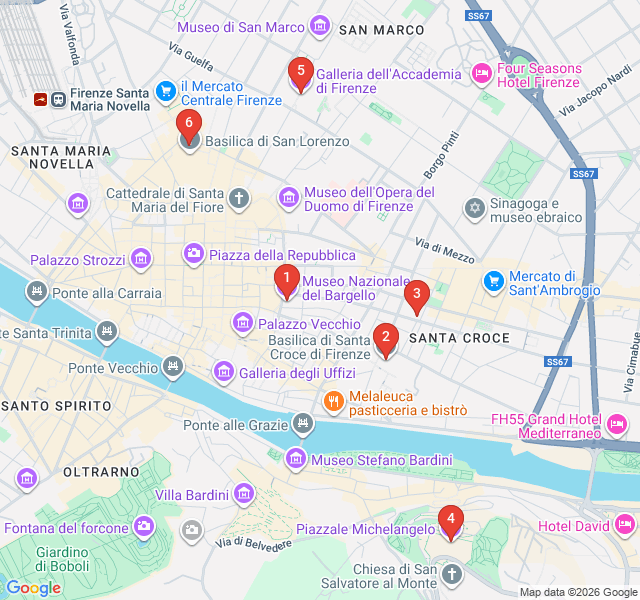
Numbers indicate the order of stops on the tour.
Begin your self-guided adventure at the Bargello, a former barracks and prison that now houses Italy’s most important collection of Renaissance sculpture. Here, you can encounter the early genius of the master. Look for the 'Bacchus,' his first large-scale sculpture, commissioned in Rome when he was just 21. Notice the staggering realism and the slightly off-balance pose of the god of wine. Nearby sits the 'Pitti Tondo' and the 'David-Apollo,' works that demonstrate his growing mastery of form and movement. This building, with its medieval courtyard and heavy stone walls, provides the perfect atmospheric start to understanding the sculptural traditions that the young artist would eventually shatter.
Walk toward the Basilica of Santa Croce, the 'Temple of the Italian Glories.' This is the final resting place of some of history's greatest minds, including Galileo and Machiavelli. However, the most significant site for this route is the tomb of the master himself. Designed by Giorgio Vasari, the tomb features three mourning figures representing Painting, Sculpture, and Architecture, lamenting the loss of the man who excelled in all three. Although he died in Rome, his body was famously smuggled back to Florence to be buried in his beloved home city, fulfilling his final wish to rest in Tuscan soil forever.
A short walk away is Casa Buonarroti, a property the artist purchased for his family and which his descendants later transformed into a museum. This is a more personal stop, where you can see the 'Madonna of the Stairs,' his earliest known work in marble, carved when he was a teenager. The depth and perspective achieved in such a shallow relief are extraordinary. You will also find the 'Battle of the Centaurs,' which hints at the dynamic, muscular compositions that would define his later style. The house serves as a monument to the family's legacy and the artist’s enduring influence on Florentine culture.
Prepare for a bit of a climb as you cross the Arno and head up to Piazzale Michelangelo. This 19th-century terrace offers the most famous panoramic view of Florence. While the David standing in the center of the square is a bronze replica, the location itself is a tribute to the artist’s impact on the city's skyline. From here, you can see the Duomo, the Palazzo Vecchio, and the very hills from which the white Carrara marble was sourced. It is a perfect spot to pause and reflect on how one individual’s vision helped shape the aesthetic of an entire civilization.
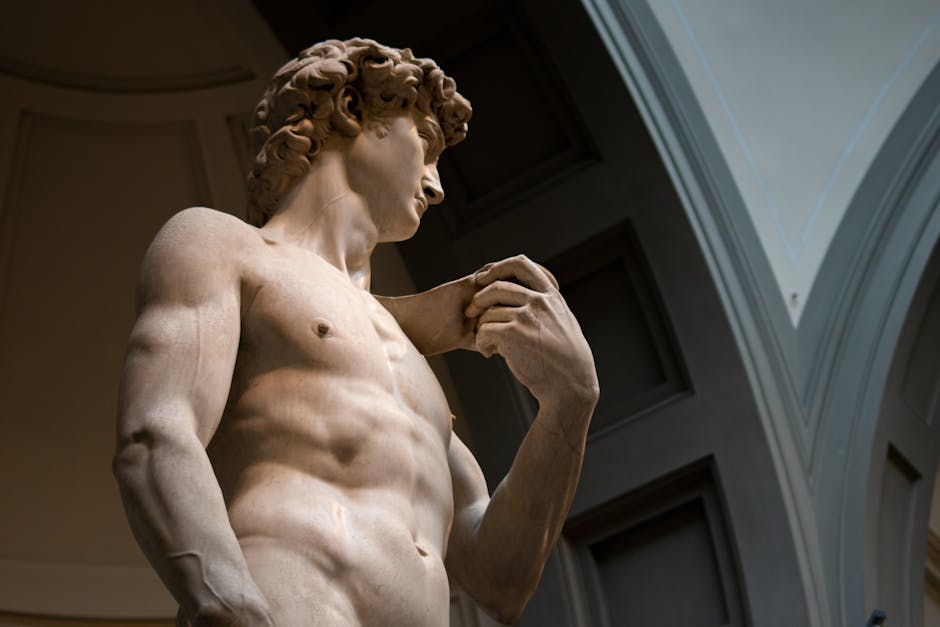
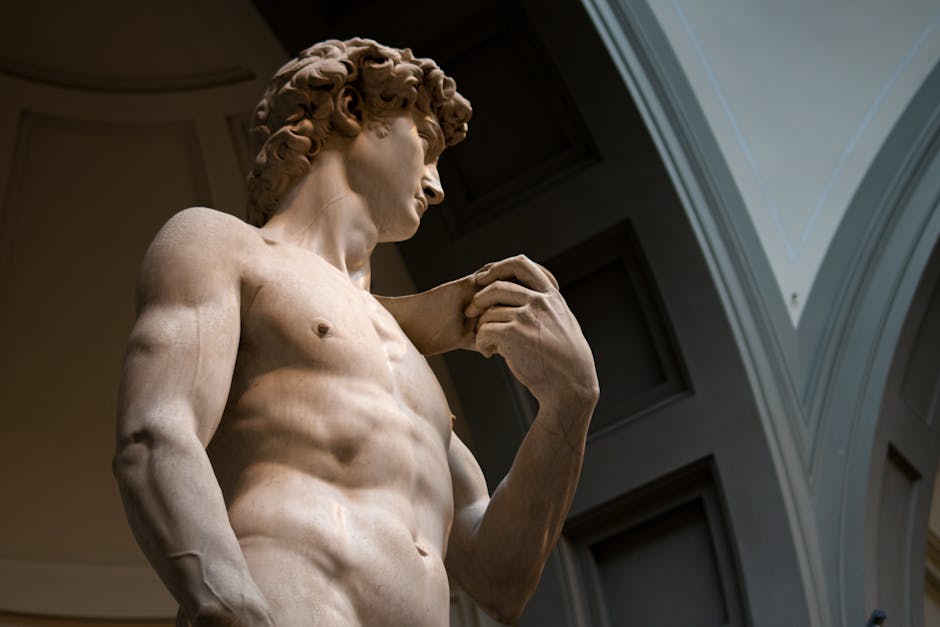
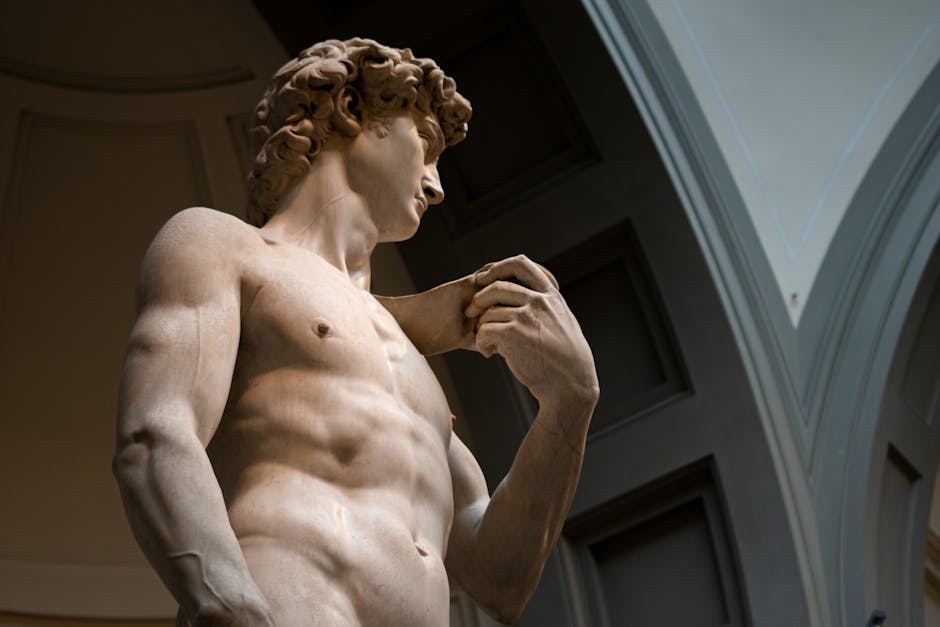
Head back across the river to the Accademia, home to the most famous statue in the world: the original 'David.' Carved from a single block of discarded marble, this 17-foot masterpiece represents the biblical hero at the moment of peak concentration before his battle with Goliath. Don't rush past the 'Prisoners' or 'Slaves' lining the hallway leading to the David. these unfinished figures seem to be struggling to break free from their stone blocks, illustrating the artist’s belief that he was simply liberating the form already hidden within the marble. The hall is a profound testament to his technical skill and philosophical approach to art.
Conclude your stroll at the San Lorenzo complex, specifically the New Sacristy within the Medici Chapels. This was one of the master's most ambitious projects, where he served as both architect and sculptor. The chapel contains the tombs of Lorenzo and Giuliano de' Medici, adorned with the famous allegorical figures of Night and Day, and Dawn and Dusk. The architecture itself is revolutionary, with its use of 'pietra serena' stone and innovative proportions. This space represents the culmination of his career in Florence, blending his sculptural mastery with a new, complex architectural language that paved the way for the Mannerist style.
Start Free on iPhone
Explore “Michelangelo: Birth of a Genius” with your very own Private Tour Guide with Zigway. Start free on iPhone, skip the large group and the fixed routes, and hear the city come alive as you go.
Your Private Tour Guide
Don't miss the good stuff
Explore Freely
 Easy
EasyFlorence, Italy
Discover the intersection of Renaissance architecture and modern luxury on this self-guided walk through Florence’s high-fashion districts.
 Easy
EasyFlorence, Italy
Explore the medieval streets of Florence through the eyes of Dante Alighieri on this self-guided literary and historical walking route.
 Easy
EasyFlorence, Italy
Experience the magic of Florence at sunset. Discover iconic bridges and breathtaking river views on this romantic self-guided audio walk.
 Easy
EasyFlorence, Italy
Discover the 'buchette del vino'—Florence's unique Renaissance wine windows—on this self-guided walk through the city's historic streets.
 Moderate
Warsaw, Poland
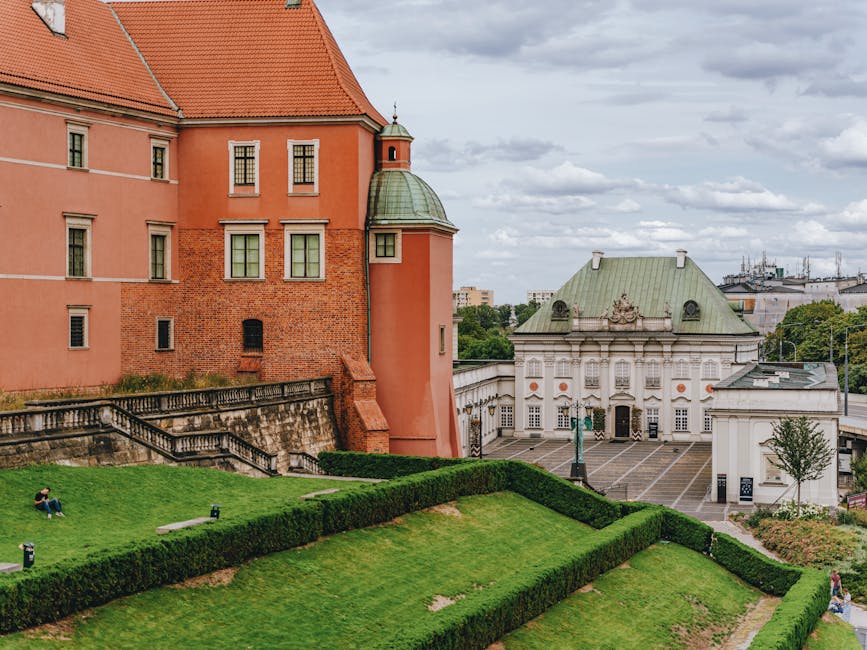
A powerful self-guided walk through Warsaw's WWII history, tracking the 1944 Uprising from ruined skyscrapers to solemn memorials.
 Easy
EasyNairobi, Kenya
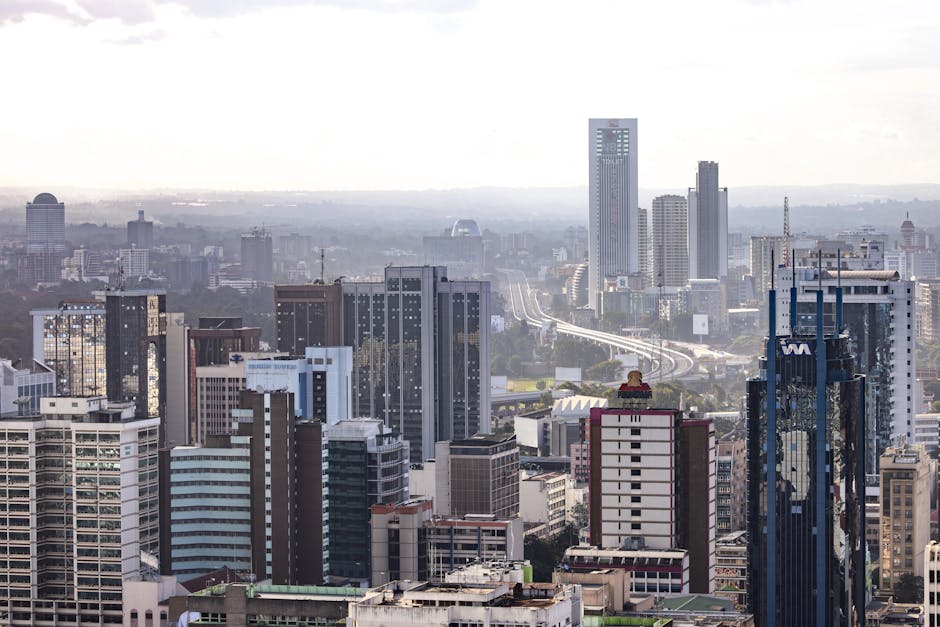
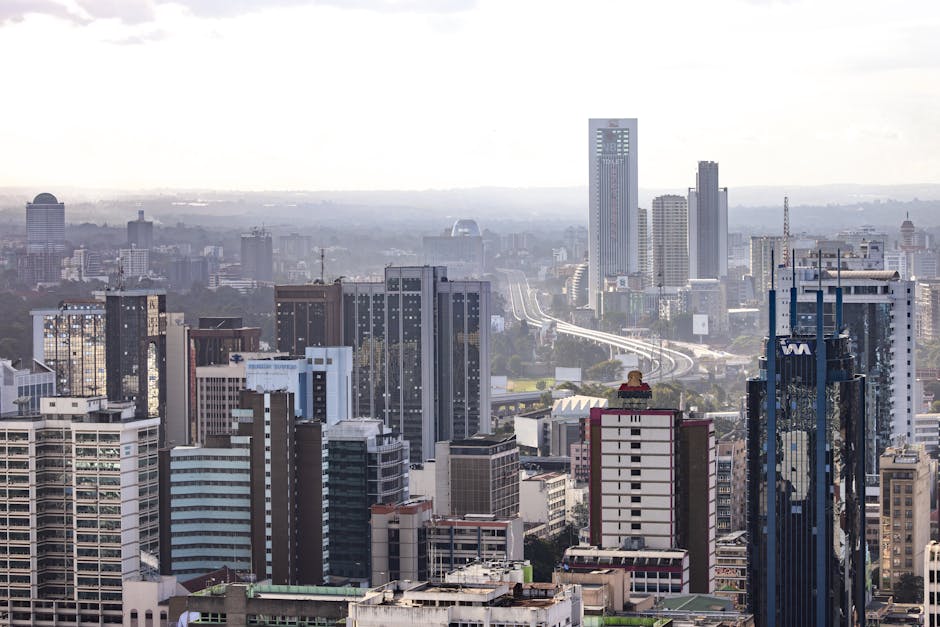
Explore Nairobi's architectural evolution from colonial-era landmarks to iconic Brutalist skyscrapers on this historic self-guided walking route.
 Easy
EasyNairobi, Kenya
Discover Nairobi's iconic skyline on this self-guided architecture walk through the CBD’s most famous modernist and Brutalist landmarks.
 Moderate
Vienna, Austria
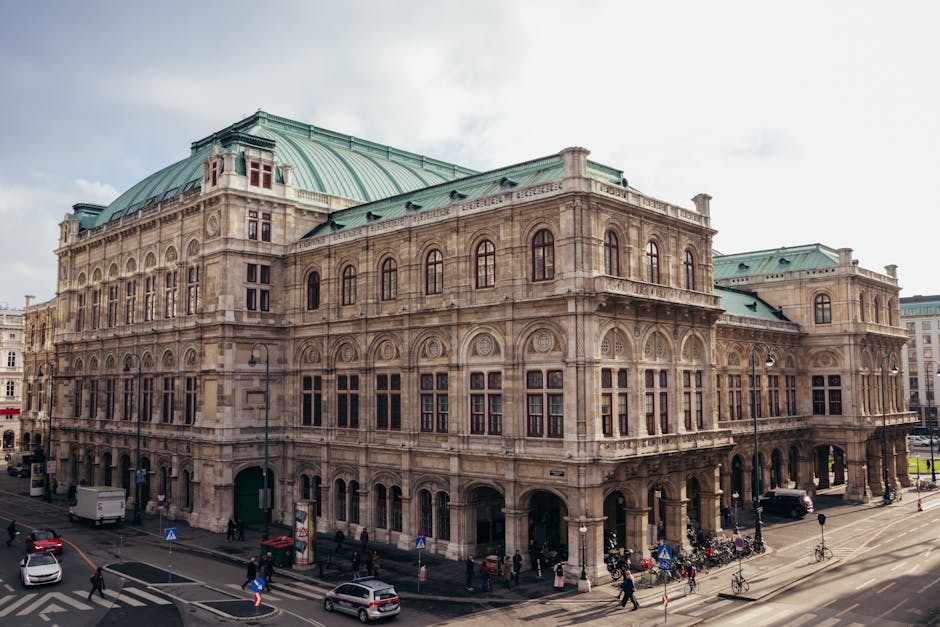
Follow the footsteps of Mozart and Strauss through Vienna’s historic center on this self-guided walk through the city's rich musical history.
 Easy
EasyRome, Italy
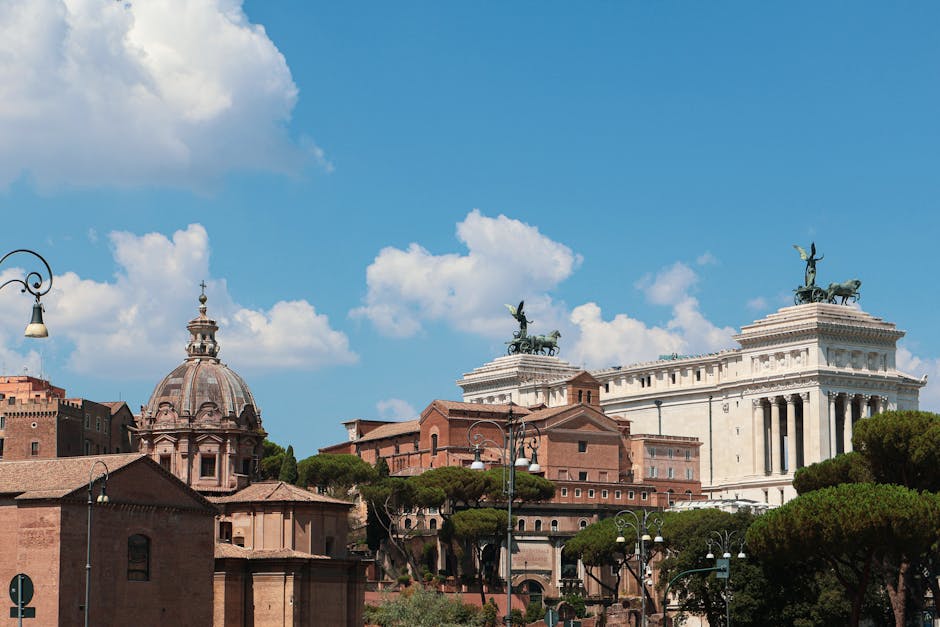
Explore Rome’s industrial heart on this self-guided walk featuring massive murals, the 'Iron Colosseum,' and unique industrial archaeology.
 Easy
EasyRome, Italy
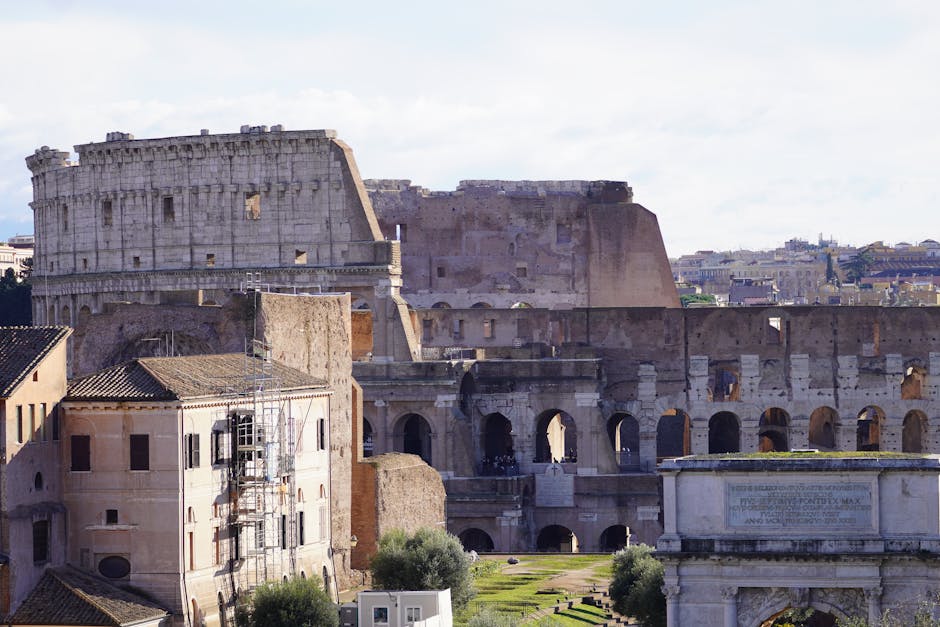
Explore Rome’s whimsical Fairytale District. A self-guided walk through Art Nouveau palaces, mythical fountains, and the magical Coppedè architecture.
 Moderate
Rome, Italy
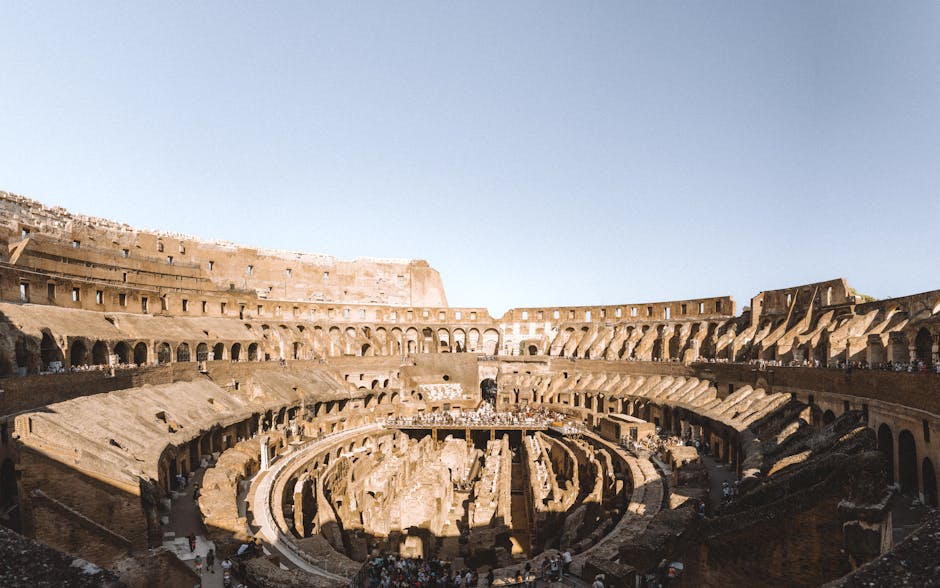
Uncover Rome's hidden history on this self-guided walk through ancient gladiator pits, subterranean temples, and buried Roman houses.
 Challenging
Rome, Italy
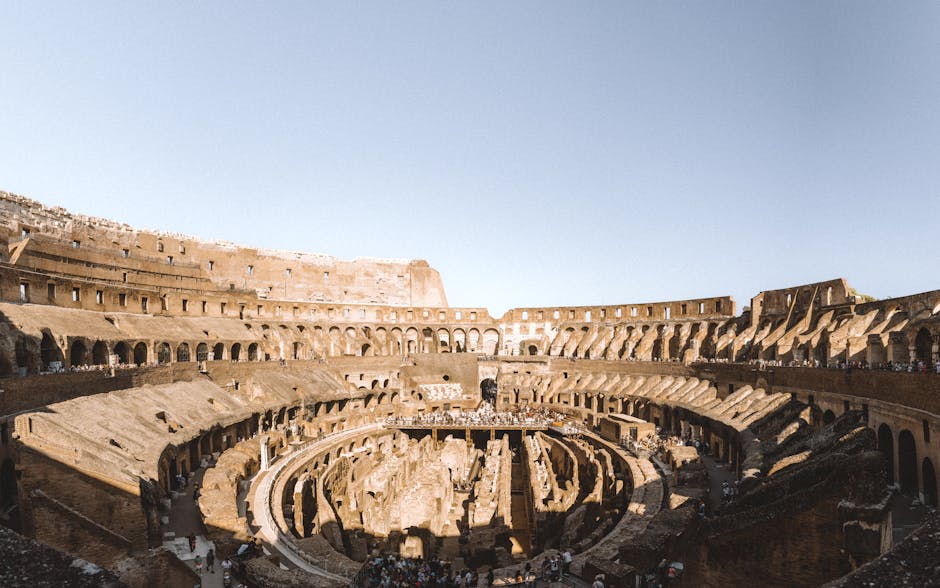
Walk the 'Queen of Roads.' Explore ancient catacombs, imperial villas, and historic basalt stones on this scenic self-guided Roman adventure.