Self-guided audio tour in Milan
Start Free on iPhone
Start free on iPhone to unlock this self-guided walking tour in Milan. Hear all the stories that make it amazing, walk at your own pace, and begin whenever you want.
Your Private Tour Guide
Milan is often synonymous with the Gothic Duomo and the Renaissance Sforza Castle, but a new skyline has risen to redefine the city's identity. This self-guided walk through the Porta Nuova district invites you to explore the intersection of cutting-edge design and sustainable urban living. Starting at the fashionable Corso Como, you will transition from the charm of historic Milan into the futuristic heart of Italy's financial capital. The route showcases how the city has transformed industrial brownfields into a masterclass of contemporary architecture. Along this neighborhood stroll, you will encounter the soaring Unicredit Tower and the award-winning Bosco Verticale, or Vertical Forest, which has become a global symbol of green architecture. This walking route is perfect for those who want to see a different side of Milan—one that looks toward the future without forgetting its roots. Photography enthusiasts will find endless inspiration in the glass reflections of Piazza Gae Aulenti and the organic textures of the Biblioteca degli Alberi park. Discover at your own pace how Milan has balanced density with nature. Whether you are interested in the engineering of the Lombardy Building or the monumental grandeur of Milano Centrale, this independent exploration offers a comprehensive view of Milan's vertical evolution. Start exploring with Zigway to uncover the stories behind these steel and glass giants. This audio walk provides the flexibility to linger at a cafe or stop for the perfect photo whenever you choose. Unlike a traditional walking tour Milan, this experience allows you to control the rhythm of your adventure through the city's most modern district. This route demonstrates that Milan is not just a museum of the past, but a living laboratory for the architecture of tomorrow.
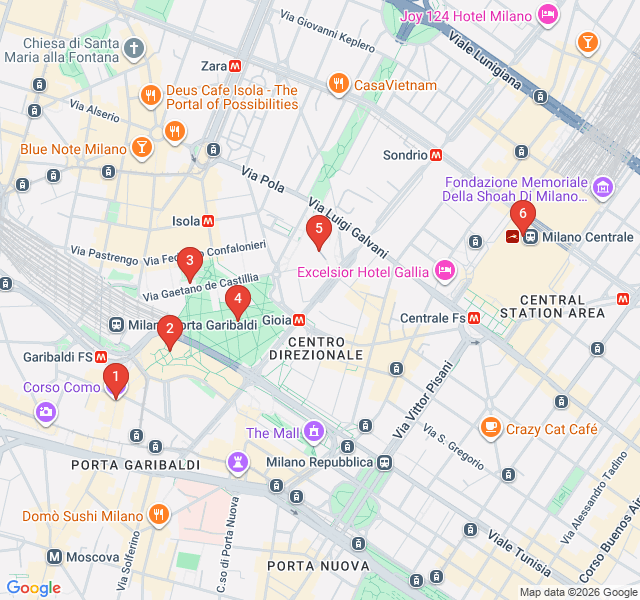
Numbers indicate the order of stops on the tour.
Begin your self-guided adventure on Corso Como, one of Milan’s most stylish pedestrian streets. Originally a traditional Milanese thoroughfare, it was transformed in the 1990s into a hub of fashion and design, largely thanks to the opening of 10 Corso Como by Carla Sozzani. As you walk, notice the blend of traditional 'case di ringhiera' (tenement houses with communal balconies) and high-end boutiques. This street serves as the gateway between the old city and the new Porta Nuova district. It is a place where Milan’s reputation for style is palpable. Observe the iron gates and hidden courtyards that house some of the world's most influential fashion galleries. This transition point perfectly illustrates Milan's ability to reinvent itself while maintaining its sophisticated flair.
Step into the future at Piazza Gae Aulenti, a circular podium raised six meters above street level. Designed by architect César Pelli and opened in 2012, this plaza is the heart of modern Milan. Look up at the Unicredit Tower, Italy's tallest building, recognizable by its distinctive spiraling spire. The square is designed to be a social hub, featuring solar-powered 'tree' sculptures and infinity fountains that reflect the surrounding glass giants. The circular shape of the piazza symbolizes the city’s continuity. Take a moment to capture the symmetry and reflections in the glass facades. This space has won numerous awards for urban regeneration, successfully turning a former industrial wasteland into a vibrant public square that feels both intimate and grand.
Face the Bosco Verticale, or Vertical Forest, a pair of residential towers that have redefined sustainable urban living. Designed by Stefano Boeri, these buildings host more than 800 trees, 4,500 shrubs, and 15,000 plants. This isn't just an aesthetic choice; the vegetation acts as a biological filter, absorbing CO2 and dust while regulating the internal temperature. The towers change appearance with the seasons—vibrant green in spring, lush in summer, and fiery red in autumn. This project has inspired similar 'forest' buildings worldwide, from China to the Netherlands. Notice how the balconies are specifically engineered to support the weight of mature trees. It is a stunning example of how nature can be integrated into high-density urban environments to improve biodiversity and resident well-being.
Explore the Biblioteca degli Alberi, which translates to the 'Library of Trees.' This contemporary botanical garden serves as the green lungs of the Porta Nuova district. Unlike traditional European parks with winding paths, BAM is designed with geometric 'rooms' of different plant species and intersecting pedestrian paths. It covers nearly 10 hectares and features over 100 species of trees. The park serves as a bridge, connecting the different architectural styles of the surrounding neighborhoods. As you wander through, you will find circular forests and meadows designed for relaxation and community events. It is the perfect vantage point for photographers, offering a clear view of the skyscrapers framed by wildflowers and birch trees. This space emphasizes the city's commitment to public green areas in its modern expansion.
Arrive at Palazzo Lombardia, the seat of the regional government. Completed in 2010, this complex is famous for its sinuous, curved glass facades that mimic the movement of the Lombardy landscape. The central covered piazza, Piazza Città di Lombardia, is the largest covered square in Europe and features a spectacular transparent roof. The building's design was a collaborative effort involving several international firms, aiming to create a transparent and accessible government hub. If you visit on specific open days, the 39th-floor Belvedere offers one of the best views of Milan and the Alps. Even from the ground, the interplay of light and shadow on the curved glass is a testament to modern engineering and the city's administrative ambition.
Conclude your walking route at Milano Centrale, one of Europe's most monumental railway stations. Opened in 1931, the station is a fascinating mix of styles, including Liberty, Art Deco, and the monumental Fascist architecture of the era. Its sheer scale was intended to project power and efficiency. Look up at the massive steel and glass vaults covering the platforms, which were once the largest in the world. The facade is decorated with sculptures of winged horses, lions, and Roman symbols. This building provides a stark, heavy contrast to the light glass structures you explored earlier in Porta Nuova. It serves as a reminder of Milan’s long-standing role as a vital European transit hub, blending the grand ambitions of the early 20th century with the bustling energy of modern travel.
Start Free on iPhone
Explore “Vertical Milan: From Skyscrapers to Vertical Forests” with your very own Private Tour Guide with Zigway. Start free on iPhone, skip the large group and the fixed routes, and hear the city come alive as you go.
Your Private Tour Guide
Don't miss the good stuff
Explore Freely
 Moderate
Milan, Italy
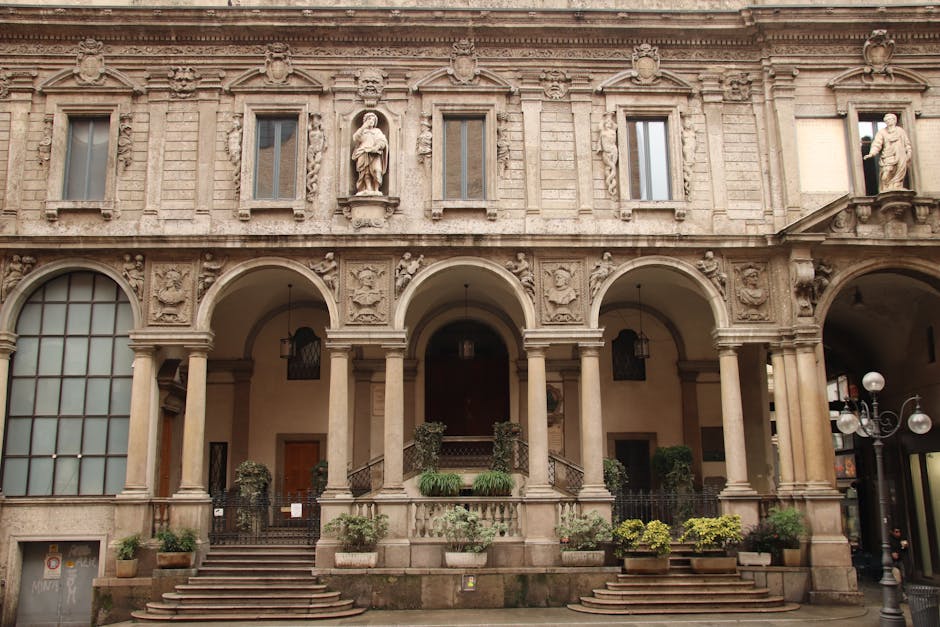
Uncover the hidden capital of the Western Roman Empire on this self-guided walk through Milan's ancient ruins and historic Cinque Vie district.
 Moderate
Milan, Italy
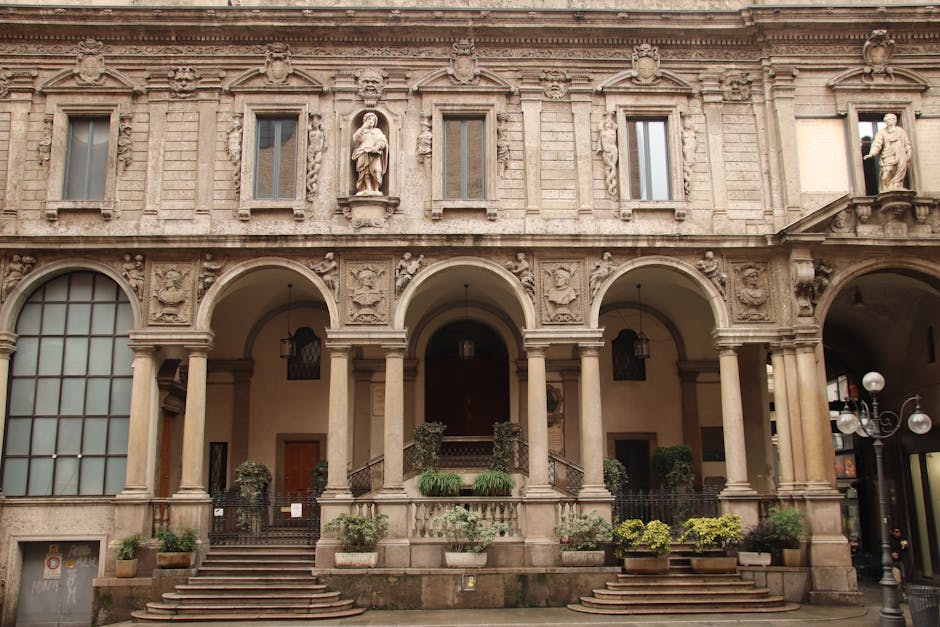
Uncover Milan's dark past on this self-guided walk through plague hospitals, execution grounds, and bone-lined chapels.
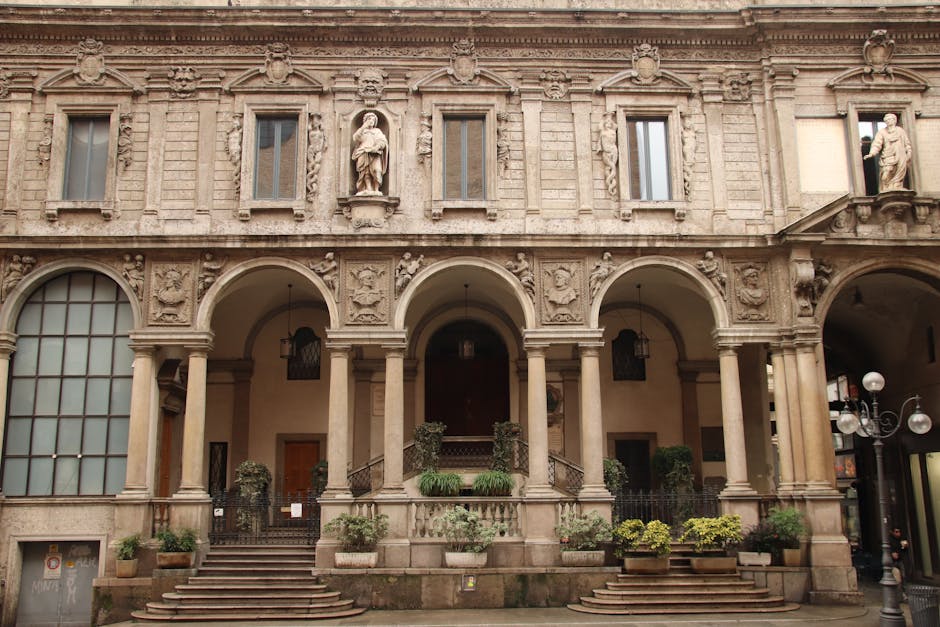 Moderate
Milan, Italy
Explore Milan's historic waterways and ancient basilicas on this self-guided stroll through the vibrant and historic Navigli district.
 Moderate
Milan, Italy
Explore Milan’s creative heart on this self-guided walk through Isola’s vibrant murals, modern architecture, and hidden industrial history.
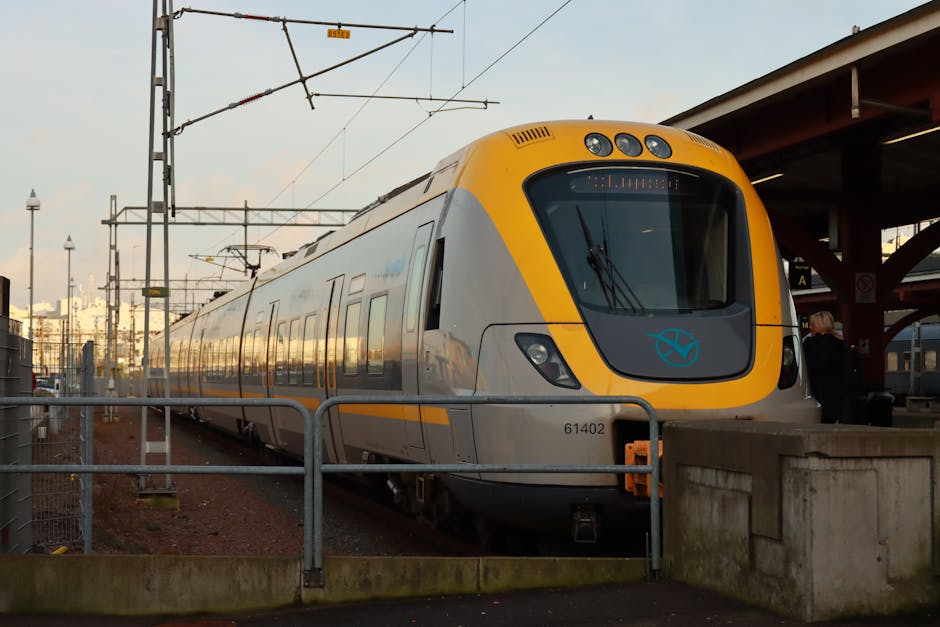 Easy
EasyGothenburg, Sweden
Discover Gothenburg’s 17th-century Dutch foundations, historic canals, and military fortifications on this self-guided architectural walk.
 Easy
EasyNairobi, Kenya
Discover Nairobi's iconic skyline on this self-guided architecture walk through the CBD’s most famous modernist and Brutalist landmarks.
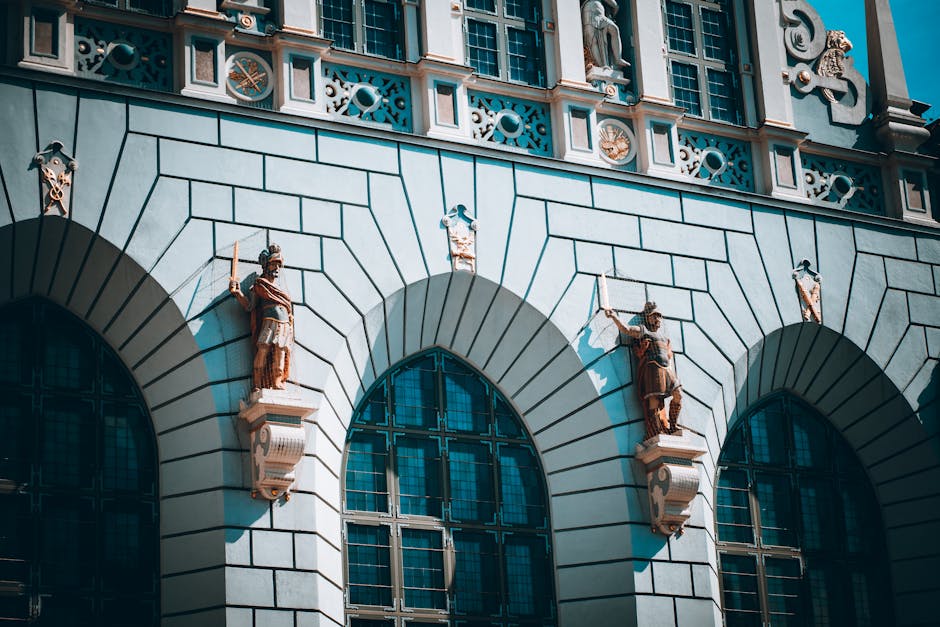 Easy
EasyGdansk, Poland
Discover the opulent Royal Way of Gdansk at your own pace. Explore Hanseatic history, gilded architecture, and the iconic Neptune's Fountain.
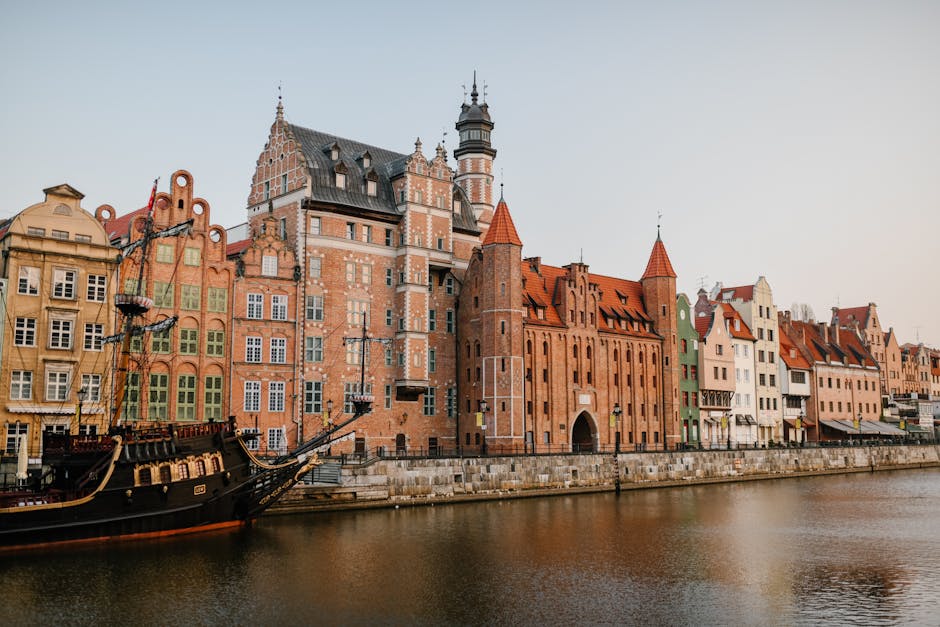 Easy
EasyGdansk, Poland
Discover the 'Baltic Gold' on this self-guided walk through Gdansk's historic mills, massive cathedrals, and the magical Mariacka Street.
 Easy
EasyRome, Italy
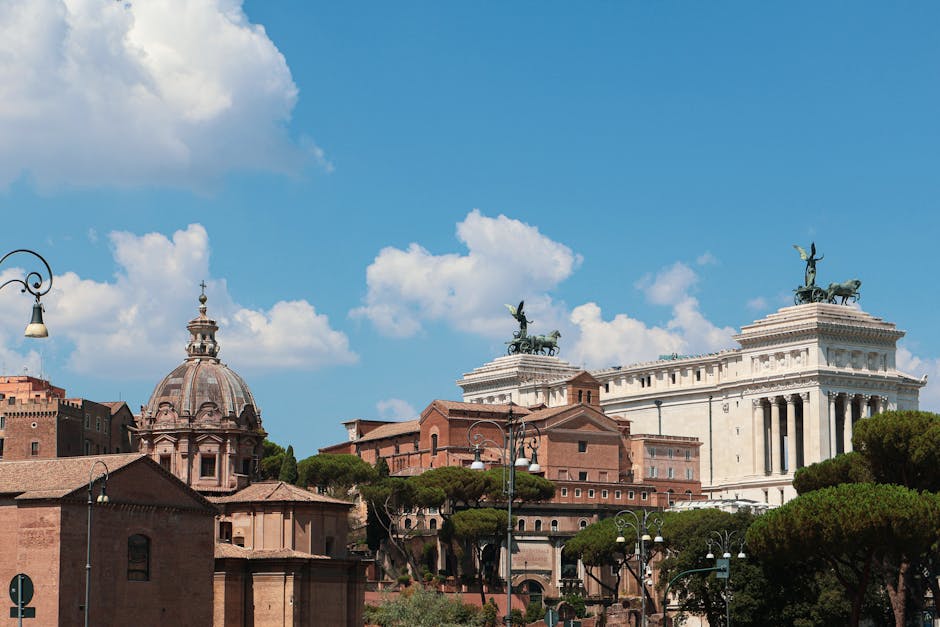
Explore Rome’s industrial heart on this self-guided walk featuring massive murals, the 'Iron Colosseum,' and unique industrial archaeology.
 Easy
EasyRome, Italy
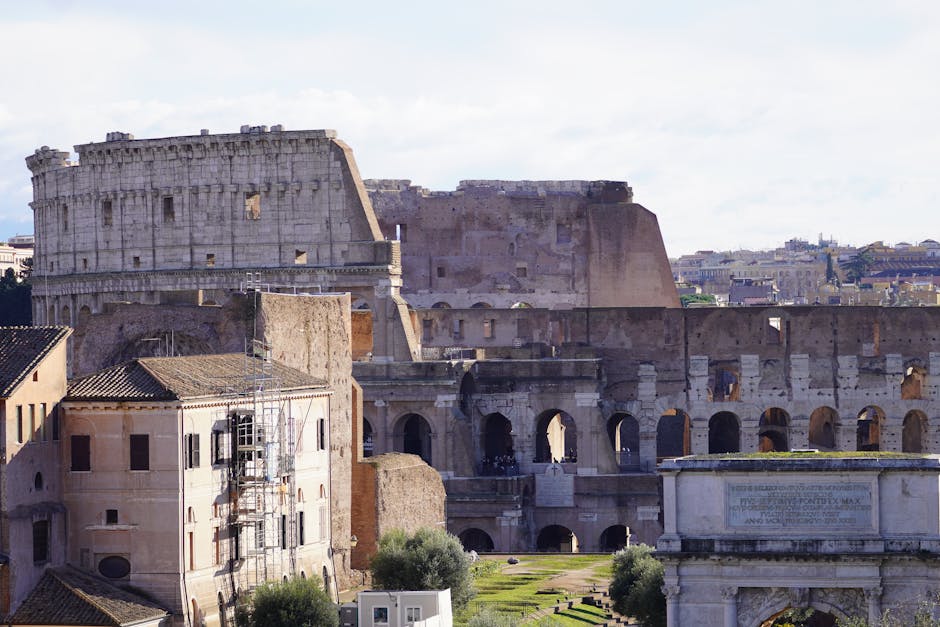
Explore Rome’s whimsical Fairytale District. A self-guided walk through Art Nouveau palaces, mythical fountains, and the magical Coppedè architecture.
 Moderate
Rome, Italy
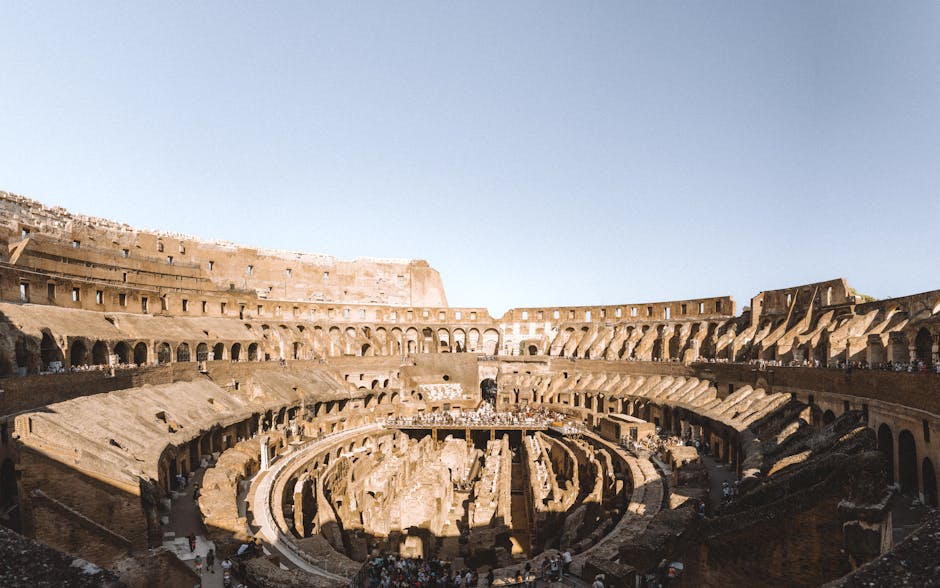
Uncover Rome's hidden history on this self-guided walk through ancient gladiator pits, subterranean temples, and buried Roman houses.
 Challenging
Rome, Italy
Walk the 'Queen of Roads.' Explore ancient catacombs, imperial villas, and historic basalt stones on this scenic self-guided Roman adventure.