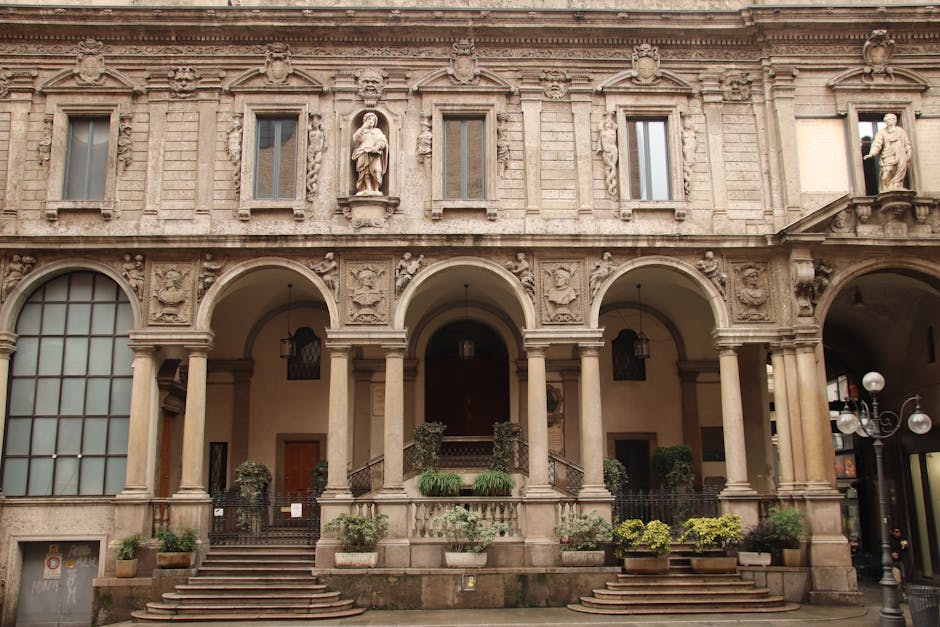
Self-guided audio tour in Milan
Start Free on iPhone
Start free on iPhone to unlock this self-guided walking tour in Milan. Hear all the stories that make it amazing, walk at your own pace, and begin whenever you want.
Your Private Tour Guide
Milan is often celebrated as the global capital of fashion and design, yet beneath its polished surface lies a labyrinth of dark history and architectural mysteries. This self-guided walk invites you to peel back the layers of the Centro Storico to uncover stories of the Inquisition, the devastating plague, and the spiritual rituals of the past. Unlike a traditional walking tour Milan visitors might encounter, this experience allows you to explore at your own pace, lingering in the shadows of ancient columns or the silent depths of medieval crypts. Your journey begins at the Cripta di San Sepolcro, the symbolic center of the city built over the ancient Roman Forum. From here, you will navigate toward the site of public executions in Piazza Vetra and the towering Roman ruins of Colonne di San Lorenzo. You will learn how the city's grandest hospital, the Ca' Granda, once stood as a frontline against the Black Death, and finally, you will stand within a room literally walled with human remains at San Bernardino alle Ossa. This walking route is a testament to Milan’s complex relationship with mortality and faith. It is designed for the curious traveler who seeks hidden gems—those quiet, evocative spots that reveal more about a city's soul than any flagship store ever could. Whether you are fascinated by the macabre history or simply want to see a side of the city that most tourists miss, this neighborhood stroll offers a compelling narrative of survival and remembrance. By exploring independently, you can truly absorb the atmosphere of these historic sites, making your visit to the Lombard capital truly unforgettable. The climax of this journey is the Santuario di San Bernardino alle Ossa, a site that defies conventional beauty. Here, thousands of bones are arranged in intricate, decorative patterns, creating a space that is both chilling and profoundly artistic. Along the way, you will also pass through vibrant squares that have transformed from sites of tragedy into centers of local life, offering a perfect balance between the somber history and the modern energy of Milan.
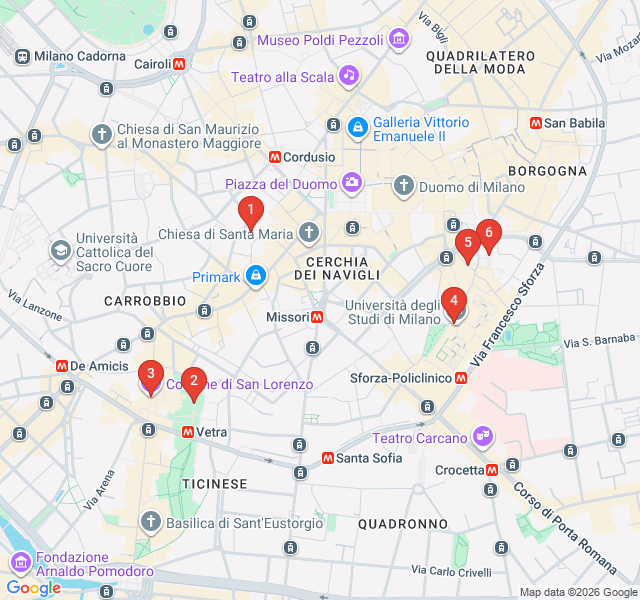
Numbers indicate the order of stops on the tour.
Begin your self-guided adventure at the Cripta di San Sepolcro. This underground treasure was described by Leonardo da Vinci as the 'true center' of Milan. Built in the 11th century, it sits directly atop the pavement of the ancient Roman Forum. As you look at the stones, you are seeing the very heart of Roman Mediolanum. For centuries, this was a place of deep devotion and burial. The atmosphere here is heavy with time, with faded frescoes and a layout that mimics the Holy Sepulchre in Jerusalem. It sets the stage for a journey into the city's spiritual and physical foundations.
Walking toward the Ticinese district, you arrive at Piazza Vetra. Today, it is a pleasant park, but for centuries, it was one of the most feared places in Milan. This was the site of public executions, particularly for those condemned by the Inquisition. The 'Vetraschi,' or tanners who worked nearby, would watch as those accused of witchcraft or heresy were led to the gallows or the stake. The ghost stories of the 'Witches of Vetra' still linger in local folklore, reminding us of a time when justice was a public and brutal spectacle.
These sixteen Corinthian columns are the most significant Roman ruins remaining in Milan. Transported here in the 4th century to front the Basilica of San Lorenzo, they have witnessed everything from imperial processions to the chaos of the plague. In the Middle Ages, this area was a gateway to the city's outskirts, often associated with the marginalized. Take a moment to appreciate the contrast between the ancient stone and the modern street art and vibrant nightlife that now defines this neighborhood. It is a perfect example of Milan's ability to layer the new atop the old.
Now housing the University of Milan, the Ca' Granda was once the Ospedale Maggiore, one of Europe's first and largest hospitals. Founded in the 15th century, it was designed to centralize medical care. During the Great Plague of 1630, this building became a place of both desperation and scientific endeavor. Thousands of victims were brought here, and beneath these courtyards lie the remains of many who did not survive the epidemic. The terracotta decorations and vast courtyards mask a history deeply intertwined with the city's most challenging medical crises.
This quiet square is home to the Basilica of Santo Stefano Maggiore. The history of this site is marked by political intrigue; it was here in 1476 that Galeazzo Maria Sforza, the Duke of Milan, was assassinated by three noblemen. The square serves as a threshold to the city's most famous ossuary. It has always been a place of transition—from the busy streets of the center to the solemnity of the bone church. Feel the shift in energy as you move away from the grand hospital toward the site of final rest.
Your walking route concludes at one of Milan's most extraordinary sites. When the nearby cemetery ran out of space in the 13th century, a chamber was built to house the bones. In the 1700s, the interior was decorated in the Rococo style, but with a twist: the walls are almost entirely covered in human skulls and bones, arranged in crosses and decorative motifs. It is a 'memento mori'—a reminder of mortality—that is both unsettling and strangely beautiful. Take your time to observe the intricate patterns and the quiet reverence of this unique sanctuary.
Start Free on iPhone
Explore “Skulls and Secrets: Milan’s Macabre History” with your very own Private Tour Guide with Zigway. Start free on iPhone, skip the large group and the fixed routes, and hear the city come alive as you go.
Your Private Tour Guide
Don't miss the good stuff
Explore Freely
 Moderate
Milan, Italy
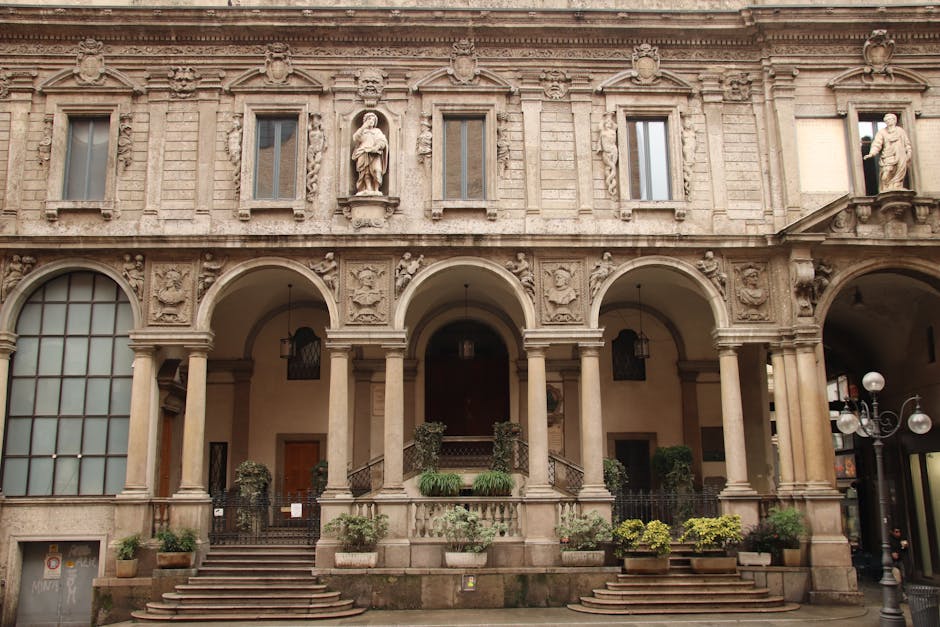
Uncover the hidden capital of the Western Roman Empire on this self-guided walk through Milan's ancient ruins and historic Cinque Vie district.
 Moderate
Milan, Italy
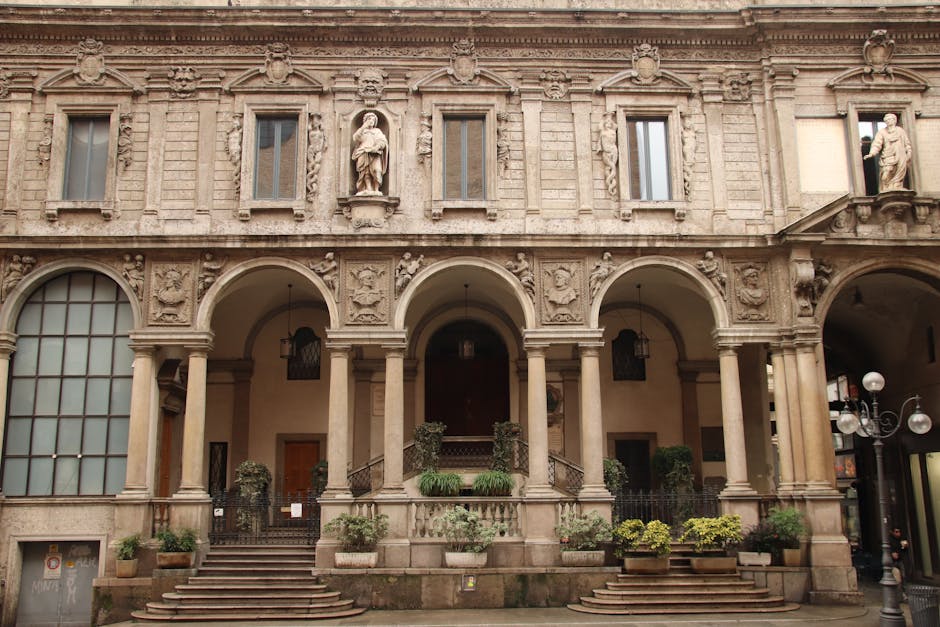
Explore Milan's historic waterways and ancient basilicas on this self-guided stroll through the vibrant and historic Navigli district.
 Moderate
Milan, Italy
Explore Milan’s creative heart on this self-guided walk through Isola’s vibrant murals, modern architecture, and hidden industrial history.
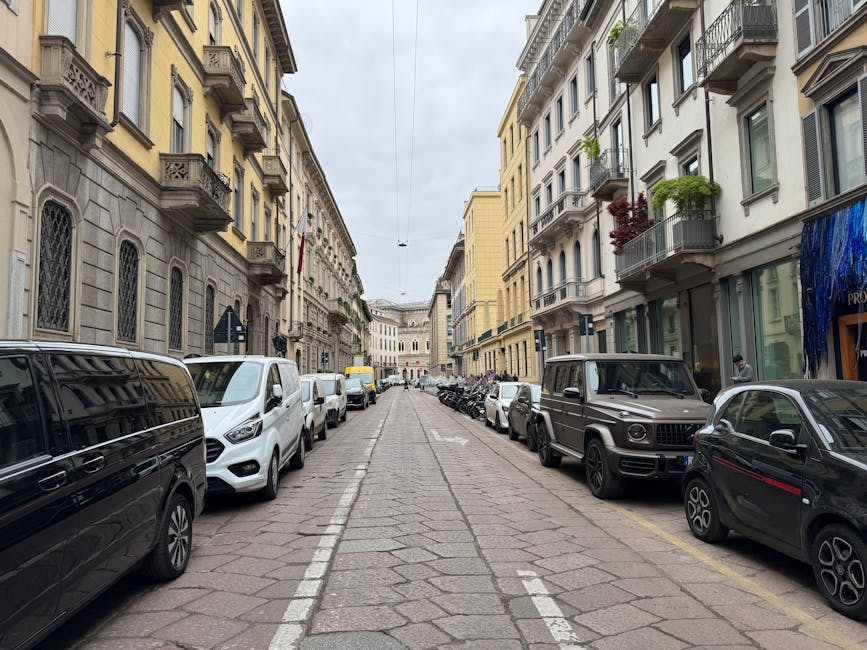 Moderate
Milan, Italy
Explore Milan's creative soul. Discover how industrial factories became world-class design hubs and fashion temples in the trendy Tortona district.
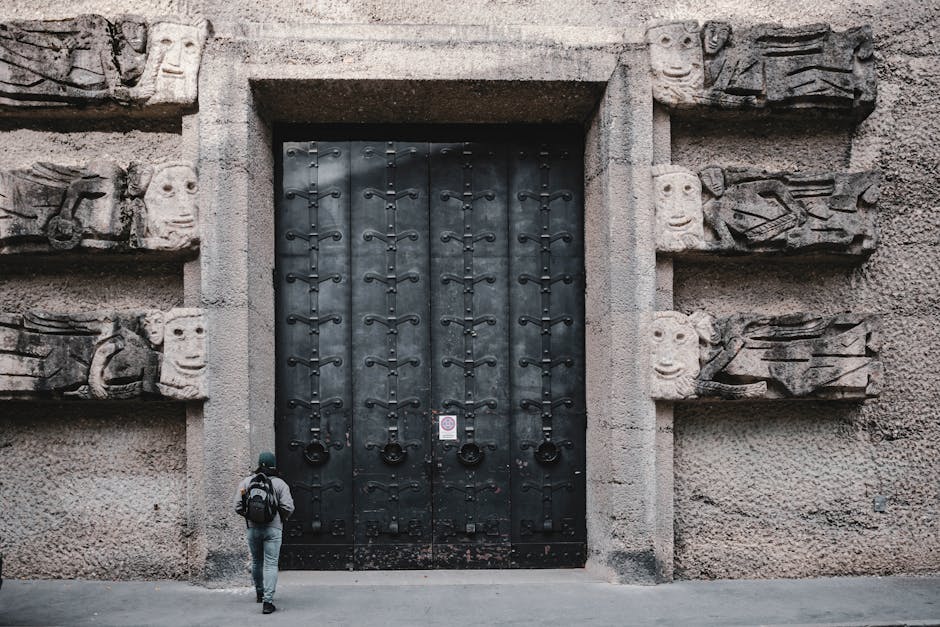 Easy
EasySalzburg, Austria
Discover Salzburg's oldest medieval alley, the birthplace of the 'Silent Night' author, and breathtaking views on this quiet self-guided walk.
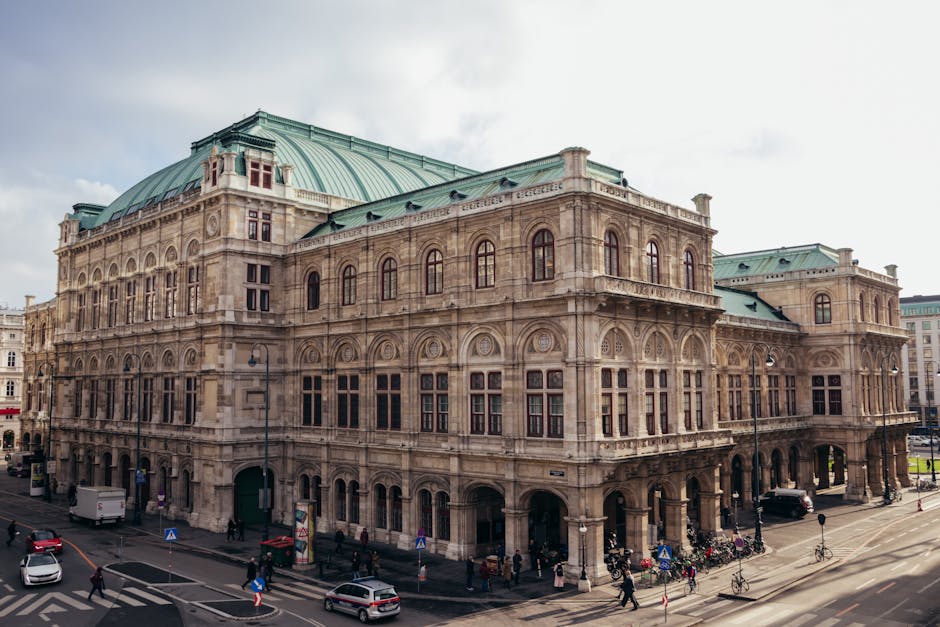 Moderate
Vienna, Austria
Discover the noir world of The Third Man and Cold War Vienna on this atmospheric self-guided audio walk through the historic Innere Stadt.
 Easy
EasyKrakow, Poland
Explore the prestigious Jagiellonian University district, featuring Neo-Gothic architecture, Baroque churches, and Krakow's hidden scholarly gems.
 Easy
EasyKrakow, Poland
Explore the historic heart of Kazimierz on this self-guided walk through synagogues, ancient cemeteries, and vibrant squares.
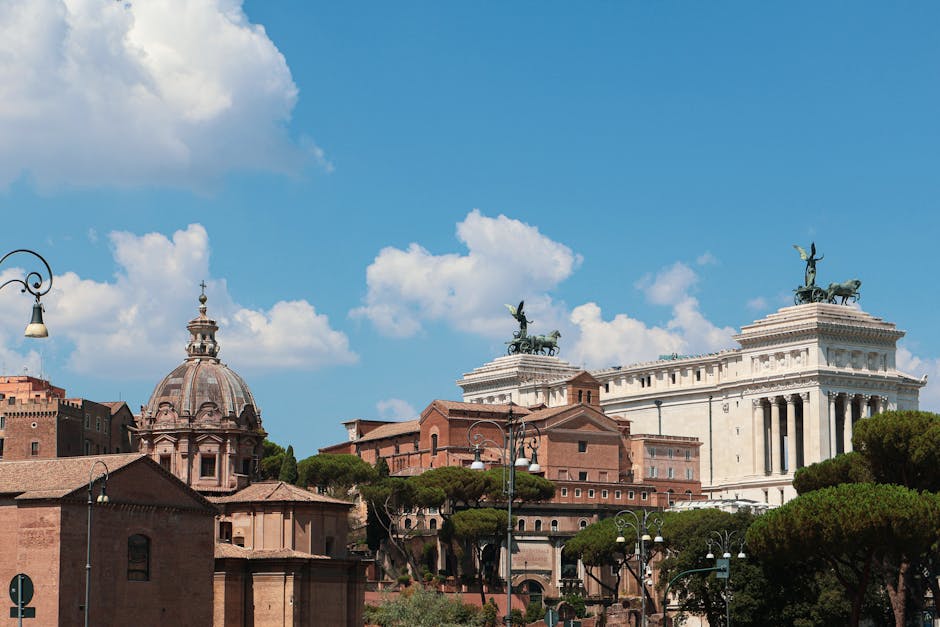 Easy
EasyRome, Italy
Explore Rome’s industrial heart on this self-guided walk featuring massive murals, the 'Iron Colosseum,' and unique industrial archaeology.
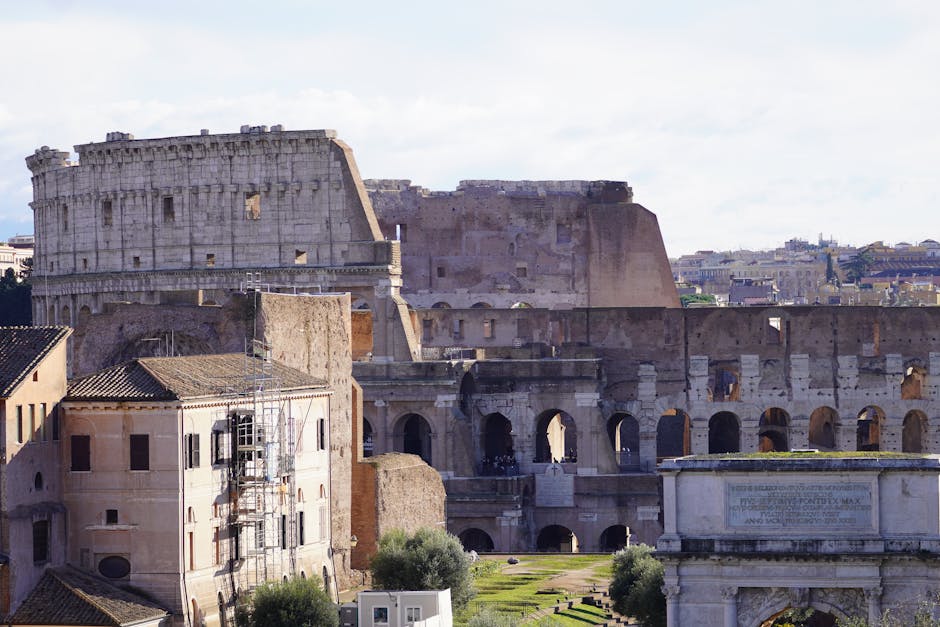 Easy
EasyRome, Italy
Explore Rome’s whimsical Fairytale District. A self-guided walk through Art Nouveau palaces, mythical fountains, and the magical Coppedè architecture.
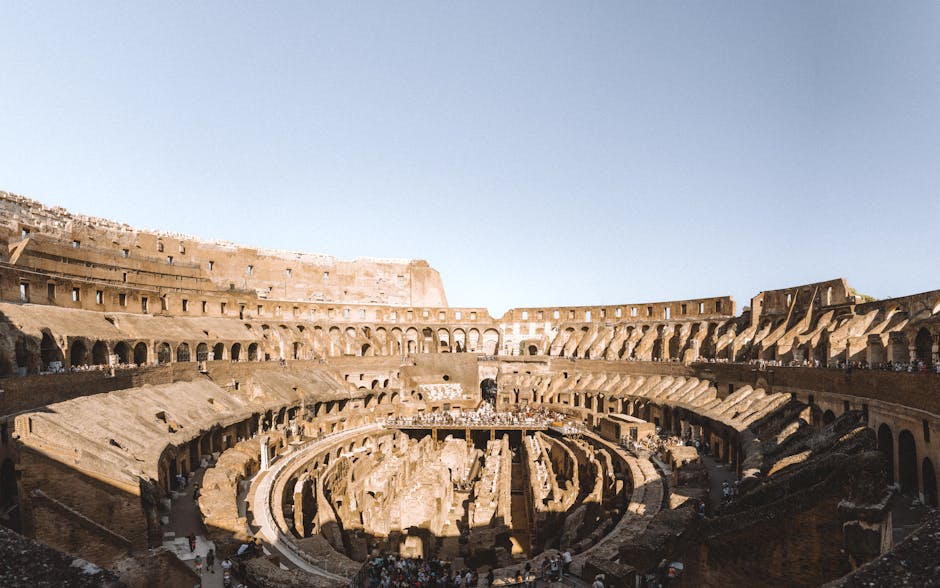 Moderate
Rome, Italy
Uncover Rome's hidden history on this self-guided walk through ancient gladiator pits, subterranean temples, and buried Roman houses.
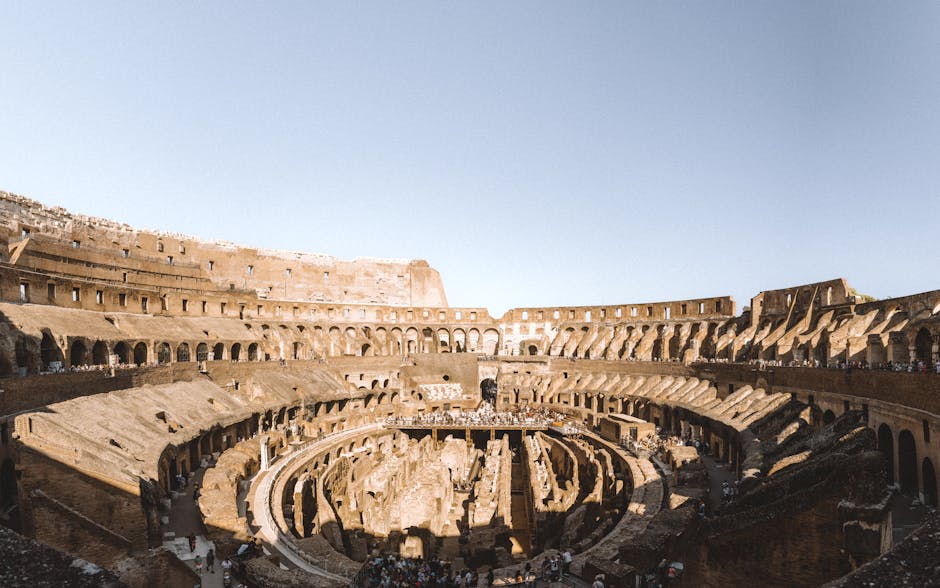 Challenging
Rome, Italy
Walk the 'Queen of Roads.' Explore ancient catacombs, imperial villas, and historic basalt stones on this scenic self-guided Roman adventure.