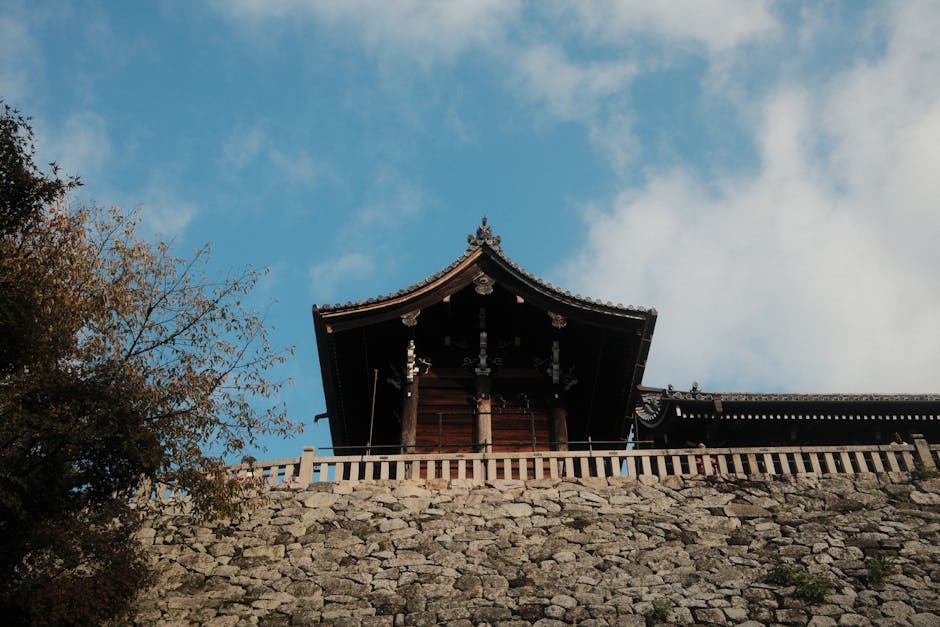
Self-guided audio tour in Kyoto
Start Free on iPhone
Start free on iPhone to unlock this self-guided walking tour in Kyoto. Hear all the stories that make it amazing, walk at your own pace, and begin whenever you want.
Your Private Tour Guide
Northern Kyoto serves as a living museum of Zen philosophy and aristocratic elegance. This self-guided walk takes you through a landscape where silence is sculpted into rock gardens and opulence is reflected in golden ponds. The route begins in the sprawling complex of Myōshin-ji, often described as a 'city of temples,' before winding through the tranquil sub-temples that reveal the intimate side of Japanese spirituality. You will encounter the world-famous rock garden of Ryōan-ji, a masterpiece of minimalism that has puzzled and inspired visitors for centuries. The journey continues to Ninna-ji, a site with deep imperial connections, and culminates at the iconic Kinkaku-ji, the Golden Pavilion. This neighborhood stroll offers a profound look at how different eras of Japanese history—from the power of the Ashikaga Shogunate to the quiet devotion of Zen monks—have shaped the physical environment. Along the way, you'll traverse the 'Kinake no Michi' or the Road of Silk and Tapestry, a path that connects these UNESCO World Heritage sites. This walking route Kyoto provides is more than just a sightseeing path; it is an invitation to slow down and observe the subtle details of garden design, from the raked gravel of dry landscapes to the seasonal shifts of moss and maple. Whether you are a first-time visitor or a repeat traveler, exploring these grounds independently allows you to absorb the meditative atmosphere at your own pace. This walking tour Kyoto provides a balance between the hidden gems of Taizō-in and the world-renowned shimmer of the Golden Pavilion, ensuring a comprehensive experience of the city's northern heritage.
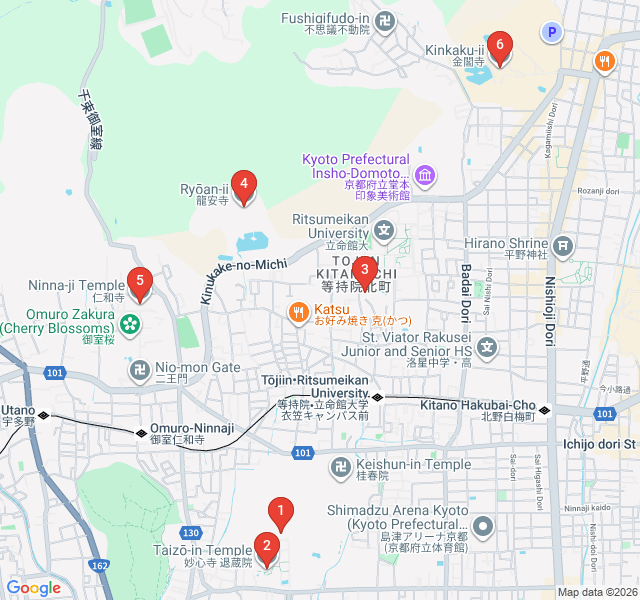
Numbers indicate the order of stops on the tour.
Welcome to Myōshin-ji, the head temple of the largest branch of Rinzai Zen Buddhism. Founded in 1337 on the site of a former imperial villa, this isn't just one temple but a massive complex of nearly 50 sub-temples. As you walk through the main gates, notice the 'shichido garan' or the seven-building layout, which is a classic feature of Zen architecture. One of the most famous features here is the 'Dragon in the Clouds' painted on the ceiling of the Hatto hall. It took the artist Kano Tanyu eight years to complete. Interestingly, the dragon appears to gaze directly at you no matter where you stand in the hall, a technique designed to remind monks that the Buddha's eyes are always upon them.
A short walk within the Myōshin-ji complex brings you to Taizō-in, one of the most significant sub-temples. It is home to the famous ink painting 'Catching a Catfish with a Gourd,' a Zen koan or riddle visualised by the priest-painter Josetsu. The temple's garden, the Yoko-en, is a 20th-century masterpiece that incorporates both a dry landscape and a pond garden. Notice the dualism here: the 'motonobu-no-niwa' garden uses evergreens to represent eternal life, while the seasonal flowers in other sections represent the fleeting nature of existence. It is a perfect spot to observe the Zen principle of finding beauty in simplicity.
Tōji-in is a hidden gem often overlooked by the crowds. It was established in 1341 by Ashikaga Takauji, the first shogun of the Ashikaga Shogunate. This temple serves as the mortuary temple for the Ashikaga family, and you can see statues of the various shoguns in the Reigendo hall. The garden here is split into two sections around a central pond shaped like the Chinese character for 'heart' or 'spirit.' This design was created by the legendary monk Muso Soseki. As you walk the perimeter, the changing perspectives of the pond and the tea house represent the fluid nature of the human soul in Zen thought.
Now you reach Ryōan-ji, home to arguably the most famous rock garden in the world. This UNESCO World Heritage site features 15 stones arranged in a bed of white raked gravel. The mystery lies in its composition: from any vantage point on the temple veranda, at least one stone is always hidden from view. It is said that only through achieving enlightenment can one see all 15 at once. The garden's origins and the identity of its designer remain a mystery, adding to its allure. Beyond the stones, take a moment to walk around the Kyoyochi Pond, which was once the highlight of the estate before the rock garden gained global fame.
Ninna-ji is unique among Kyoto's temples because of its deep ties to the Imperial family. Traditionally, a member of the Imperial family would serve as the head priest here. This royal influence is visible in the 'Goten' palace area, which features elegant sliding doors and corridors that mimic the style of an Imperial residence. The temple is also famous for its Omuro cherry trees, which bloom later than other varieties and are shorter in stature. Don't miss the five-story pagoda, which stands as a rare example of Edo-period architecture that survived the fires that claimed much of the rest of the city.
The route concludes at the spectacular Kinkaku-ji, or the Golden Pavilion. Originally built as a retirement villa for Shogun Ashikaga Yoshimitsu, it was converted into a Zen temple after his death. The top two floors are completely covered in pure gold leaf, reflecting brilliantly in the 'Mirror Pond' below. Each floor represents a different architectural style: the ground floor is Shinden-zukuri (palace style), the second is Bukke-zukuri (samurai style), and the top is Zen style. Though the current structure dates to 1955 after a tragic arson attack in 1950, it remains the definitive symbol of Kyoto’s historical wealth and aesthetic refinement.
Start Free on iPhone
Explore “Golden Pavilions and Rock Gardens” with your very own Private Tour Guide with Zigway. Start free on iPhone, skip the large group and the fixed routes, and hear the city come alive as you go.
Your Private Tour Guide
Don't miss the good stuff
Explore Freely
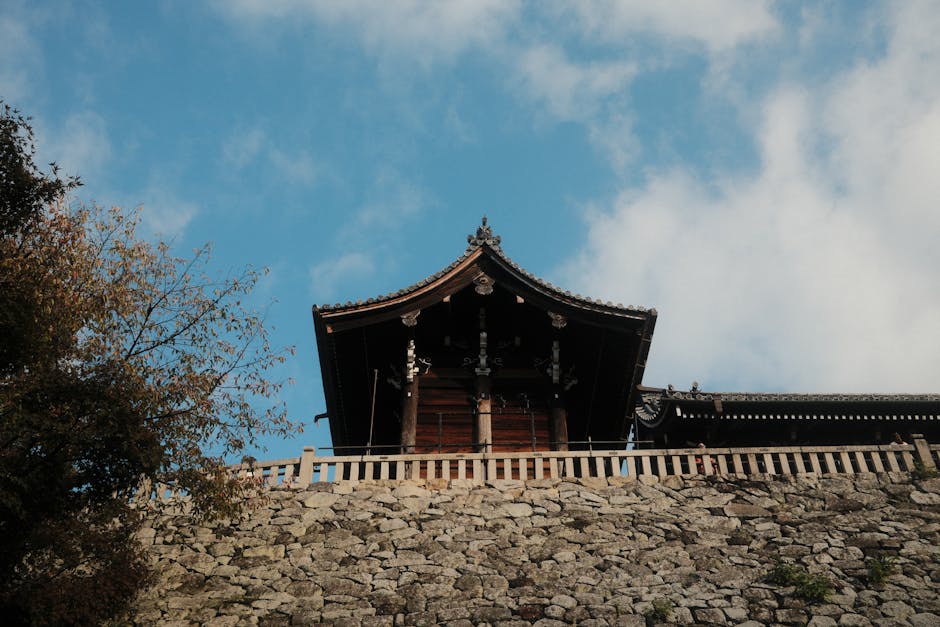 Moderate
Kyoto, Japan
Discover the soul of old Kyoto on this self-guided walk through preserved stone lanes, iconic pagodas, and the grand wooden stage of Kiyomizu-dera.
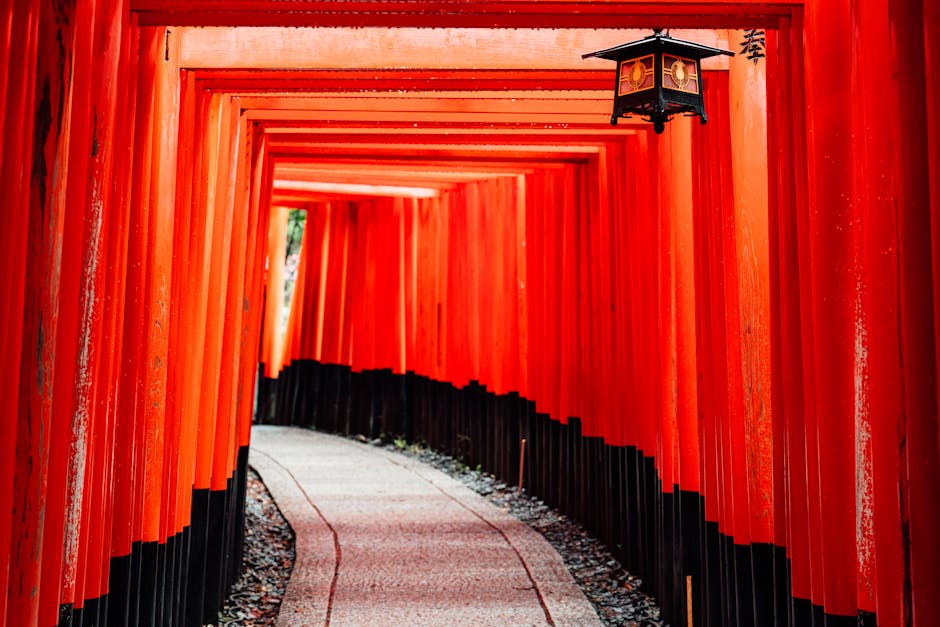 Challenging
Kyoto, Japan
Ascend the sacred Mount Inari through thousands of vermillion torii gates on this challenging and spiritual self-guided walk in Kyoto.
 Easy
EasyKyoto, Japan
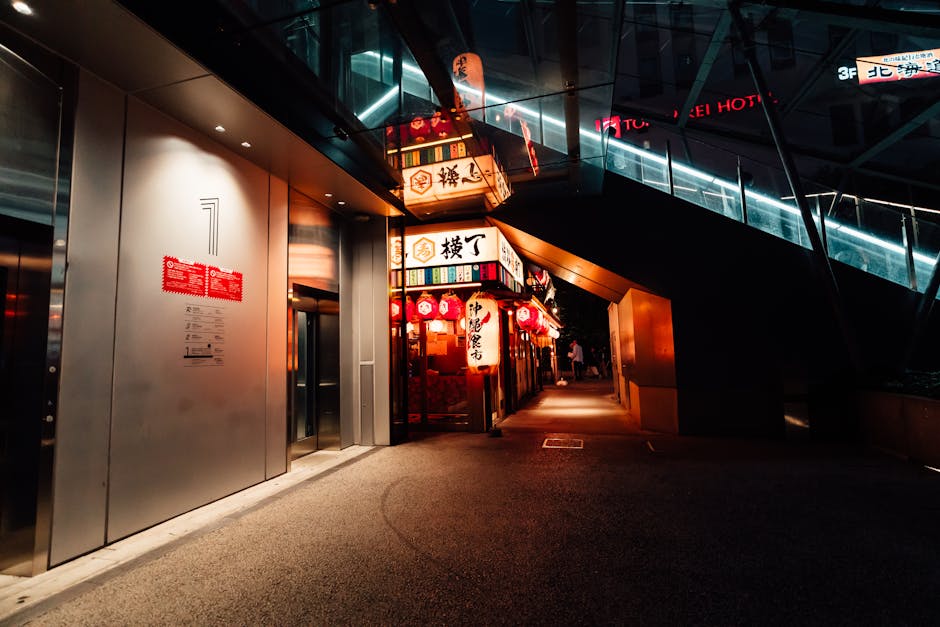
Explore Kyoto's most atmospheric alleyway. Discover geiko history, riverside dining, and hidden nightlife on this self-guided evening stroll.
 Moderate
Kyoto, Japan
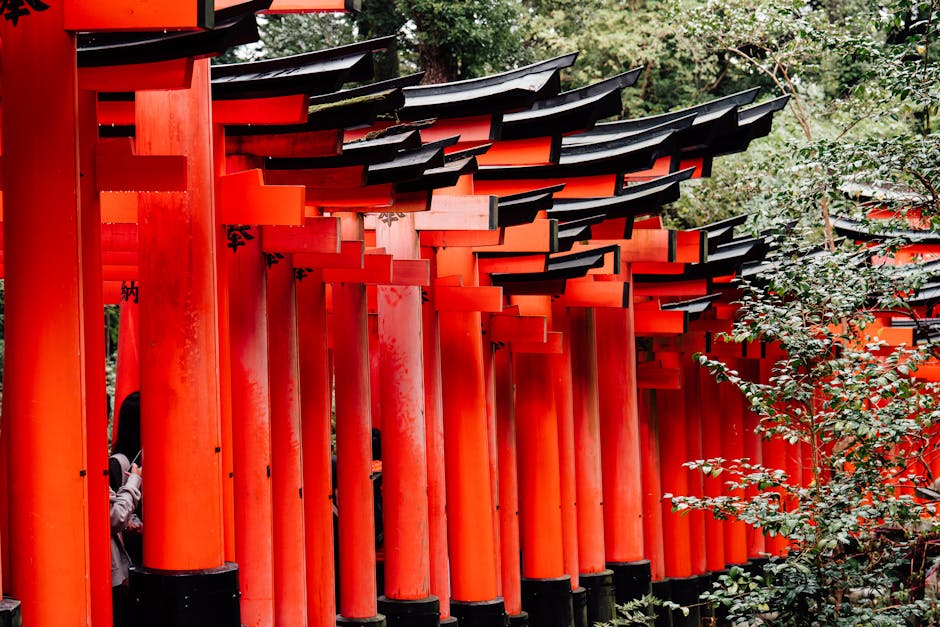
Experience a serene self-guided walk along Kyoto's iconic Philosopher's Path, visiting Zen temples, hidden shrines, and the stunning Silver Pavilion.
 Moderate
Vienna, Austria
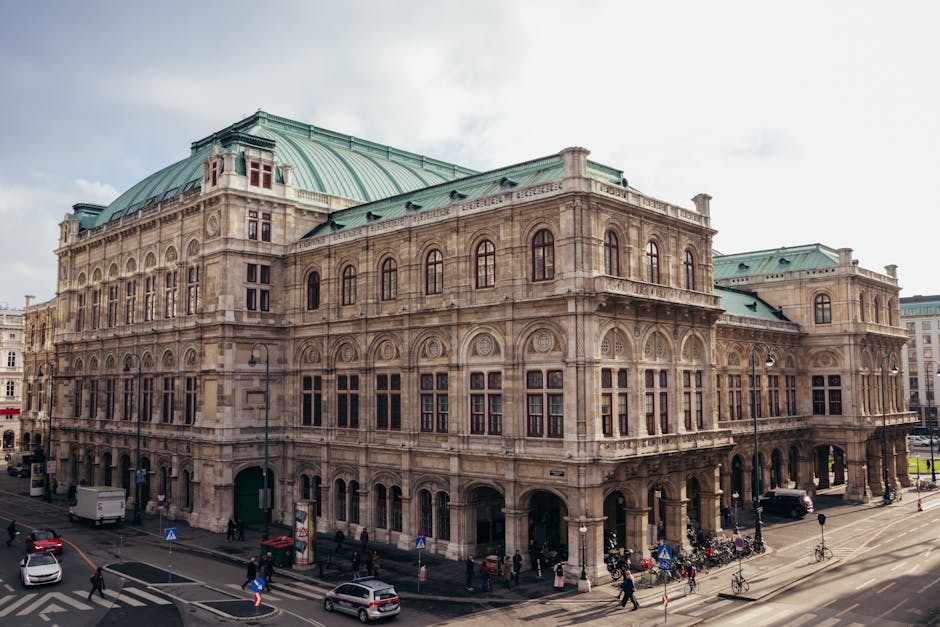
Follow the footsteps of Mozart and Strauss through Vienna’s historic center on this self-guided walk through the city's rich musical history.
 Easy
EasySalzburg, Austria
Discover the 'Rome of the North' on this self-guided walk through the Baroque squares and monumental legacy of Salzburg’s Prince-Archbishops.
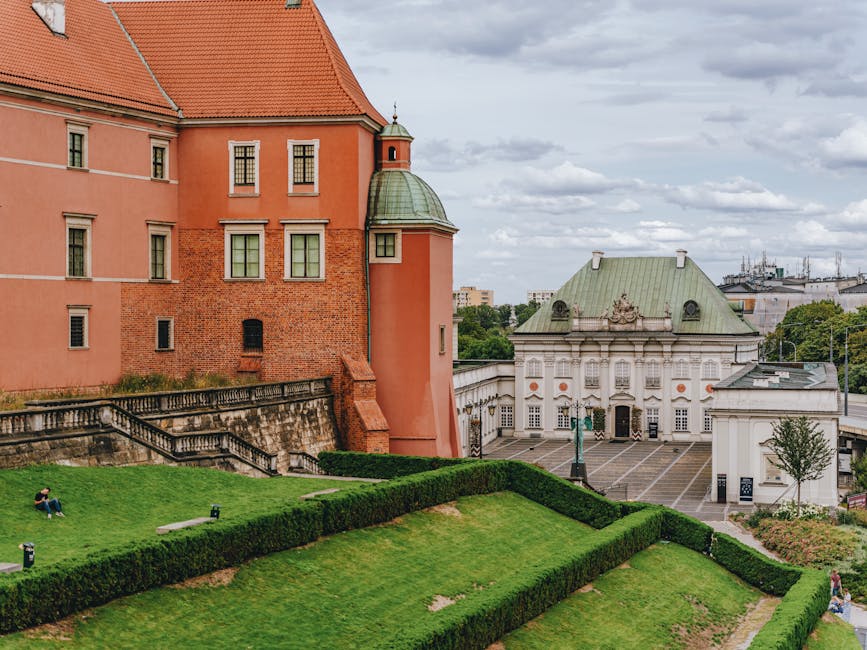 Moderate
Warsaw, Poland
Explore the resilient spirit of Warsaw's Muranów district on this self-guided walk through the history and landmarks of the former Jewish Ghetto.
 Moderate
Gothenburg, Sweden
Discover Gothenburg’s maritime soul on this self-guided walk from the historic Central Station to the scenic riverfront at Stenpiren.
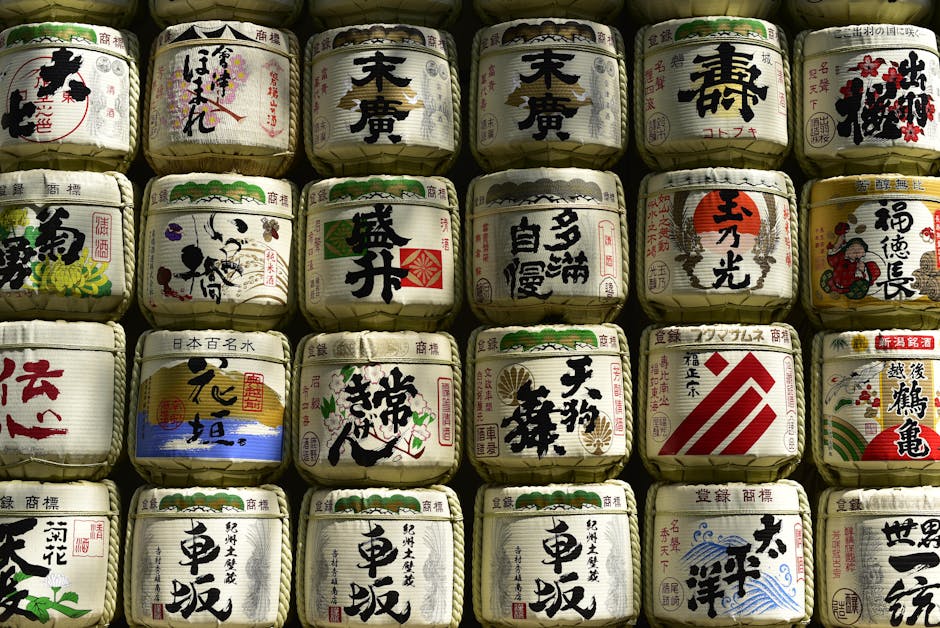 Moderate
Tokyo, Japan
Discover Tokyo's premier creative district on this self-guided walk through Roppongi’s world-class museums and striking modern architecture.
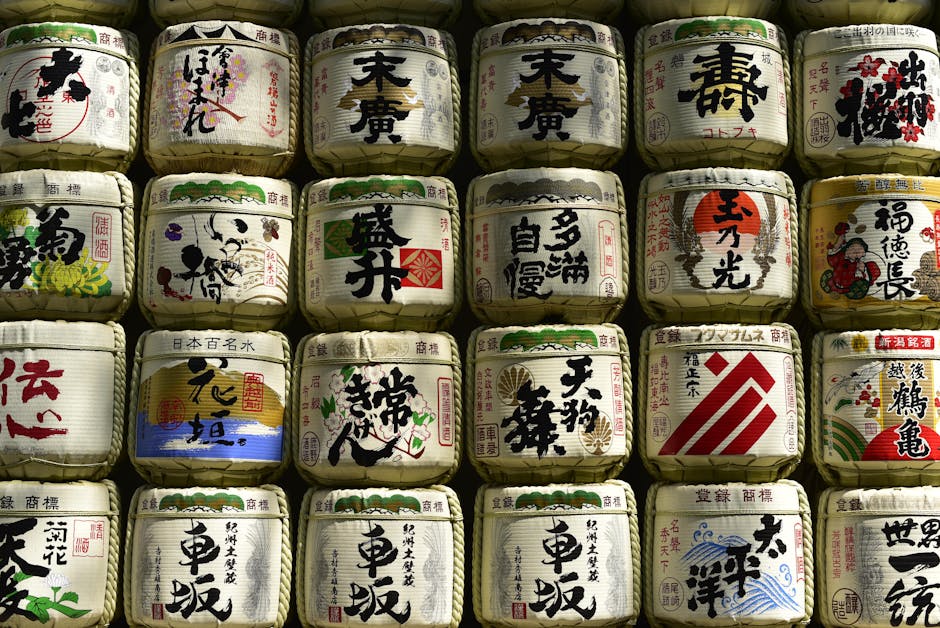 Easy
EasyTokyo, Japan
Discover the 'Old Tokyo' charm of Yanaka on this self-guided walk through historic temples, artisan alleys, and a stunning torii gate shrine.
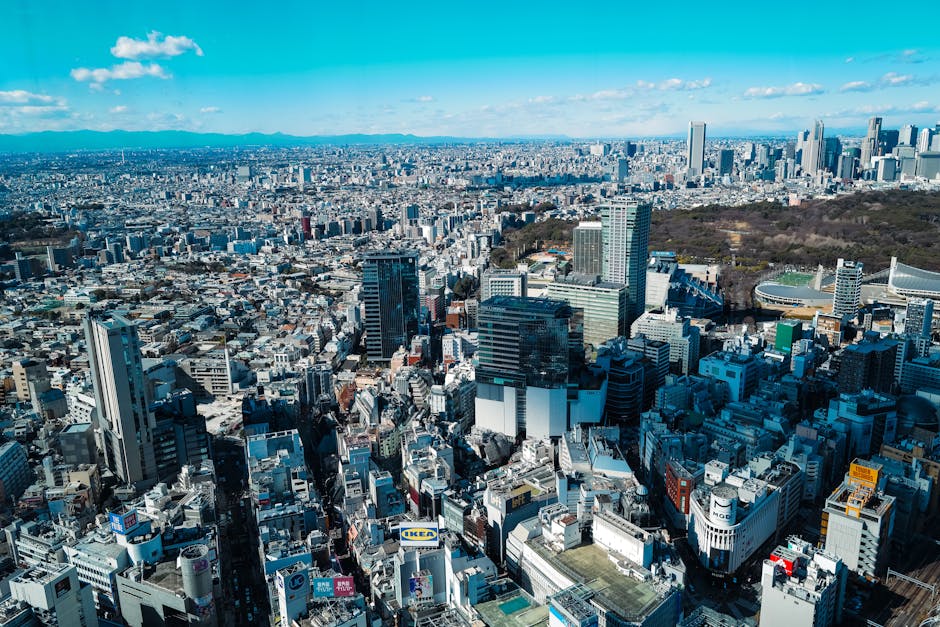 Easy
EasyTokyo, Japan
Experience Shibuya's electric energy on this self-guided walk from the iconic Scramble Crossing to the panoramic views of Shibuya Sky.
 Easy
EasyTokyo, Japan
Explore Tokyo's indie heart. From vintage fashion in Shimokitazawa to world-class art in Shinjuku, discover the city's creative soul independently.