Self-guided audio tour in Hiroshima
Start Free on iPhone
Start free on iPhone to unlock this self-guided walking tour in Hiroshima. Hear all the stories that make it amazing, walk at your own pace, and begin whenever you want.
Your Private Tour Guide
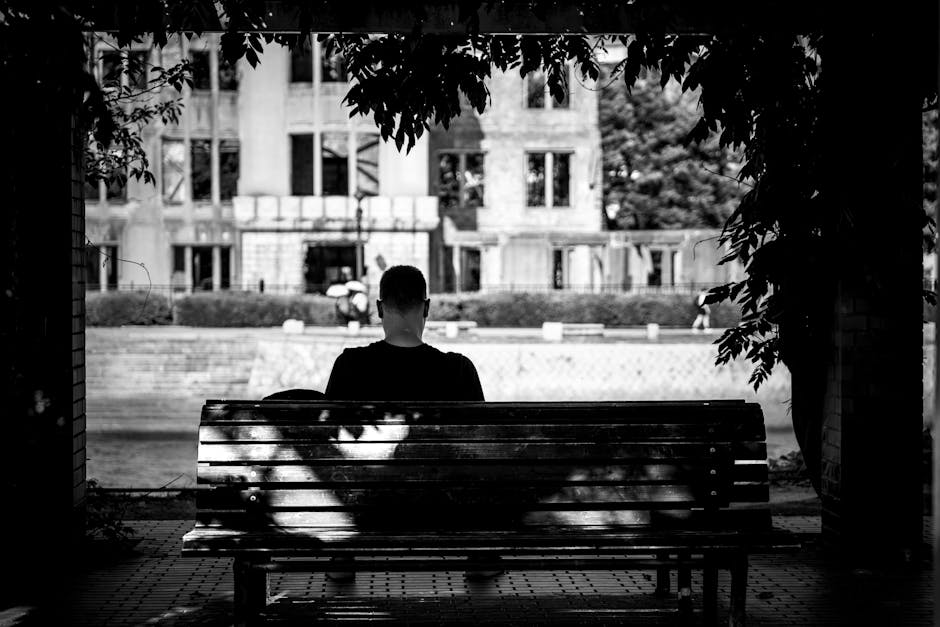
Discover a side of the City of Peace that often goes unnoticed by the casual traveler. This self-guided walk through Hiroshima explores the intersection of history, artisan craftsmanship, and modern design. While many come for the somber history, Hiroshima has reinvented itself as a hub of creativity, where traditional techniques meet contemporary aesthetics. On this neighborhood stroll, you will see how the city's resilience is expressed through its architecture, from the stark modernist lines of the Peace Memorial Museum to the playful, interactive spaces of the Orizuru Tower. The route leads you through the heart of the Hondori district, a vibrant center for local shopping and design, and out toward the lush museum district where fine art and industrial heritage collide. This is more than just a historical journey; it is a celebration of the makers and visionaries who have shaped the city's modern identity. Whether you are admiring the delicate folds of a paper crane or the sleek engineering of a Mazda engine, this walking route offers a deep dive into the creative soul of the region. As you explore independently, you will find that Hiroshima’s design language is one of hope and innovation. This walking tour Hiroshima experience allows you to witness the city's transformation from the ashes into a colorful, artistic metropolis. Discover hidden galleries, architectural gems, and the bustling energy of local markets at your own pace. **Note:** This area is known for its ever-changing character. Street art, pop-up venues, and temporary exhibitions may differ from what's described. That's part of the adventure - you might discover something entirely new!
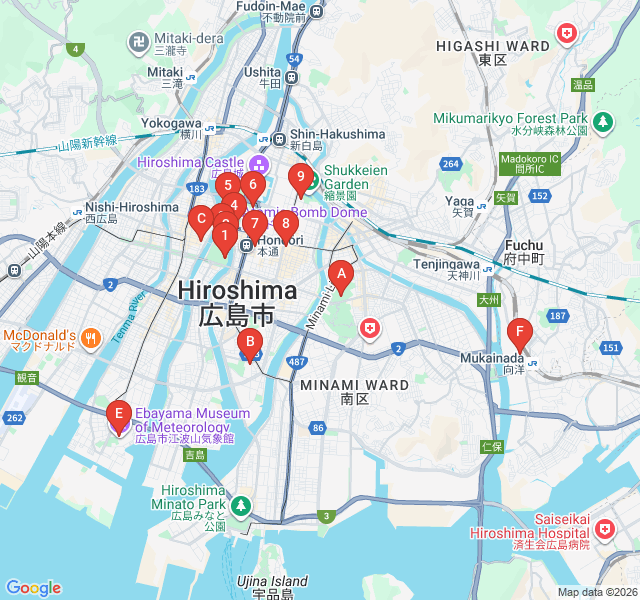
Numbers indicate the order of stops on the tour.
Begin your self-guided adventure at a site that defines the city's identity. Designed by the legendary architect Kenzo Tange, the Peace Memorial Museum is a masterpiece of Japanese modernism. Notice how the building is raised on pillars, creating a symbolic gateway and a vista that connects the past with the future. The design was intended to represent the human spirit rising above destruction. Inside, the exhibits tell a powerful story through objects and personal accounts, but the architecture itself serves as a silent witness to the message of peace. It is a profound starting point for a journey through the city's resilience.
Just a short distance away, this underground memorial offers a different architectural experience. Designed to be a space for reflection, the hall uses light and shadow to create a solemn, spiritual atmosphere. The circular basin at the center represents the time of the blast, while the walls are lined with a staggering number of tiles—each representing a victim. The minimalist design encourages quiet contemplation, focusing on the names and memories of those lost. It is a beautiful example of how architecture can be used to facilitate collective mourning and historical memory.
This monument is dedicated to Sadako Sasaki and the thousands of children affected by the atomic bomb. Sadako’s story of folding one thousand origami cranes has become a global symbol of hope. The design features a young girl holding a golden crane, standing atop a tripod structure. You will likely see thousands of colorful paper cranes donated from around the world. This stop highlights the intersection of traditional folk craft—origami—and its evolution into a powerful symbol of international peace and activism. It is a testament to the enduring power of simple, handcrafted gestures.
Adjacent to the Atomic Bomb Dome, the Orizuru Tower is a modern landmark that celebrates the city's future. The building's design features an open-air observation deck with stunning views of the Peace Park and the cityscape. One of the most interactive design elements is the Orizuru Wall, where you can fold your own paper crane and drop it into a massive glass atrium. The tower also houses a craft area and a specialized souvenir shop focusing on local Hiroshima products. It is a perfect blend of high-end architectural design and community engagement.
Heading north, we find a space dedicated to the next generation. This museum focuses on interactive learning through design and play. The building houses various hands-on exhibits that encourage children to explore the principles of science and culture. From the planetarium to the craft workshops, the space is designed to be accessible and engaging. It reflects the city's commitment to education and the belief that understanding our world through science and art is a key component of a peaceful society. It is a vibrant, family-friendly stop on our neighborhood stroll.
Set within a serene circular building inspired by the 'Atom Bomb Dome' but reimagined as a space for beauty, this museum houses an impressive collection of French Impressionist and modern Japanese art. The architecture provides a calm, light-filled environment that complements the masterpieces on the walls. As you explore independently, you will notice how the museum balances international influence with local sensibilities. The garden surrounding the museum is also a work of art in itself, providing a quiet escape from the urban energy of the surrounding city center.
Now, immerse yourself in the commercial heart of the city. Hondori is a bustling covered arcade that has been a center of trade for centuries. Today, it is a fascinating mix of traditional craft shops, modern fashion boutiques, and local eateries. Look for shops selling Kumano makeup brushes, high-quality denim from the nearby Bingo region, and intricate lacquerware. This street is where Hiroshima’s design culture is most accessible, reflecting the daily lives and tastes of its residents. It is a great place to observe the local hustle and find unique, handcrafted souvenirs.
In Japan, retail design is often an immersive experience in technology. Yamada Denki represents the ultra-modern side of Hiroshima’s shopping culture. This massive electronics department store is a temple to contemporary gadgetry and household innovation. While it might seem like a standard shop, the way products are displayed and the sheer scale of the retail environment provide insight into Japan's obsession with functional design and the latest technological advancements. It is a sharp contrast to the traditional crafts found earlier on the route, showcasing the city's diverse economic and creative landscape.
Located next to the beautiful Shukkeien Garden, this museum offers a deep dive into the art and crafts of the Hiroshima region. The collection includes everything from traditional ceramics and textiles to modern sculpture. The museum often hosts temporary exhibitions that highlight the work of local artisans, making it a dynamic place to see the current state of Japanese craft. The building's large windows offer glimpses of the historic garden next door, creating a dialogue between the curated art inside and the living landscape outside. Please note that exhibition themes change frequently.
Perched on Hijiyama Hill, this was the first public contemporary art museum in Japan. The building, designed by Kisho Kurokawa, is an architectural marvel that incorporates various materials to symbolize the layers of history. The museum focuses on art created after World War II, exploring themes of peace, identity, and social change. The outdoor sculpture garden allows you to enjoy world-class art while taking in panoramic views of the city. It is a vital space for understanding how modern artists respond to Hiroshima's unique historical context through provocative and innovative design.
This stop offers a unique look at public-interest design. The Health Science Museum is designed to educate visitors about the human body and health through interactive and visual displays. While it may seem specialized, the museum's layout and the way it presents complex biological information through design is quite fascinating. It reflects a very Japanese approach to public service—making information accessible, clean, and engaging for all ages. It is a quiet, informative stop that highlights a different facet of the city's civic planning and educational design.
As we move toward the western side of the city center, we find Kamon Hotel Seto, a prime example of modern hospitality design. This hotel blends traditional Japanese aesthetics with contemporary comfort. The use of local materials and motifs from the Seto Inland Sea region creates a sense of place that is both stylish and welcoming. Hotels like this are part of a new wave of design in Hiroshima that seeks to provide visitors with a deeper connection to the local culture through thoughtful interior architecture and curated guest experiences. It is a beautiful spot to appreciate modern Japanese minimalism.
This revitalized office building has become a trendy hub for Hiroshima's creative community. The Nekoyamachi Building houses a mix of shared office spaces, galleries, and a popular food hall. Its design preserves the mid-century charm of the original structure while adding modern, industrial-chic elements. It is a vibrant example of urban renewal, where old spaces are given new life to support local startups and artists. The atmosphere here is always buzzing, making it one of the best places to catch a glimpse of Hiroshima’s contemporary lifestyle and the people driving its creative future.
Housed in a beautiful Art Deco building that survived the atomic blast, this museum was once the city’s meteorological station. The architecture is a rare example of early 20th-century design in Hiroshima. Inside, you can learn about weather patterns and the history of the building itself, which still bears the scars of the blast. The museum sits atop a hill, offering a peaceful environment and a unique perspective on the city’s geography. It is a wonderful blend of scientific history and architectural preservation, standing as a sturdy reminder of the city's endurance and its commitment to science.
Our final stop takes us into the world of industrial design. Mazda is one of Hiroshima’s most famous global exports, and this museum is a tribute to the company’s engineering heritage and 'Kodo' design philosophy. You can see vintage models, learn about the rotary engine, and even view the assembly line. The museum showcases how industrial design is a form of high-level craft, requiring precision, innovation, and a deep understanding of human movement. It is a fitting end to our walk, highlighting how Hiroshima’s spirit of craftsmanship extends from the delicate paper crane to the powerful automobile.
Start Free on iPhone
Explore “Artisans of the City: Hiroshima Craft and Design” with your very own Private Tour Guide with Zigway. Start free on iPhone, skip the large group and the fixed routes, and hear the city come alive as you go.
Your Private Tour Guide
Don't miss the good stuff
Explore Freely
 Moderate
Hiroshima, Japan
Discover Hiroshima's samurai history on this self-guided walk through Shukkeien Garden, the historic Hiroshima Castle, and serene Moto-machi parks.
 Easy
EasyHiroshima, Japan
Explore Hiroshima's maritime heritage on this scenic self-guided walk from historic red-brick museums to the peaceful Ujina Lighthouse.
 Easy
EasyHiroshima, Japan
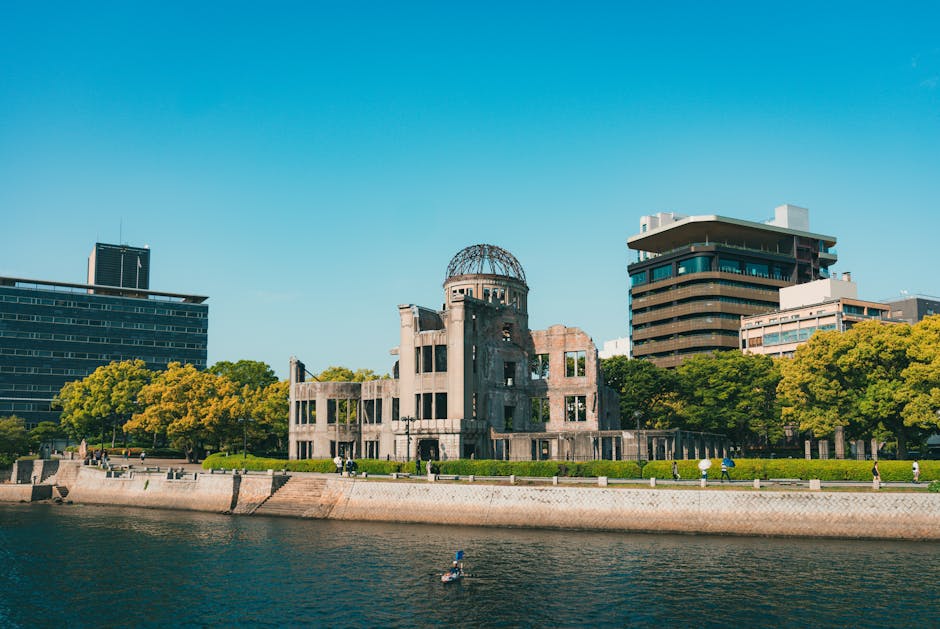
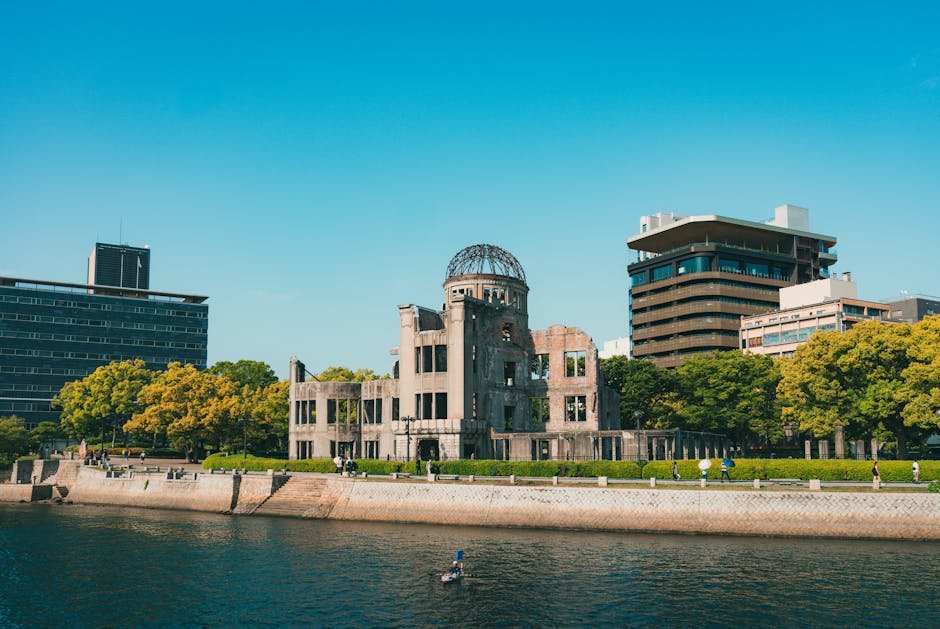
Discover Hiroshima’s architectural evolution from pre-war survivors to visionary modernist masterpieces on this self-guided walking route.
 Easy
EasyHiroshima, Japan
Explore Hiroshima's electric Nagarekawa district. A self-guided walk through neon alleys, savory street food, and hidden local culture.
 Easy
EasyKrakow, Poland
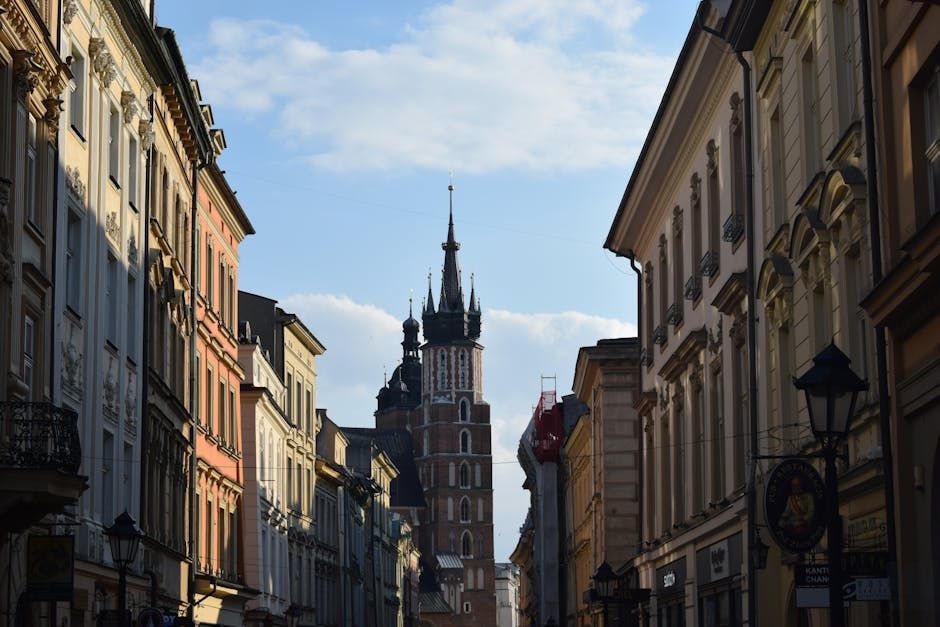
Savor the soul of Krakow on this self-guided walk through historic markets, bohemian cafes, and the city's best pierogi spots.
 Easy
EasyGdansk, Poland
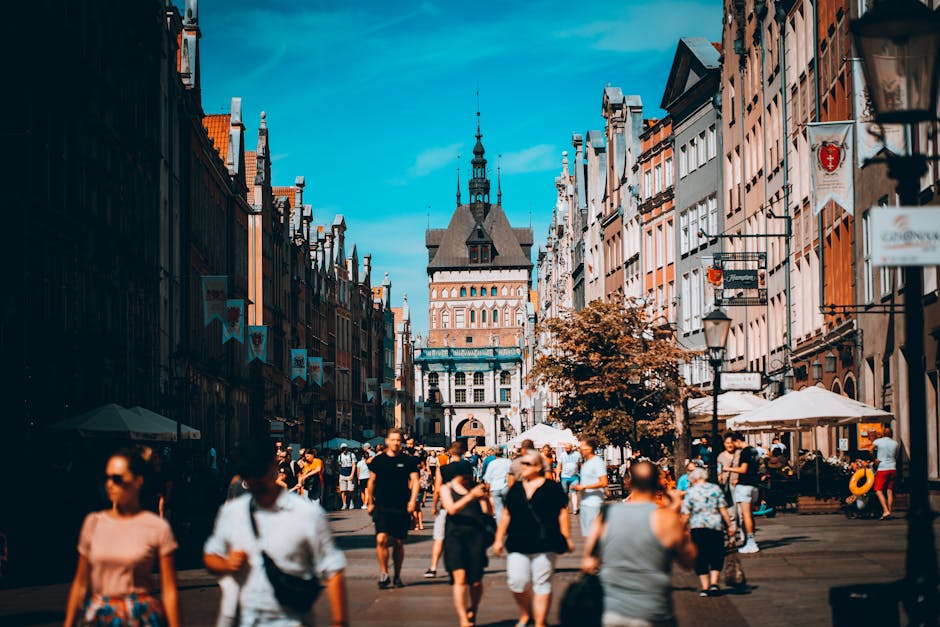
Taste the history of the Baltic. Explore Gdansk's culinary heritage from medieval markets to gold-flecked liqueurs on this self-guided walk.
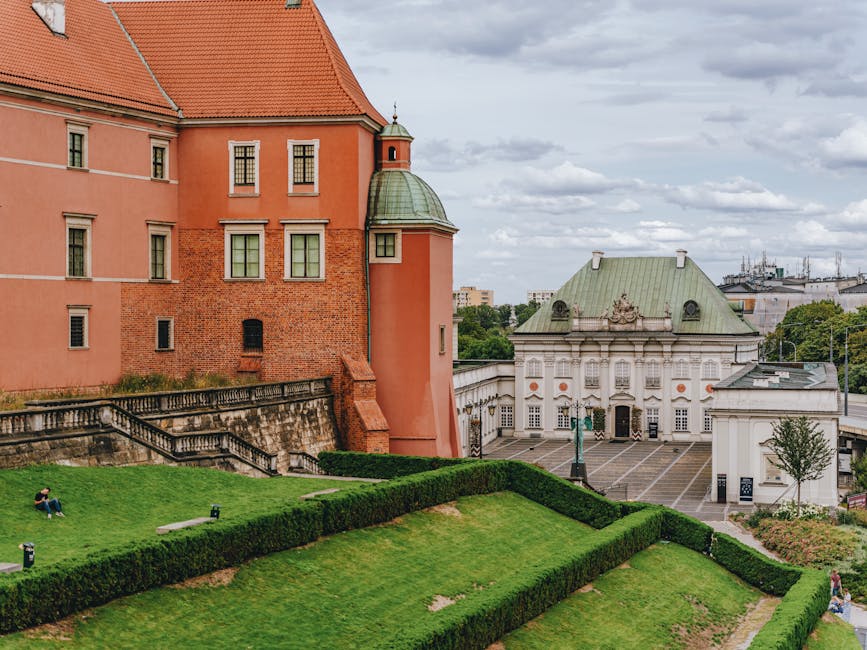 Moderate
Warsaw, Poland
Explore the resilient spirit of Warsaw's Muranów district on this self-guided walk through the history and landmarks of the former Jewish Ghetto.
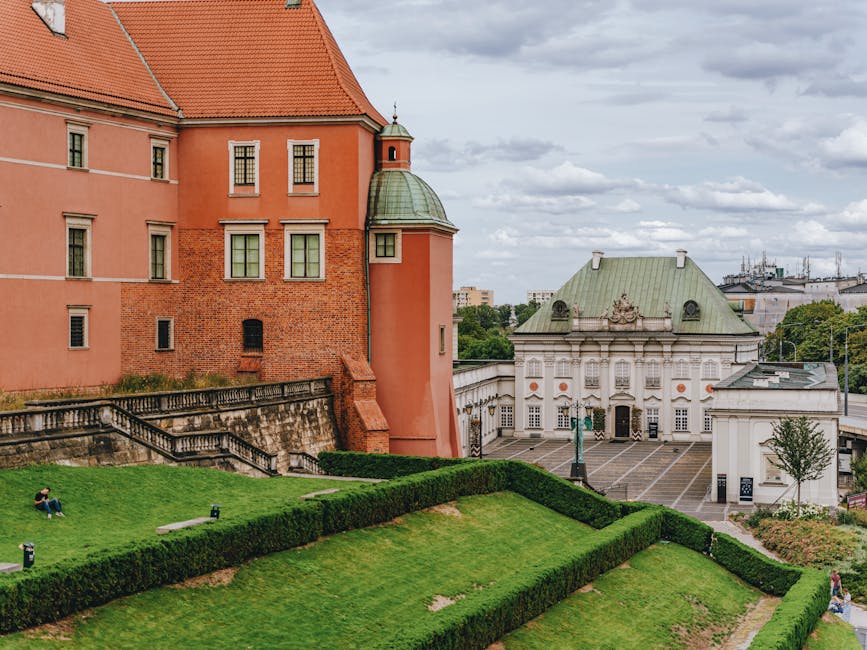 Moderate
Warsaw, Poland
A powerful self-guided walk through Warsaw's WWII history, tracking the 1944 Uprising from ruined skyscrapers to solemn memorials.
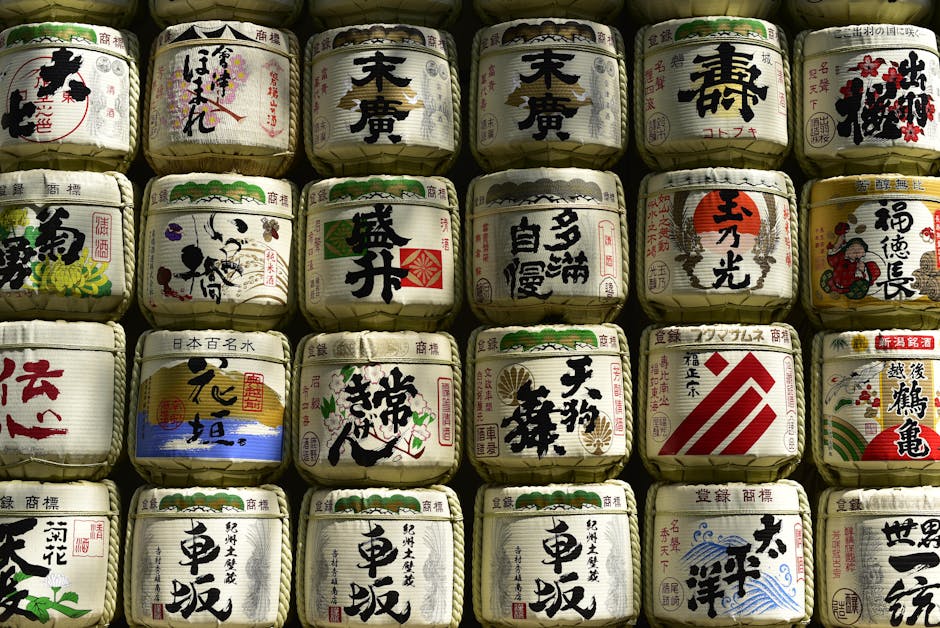 Moderate
Tokyo, Japan
Discover Tokyo's premier creative district on this self-guided walk through Roppongi’s world-class museums and striking modern architecture.
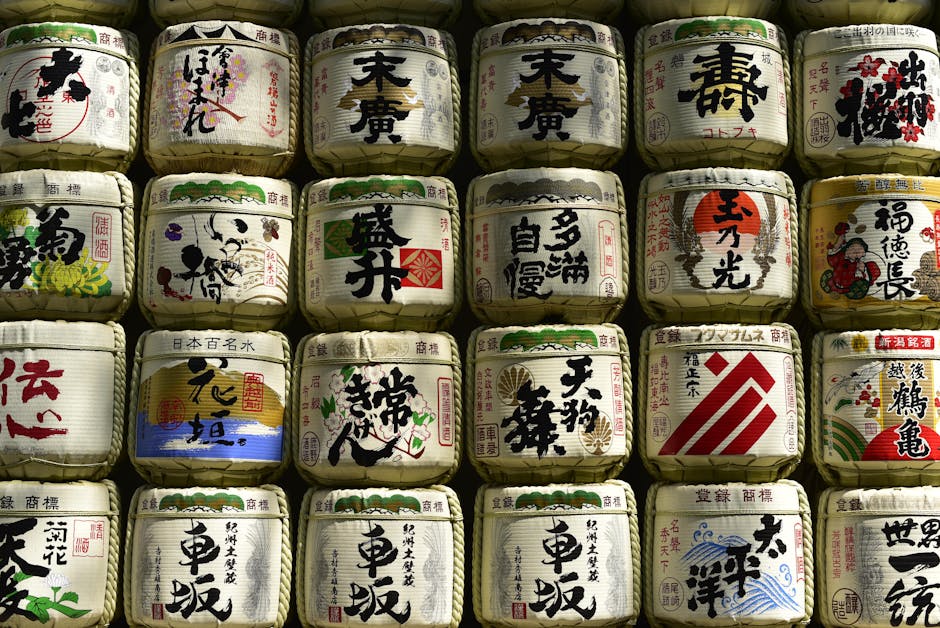 Easy
EasyTokyo, Japan
Discover the 'Old Tokyo' charm of Yanaka on this self-guided walk through historic temples, artisan alleys, and a stunning torii gate shrine.
 Easy
EasyTokyo, Japan
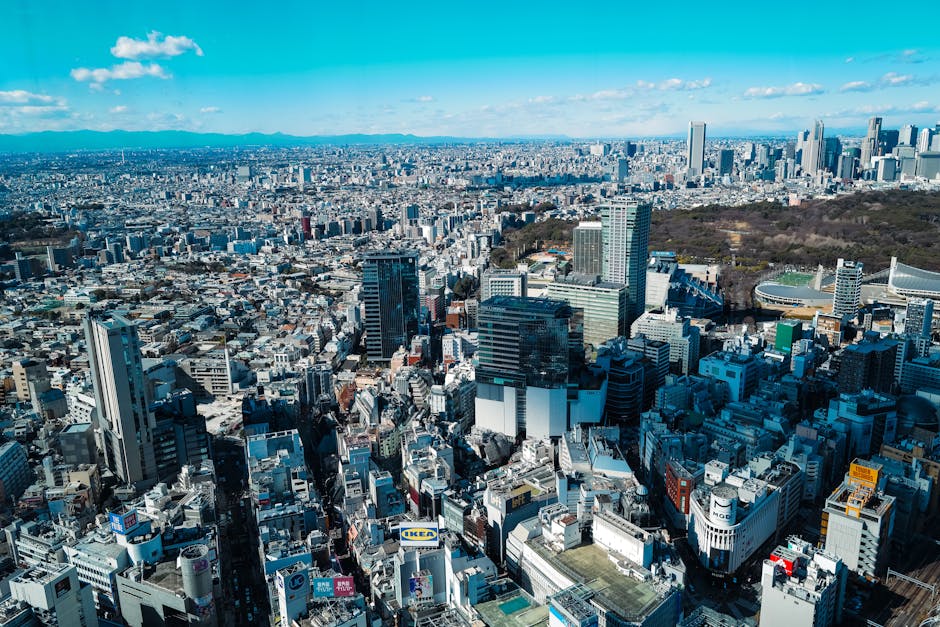
Experience Shibuya's electric energy on this self-guided walk from the iconic Scramble Crossing to the panoramic views of Shibuya Sky.
 Easy
EasyTokyo, Japan
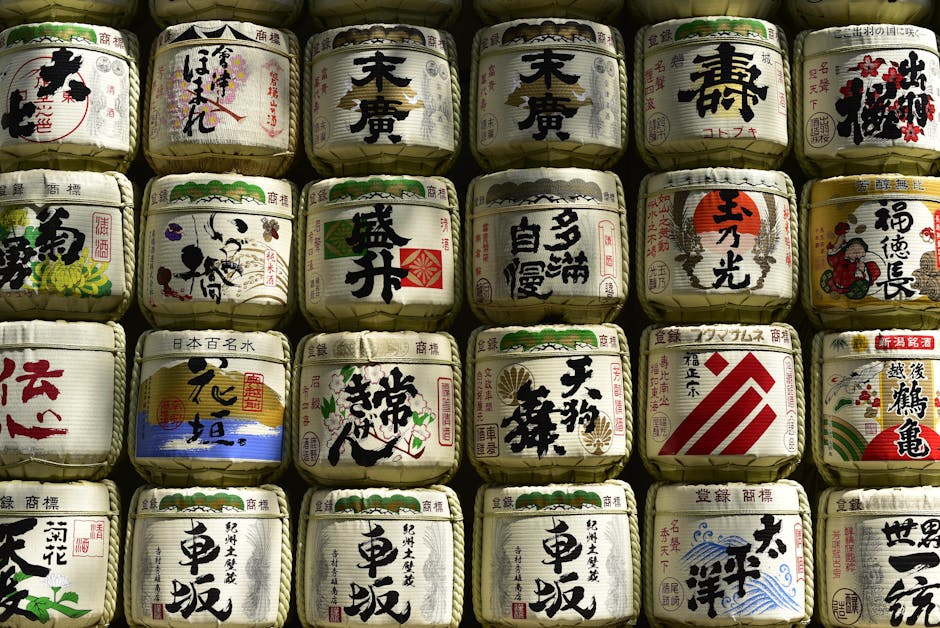
Explore Tokyo's indie heart. From vintage fashion in Shimokitazawa to world-class art in Shinjuku, discover the city's creative soul independently.