Self-guided audio tour in Hiroshima
Start Free on iPhone
Start free on iPhone to unlock this self-guided walking tour in Hiroshima. Hear all the stories that make it amazing, walk at your own pace, and begin whenever you want.
Your Private Tour Guide
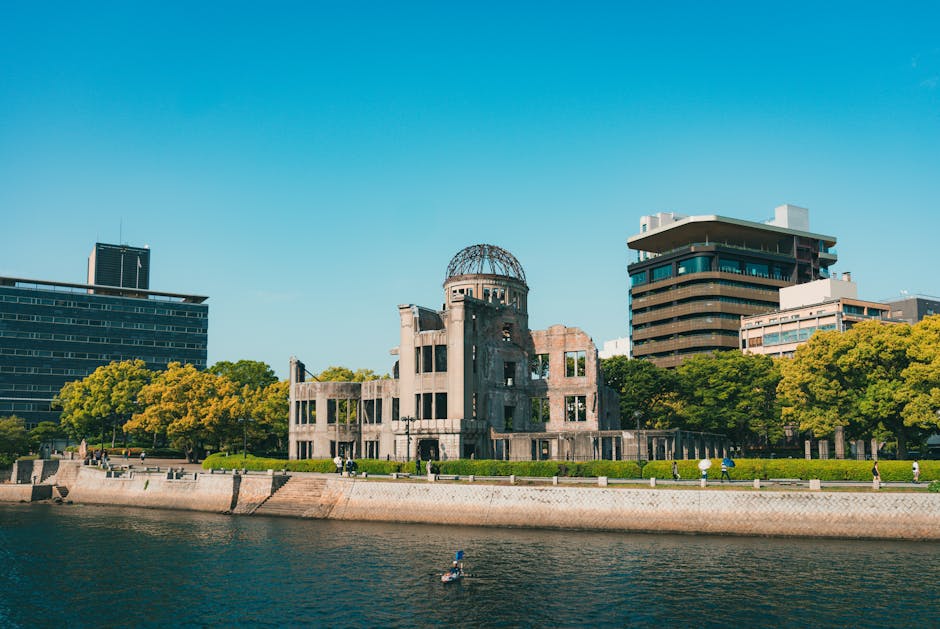
Hiroshima is a city that rose from the ashes of 1945 with a unique architectural identity, blending the scars of the past with a visionary future. This self-guided walk invites you to explore the city's 'Modernist Rebirth,' a journey through the structures that defined its recovery. While many visitors focus solely on the Peace Memorial Park, the surrounding streets hold a wealth of design history, from heavy pre-war brickwork to the soaring, light-filled spaces of contemporary Japanese design. By following this walking route, you will see how the city transitioned from the rigid imperial styles of the early 20th century to the symbolic, humanist architecture of the post-war era. Starting at the Hiroshima City Museum of History and Traditional Crafts, you'll encounter a rare survivor of the atomic blast—a red-brick warehouse that showcases the Western-influenced industrial aesthetic of the Meiji era. As you move toward the city center, the landscape shifts. You will explore the Hiroshima City Hall, where the 1928 wing stands as a testament to administrative continuity, and the Former Bank of Japan, a robust classical structure that famously withstood the heat and pressure of the blast. These 'Hibaku' or A-bombed buildings serve as the foundation for the city's rebirth. This self-guided walk also highlights the innovative spirit of modern Hiroshima. You will experience the Hiroshima Orizuru Tower, a 21st-century landmark designed by Hiroshi Sambuichi that offers a panoramic view of the changing skyline. The route concludes at the stunning Assumption of Mary Cathedral, also known as the Memorial Cathedral for World Peace. Designed by the legendary Togo Murano, this masterpiece of Japanese modernism uses exposed concrete and symbolic light to create a space of profound reflection. This architectural walking tour Hiroshima provides a deeper understanding of the city's soul, moving beyond the tragedy to celebrate its design-led resurrection. Whether you are an architecture enthusiast or a history buff, this neighborhood stroll offers a quiet, contemplative way to experience the urban fabric of Hiroshima independently and at your own pace.
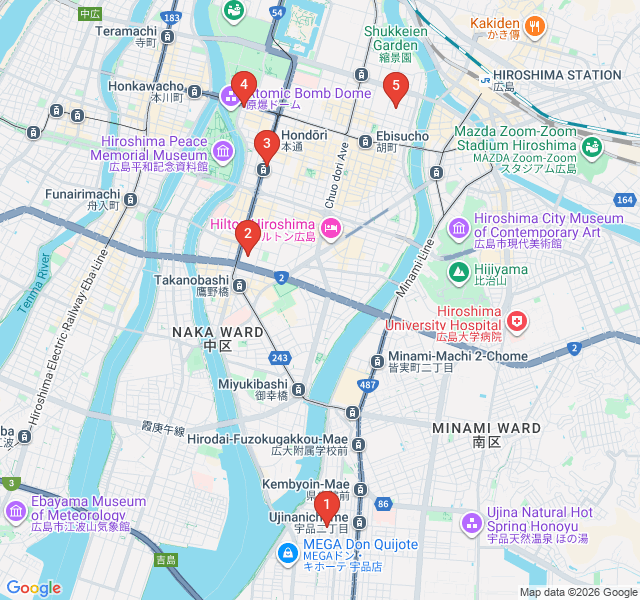
Numbers indicate the order of stops on the tour.
Start exploring with Zigway at this striking red-brick building, originally constructed in 1911 as an Imperial Army provisions warehouse. This structure is a rare example of the Western-influenced industrial architecture that flourished in Japan during the Meiji era. While much of Hiroshima was leveled in 1945, this sturdy warehouse survived due to its distance from the hypocenter and its thick masonry walls. Today, it serves as a museum, but the building itself is the primary artifact. Notice the rhythmic arched windows and the decorative brickwork, which represent a time when Hiroshima was a major military and industrial hub. It sets the stage for our walk, representing the 'old' Hiroshima that refused to disappear.
As you arrive at Hiroshima City Hall, you are looking at a bridge between eras. The original building was completed in 1928, featuring a grand, neo-classical facade that reflected the civic pride of the pre-war period. During the atomic bombing, the interior was gutted by fire, but the reinforced concrete shell remained standing. In the post-war years, rather than demolishing the ruin, the city integrated it into a modern administrative complex. Look for the contrast between the heavy stone-clad lower levels of the old wing and the functionalist glass and steel of the newer additions. It is a physical manifestation of the city's resilience and its pragmatic approach to rebuilding.
This 1936 structure is one of the most significant architectural survivors in the city. Located only 380 meters from the hypocenter, its exceptionally sturdy construction—designed to protect the city's wealth—saved it from total destruction. The building is a prime example of the 'Show-style' classical architecture, with massive granite columns and a heavy cornice. Step inside to see the high ceilings and elegant ironwork that were meticulously restored. The bank resumed operations just two days after the bombing, making it a powerful symbol of the city's immediate determination to return to normalcy. It stands today as a gallery and a quiet monument to the strength of pre-war engineering.
For a shift into contemporary design, we visit the Orizuru Tower, completed in 2016. Designed by renowned architect Hiroshi Sambuichi, this building is a masterclass in 'environmental architecture.' Sambuichi is known for using natural airflow and light rather than heavy machinery to regulate his buildings. The 'Hiroshima Hills' observation deck at the top is constructed entirely of wood and is open to the elements, allowing you to feel the breeze and hear the sounds of the city. The tower’s facade features a glass-enclosed 'Orizuru Wall' where visitors can drop paper cranes. It represents the 21st-century face of Hiroshima: transparent, airy, and deeply connected to the surrounding urban landscape.
We conclude our walking route at one of Japan's most important post-war religious buildings. Completed in 1954, this cathedral was designed by Togo Murano, a giant of Japanese modernism. Murano chose to use exposed concrete and brick, but he softened the Brutalist edges with traditional Japanese motifs, such as the phoenix ornaments on the roof. The interior is a cathedral of light; the stained glass windows were gifts from various nations, symbolizing international reconciliation. The building was one of the first post-war structures in Japan to be designated an Important Cultural Property. It serves as a soaring finale to our tour, embodying the peace and modernist vision that defined Hiroshima's rebirth.
Start Free on iPhone
Explore “Modernist Rebirth: Post-War Architecture Tour” with your very own Private Tour Guide with Zigway. Start free on iPhone, skip the large group and the fixed routes, and hear the city come alive as you go.
Your Private Tour Guide
Don't miss the good stuff
Explore Freely
 Moderate
Hiroshima, Japan
Discover Hiroshima's samurai history on this self-guided walk through Shukkeien Garden, the historic Hiroshima Castle, and serene Moto-machi parks.
 Easy
EasyHiroshima, Japan
Explore Hiroshima's maritime heritage on this scenic self-guided walk from historic red-brick museums to the peaceful Ujina Lighthouse.
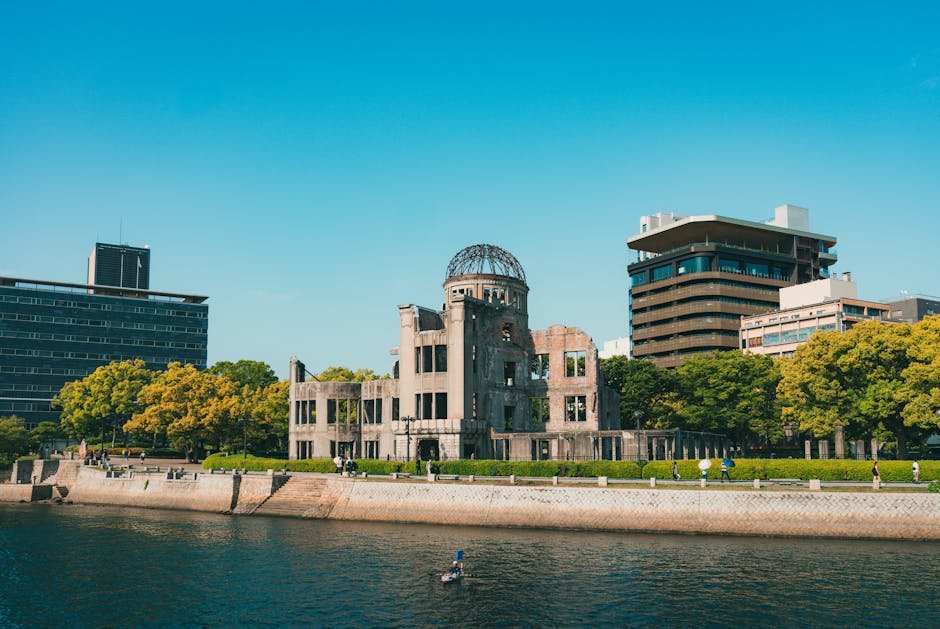 Easy
EasyHiroshima, Japan
Explore Hiroshima's electric Nagarekawa district. A self-guided walk through neon alleys, savory street food, and hidden local culture.
 Easy
EasyHiroshima, Japan
Explore Hiroshima's creative spirit on this self-guided walk through iconic peace monuments, artisan shops, and modern design hubs.
 Easy
EasyGdansk, Poland
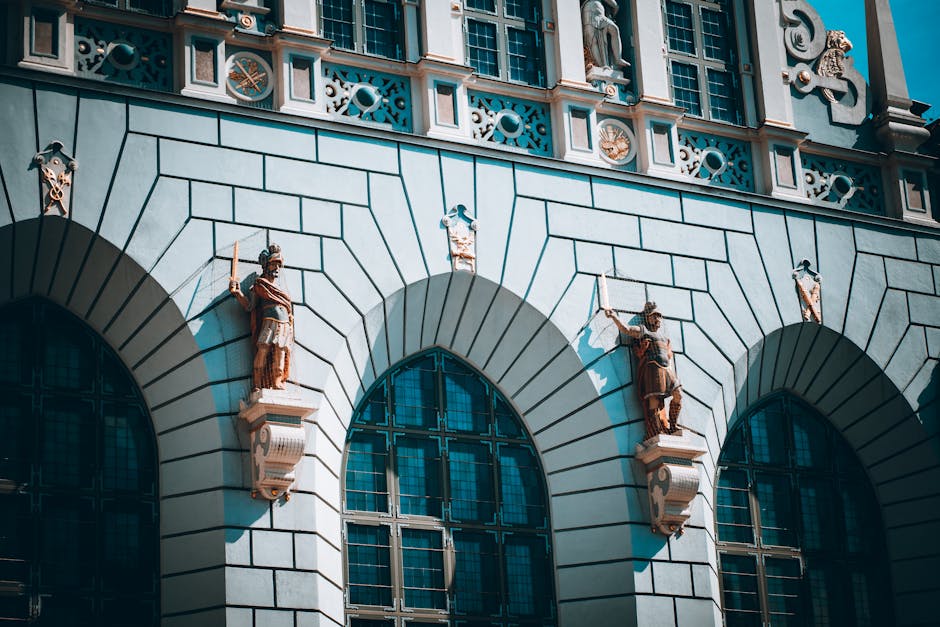
Discover the opulent Royal Way of Gdansk at your own pace. Explore Hanseatic history, gilded architecture, and the iconic Neptune's Fountain.
 Easy
EasySalzburg, Austria
Discover the 'Rome of the North' on this self-guided walk through the Baroque squares and monumental legacy of Salzburg’s Prince-Archbishops.
 Easy
EasyGothenburg, Sweden
Explore Gothenburg's elegant academic district, featuring grand 19th-century stone architecture and the iconic cultural hub of Götaplatsen.
 Easy
EasyGothenburg, Sweden
Discover Gothenburg’s 17th-century Dutch foundations, historic canals, and military fortifications on this self-guided architectural walk.
 Moderate
Tokyo, Japan
Discover Tokyo's premier creative district on this self-guided walk through Roppongi’s world-class museums and striking modern architecture.
 Easy
EasyTokyo, Japan
Discover the 'Old Tokyo' charm of Yanaka on this self-guided walk through historic temples, artisan alleys, and a stunning torii gate shrine.
 Easy
EasyTokyo, Japan
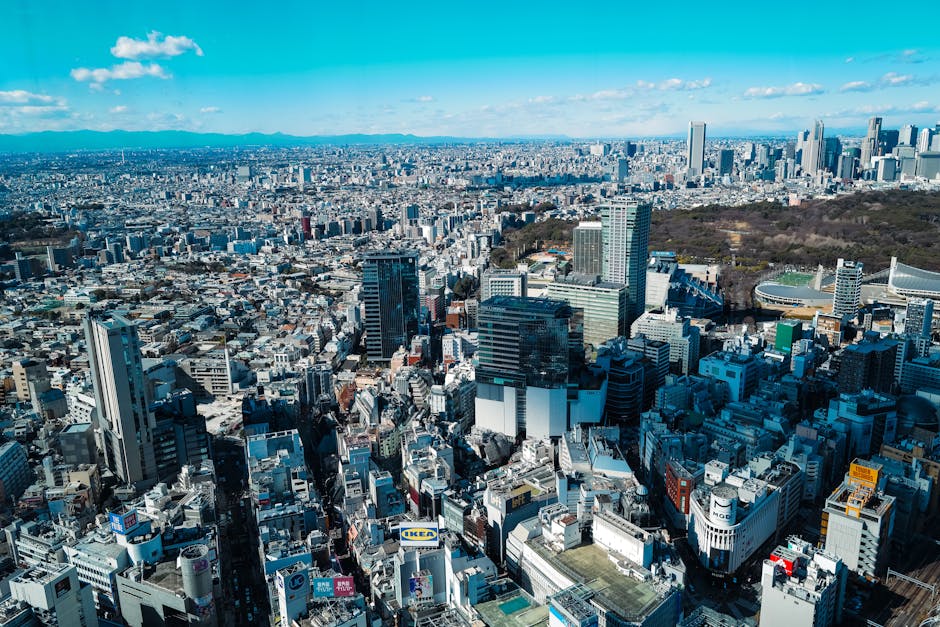
Experience Shibuya's electric energy on this self-guided walk from the iconic Scramble Crossing to the panoramic views of Shibuya Sky.
 Easy
EasyTokyo, Japan
Explore Tokyo's indie heart. From vintage fashion in Shimokitazawa to world-class art in Shinjuku, discover the city's creative soul independently.