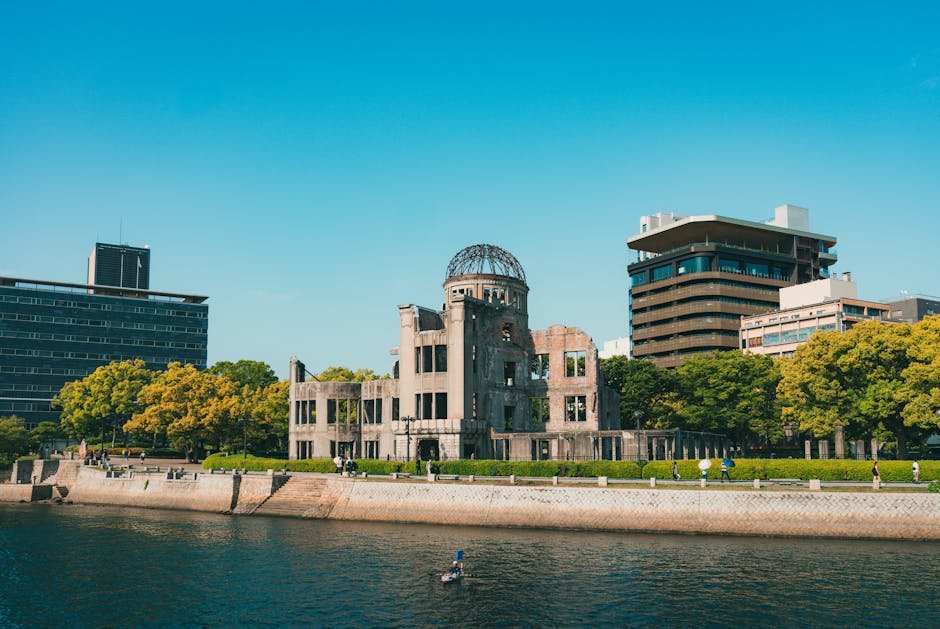
Self-guided audio tour in Hiroshima
Start Free on iPhone
Start free on iPhone to unlock this self-guided walking tour in Hiroshima. Hear all the stories that make it amazing, walk at your own pace, and begin whenever you want.
Your Private Tour Guide
When the sun dips below the horizon, Hiroshima undergoes a stunning transformation. The somber reflections of the Peace Park give way to the electric energy of Nagarekawa, the largest entertainment district in the Chugoku region. This self-guided walk invites you to experience the city's modern pulse, where narrow alleys are packed with thousands of tiny bars, glowing lanterns, and the irresistible scent of sizzling okonomiyaki. This neighborhood stroll captures the essence of Japanese 'omotenashi' (hospitality) in a high-decibel, neon-soaked setting. Your journey begins in the heart of the city, weaving through the bustling Hacchobori district before diving into the maze-like streets of Nagarekawacho and Yagenbori. You will discover how history and modernity coexist, from the rebuilt walls of the Andersen bakery to the shimmering glass of the Orizuru Tower. Along the way, this walking route highlights the 'nosh' that defines Hiroshima—specifically its soul food, the layered savory pancake. Unlike the structured atmosphere of many city centers, Nagarekawa offers a more liberated, local vibe where salarymen and travelers alike find common ground over a cold beer. As you explore independently, you will see how the city has expanded beyond its core. The route eventually leads you toward the more residential and commercial hubs of Dambara and Ujina. While the neon is brightest in the center, these outer reaches reveal how Hiroshima residents live, shop, and eat in their daily lives. Whether you are looking for a quirky souvenir at a multi-story discount store or a quiet moment at a neighborhood shrine, this walking tour Hiroshima offers a comprehensive look at the city's nocturnal character. Discover the hidden gems of the backstreets and the grand scale of modern Japanese retail at your own pace, all while soaking in the vibrant atmosphere of a city that truly knows how to celebrate the night. **Note:** This area is known for its ever-changing character. Street art, pop-up venues, and temporary exhibitions may differ from what's described. That's part of the adventure - you might discover something entirely new!
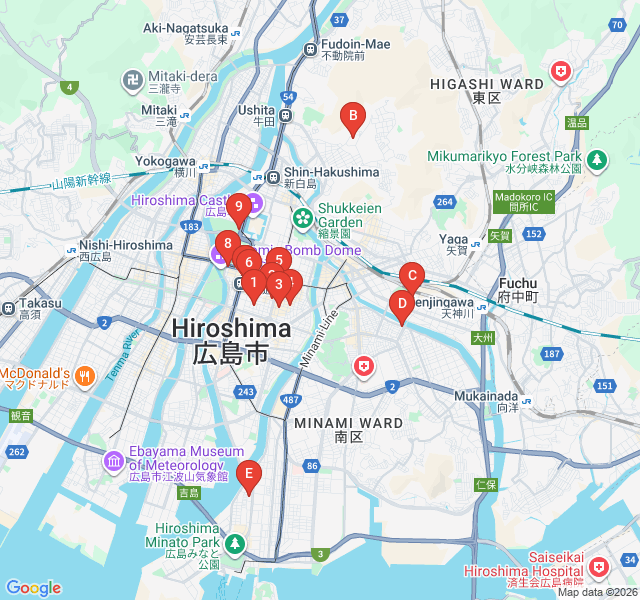
Numbers indicate the order of stops on the tour.
Start exploring with Zigway at WeBase Hiroshima, a hub for travelers that blends community vibes with local art. This location sits on the edge of the city's central business district, serving as the perfect transition point from the day's historical sightseeing into the evening's festivities. Take a moment to notice the contemporary design and perhaps spot the iconic 'Ship's Cat' sculpture by artist Kenji Yanobe, which symbolizes protection for travelers. From here, you are just a short walk away from the glowing signs that mark the entrance to Hiroshima's most famous entertainment zone.
Welcome to 'Donki,' a sensory-overload shopping experience that is a staple of Japanese urban life. This multi-story discount store is famous for its 'compressed display' style, where shelves are packed from floor to ceiling with everything from matcha-flavored snacks to quirky electronics. It is a landmark of the Hacchobori district and serves as a beacon for the nightlife to come. Even if you don't head inside, the building's bright yellow signage and upbeat theme song are an essential part of the modern Hiroshima streetscape.
You are now entering Nagarekawacho, the beating heart of Hiroshima's nightlife. This area is packed with an estimated 2,000 bars, restaurants, and clubs. As you walk, look up—the vertical signage is a classic Japanese urban sight, indicating 'snack bars' and 'izakayas' tucked away on upper floors. The atmosphere here is electric, especially on Friday and Saturday nights. While it can be boisterous, it remains a safe and welcoming place to observe local salarymen unwinding after a long day at the office.
Adjacent to Nagarekawa is Yagenbori, a street synonymous with Hiroshima-style okonomiyaki. Unlike the Osaka version where ingredients are mixed, Hiroshima's savory pancakes are layered with cabbage, sprouts, pork, and noodles. You will see many small, steam-filled shops where chefs prepare these meals on large iron griddles right in front of the customers. The name Yagenbori refers to a type of medicinal grinding mortar, hinting at the area's long history as a place of trade and commerce before it evolved into a dining destination.
Ebisucho is home to the Ebisu Shrine, which hosts the famous Ebisu Festival every November. This area marks the intersection of traditional spiritual life and the modern economy. Merchants have long come here to pray for success in business. Today, the street is a mix of high-end department stores and smaller boutiques. It serves as a slightly more polished neighbor to the gritty charm of Nagarekawa, offering a glimpse into the diverse commercial layers of the city.
This building is a testament to Hiroshima's resilience. Originally the Teikoku Bank, it was one of the few structures in the city center to remain partially standing after the atomic bombing in 1945. It was later meticulously restored and converted into the flagship Andersen Bakery. While the interior is modern and filled with the scent of fresh bread and European-style pastries, the exterior facade still carries the architectural weight of the city's history. It is a popular local meeting spot and a beautiful example of adaptive reuse.
Located at the entrance of the Hondori covered shopping arcade, this is more than just a fast-food stop; it is a prime people-watching location. Hondori is a 'shotengai' (covered shopping street) that stretches for several blocks, protected from the elements. At night, this corner becomes a gathering point for youth culture and street performers. It represents the globalized side of modern Japan, where international brands sit side-by-side with centuries-old local businesses.
Rising beside the Atomic Bomb Dome, the Orizuru Tower offers a modern perspective on the city. The name 'Orizuru' refers to the folded paper crane, a symbol of peace. The tower features an observation deck with stunning views of the Peace Memorial Park and the skyline. Even from the ground, the building's wooden accents and glass design make it a standout piece of contemporary architecture. It serves as a bridge between the city's difficult past and its hopeful, vibrant future.
Moving north toward the Hakushima area, the environment becomes quieter and more residential. Garden House represents the 'green' side of Hiroshima's urban planning. In a city that was once largely leveled, the intentional planting of trees and creation of small garden spaces have been vital for the community's well-being. This area offers a breath of fresh air and a chance to see the slower side of city life, away from the neon lights of the entertainment district.
As you continue through the Hakushima neighborhood, you'll notice the shift in pace. This area is known for its proximity to the Shukkeien Garden and the Hiroshima Prefectural Art Museum. Even common landmarks like this McDonald's serve as community anchors in a district that feels significantly more local and less tourist-oriented than the city center. It is a great place to pause and observe the daily rhythms of Hiroshima's residents as they go about their evening routines.
Nestled in the foothills, Waseda Shrine is a hidden gem that many visitors overlook. It offers a peaceful atmosphere and a sense of timelessness. Shrines like this are the spiritual backbone of Japanese neighborhoods, where locals come to offer a quick prayer or celebrate seasonal festivals. The climb to the shrine area provides a slightly elevated view of the surrounding residential districts, showcasing the dense, mountain-ringed geography that defines Hiroshima's landscape.
It might seem surprising to find a Costco in the middle of a Japanese city, but this location near the Mazda Zoom-Zoom Stadium is a local phenomenon. It highlights the influence of American-style big-box retail in modern Japan. On game days or weekends, this area is incredibly busy, reflecting the city's love for its baseball team, the Hiroshima Toyo Carp. It represents the 'Nosh' of a different kind—bulk shopping and global food trends that have become part of the local lifestyle.
The Dambara district is a modern residential area that was redeveloped in the late 20th century. This Starbucks serves as a contemporary 'third place' for the local community. The architecture in Dambara is more uniform and planned than the organic maze of Nagarekawa, offering a contrast in urban design. It is a popular spot for students and young professionals, illustrating the cosmopolitan nature of Hiroshima's younger generations.
If the first Don Quijote was a gateway, this 'MEGA' version is the ultimate destination. Located in the Ujina port area, it is massive and caters to families and residents from all over the city. The Ujina district itself is historic, once serving as the main port for the military during the early 20th century. Today, it is a hub of large-scale retail and seaside parks. Exploring this store offers a deep dive into the sheer variety of goods available in modern Japanese consumer culture.
Your journey concludes in the Minami-machi district. This area is a mix of industry, residential housing, and large shopping complexes. The streetcars (Hiroden) that run through here are the lifelines of the city, connecting the port to the station and the center. As you wrap up your self-guided adventure, take a moment to reflect on the diversity of Hiroshima—from the neon-lit bars of Nagarekawa to the quiet shrines and the bustling modern retail hubs that keep the city moving long after dark.
Start Free on iPhone
Explore “Neon and Nosh: Nagarekawa Nightlife Walk” with your very own Private Tour Guide with Zigway. Start free on iPhone, skip the large group and the fixed routes, and hear the city come alive as you go.
Your Private Tour Guide
Don't miss the good stuff
Explore Freely
 Moderate
Hiroshima, Japan
Discover Hiroshima's samurai history on this self-guided walk through Shukkeien Garden, the historic Hiroshima Castle, and serene Moto-machi parks.
 Easy
EasyHiroshima, Japan
Explore Hiroshima's maritime heritage on this scenic self-guided walk from historic red-brick museums to the peaceful Ujina Lighthouse.
 Easy
EasyHiroshima, Japan
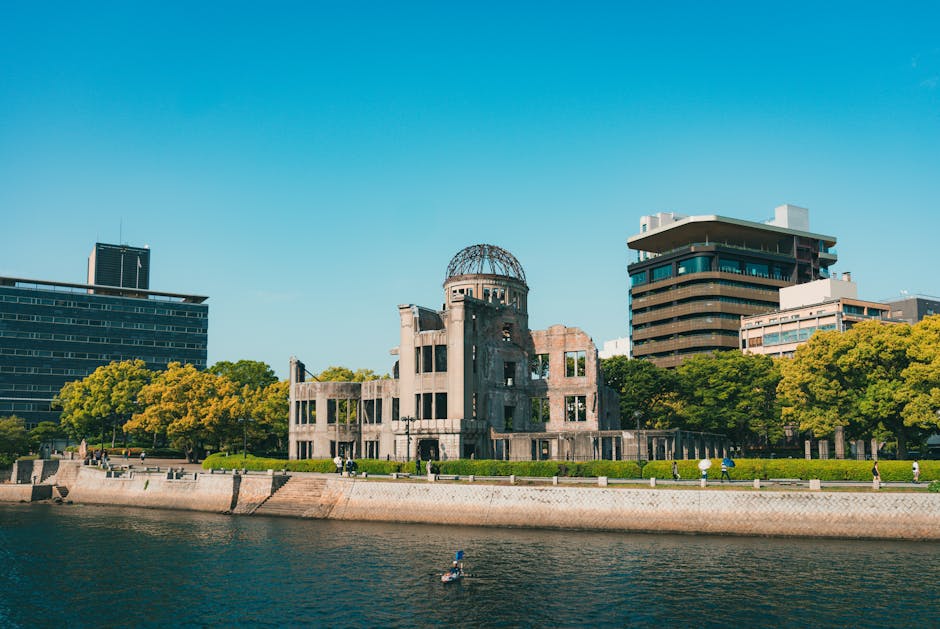
Discover Hiroshima’s architectural evolution from pre-war survivors to visionary modernist masterpieces on this self-guided walking route.
 Easy
EasyHiroshima, Japan
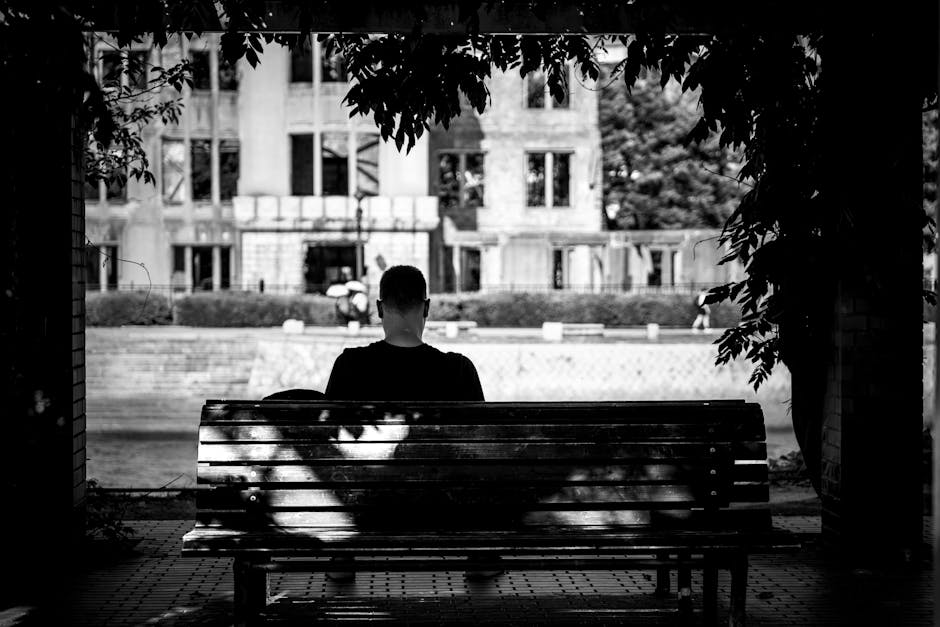
Explore Hiroshima's creative spirit on this self-guided walk through iconic peace monuments, artisan shops, and modern design hubs.
 Easy
EasyKrakow, Poland
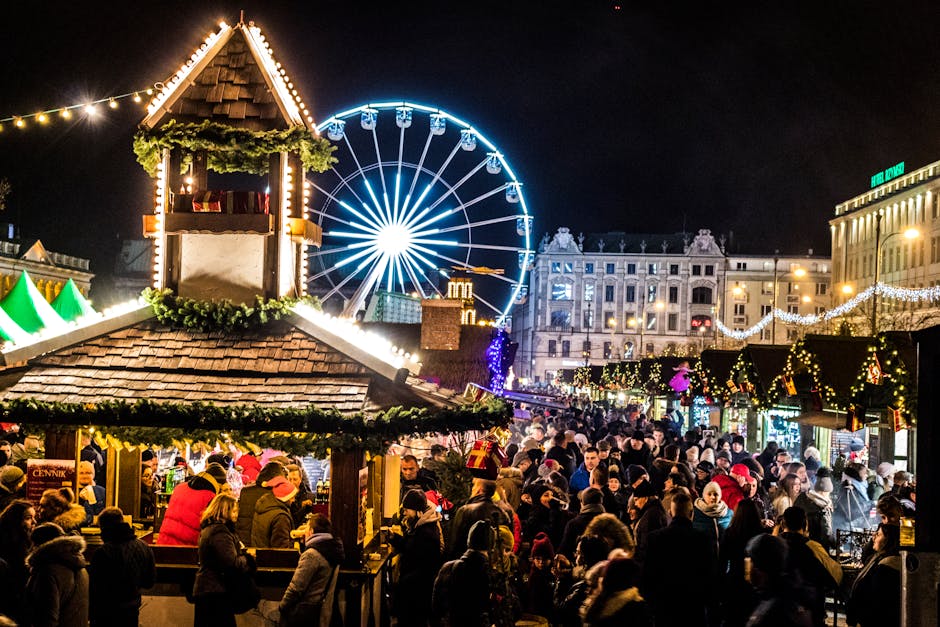
Explore Krakow's hidden nightlife with this self-guided walk through medieval cellars, jazz clubs, and bohemian bars in the Old Town and Kazimierz.
 Moderate
Helsinki, Finland
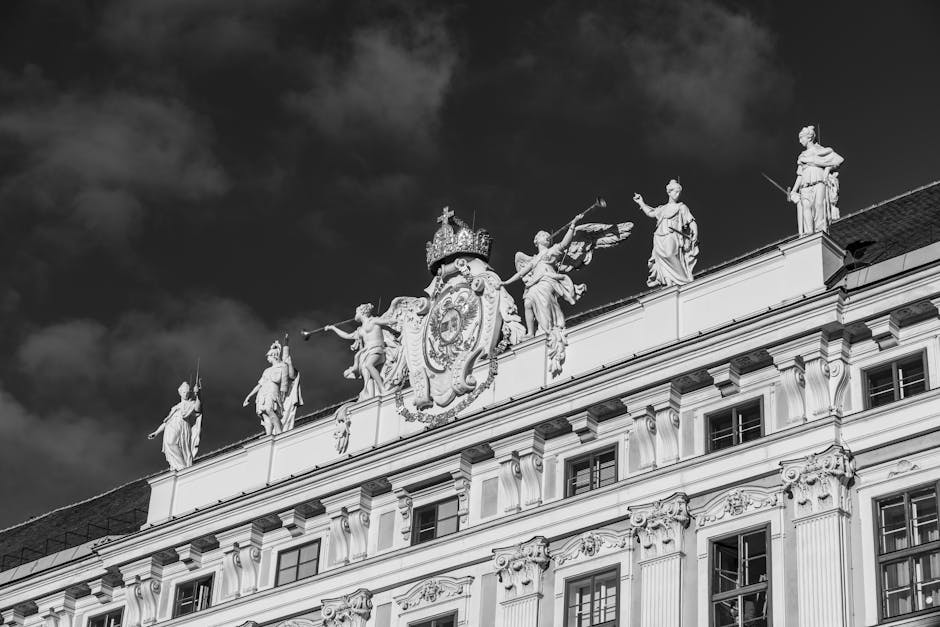
Explore Helsinki's bohemian heart. Discover historic saunas, granite churches, and the vibrant local life of the Kallio neighborhood at your own pace.
 Easy
EasyVienna, Austria
Explore Vienna’s vibrant open-air gallery along the Danube Canal on this self-guided street art and nightlife stroll through Leopoldstadt.
 Moderate
Nairobi, Kenya
Taste your way through Nairobi's Westlands on this self-guided walk featuring street snacks, cultural landmarks, and hidden foodie gems.
 Moderate
Tokyo, Japan
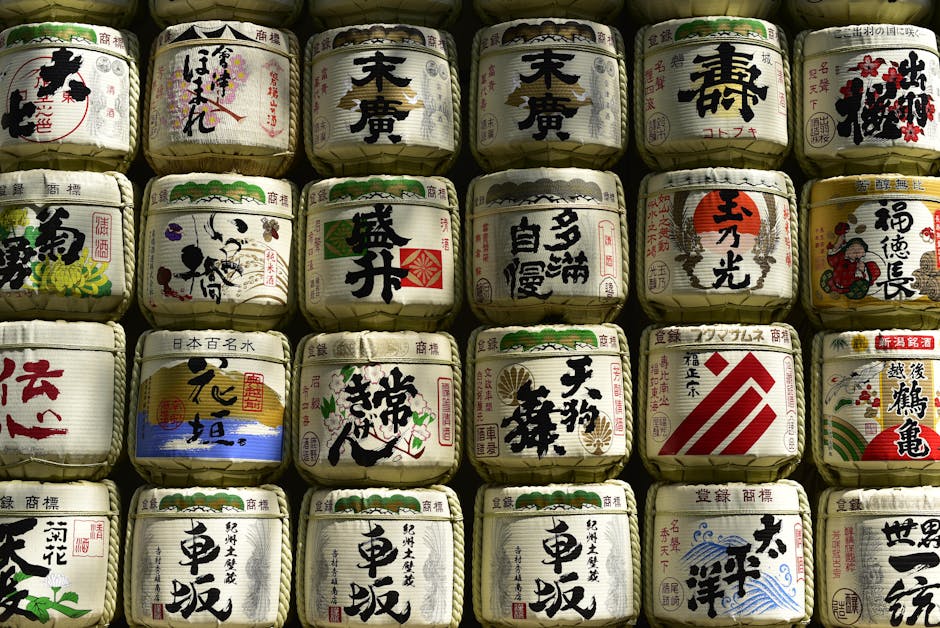
Discover Tokyo's premier creative district on this self-guided walk through Roppongi’s world-class museums and striking modern architecture.
 Easy
EasyTokyo, Japan
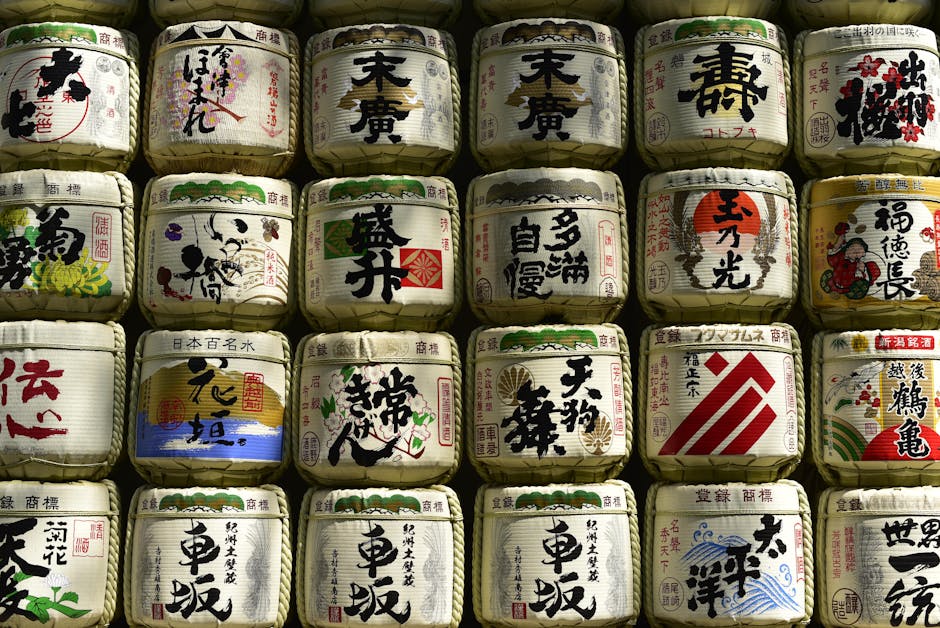
Discover the 'Old Tokyo' charm of Yanaka on this self-guided walk through historic temples, artisan alleys, and a stunning torii gate shrine.
 Easy
EasyTokyo, Japan
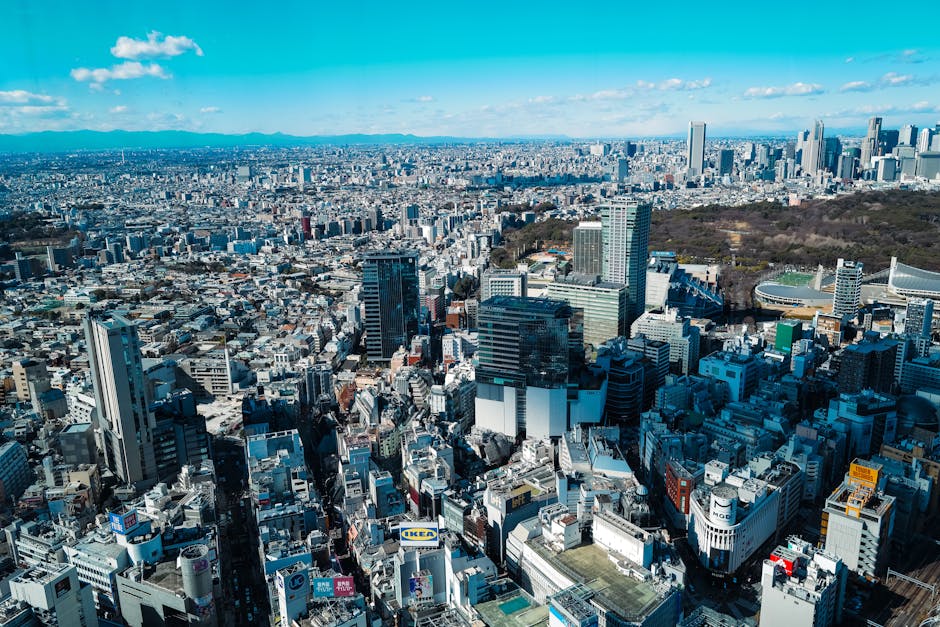
Experience Shibuya's electric energy on this self-guided walk from the iconic Scramble Crossing to the panoramic views of Shibuya Sky.
 Easy
EasyTokyo, Japan
Explore Tokyo's indie heart. From vintage fashion in Shimokitazawa to world-class art in Shinjuku, discover the city's creative soul independently.