Self-guided audio tour in Granada
Start Free on iPhone
Start free on iPhone to unlock this self-guided walking tour in Granada. Hear all the stories that make it amazing, walk at your own pace, and begin whenever you want.
Your Private Tour Guide
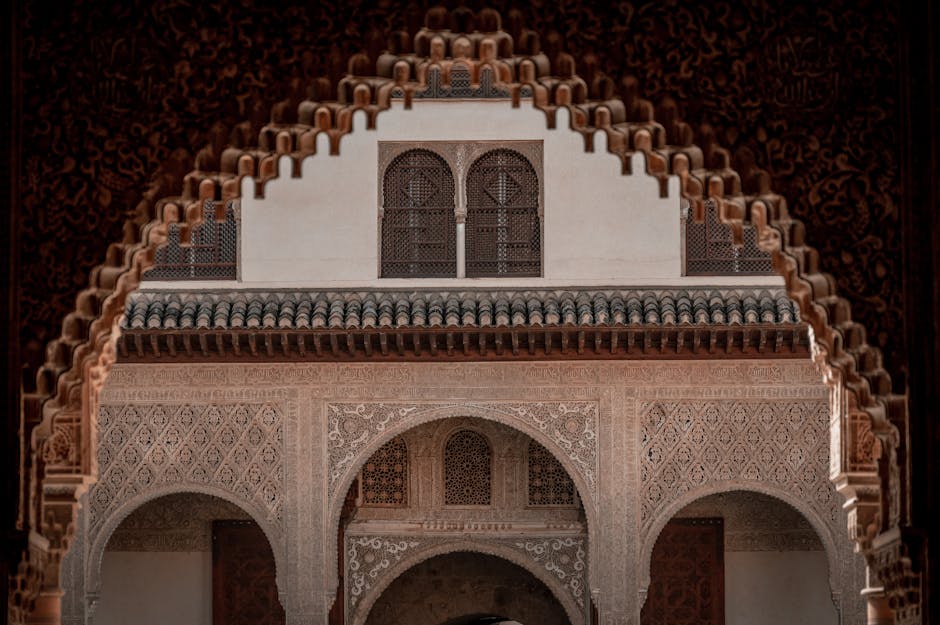
Step into the heart of Granada’s history with a self-guided walk that explores the profound transformation of the city following the Christian Conquest in 1492. This neighborhood stroll takes you through the geographic and symbolic center of Granada, where the legacy of the Catholic Monarchs, Isabella I of Castile and Ferdinand II of Aragon, forever reshaped the urban landscape. As you follow this walking route, you will witness the architectural shift from the intricate Nasrid style to the grand Gothic and Renaissance monuments that define the city today. The journey begins at the monumental Granada Cathedral, a masterpiece of the Spanish Renaissance that stands as a powerful symbol of the new era. Right next door, you will encounter the Royal Chapel, an exquisite Gothic mausoleum where the monarchs themselves are buried. This area serves as a physical timeline, illustrating how the city transitioned from the last stronghold of Al-Andalus to a pivotal center of the Spanish Empire. Beyond the grand religious sites, this audio walk leads you to the Palacio de la Madraza, once an Islamic university, and the Corral del Carbón, the oldest monument left by the Nasrids in the city, offering a rare glimpse into the commercial life of the 14th century. Exploring independently allows you to soak in the atmosphere of Plaza de Bib-Rambla, a square that has witnessed everything from medieval jousting to modern-day flower markets. This travel experience is perfect for those who appreciate the intersection of art, power, and religion. By choosing a self-guided walk Granada offers, you can linger over the intricate stone carvings or pause for a coffee in a historic square without the pressure of a group. Discover the stories of queens, knights, and architects who built a 'New Jerusalem' in the south of Spain on this fascinating journey through the Christian heart of the city.
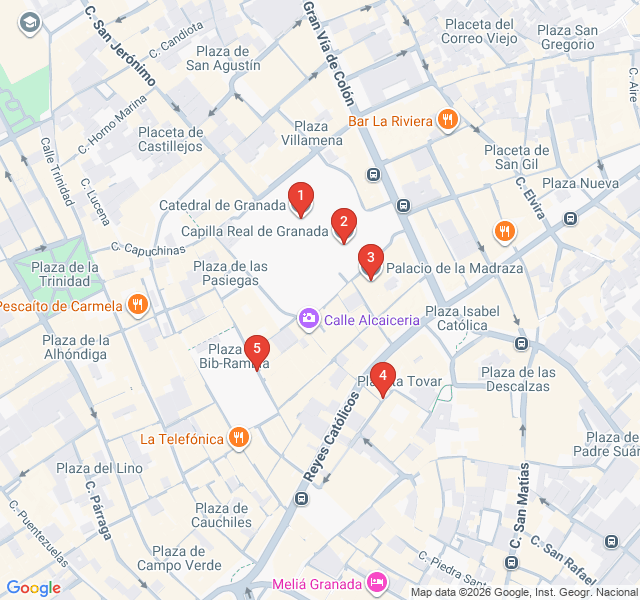
Numbers indicate the order of stops on the tour.
Welcome to the Cathedral of the Incarnation, a towering symbol of the Christian Conquest. Construction began in 1523 on the site of the city’s Great Mosque, signaling the definitive end of Islamic rule. While originally planned as a Gothic structure, the design shifted toward the Renaissance style under architect Diego de Siloé. Look up at the massive circular windows and the soaring white columns that create an incredible sense of light and space. Unlike the darker Gothic cathedrals of Northern Europe, this building was designed to be a 'temple of light.' It took 181 years to complete, which explains the blend of architectural influences you see on the facade today.
Adjacent to the Cathedral is the Capilla Real, or Royal Chapel. This is one of the most significant sites in Spanish history, as it contains the marble tombs of the Catholic Monarchs, Isabella and Ferdinand. They chose to be buried here in Granada, the city they conquered, rather than in their ancestral capitals. The building is a stunning example of Isabelline Gothic architecture, characterized by intricate stonework and crests. Inside, you’ll find a magnificent gilded altarpiece and a private collection of Flemish paintings once owned by Queen Isabella. It remains a place of great solemnity and a testament to the monarchs' devotion to the city.
Standing directly across from the Royal Chapel is the Palacio de la Madraza. Founded in 1349 by Yusuf I, it was the first university in Granada. After the conquest, it was converted into the city’s first City Hall. While the exterior you see today is a colorful 18th-century Baroque facade, the interior hides a stunning secret: a beautifully preserved Nasrid oratory or prayer room. The intricate stucco work and the mihrab—the niche indicating the direction of Mecca—serve as a reminder of the building’s Islamic origins. It represents the layering of cultures that defines Granada, where Christian and Islamic history are literally built on top of one another.
A short walk brings you to the Corral del Carbón, the oldest monument from the Nasrid dynasty in Granada. Built in the early 14th century, it served as an 'alhóndiga'—a combination of a warehouse and an inn for traveling merchants. Its name, 'Coal House,' comes from its later use as a storage site for charcoal. Enter through the magnificent horseshoe arch, which is decorated with intricate brickwork and muqarnas. The central courtyard, surrounded by wooden galleries, would have been bustling with traders from across the Mediterranean. It is the only building of its kind preserved in its entirety on the Iberian Peninsula, offering a rare look at medieval commercial life.
Our route concludes at Plaza de Bib-Rambla, often called the 'heart of the city.' In the Nasrid era, this square was located near the main gate of the city walls and was used for festivals and commerce. Following the Christian Conquest, it became the site of bullfights, jousting tournaments, and, more somberly, the public trials and book burnings of the Inquisition. Today, the atmosphere is far more peaceful. The square is famous for its flower stalls and the central 'Fontana de los Gigantes' or Giants' Fountain. It’s the perfect place to sit down for chocolate and churros—a local tradition—while reflecting on the centuries of history that have unfolded in this very space.
Start Free on iPhone
Explore “Royal Granada: The Christian Conquest” with your very own Private Tour Guide with Zigway. Start free on iPhone, skip the large group and the fixed routes, and hear the city come alive as you go.
Your Private Tour Guide
Don't miss the good stuff
Explore Freely
 Moderate
Granada, Spain
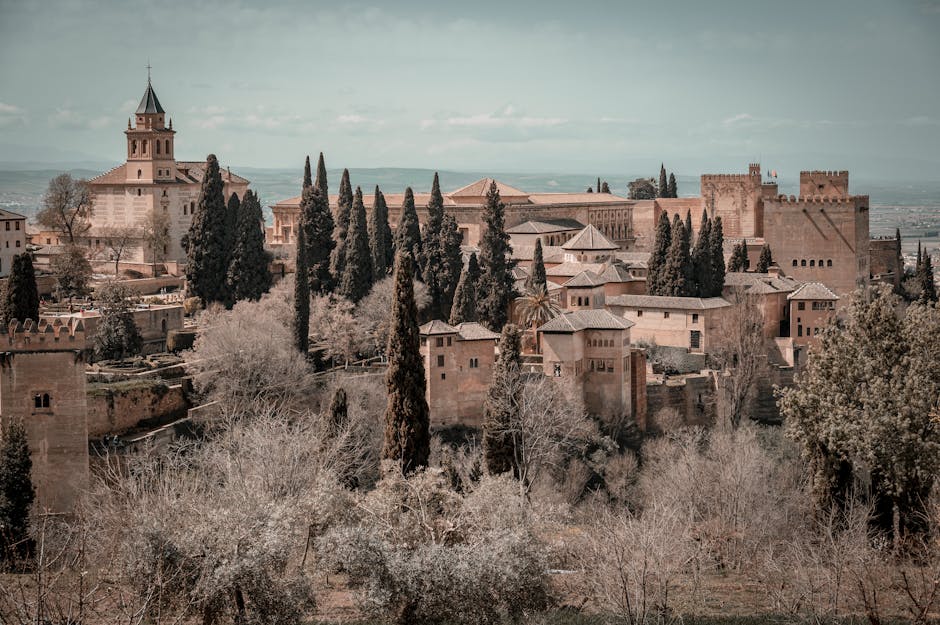
Explore the bohemian heart of Granada's oldest district on this self-guided walking route through the hidden gems of the Upper Albaicín.
 Easy
EasyGranada, Spain
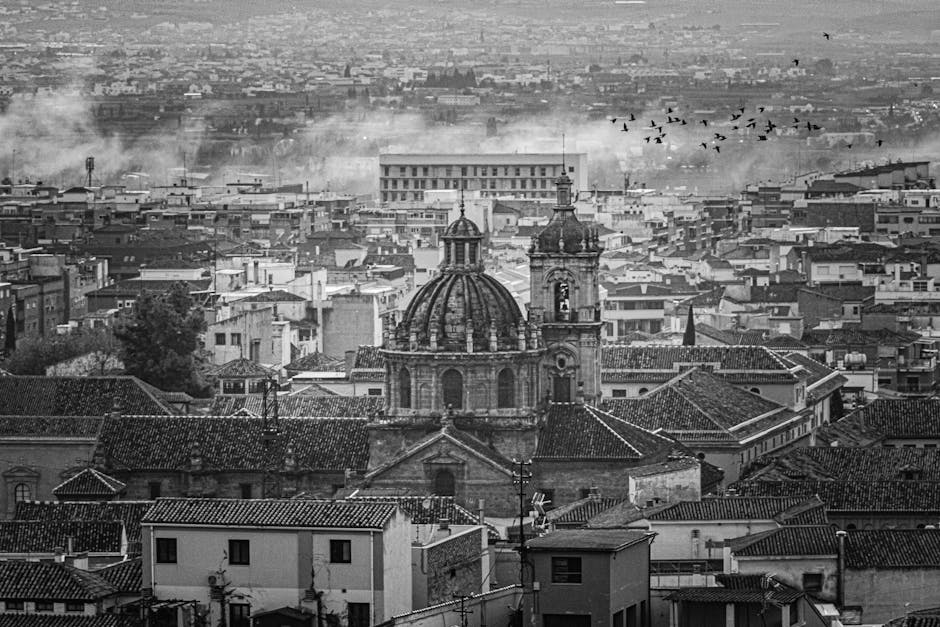
Discover the legacy of the Nasrid silk trade and the vibrant evolution of Granada's historic center on this atmospheric self-guided walk.
 Moderate
Granada, Spain
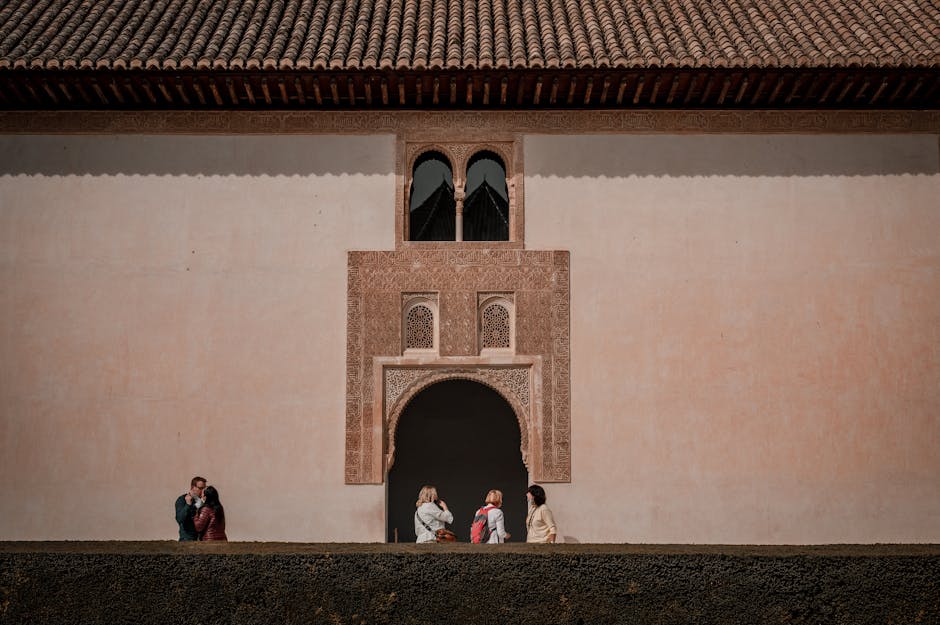
Explore Granada's historic Jewish Quarter and discover world-class street art on this self-guided walk through the vibrant Realejo neighborhood.
 Moderate
Granada, Spain
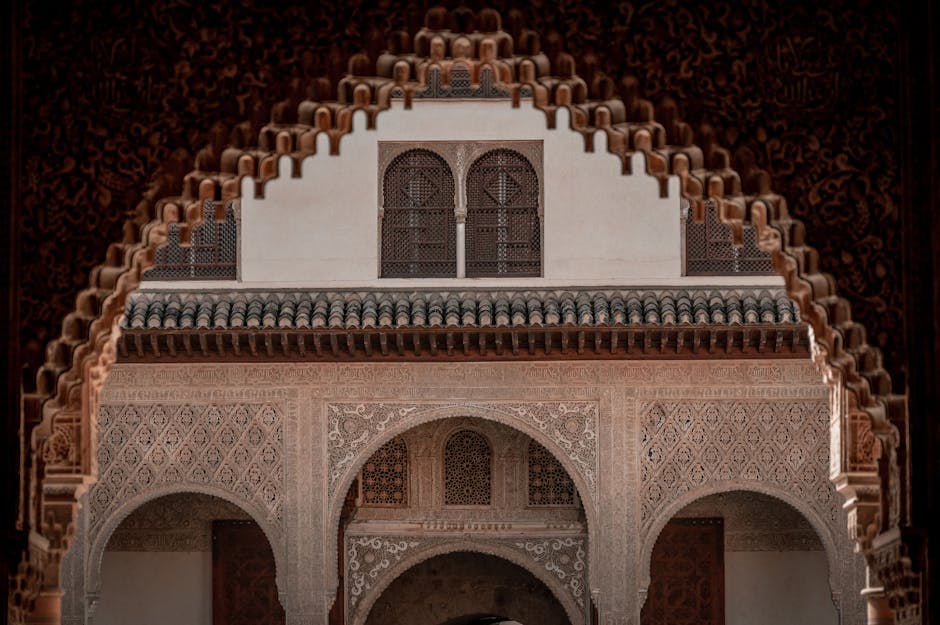
Discover the Moorish soul of Granada on this self-guided walk through the Albaicín’s winding streets, historic palaces, and iconic viewpoints.
 Easy
EasySalzburg, Austria
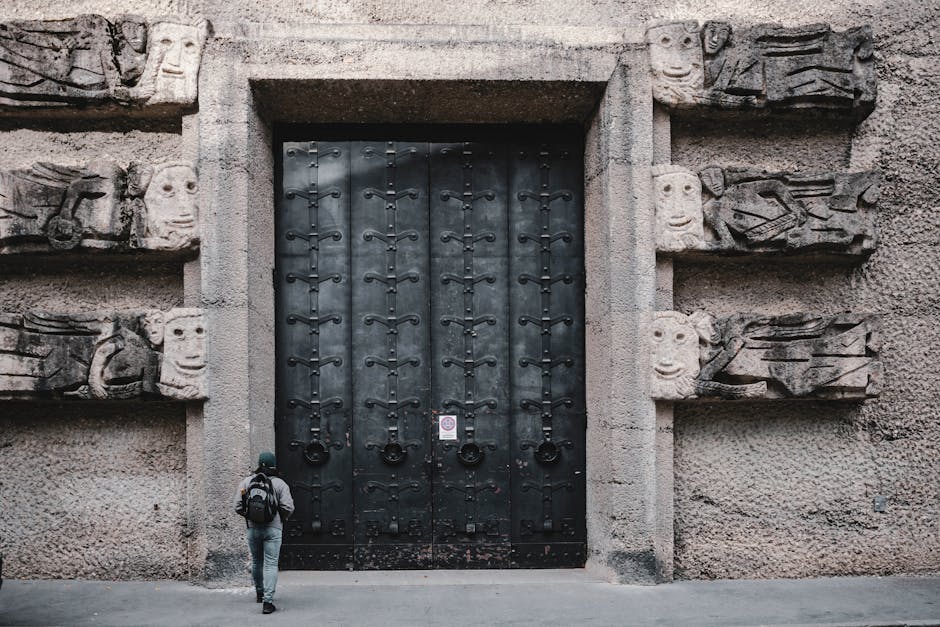
Discover the 'Rome of the North' on this self-guided walk through the Baroque squares and monumental legacy of Salzburg’s Prince-Archbishops.
 Easy
EasyNairobi, Kenya
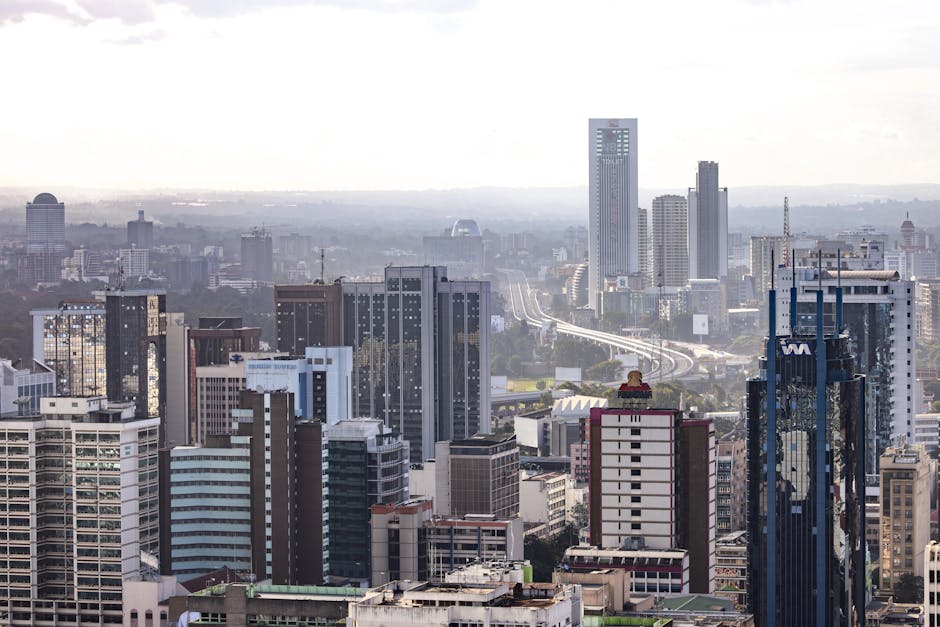
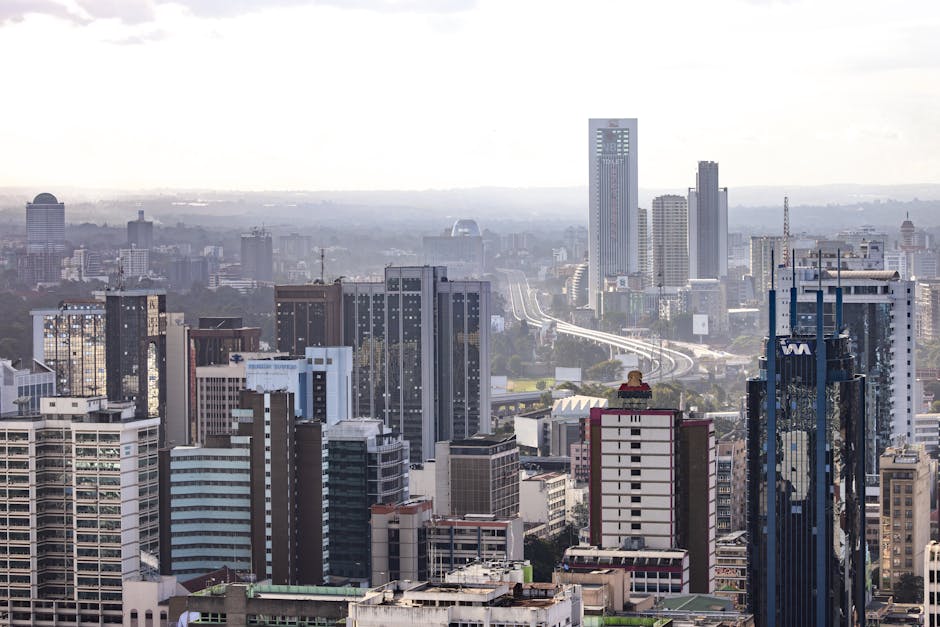
Explore Nairobi's architectural evolution from colonial-era landmarks to iconic Brutalist skyscrapers on this historic self-guided walking route.
 Easy
EasyNairobi, Kenya
Discover Nairobi's iconic skyline on this self-guided architecture walk through the CBD’s most famous modernist and Brutalist landmarks.
 Easy
EasyKrakow, Poland
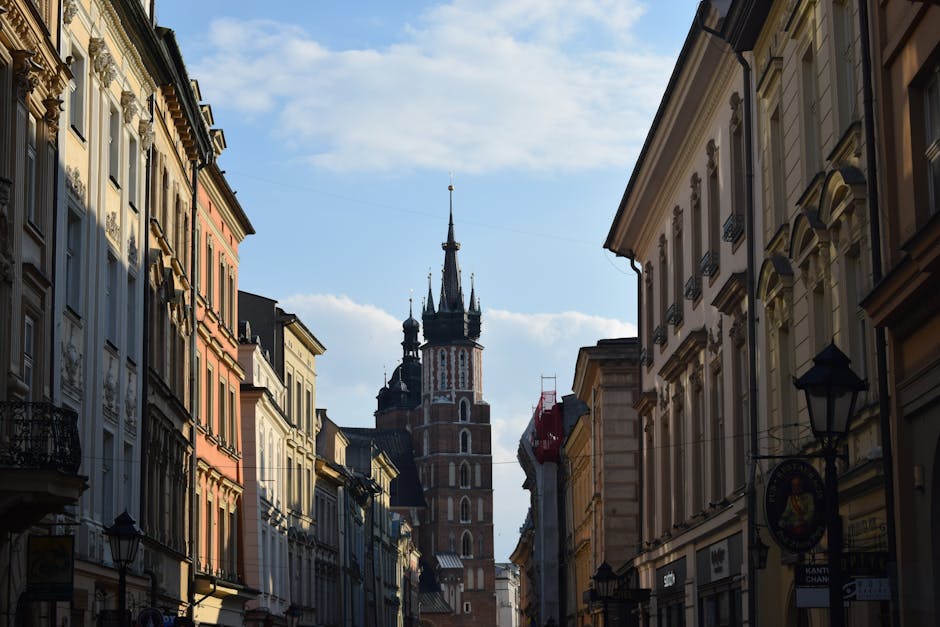
Uncover Krakow's legendary past on this self-guided walk from literary monuments to the fire-breathing Wawel Dragon.
 Moderate
Barcelona, Spain
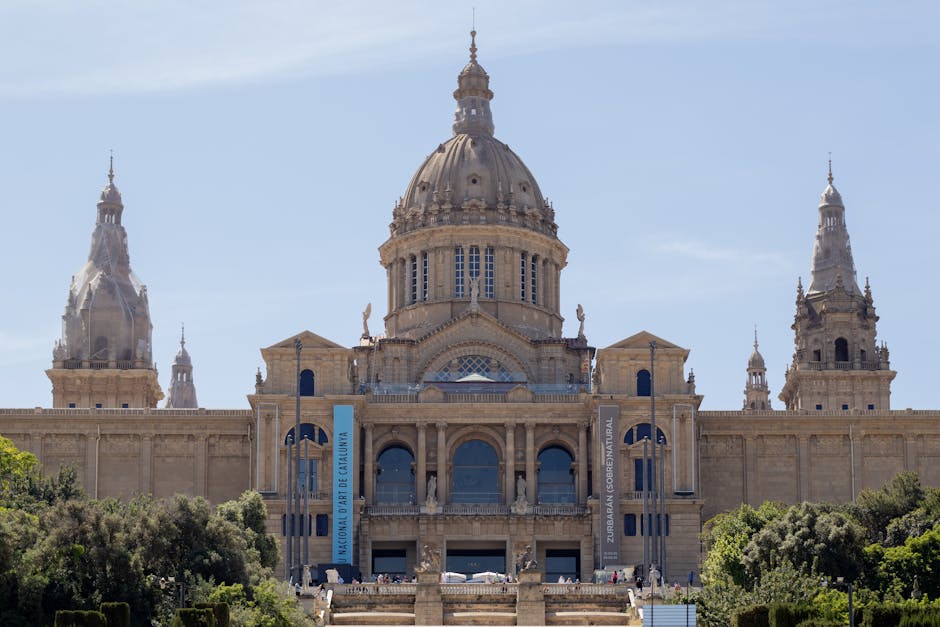
Explore the elegant 'village' of Sarrià, where Gothic monasteries and Gaudí's hidden gems meet charming local markets and narrow streets.
 Moderate
Barcelona, Spain
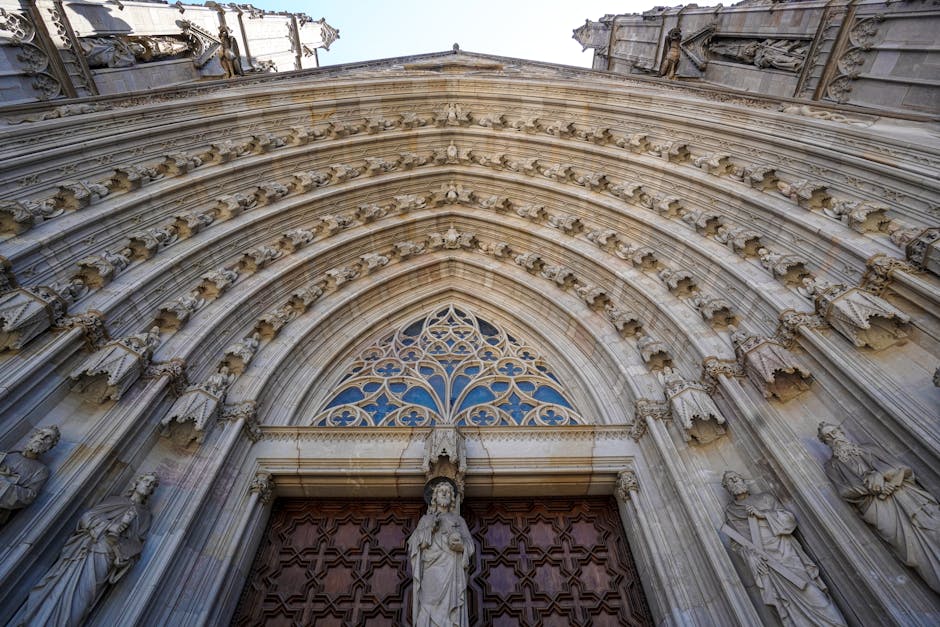
Discover the revolutionary history and haunting scars of the Spanish Civil War on this self-guided walk through Barcelona's historic streets.
 Easy
EasyBarcelona, Spain
Discover the architectural wonders of Barcelona's Golden Square on this self-guided stroll through Eixample's most luxurious Modernista streets.
 Challenging
Barcelona, Spain
Explore Montjuïc’s lush gardens, historic fortress, and iconic Olympic venues on this scenic self-guided walk with panoramic Mediterranean views.