Self-guided audio tour in Granada
Start Free on iPhone
Start free on iPhone to unlock this self-guided walking tour in Granada. Hear all the stories that make it amazing, walk at your own pace, and begin whenever you want.
Your Private Tour Guide
Step into the heart of Granada where the scent of incense and spices still lingers in the air. This self-guided walk invites you to trace the threads of the Silk Road through the historic center of one of Europe's most atmospheric cities. Unlike a standard walking tour Granada offers to the hurried visitor, this route allows you to linger in the hidden corners where Islamic heritage and Christian Renaissance architecture collide. You will start at the foot of the magnificent Cathedral in Plaza de las Pasiegas, a space defined by its towering facade and the stories of the mountain women who once gathered here. From there, you will transition into the narrow, winding alleys of the Alcaicería. Once a fortified Moorish silk market, it remains a labyrinth of artisanal crafts and vibrant textiles that evoke the city's Nasrid past. As you continue your neighborhood stroll, you will walk the Calle Zacatín, the city's ancient commercial artery that has served merchants for centuries. The route then shifts from the medieval to the modern, leading you through the culinary heart of the city on Calle Navas, famous for its traditional tapas culture. You will conclude your exploration in the open, sun-drenched squares of Plaza de Mariana Pineda and the Fuente de las Batallas, where 19th-century history and contemporary local life merge. This self-guided adventure is designed for those who want to understand the layered history of Granada at their own pace, moving from the sacred silence of the Cathedral to the vibrant bustle of the city's most beloved markets and meeting points. It is a perfect introduction for those seeking a deeper connection to the city's commercial and social evolution without the constraints of a rigid schedule.
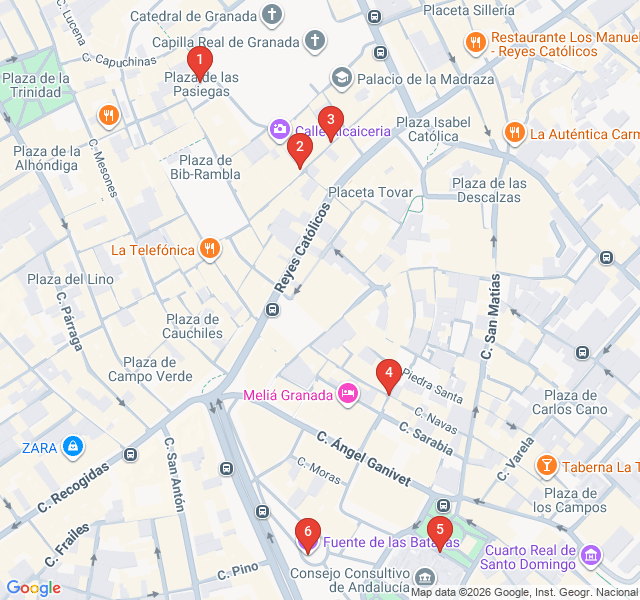
Numbers indicate the order of stops on the tour.
Welcome to Plaza de las Pasiegas, a square that serves as the grand entrance to Granada’s Cathedral. Look up at the magnificent Baroque facade, designed by the local artist Alonso Cano. The square gets its name from the 'pasiegas'—women from the Cantabrian valley of Pas who were once famous throughout Spain as wet nurses. They would gather here in the 19th century, dressed in their traditional costumes, waiting to be hired by wealthy Granadino families. This spot represents the intersection of the city's religious power and its everyday social history. Take a moment to appreciate the scale of the Cathedral, which was built over the site of the city's Great Mosque, symbolizing the shift from Islamic to Christian rule.
Enter the narrow alleys of the Alcaicería, the soul of Granada’s silk trade. During the Nasrid dynasty, this was a gated bazaar protected by iron chains, where precious silks, spices, and gold were traded under royal protection. The original market was tragically destroyed by a fire in 1843, sparked by a local match factory. What you see today is a 19th-century reconstruction in the Neo-Moorish style, designed to recapture the exotic atmosphere of the original 'souk'. Even though the goods have changed from raw silk to ceramics and leather, the tight corridors and repetitive arches still offer a sensory window into the city's medieval mercantile spirit.
Calle Zacatín has been the commercial heart of Granada since the middle ages. Its name comes from the Arabic 'saqqatin', meaning the street of the clothes-makers or second-hand sellers. Historically, this street was lined with workshops where tailors and weavers produced the garments sold in the nearby Alcaicería. Unlike the narrow alleys you just left, the Zacatín was widened over the centuries to accommodate the growing city's needs, eventually connecting the old market area to the modern Plaza Nueva. Today, it remains one of the city's most popular shopping streets, maintaining a tradition of trade that has remained unbroken for over seven hundred years.
As you turn onto Calle Navas, the atmosphere shifts from commerce to cuisine. This is one of Granada's most famous 'tapas' streets. In Granada, a unique tradition survives: when you order a drink, a small plate of food is served for free. Calle Navas is lined with traditional bars where locals and visitors alike stand at high tables to enjoy everything from 'habas con jamón' (broad beans with ham) to fresh seafood. The street represents the social fabric of the city, where the 'tapeo' is not just a meal, but a way of life. It’s an ideal place to observe the local rhythm and perhaps stop for a quick refreshment.
This elegant square is dedicated to a local icon: Mariana Pineda. In 1831, this young widow was executed for her liberal beliefs after she was found with a flag embroidered with the words 'Equality, Freedom, and Law'. She refused to betray her accomplices, becoming a martyr and a symbol of the struggle against absolutism in Spain. The statue in the center of the square commemorates her bravery. The plaza itself, with its manicured trees and surrounding cafes, is a favorite spot for Granadinos to relax. It marks the transition from the old Moorish city into the 19th-century expansion of Granada.
The walk concludes at the Fuente de las Batallas, located in the bustling Puerta Real area. This fountain and the surrounding square have long been the city's unofficial 'living room'. The name 'Batallas' (Battles) refers to the military parades and celebrations that took place here in the 19th century. Today, it is the primary meeting point for friends and the site of various local fairs and book markets. Standing here, you are at the junction of the historic center and the modern commercial district. It is the perfect place to reflect on how Granada has evolved from a Silk Road hub into a vibrant, modern Spanish city.
Start Free on iPhone
Explore “Alcaicería and the Silk Road Spirit” with your very own Private Tour Guide with Zigway. Start free on iPhone, skip the large group and the fixed routes, and hear the city come alive as you go.
Your Private Tour Guide
Don't miss the good stuff
Explore Freely
 Moderate
Granada, Spain
Explore the bohemian heart of Granada's oldest district on this self-guided walking route through the hidden gems of the Upper Albaicín.
 Moderate
Granada, Spain
Explore Granada's historic Jewish Quarter and discover world-class street art on this self-guided walk through the vibrant Realejo neighborhood.
 Moderate
Granada, Spain
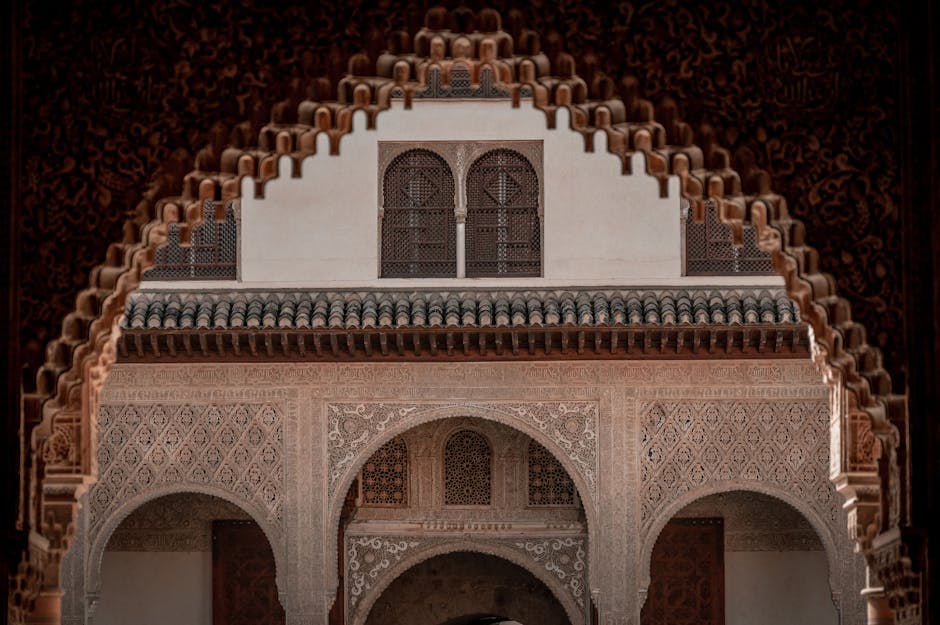
Discover the Moorish soul of Granada on this self-guided walk through the Albaicín’s winding streets, historic palaces, and iconic viewpoints.
 Easy
EasyGranada, Spain
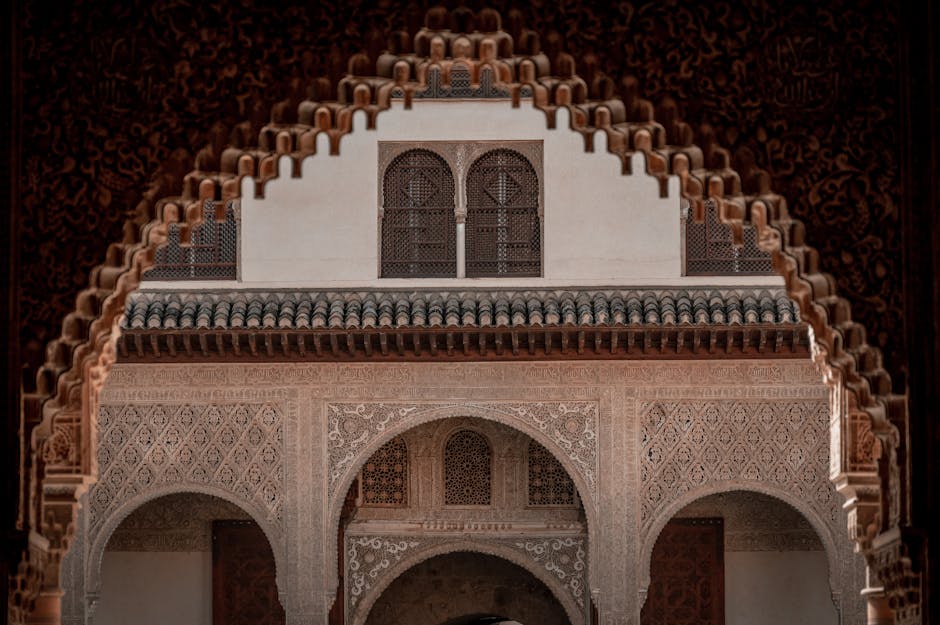
Discover the legacy of the Catholic Monarchs on a self-guided walk through Granada’s grandest Renaissance and Gothic monuments.
 Easy
EasyWarsaw, Poland
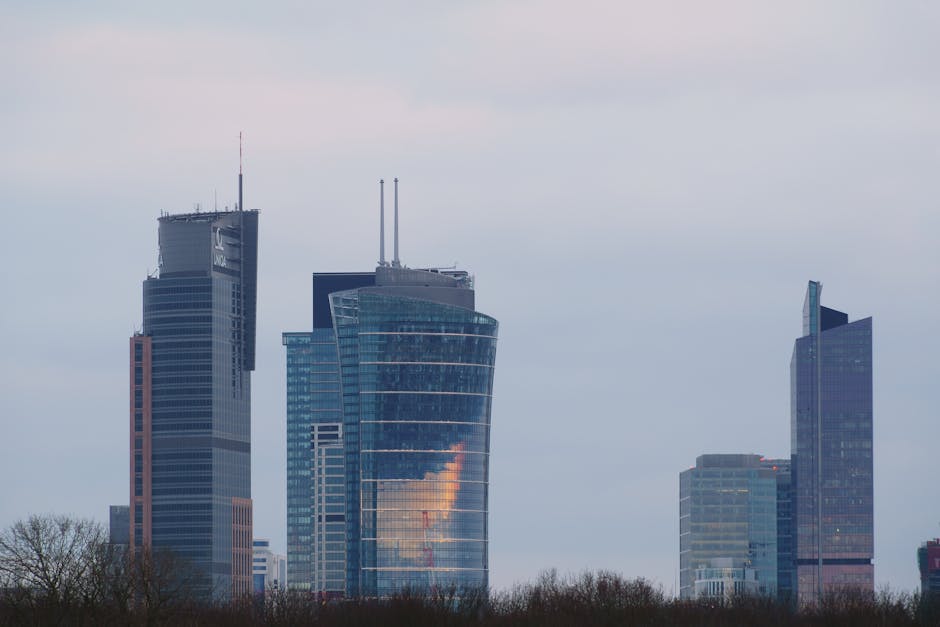
Discover the hidden courtyards and grand pre-war architecture of Warsaw's most atmospheric neighborhood on this self-guided stroll.
 Easy
EasyNairobi, Kenya
Discover Nairobi’s literary soul on this self-guided walk through historic libraries, iconic bookshops, and cultural centers in the heart of the CBD.
 Easy
EasyKrakow, Poland
Explore the prestigious Jagiellonian University district, featuring Neo-Gothic architecture, Baroque churches, and Krakow's hidden scholarly gems.
 Easy
EasyKrakow, Poland
Explore the historic heart of Kazimierz on this self-guided walk through synagogues, ancient cemeteries, and vibrant squares.
 Moderate
Barcelona, Spain
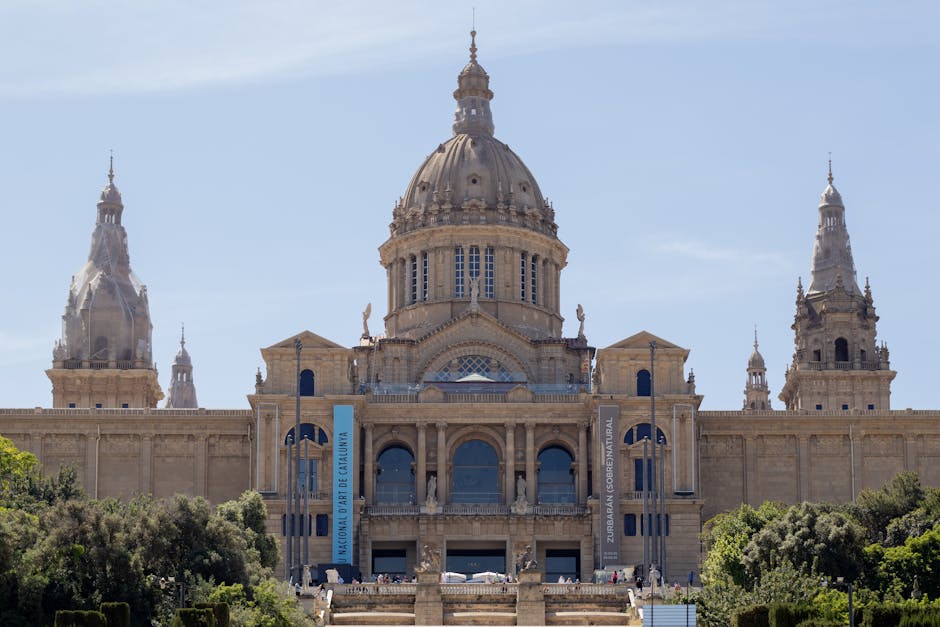
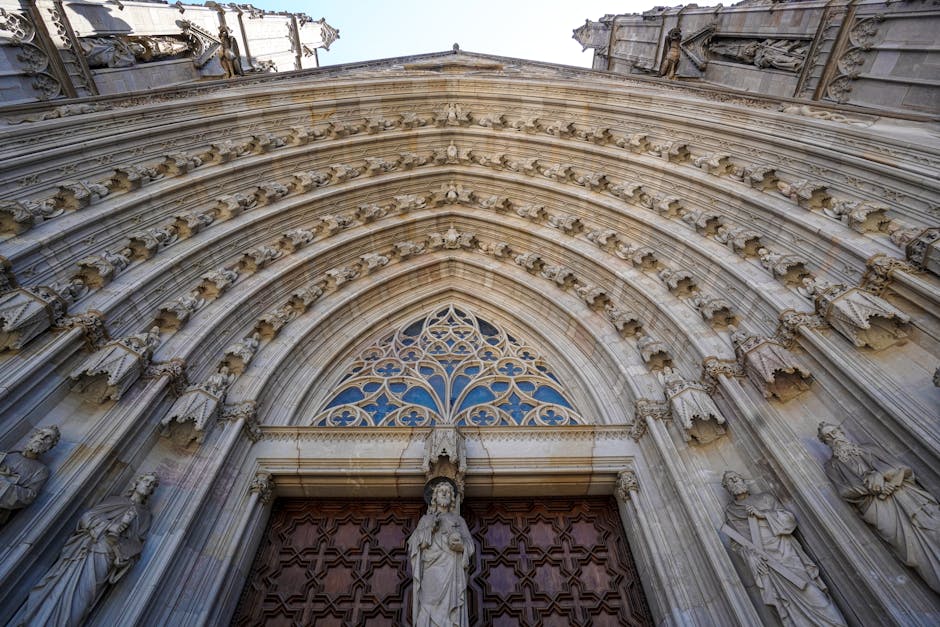
Explore the elegant 'village' of Sarrià, where Gothic monasteries and Gaudí's hidden gems meet charming local markets and narrow streets.
 Moderate
Barcelona, Spain
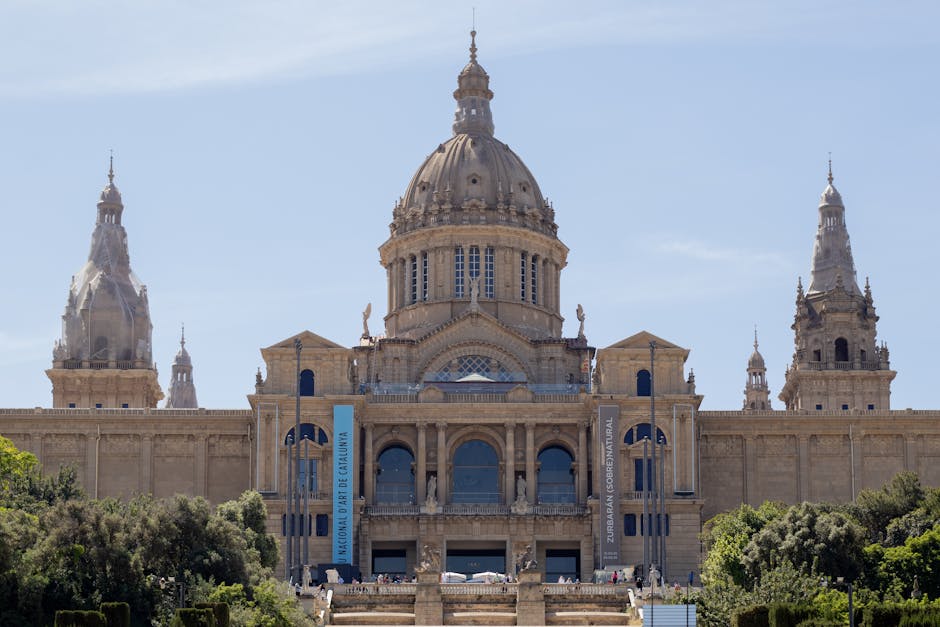
Discover the revolutionary history and haunting scars of the Spanish Civil War on this self-guided walk through Barcelona's historic streets.
 Easy
EasyBarcelona, Spain
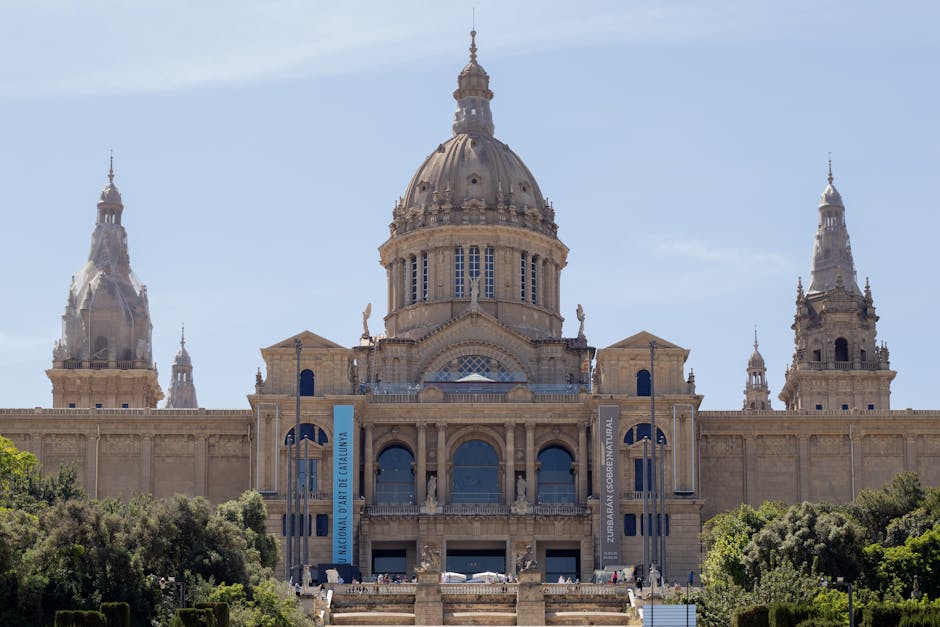
Discover the architectural wonders of Barcelona's Golden Square on this self-guided stroll through Eixample's most luxurious Modernista streets.
 Challenging
Barcelona, Spain
Explore Montjuïc’s lush gardens, historic fortress, and iconic Olympic venues on this scenic self-guided walk with panoramic Mediterranean views.