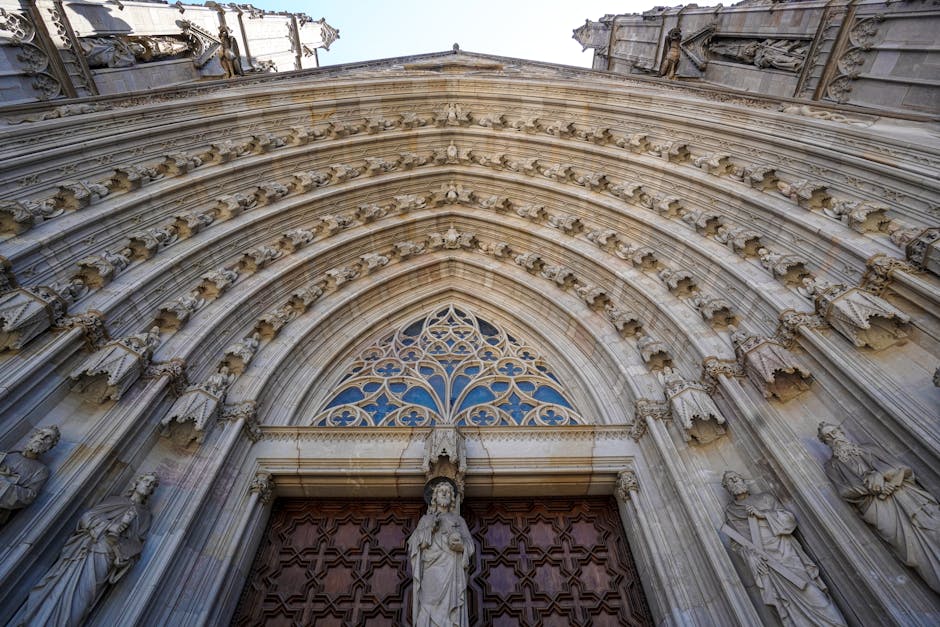
Self-guided audio tour in Barcelona
Start Free on iPhone
Start free on iPhone to unlock this self-guided walking tour in Barcelona. Hear all the stories that make it amazing, walk at your own pace, and begin whenever you want.
Your Private Tour Guide
Step back into the 1930s with this self-guided walk that traces the dramatic events of the Spanish Civil War in Barcelona. While the city is often celebrated for its Modernist beauty, this route reveals the hidden scars and resilient spirit of a population that faced intense aerial bombardment and ideological struggle. Your exploration begins at the intersection of power and protest in Plaça de Catalunya, where the 1936 military uprising was initially thwarted by local resistance. As you navigate the winding streets of the Gothic Quarter and move toward the hillside of Poble Sec, you will uncover the layers of history that transformed Barcelona into a laboratory for social revolution and a target for the first systematic bombing of a civilian population in modern warfare. This walking route highlights the physical remnants of the conflict, from the haunting shrapnel marks in secluded squares to the sophisticated network of underground air-raid shelters. You will learn about the role of international figures like George Orwell, the anarchist movements that briefly reshaped the city's social fabric, and the strategic importance of the anti-aircraft batteries that once defended the skyline. This journey offers a somber yet essential perspective on Barcelona’s identity, providing a narrative of survival and memory that persists long after the guns fell silent. Whether you are a history buff or a curious traveler, this self-guided walk provides the context needed to understand why these events remain so central to Catalan culture today. By following this route, you can explore the sites of major skirmishes, see the places where citizens sought refuge, and end with a panoramic view of the city from a defensive vantage point that once guarded against the Italian Legionary Air Force.
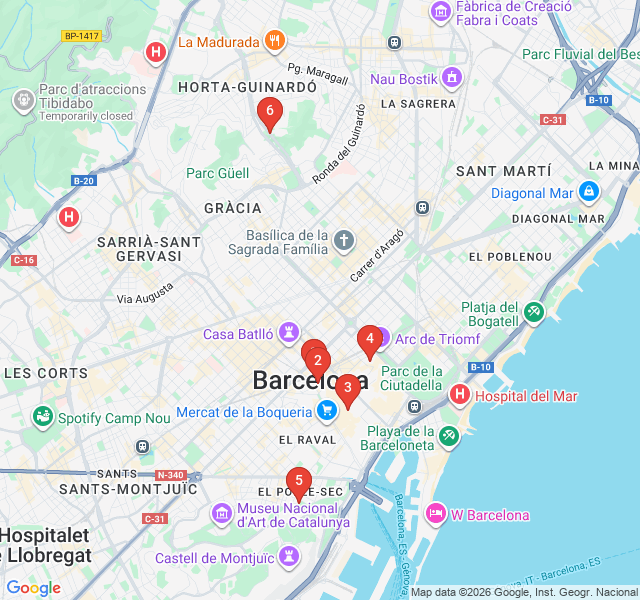
Numbers indicate the order of stops on the tour.
Before this corner became a hub for modern technology, it was the site of the prestigious Hotel Colón. In July 1936, at the start of the Spanish Civil War, this building was seized by the PSUC (United Socialist Party of Catalonia) and became their headquarters. Looking at old photographs, you would see a massive portrait of Stalin and banners celebrating the international communist movement draped across the facade. This building stood as a symbol of the radical political shift in Barcelona, where workers' militias and socialist groups took control of the city's most luxurious spaces to organize their resistance against the military coup. It serves as the perfect starting point to understand how the war turned everyday urban life upside down.
Plaça de Catalunya is the heart of Barcelona and was the epicenter of the initial fighting in July 1936. When the military tried to seize control of the city, they were met here by armed workers, civil guards, and assault guards who remained loyal to the Republic. The square was a scene of chaos, with barricades built from cobblestones and overturned trams. George Orwell, who arrived later to fight for the POUM militia, famously described the atmosphere of revolutionary Barcelona in his book 'Homage to Catalonia,' noting how the bourgeois dress had disappeared and everyone addressed each other as 'comrade.' This square transitioned from a site of military conflict to the symbolic center of a social revolution.
This secluded square holds one of the most tragic stories of the war. On January 30, 1938, the Italian Aviazione Legionaria, flying for Franco's forces, dropped bombs that struck the church and the surrounding buildings. Many of the victims were children from a nearby school who had sought shelter in the church basement. If you look closely at the lower walls of the church, you can still see the jagged holes and pockmarks left by the shrapnel. For years, the Francoist regime claimed these marks were from execution squads to cover up the horror of the aerial bombardment, but the truth remains etched in the stone— a silent memorial to the first time a city’s civilian population was systematically targeted from the air.
The Spanish Civil War was marked by intense anticlerical violence, particularly in Barcelona where the church was seen by many revolutionaries as an ally of the ruling elite. Sant Pere of the Puelles, one of the city's oldest religious sites, was not spared. During the 'Red Terror' in the early days of the conflict, the church was set on fire and looted, a fate shared by many religious buildings across the city. This stop illustrates the deep ideological divisions of the era. While some fought to protect these ancient structures, others saw their destruction as a necessary step in dismantling the old social order. The restored facade hides a history of fire and fury that defined the summer of 1936.
As the war progressed and bombings became a frequent reality, the people of Barcelona took their safety into their own hands. Refugi 307 is one of more than 1,400 air-raid shelters tunnels dug by citizens. This specific shelter in the Poble Sec neighborhood features nearly 400 meters of tunnels, complete with a kitchen, a basic infirmary, and toilets. Walking through these narrow, damp corridors, you get a sense of the fear and the incredible community organization required to survive. It wasn't just a place to hide; it was a testament to the 'passive defense' strategy where neighbors worked together to protect one another from the bombs falling from above.
Perched atop the Turó de la Rovira, the Bunkers del Carmel were never actually bunkers for hiding, but rather anti-aircraft battery emplacements built in 1937. From this height, Republican forces used Vickers guns to try and shoot down the Savoia-Marchetti bombers coming from the sea. After the war, the site was stripped of its weaponry and became a 'shanty town' known as 'Els Canons,' housing thousands of immigrants for decades. Today, it offers the most spectacular 360-degree view of Barcelona. As you look out over the city, you can trace the entire path of the conflict, from the harbor where the planes approached to the dense neighborhoods that bore the brunt of the attacks.
Start Free on iPhone
Explore “Civil War: The Battle for Barcelona” with your very own Private Tour Guide with Zigway. Start free on iPhone, skip the large group and the fixed routes, and hear the city come alive as you go.
Your Private Tour Guide
Don't miss the good stuff
Explore Freely
 Moderate
Barcelona, Spain
Explore the elegant 'village' of Sarrià, where Gothic monasteries and Gaudí's hidden gems meet charming local markets and narrow streets.
 Easy
EasyBarcelona, Spain
Discover the architectural wonders of Barcelona's Golden Square on this self-guided stroll through Eixample's most luxurious Modernista streets.
 Challenging
Barcelona, Spain
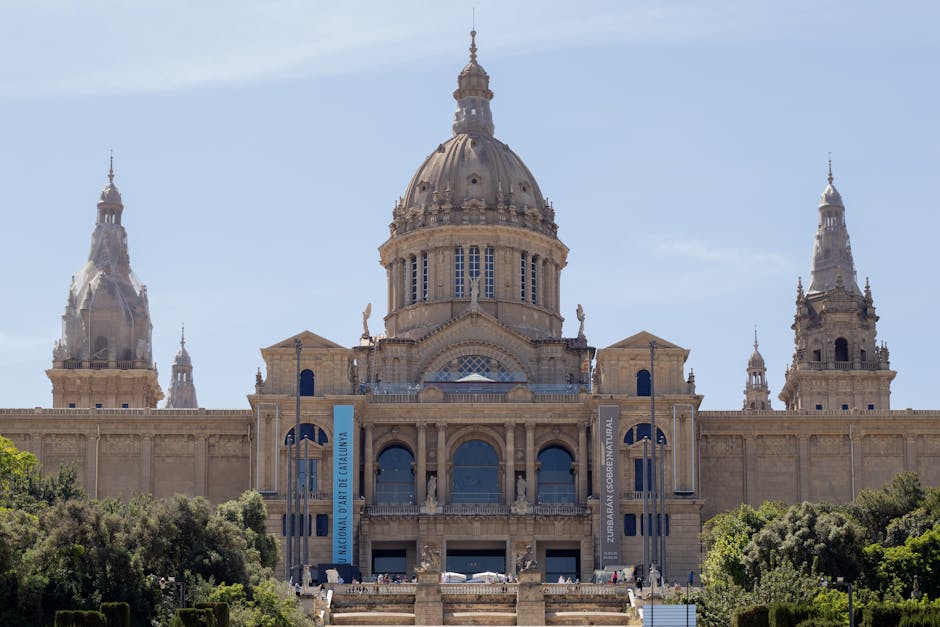
Explore Montjuïc’s lush gardens, historic fortress, and iconic Olympic venues on this scenic self-guided walk with panoramic Mediterranean views.
 Easy
EasyBarcelona, Spain
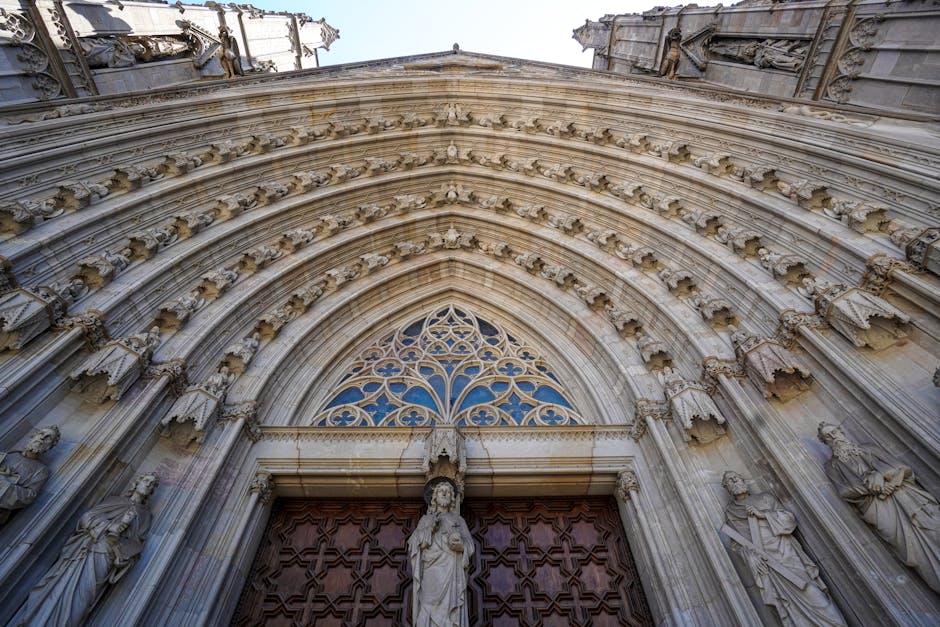
Uncover 2,000 years of history on this self-guided walk through Barcelona's Gothic Quarter, from Roman ruins to haunting medieval squares.
 Moderate
Gdansk, Poland
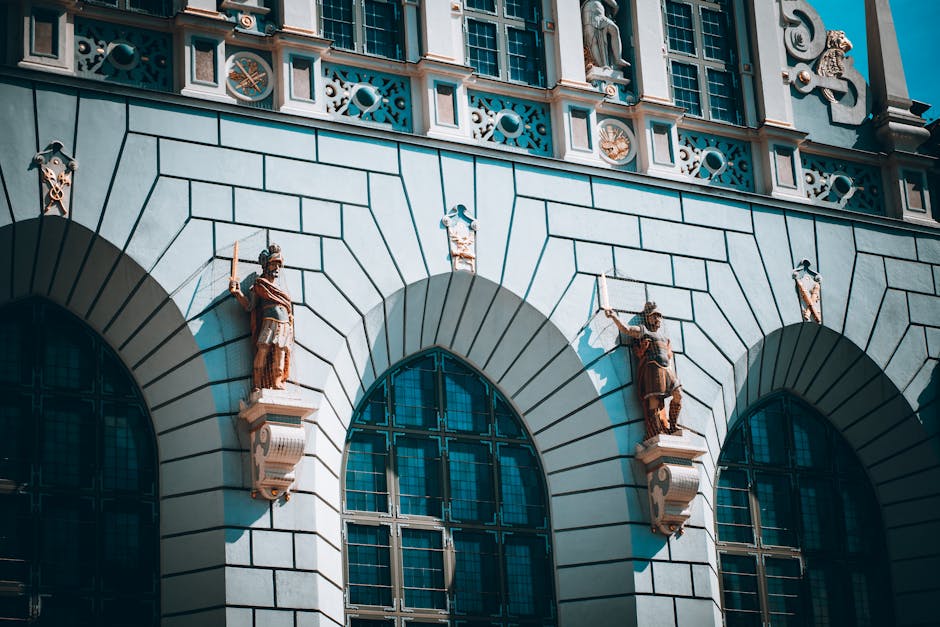
Discover the origins of WWII in Gdansk on this self-guided walk through heroic last stands, massive museums, and strategic hilltop fortifications.
 Moderate
Warsaw, Poland
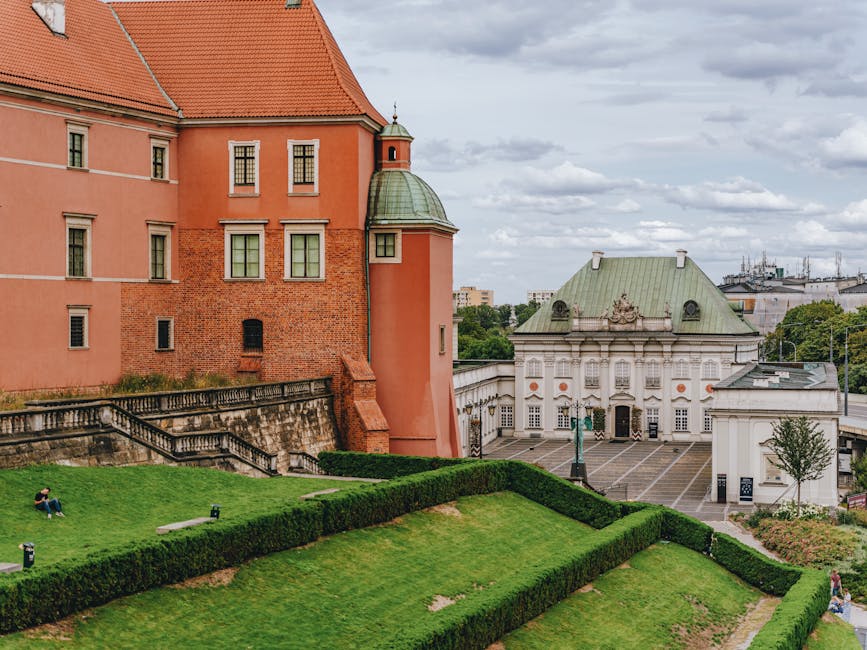
Explore the resilient spirit of Warsaw's Muranów district on this self-guided walk through the history and landmarks of the former Jewish Ghetto.
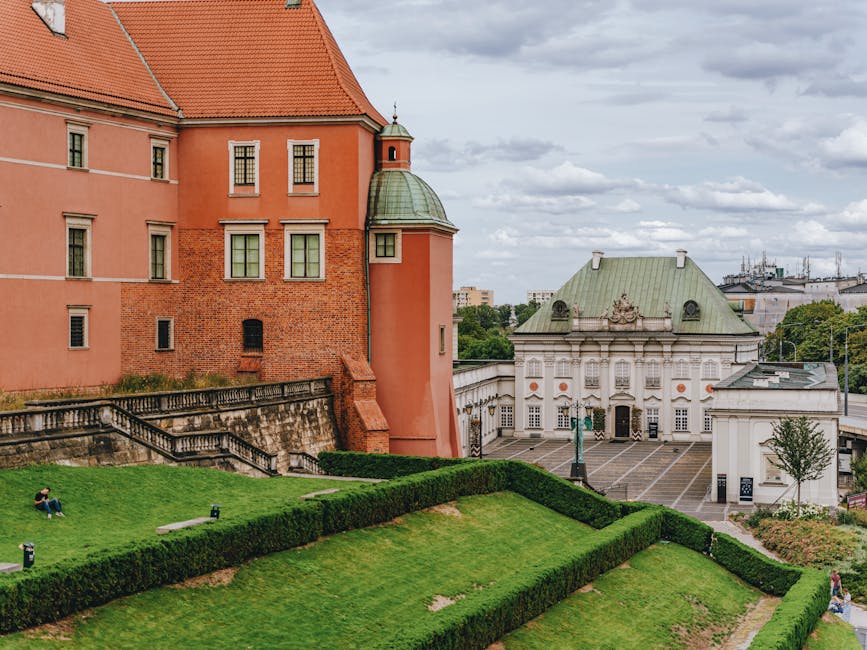 Moderate
Warsaw, Poland
A powerful self-guided walk through Warsaw's WWII history, tracking the 1944 Uprising from ruined skyscrapers to solemn memorials.
 Moderate
Nairobi, Kenya
Discover the creative soul of Nairobi on this self-guided walk through the city's premier art galleries, markets, and artisan workshops.
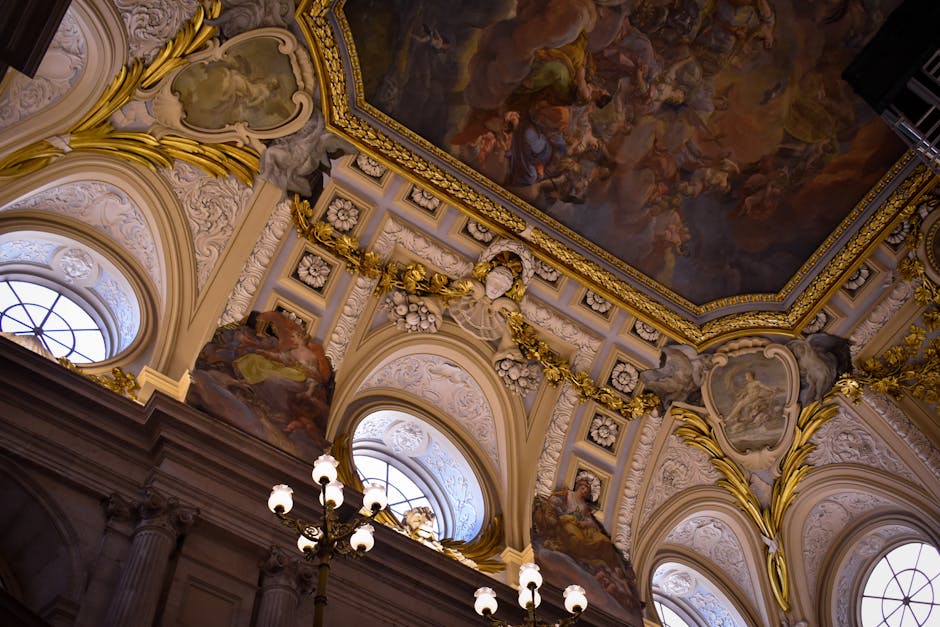 Easy
EasyMadrid, Spain
Explore Madrid's 'Landscape of Light' on this self-guided walk through the world-renowned Golden Triangle of Art, from Cibeles to the Reina Sofía.
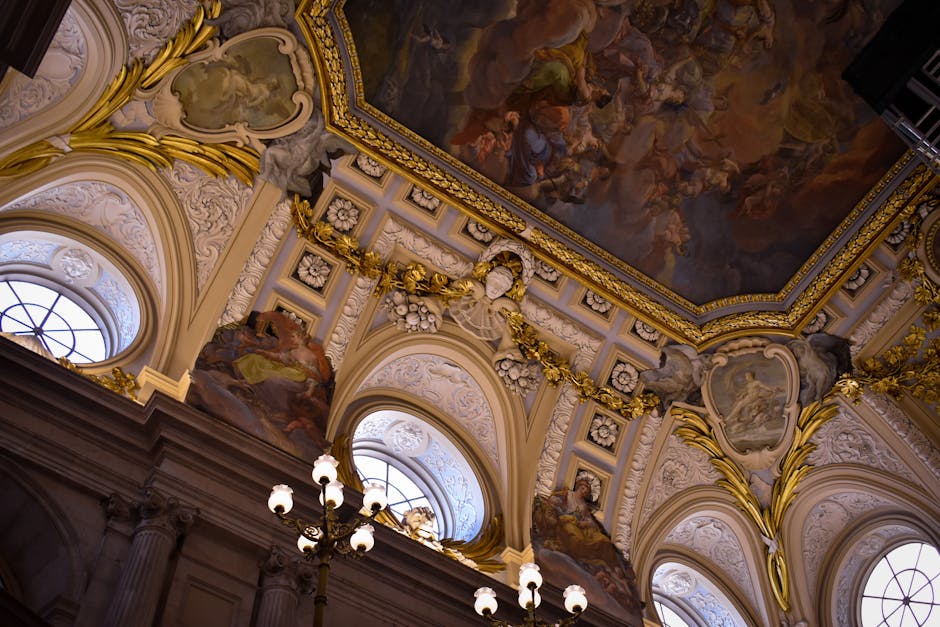 Moderate
Madrid, Spain
Explore Madrid's most diverse neighborhood on this self-guided walk through street art, historic markets, and multicultural squares.
 Easy
EasyMadrid, Spain
Explore the royal legacy and medieval alleys of Madrid's historic Habsburg district on this immersive self-guided walk through the city's heart.
 Easy
EasyMadrid, Spain
Discover the rebellious spirit of Malasaña on this self-guided walk through Madrid's best street art, historic squares, and counter-culture hubs.