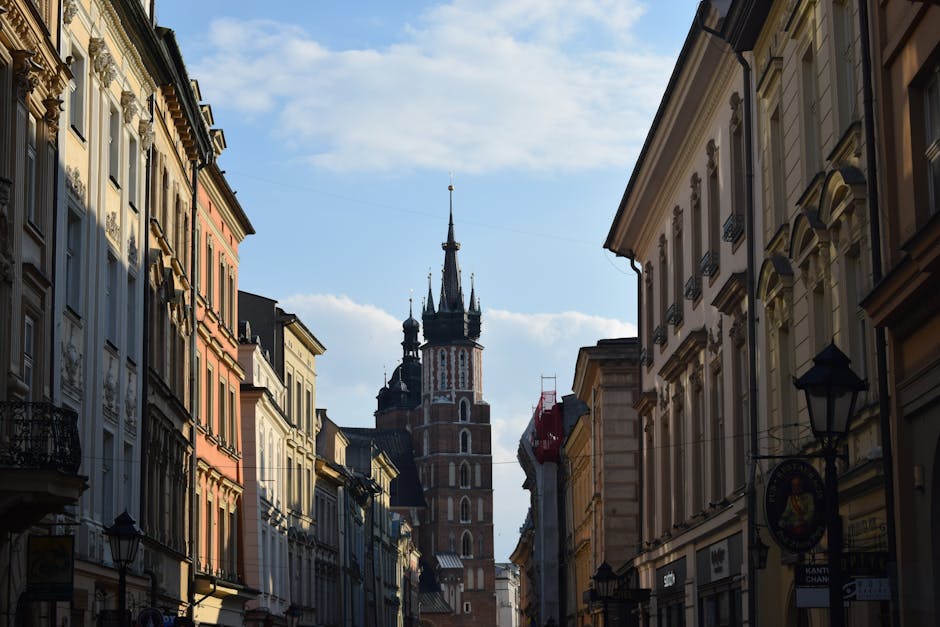
Self-guided audio tour in Krakow
Start Free on iPhone
Start free on iPhone to unlock this self-guided walking tour in Krakow. Hear all the stories that make it amazing, walk at your own pace, and begin whenever you want.
Your Private Tour Guide
Krakow is a city where history and folklore are inextricably linked, creating an atmosphere that feels both medieval and magical. On this walking route, you will uncover the stories that shaped the Polish soul, beginning in the bustling heart of the Old Town. This self-guided adventure invites you to trace the footsteps of literary giants and mythical beasts through streets that have seen centuries of royal processions and academic breakthroughs. The city’s architecture serves as a backdrop to tales of alchemy, heroism, and ancient curses that still resonate today. As you wander through the medieval center, you will encounter the legacy of Jan Matejko, the master painter who visualized Poland’s history, and Adam Mickiewicz, the national bard whose Romantic poetry fueled the spirit of a nation. The route leads you past the iconic Town Hall Tower, a solitary remnant of a grander past, and into the hallowed courtyards of the Collegium Maius. Here, at the oldest university building in Poland, the world of Nicolaus Copernicus meets the legends of medieval scholars. The journey then shifts toward the river, following the path to the most famous resident of Krakow’s folklore: the Wawel Dragon. This walking route Krakow offers leads you right to the base of Wawel Hill, where the fire-breathing guardian of the city still stands outside its limestone lair. Finally, the walk concludes at the peaceful Basilica of St. Michael the Archangel, also known as Skałka, a site of profound religious significance and legendary conflict. Whether you are a fan of classical literature or ancient folklore, this neighborhood stroll provides an independent way to experience the magical atmosphere of Poland's cultural capital at your own pace. This is not a traditional guided tour Krakow visitors often see; instead, it is a personal journey through the myths that define the city, allowing you to linger where the stories speak to you most.
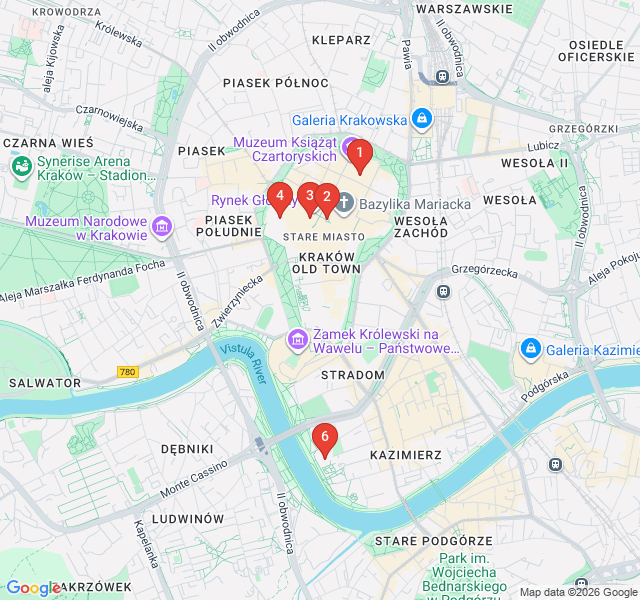
Numbers indicate the order of stops on the tour.
Start your journey at the birthplace and long-time home of Jan Matejko, the man who literally painted the history of Poland. Matejko was a master of large-scale historical canvases, and his work defined how Poles visualize their own past. This 16th-century townhouse is more than just a museum; it is a window into the 19th-century intellectual life of Krakow. As you stand outside, consider how Matejko's obsession with detail saved many of Krakow's monuments from destruction, as he was a vocal advocate for the city's architectural preservation. His influence bridges the gap between the historical facts of the Polish kings and the legendary status they hold today.
Arriving at the Main Market Square, you face the 'Adaś' monument, dedicated to Poland's greatest Romantic poet. Adam Mickiewicz never actually visited Krakow during his lifetime, yet he is buried in the cathedral nearby, and this statue is the city's most popular meeting point. Mickiewicz is to Poland what Shakespeare is to England or Dante to Italy. His epic poems and dramas are filled with folklore, spirits, and the struggle for freedom. The four figures at the base of the pedestal represent the Fatherland, Science, Courage, and Poetry, illustrating the multifaceted nature of the legends that have shaped the Polish identity over centuries.
Standing 70 meters tall, this Gothic tower is all that remains of the 14th-century Town Hall that once dominated the square. The tower is a silent witness to Krakow's turbulent history, including the legends of the city's underground. Beneath your feet lies a network of cellars that once served as a prison and a torture chamber, giving rise to many local ghost stories. The tower itself leans slightly—about 55 centimeters—the result of a massive storm in 1703. It represents the resilience of the city, standing firm even when the rest of the building was demolished in the 19th century.
Step into the oldest building of the Jagiellonian University, a place where the line between medieval science and alchemy often blurred. Founded in the 14th century, this courtyard has hosted famous figures like Nicolaus Copernicus and Pope John Paul II. Listen for the musical clock that performs a procession of wooden figures every odd hour. The Collegium Maius is also linked to the legend of Pan Twardowski, a sorcerer often called the 'Polish Faust,' who is said to have studied magic here before making a deal with the devil. The brickwork and arcades reflect the golden age of Polish academia and the pursuit of truth through both reason and myth.
At the foot of Wawel Hill, you encounter the most famous legend of them all: the Wawel Dragon. According to myth, this beast terrorized the city until a clever shoemaker named Skuba fed it a sheep skin stuffed with sulfur. The dragon became so thirsty after eating it that it drank from the Vistula River until it exploded. Today, a bronze statue of the dragon stands guard outside its limestone cave, and every few minutes, it breathes real fire. It is a symbol of Krakow’s triumph over chaos and remains a favorite spot for visitors of all ages to witness a piece of living folklore.
The final stop on our walk is the Sanctuary of Skałka, a site of deep historical and legendary significance. This is the place where, according to tradition, Bishop Stanislaus was martyred by King Bolesław the Bold in 1079. The legend says the bishop's body was dismembered but miraculously grew back together, a story that became a symbol for the future reunification of a divided Poland. Below the church lies the Crypt of Deserving Poles, where many of the figures mentioned on this walk, including Jan Matejko and Nobel Prize-winning poets, are laid to rest. It is a peaceful conclusion to a journey through the myths and legends of the city.
Start Free on iPhone
Explore “The Dragon’s Path: Myths and Legends” with your very own Private Tour Guide with Zigway. Start free on iPhone, skip the large group and the fixed routes, and hear the city come alive as you go.
Your Private Tour Guide
Don't miss the good stuff
Explore Freely
 Easy
EasyKrakow, Poland
Explore the prestigious Jagiellonian University district, featuring Neo-Gothic architecture, Baroque churches, and Krakow's hidden scholarly gems.
 Easy
EasyKrakow, Poland
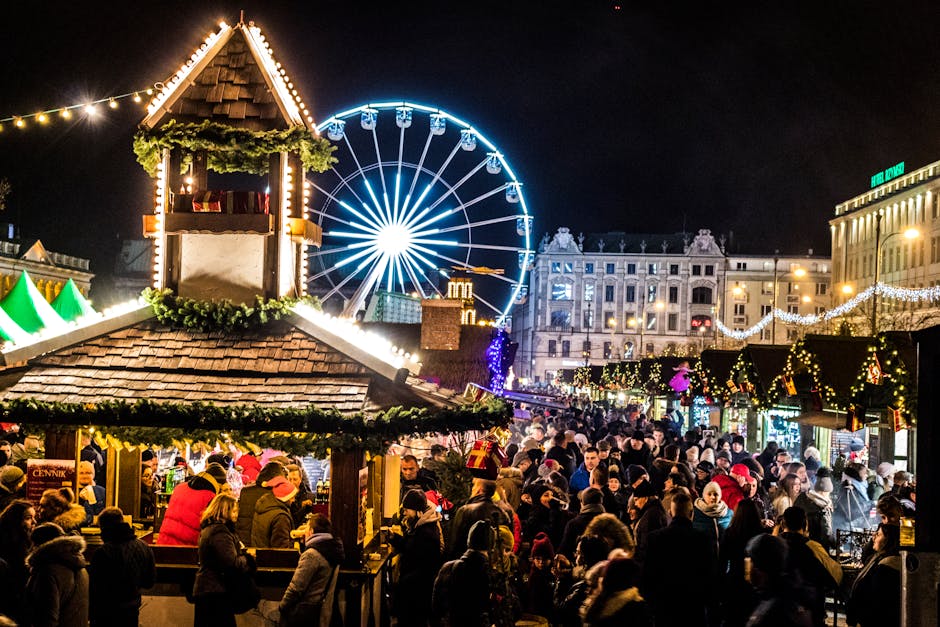
Explore Krakow's hidden nightlife with this self-guided walk through medieval cellars, jazz clubs, and bohemian bars in the Old Town and Kazimierz.
 Easy
EasyKrakow, Poland
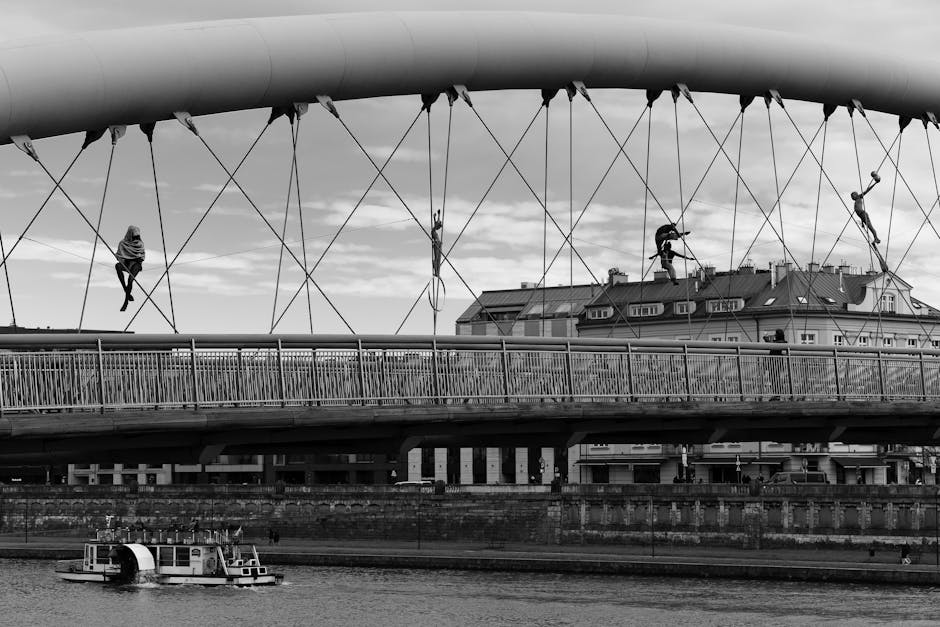
Discover Krakow’s creative soul in Zabłocie, exploring industrial heritage, contemporary art museums, and avant-garde architecture at your own pace.
 Easy
EasyKrakow, Poland
Explore the historic heart of Kazimierz on this self-guided walk through synagogues, ancient cemeteries, and vibrant squares.
 Easy
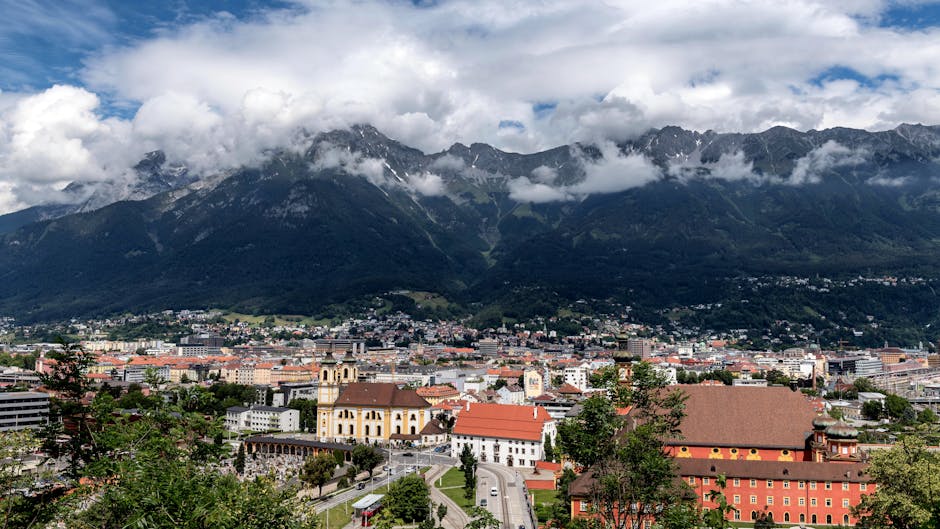
EasyInnsbruck, Austria
Uncover the myths and legends of Innsbruck on this self-guided walk through the historic Altstadt and beyond.
 Easy
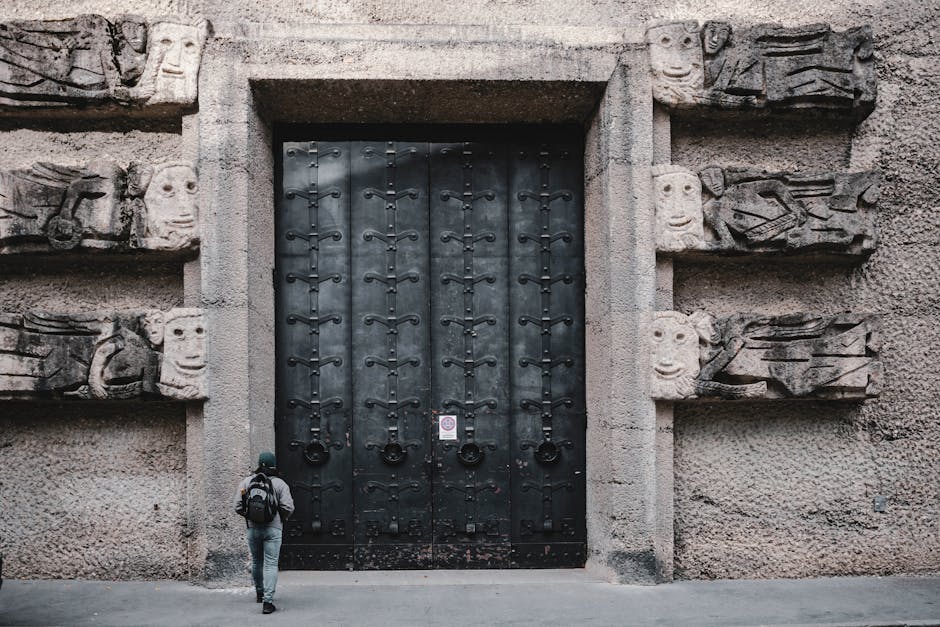
EasySalzburg, Austria
Discover the 'Rome of the North' on this self-guided walk through the Baroque squares and monumental legacy of Salzburg’s Prince-Archbishops.
 Easy
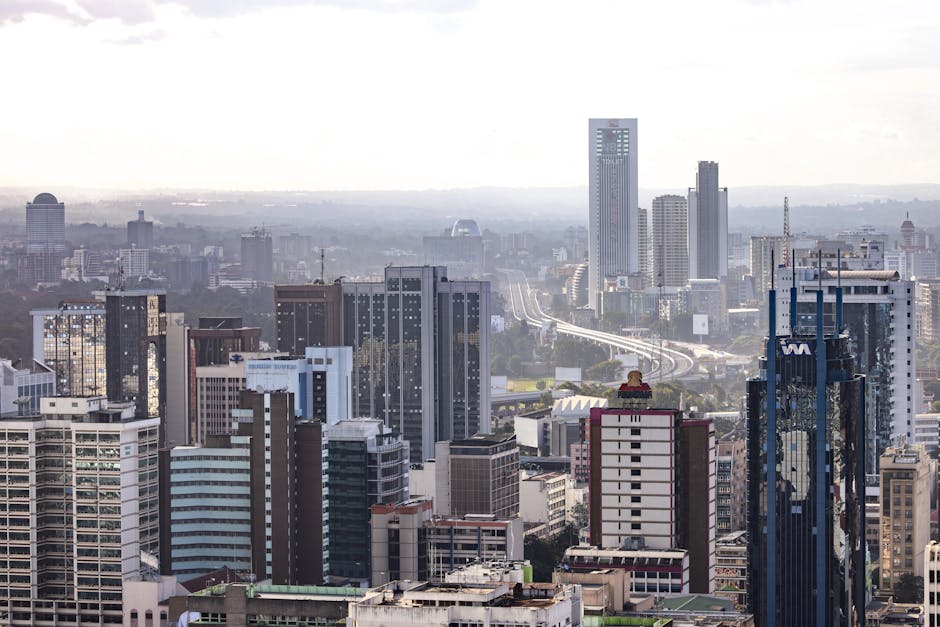
EasyNairobi, Kenya
Explore Nairobi's architectural evolution from colonial-era landmarks to iconic Brutalist skyscrapers on this historic self-guided walking route.
 Easy
EasyNairobi, Kenya
Discover Nairobi's iconic skyline on this self-guided architecture walk through the CBD’s most famous modernist and Brutalist landmarks.
 Easy
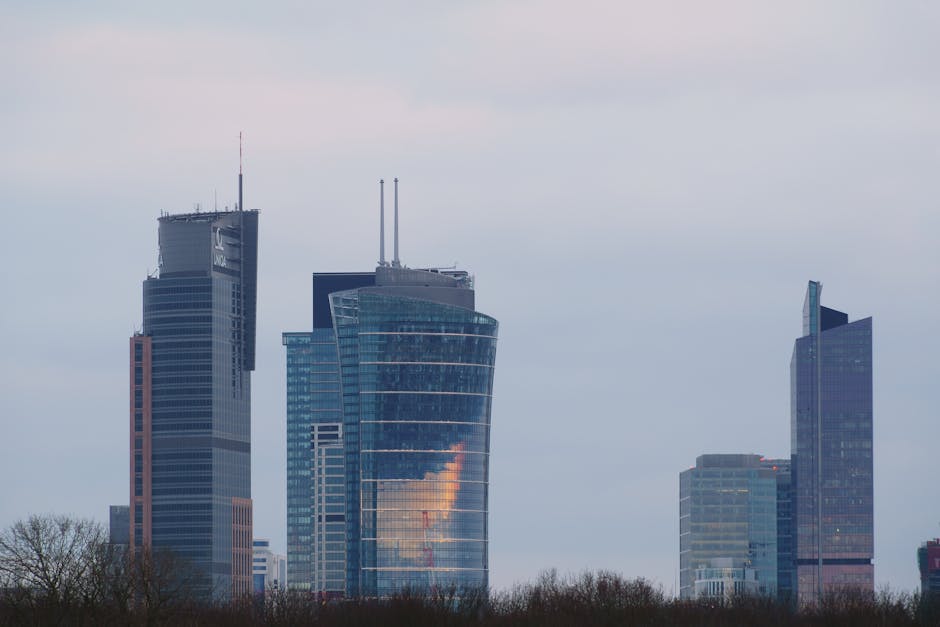
EasyWarsaw, Poland
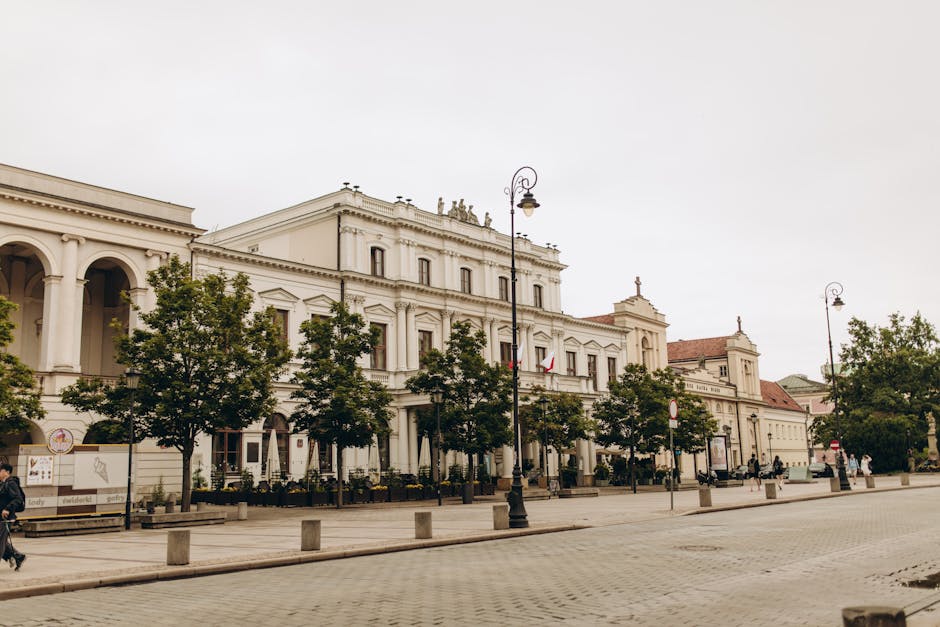
Discover the hidden courtyards and grand pre-war architecture of Warsaw's most atmospheric neighborhood on this self-guided stroll.
 Easy
EasyWarsaw, Poland
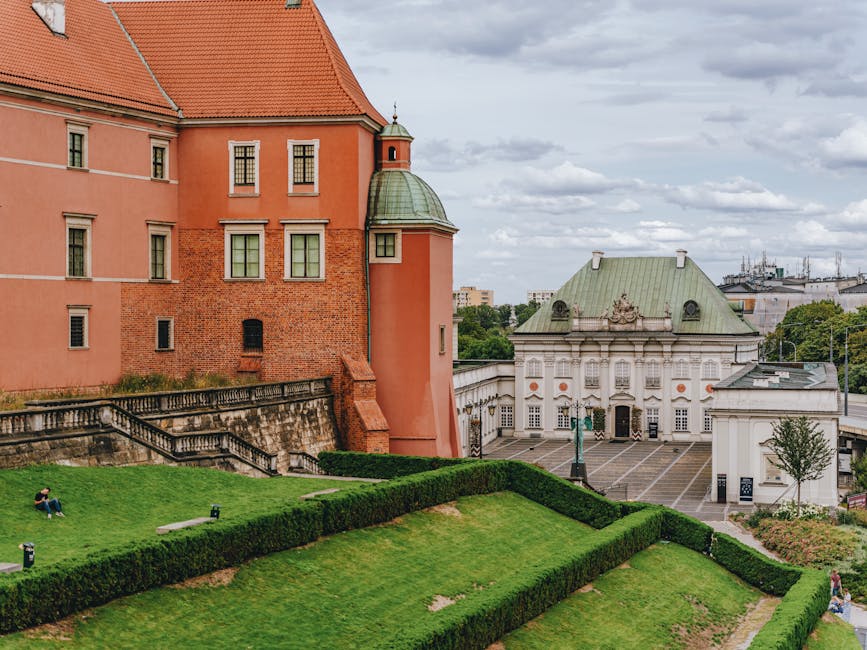
Explore the 'Polish Versailles' at your own pace. Discover Baroque architecture, royal history, and stunning gardens on this self-guided walk.
 Moderate
Warsaw, Poland
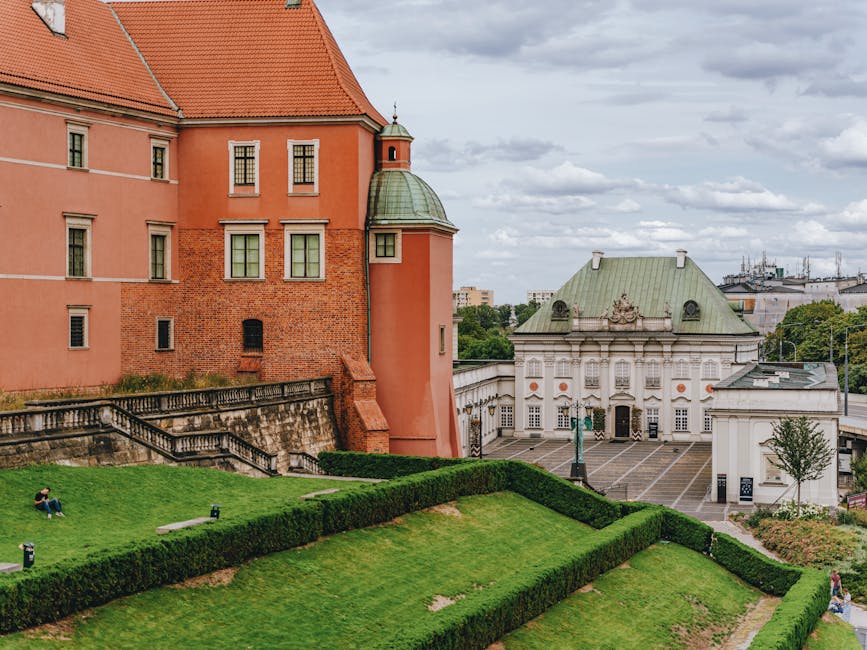
Explore the resilient spirit of Warsaw's Muranów district on this self-guided walk through the history and landmarks of the former Jewish Ghetto.
 Moderate
Warsaw, Poland
A powerful self-guided walk through Warsaw's WWII history, tracking the 1944 Uprising from ruined skyscrapers to solemn memorials.