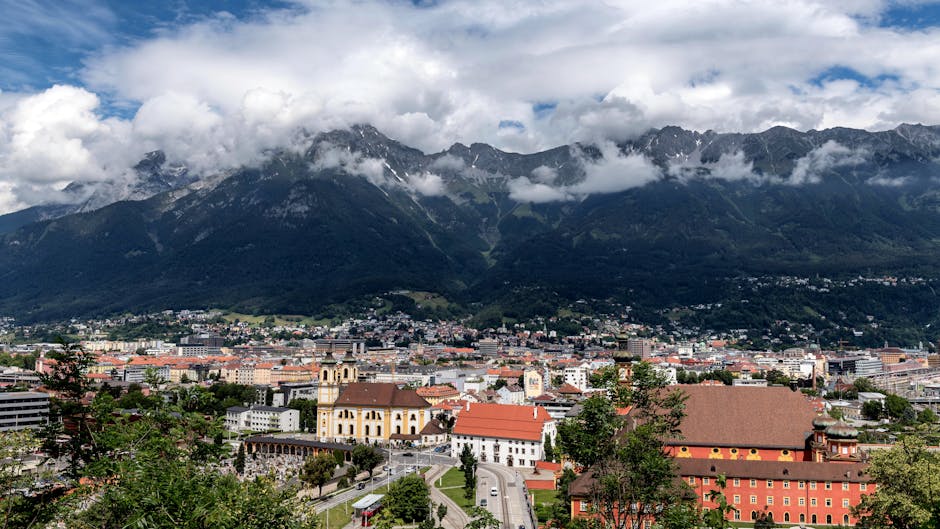
Self-guided audio tour in Innsbruck
Start Free on iPhone
Start free on iPhone to unlock this self-guided walking tour in Innsbruck. Hear all the stories that make it amazing, walk at your own pace, and begin whenever you want.
Your Private Tour Guide
Step into a world where the rugged peaks of the Nordkette mountains meet the whispered legends of the Tyrolean people. This self-guided walk through Innsbruck invites you to peel back the layers of history and discover the folklore that has shaped this Alpine capital for centuries. From the protective spirits of the mountains to the giants that supposedly roamed these valleys, the city's Altstadt is more than just a collection of beautiful buildings; it is a living storybook. As you wander through the narrow, medieval alleys, you will encounter the legacy of Emperor Maximilian I, the protector of the arts and the architect of the city's most iconic symbols. This neighborhood stroll takes you beyond the surface-level architecture to explore the symbolism hidden in plain sight, such as the grotesque masks of the Tyrolean Folk Art Museum and the enigmatic figures adorning the Golden Roof. You will learn about the deep-seated traditions of the Alps, where religious devotion and pagan roots often intertwine. The route leads you from the bustling heart of the old town toward the quieter, southern reaches of the city, following the path of ancient processions. Along the way, the towering mountains provide a constant backdrop, serving as a reminder of the wild nature that inspired the local myths. Whether you are intrigued by the stories of benevolent giants or the political maneuvering of the Habsburgs, this walking route offers a unique perspective on Innsbruck. By exploring independently, you can take the time to notice the intricate details of the wrought-iron signs and the weathered stone of the Triumphal Arch, all while uncovering the cultural soul of Tyrol at your own pace.
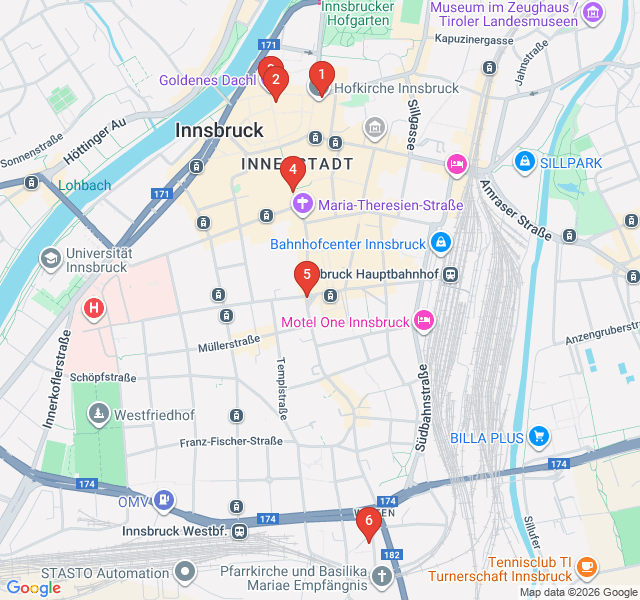
Numbers indicate the order of stops on the tour.
Begin your self-guided adventure at the Tyrolean Folk Art Museum, often cited as one of the finest heritage museums in Europe. This building holds the keys to understanding the Tyrolean soul. Inside, you will find the 'Perchten'—elaborate, often frightening masks used in winter festivals to drive away evil spirits. These traditions date back centuries and highlight the deep connection between the Alpine people and the cycles of nature. The museum also houses meticulously reconstructed wooden parlors from local farmhouses, showing how families lived through the harsh mountain winters. It is here that the legends of the mountains were whispered by the fireside, passing down stories of spirits and saints that still resonate in the region today.
Standing tall over the cobblestones of the Altstadt, the Stadtturm has served as the city's watchtower for over 450 years. In the medieval era, the tower guards were the eyes of the city, watching for fires or approaching enemies. Legend has it that the guards had to call out the hour every night to prove they were awake. Climbing the steps offers a view that helps you understand why folklore here is so tied to the landscape; the mountains hem the city in so tightly that they feel like watchful giants themselves. From this height, you can see the layout of the medieval town, which remains remarkably intact, preserving the atmosphere of the days when these legends were born.
The Golden Roof is Innsbruck’s most famous landmark, built for Emperor Maximilian I around 1500. While the 2,657 fire-gilded copper tiles are breathtaking, the real folklore lies in the reliefs. Look closely at the figures depicted on the balcony; they include acrobats and dancers in strange, contorted poses. Some historians believe these represent the 'Moriskentanz,' a popular folk dance of the time. There is also a long-standing mystery regarding the inscription behind the figures, which has never been fully deciphered. For centuries, locals have debated whether it is a secret code, a religious blessing, or perhaps a clever joke left by the Emperor himself to keep the world guessing.
As you walk down the elegant Maria-Theresien-Straße, you reach the Annasäule. This column was erected to commemorate the 'Bavarian Rummel' during the War of the Spanish Succession. On July 26, 1703—St. Anne's Day—the last of the Bavarian troops were expelled from the city. The locals viewed this as a divine miracle orchestrated by St. Anne. The column is made of red Tyrolean marble and is topped with a statue of the Virgin Mary. It stands as a symbol of Tyrolean identity and resilience, marking a moment where history and religious legend merged to define the city's character in the 18th century.
At the southern end of the main street stands the Triumphal Arch, a monument with a bittersweet story. It was commissioned by Empress Maria Theresa in 1765 to celebrate the wedding of her son, Leopold. However, during the celebrations, her beloved husband, Emperor Francis I Stephen, unexpectedly died. The arch was modified to reflect both events: the southern side depicts the joy of the wedding with festive motifs, while the northern side represents the mourning of the Emperor’s death, featuring symbols of grief and a profile of the widowed Empress. It is a striking stone representation of the duality of life, a theme common in many European folk tales.
The final stop on this walking route brings you to the Wilten district to meet Riese Haymon. According to 10th-century legend, Haymon was a giant who lived in the valley. After a fierce and deadly battle with another giant named Thyrsus, Haymon felt a deep sense of remorse. Seeking atonement, he converted to Christianity and founded the Wilten Abbey on this very spot. You can see a larger-than-life statue of him guarding the entrance to the monastery church. The story of the repentant giant is one of the most beloved in Tyrolean folklore, symbolizing the transition from the wild, mythical past of the Alps to the established religious order of the Middle Ages.
Start Free on iPhone
Explore “Legends and Lore: Tyrolean Folklore Walk” with your very own Private Tour Guide with Zigway. Start free on iPhone, skip the large group and the fixed routes, and hear the city come alive as you go.
Your Private Tour Guide
Don't miss the good stuff
Explore Freely
 Easy
EasyInnsbruck, Austria
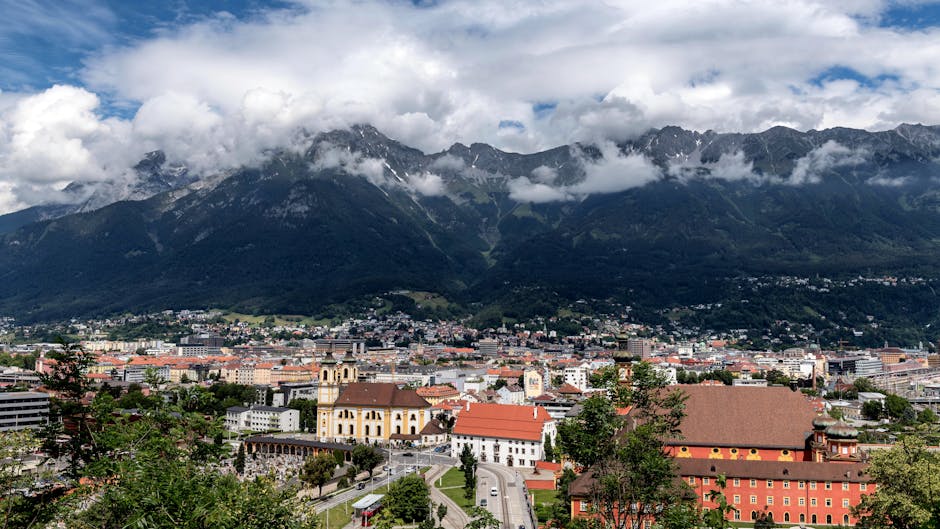
Discover the flavors of Tyrol on this self-guided stroll through Innsbruck’s historic Old Town and vibrant market hall.
 Easy
EasyInnsbruck, Austria
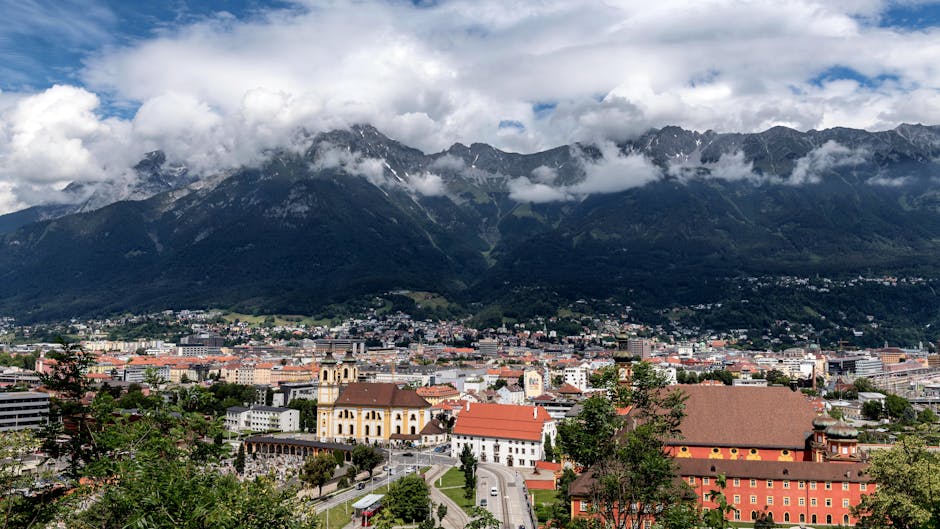
Discover Innsbruck's evolution from Gothic roots to Zaha Hadid's futuristic designs on this self-guided architectural walking route.
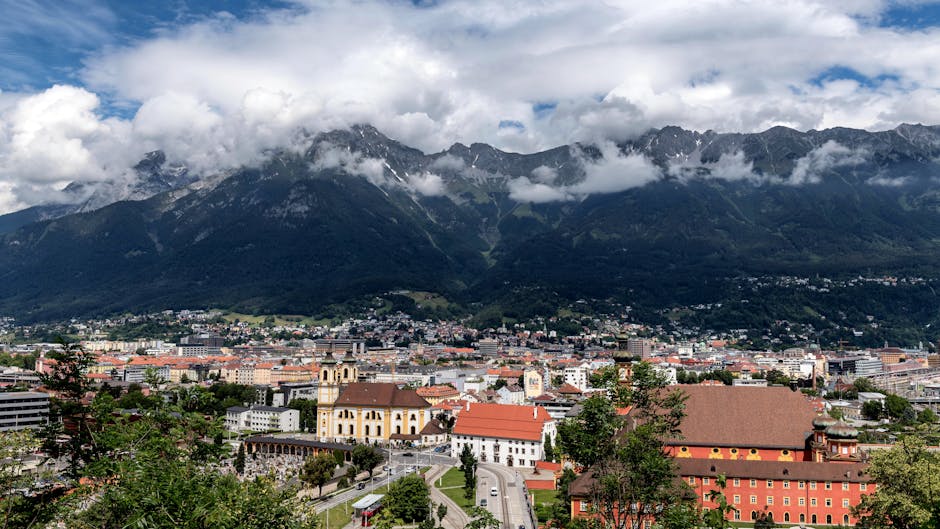 Challenging
Innsbruck, Austria
Scale the sun-drenched slopes of Hötting on this self-guided walk featuring panoramic Alps views, steep historic streets, and hidden forest chapels.
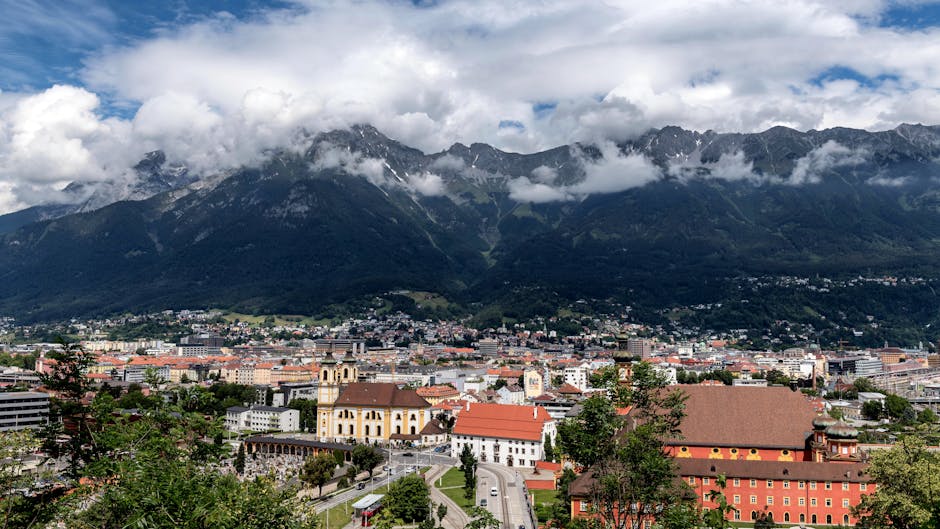 Easy
EasyInnsbruck, Austria
Explore Innsbruck's 'Garden City' on this self-guided walk through the stunning Belle Époque villas and lush parks of the Saggen district.
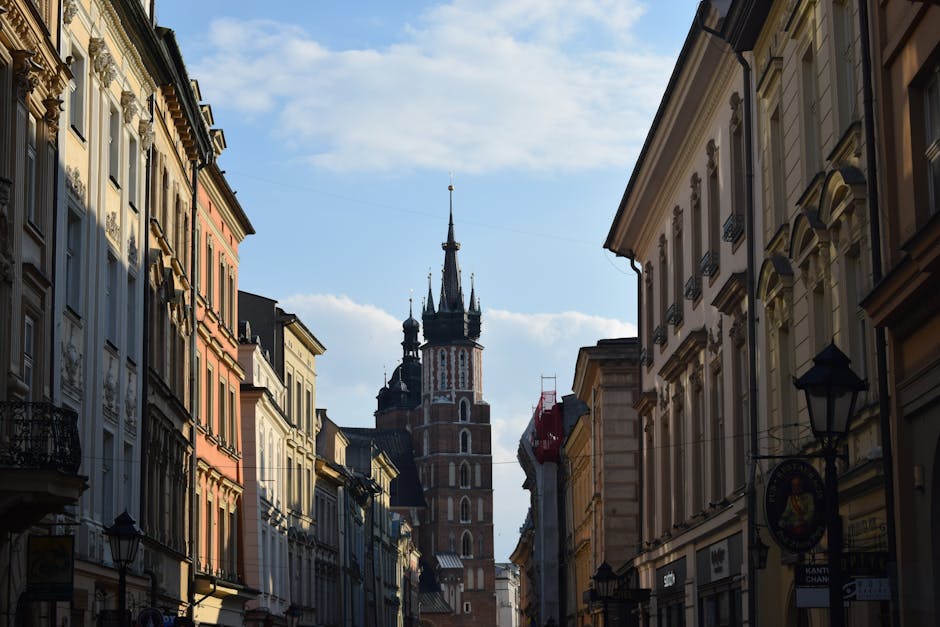 Easy
EasyKrakow, Poland
Uncover Krakow's legendary past on this self-guided walk from literary monuments to the fire-breathing Wawel Dragon.
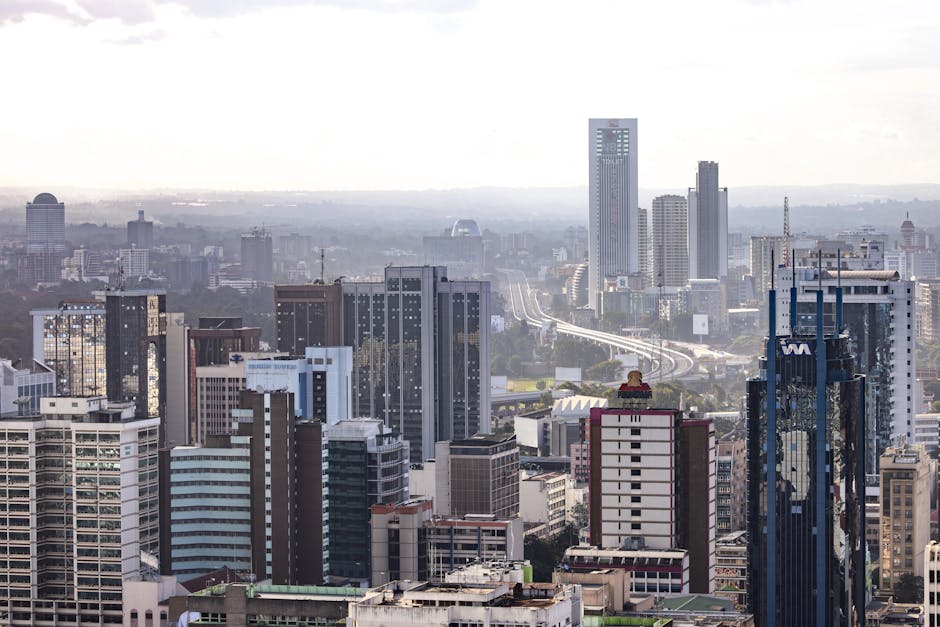 Easy
EasyNairobi, Kenya
Explore Nairobi's architectural evolution from colonial-era landmarks to iconic Brutalist skyscrapers on this historic self-guided walking route.
 Easy
EasyNairobi, Kenya
Discover Nairobi's iconic skyline on this self-guided architecture walk through the CBD’s most famous modernist and Brutalist landmarks.
 Easy
EasyGdansk, Poland
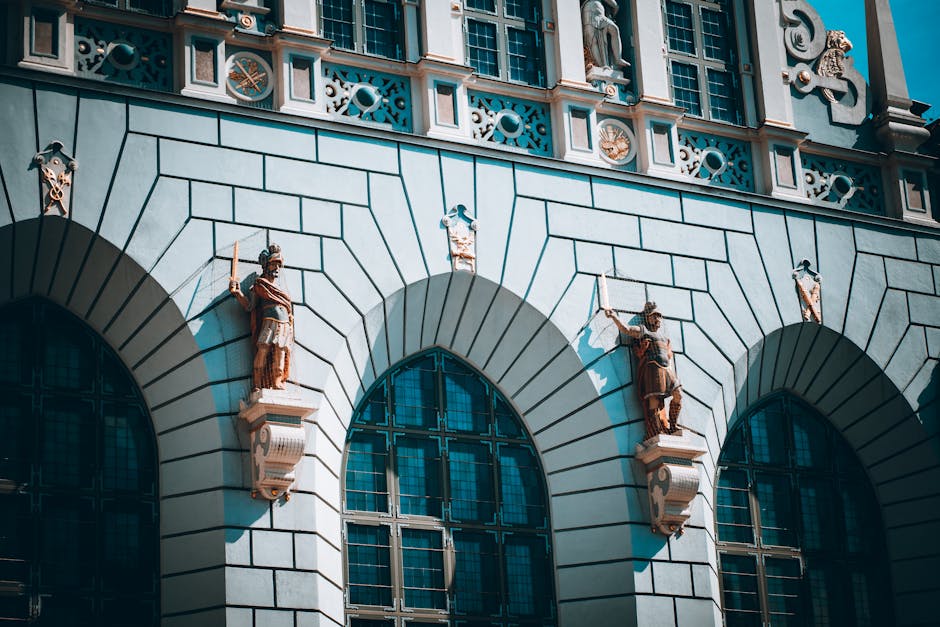
Discover the opulent Royal Way of Gdansk at your own pace. Explore Hanseatic history, gilded architecture, and the iconic Neptune's Fountain.
 Easy
EasyVienna, Austria
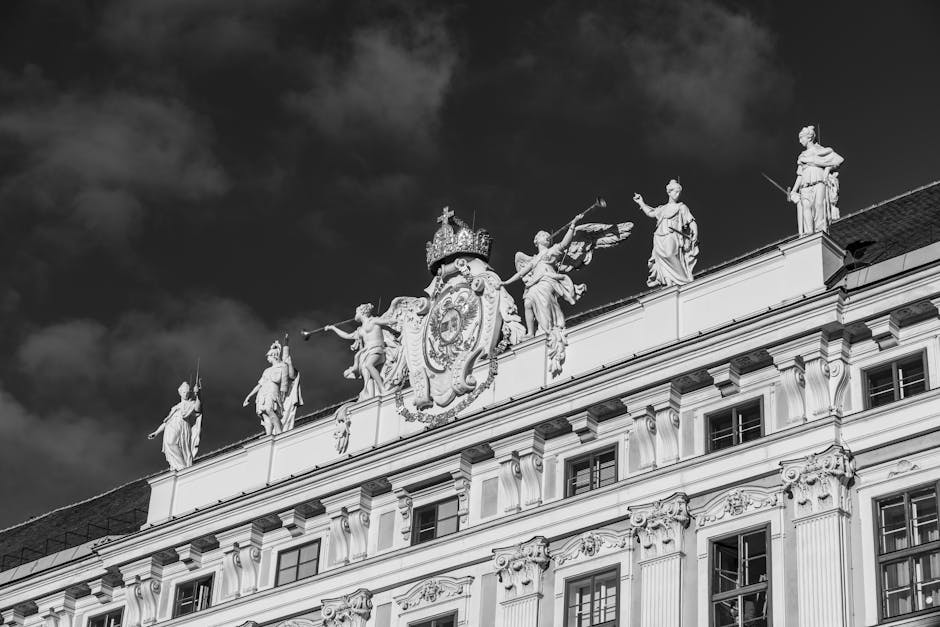
Explore Vienna’s vibrant open-air gallery along the Danube Canal on this self-guided street art and nightlife stroll through Leopoldstadt.
 Moderate
Vienna, Austria
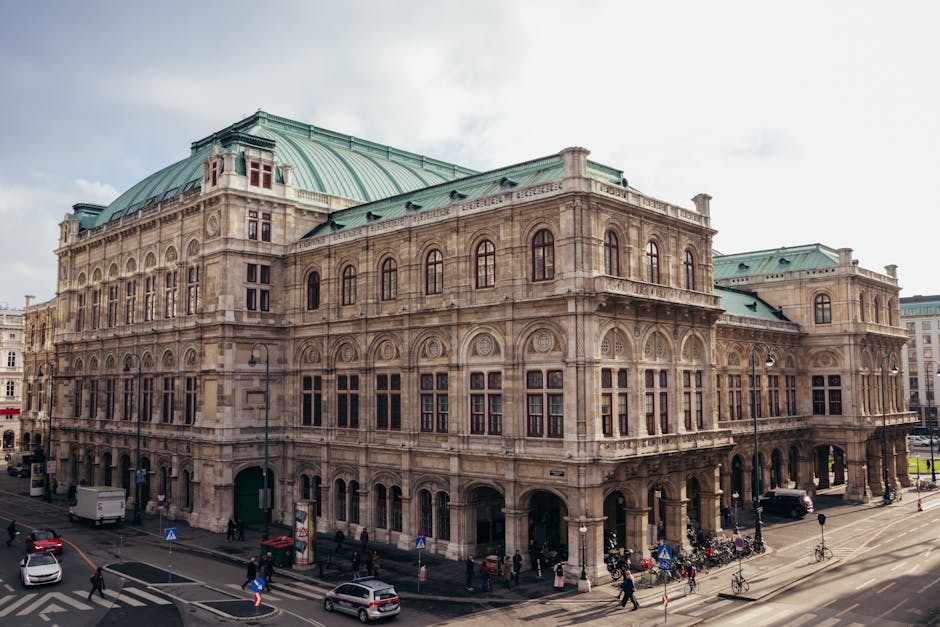
Follow the footsteps of Mozart and Strauss through Vienna’s historic center on this self-guided walk through the city's rich musical history.
 Moderate
Vienna, Austria
Discover the noir world of The Third Man and Cold War Vienna on this atmospheric self-guided audio walk through the historic Innere Stadt.
 Easy
EasyVienna, Austria
Discover the literary haunts and architectural gems of Vienna's legendary coffee culture on this self-guided stroll through the historic city center.