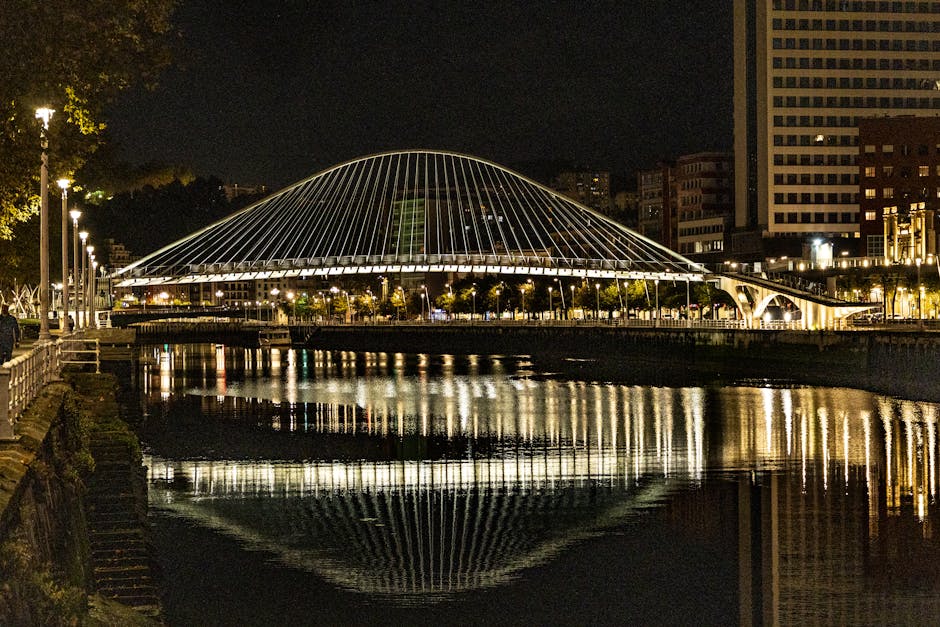
Self-guided audio tour in Bilbao
Start Free on iPhone
Start free on iPhone to unlock this self-guided walking tour in Bilbao. Hear all the stories that make it amazing, walk at your own pace, and begin whenever you want.
Your Private Tour Guide
Step back into the late 19th century when Bilbao transformed from a cramped medieval town into a sprawling European capital of industry and elegance. This neighborhood stroll through the Ensanche district—the city's 'Expansion'—reveals the ambitious urban planning that defined Bilbao's golden age. As you wander away from the Casco Viejo, you will discover the 'Golden Mile,' where wealthy industrial barons once competed to build the most extravagant palaces and hotels. This self-guided walk invites you to look up at the intricate balconies, ornate stone carvings, and vibrant stained glass that characterize the Belle Époque style. Your walking route begins at the iconic Plaza Moyúa, the focal point of the city's radial design. From here, you will explore the architectural gems of the Abando neighborhood, including the majestic Hotel Carlton and the eclectic Txabarri Jauregia. You will also experience the rhythmic pulse of the Gran Vía, the city's primary artery of commerce and social life. This journey isn't just about facades; it is about the stories of the people who built modern Bilbao, from the seat of the Basque government during the Civil War to the stained-glass masterpieces of the central train station. Whether you are an architecture enthusiast or a first-time visitor, this exploration of the Ensanche offers a sophisticated contrast to the city's modern titanium-clad landmarks. By following this audio walk, you can discover the heritage of the Basque bourgeoisie at your own pace, pausing for a coffee in a historic cafe or browsing the boutiques along the way. This is a chance to see Bilbao through the eyes of its 19th-century visionaries, where every corner reveals a new detail of the city's rich, industrial-funded grandeur.
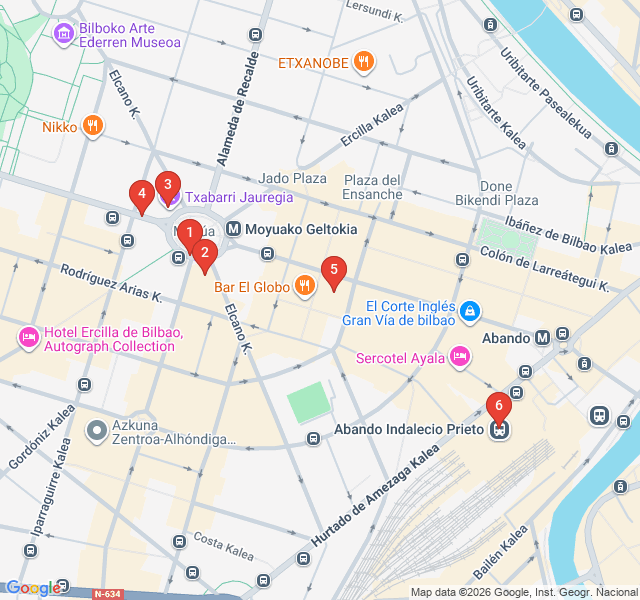
Numbers indicate the order of stops on the tour.
Welcome to the heart of the Ensanche. This elliptical plaza, designed in the 1870s and remodeled in the 1940s, serves as the primary hub of Bilbao’s modern expansion. As you stand here, notice the radial streets branching out like the spokes of a wheel, a classic hallmark of European urban planning from the Belle Époque. The plaza is often called 'Plaza Elíptica' by locals. Take a moment to admire the formal flower beds and the central fountain. This space was intended to represent the city's newfound wealth and order, moving away from the narrow, winding streets of the old town toward a future of wide boulevards and grand vistas. It remains the most prestigious address in the city.
Dominating one side of Plaza Moyúa is the Hotel Carlton, a masterpiece of French-influenced architecture completed in 1926. While it radiates luxury today, its history is deeply tied to the Basque struggle for autonomy. During the Spanish Civil War, this building served as the seat of the first Basque Government under Lehendakari José Antonio Aguirre. If you look closely at the glass dome in the lobby, you are seeing a reconstruction of the original where government meetings took place. The hotel has hosted everyone from Ernest Hemingway to Albert Einstein, maintaining its status as the most storied hotel in Bilbao. Its triangular footprint and refined limestone facade are quintessential examples of the city's high-society aspirations.
Across the plaza, the Txabarri Jauregia, or Chávarri Palace, looks like something out of a fairy tale. Built in 1894 for a local mining tycoon, this building is a prime example of Flemish-inspired eclecticism. What makes it truly unique is its windows: look closely and you will see that almost no two windows are identical in shape or size. This asymmetrical whim was a deliberate choice by the architect to showcase creativity and variety. Today, the building serves as the Civil Government Representation, but its colorful roof tiles and ornate stonework remain a testament to the individualistic flair of the Basque industrial elite who wanted their homes to be as unique as their fortunes.
Now, begin your stroll down the Gran Vía, officially named after the city's founder, Diego López de Haro. This is Bilbao's 'Golden Mile.' As you walk, notice the scale of the buildings; this was the commercial heart of the 19th-century expansion. This street was where the banks, the insurance companies, and the high-end department stores established themselves, funding the city’s transition into an industrial powerhouse. The wide sidewalks and lush trees were designed for the 'paseo'—the traditional Spanish social stroll. Even today, it remains the most vibrant shopping and social artery in the city, connecting the administrative center with the old town while showcasing the best of Bilbao's bourgeois heritage.
As you continue down the Gran Vía, you will encounter the Palace of the Provincial Council of Bizkaia. Completed in 1900, this is perhaps the most ornate building in the entire city. It was designed to reflect the power and wealth of the province during the height of the iron mining and shipbuilding boom. The facade is a riot of decorative elements, including balconies, columns, and sculptures that celebrate the history and industry of the region. Inside, the palace is even more lavish, featuring murals and stained glass that depict Basque traditions. It stands as a symbol of 'Foral' pride—the ancient laws and self-governance that have long defined the Basque people's relationship with the rest of Spain.
Your journey through the Ensanche concludes at the Abando Train Station. While the exterior might seem modern, step inside to the main concourse to see one of the city's hidden treasures. Dominating the end of the tracks is a massive stained-glass window composed of 301 individual pieces. Created in 1948, it depicts the various facets of Basque life: from traditional rural sports and farming to the heavy industry and iron works that built the very buildings you’ve seen today. It is a stunning visual summary of Bilbao’s identity—a city that honors its past while literally moving toward the future. This station marks the edge of the Ensanche, where the 19th-century city meets the gateway to the rest of Europe.
Start Free on iPhone
Explore “Belle Époque Bilbao: Grandeur of the Ensanche” with your very own Private Tour Guide with Zigway. Start free on iPhone, skip the large group and the fixed routes, and hear the city come alive as you go.
Your Private Tour Guide
Don't miss the good stuff
Explore Freely
 Easy
EasyBilbao, Spain
Explore Bilbao’s elegant Museum Mile and its lush 'Green Lung' on this self-guided stroll through art, architecture, and romantic gardens.
 Easy
EasyBilbao, Spain
Discover the vibrant murals, industrial history, and bohemian soul of 'Bilbi' on this self-guided neighborhood stroll through Bilbao's coolest district.
 Easy
EasyBilbao, Spain
Follow the life of philosopher Miguel de Unamuno through Bilbao's Casco Viejo on this literary self-guided walk.
 Easy
EasyBilbao, Spain
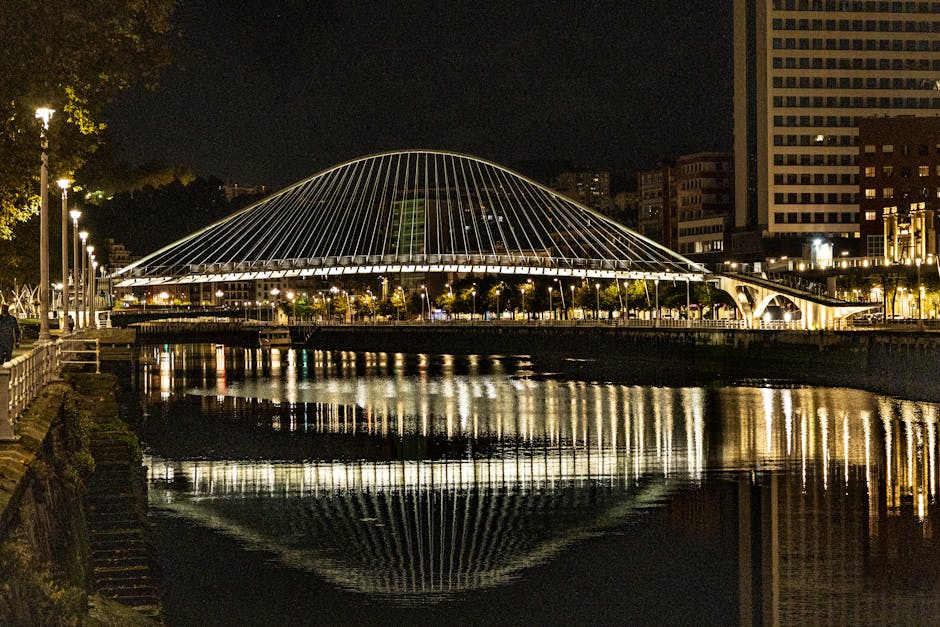
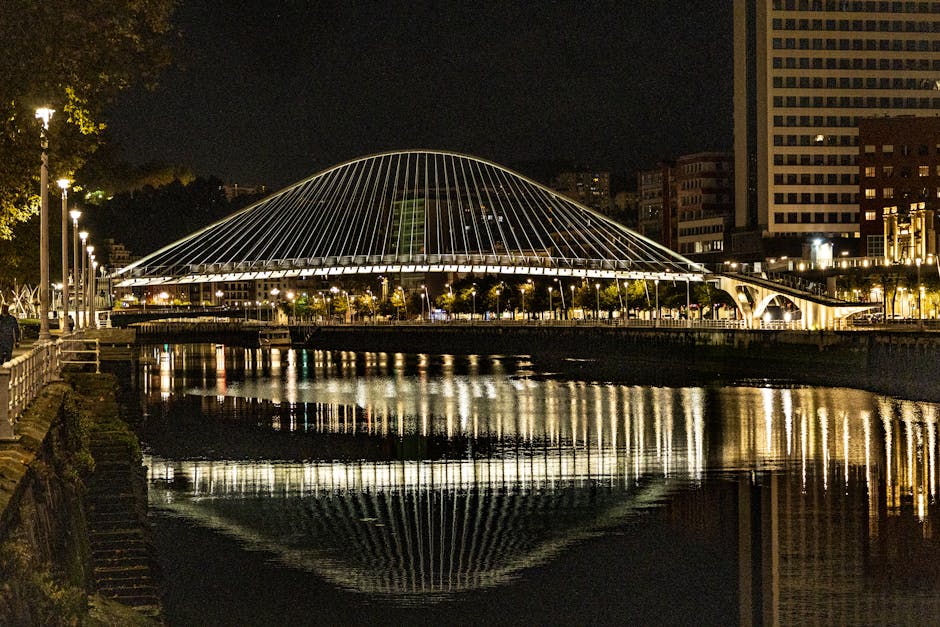
Trace Bilbao's industrial roots and maritime legacy on this self-guided stroll along the Nervión river, from historic shipyards to local Olabeaga.
 Easy
EasyGothenburg, Sweden
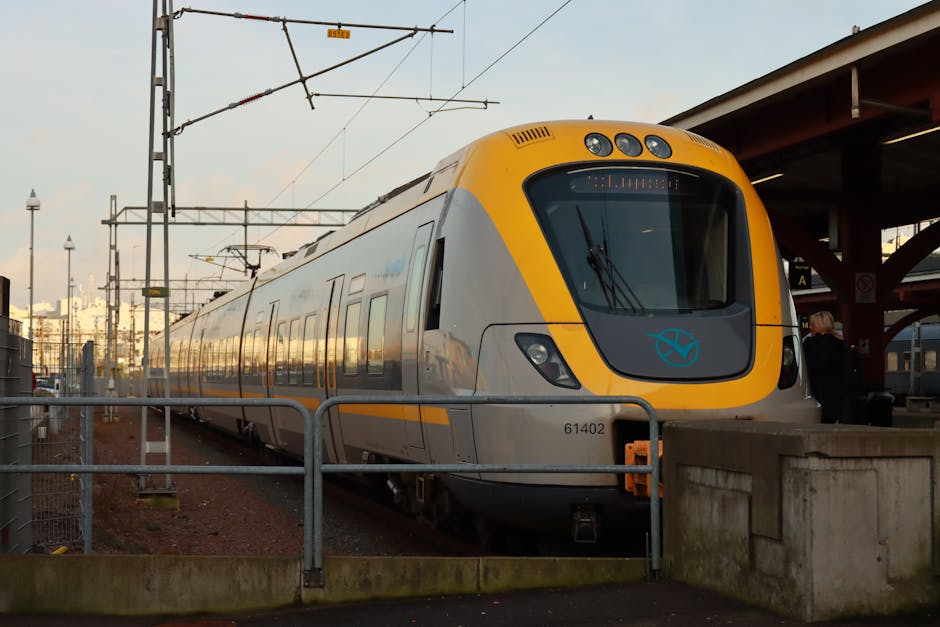
Discover Gothenburg’s 17th-century Dutch foundations, historic canals, and military fortifications on this self-guided architectural walk.
 Easy
EasyGdansk, Poland
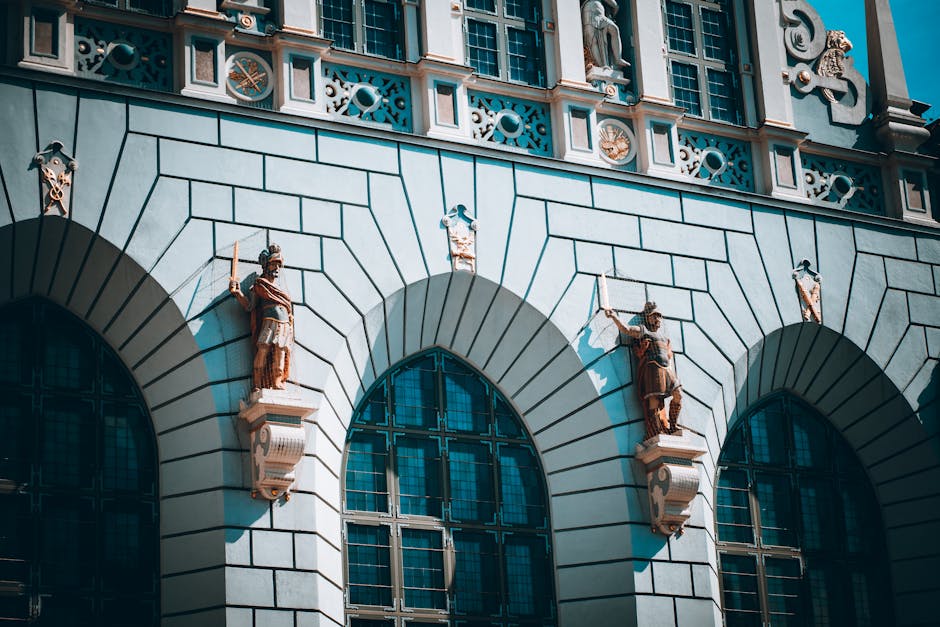
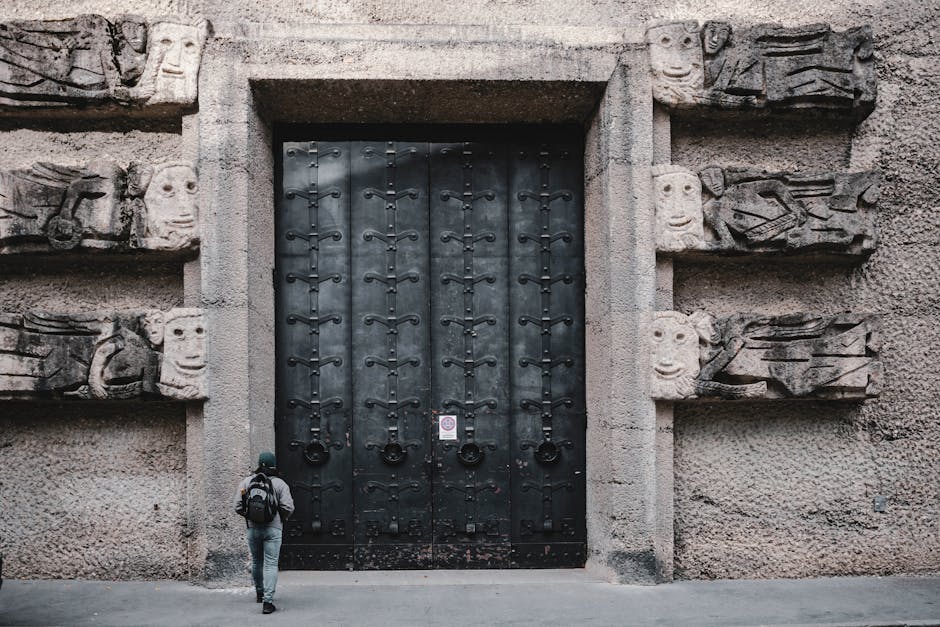
Discover the opulent Royal Way of Gdansk at your own pace. Explore Hanseatic history, gilded architecture, and the iconic Neptune's Fountain.
 Easy
EasySalzburg, Austria
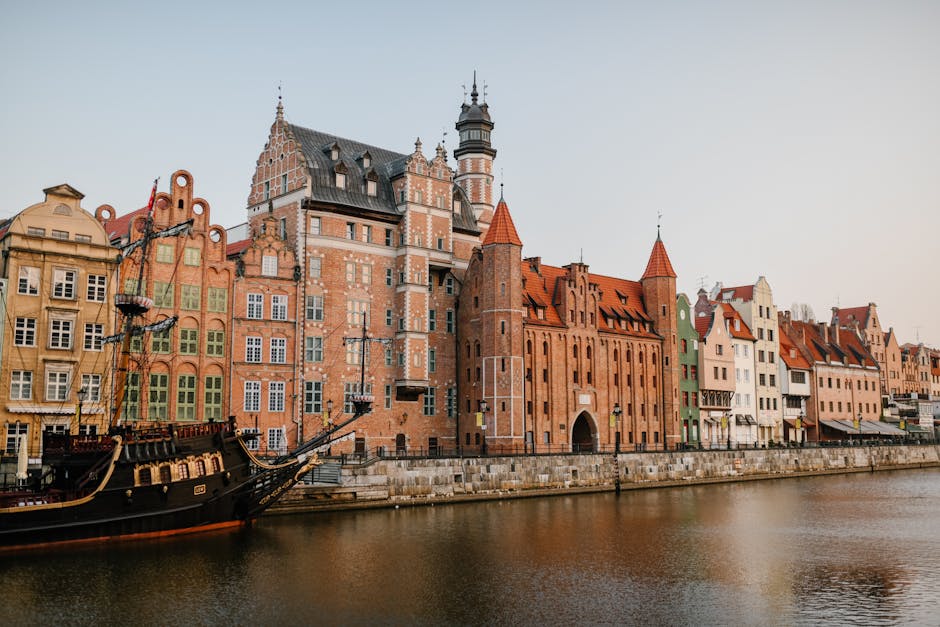
Discover the 'Rome of the North' on this self-guided walk through the Baroque squares and monumental legacy of Salzburg’s Prince-Archbishops.
 Easy
EasyGdansk, Poland
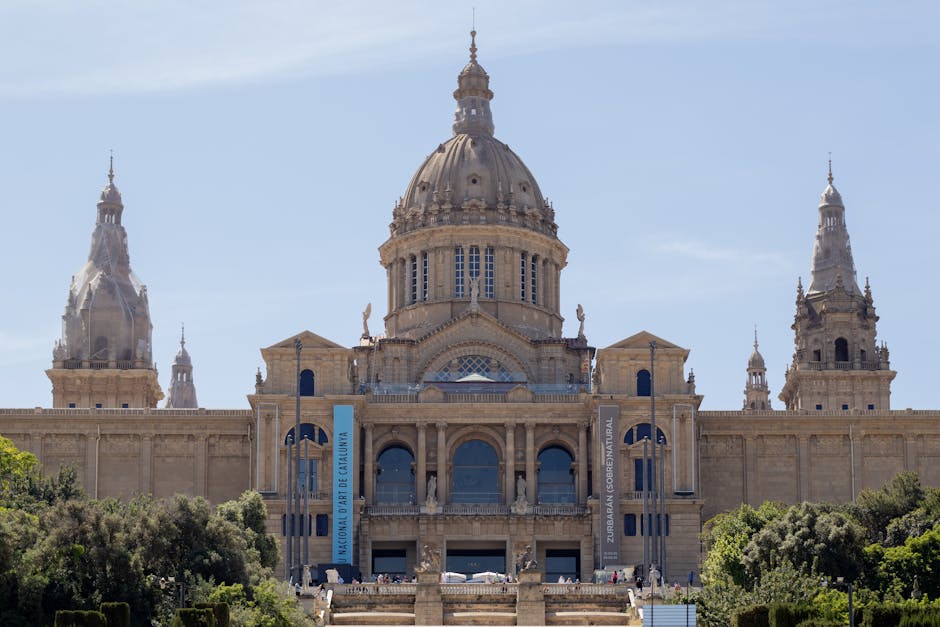
Discover the 'Baltic Gold' on this self-guided walk through Gdansk's historic mills, massive cathedrals, and the magical Mariacka Street.
 Moderate
Barcelona, Spain
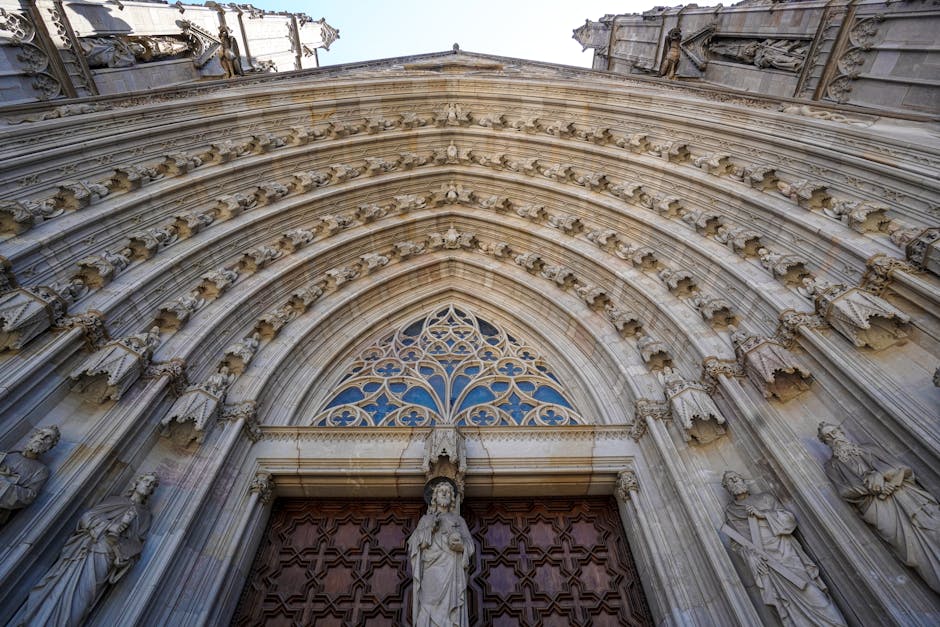
Explore the elegant 'village' of Sarrià, where Gothic monasteries and Gaudí's hidden gems meet charming local markets and narrow streets.
 Moderate
Barcelona, Spain
Discover the revolutionary history and haunting scars of the Spanish Civil War on this self-guided walk through Barcelona's historic streets.
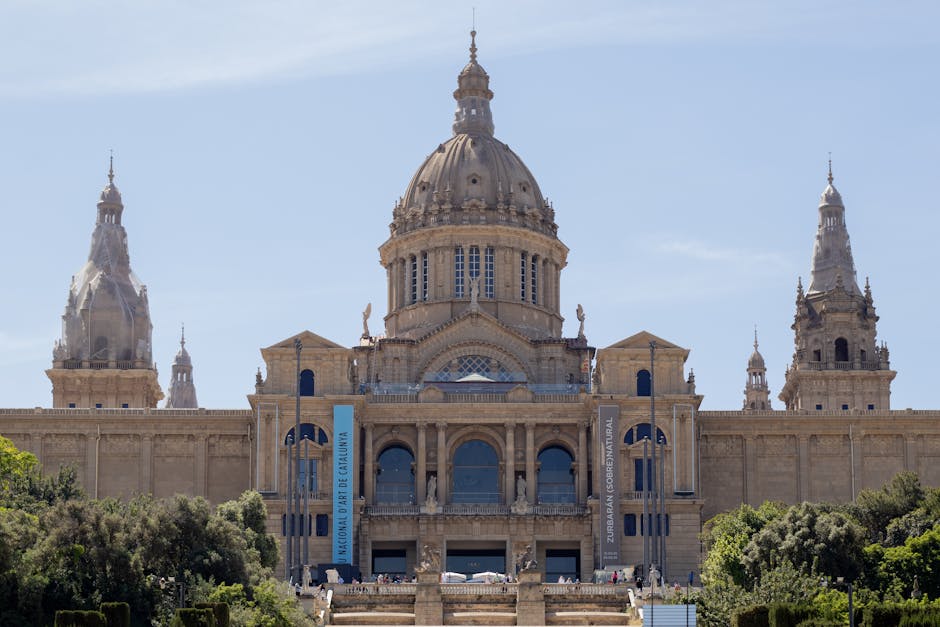 Easy
EasyBarcelona, Spain
Discover the architectural wonders of Barcelona's Golden Square on this self-guided stroll through Eixample's most luxurious Modernista streets.
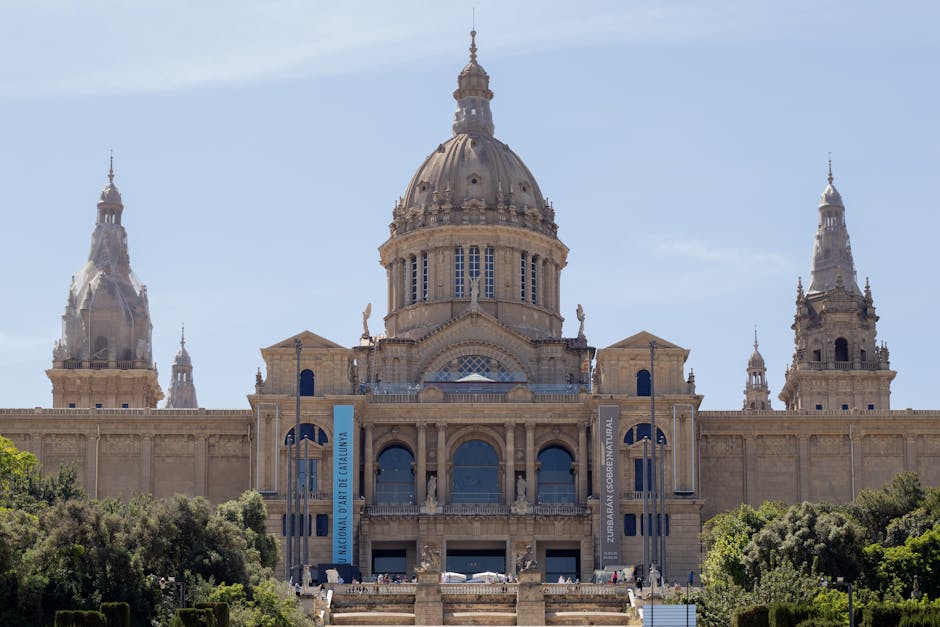 Challenging
Barcelona, Spain
Explore Montjuïc’s lush gardens, historic fortress, and iconic Olympic venues on this scenic self-guided walk with panoramic Mediterranean views.