Self-guided audio tour in Bilbao
Start Free on iPhone
Start free on iPhone to unlock this self-guided walking tour in Bilbao. Hear all the stories that make it amazing, walk at your own pace, and begin whenever you want.
Your Private Tour Guide
Bilbao is a city that forged its identity in the fires of industry and the salt of the sea. This self-guided walk along the Nervión River invites you to explore the 'Iron Soul' of the city, tracing the transformation from a heavy industrial powerhouse to a modern cultural hub. Long before the shiny titanium of the Guggenheim arrived, this waterfront was a symphony of clanging steel and shipyard whistles. This maritime heritage route explores the legacy of the men and women who built the ships that sailed the world, starting at the historic docklands and ending in the charming riverside neighborhood of Olabeaga. As you explore independently, you will encounter massive industrial relics like the iconic Carola crane and the elegant mansions funded by the shipping magnates of the early 20th century. This neighborhood stroll offers a deep dive into the local identity, showing how the river remains the lifeblood of Bilbao. You will see how modern engineering, like the Euskalduna and Deusto bridges, respects the maritime past while looking toward the future. This walking tour Bilbao experience is perfect for those who want to understand the true grit and grace of the Basque capital. Whether you are a history buff or a fan of industrial architecture, this audio walk provides the context needed to see beyond the modern skyline. Discover the stories of the Euskalduna shipyards and the legendary figures who shaped the city's fortune. This walking route is designed for those who prefer to travel at their own pace, offering a peaceful yet profound look at the maritime heritage that defines Bilbao's character. By the time you reach the riverside bars of Olabeaga, you will have a newfound appreciation for the iron-willed spirit of this incredible city.
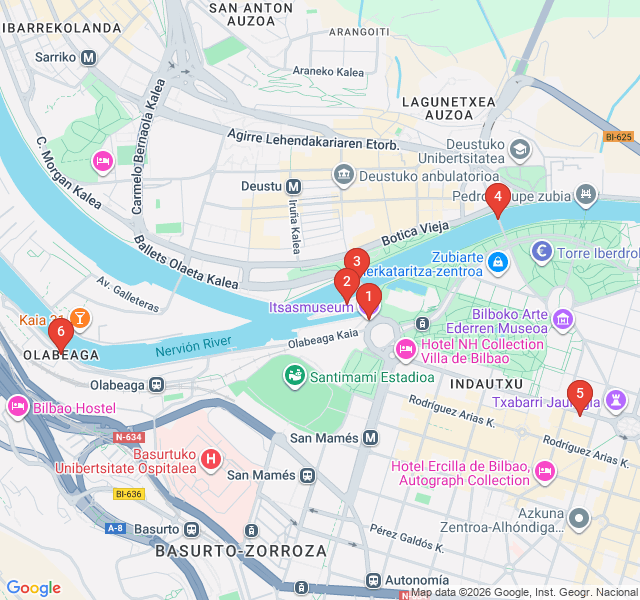
Numbers indicate the order of stops on the tour.
Start your self-guided adventure at the Itsasmuseum, located on the site of the former Euskalduna shipyards. For decades, this was the beating heart of Bilbao's industry, where massive steel vessels were birthed into the Nervión. The museum preserves the maritime history of the Bilbao estuary, showcasing everything from traditional fishing boats to grand shipping liners. Take a moment to look at the dry docks outside; they are among the few surviving structures of the original shipyard. The museum serves as a bridge between the city's past as a commercial port and its present as a cultural destination. It is the perfect place to begin understanding why the river is so central to the Basque identity.
Standing tall and bright red against the sky is Carola, perhaps the most beloved industrial relic in the city. Built in the 1950s, this was once the most powerful crane in Spain. But Carola is more than just a machine; she is a local legend. The crane was named after a woman from Deusto who crossed the river daily to go to work. Legend says her beauty was so distracting that the shipyard workers would stop their labor just to watch her pass, leading the shipyard director to offer her a car to stay out of sight—an offer she refused. Today, Carola stands as a silent sentinel, a reminder of the thousands of workers who once filled this space with the sounds of construction.
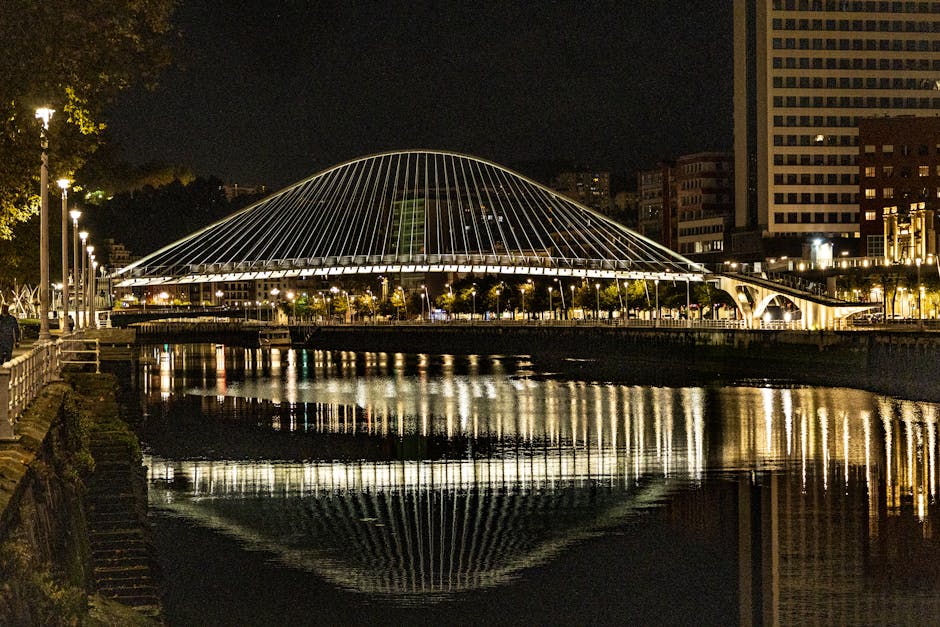
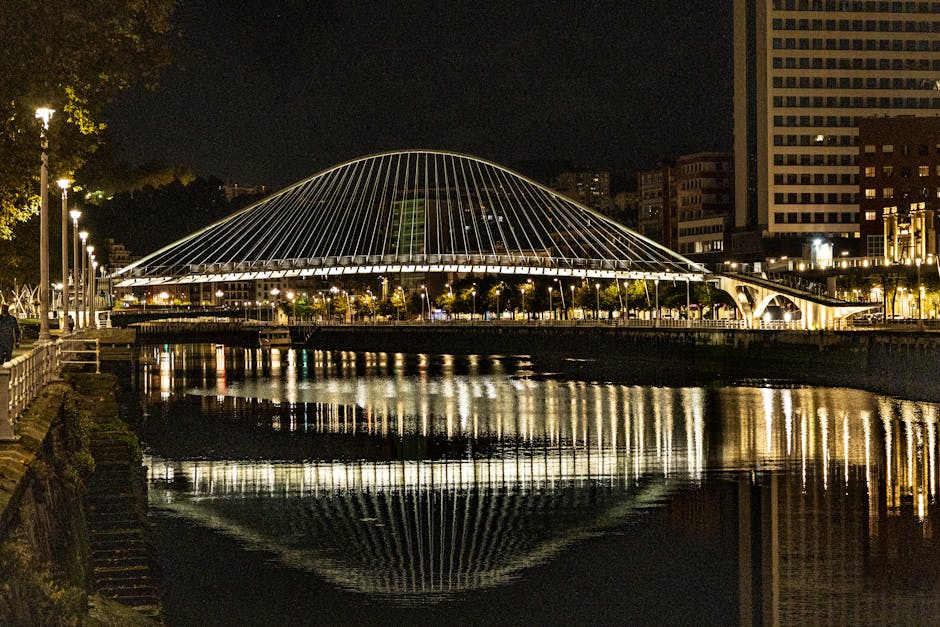
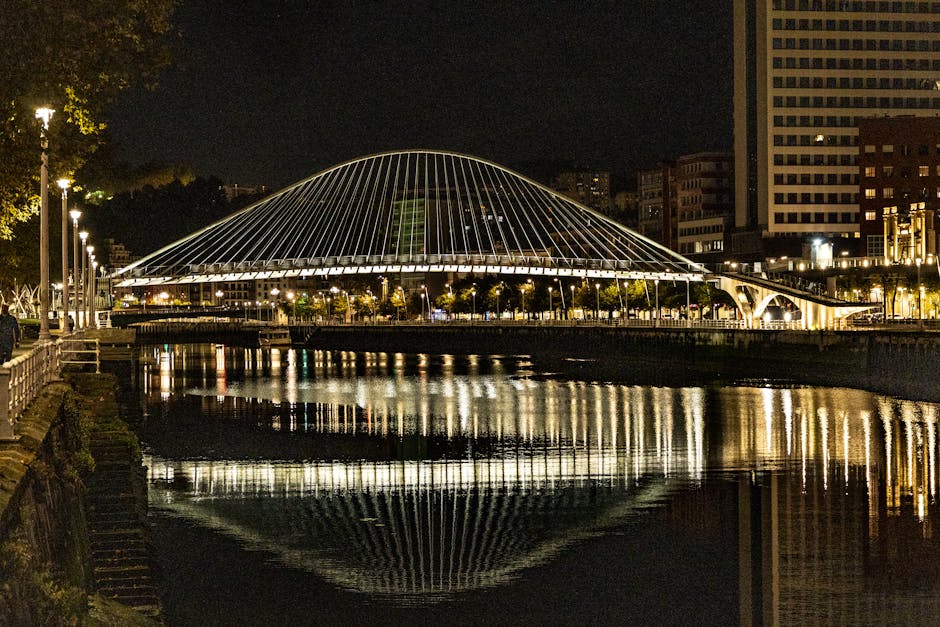
As you walk across the Euskalduna Bridge, notice how its design mimics the hull of a ship, a direct nod to the maritime heritage of this site. Opened in 1997, it was built to alleviate traffic but also to provide a stunning viewpoint over the river. To one side, you see the modern Euskalduna Conference Centre and Concert Hall, which stands exactly where the main shipyard building once was. The bridge's curved canopy and industrial materials reflect the 'Iron Soul' theme perfectly. From here, the perspective of the river allows you to see the transition from the old industrial docks to the renovated green spaces that now line the water.
The Deusto Bridge is a fascinating piece of engineering that dates back to the 1930s. It is a bascule bridge, inspired by the bridges of Chicago, designed to open in the center to allow large commercial ships to pass through to the heart of the city. While it rarely opens today, it remains a symbol of the era when Bilbao was one of the busiest ports in Europe. Notice the decorative elements and the control towers; they evoke a sense of early 20th-century industrial pride. This bridge connected the university district of Deusto with the expanding city center, facilitating the flow of both people and ideas during Bilbao's rapid growth.
Step away from the water for a moment to admire the Ramon de la Sota Houses. These grand residential buildings represent the immense wealth generated by the maritime industry. Sir Ramon de la Sota was a shipping magnate and a central figure in Basque business and politics. The architecture is a blend of regionalist styles and 'mountain' architecture, featuring ornate balconies and stone carvings. These houses were built to reflect the prestige of the merchant class who turned Bilbao into a global player. It is a stark contrast to the gritty shipyards, showing the two sides of the city's maritime success: the labor of the docks and the luxury of the owners.
Your walking route concludes in Olabeaga, a neighborhood with a character all its own. Historically, this area was known as 'The Norway of Bilbao' because the steep hills and the river mist reminded sailors of the Scandinavian fjords. Olabeaga was a hub for ship repairs and provisioning. Today, it has transformed into a trendy yet quiet residential area with a distinct village feel. The colorful houses along the quay and the local bars offer a perfect spot to relax and reflect on the journey. It is a place where the industrial past is still visible in the architecture, but the pace of life has slowed to a peaceful riverside crawl.
Start Free on iPhone
Explore “The Iron Soul: Maritime Heritage of the Nervión” with your very own Private Tour Guide with Zigway. Start free on iPhone, skip the large group and the fixed routes, and hear the city come alive as you go.
Your Private Tour Guide
Don't miss the good stuff
Explore Freely
 Easy
EasyBilbao, Spain
Explore Bilbao’s elegant Museum Mile and its lush 'Green Lung' on this self-guided stroll through art, architecture, and romantic gardens.
 Easy
EasyBilbao, Spain
Discover the vibrant murals, industrial history, and bohemian soul of 'Bilbi' on this self-guided neighborhood stroll through Bilbao's coolest district.
 Easy
EasyBilbao, Spain
Follow the life of philosopher Miguel de Unamuno through Bilbao's Casco Viejo on this literary self-guided walk.
 Easy
EasyBilbao, Spain
Discover the 'Bilbao Effect' on this self-guided walk through Indautxu, featuring Starck's Azkuna Zentroa and the iconic San Mames Stadium.
 Easy
EasyGothenburg, Sweden
Explore Gothenburg's maritime soul on this self-guided walk from historic shipyards to sleek modern piers and iconic industrial landmarks.
 Easy
EasyHelsinki, Finland
Discover Helsinki's oldest neighborhood on this self-guided audio walk through Kruununhaka’s historic streets, hidden courtyards, and scenic shores.
 Moderate
Gothenburg, Sweden
Discover Gothenburg’s maritime soul on this self-guided walk from the historic Central Station to the scenic riverfront at Stenpiren.
 Easy
EasyKrakow, Poland
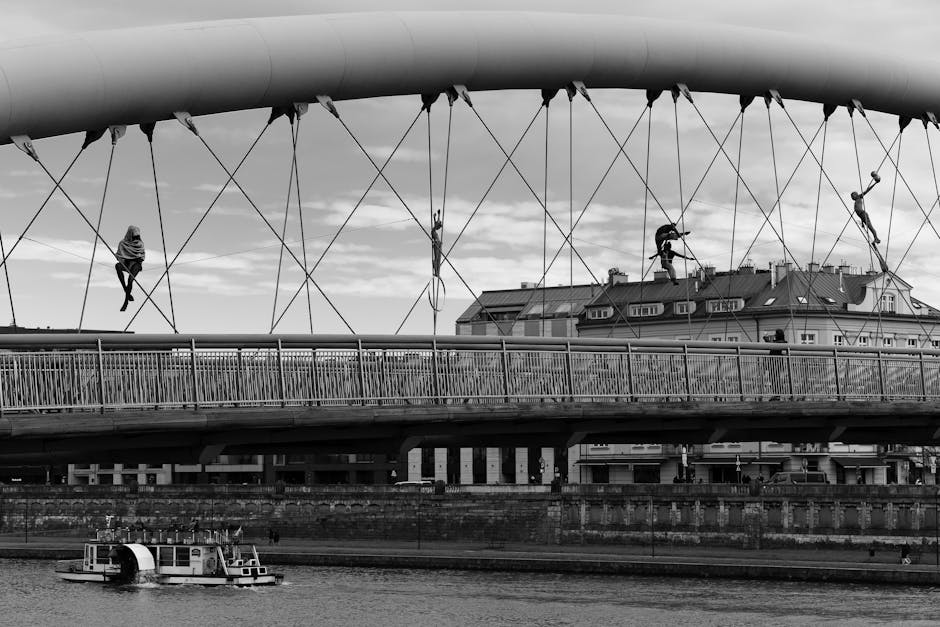
Discover Krakow’s creative soul in Zabłocie, exploring industrial heritage, contemporary art museums, and avant-garde architecture at your own pace.
 Moderate
Barcelona, Spain
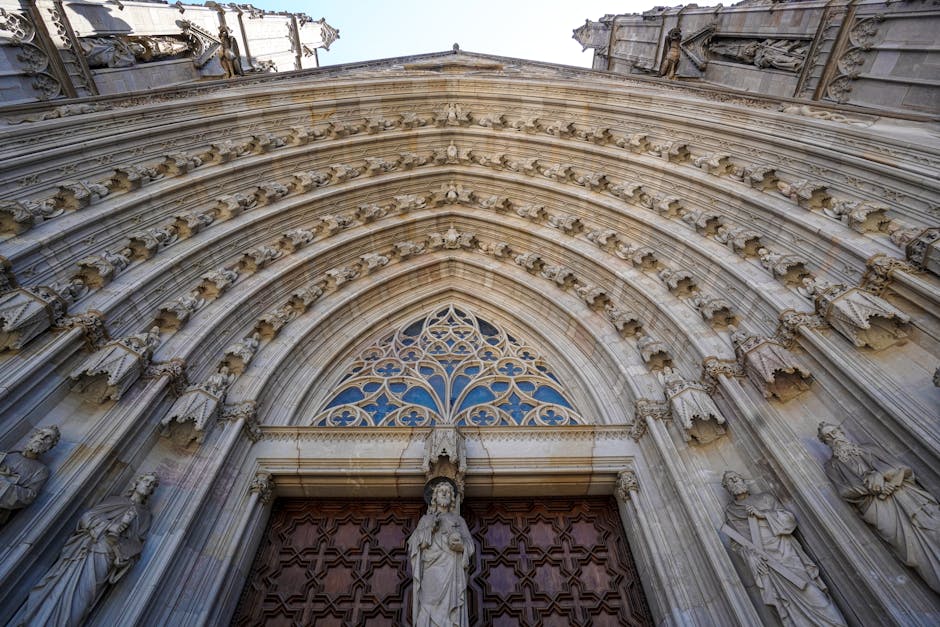
Explore the elegant 'village' of Sarrià, where Gothic monasteries and Gaudí's hidden gems meet charming local markets and narrow streets.
 Moderate
Barcelona, Spain
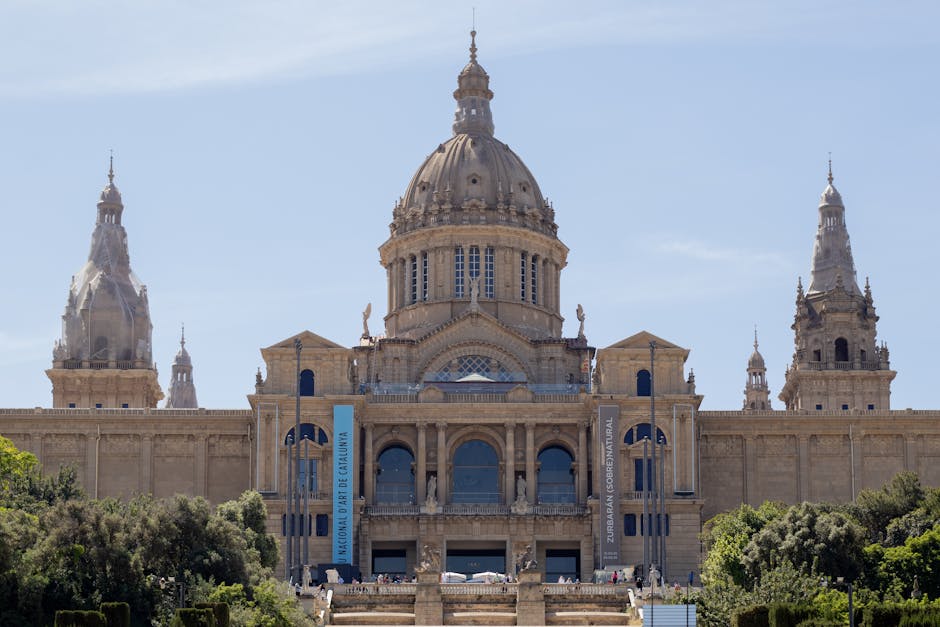
Discover the revolutionary history and haunting scars of the Spanish Civil War on this self-guided walk through Barcelona's historic streets.
 Easy
EasyBarcelona, Spain
Discover the architectural wonders of Barcelona's Golden Square on this self-guided stroll through Eixample's most luxurious Modernista streets.
 Challenging
Barcelona, Spain
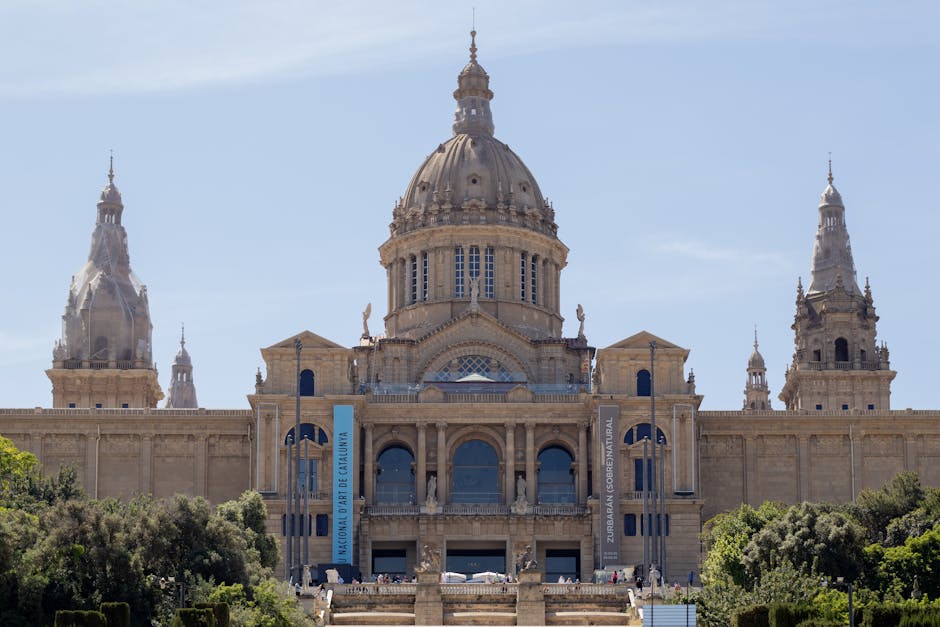
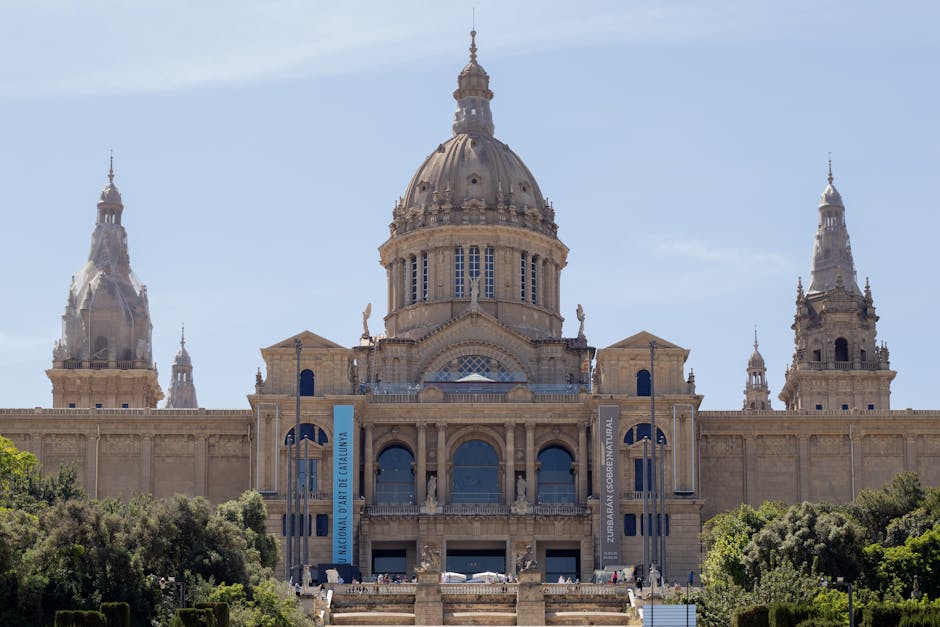
Explore Montjuïc’s lush gardens, historic fortress, and iconic Olympic venues on this scenic self-guided walk with panoramic Mediterranean views.