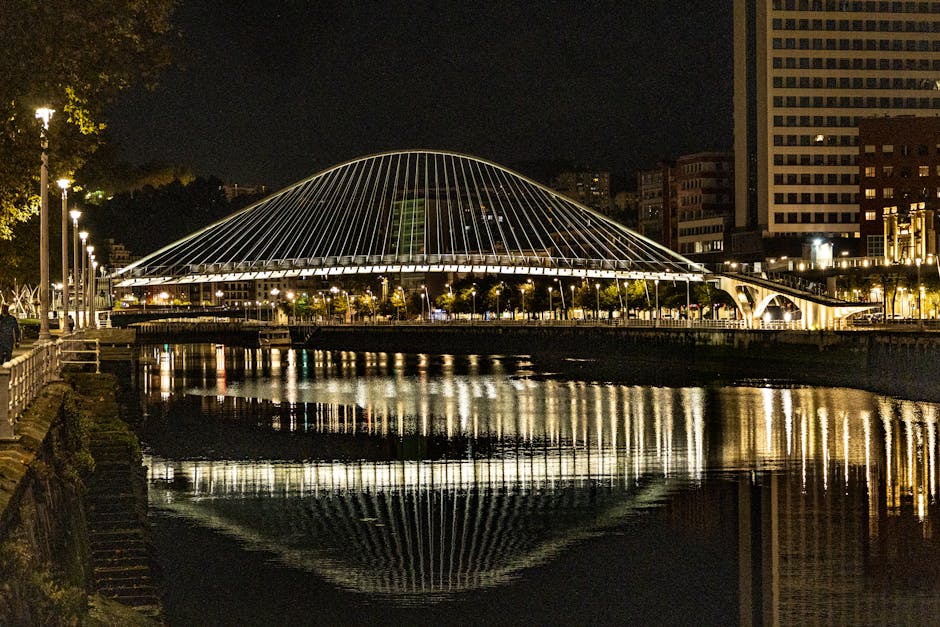
Self-guided audio tour in Bilbao
Start Free on iPhone
Start free on iPhone to unlock this self-guided walking tour in Bilbao. Hear all the stories that make it amazing, walk at your own pace, and begin whenever you want.
Your Private Tour Guide
Welcome to Bilbao La Vieja, affectionately known as "Bilbi" by locals. While many visitors flock to the glistening titanium curves of the Guggenheim, the true creative pulse of the city beats here, in its oldest neighborhood. This self-guided walk through Bilbao La Vieja and the San Francisco district offers a window into a world of vibrant murals, repurposed industrial spaces, and a bohemian spirit that has redefined this historic quarter. Once an area dominated by iron mining and heavy industry, Bilbi has undergone a radical transformation. Today, it stands as the city's most eclectic neighborhood, where historic architecture meets cutting-edge urban art. This neighborhood stroll takes you past colossal murals that change as often as the seasons, highlighting the work of both local and international artists. You will discover how a 17th-century church was transformed into a legendary music venue and how the riverside docks have evolved from gritty loading zones to the city's trendiest social hubs. As you explore independently, you will encounter the Ibarreko Zubia, a bridge that connects the medieval Casco Viejo with the forward-looking Bilbi. The route also explores the significance of public spaces like Hiru Zutabe Plaza, where community and art collide. For those interested in industrial heritage, the route concludes with a look at the Grandes Molinos Vascos, a testament to the grain trade that once fueled the region's economy. This walking route is perfect for those who want to see a different side of the Basque capital. It is not just about the sights; it is about the atmosphere—the scent of specialty coffee, the sound of diverse languages, and the visual feast of the ever-evolving street art. Whether you are a photography enthusiast or a history buff, this self-guided adventure provides the freedom to linger at a mural or grab a craft beer at a riverside bar without following a rigid schedule. Experience the gritty, beautiful, and undeniably cool essence of Bilbao's urban renewal on this walking tour Bilbao experience. **Note:** This area is known for its ever-changing character. Street art, pop-up venues, and temporary exhibitions may differ from what's described. That's part of the adventure - you might discover something entirely new!
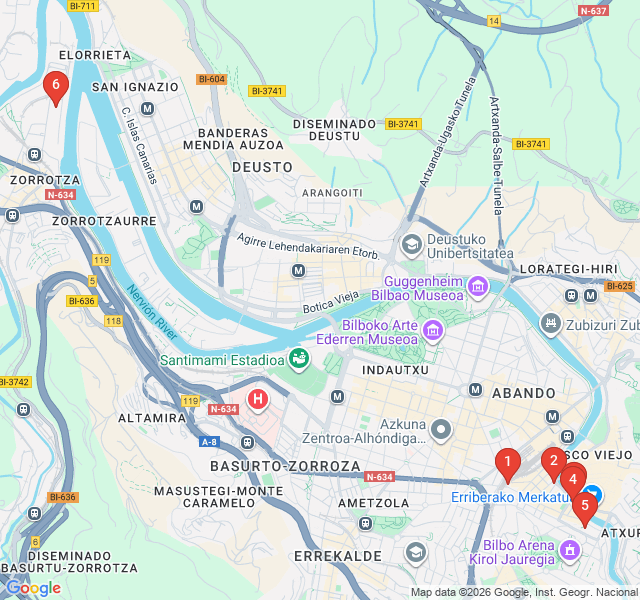
Numbers indicate the order of stops on the tour.
Welcome to the epicenter of Bilbao's urban art scene. The streets of Bilbao La Vieja and San Francisco serve as an ever-changing open-air gallery. As you walk through these narrow lanes, keep your eyes peeled for massive murals that cover entire apartment blocks. These works often reflect the neighborhood's multicultural identity and its industrial past. Note that the street art here is ephemeral; artists from across the globe frequently update these walls, meaning you might see a fresh masterpiece being born or a classic piece fading into history. This area has transformed from a neglected district into a canvas for social expression and creativity, making it the perfect starting point for your neighborhood stroll.
Standing before you is Bilborock, one of the city's most unique cultural venues. This building began its life in the 17th century as the Church of La Merced. However, as the neighborhood changed, so did the building's purpose. In the late 1990s, the city converted the de-consecrated church into a space dedicated to music and youth culture. Today, it hosts concerts, workshops, and theater, retaining its stunning baroque facade while housing a state-of-the-art stage inside. It is a perfect example of Bilbao's knack for urban renewal—taking a historic religious monument and breathing new life into it for the modern community.
This bridge, also known as the San Antón Bridge or Puente de la Merced, is a vital link between the two sides of Bilbao's history. On one side lies the Casco Viejo, the medieval 'Seven Streets,' and on this side lies 'Bilbi.' For centuries, these crossings were the only way to move goods from the iron mines on the left bank to the markets on the right. As you stand here, look at the contrast between the traditional architecture of the Old Town and the more bohemian, industrial feel of the district you are exploring. The bridge itself is an icon, even appearing on the city's coat of arms.
Martzana Kaia, or Muelle de Marzana, is where Bilbao's industrial past meets its trendy present. These docks were once bustling with the loading and unloading of minerals and timber. Today, the cranes are gone, replaced by some of the city's most popular bars and terraces. This is the heart of the neighborhood's social life. From here, you get a fantastic view across the Nervión River to the Mercado de la Ribera, the largest covered market in Europe. It is an ideal spot to pause and appreciate how the city has reclaimed its waterfront for the people, turning a gritty industrial quay into a vibrant urban balcony.
You are now in Hiru Zutabe Plaza, or the Plaza of the Three Columns. This small but significant space is a hub for the local community. The three columns that give the square its name are symbolic of the area's resilience and support. In recent years, this plaza has been a focus for urban regeneration projects, often featuring community-led art installations or small neighborhood festivals. It represents the 'micro' level of Bilbao's renewal—not just the big museums, but the small, everyday spaces where neighbors meet, children play, and the local bohemian spirit is most visible.
To reach this final stop, you have traveled slightly further along the river toward the Zorroza district. The Grandes Molinos Vascos is a monumental piece of industrial heritage. Built in the early 20th century, this massive flour mill was once one of the most important in northern Spain. Its imposing brick facade and neo-Basque architectural details make it look more like a palace than a factory. While it no longer produces flour, it stands as a protected landmark and a powerful reminder of the industrial might that built Bilbao. It marks the transition from the bohemian residential streets of Bilbi back to the grand-scale industrial legacy of the Nervión estuary.
Start Free on iPhone
Explore “Bohemian Bilbi: Street Art and Urban Renewal” with your very own Private Tour Guide with Zigway. Start free on iPhone, skip the large group and the fixed routes, and hear the city come alive as you go.
Your Private Tour Guide
Don't miss the good stuff
Explore Freely
 Easy
EasyBilbao, Spain
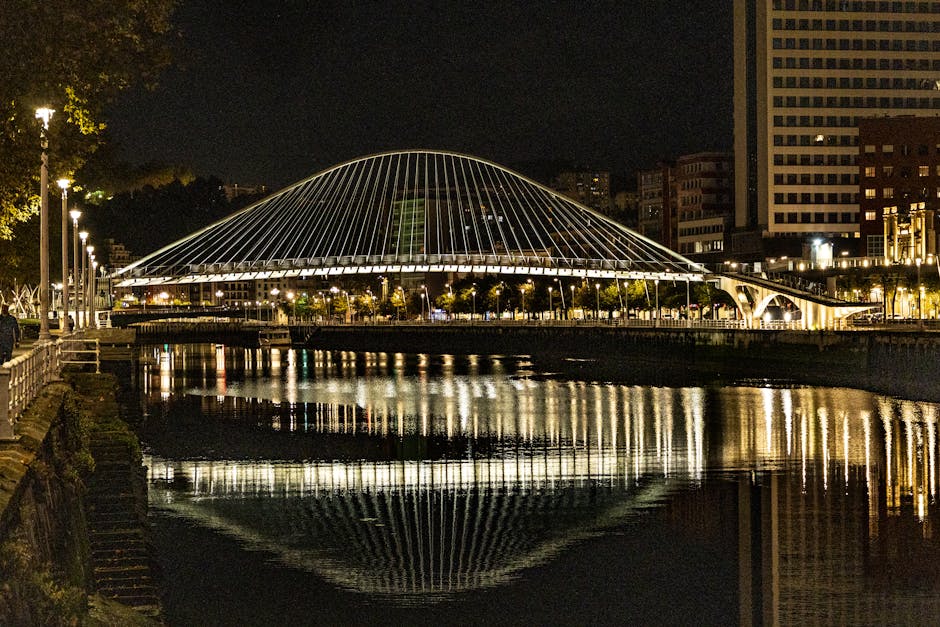
Explore Bilbao’s elegant Museum Mile and its lush 'Green Lung' on this self-guided stroll through art, architecture, and romantic gardens.
 Easy
EasyBilbao, Spain
Follow the life of philosopher Miguel de Unamuno through Bilbao's Casco Viejo on this literary self-guided walk.
 Easy
EasyBilbao, Spain
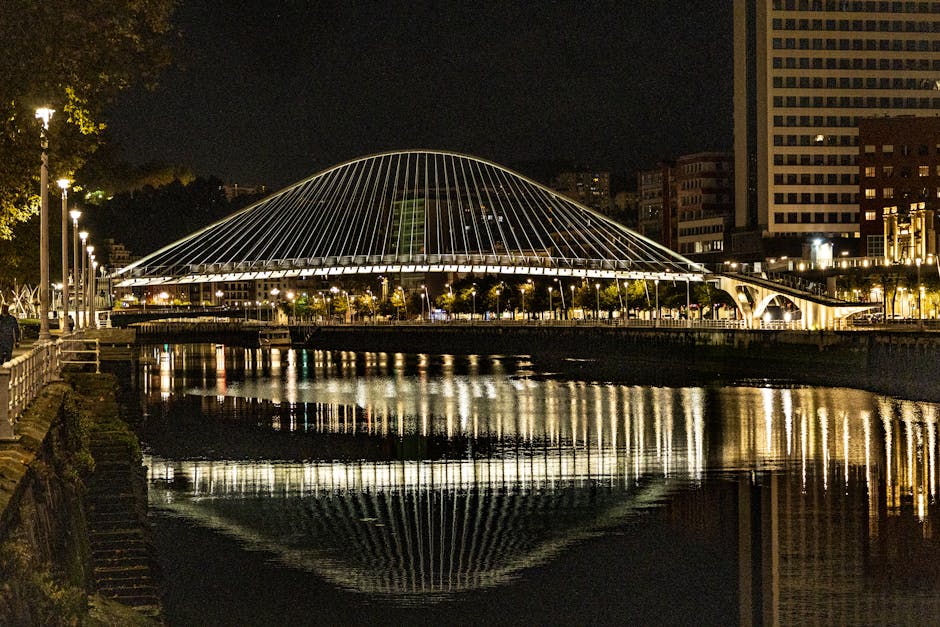
Trace Bilbao's industrial roots and maritime legacy on this self-guided stroll along the Nervión river, from historic shipyards to local Olabeaga.
 Easy
EasyBilbao, Spain
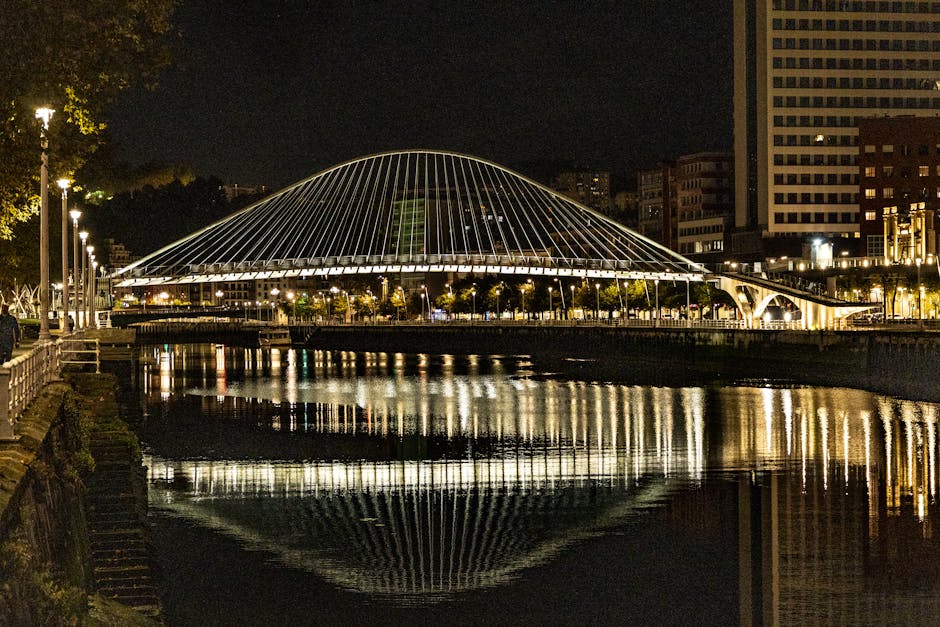
Discover the 'Bilbao Effect' on this self-guided walk through Indautxu, featuring Starck's Azkuna Zentroa and the iconic San Mames Stadium.
 Easy
EasyKrakow, Poland
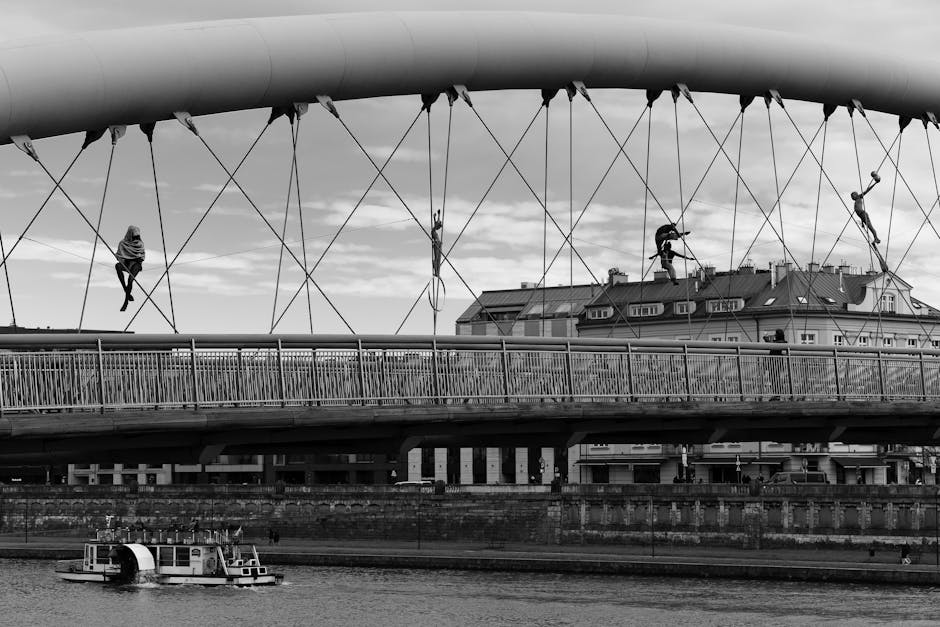
Discover Krakow’s creative soul in Zabłocie, exploring industrial heritage, contemporary art museums, and avant-garde architecture at your own pace.
 Easy
EasyGothenburg, Sweden
Explore Gothenburg's maritime soul on this self-guided walk from historic shipyards to sleek modern piers and iconic industrial landmarks.
 Easy
EasyVienna, Austria
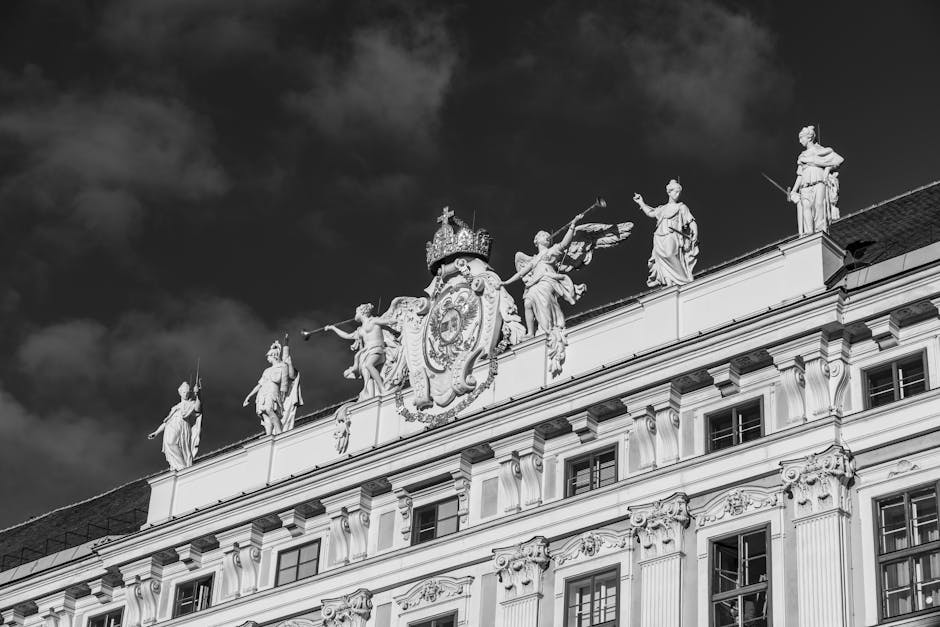
Explore Vienna’s vibrant open-air gallery along the Danube Canal on this self-guided street art and nightlife stroll through Leopoldstadt.
 Moderate
Gdansk, Poland
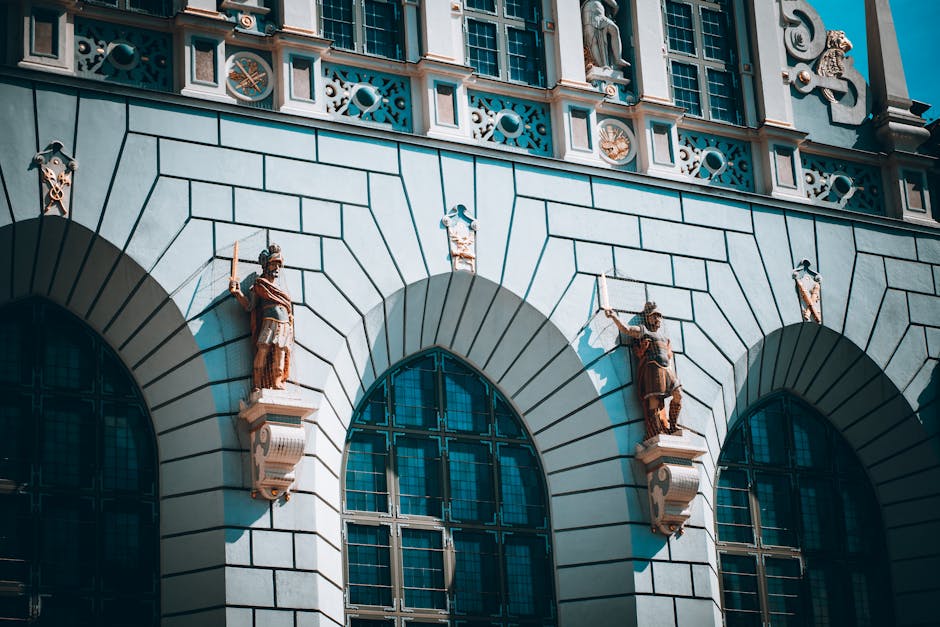
Discover Zaspa, a massive open-air gallery where grey housing blocks are transformed by over 60 monumental murals. Explore at your own pace.
 Moderate
Barcelona, Spain
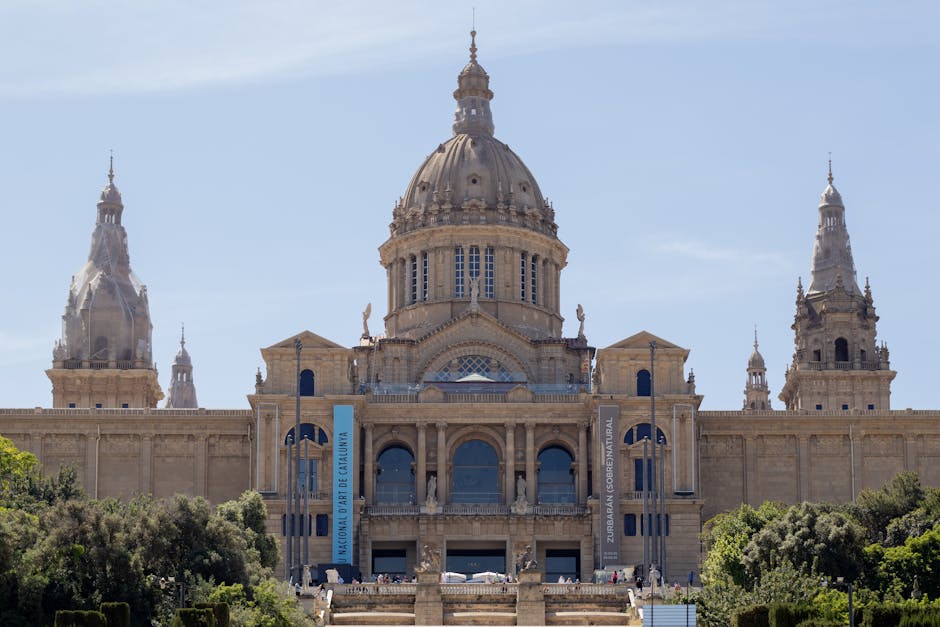
Explore the elegant 'village' of Sarrià, where Gothic monasteries and Gaudí's hidden gems meet charming local markets and narrow streets.
 Moderate
Barcelona, Spain
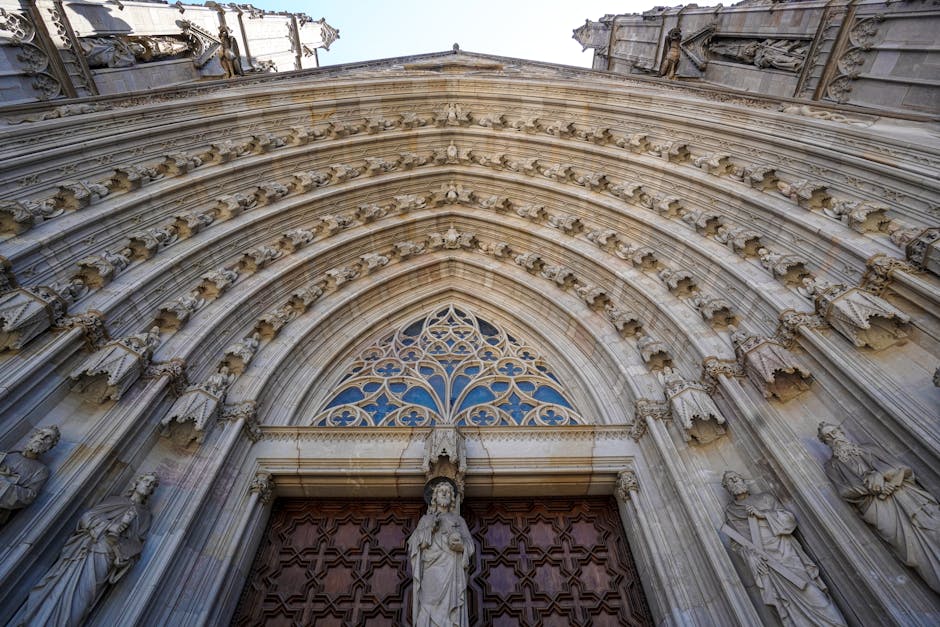
Discover the revolutionary history and haunting scars of the Spanish Civil War on this self-guided walk through Barcelona's historic streets.
 Easy
EasyBarcelona, Spain
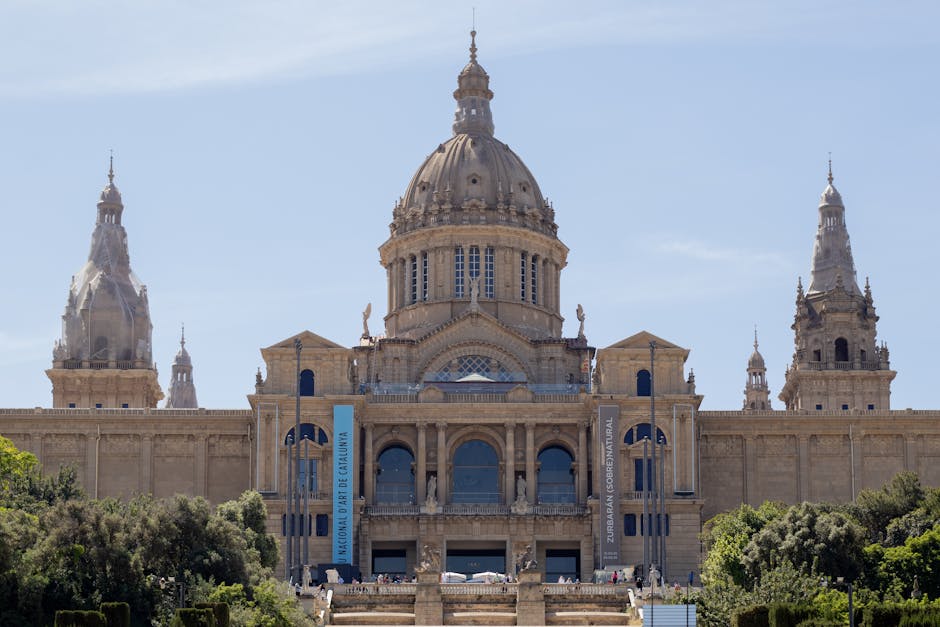
Discover the architectural wonders of Barcelona's Golden Square on this self-guided stroll through Eixample's most luxurious Modernista streets.
 Challenging
Barcelona, Spain
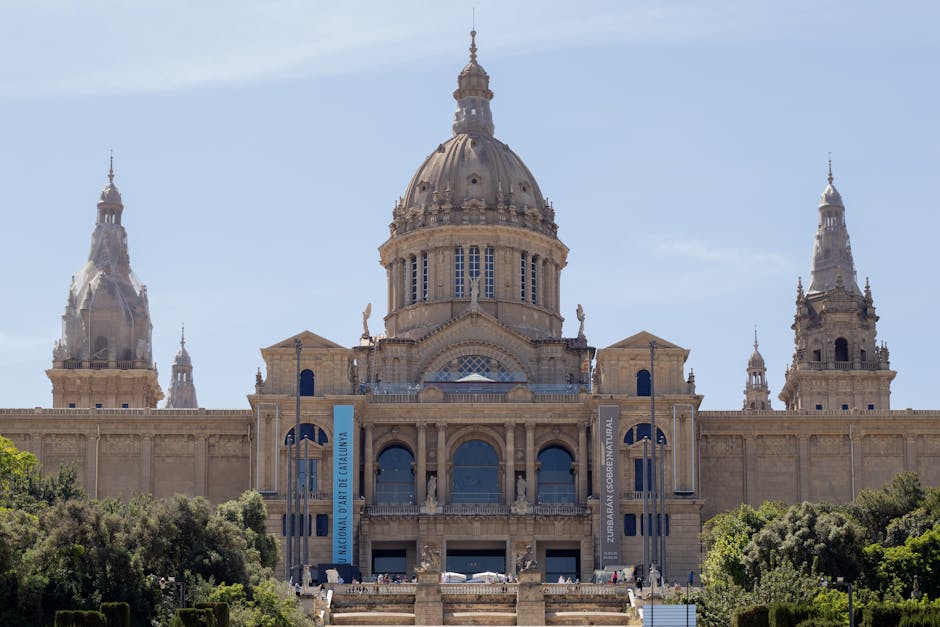
Explore Montjuïc’s lush gardens, historic fortress, and iconic Olympic venues on this scenic self-guided walk with panoramic Mediterranean views.