Self-guided audio tour in Utrecht
Start Free on iPhone
Start free on iPhone to unlock this self-guided walking tour in Utrecht. Hear all the stories that make it amazing, walk at your own pace, and begin whenever you want.
Your Private Tour Guide
Step away from the bustling canals of the city center and discover the elegant lungs of Utrecht's eastern district. This self-guided walk invites you to explore a landscape where history and nature intertwine, tracing the evolution of the city from a fortified stronghold to a modern urban sanctuary. You will begin your neighborhood stroll at the grand Maliebaanstation, now home to the Railway Museum, where the golden age of steam travel still lingers in the air. This area, known as Utrecht Oost, offers a distinct atmosphere characterized by wide boulevards, stately 19th-century architecture, and a series of interconnected green spaces that reflect the city's growth beyond its medieval walls. As you follow this walking route, you will wander through the Zocherpark, one of the oldest public parks in the Netherlands. Designed in the English landscape style, it replaced the city's defensive ramparts with rolling lawns and winding paths. You will also visit Park Lepelenburg, a local favorite for sun-drenched afternoons, and the striking Municipal Theatre, a masterpiece of modernist architecture designed by Willem Dudok. The route takes you down the Maliebaan, a magnificent linden-lined boulevard that holds a unique place in history as the site of the first dedicated bicycle path in the Netherlands, established in 1885. To conclude your journey, you will explore the Oosterspoorbaan, a former industrial railway line that has been transformed into a vibrant green ribbon for walkers and cyclists. This project serves as a perfect example of how Utrecht preserves its industrial heritage while prioritizing ecological sustainability. This walking tour Utrecht provides a comprehensive look at the city's architectural elegance and its commitment to public green space. Whether you are interested in the heritage of the Dutch railways or the peaceful ambiance of botanical landscapes, this self-guided adventure offers a refreshing perspective on Utrecht's unique character and history.
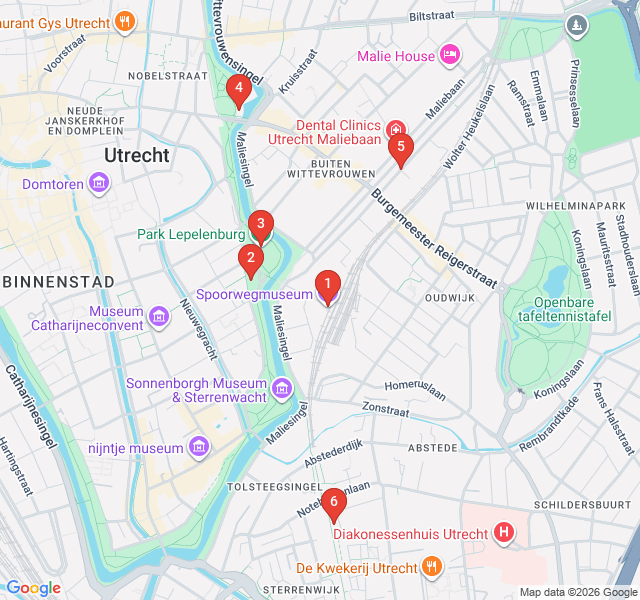
Numbers indicate the order of stops on the tour.
Your journey begins at the Maliebaanstation, a stunning 19th-century station that now serves as the entrance to the Railway Museum. Built in 1874, this station was once a key link in the Dutch rail network. Even if you don't go inside the museum today, take a moment to admire the grand facade and the ornate interior of the station hall, which transports you back to the era of luxury rail travel. The museum itself is a treasure trove of industrial history, housing everything from the first Dutch steam locomotive, De Arend, to royal carriages. It represents the moment Utrecht truly connected with the rest of Europe.
Leaving the station, you enter the Zocherpark. This green belt follows the curve of the old city moat. In the 1830s, as Utrecht's medieval walls became obsolete, the city commissioned landscape architect Jan David Zocher to transform the fortifications into a public park. Zocher opted for the English landscape style, characterized by winding paths, varied elevations, and strategic clusters of trees that create 'picturesque' views. As you walk, notice how the park creates a soft, natural buffer between the historic city center and the later expansions of the 19th century. It remains one of the city's most beloved spots for a peaceful escape.
Continuing along the park belt, you arrive at Park Lepelenburg. This area was once the site of one of Utrecht's four massive bastions, which were added to the city's defenses in the 16th century. Today, the military history is hidden beneath vibrant green lawns. Lepelenburg is the social heart of the neighborhood, frequently hosting festivals and outdoor concerts. From here, you can see the contrast between the historic villas lining the park and the distant silhouette of the Dom Tower. It is a perfect example of urban repurposing, turning a site of defense into a site of community and relaxation.
At the edge of the park stands the Stadsschouwburg, or Municipal Theatre. This building is a landmark of Dutch modernism, designed by the renowned architect Willem Dudok and completed in 1941. Dudok is famous for his geometric forms and use of light, and this theatre is no exception. Its yellow brickwork and sweeping horizontal lines were quite radical for its time, especially when compared to the surrounding traditional architecture. Despite being built during the difficult years of the Second World War, it has remained a premier cultural venue, symbolizing Utrecht's resilience and its embrace of forward-thinking design.
Now, turn onto the Maliebaan, one of the most prestigious streets in the Netherlands. Originally laid out in 1637 for the game of 'malie' (a precursor to croquet and golf), this long, straight boulevard is lined with monumental linden trees and grand townhouses. However, its most famous claim to fame is found on the right-hand side. In 1885, the ANWB (the Royal Dutch Touring Club) successfully lobbied to designate a portion of the Maliebaan as a dedicated path for 'velocipedes.' This became the very first bicycle path in the country, sparking a cycling revolution that defines Dutch culture to this day.
Your final stop is the Oosterspoorbaan. For over a century, this was a busy railway line connecting Utrecht to Hilversum. When the trains stopped running here in 2012, the local community worked with the city to transform the tracks into a linear park. The result is a unique urban trail where the old railway signals and overhead line portals still stand alongside wildflower meadows and community gardens. It is a 'high line' style park that connects the city to the countryside, offering a quiet, car-free path that perfectly captures the modern, green spirit of Utrecht.
Start Free on iPhone
Explore “Utrecht’s Green Belt: The Maliebaan and Parks” with your very own Private Tour Guide with Zigway. Start free on iPhone, skip the large group and the fixed routes, and hear the city come alive as you go.
Your Private Tour Guide
Don't miss the good stuff
Explore Freely
 Easy
EasyUtrecht, Netherlands
Explore Utrecht's 2,000-year history from Roman fortresses to medieval cathedrals on this self-guided audio walk through the city center.
 Easy
EasyUtrecht, Netherlands
Explore Utrecht's industrial evolution on this self-guided walk from the medieval Dom Tower to the creative warehouses and design hubs of Rotsoord.
 Easy
EasyUtrecht, Netherlands
Explore Utrecht’s liquid history on this self-guided walk from historic canal-side cafes to modern craft breweries.
 Easy
EasyUtrecht, Netherlands
Discover the dramatic world of the Utrecht Caravaggisti on this self-guided walk through the historic Museumkwartier and its artistic landmarks.
 Moderate
Gdansk, Poland
Discover the origins of WWII in Gdansk on this self-guided walk through heroic last stands, massive museums, and strategic hilltop fortifications.
 Moderate
Warsaw, Poland
Explore the resilient spirit of Warsaw's Muranów district on this self-guided walk through the history and landmarks of the former Jewish Ghetto.
 Moderate
Warsaw, Poland
A powerful self-guided walk through Warsaw's WWII history, tracking the 1944 Uprising from ruined skyscrapers to solemn memorials.
 Moderate
Nairobi, Kenya
Discover Nairobi's lush side on this self-guided walk through botanical gardens, historic memorials, and vibrant local markets.
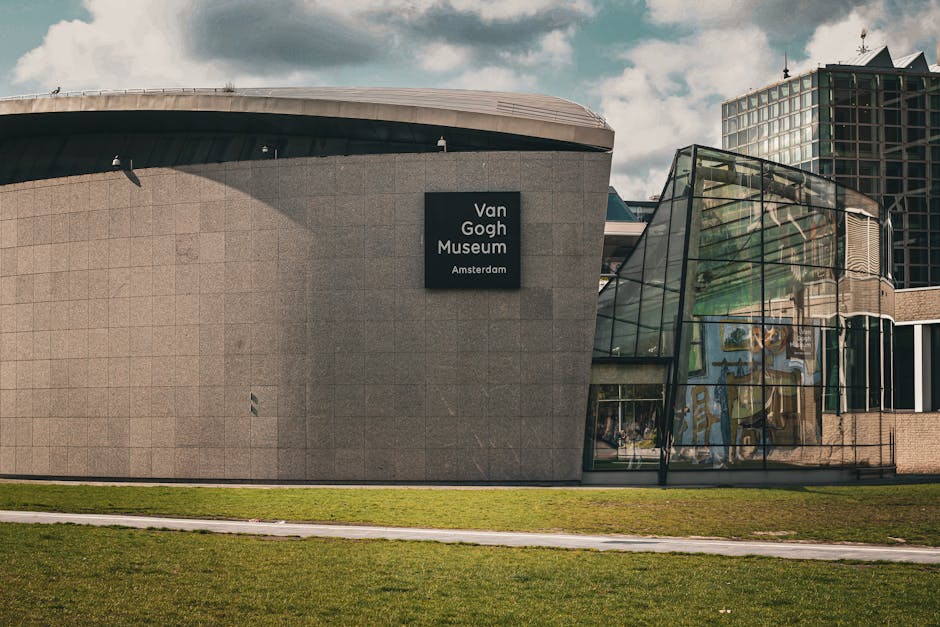 Easy
EasyAmsterdam, Netherlands
Discover Amsterdam's cultural heart on this self-guided walk from the iconic Museumplein to the serene blooming gardens of Vondelpark.
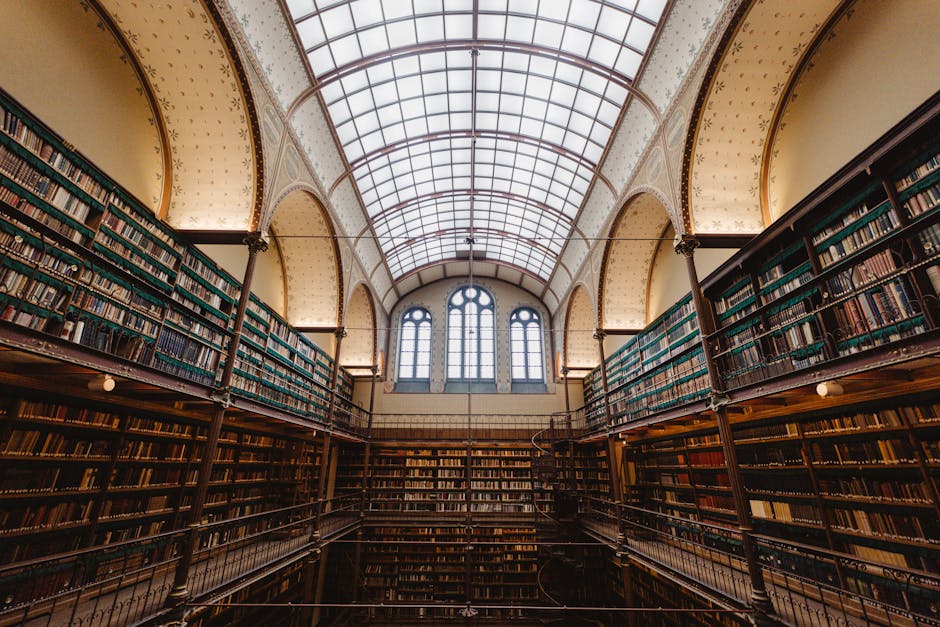 Easy
EasyAmsterdam, Netherlands
Discover Amsterdam's literary heart on this self-guided walk through historic bookshops, writers' haunts, and the homes of revolutionary thinkers.
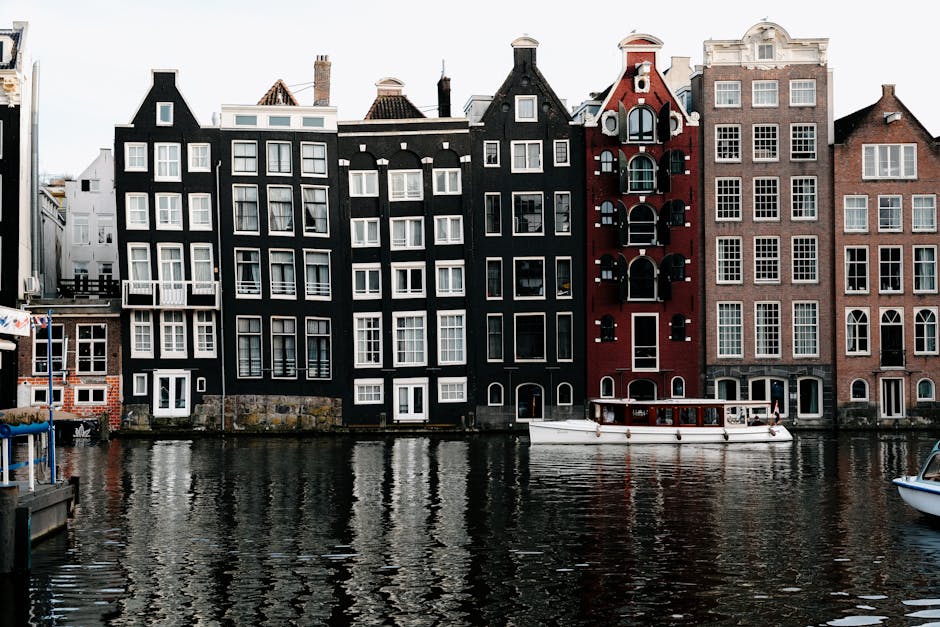 Easy
EasyAmsterdam, Netherlands
Capture the magic of Amsterdam with this self-guided photography walk across the iconic bridges and scenic banks of the Amstel River.
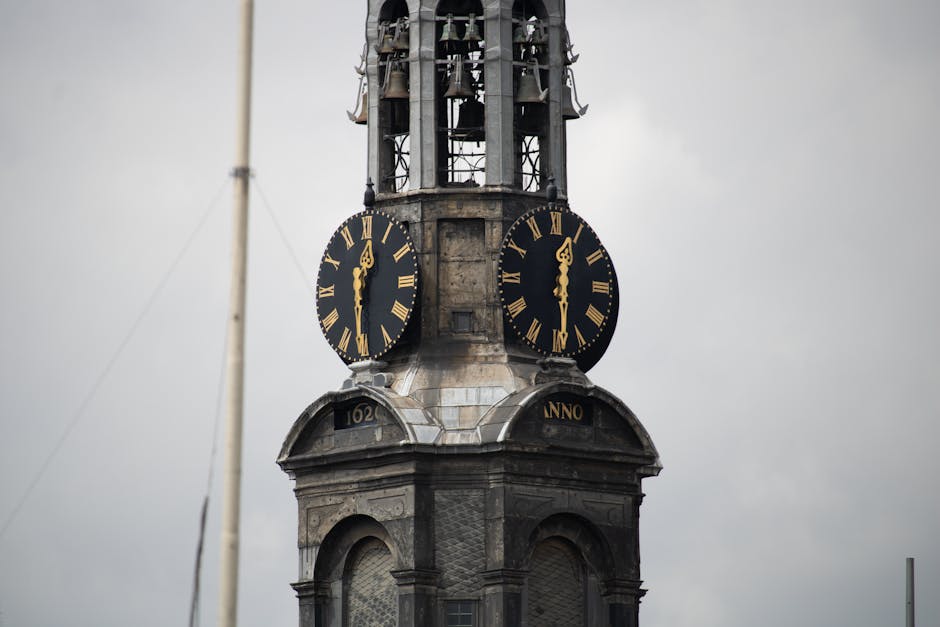 Easy
EasyAmsterdam, Netherlands
Discover the opulent 17th-century mansions and rich history of Amsterdam's famous Canal Belt on this self-guided architectural walking route.