Self-guided audio tour in Utrecht
Start Free on iPhone
Start free on iPhone to unlock this self-guided walking tour in Utrecht. Hear all the stories that make it amazing, walk at your own pace, and begin whenever you want.
Your Private Tour Guide
Uncover the hidden layers of one of the Netherlands' oldest cities with this self-guided audio walk through Utrecht. Long before the canals and busy shopping streets, this was a strategic frontier of the Roman Empire. This walking route takes you on a journey through two millennia, starting at the very heart of the city where the Roman castellum of Traiectum once stood. You will explore how the ancient borders of the Roman Limes shaped the layout of the city we see today, influencing everything from the curve of the canals to the placement of its most iconic cathedrals. As you traverse the historic center, you will encounter the monumental Domplein, a square that has served as a center of power for nearly 2,000 years. This neighborhood stroll leads you past architectural marvels like the Sint Willibrordkerk, a hidden gem often overlooked by visitors, and the serene Pieterskerk, which dates back to the 11th century. You will also trace the path of the Kromme Nieuwegracht, a unique canal that follows the original, winding course of the Rhine River. This specific area provides a quiet contrast to the bustling Oudegracht, offering a more intimate look at Utrecht's medieval heritage. While many travelers might look for a traditional walking tour Utrecht offers, this self-guided experience allows you to linger at the sites that fascinate you most. Whether you are intrigued by the archaeological depths of DOMunder or the story of the only Dutch Pope at Paushuize, you have the freedom to explore independently. This route is perfect for history enthusiasts and first-time visitors who want to understand the foundational stories of the city. By the end of this neighborhood stroll, you will see Utrecht not just as a modern hub, but as a living museum of Roman and medieval history.
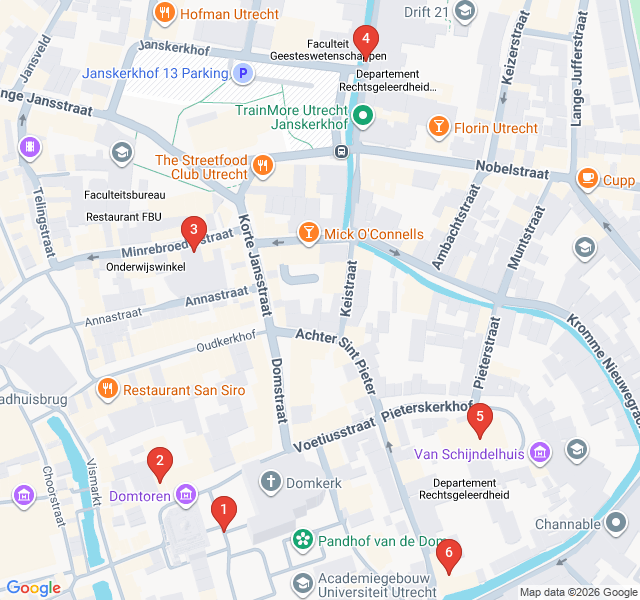
Numbers indicate the order of stops on the tour.
Welcome to the heart of Utrecht. This square, Domplein, is the exact location where the Romans founded a fort called Traiectum around 47 AD. It was part of the Limes, the northern border of the Roman Empire. For centuries, this was a military outpost protecting a key crossing on the Rhine. As you look around, imagine the heavy stone walls and barracks that once stood here. In the medieval period, this Roman foundation became the religious center of the Northern Netherlands. The massive Dom Tower and Cathedral were built directly over the Roman ruins, symbolizing the shift from military to ecclesiastical power. If you look at the ground, you can often find metal markers indicating the original Roman walls.
Right here in the center of the square is the entrance to DOMunder. This is not just a museum; it is an active archaeological site located five meters below your feet. After a devastating tornado in 1674 destroyed the nave of the Dom Cathedral, the ruins lay scattered for centuries. Excavations here have revealed layers of history stacked on top of each other: from the foundations of the Roman fort to the remains of the medieval cathedral. It is a physical timeline of Utrecht. Even if you don't go inside today, consider that the very ground you are standing on has been elevated by two thousand years of human construction and debris.
Tucked away behind a relatively modest facade is one of the most richly decorated churches in the Netherlands. The Sint Willibrordkerk is a masterpiece of the Neo-Gothic style, completed in the late 19th century. While Utrecht is famous for its medieval history, this church represents a later 'Catholic revival.' Step inside to see the vibrant colors, intricate wood carvings, and extensive gold leaf that cover almost every surface. It was dedicated to Willibrord, the Northumbrian missionary who became the first Bishop of Utrecht in the 7th century, linking the city's medieval religious identity back to its post-Roman roots.
As you walk along the Kromme Nieuwegracht, or 'Curved New Canal,' notice how its shape differs from the straight lines of modern city planning. This canal follows the natural, winding bed of a former branch of the Rhine River. When the Romans were here, this was the primary waterway. In the middle ages, the canal was dug to allow boats to reach the back of the grand estates and noble houses. The 'wharves' you see here are lower than those on the main Oudegracht, reflecting the more private, residential nature of this district. It remains one of the most peaceful and picturesque stretches of water in the city center.
You are now at the Pieterskerk, one of the four 'cross churches' built in the 11th century to form a religious cross around the Dom. Dedicated to St. Peter, this church is a rare example of Romanesque architecture in the Netherlands. Its red sandstone columns were imported all the way from the Eifel region in Germany. If you have the chance to see the crypt, you will find the sarcophagus of Bishop Bernold, who founded the church. The simplicity of its design stands in stark contrast to the ornate Gothic styles that followed, offering a glimpse into the early medieval world that emerged after the Roman era.
The final stop on our route is Paushuize, or 'The Pope's House.' This grand building was commissioned in 1517 by Adriaan Florenszoon Boeyens, the only person from the Low Countries ever to become Pope. Known as Pope Adrian VI, he unfortunately never got to live in this house; he died in Rome only a year into his papacy. The building features a striking mix of Gothic and Renaissance styles, with its iconic red-and-white shutters. It stands as a monument to Utrecht's most famous son and the city's enduring historical significance on the European stage. From here, you are only a short walk back to the Dom Tower.
Start Free on iPhone
Explore “Roman Roots and Ancient Borders” with your very own Private Tour Guide with Zigway. Start free on iPhone, skip the large group and the fixed routes, and hear the city come alive as you go.
Your Private Tour Guide
Don't miss the good stuff
Explore Freely
 Easy
EasyUtrecht, Netherlands
Explore Utrecht's industrial evolution on this self-guided walk from the medieval Dom Tower to the creative warehouses and design hubs of Rotsoord.
 Easy
EasyUtrecht, Netherlands
Explore Utrecht’s liquid history on this self-guided walk from historic canal-side cafes to modern craft breweries.
 Easy
EasyUtrecht, Netherlands
Discover the dramatic world of the Utrecht Caravaggisti on this self-guided walk through the historic Museumkwartier and its artistic landmarks.
 Moderate
Utrecht, Netherlands
Explore Utrecht's longest street on this self-guided walk featuring giant murals, industrial heritage, and the famous 'Boekenkast' street art.
 Easy
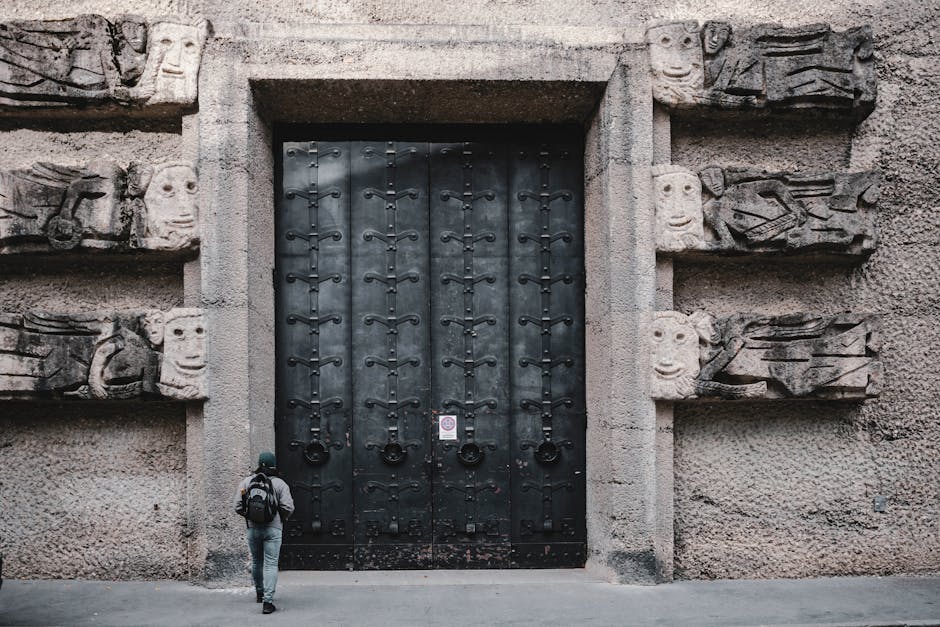
EasySalzburg, Austria
Discover the 'Rome of the North' on this self-guided walk through the Baroque squares and monumental legacy of Salzburg’s Prince-Archbishops.
 Easy
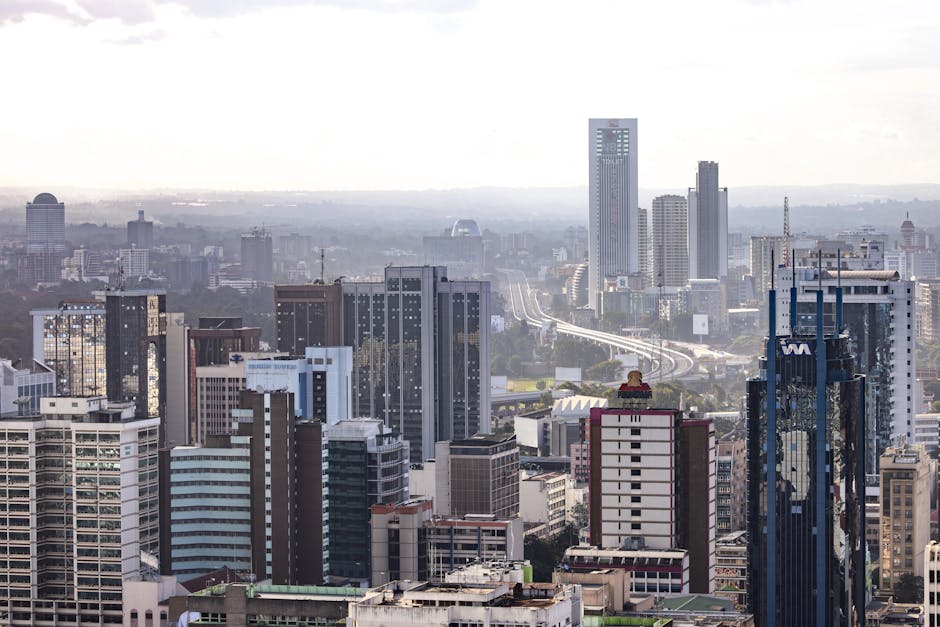
EasyNairobi, Kenya
Explore Nairobi's architectural evolution from colonial-era landmarks to iconic Brutalist skyscrapers on this historic self-guided walking route.
 Easy
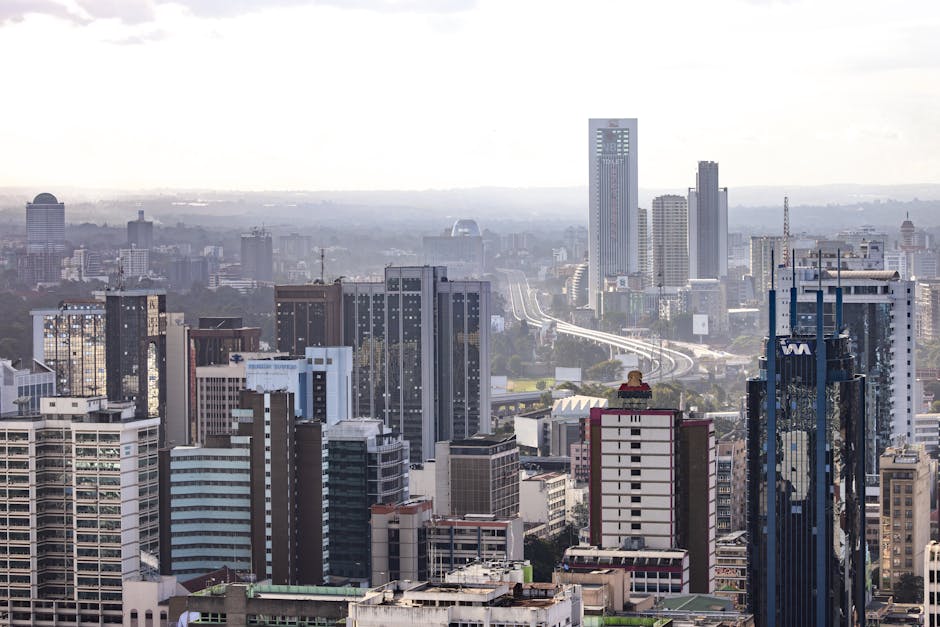
EasyNairobi, Kenya
Discover Nairobi's iconic skyline on this self-guided architecture walk through the CBD’s most famous modernist and Brutalist landmarks.
 Easy
EasyInnsbruck, Austria
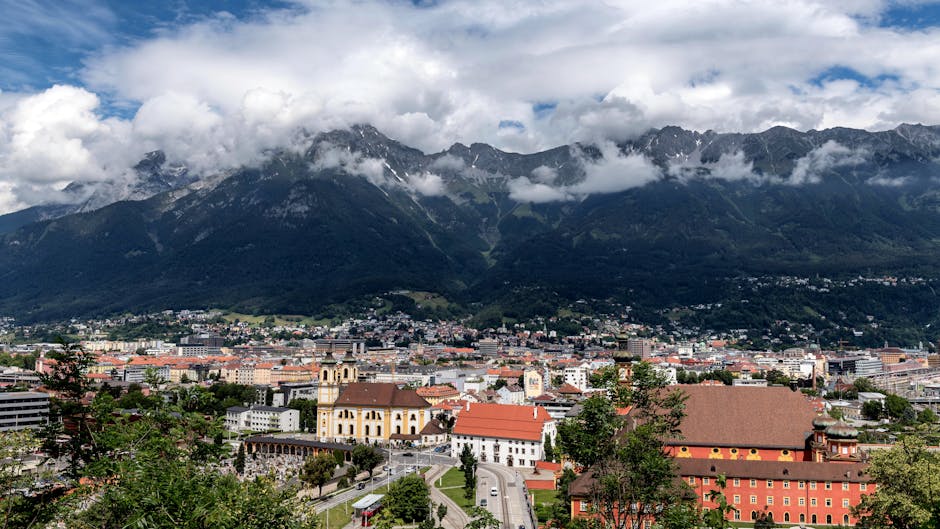
Uncover the myths and legends of Innsbruck on this self-guided walk through the historic Altstadt and beyond.
 Easy
EasyAmsterdam, Netherlands
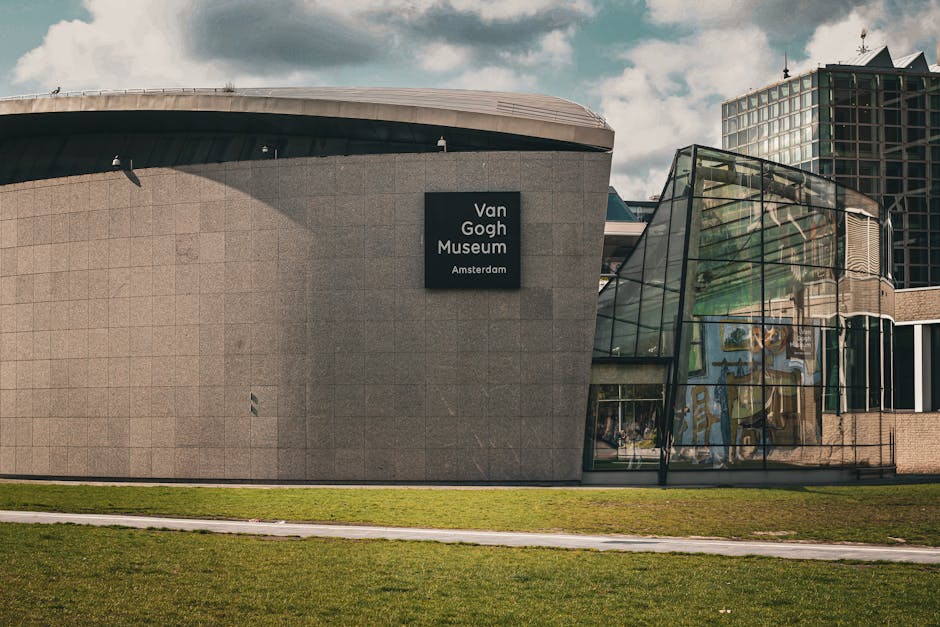
Discover Amsterdam's cultural heart on this self-guided walk from the iconic Museumplein to the serene blooming gardens of Vondelpark.
 Easy
EasyAmsterdam, Netherlands
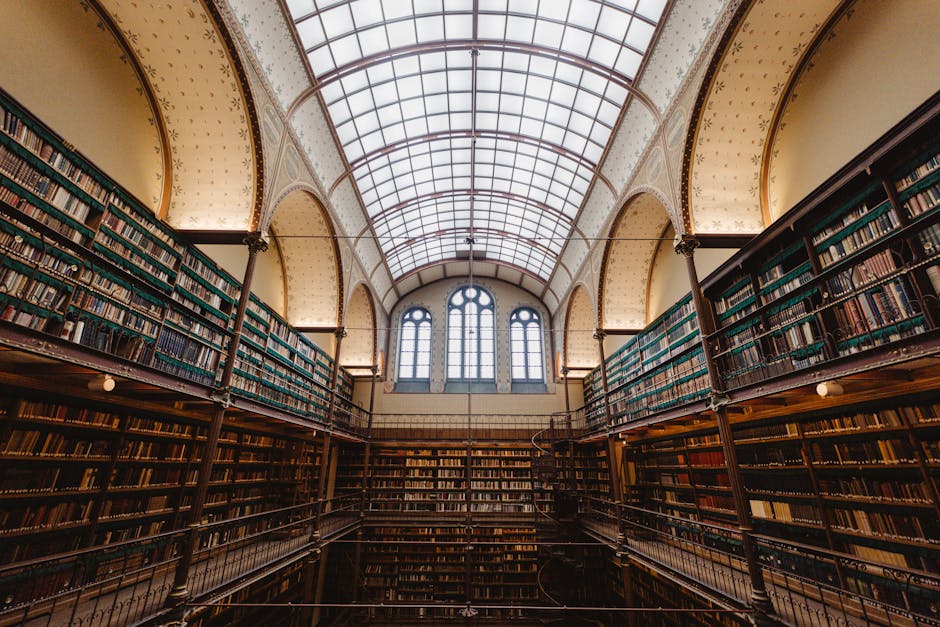
Discover Amsterdam's literary heart on this self-guided walk through historic bookshops, writers' haunts, and the homes of revolutionary thinkers.
 Easy
EasyAmsterdam, Netherlands
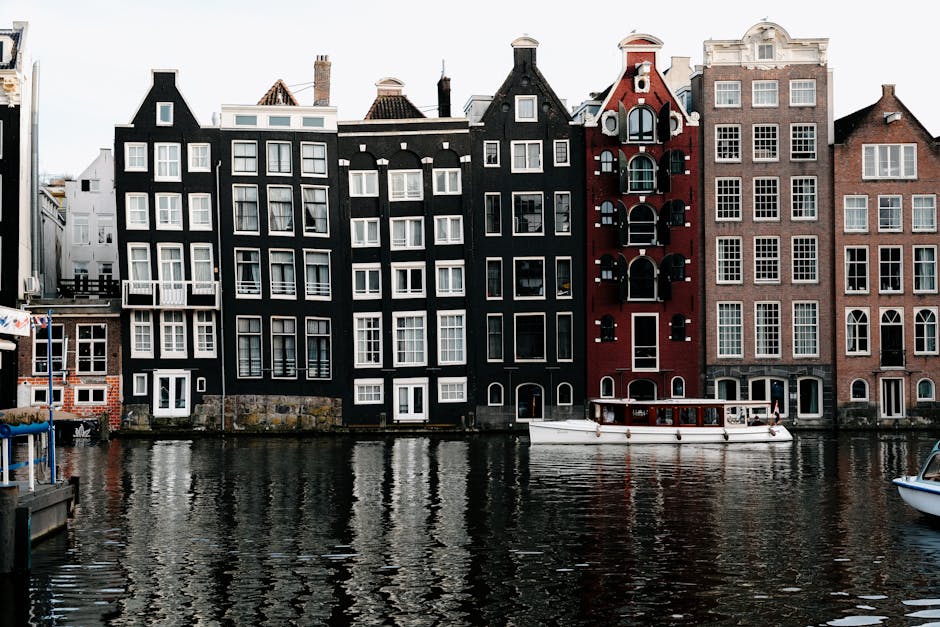
Capture the magic of Amsterdam with this self-guided photography walk across the iconic bridges and scenic banks of the Amstel River.
 Easy
EasyAmsterdam, Netherlands
Discover the opulent 17th-century mansions and rich history of Amsterdam's famous Canal Belt on this self-guided architectural walking route.