Self-guided audio tour in Marseille
Start Free on iPhone
Start free on iPhone to unlock this self-guided walking tour in Marseille. Hear all the stories that make it amazing, walk at your own pace, and begin whenever you want.
Your Private Tour Guide
Experience the striking transformation of Marseille’s coastline on this self-guided walk through the heart of the Euroméditerranée project. This walking route takes you from the historic foundations of the city to the cutting-edge architectural marvels of the 21st century. Marseille has long been a gateway to the Mediterranean, but the recent 'renaissance' of the La Joliette district has redefined its skyline, blending industrial heritage with bold, modern design. On this neighborhood stroll, you will witness how former grain silos and shipping warehouses have been reborn as cultural hubs and luxury retail spaces. The journey begins at the iconic MuCEM, a masterpiece of contemporary architecture that seems to float between the sky and the sea. From here, you will explore the intricate connection between the old and the new, crossing high-altitude footbridges that link 17th-century fortifications to sleek concrete structures. As you move north along the waterfront, the atmosphere shifts from the contemplative halls of museums to the vibrant energy of the maritime docks. You will discover the Villa Méditerranée, home to a fascinating prehistoric replica, and Les Docks Village, a series of historic warehouses now filled with artisanal shops and hidden courtyards. This architecture-focused stroll is perfect for those who want to understand the modern identity of France’s oldest city. Whether you are interested in the engineering of 'Le Silo' or the panoramic sea views from 'Les Terrasses du Port,' this route offers a comprehensive look at Marseille’s urban evolution. This self-guided walk allows you to linger at the viewpoints that interest you most without the pressure of a group. It is one of the most visually rewarding ways to explore Marseille, offering plenty of opportunities for photography and a deep dive into the city's maritime soul. If you are looking for a walking tour Marseille experience that highlights the city's future as much as its past, this route through La Joliette is the ideal choice.
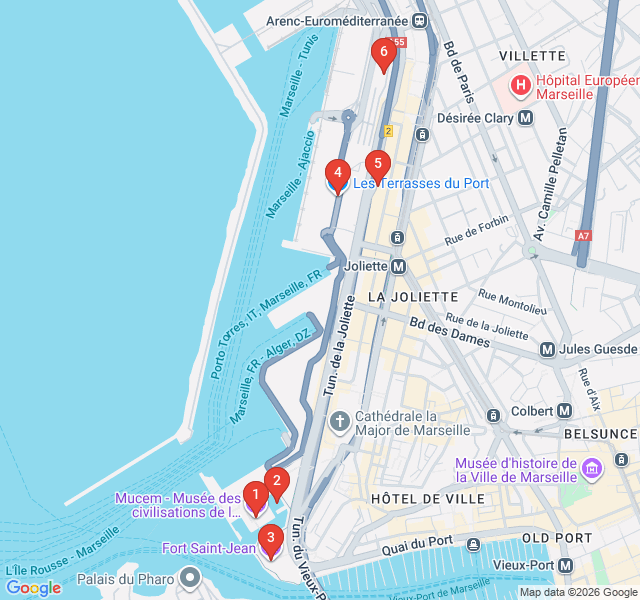
Numbers indicate the order of stops on the tour.
Welcome to the MuCEM, the crown jewel of Marseille’s modern waterfront. Designed by architect Rudy Ricciotti and opened in 2013 when Marseille was the European Capital of Culture, this building is a feat of engineering. Notice the 'concrete lace' that wraps around the structure; it is designed to filter the intense Mediterranean light while allowing the sea breeze to pass through. The MuCEM is the first national museum in France dedicated to the cultures of the Mediterranean. It sits on reclaimed land known as the J4 pier, serving as a symbolic bridge between the city’s ancient history and its global future. Take a moment to walk the external ramps for stunning views of the lighthouse and the sea.
Adjacent to the MuCEM stands the Villa Méditerranée, an architectural marvel known for its daring cantilever. The structure extends 40 meters over a water basin, with an equal portion located underwater. Designed by Stefano Boeri, it was originally intended as a center for international dialogue. Today, it houses the Cosquer Méditerranée, a faithful replica of the prehistoric Cosquer Cave discovered by divers in the nearby Calanques. The building’s white, minimalist aesthetic provides a sharp contrast to the dark, intricate lattice of its neighbor, the MuCEM, showcasing the diversity of contemporary French design along this rejuvenated coastline.
Connected to the MuCEM by a slender footbridge, Fort Saint-Jean dates back to the 17th century. Built by Louis XIV, it was designed more to keep an eye on the rebellious citizens of Marseille than to defend against invaders from the sea. Today, it has been integrated into the museum complex, offering a peaceful labyrinth of gardens, vaulted stone passages, and ramparts. As you wander through the 'Jardin des Migrations,' you can see how the historic stone walls have been preserved and repurposed. This site perfectly illustrates the theme of this walking route: the seamless blending of Marseille’s military past with its cultural present.
As we head north into the Joliette district, we reach Les Terrasses du Port. While it is a premier shopping destination, its architectural significance lies in how it reconnected the people of Marseille with their waterfront. For decades, this area was a closed industrial port. This building features a massive 260-meter-long terrace that offers an unobstructed view of the ferries departing for Corsica and North Africa. It represents the commercial heart of the Euroméditerranée project, turning a former shipping zone into a vibrant public space where the city meets the sea.
Les Docks Village is perhaps the best example of 'adaptive reuse' in the city. Originally built in the mid-19th century as a series of warehouses for paper, wheat, and spices, these massive stone structures were once the largest in Marseille. In the 1990s and 2010s, they underwent a massive renovation. Today, the Docks are home to four distinct courtyards—Place du Port, Place de l'Hôtel, Place des Palmiers, and Place du Marché—each decorated with unique tiles, plants, and art. It is a peaceful, stylish retreat from the bustle of the city, housing offices, boutiques, and cafes within its thick, historic walls.
Our walk concludes at Le Silo, a striking industrial monument. Built in 1927, this was once a functioning grain silo that played a vital role in Marseille’s port economy. Rather than being demolished when it fell into disuse, it was transformed into a world-class theater and concert hall. The architects preserved the original vertical concrete lines and the massive silos themselves, which now house dressing rooms and technical spaces. Le Silo stands as a powerful reminder of Marseille’s industrial roots and its commitment to creative regeneration, marking the northern boundary of the waterfront’s architectural renaissance.
Start Free on iPhone
Explore “Waterfront Renaissance: Joliette to MuCEM” with your very own Private Tour Guide with Zigway. Start free on iPhone, skip the large group and the fixed routes, and hear the city come alive as you go.
Your Private Tour Guide
Don't miss the good stuff
Explore Freely
 Easy
EasyMarseille, France
Explore Marseille's green heart at Parc Borély and discover Le Corbusier's iconic Unité d'Habitation on this self-guided architecture walk.
 Moderate
Marseille, France
Discover Marseille's historic spine from the Old Port to the majestic Palais Longchamp on this self-guided architectural walking route.
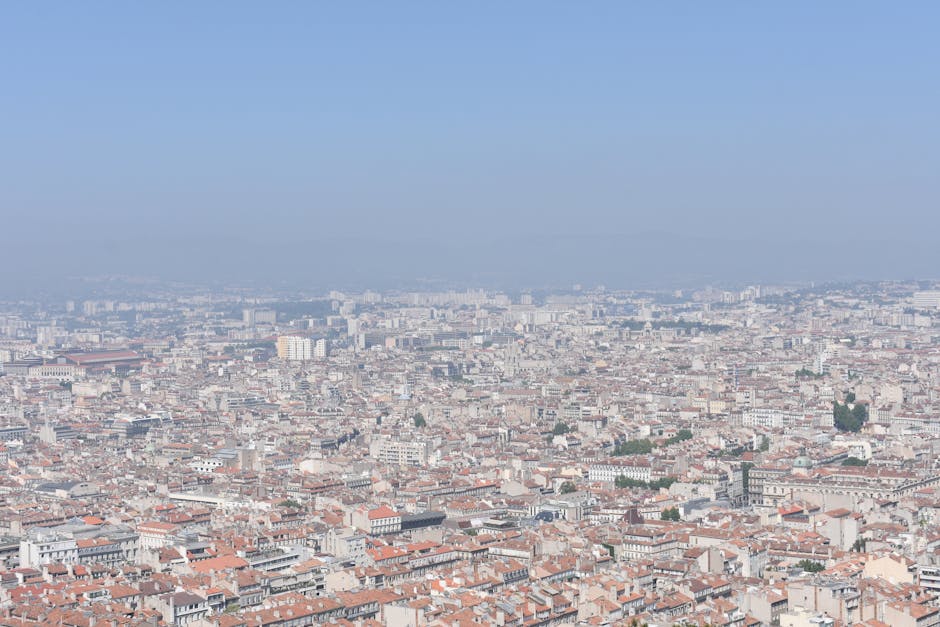 Moderate
Marseille, France
Explore the vertical gardens and hidden villas of Endoume on this self-guided walk through Marseille’s most charming coastal neighborhood.
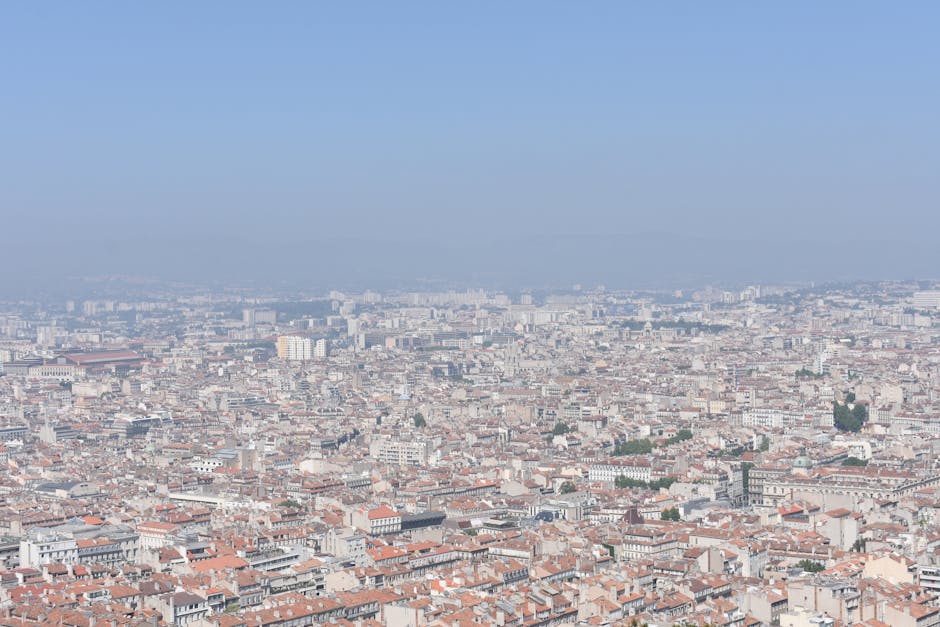 Easy
EasyMarseille, France
Discover the cinematic soul of Marseille on this self-guided walk through the historic Vieux Port, inspired by the works of Marcel Pagnol.
 Easy
EasyGothenburg, Sweden
Explore Gothenburg's elegant academic district, featuring grand 19th-century stone architecture and the iconic cultural hub of Götaplatsen.
 Easy
EasyGothenburg, Sweden
Explore Gothenburg's maritime soul on this self-guided walk from historic shipyards to sleek modern piers and iconic industrial landmarks.
 Easy
EasyGothenburg, Sweden
Discover Gothenburg’s 17th-century Dutch foundations, historic canals, and military fortifications on this self-guided architectural walk.
 Easy
EasyGdansk, Poland
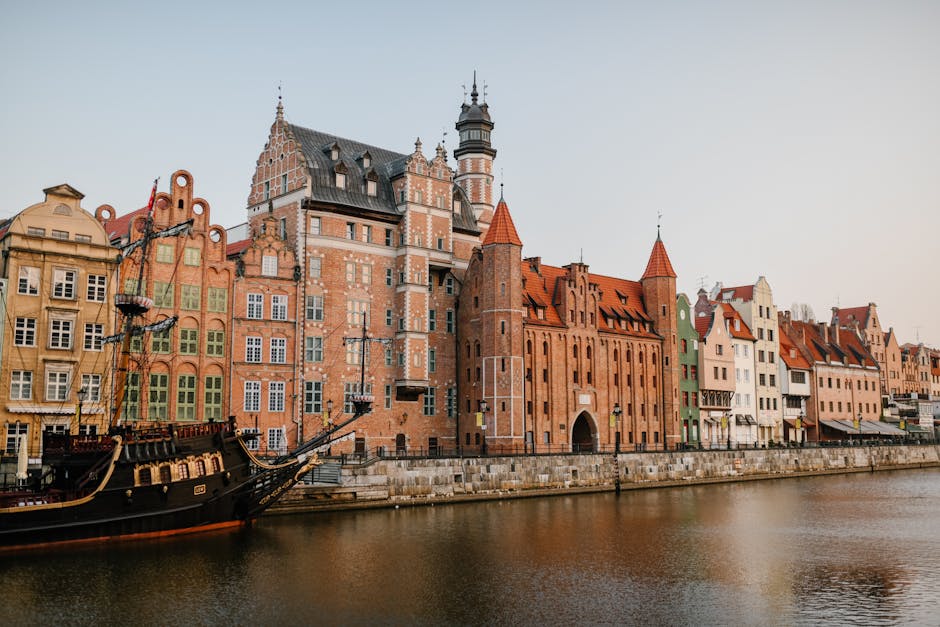
Discover the 'Baltic Gold' on this self-guided walk through Gdansk's historic mills, massive cathedrals, and the magical Mariacka Street.
 Challenging
Paris, France
Explore the secret vineyards, legendary artist studios, and hidden squares of Paris's iconic hilltop on this self-guided bohemian walking route.
 Easy
EasyParis, France
Explore the evolution of Parisian design from Art Nouveau whimsy to Le Corbusier's Modernist masterpieces on this self-guided architectural walk.
 Easy
EasyParis, France
Explore the flavors and history of Bastille on this self-guided walk through the legendary Aligre Market and the scenic Coulée Verte.
 Easy
EasyParis, France
Discover aristocratic mansions, secret medieval courtyards, and royal history on this self-guided walk through the enchanting Marais district.