Self-guided audio tour in Paris
Start Free on iPhone
Start free on iPhone to unlock this self-guided walking tour in Paris. Hear all the stories that make it amazing, walk at your own pace, and begin whenever you want.
Your Private Tour Guide
Step into the heart of the Marais, a neighborhood that serves as a living museum of French history. This self-guided walk invites you to explore the evolution of Paris from its medieval roots to its 17th-century royal peak. Once a marshy area on the outskirts of the city, the Marais transformed into the preferred residence of the French nobility, leaving behind a legacy of 'hôtels particuliers'—grand private mansions that still dominate the landscape today. As you navigate this walking route, you will discover that the Marais is a district of layers, where aristocratic grandeur sits side-by-side with the vibrant history of the Jewish quarter and the quiet solitude of secret courtyard gardens. This exploration begins at the Jardins des Archives Nationales, a cluster of hidden gardens tucked behind some of the city's most impressive facades. From there, you will transition into the narrow, bustling Rue des Rosiers, the historic center of Jewish life in Paris. The journey continues through the labyrinthine Village Saint-Paul, a series of interconnected courtyards that now house antique dealers and artisans, offering a glimpse into the medieval street pattern that once defined the entire city. You will also encounter the formidable Hôtel de Sens, one of the few remaining examples of medieval civil architecture in Paris, complete with its own hidden battle scar from the French Revolution. The route concludes with the architectural masterpieces of the 17th century. You will pass through the majestic courtyard of the Hôtel de Sully, a prime example of the Louis XIII style, before emerging into the legendary Place des Vosges. This square, with its perfectly symmetrical red-brick pavilions and vaulted arcades, represents the pinnacle of royal urban planning. This self-guided walk is perfect for those who want to escape the crowded boulevards and uncover the hidden gems of Paris at their own pace. Whether you are an architecture enthusiast or a history buff, this walking tour Paris offers a deep dive into the stories that shaped the Right Bank.
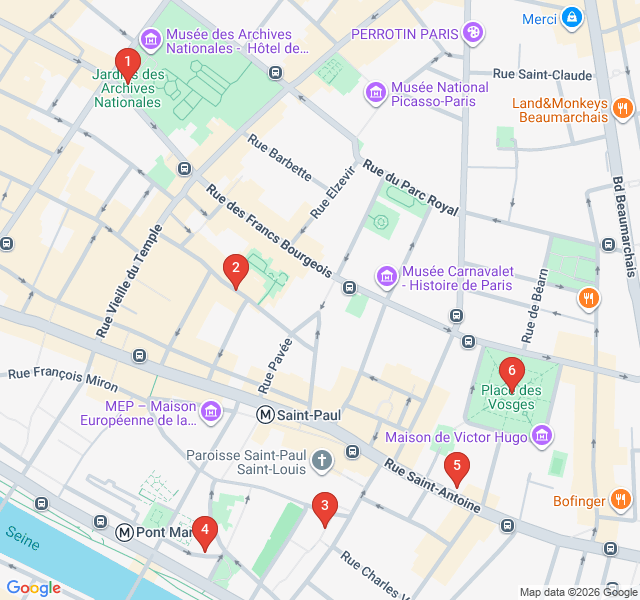
Numbers indicate the order of stops on the tour.
Welcome to one of the Marais' best-kept secrets. The Gardens of the National Archives are actually a collection of several smaller gardens belonging to the surrounding 'hôtels particuliers' or private mansions. As you walk through, look up at the Hôtel de Soubise, a masterpiece of Rococo design. These gardens were once the private domain of the French elite, but today they offer a peaceful public retreat. The layout reflects the transition from formal French gardens to more romantic, natural styles. It is a perfect place to observe the intricate stonework and classical proportions that define the aristocratic Marais before the French Revolution changed the social fabric of this neighborhood forever.
Transitioning from the quiet gardens, you now enter the Rue des Rosiers, the heart of the 'Pletzl'—the historic Jewish quarter of Paris. Since the 12th century, this street has been a center for the community. While it is famous today for its popular falafel shops and bakeries, the history here runs deep. Look for the small plaques on the buildings that commemorate the neighborhood's darker chapters during World War II, as well as the beautiful Art Nouveau synagogue nearby. The street's name, 'Street of the Rosebushes,' dates back to the 13th century, though the roses are long gone, replaced by a vibrant mix of traditional heritage and modern Parisian life.
Step off the main street and into the Village Saint-Paul, a labyrinth of interconnected courtyards that feels like a village within a city. This area was once part of a royal palace complex, but today it is a sanctuary for antique dealers, gallery owners, and artisans. The architecture here is a patchwork of centuries, with medieval stone walls and timber frames visible in various corners. It is the perfect place to explore independently, as each courtyard has its own character. Notice the lack of cars and the quiet atmosphere, which provides a rare glimpse into how the Marais might have felt before the modern era brought traffic and noise to the capital.
Standing before you is the Hôtel de Sens, one of the most remarkable medieval buildings in Paris. Built between 1475 and 1519 for the Archbishops of Sens, it looks more like a fortified castle than a city home, with its turrets and arched gateway. It was famously the residence of Queen Margot after her marriage to Henri IV was annulled. Look closely at the facade high above the entrance; you might spot a small cannonball lodged in the stone. It has been there since the 'Three Glorious Days' of the 1830 Revolution. Behind the building lies a formal French garden that offers a stunning view of the late Gothic and early Renaissance architectural details.
The Hôtel de Sully is a quintessential example of the Louis XIII style of architecture. Built in the early 17th century, it was the home of the Duke of Sully, the chief minister to King Henri IV. The main courtyard is decorated with intricate sculptures representing the four seasons and the four elements. As you walk through the courtyard, you are following in the footsteps of the French high nobility. This mansion serves as a bridge between the medieval density of the Marais and the grand urban planning of the Place des Vosges. In fact, there is a small, discreet door in the back of the garden that leads directly into the next stop on our route.
You have arrived at the crown jewel of the Marais. Completed in 1612 to celebrate the engagement of Louis XIII, the Place des Vosges was the first planned square in Paris. Its perfect symmetry, with 36 identical red-brick and stone houses, set the standard for residential squares across Europe. Under the vaulted arcades, you will find galleries and cafes, while the central park is a favorite spot for locals. Many famous figures have lived here, including Victor Hugo, whose former home is now a museum in the corner of the square. It remains one of the most prestigious addresses in the city and a beautiful conclusion to your exploration of royal Paris.
Start Free on iPhone
Explore “Royal Marais and Hidden Courtyards” with your very own Private Tour Guide with Zigway. Start free on iPhone, skip the large group and the fixed routes, and hear the city come alive as you go.
Your Private Tour Guide
Don't miss the good stuff
Explore Freely
 Challenging
Paris, France
Explore the secret vineyards, legendary artist studios, and hidden squares of Paris's iconic hilltop on this self-guided bohemian walking route.
 Easy
EasyParis, France
Explore the evolution of Parisian design from Art Nouveau whimsy to Le Corbusier's Modernist masterpieces on this self-guided architectural walk.
 Easy
EasyParis, France
Explore the flavors and history of Bastille on this self-guided walk through the legendary Aligre Market and the scenic Coulée Verte.
 Moderate
Paris, France
Explore the world's most famous cemetery independently. Discover the final resting places of Chopin, Jim Morrison, and Oscar Wilde at your own pace.
 Easy
EasySalzburg, Austria
Discover the 'Rome of the North' on this self-guided walk through the Baroque squares and monumental legacy of Salzburg’s Prince-Archbishops.
 Easy
EasyWarsaw, Poland
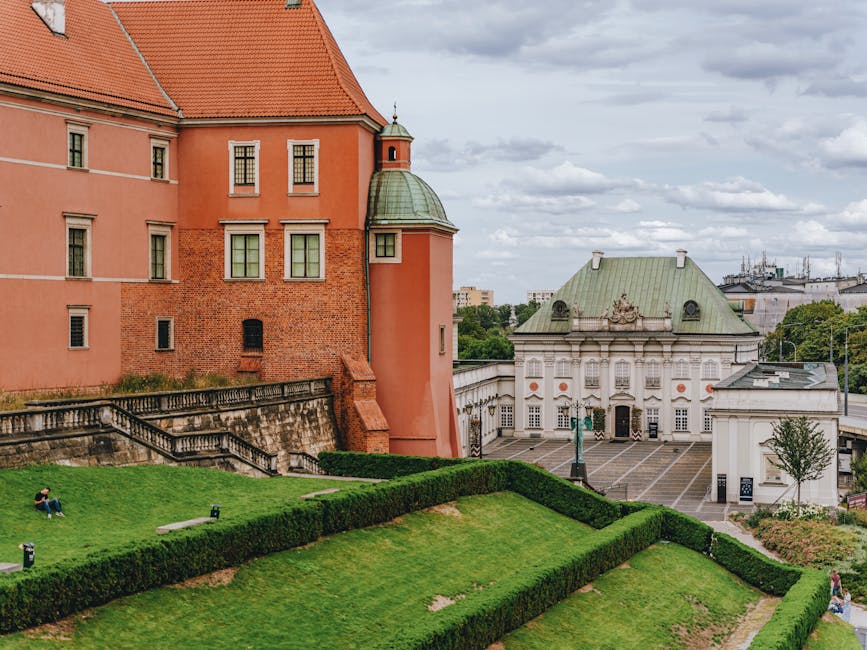
Explore the miracle of Warsaw's reconstructed Old Town on this self-guided walk through royal squares, medieval walls, and heroic monuments.
 Easy
EasyGdansk, Poland
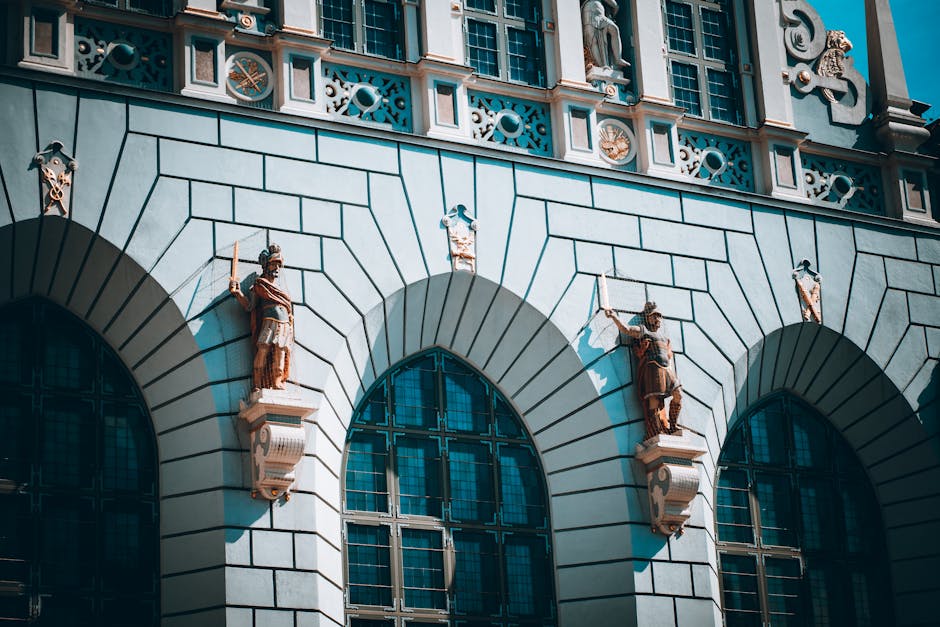
Discover the opulent Royal Way of Gdansk at your own pace. Explore Hanseatic history, gilded architecture, and the iconic Neptune's Fountain.
 Easy
EasyWarsaw, Poland
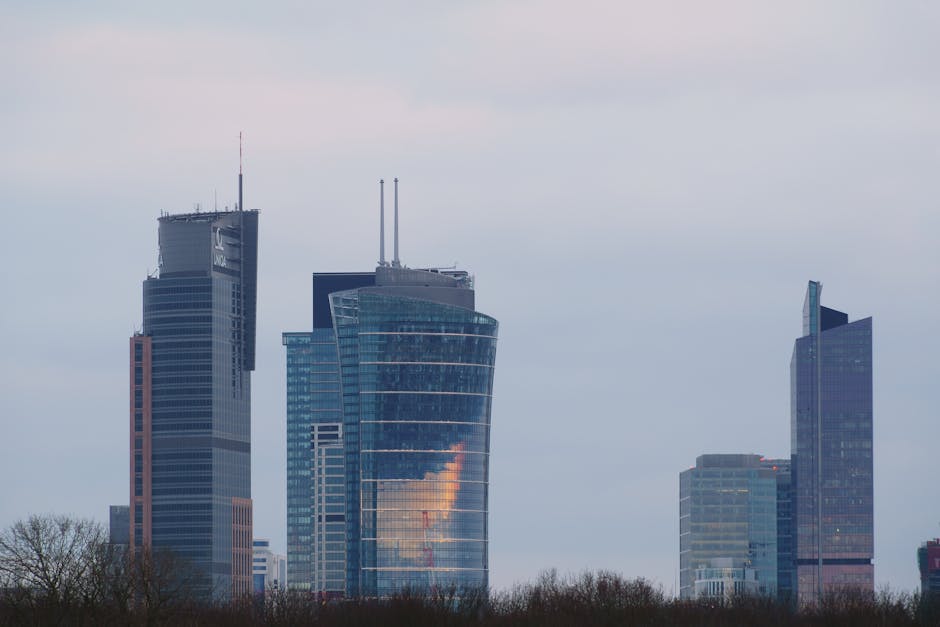
Discover the hidden courtyards and grand pre-war architecture of Warsaw's most atmospheric neighborhood on this self-guided stroll.
 Easy
EasyLyon, France
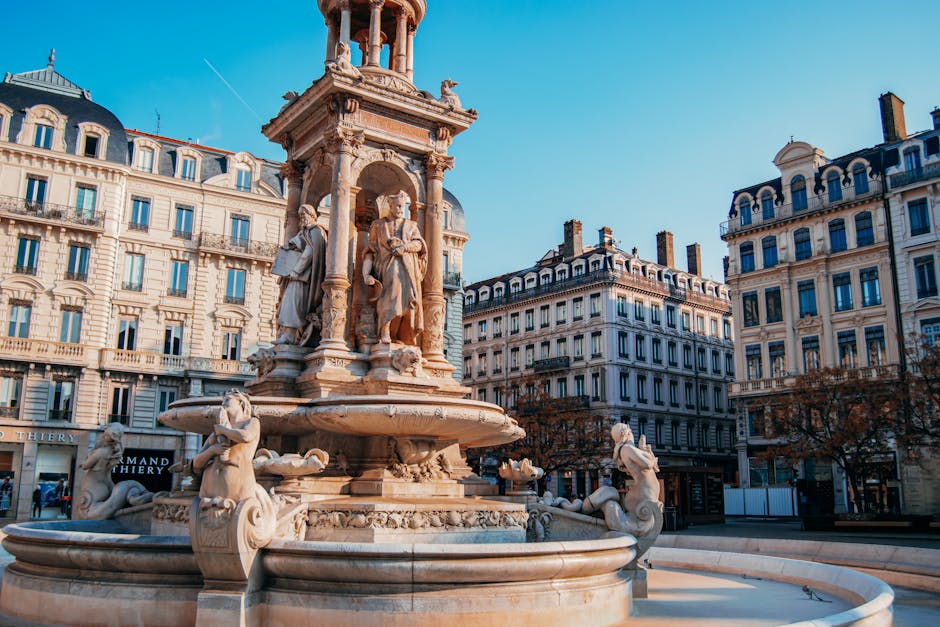
Discover Lyon's culinary soul on this self-guided walk from historic Presqu'île to the legendary Halles Paul Bocuse food market.
 Easy
EasyLyon, France
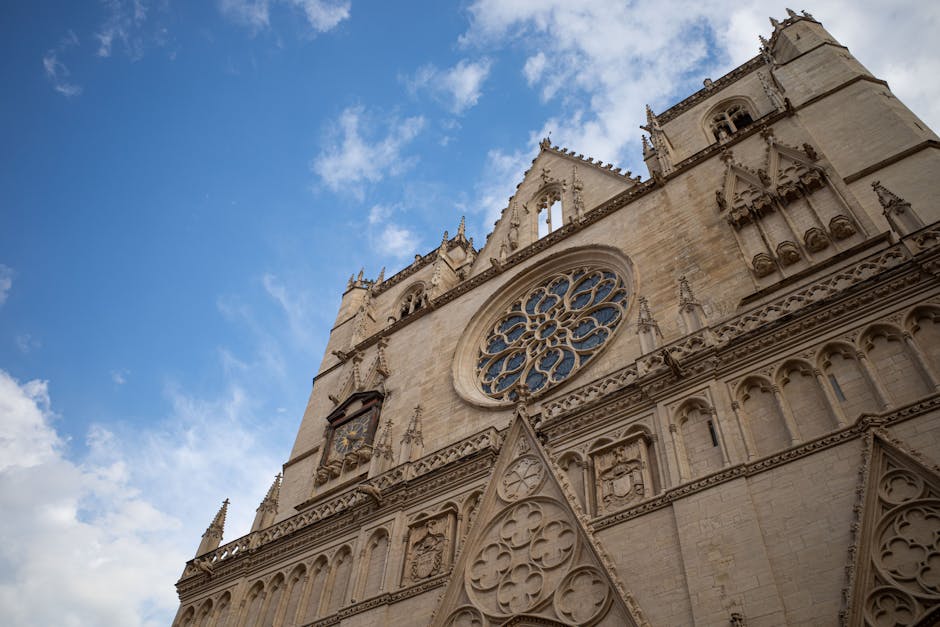
Explore Lyon’s futuristic waterfront! A self-guided walk through Confluence’s bold architecture and reclaimed industrial docks.
 Easy
EasyLyon, France
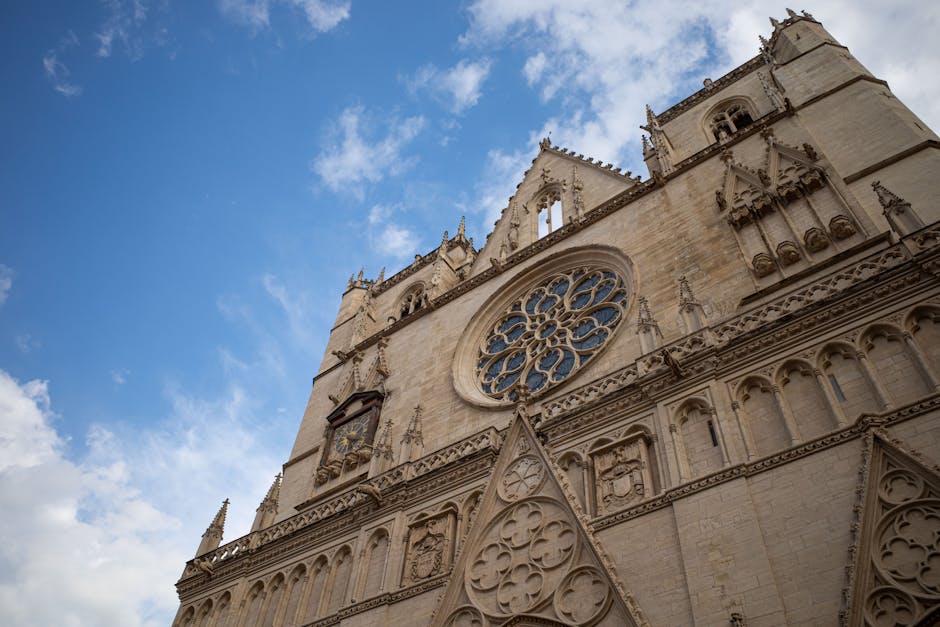
Discover the multicultural soul and industrial heritage of Lyon's 7th arrondissement on this vibrant self-guided walking route.
 Moderate
Lyon, France
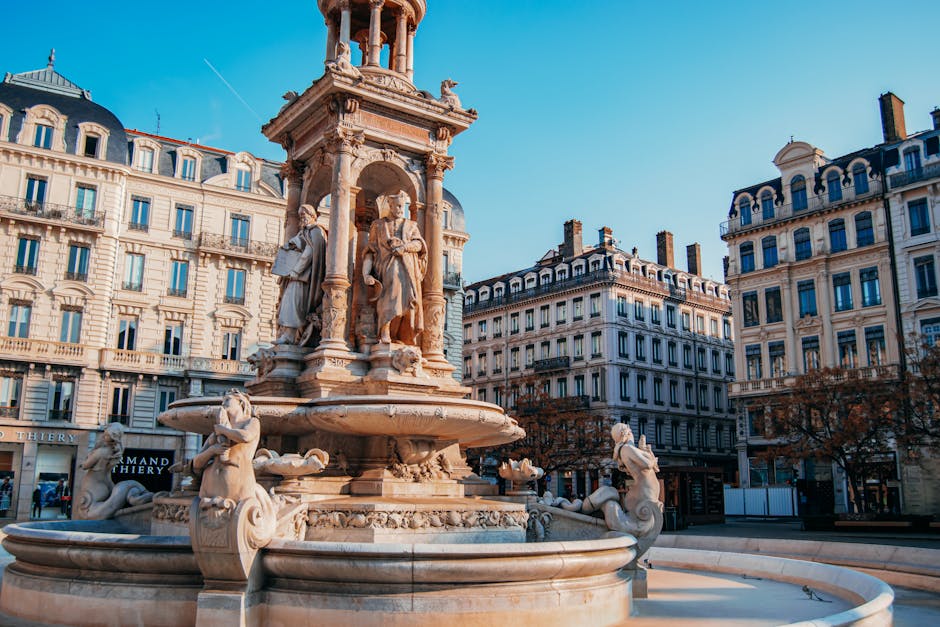
Ascend the 'Hill that Prays' to explore Roman ruins, a shimmering basilica, and secret panoramic gardens on this historic self-guided walk in Lyon.