Self-guided audio tour in Marseille
Start Free on iPhone
Start free on iPhone to unlock this self-guided walking tour in Marseille. Hear all the stories that make it amazing, walk at your own pace, and begin whenever you want.
Your Private Tour Guide
Marseille is a city defined by the salt of the Mediterranean and the stories of its people. No one captured this spirit more vividly than Marcel Pagnol, the legendary playwright and filmmaker whose 'Marseille Trilogy'—Marius, Fanny, and César—brought the life of the Old Port to screens worldwide. This self-guided walk invites you to step into Pagnol’s world, exploring the cinematic heritage and historic corners of the Vieux Port that inspired his most beloved characters. As you wander through the heart of Marseille, you will discover how the city’s maritime history and architectural evolution mirror the narratives found in Pagnol’s work. The route begins at the Maison Diamantée, one of the few remaining vestiges of 16th-century Marseille, offering a glimpse into the labyrinthine 'Old Town' that existed before modern redevelopment. From there, the walking route transitions into the grand, Haussmannian elegance of the Rue de la République, illustrating the tension between tradition and modernity that Pagnol often explored. You will experience the sensory overload of the Quai des Belges, where the daily fish market still operates much as it did a century ago, providing a direct link to the bustling port life of Pagnol’s youth. A highlight of this neighborhood stroll is the iconic Bar de la Marine. While much of Pagnol’s filming took place in studios, this legendary establishment remains the spiritual home of his characters and the site of the famous 'card game' scene. The walk concludes at La Criée, a former fish auction house transformed into a national theater, symbolizing the city's transition from an industrial port to a cultural capital. This self-guided adventure is perfect for those who want to explore Marseille independently, blending literary history with the vibrant atmosphere of France’s oldest city. Whether you are a fan of classic cinema or simply looking for a unique walking tour Marseille experience, this route offers a deep dive into the soul of the Mediterranean.
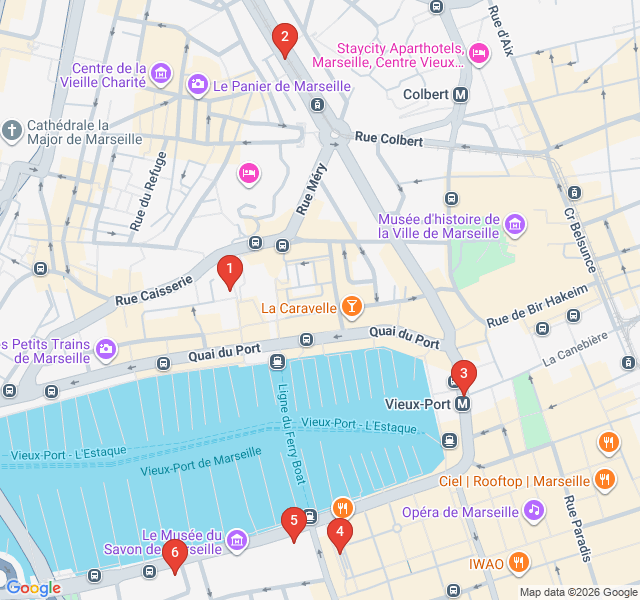
Numbers indicate the order of stops on the tour.
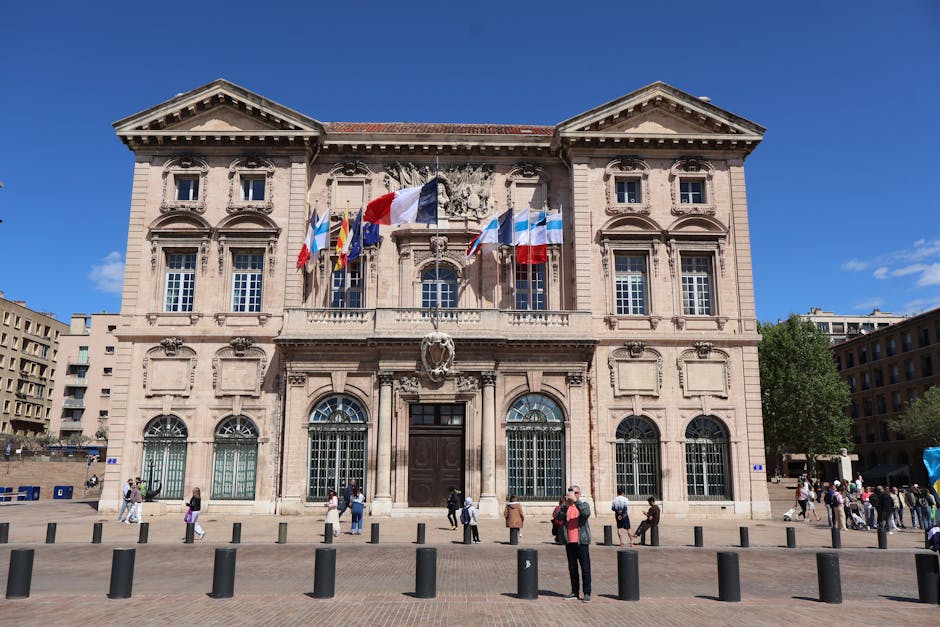
Begin your self-guided adventure at the Maison Diamantée, a rare architectural treasure from the late 16th century. Its name comes from the striking 'pointed' stones on its facade, resembling cut diamonds. This building represents the Marseille that Marcel Pagnol’s ancestors would have known—a city of narrow, winding streets and hidden courtyards. Before the redevelopment of the Panier district, houses like this were common. Pagnol’s work often mourned the loss of 'Old Marseille,' and standing before this facade, you can see the intricate craftsmanship that survived the city's many transformations. It serves as a perfect prologue to a journey through the city’s cinematic and physical history.
Walk toward the Rue de la République, a stark contrast to the ancient Maison Diamantée. Built in the mid-19th century to connect the Old Port with the new docks, this grand street reflects the Haussmannian style seen in Paris. For Pagnol, this street represented the modernization of Marseille. While his stories often focused on the humble dockworkers and tavern owners, the Rue de la République reminds us of the wealthy merchant class that funded the city's expansion. Notice the uniform limestone facades and grand balconies; they tell the story of a city trying to find its place as a premier Mediterranean gateway during the industrial era.
As you reach the Quai des Belges, you are at the heart of the Vieux Port. Every morning, the local fishermen sell their catch directly from their boats here. This is the sensory heart of Pagnol’s Marseille—the smell of brine, the shouting of vendors, and the shimmering blue of the water. In the 'Marseille Trilogy,' the character Marius dreams of sailing away from this very spot to explore the world. Even today, the mix of luxury yachts and simple wooden 'pointu' boats reflects the dual nature of the city: a place of escape for some, and a lifelong home for others.
Turn away from the water and head toward the Place aux Huiles. Historically, this area was a canal where ships brought olive oil and soap ingredients into the city's warehouses. After the canal was filled in, it became a lively square surrounded by bars and restaurants. This setting captures the 'Marseillais' social life that Pagnol depicted so masterfully—the long afternoons spent talking, drinking pastis, and observing the world. The architecture here, with its sturdy warehouses converted into lofts and bistros, shows how the city’s industrial past has been repurposed for modern leisure.
You have arrived at the Bar de la Marine, perhaps the most famous filming-related site in Marseille. While Pagnol actually built a replica of this bar in a studio for some scenes, this real-life establishment was his primary inspiration for the setting of 'Marius.' This is where the iconic 'partie de cartes' (card game) took place, a scene so famous in France that nearly everyone can quote it. Step inside or look through the windows to see the traditional decor. It remains a pilgrimage site for fans of French cinema, capturing the timeless atmosphere of the port-side tavern where life’s dramas unfold over a glass of wine.
The final stop on our neighborhood stroll is La Criée. From 1909 until the 1970s, this was the city’s main fish auction house (the 'Criée aux Poissons'). Today, it is the Théâtre National de Marseille. The transition from a place of loud, early-morning commerce to a temple of high art is a fitting end to our walk. Pagnol himself was a bridge between these two worlds—taking the common language and everyday struggles of the port and turning them into high literature and celebrated film. Look up at the facade to see the original 'Criée' signage, a reminder of the building’s hardworking maritime origins.
Start Free on iPhone
Explore “Pagnol’s Marseille: A Cinematic Heritage Walk” with your very own Private Tour Guide with Zigway. Start free on iPhone, skip the large group and the fixed routes, and hear the city come alive as you go.
Your Private Tour Guide
Don't miss the good stuff
Explore Freely
 Easy
EasyMarseille, France
Explore Marseille's green heart at Parc Borély and discover Le Corbusier's iconic Unité d'Habitation on this self-guided architecture walk.
 Moderate
Marseille, France
Discover Marseille's historic spine from the Old Port to the majestic Palais Longchamp on this self-guided architectural walking route.
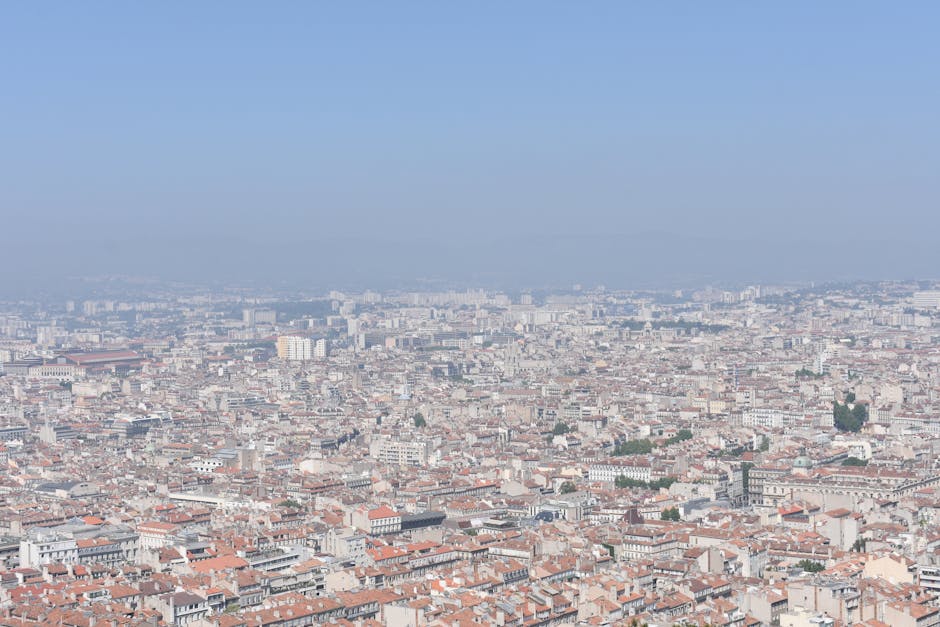 Moderate
Marseille, France
Explore the vertical gardens and hidden villas of Endoume on this self-guided walk through Marseille’s most charming coastal neighborhood.
 Easy
EasyMarseille, France
Explore Marseille’s vibrant street art district. A self-guided walk through the colorful murals, quirky boutiques, and rebel spirit of Cours Julien.
 Easy
EasyKrakow, Poland
Explore the prestigious Jagiellonian University district, featuring Neo-Gothic architecture, Baroque churches, and Krakow's hidden scholarly gems.
 Easy
EasyGothenburg, Sweden
Discover Gothenburg’s 17th-century Dutch foundations, historic canals, and military fortifications on this self-guided architectural walk.
 Easy
EasyNairobi, Kenya
Explore Nairobi's architectural evolution from colonial-era landmarks to iconic Brutalist skyscrapers on this historic self-guided walking route.
 Easy
EasyNairobi, Kenya
Discover Nairobi's iconic skyline on this self-guided architecture walk through the CBD’s most famous modernist and Brutalist landmarks.
 Challenging
Paris, France
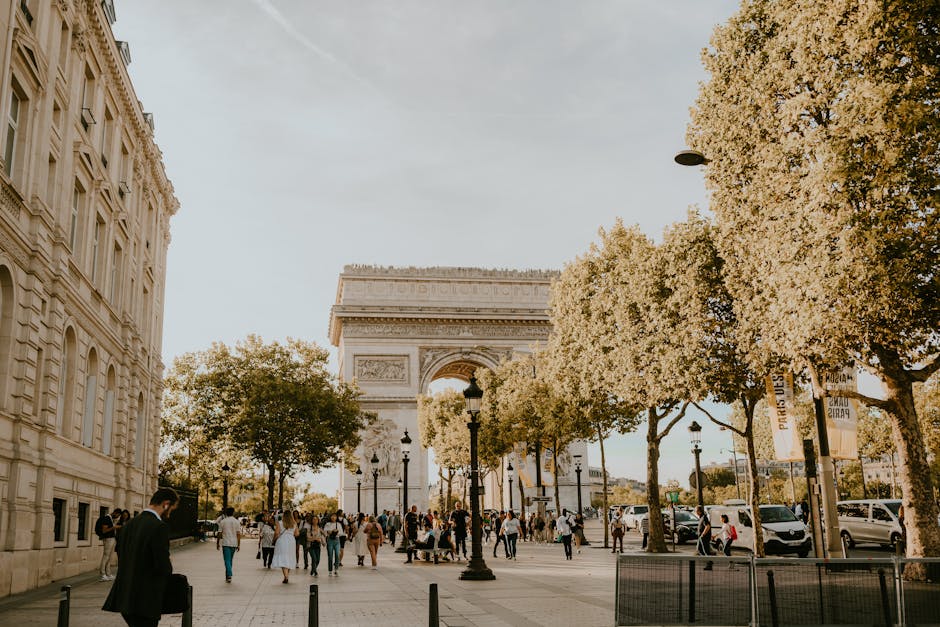
Explore the secret vineyards, legendary artist studios, and hidden squares of Paris's iconic hilltop on this self-guided bohemian walking route.
 Easy
EasyParis, France
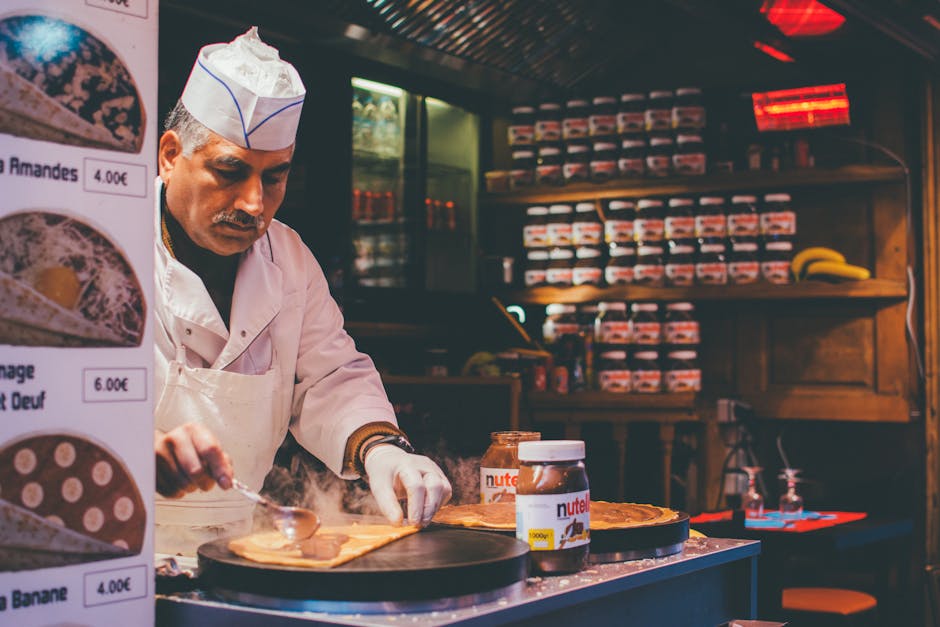
Explore the evolution of Parisian design from Art Nouveau whimsy to Le Corbusier's Modernist masterpieces on this self-guided architectural walk.
 Easy
EasyParis, France
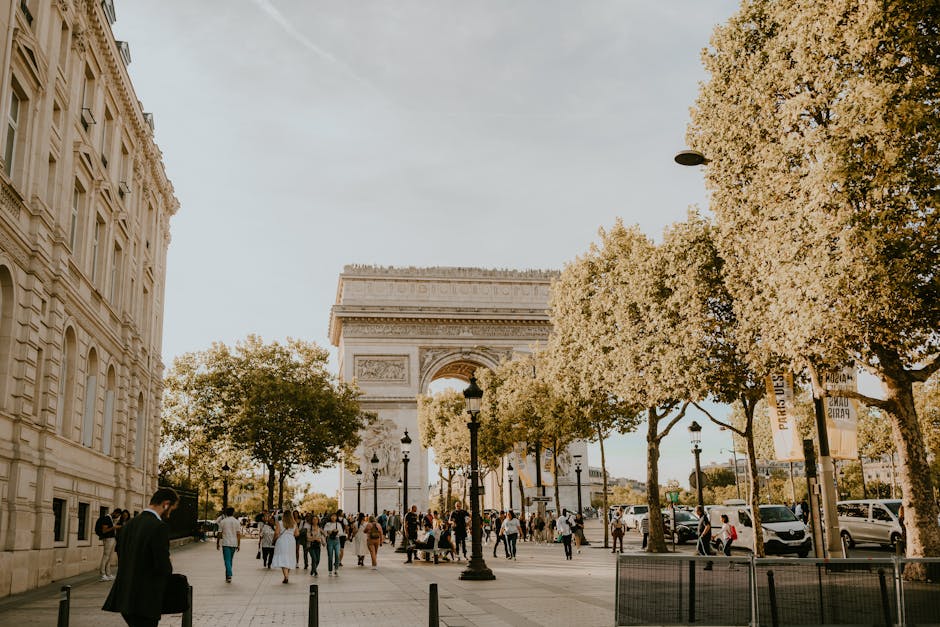
Explore the flavors and history of Bastille on this self-guided walk through the legendary Aligre Market and the scenic Coulée Verte.
 Easy
EasyParis, France
Discover aristocratic mansions, secret medieval courtyards, and royal history on this self-guided walk through the enchanting Marais district.