Self-guided audio tour in Bath
Start Free on iPhone
Hear the stories behind the streets and sights around you as you walk Bath. Try it free on iPhone.
Your Private Tour Guide
Pulteney Bridge and the River Avon show off Bath's Georgian side, and this self-guided walk takes in the bridge, the weir, Great Pulteney Street and the riverside gardens. Bath is known for its golden limestone and Roman heritage, but few areas show off its Georgian elegance as well as this one. It's also one of the most photographed corners of the United Kingdom, where big architectural ambition meets the natural beauty of the river valley. You start on Pulteney Bridge itself, a rare Palladian bridge lined with shops on both sides. Robert Adam designed it, and it was finished in 1774 to link the city center with the new Bathwick estate then being developed. Walk across and you could easily forget you're on a bridge at all, with boutiques and cafes on either side of the road. From there the route heads down toward Pulteney Weir. The horseshoe-shaped cascade is a real feat of engineering, there for flood management and also making a dramatic backdrop for photos. Film fans may know it as a filming location for the 2012 movie of Les Misérables. Next you head into the heart of Bathwick at Laura Place, a grand junction that shows off 18th-century symmetrical planning. After that the scale of the city jumps as you reach Great Pulteney Street. It's probably the most impressive street in Bath, wide and dead straight all the way to the Holburne Museum. The matching facades and big proportions were designed to impress visitors and give the Georgian elite a prestigious address. Along the way you also get some of Bath's green spaces, including the Recreation Ground, home of the city's historic rugby club, and the elegant Parade Gardens. The Pulteney Bridge and River Avon walk is a calm alternative to the busy shopping streets, and you really see how well Bath's buildings and the river fit together. History fan or just hunting for the best photo spots in the city, it's a thorough look at Bath's more refined side.
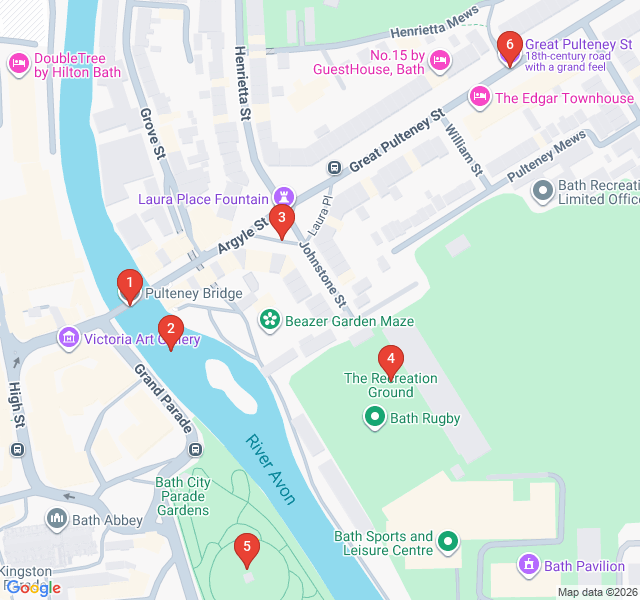
Numbers indicate the order of stops on the tour.
Pulteney Bridge was finished in 1774, and it's one of the most beautiful, romantic bridges anywhere. Robert Adam designed it in a Palladian style, inspired by his travels in Italy and by shop-lined bridges like the Ponte Vecchio in Florence. Here's the fun fact: it's one of only four bridges in the world with shops built across its full span on both sides. William Pulteney commissioned it as part of a grand plan for a new town on the far side of the River Avon. As you cross, look at the little shops that have called this bridge home for centuries, everything from florists to antique maps. It's easy to walk over it without realizing it's a bridge.
Right below the bridge is Pulteney Weir, and it's a stunner. There's been a weir here since the 1600s, first to power flour mills, but the horseshoe design you see now was built in the early 1970s. Its job was to stop the devastating floods that used to hit the city. Movie fans might recognize it: this is where Inspector Javert meets his end in the 2012 film of Les Misérables. The rushing water gives the whole area a constant soundtrack. And with the bridge behind it, this is one of the best photos you'll take in Bath, so get your camera out.
Laura Place is a grand junction and the gateway to the Bathwick estate. It was built between 1788 and 1794 as the centerpiece of the new development. The fountain in the middle came much later, in 1877, to mark a local event. The houses are laid out in an unusual diagonal pattern that makes the space feel open and airy, which was revolutionary for 18th-century town planning. This spot links the historic city center with the grander, wider streets of the Pulteney estate. In other words, you're standing where the medieval layout gives way to the big Georgian vision. Look back the way you came and you'll feel the difference.
Locals call it 'The Rec'. This big open space is the historic home of Bath Rugby, and matches have been played here since 1894, with one of the best backdrops in professional sport: the towers of Bath Abbey and the city skyline rising above the stands. It's mainly a sports ground, but it's also an important green lung for the city. On days without a match, you can walk near the riverside edge and look across the water back toward the city's terraced houses and the spire of St John's Church. So if you have the choice, come on a non-match day.
Parade Gardens is Bath's most central pleasure ground. These Victorian-style gardens give you the best view of Pulteney Bridge and the weir from down at water level. They're known for their detailed bedding displays, which often include three-dimensional floral sculptures. In summer there's often live music at the bandstand, with deckchairs spread across the lawns. It's a peaceful escape from the streets above. You can walk right along the edge of the River Avon and watch the tour boats and rowers go past. Bring a coffee and stay a while if the weather's kind.
To finish, Great Pulteney Street, probably the most magnificent street in Bath. It's 1,000 feet long and 100 feet wide, and that scale is meant to overwhelm and impress you. Thomas Baldwin designed it, and it was completed in 1789. Compared with the narrow, winding streets of the older city, it's perfectly straight, with uniform Georgian facades all the way down. Notable residents have included royalty and famous authors, and Jane Austen even stayed nearby. At the far end is the Holburne Museum, which started out as the Sydney Hotel, the entrance to the city's pleasure gardens. Walk the whole length. It's the only way to really feel how big it is.
Explore Mode
Open Zigway, start Explore Mode and just walk. Your guide notices where you are and tells you the story of what's around you, on this route or any street you turn into.
Start Free on iPhone
Open Zigway as you walk and your private tour guide tells the stories behind what you pass.
Your Private Tour Guide
Don't miss the good stuff
Explore Freely
 Easy
Bath, United Kingdom
Uncover Roman ruins and Gothic spires on this self-guided audio walk through the historic heart of Bath. Explore at your own pace.
 Easy
Bath, United Kingdom
Uncover the eerie secrets and dark history of Bath on this self-guided audio walk through haunted theaters and historic Victorian cemeteries.
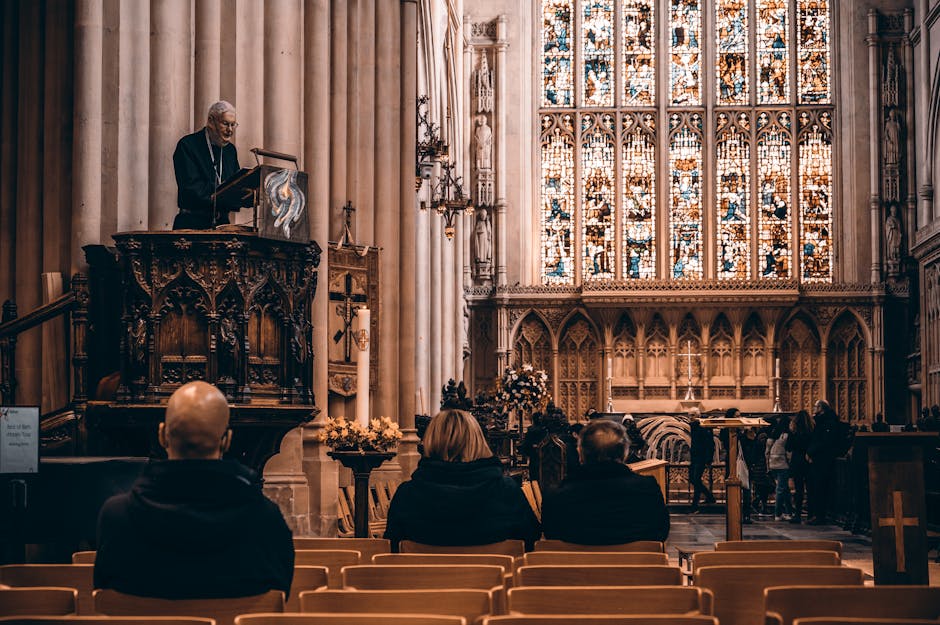 Easy
Bath, United Kingdom
Explore Bath's industrial-heritage on this self-guided walk along the Kennet & Avon Canal, from engineering marvels to tranquil garden escapes.
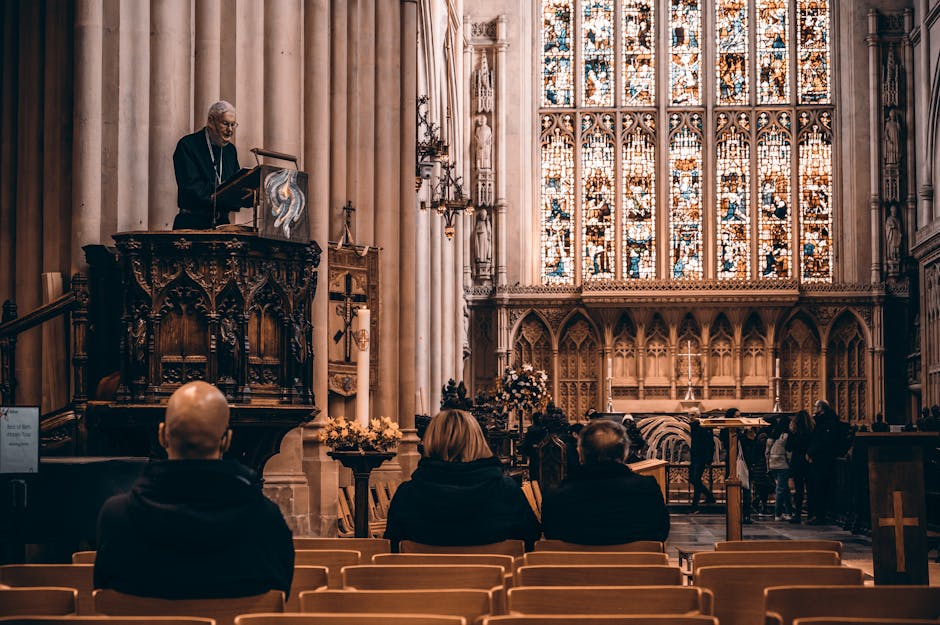 Moderate
Bath, United Kingdom
Escape the crowds and ascend the hills of Bath on this self-guided walk featuring panoramic views, historic follies, and hidden Victorian cemeteries.
 Easy
Gdansk, Poland
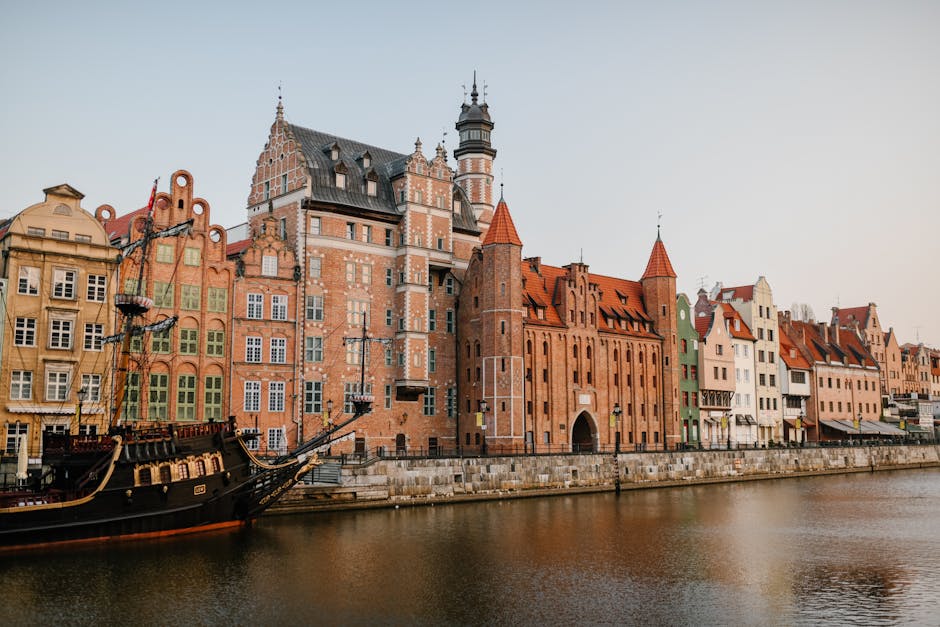
Discover the 'Baltic Gold' on this self-guided walk through Gdansk's historic mills, massive cathedrals, and the magical Mariacka Street.
 Easy
Nairobi, Kenya
Discover Nairobi's iconic skyline on this self-guided architecture walk through the CBD’s most famous modernist and Brutalist landmarks.
 Easy
Gdansk, Poland
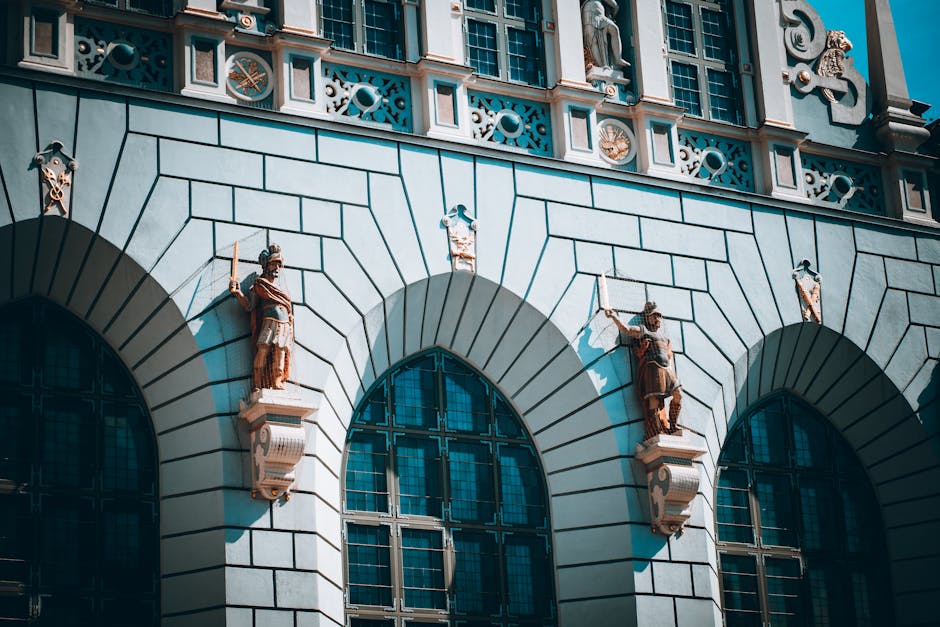
Discover the opulent Royal Way of Gdansk at your own pace. Explore Hanseatic history, gilded architecture, and the iconic Neptune's Fountain.
 Easy
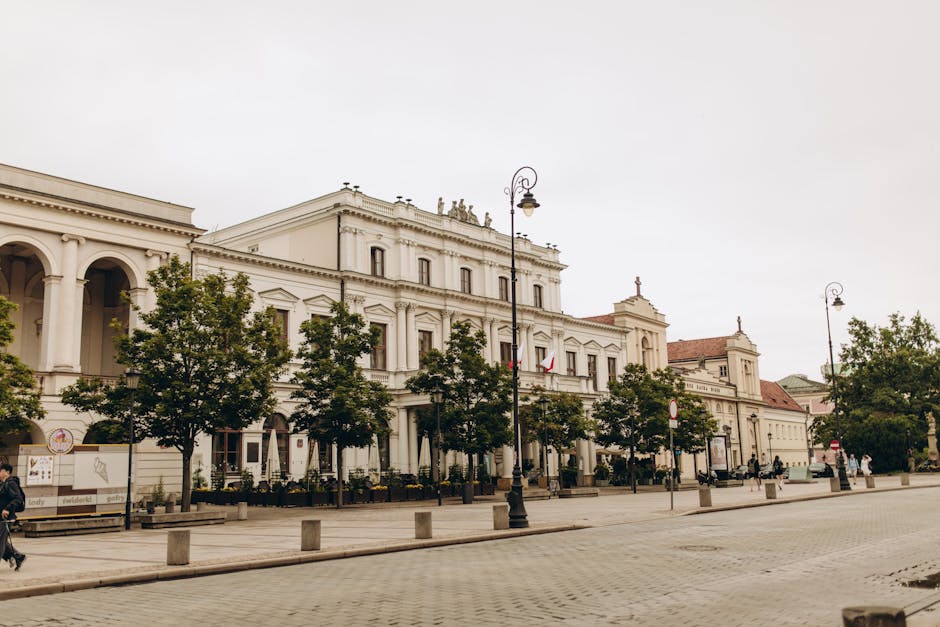
Warsaw, Poland
Explore Warsaw's scenic riverfront, rooftop gardens, and industrial-chic architecture on this self-guided stroll through the Powiśle district.
 Easy
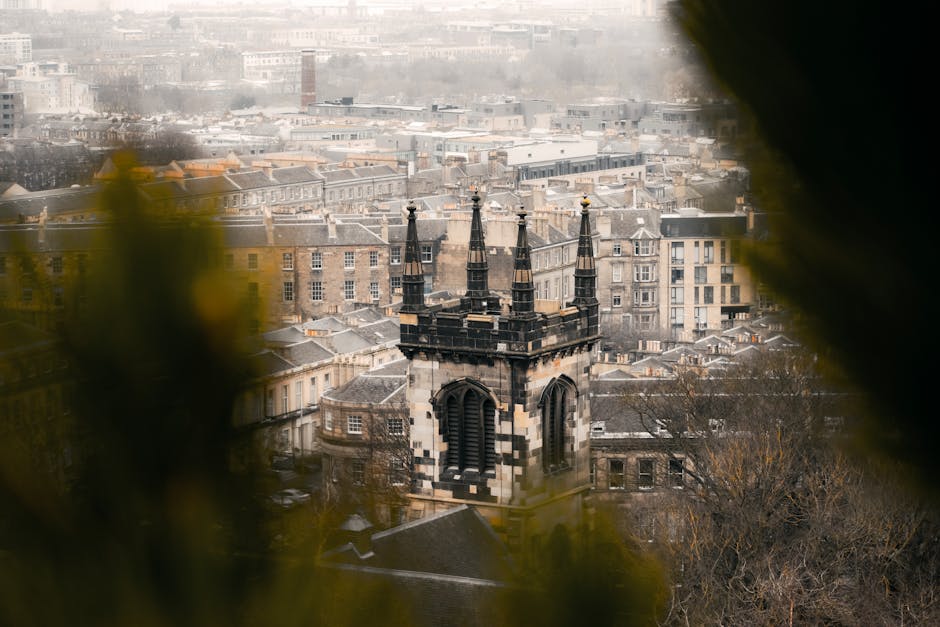
Edinburgh, United Kingdom
Explore Edinburgh's historic Royal Mile at your own pace, from the heights of the Castle to the royal Palace of Holyroodhouse.
 Easy
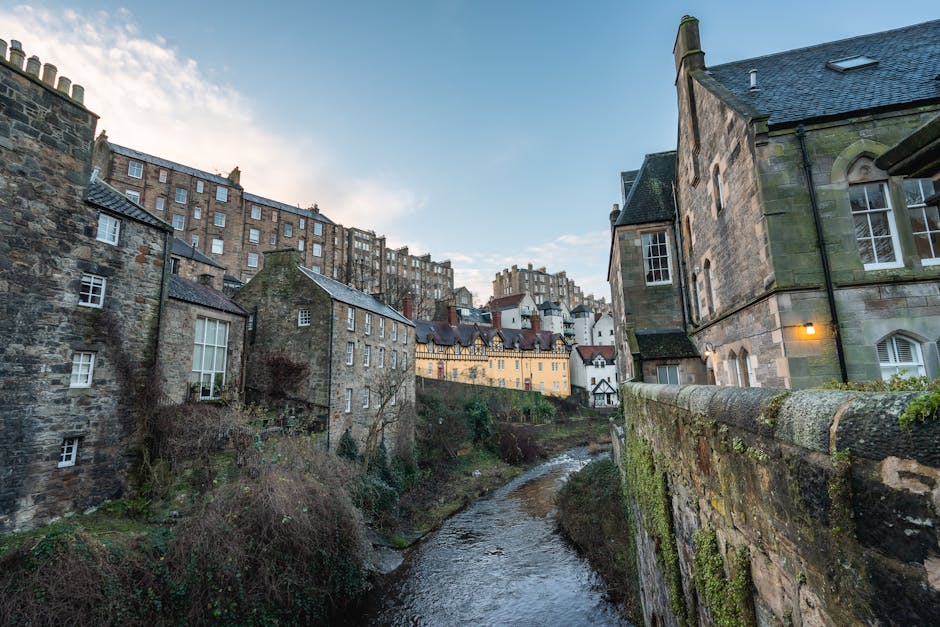
Edinburgh, United Kingdom
Capture the magic of Edinburgh on this self-guided stroll through the fairy-tale Dean Village, floral Circus Lane, and the scenic Water of Leith.
 Easy
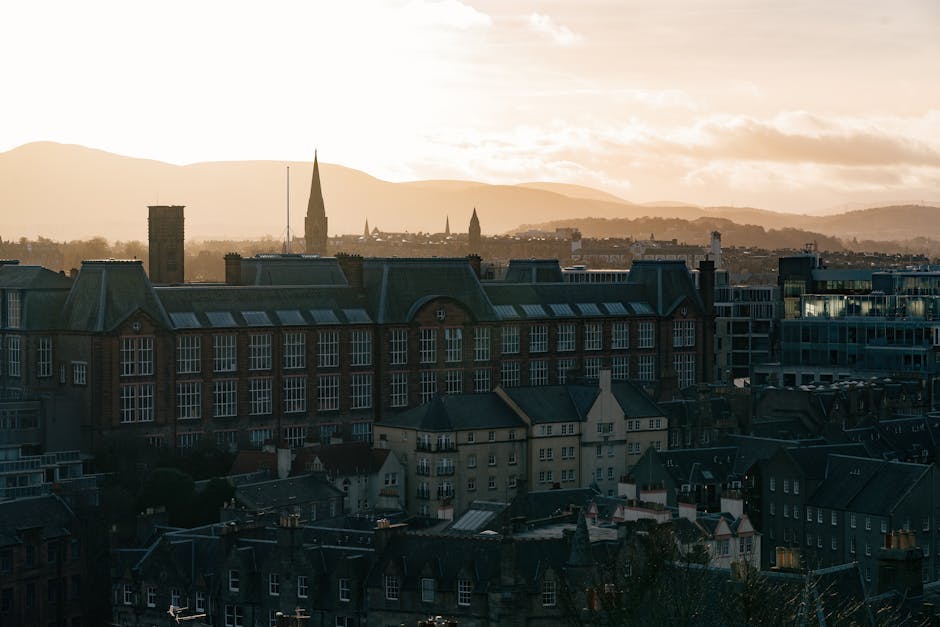
Edinburgh, United Kingdom
Explore Edinburgh's creative soul on this self-guided walk from historic museums to the stylish galleries and boutiques of the West End.
 Challenging
Edinburgh, United Kingdom
Ascend an ancient volcano and discover royal history on this challenging self-guided walk through Edinburgh's iconic Holyrood Park.