Self-guided audio tour in Bath
Start Free on iPhone
Start free on iPhone to unlock this self-guided walking tour in Bath. Hear all the stories that make it amazing, walk at your own pace, and begin whenever you want.
Your Private Tour Guide
While most visitors flock to Bath for its Roman baths and Georgian crescents, a different story unfolds along the banks of the Kennet & Avon Canal. This self-guided walk invites you to explore the industrial-heritage that once powered this city, transforming it from a sleepy spa town into a vital node of British trade. As you leave the bustling city center behind, you will discover the engineering marvels that tamed the steep terrain, from the towering Bath Deep Lock to the elegant masonry of the Dundas Aqueduct. This walking route offers a perfect blend of history and nature, leading you through the charming Widcombe neighborhood and the tranquil greenery of Sydney Gardens. You will see how the canal, once a dirty artery of the Industrial Revolution, has been reclaimed as a peaceful sanctuary for wildlife and narrowboat residents alike. Along the way, you will encounter the legacy of great engineers like John Rennie and Isambard Kingdom Brunel, whose work here helped shape the modern world. Whether you are a photography enthusiast looking for the perfect reflection of a stone bridge or a history buff eager to uncover the 'hidden-gems' of Bath's working-class past, this neighborhood stroll provides a refreshing perspective on one of the UK’s most iconic cities. Explore independently and at your own pace as the city noise fades, replaced by the gentle splash of lock gates and the rustle of trees in the Limpley Stoke Valley. This audio walk is more than just a path; it is a journey through time where the stone walls tell tales of bargees, coal trade, and Victorian ambition.
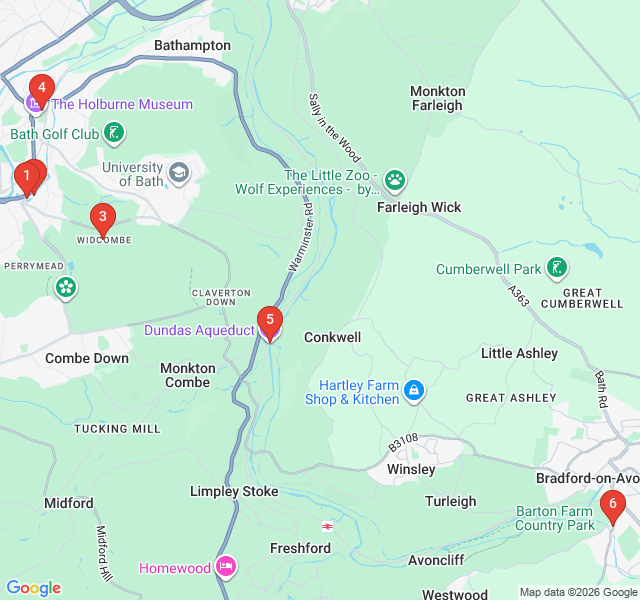
Numbers indicate the order of stops on the tour.
Start exploring with Zigway here at Bath Deep Lock, a true feat of 19th-century engineering. This is actually a 'combined' lock, created by merging two original locks during the canal’s restoration in the 1970s. Dropping nearly 6 meters, it is one of the deepest locks in the country. Imagine the immense pressure of the water behind these heavy timber gates as narrowboats are lowered to the level of the River Avon. This spot marks the beginning of the Kennet & Avon Canal's ascent out of the city, a liquid staircase that once carried coal and stone to London. Take a moment to observe the intricate mechanism of the paddles and the sheer scale of the stone walls.
Continuing your walking route, you arrive at Wash House Lock. Its name hints at the domestic history of this area; in the 1800s, this neighborhood was a hub for local laundresses who utilized the canal's water. As you stand here, notice the contrast between the rugged industrial stone and the increasingly domestic architecture of Widcombe. The canal was not just for transport; it was a lifeline for the people living in its shadow. The locks here form part of the Widcombe Flight, a series of basins that allowed boats to climb the steep hill away from the river valley. It's a peaceful spot today, but once it would have been a noisy, soot-covered workplace.
Step away from the water for a moment to admire Widcombe. This area has a distinct 'village' atmosphere, separate from the grand Georgian parades of Bath’s center. Widcombe Parade is lined with independent shops and historic pubs that once served the canal workers. Historically, this was a key junction where the canal met the main road into the city. Look up at the architecture; you’ll see a mix of humble artisan cottages and more refined homes. It’s a perfect example of a community that grew around the success of the waterway, transitioning from a gritty industrial suburb into one of the most sought-after residential pockets in the city.
As you follow the towpath, you enter Sydney Gardens. This is a rare survivor—the only 18th-century pleasure garden in England still in use. What makes it unique for our industrial-heritage theme is how the canal and the railway both slice through the park. In the 1840s, Isambard Kingdom Brunel famously insisted that his Great Western Railway pass through here in a deep, decorative cutting. Look for the ornate iron bridges that span the canal; they were designed to harmonize with the garden's aesthetics while serving a purely functional purpose. Jane Austen lived nearby and often walked here, though she might have been surprised by the steam engines that eventually arrived.
After a stretch of peaceful walking along the wooded towpath, you reach the Dundas Aqueduct. Designed by John Rennie and completed in 1805, this is a masterpiece of classical masonry. It carries the Kennet & Avon Canal high above the River Avon and the railway line below. Notice the Doric pilasters and the elegant curves of the Bath stone. It’s hard to believe this monumental structure was built simply to transport coal. From the center of the aqueduct, the views across the Limpley Stoke Valley are breathtaking. This spot marks the junction with the Somerset Coal Canal, a reminder of the vast network that once fueled the nation.
Your self-guided adventure concludes near the Canal Tavern. This historic building served as a vital social hub for the 'number ones'—the families who lived and worked on the narrowboats. Life on the canal was hard, and the tavern provided a rare place for rest and community. Though the industry has long since vanished, the tavern remains a symbol of the canal's enduring legacy. As you look out over the water, reflect on how this industrial artery has transformed into a corridor for leisure and nature. You have walked from the heart of the city to the edge of the Cotswolds, following the path of the water that helped build modern Britain.
Start Free on iPhone
Explore “Industrial Bath and the Kennet & Avon Canal” with your very own Private Tour Guide with Zigway. Start free on iPhone, skip the large group and the fixed routes, and hear the city come alive as you go.
Your Private Tour Guide
Don't miss the good stuff
Explore Freely
 Easy
EasyBath, United Kingdom
Uncover Roman ruins and Gothic spires on this self-guided audio walk through the historic heart of Bath. Explore at your own pace.
 Easy
EasyBath, United Kingdom
Uncover the eerie secrets and dark history of Bath on this self-guided audio walk through haunted theaters and historic Victorian cemeteries.
 Moderate
Bath, United Kingdom
Escape the crowds and ascend the hills of Bath on this self-guided walk featuring panoramic views, historic follies, and hidden Victorian cemeteries.
 Easy
EasyBath, United Kingdom
Follow Jane Austen’s footsteps through Bath’s Regency streets, from the elegant Pump Room to her actual former residence at 4 Sydney Place.
 Moderate
Nairobi, Kenya
Discover Nairobi's lush side on this self-guided walk through botanical gardens, historic memorials, and vibrant local markets.
 Easy
EasyKrakow, Poland
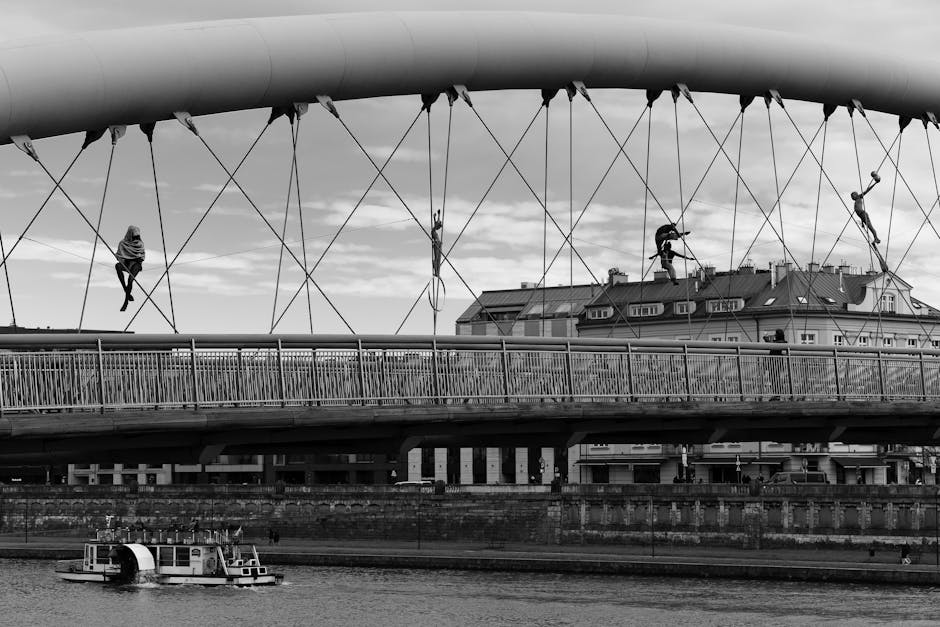
Discover Krakow’s creative soul in Zabłocie, exploring industrial heritage, contemporary art museums, and avant-garde architecture at your own pace.
 Moderate
Gdansk, Poland
Discover Zaspa, a massive open-air gallery where grey housing blocks are transformed by over 60 monumental murals. Explore at your own pace.
 Easy
EasyWarsaw, Poland
Discover the hidden courtyards and grand pre-war architecture of Warsaw's most atmospheric neighborhood on this self-guided stroll.
 Easy
EasyEdinburgh, United Kingdom
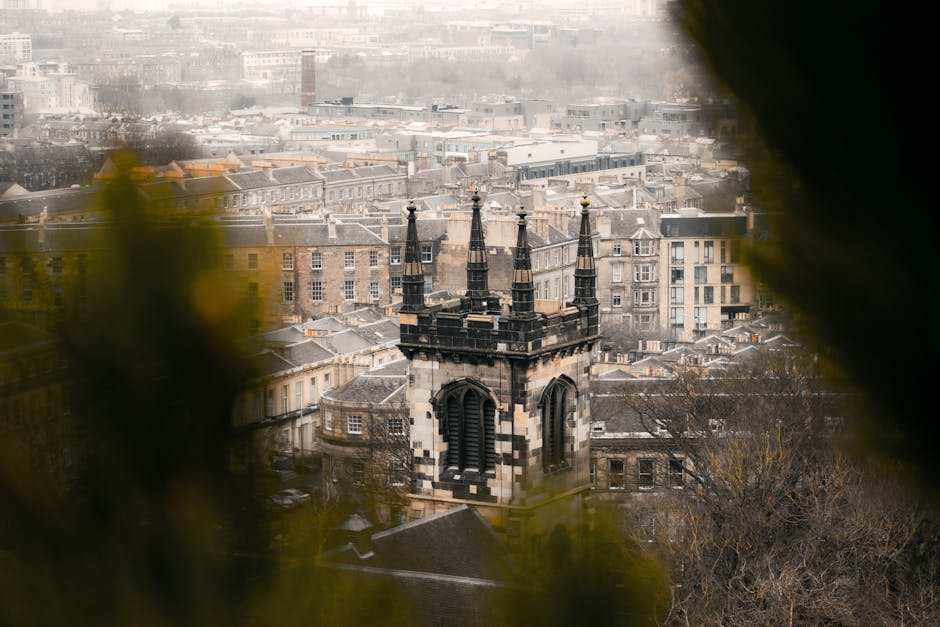
Explore Edinburgh's historic Royal Mile at your own pace, from the heights of the Castle to the royal Palace of Holyroodhouse.
 Easy
EasyEdinburgh, United Kingdom
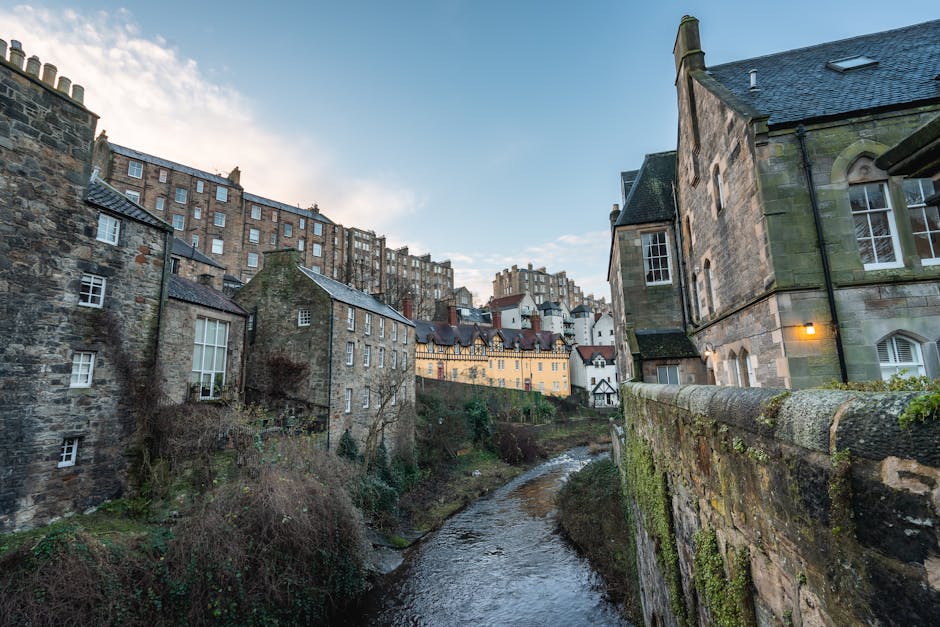
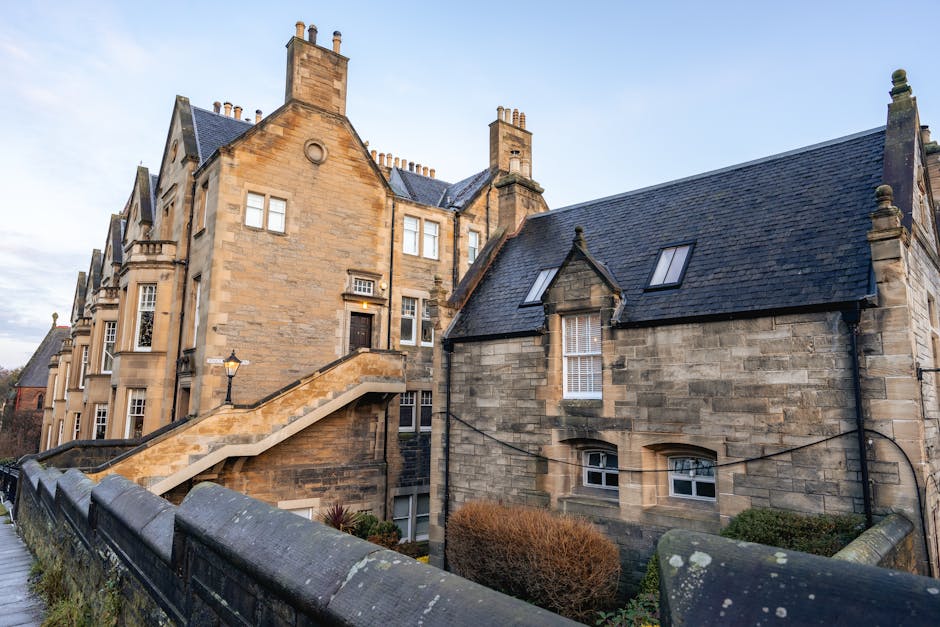
Capture the magic of Edinburgh on this self-guided stroll through the fairy-tale Dean Village, floral Circus Lane, and the scenic Water of Leith.
 Easy
EasyEdinburgh, United Kingdom
Explore Edinburgh's creative soul on this self-guided walk from historic museums to the stylish galleries and boutiques of the West End.
 Challenging
Edinburgh, United Kingdom
Ascend an ancient volcano and discover royal history on this challenging self-guided walk through Edinburgh's iconic Holyrood Park.