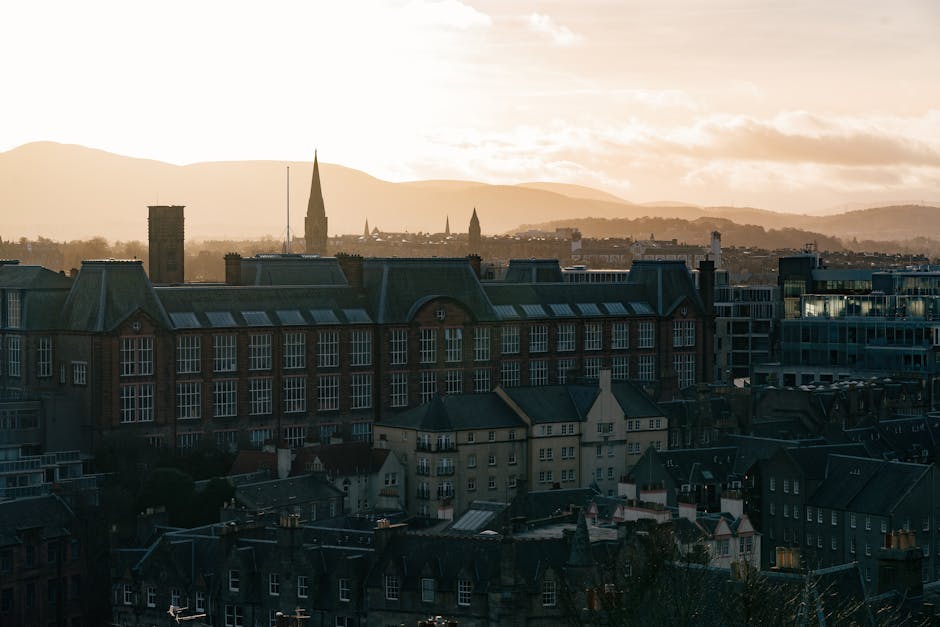
Self-guided audio tour in Edinburgh
Start Free on iPhone
Start free on iPhone to unlock this self-guided walking tour in Edinburgh. Hear all the stories that make it amazing, walk at your own pace, and begin whenever you want.
Your Private Tour Guide
Edinburgh is a city where the past and present collide in spectacular fashion. This self-guided walk through the city’s cultural landscape offers an immersive look at the evolution of Scottish creativity, from the macabre medical history of the Southside to the cutting-edge installations of the West End. This walking route is designed for those who want to explore Edinburgh's artistic soul at their own pace, moving beyond the castle walls to discover the galleries, theaters, and creative hubs that define the modern city. Your journey begins at the Surgeons' Hall Museums, where the line between science and art blurs through historical medical illustrations and specimens. As you progress, you'll encounter the architectural grandeur of the National Museum of Scotland and the literary tributes hidden in Lady Stair’s Close. This isn't just a simple stroll; it's a neighborhood stroll through the various eras of Edinburgh's enlightenment. You will see how the city transitioned from a medieval stronghold to a global capital of art and modernity. The path leads you through the Mound, home to the National Galleries, and then shifts toward the vibrant West End. Here, the atmosphere changes as you encounter the grand Victorian facades of the Lyceum and the Usher Hall, standing as testaments to the city's enduring love for the performing arts. One of the highlights is the stroll down William Street, a hidden gem of independent boutiques and colorful storefronts that perfectly encapsulates the West End’s chic, contemporary vibe. Finally, the route concludes at the National Gallery of Modern Art (Modern One), nestled in lush parkland. This independent exploration allows you to linger at a favorite painting or skip ahead to the next architectural marvel whenever you choose. Whether you are a first-time visitor or a long-time resident, this walking tour Edinburgh route provides a fresh perspective on the city's sophisticated cultural identity. By following this curated path, you experience a guided tour Edinburgh's residents would recommend, but with the freedom to stop for a coffee or a photo whenever the mood strikes. Discover the intersection of history and innovation on this comprehensive art and culture walk.
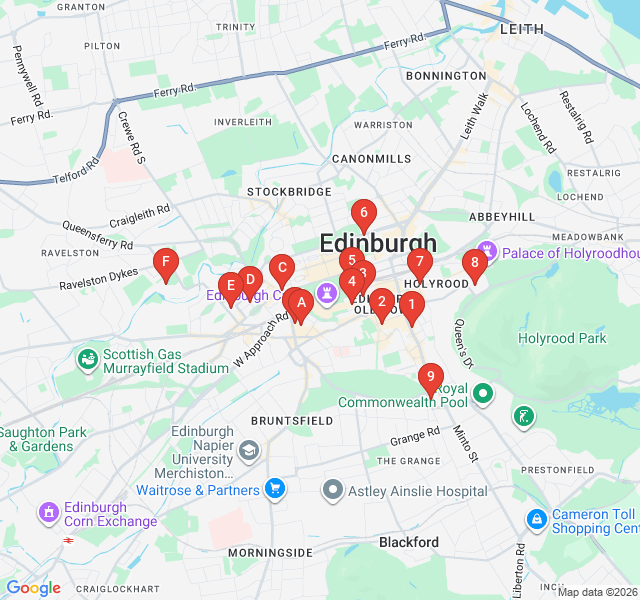
Numbers indicate the order of stops on the tour.
Start your journey at the Surgeons' Hall Museums, one of the oldest and most significant medical collections in the UK. Owned by the Royal College of Surgeons of Edinburgh, which dates back to 1505, this museum is a fascinating intersection of science and art. The Wohl Pathology Museum, located on the upper floor, features a stunning array of specimens that tell the story of medical history and the development of surgery. Notice the intricate anatomical drawings and the way historical medical tools are displayed like artifacts of craftsmanship. It’s a somber yet beautiful introduction to the city's intellectual heritage.
The National Museum of Scotland is an architectural marvel. The Victorian-era Grand Gallery, with its soaring cast-iron columns and glass roof, is often called the 'Birdcage' and is a masterpiece of light and space. As you wander through, you'll see everything from the world-famous Dolly the Sheep to ancient Pictish stones. The museum perfectly blends the old Royal Museum building with the modern sandstone extension, symbolizing Edinburgh’s ability to respect its past while embracing contemporary design. Don't miss the rooftop terrace for a panoramic view of the city skyline.
Tucked away in Lady Stair’s Close, just off the Royal Mile, The Writers' Museum celebrates the lives of Scotland’s three literary giants: Robert Burns, Sir Walter Scott, and Robert Louis Stevenson. The building itself is a historic gem, dating back to 1622. Inside, you’ll find personal items, manuscripts, and portraits that highlight the deep connection between Edinburgh’s landscape and its literary output. The courtyard outside, known as Makars' Court, features inscriptions from Scottish writers across the centuries, literally paving the way for the city's status as the first UNESCO City of Literature.
Perched near the top of the Royal Mile, the Camera Obscura has been baffling visitors since 1835. It is the city's oldest purpose-built visitor attraction. The 'Camera' itself uses a mirror and lens to project a live moving image of the city onto a table in a darkened room—a Victorian precursor to modern cinema. The rest of the building is filled with optical illusions and puzzles that explore the art of perception. It’s a playful reminder that how we see the world is often a matter of perspective, a fitting theme for an art-focused walk.
Located on the Mound, which separates the Old Town from the New Town, the National Gallery is a neoclassical temple designed by William Playfair. This is the heart of Edinburgh's fine art scene. Inside, the rooms are filled with European masterpieces by Titian, Da Vinci, and Rembrandt, alongside the great Scottish masters like Henry Raeburn and his famous 'Skating Minister.' The architecture of the gallery itself, with its iconic columns, was intended to help establish Edinburgh as the 'Athens of the North' during the Scottish Enlightenment.
The Portrait Gallery is housed in a magnificent red sandstone neo-Gothic building on Queen Street. Even before you look at the paintings, the Great Hall will take your breath away with its processional frieze depicting famous figures from Scottish history, from Mary Queen of Scots to Robert Burns. The gallery focuses on the people who shaped the nation, using art to tell the story of Scotland’s identity. It was the first purpose-built portrait gallery in the world when it opened in 1889, funded by the owner of the Scotsman newspaper.
Art isn't always found in a frame; sometimes it's edible. The Chocolatarium offers a sensory experience that explores the craftsmanship behind chocolate making. From the roasting of the beans to the tempering process that gives chocolate its snap, this stop celebrates the culinary creativity of the city. It’s a modern addition to Edinburgh’s cultural scene, highlighting the artisanal food movement that has transformed the city's palate. Take a moment to appreciate the complex flavor profiles that are as carefully composed as any symphony or painting.
Sitting at the foot of Salisbury Crags, Dynamic Earth is a striking example of modern architecture, featuring a white membrane roof that resembles a giant tent. While it is a science center dedicated to the history of the planet, the building itself is a landmark of contemporary design in the Holyrood area. It tells the story of the Earth’s creation through immersive galleries, serving as a reminder of the natural forces that shaped the dramatic volcanic landscape Edinburgh is built upon. It’s where the art of storytelling meets the science of geology.
Summerhall is a vibrant, multi-disciplinary arts venue located in what was once the Royal (Dick) School of Veterinary Studies. It has retained much of its quirky, academic character—some galleries even look like former laboratories or dissection rooms. Today, it hosts avant-garde theater, contemporary art exhibitions, and even a gin distillery. It is the beating heart of Edinburgh’s year-round creative community and a key venue during the Fringe Festival. The raw, industrial feel of the space provides a perfect backdrop for the more experimental side of modern Scottish art.
As you move into the West End, you encounter The Royal Lyceum Theatre, a beautiful Victorian building that opened in 1883. Designed by the renowned theater architect C.J. Phipps, it is one of the best-preserved examples of its kind in the UK. The Lyceum has been a central player in the Edinburgh International Festival since its inception in 1947. Its ornate facade and grand interior represent the enduring importance of the performing arts in the city’s cultural identity, serving as a home for both classical drama and new Scottish writing.
Right next to the Lyceum stands the Usher Hall, Edinburgh's premier concert hall. Opened in 1914 and funded by Andrew Usher, a whisky distiller, the building is a fine example of Beaux-Arts architecture. Notice the curved walls and the two large sculptures flanking the entrance. Inside, it is famed for its exceptional acoustics, hosting everything from the world’s greatest orchestras during the International Festival to modern rock and pop acts. It remains a symbol of civic pride and the city’s commitment to high-quality musical performance.
Housed in the former Binns department store at the corner of Princes Street, this modern attraction represents the latest evolution of Edinburgh’s West End. It’s a high-tech, sensory journey through the history of Scotland’s most famous export. The building’s restoration preserved the iconic 'Binns Clock' on the corner, which has been a local meeting point for generations. The experience inside uses light, sound, and digital art to tell the story of whisky, showing how traditional industry has been reimagined for the 21st-century visitor.
Step into the heart of the West End village on William Street. This charming, cobbled street is lined with Georgian architecture and painted storefronts. It is home to a curated selection of independent boutiques, galleries, and cafes. Unlike the busy commercialism of Princes Street, William Street retains an intimate, local feel. It’s the perfect place to see the 'modern' West End lifestyle—sophisticated, creative, and fiercely independent. Take a moment to admire the window displays, which are often works of art in their own right.
The three spires of St Mary’s Cathedral are a dominant feature of the West End skyline. Designed in the late 19th century by Sir George Gilbert Scott, this masterpiece of Gothic Revival architecture is a quiet sanctuary of art and craftsmanship. Inside, look for the stunning Paolozzi-designed window and the intricate wood carvings. The cathedral serves as a reminder of the city's spiritual and architectural ambition during the Victorian era. The scale of the building and the detail of its stonework are truly awe-inspiring, offering a peaceful moment of reflection.
Your journey ends at Modern One, part of the National Galleries of Scotland. Set in beautiful parkland, the building was originally an orphanage designed by Thomas Hamilton. The most striking modern feature is the 'Landform' sculpture garden in front of the gallery, designed by Charles Jencks; its swirling grass mounds and crescent-shaped pools are a piece of living art. Inside, the gallery houses a world-class collection of modern and contemporary art, including works by Picasso, Matisse, and Warhol, as well as a strong focus on Scottish artists like Eduardo Paolozzi.
Start Free on iPhone
Explore “Art and Modernity in the West End” with your very own Private Tour Guide with Zigway. Start free on iPhone, skip the large group and the fixed routes, and hear the city come alive as you go.
Your Private Tour Guide
Don't miss the good stuff
Explore Freely
 Easy
EasyEdinburgh, United Kingdom
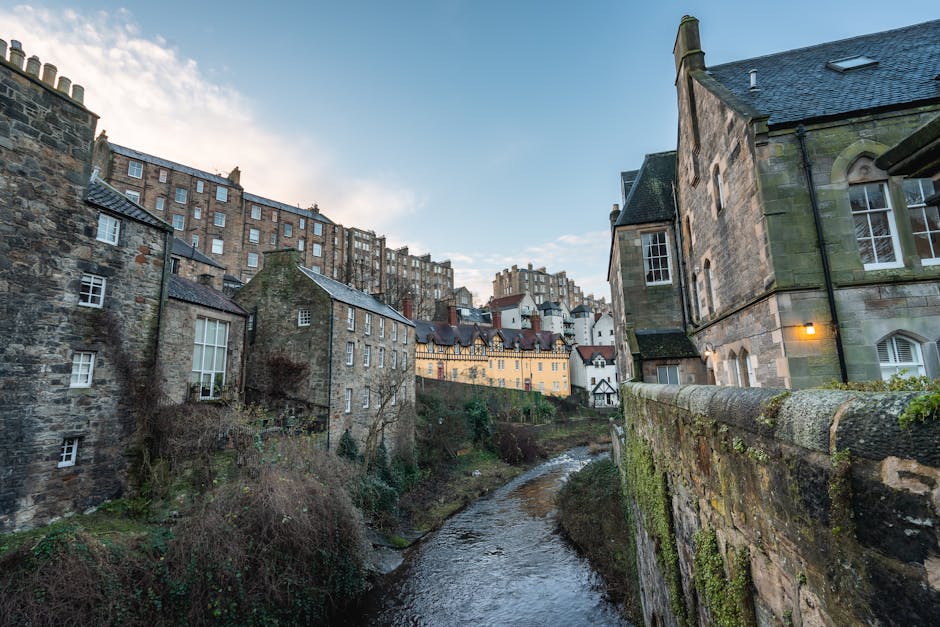
Explore Edinburgh's historic Royal Mile at your own pace, from the heights of the Castle to the royal Palace of Holyroodhouse.
 Easy
EasyEdinburgh, United Kingdom
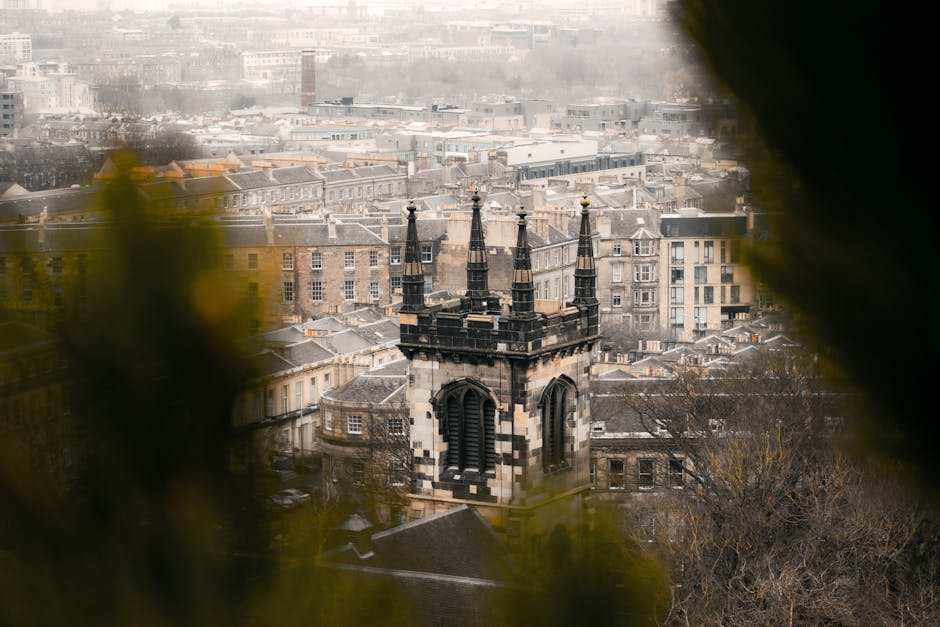
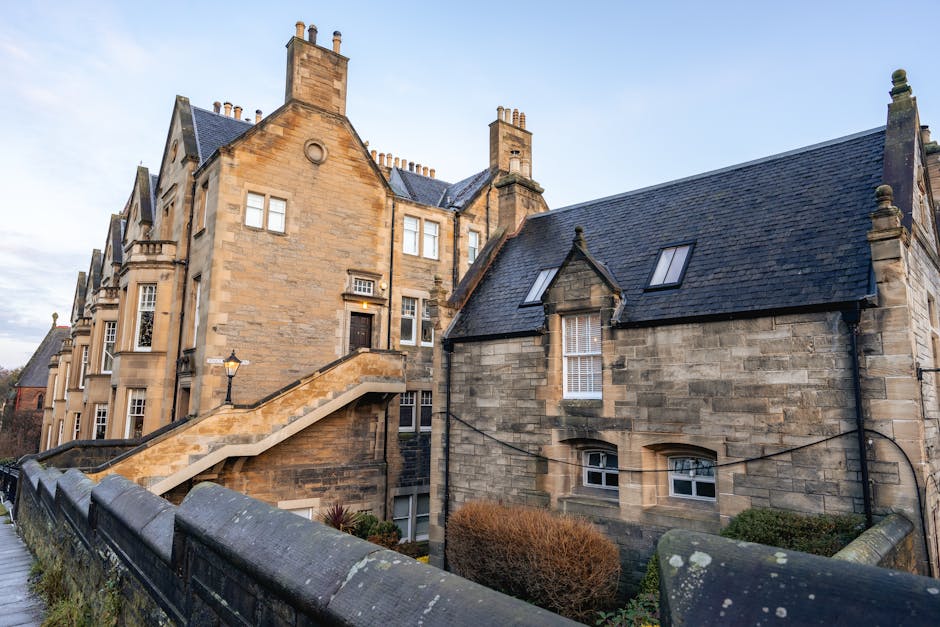
Capture the magic of Edinburgh on this self-guided stroll through the fairy-tale Dean Village, floral Circus Lane, and the scenic Water of Leith.
 Challenging
Edinburgh, United Kingdom
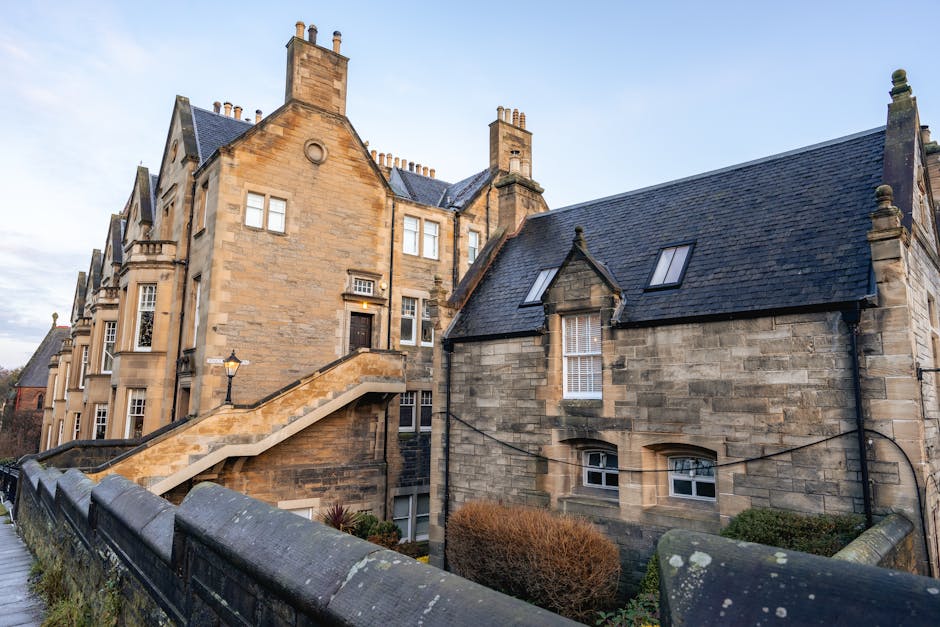
Ascend an ancient volcano and discover royal history on this challenging self-guided walk through Edinburgh's iconic Holyrood Park.
 Easy
EasyEdinburgh, United Kingdom
Explore the neo-classical elegance and Enlightenment history of Edinburgh’s New Town on this self-guided walking route through grand squares.
 Easy
EasyGothenburg, Sweden
Explore Gothenburg's elegant academic district, featuring grand 19th-century stone architecture and the iconic cultural hub of Götaplatsen.
 Easy
EasyKrakow, Poland
Explore the prestigious Jagiellonian University district, featuring Neo-Gothic architecture, Baroque churches, and Krakow's hidden scholarly gems.
 Easy
EasyKrakow, Poland
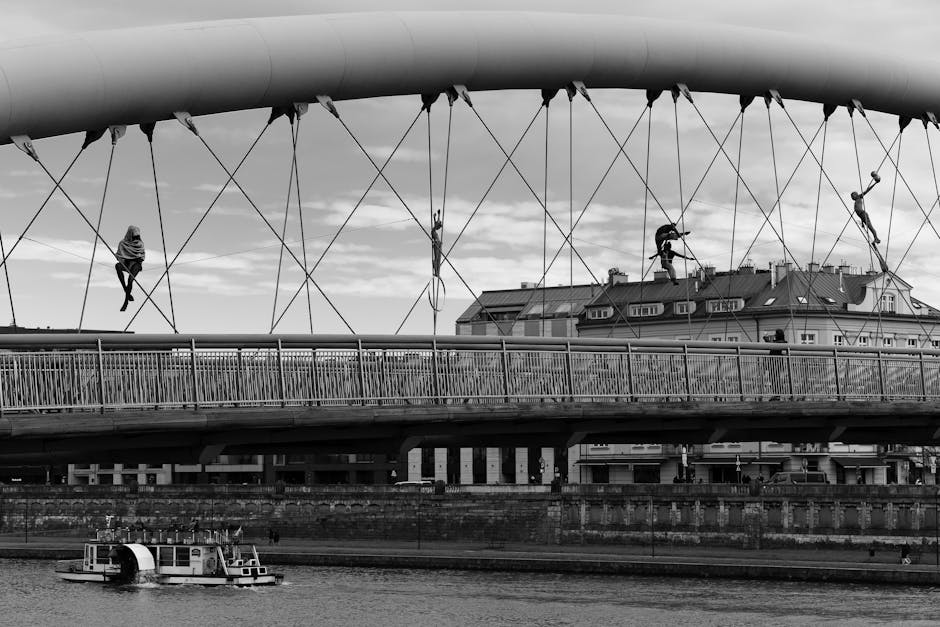
Discover Krakow’s creative soul in Zabłocie, exploring industrial heritage, contemporary art museums, and avant-garde architecture at your own pace.
 Easy
EasyGdansk, Poland
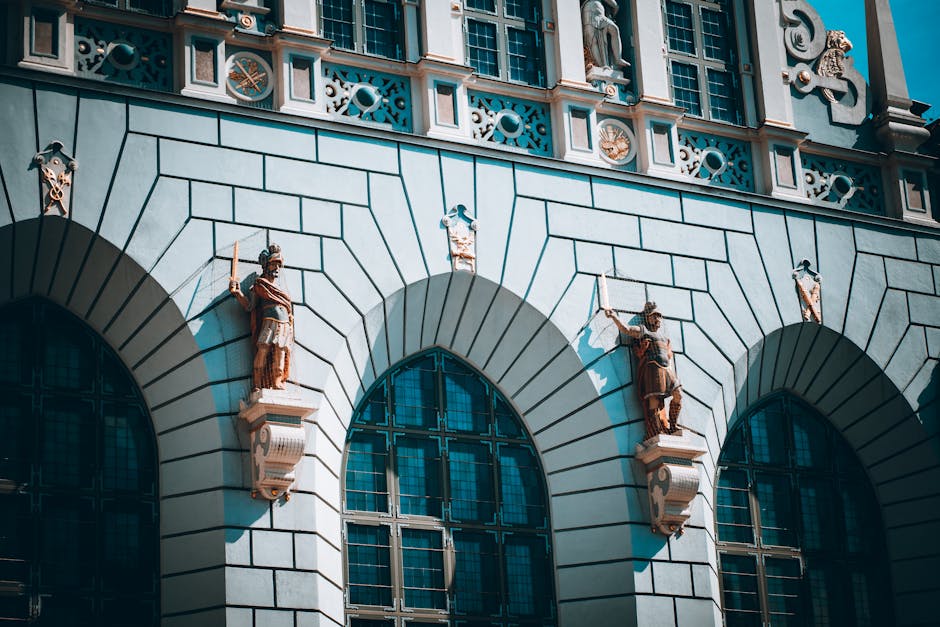
Discover the opulent Royal Way of Gdansk at your own pace. Explore Hanseatic history, gilded architecture, and the iconic Neptune's Fountain.
 Moderate
Manchester, United Kingdom
Discover Manchester’s secret green spaces and hidden parks on this self-guided audio walk through the city’s most tranquil and photogenic spots.
 Easy
EasyManchester, United Kingdom
Explore Manchester’s creative soul on this self-guided stroll through the Northern Quarter’s iconic street art and quirky subculture.
 Easy
EasyManchester, United Kingdom
Discover the transformation of Ancoats from industrial 'Little Italy' to Manchester's trendiest culinary district on this self-guided audio walk.
 Moderate
Manchester, United Kingdom
Trace the sonic legacy of Manchester from the birth of punk to the Oasis era on this self-guided walking route through music history.