Self-guided audio tour in Bath
Start Free on iPhone
Start free on iPhone to unlock this self-guided walking tour in Bath. Hear all the stories that make it amazing, walk at your own pace, and begin whenever you want.
Your Private Tour Guide
Step back into a world where steam rises from the pavement and Gothic spires reach for the clouds. This self-guided walk through Bath’s historic core invites you to peel back the layers of a city built on water and worship. As you follow this neighborhood stroll, you will transition from the Roman settlement of Aquae Sulis to the medieval ecclesiastical power of the Abbey, witnessing how these ancient thermal springs have shaped local life for over two millennia. This walking route is designed for those who wish to explore independently, moving from the oldest house in the city to the modern rooftops where the thermal tradition continues today. The journey begins at a site of culinary legend before moving to the 'Ladder of Angels' at Bath Abbey. You will encounter the architectural genius of the Roman Baths and the secluded elegance of the Cross Bath, where the city’s sacred waters have been celebrated since the Iron Age. The route also highlights the evolution of Bath’s religious landscape, concluding at the historic crossroads of St Michael's. This experience is more than just a sightseeing trip; it is a deep dive into the history and religion that defined this UNESCO World Heritage site. While many look for a walking tour Bath offers many commercial options, this audio walk allows you to linger at the Great Bath or pause for a famous bun without a schedule. By choosing a self-guided walk, you maintain the flexibility to explore the ancient ruins and medieval alleyways at your own pace. Whether you are captivated by the engineering of the Roman Empire or the soaring fan-vaulting of the 16th century, this route provides the context needed to appreciate Bath’s unique dual identity as both a Roman spa resort and a medieval pilgrimage destination. Prepare to see the city not just as a collection of landmarks, but as a living testament to human ingenuity and spiritual devotion.
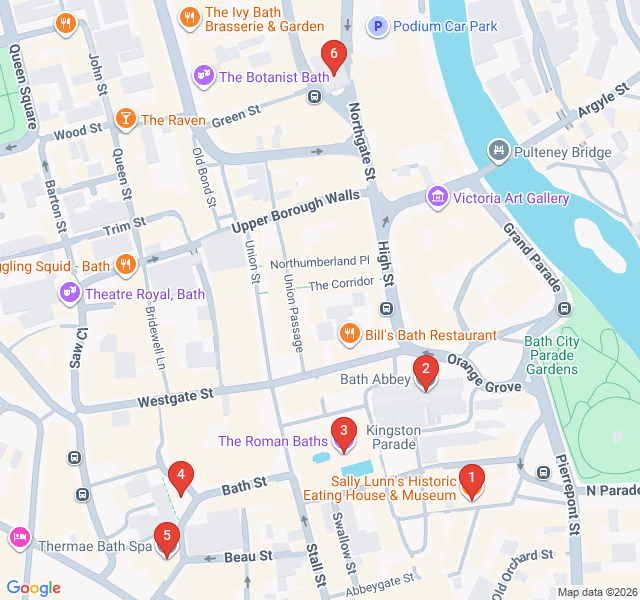
Numbers indicate the order of stops on the tour.
Begin your self-guided adventure at one of the oldest standing structures in Bath. Built around 1482, this house survived the Great Fire of London and the Blitz. It is most famous for Sally Lunn, a Huguenot refugee who arrived in 1680 and introduced the 'Sally Lunn Bun'—a light, airy brioche-style bread that became a local sensation. If you look at the building's foundations in the basement museum, you can see Roman and medieval masonry. This site perfectly encapsulates the city's layers, where a 17th-century bakery sits atop ruins that are centuries older. It serves as a delicious starting point for understanding Bath’s social and architectural evolution.
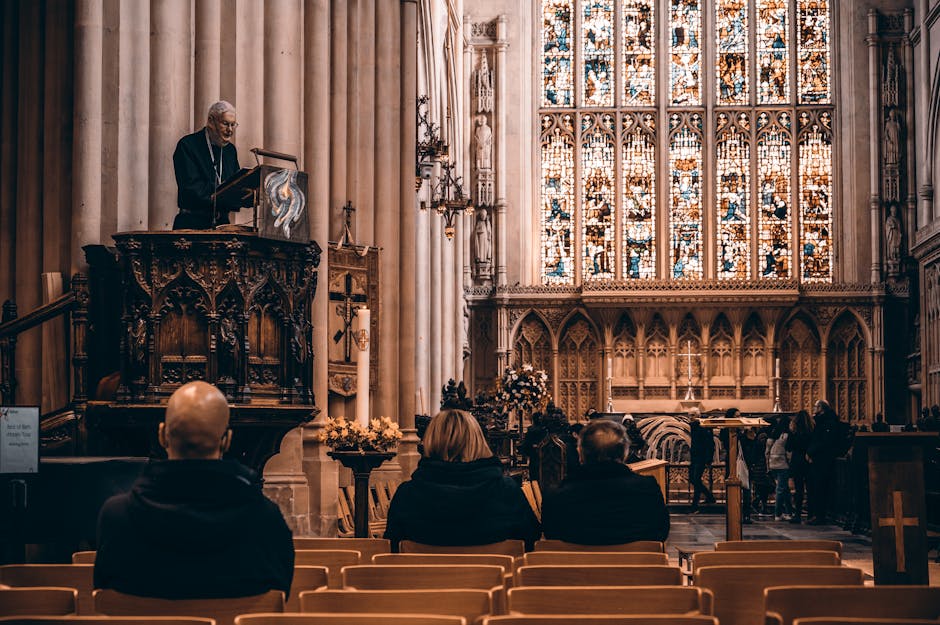
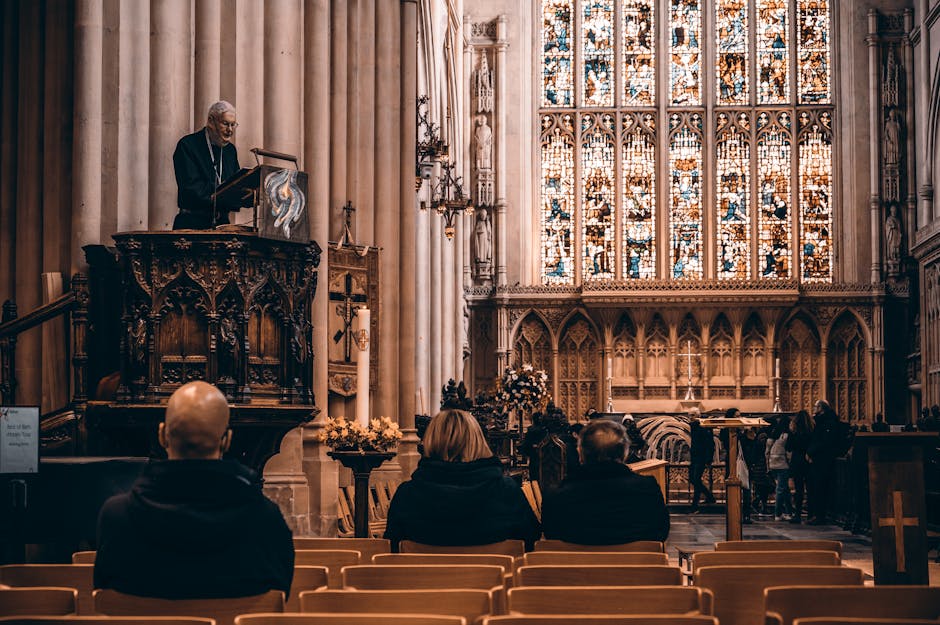
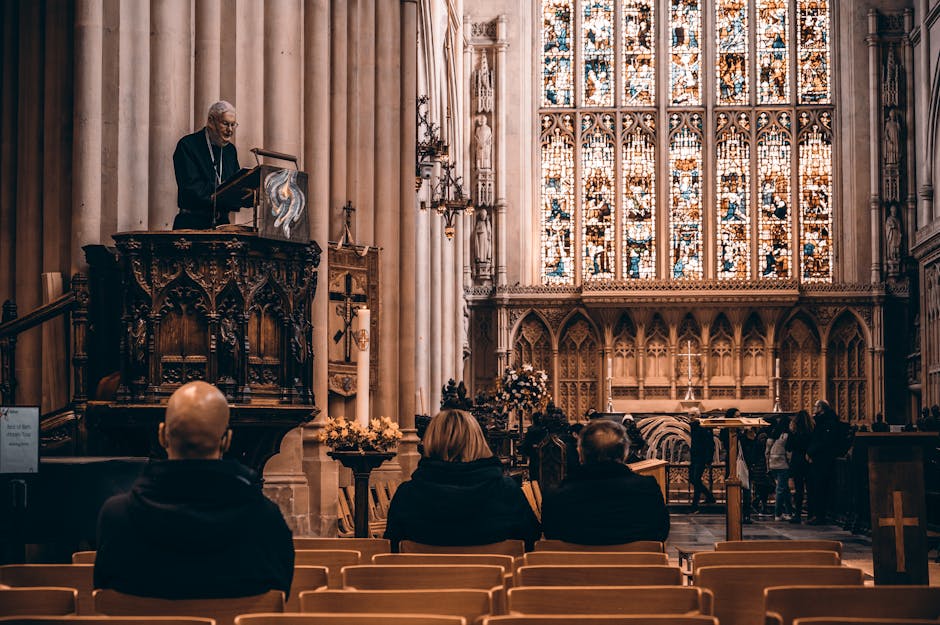
Standing before you is the 'Lantern of the West,' so named for its massive stained-glass windows. While a monastery has stood here since the 7th century, the current Gothic structure was largely built in the 16th century. Look up at the West Front to see the famous 'Ladder of Angels,' inspired by a dream of Bishop Oliver King, who envisioned angels ascending and descending a ladder to heaven. Inside, the Abbey boasts some of the finest fan-vaulting in the world, a masterpiece of medieval stonemasonry. This site remains the spiritual heart of the city, bridging the gap between its ancient origins and its enduring religious significance.
Below the modern street level lies the heart of Roman Aquae Sulis. The Romans built a magnificent temple and bathing complex around the UK's only natural hot spring, dedicated to the goddess Sulis Minerva. The Great Bath, lined with lead and still filled with steaming water, remains a marvel of ancient engineering. Thousands of years ago, pilgrims came from across Europe to heal in these waters and throw offerings into the Sacred Spring. Although you cannot swim here today, the site offers a window into the daily lives, religious practices, and technical skills of the Roman people who first transformed this valley into a destination.
A short walk brings you to the Cross Bath, a smaller, more intimate site than its grand neighbor. This has been a sacred spot since the Iron Age, long before the Romans arrived. The current building is a beautiful example of Georgian architecture, but it sits over the same thermal source. The bath takes its name from a cross erected here in 1688 to commemorate a royal visit by Mary of Modena, who bathed here in hopes of conceiving an heir. It remains an active spa today, emphasizing Bath's long-standing reputation as a place of healing and spiritual renewal.
Directly across from the ancient sites is the modern Thermae Bath Spa. This glass-and-stone building represents the 21st-century continuation of Bath’s spa legacy. After the original Roman baths closed and the Georgian baths fell into disrepair, this facility reopened in 2006 to allow visitors to once again bathe in the natural thermal waters. The rooftop pool offers a striking contrast to the medieval spires of the Abbey nearby. It serves as a reminder that while the technology and architecture change, the city’s primary draw—the warm, mineral-rich water—has remained constant for thousands of years.
Concluding this neighborhood stroll is St Michael’s Without, a church that has stood at the city’s northern gate since the 12th century. The 'Without' in its name refers to its historical position outside the medieval city walls. The current building is a Victorian Gothic masterpiece, but it occupies a site with nearly a millennium of history. It was traditionally the first stop for travelers entering Bath from the north, offering a place of prayer before they entered the bustling city center. Today, it stands as a vibrant community hub, marking the boundary between the ancient core and the expanding Georgian city.
Start Free on iPhone
Explore “Roman Springs and Medieval Spires” with your very own Private Tour Guide with Zigway. Start free on iPhone, skip the large group and the fixed routes, and hear the city come alive as you go.
Your Private Tour Guide
Don't miss the good stuff
Explore Freely
 Easy
EasyBath, United Kingdom
Uncover the eerie secrets and dark history of Bath on this self-guided audio walk through haunted theaters and historic Victorian cemeteries.
 Easy
EasyBath, United Kingdom
Explore Bath's industrial-heritage on this self-guided walk along the Kennet & Avon Canal, from engineering marvels to tranquil garden escapes.
 Moderate
Bath, United Kingdom
Escape the crowds and ascend the hills of Bath on this self-guided walk featuring panoramic views, historic follies, and hidden Victorian cemeteries.
 Easy
EasyBath, United Kingdom
Follow Jane Austen’s footsteps through Bath’s Regency streets, from the elegant Pump Room to her actual former residence at 4 Sydney Place.
 Easy
EasyNairobi, Kenya
Explore Nairobi's architectural evolution from colonial-era landmarks to iconic Brutalist skyscrapers on this historic self-guided walking route.
 Easy
EasyNairobi, Kenya
Discover Nairobi's iconic skyline on this self-guided architecture walk through the CBD’s most famous modernist and Brutalist landmarks.
 Easy
EasyKrakow, Poland
Explore the prestigious Jagiellonian University district, featuring Neo-Gothic architecture, Baroque churches, and Krakow's hidden scholarly gems.
 Easy
EasyKrakow, Poland
Explore the historic heart of Kazimierz on this self-guided walk through synagogues, ancient cemeteries, and vibrant squares.
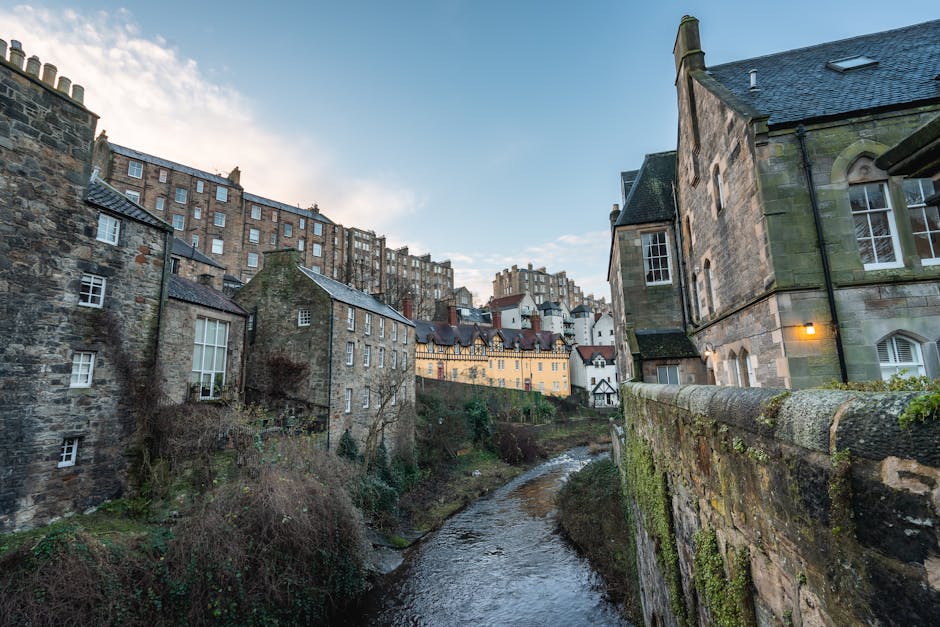 Easy
EasyEdinburgh, United Kingdom
Explore Edinburgh's historic Royal Mile at your own pace, from the heights of the Castle to the royal Palace of Holyroodhouse.
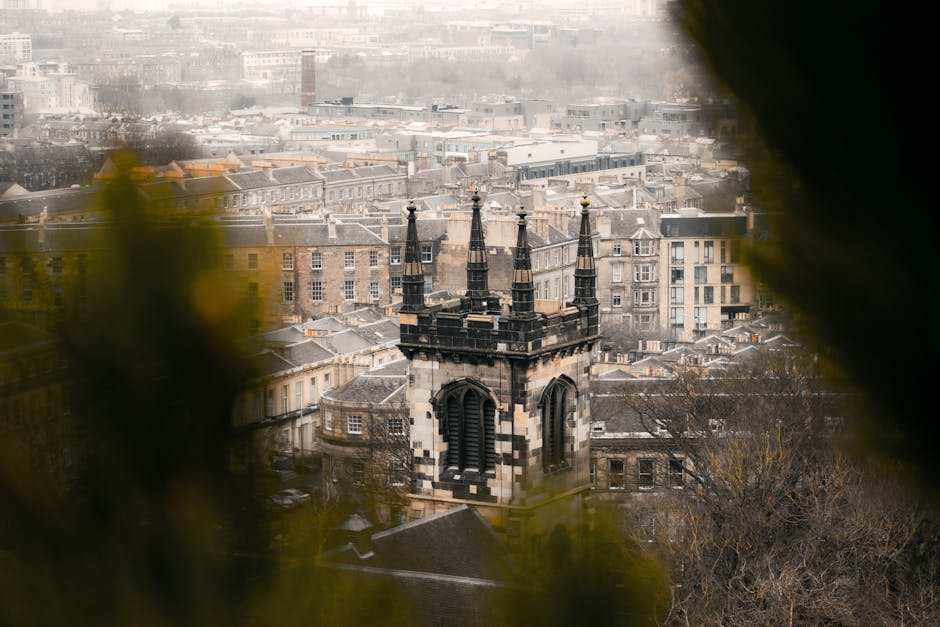 Easy
EasyEdinburgh, United Kingdom
Capture the magic of Edinburgh on this self-guided stroll through the fairy-tale Dean Village, floral Circus Lane, and the scenic Water of Leith.
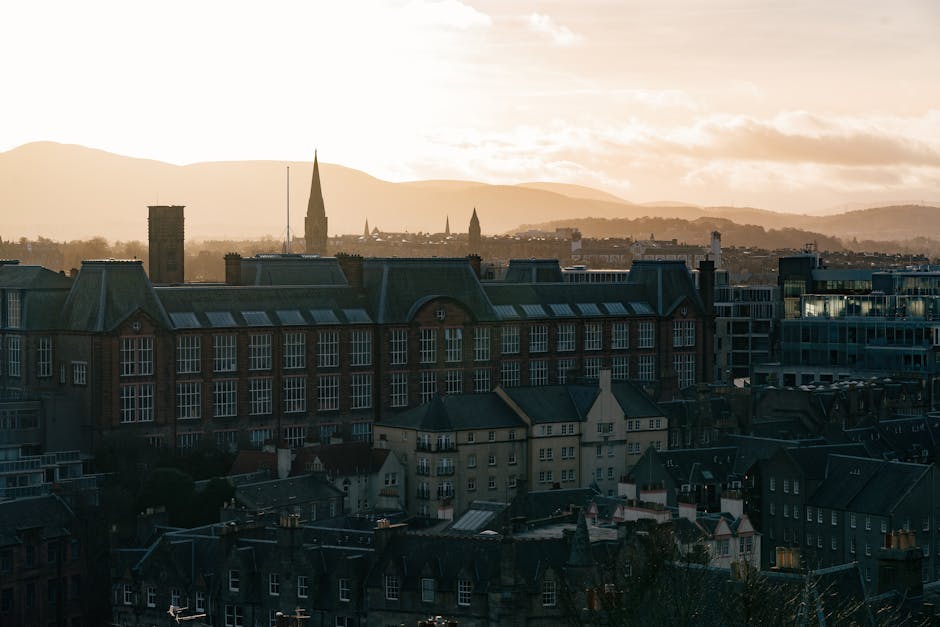 Easy
EasyEdinburgh, United Kingdom
Explore Edinburgh's creative soul on this self-guided walk from historic museums to the stylish galleries and boutiques of the West End.
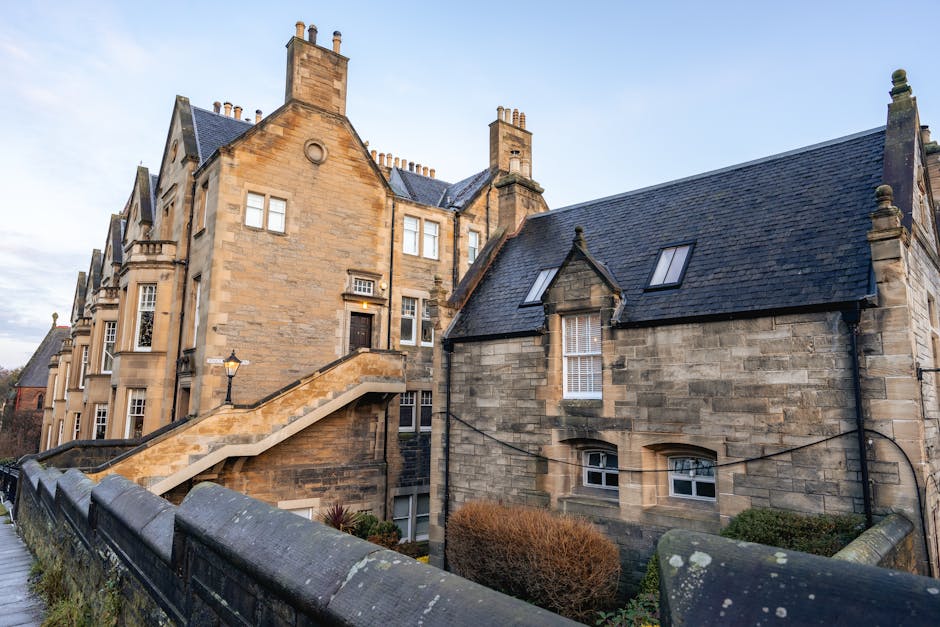 Challenging
Edinburgh, United Kingdom
Ascend an ancient volcano and discover royal history on this challenging self-guided walk through Edinburgh's iconic Holyrood Park.