Self-guided audio tour in Tel Aviv
Start Free on iPhone
Start free on iPhone to unlock this self-guided walking tour in Tel Aviv. Hear all the stories that make it amazing, walk at your own pace, and begin whenever you want.
Your Private Tour Guide
Step into a living museum of 20th-century design with this self-guided walk through Tel Aviv’s legendary White City. Declared a UNESCO World Heritage site in 2003, this neighborhood boasts the world’s largest concentration of International Style buildings, popularly known as Bauhaus. This walking route invites you to explore the architectural revolution that took place in the 1930s and 40s when Jewish architects, fleeing the rise of Nazism in Germany, brought the principles of the Bauhaus school to the shores of the Mediterranean. As you begin your self-guided adventure near the iconic Dizengoff Circle, you will see how these architects adapted European modernism to a Middle Eastern climate. Instead of the massive glass walls favored in cooler climates, they designed long, shaded balconies and small 'thermometer' windows to keep the interiors cool. This neighborhood stroll takes you past some of the most meticulously restored examples of the style, including former cinemas and residential blocks that redefined urban living. You will discover the stories behind landmarks like the Liebling Haus and the Engel House, learning how simple geometric shapes and a lack of ornamentation became a symbol of a new, egalitarian society. Whether you are an architecture enthusiast or a photography lover, this walking route offers a unique perspective on how Tel Aviv earned its nickname. Exploring at your own pace allows you to linger at the Bauhaus Center for deeper research or grab a coffee at a sidewalk cafe while soaking in the minimalist aesthetic. This walking tour Tel Aviv provides is a journey through history, light, and shadow, showcasing a city that was built from the sand upwards to become a global capital of modernism.
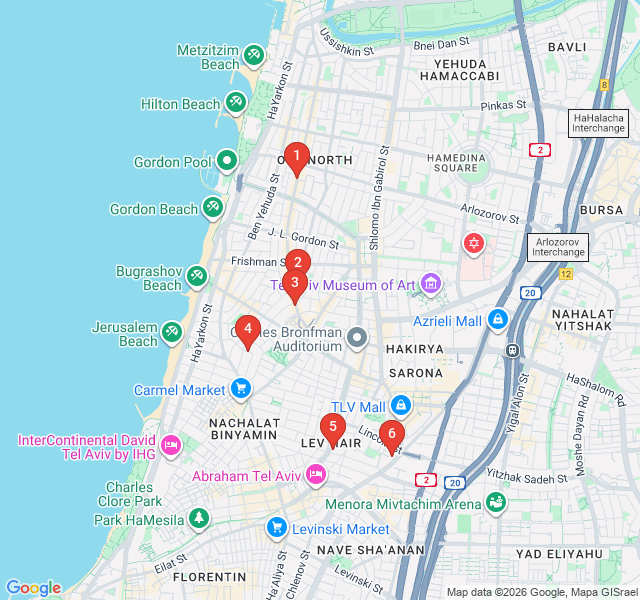
Numbers indicate the order of stops on the tour.
Welcome to the heart of the White City. Dizengoff Circle is one of the few places in the world where you can see the International Style applied to urban planning on such a grand scale. Designed by Genia Averbuch in 1934, the circle is surrounded by buildings that share a uniform aesthetic: curved balconies, horizontal lines, and white plaster. This wasn't just about looks; the curves were intended to create a sense of movement and flow. As you look around, notice how the buildings seem to 'hug' the plaza. This area served as the social center for the city's early residents and remains a vibrant hub today.
Standing prominently on the circle is the Cinema Hotel, originally the Esther Cinema. Built in 1938, it is a masterpiece of Bauhaus architecture. Look at its sweeping, wrap-around balconies and the way the building’s corners are rounded rather than sharp. This was a hallmark of the style, emphasizing function and the beauty of geometric form. Inside the lobby, you can still see original film projectors and vintage posters, a nod to its history as one of the city’s first movie theaters. The building represents the optimism and cultural ambition of Tel Aviv during the British Mandate era.
This stop is essential for understanding the preservation of the White City. The Bauhaus Center is a gallery, bookshop, and research hub dedicated to documenting Tel Aviv's 4,000 Bauhaus-style buildings. While the style originated in Germany, it found its most fertile ground here. Architects had to solve the problem of the intense heat, leading to the creation of the 'recessed balcony' which provided shade while allowing air to circulate. Take a moment to browse the architectural models and photographs that show the transformation of the city from sand dunes to a modernist metropolis.
The Liebling Haus is more than just a beautiful building; it is a center for conservation and dialogue. Built in 1936, it was recently restored through a joint Israeli-German project. Note the 'thermometer' windows—the vertical strip of narrow glass on the stairwell. These were designed to let in light while minimizing the heat from the sun. The building now hosts exhibitions about urbanism and architecture. It’s a perfect example of how these historic spaces are being adapted for contemporary cultural use while respecting their original minimalist design and functionalist roots.
Designed by Ze'ev Rechter in 1933, the Engel House was a revolutionary building for Tel Aviv. It was the first residence in the city to be built on 'pilotis'—concrete pillars that lift the building off the ground. This design choice allowed the sea breeze to flow under the house and provided a shaded area for children to play or for residents to socialise. This became a standard feature in Tel Aviv construction for decades. Although it has faced the wear and tear of time, the Engel House remains a vital symbol of the transition to pure modernism and the rejection of decorative excess.
As we conclude our walk near the intersection of Rothschild Boulevard and Ahad Ha'Am, we find Beit Rubinstein. This area marks the transition from the 'Eclectic Style' of the 1920s—which used orientalist and classical motifs—to the strict functionality of the Bauhaus. Beit Rubinstein showcases the clean lines and lack of ornamentation that defined the later era. From here, you are perfectly positioned to explore Rothschild Boulevard, a tree-lined thoroughfare where the city’s wealthy families built their modernist dreams. The balance of nature, social space, and avant-garde architecture here is what makes the White City truly unique.
Start Free on iPhone
Explore “White City Modernism: The Bauhaus Trail” with your very own Private Tour Guide with Zigway. Start free on iPhone, skip the large group and the fixed routes, and hear the city come alive as you go.
Your Private Tour Guide
Don't miss the good stuff
Explore Freely
 Easy
EasyTel Aviv, Israel
Explore a hidden New England-style village in Tel Aviv. Discover wooden houses and 19th-century history on this peaceful self-guided walk.
 Easy
EasyTel Aviv, Israel
Explore the literary heart and stunning architecture of Tel Aviv's most beautiful historic street on this self-guided neighborhood stroll.
 Easy
EasyTel Aviv, Israel
Experience the sea breeze on this self-guided walk through Tel Aviv's historic port, featuring iconic boardwalks, markets, and sunset views.
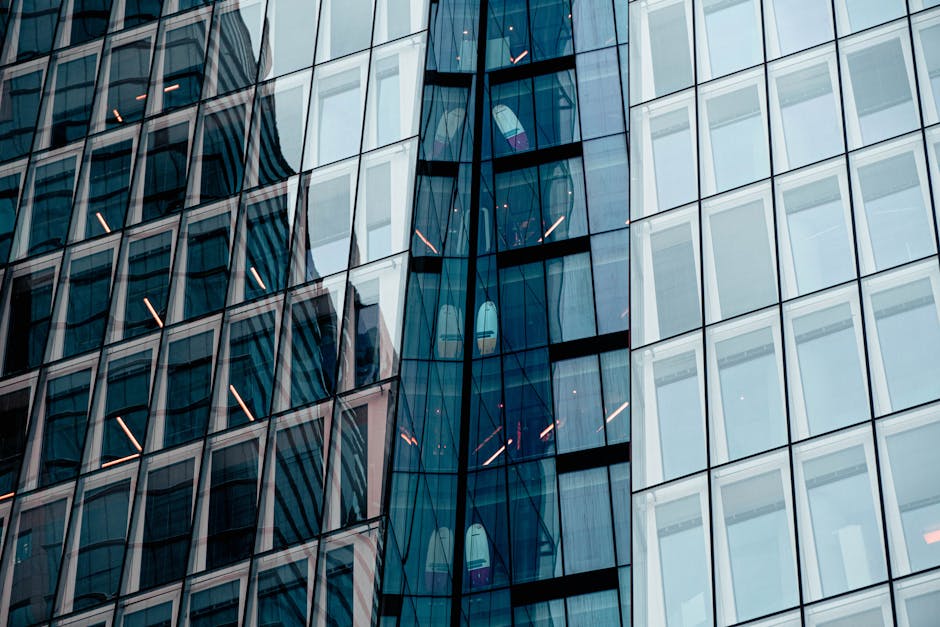 Easy
EasyTel Aviv, Israel
Explore the birthplace of Tel Aviv on a self-guided adventure through Bauhaus architecture and the historic site of Israel's independence.
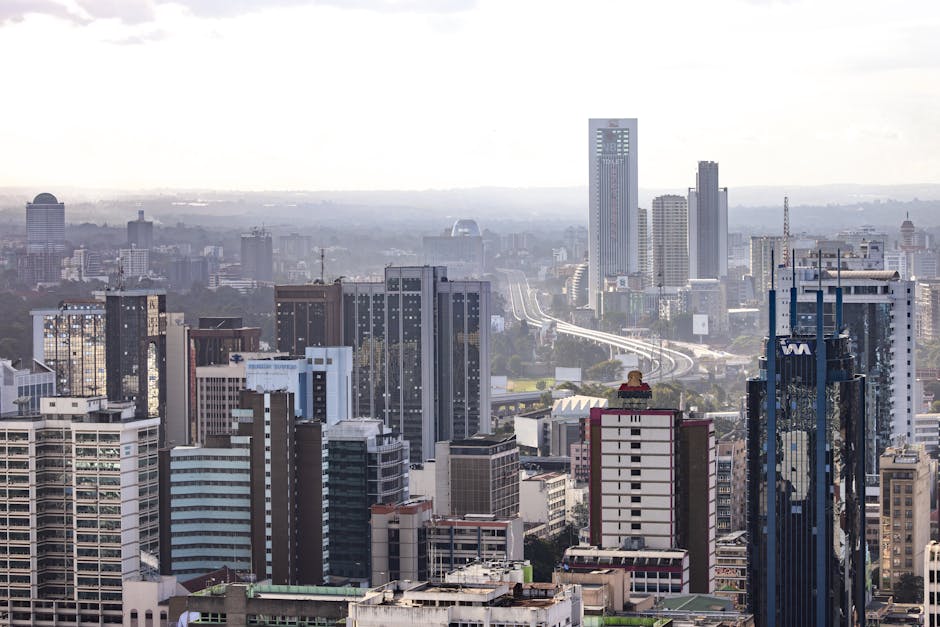 Easy
EasyNairobi, Kenya
Discover Nairobi's iconic skyline on this self-guided architecture walk through the CBD’s most famous modernist and Brutalist landmarks.
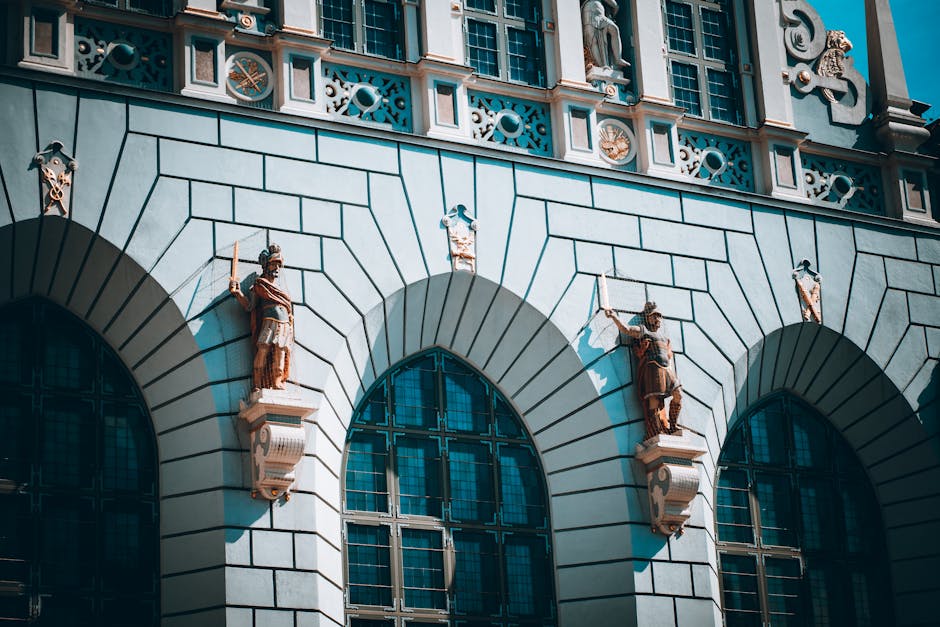 Easy
EasyGdansk, Poland
Discover the opulent Royal Way of Gdansk at your own pace. Explore Hanseatic history, gilded architecture, and the iconic Neptune's Fountain.
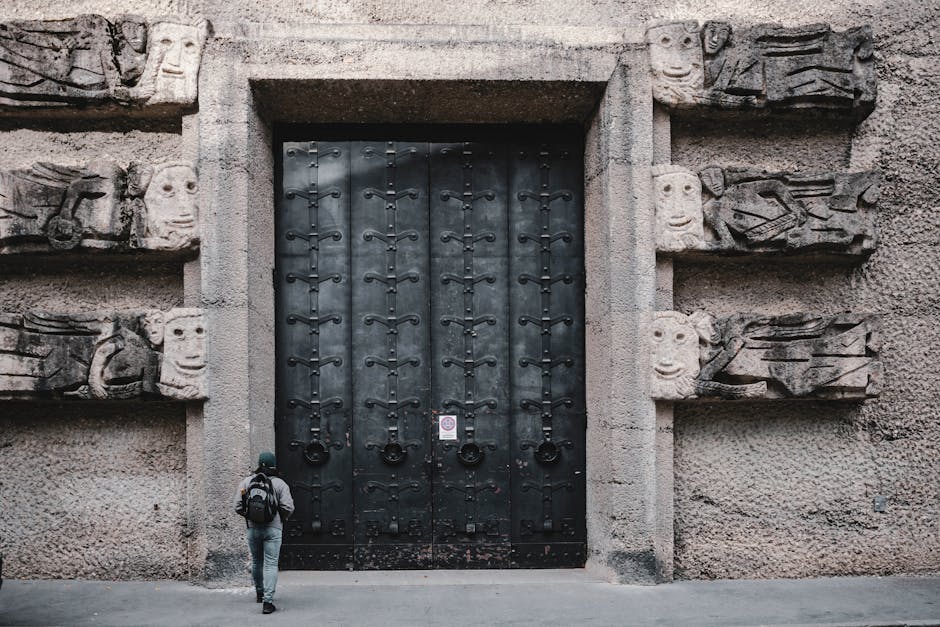 Easy
EasySalzburg, Austria
Discover the 'Rome of the North' on this self-guided walk through the Baroque squares and monumental legacy of Salzburg’s Prince-Archbishops.
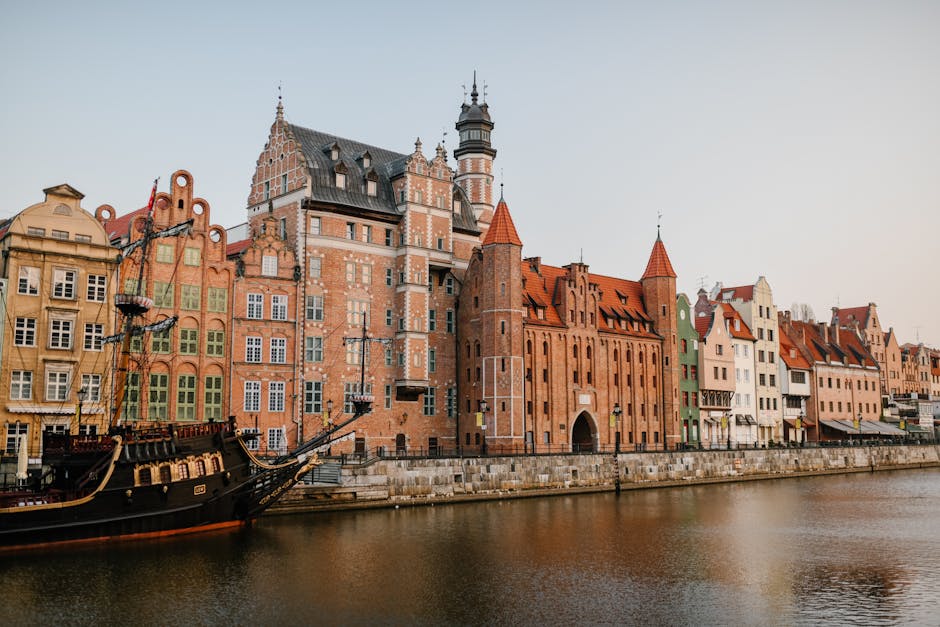 Easy
EasyGdansk, Poland
Discover the 'Baltic Gold' on this self-guided walk through Gdansk's historic mills, massive cathedrals, and the magical Mariacka Street.
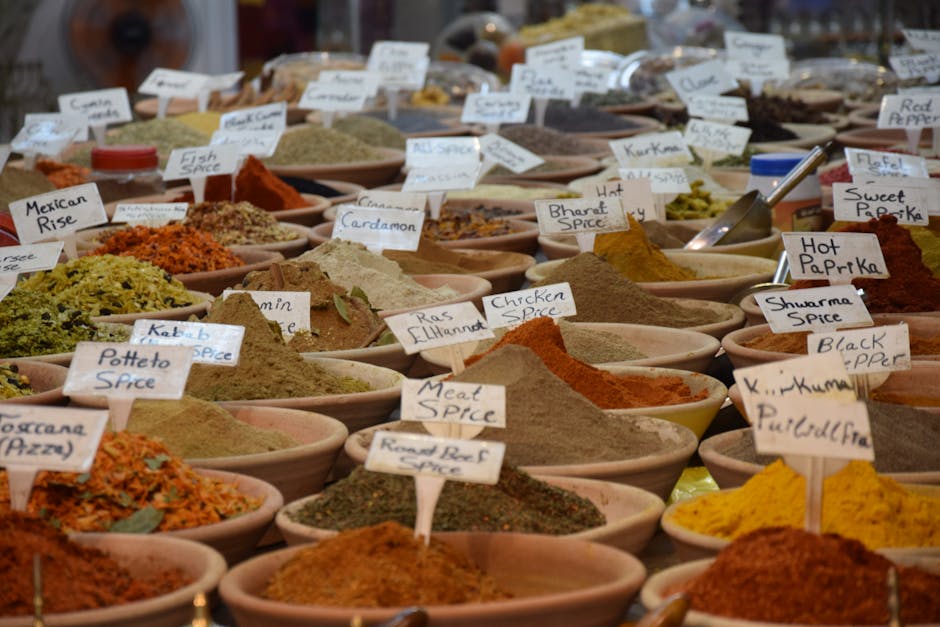 Easy
EasyJerusalem, Israel
Taste the heart of Jerusalem on this self-guided walk through the legendary stalls and hidden gems of Mahane Yehuda Market.
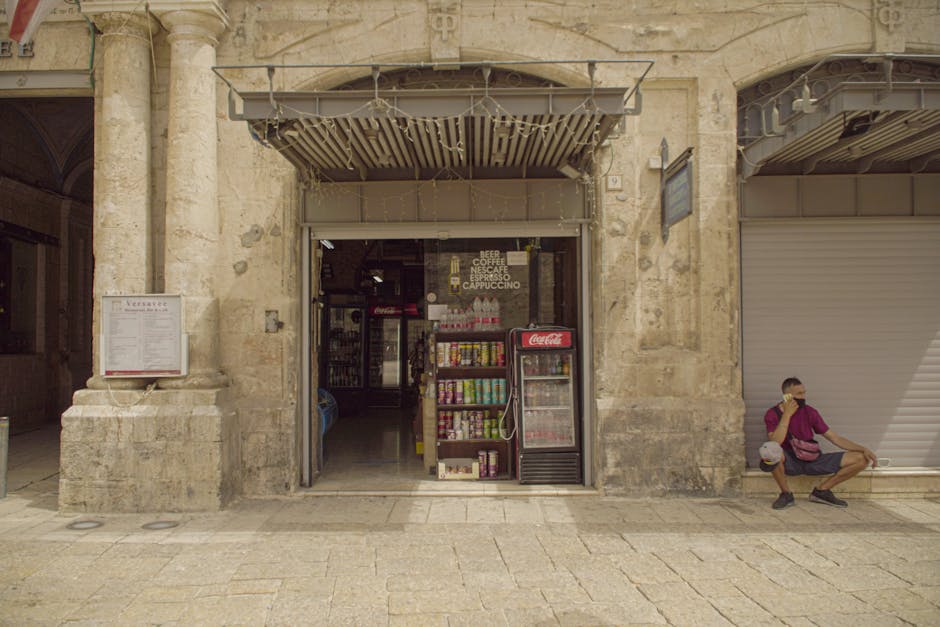 Easy
EasyJerusalem, Israel
Explore the secluded world of Mea Shearim on this self-guided walk through Jerusalem’s historic ultra-Orthodox district and 19th-century courtyards.
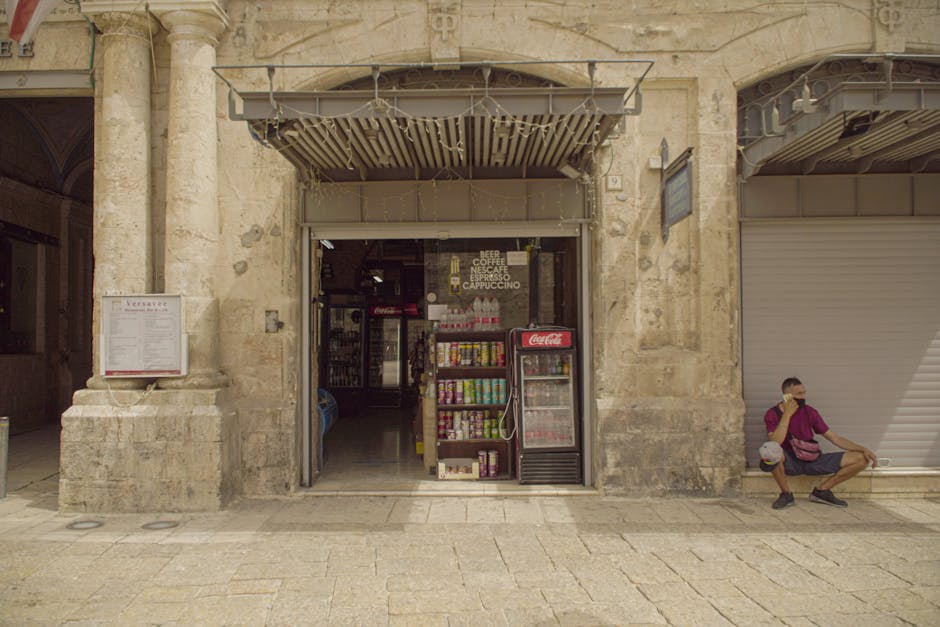 Easy
EasyJerusalem, Israel
Explore Jerusalem's nightlife and street art, from the shutter murals of the Shuk to secret speakeasies and creative hubs in the City Center.
 Easy
EasyJerusalem, Israel
Explore the 'Garden Suburb' of Jerusalem's elite. Discover Bauhaus architecture, historic residences of prime ministers, and intellectual landmarks.