Self-guided audio tour in Jerusalem
Start Free on iPhone
Start free on iPhone to unlock this self-guided walking tour in Jerusalem. Hear all the stories that make it amazing, walk at your own pace, and begin whenever you want.
Your Private Tour Guide
Step into the quiet, tree-lined streets of Rehavia, a neighborhood that has served as the intellectual and political heart of Jerusalem since the 1920s. On this self-guided walk, you will discover why this area is often referred to as Jerusalem's 'Garden Suburb.' Designed by the renowned architect Richard Kauffmann, Rehavia was modeled after European urban planning principles, creating a sanctuary for German-Jewish academics, statesmen, and thinkers who fled Europe before World War II. As you navigate the neighborhood stroll, you will encounter a stunning array of International Style and Bauhaus architecture, characterized by clean lines and functional beauty, which stands in elegant contrast to the ancient stone of the Old City nearby. This walking route takes you past the residences of former prime ministers and the grand institutions that shaped the modern state. You will explore the history of Azza Street, a bustling artery that blends modern cafe culture with historic significance, and visit the iconic Rehavia Windmill, a silent witness to the neighborhood's pre-urban history. The journey also includes the monumental Terra Sancta College and the Jerusalem Great Synagogue, showcasing the diverse religious and educational tapestry of the area. This neighborhood stroll is perfect for those who want to experience the sophisticated, quieter side of Jerusalem while learning about the scholars and leaders who walked these very same pavements. Whether you are an architecture enthusiast or a history buff, this self-guided adventure offers a deep dive into the secular and spiritual elite of Jerusalem, far from the typical tourist trails.
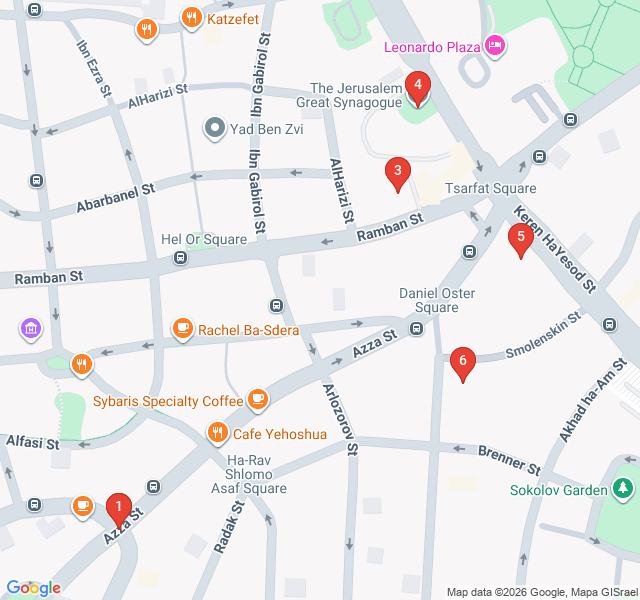
Numbers indicate the order of stops on the tour.
Start your self-guided walk on Azza Street, the main pulse of the Rehavia neighborhood. Its name is the Hebrew version of 'Gaza Street,' as it historically sat on the road leading toward the coast. In the early 20th century, this area was nothing but rocky hills outside the city walls. Today, it is a sophisticated hub of bookstores, cafes, and upscale apartments. As you walk, notice the mix of local residents—from university professors to students. This street represents the transition of Rehavia from a secluded garden suburb into a vibrant part of modern Jerusalem life, while still retaining its scholarly charm.
This elegant building served as the official residence of the Prime Minister of Israel from 1950 until 1974. It is named after Levi Eshkol, the third Prime Minister, who lived and passed away here. The house itself is a prime example of the neighborhood's architectural transition, originally built in the 1930s for the Julius Jacobs family. Its clean, functional design reflects the 'International Style' that defined Rehavia's early development. Imagine the high-stakes political meetings that took place within these walls during the formative years of the state, including the planning stages of the Six-Day War.
Standing as a surprising landmark amidst the residential blocks is the Rehavia Windmill. Built in the 1870s by the Greek Orthodox Church, it predates the neighborhood itself. Originally used to grind flour for the nearby monastery, it eventually lost its sails and was converted into a residence. In the 1930s, it even served as a creative studio for architects. Today, it stands as a unique monument to the agricultural roots of the land before it became an urban intellectual enclave. It is one of the few remaining historic windmills in Jerusalem, alongside the more famous Montefiore Windmill in Yemin Moshe.
Located on King George Street at the edge of Rehavia, this monumental structure was dedicated in 1982. Its design is a bold example of modern religious architecture, intended to serve as a spiritual center for world Jewry. Inside, the sanctuary is adorned with magnificent stained-glass windows and a massive chandelier. The architecture reflects a sense of permanence and grandeur, contrasting with the more modest, residential Bauhaus style of the inner Rehavia streets. It remains a central venue for major state ceremonies and significant religious events in Jerusalem.
Behold the imposing facade of Terra Sancta College, an Italianate masterpiece designed by the famous architect Antonio Barluzzi in the 1920s. With its pink stone and classical statues, it looks like a slice of Rome in the heart of Jerusalem. Originally built as a school, it later served as the temporary home of the Hebrew University after the 1948 war when the Mount Scopus campus became inaccessible. The building has hosted some of Israel's most brilliant minds and remains one of the most photographable and historically significant institutional buildings in the neighborhood.
Your neighborhood stroll concludes at Beit Aghion, the official residence of the Prime Minister of Israel since 1974. Designed by Richard Kauffmann in the mid-1930s for a wealthy Jewish-Egyptian family, the house is a landmark of the International Style, featuring horizontal lines and circular balconies. During the 1948 war, it even served as a temporary hospital. Today, it is heavily guarded, but you can still appreciate the architectural elegance from a distance. It stands as a symbol of the neighborhood's status as the seat of power and intellect in the Israeli capital.
Start Free on iPhone
Explore “Intellectual Rehavia: Scholars and Statesmen” with your very own Private Tour Guide with Zigway. Start free on iPhone, skip the large group and the fixed routes, and hear the city come alive as you go.
Your Private Tour Guide
Don't miss the good stuff
Explore Freely
 Easy
EasyJerusalem, Israel
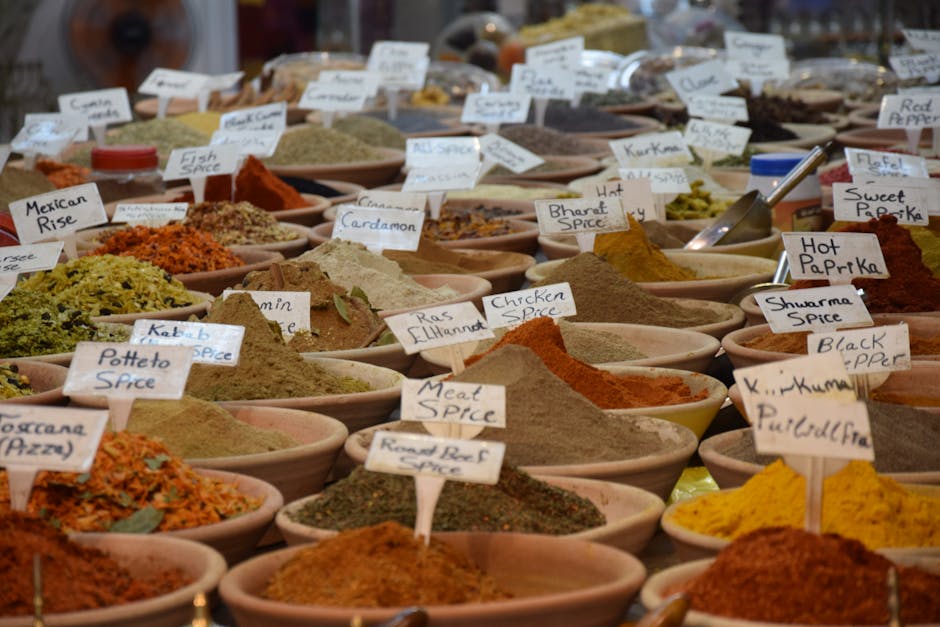
Taste the heart of Jerusalem on this self-guided walk through the legendary stalls and hidden gems of Mahane Yehuda Market.
 Easy
EasyJerusalem, Israel
Explore the secluded world of Mea Shearim on this self-guided walk through Jerusalem’s historic ultra-Orthodox district and 19th-century courtyards.
 Easy
EasyJerusalem, Israel
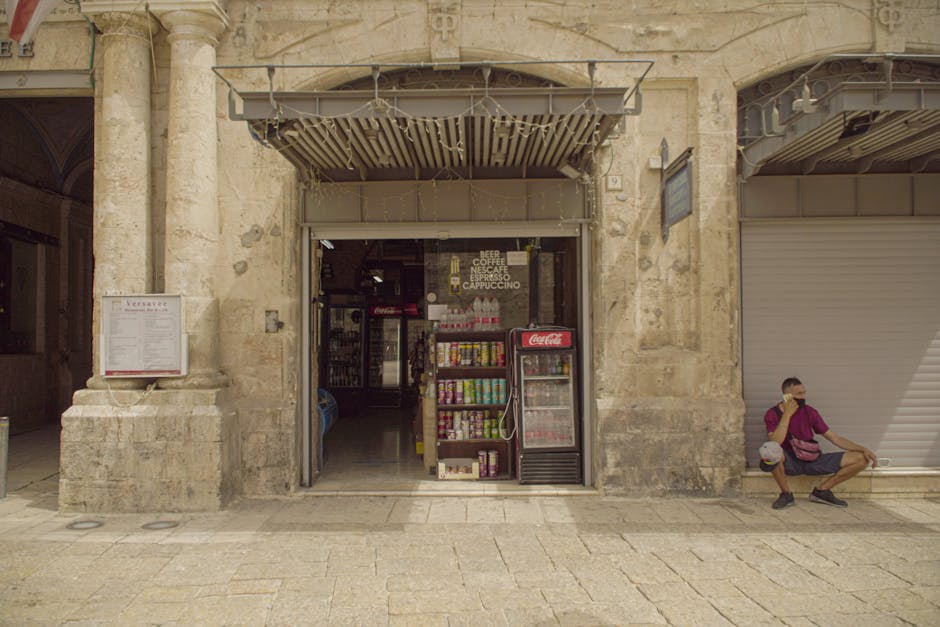
Explore Jerusalem's nightlife and street art, from the shutter murals of the Shuk to secret speakeasies and creative hubs in the City Center.
 Easy
EasyJerusalem, Israel
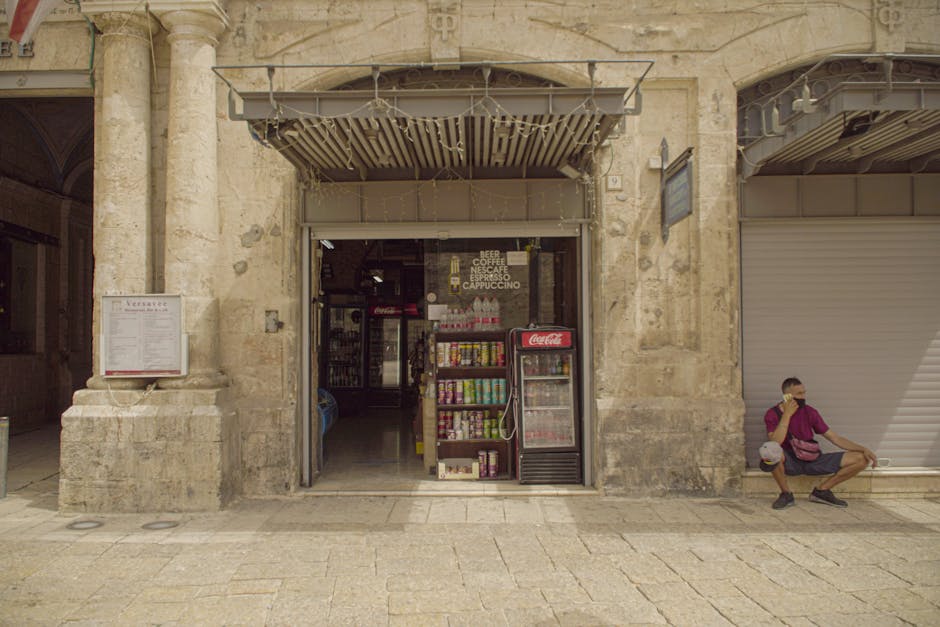
Explore Jerusalem's 19th-century expansion on this self-guided walk through Yemin Moshe, featuring iconic hotels, windmills, and artisan lanes.
 Easy
EasySalzburg, Austria
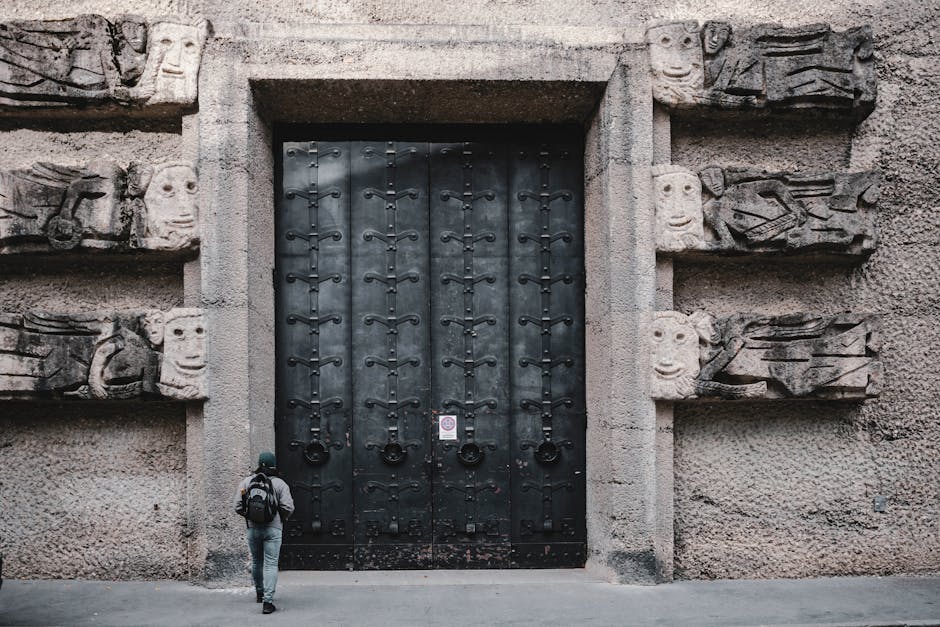
Discover the 'Rome of the North' on this self-guided walk through the Baroque squares and monumental legacy of Salzburg’s Prince-Archbishops.
 Easy
EasyNairobi, Kenya
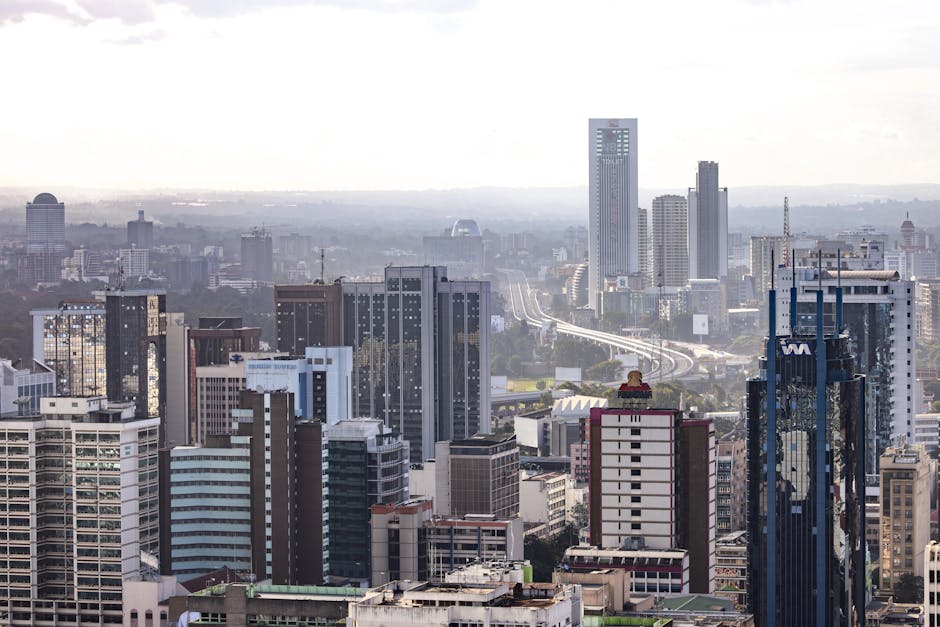
Explore Nairobi's architectural evolution from colonial-era landmarks to iconic Brutalist skyscrapers on this historic self-guided walking route.
 Easy
EasyNairobi, Kenya
Discover Nairobi's iconic skyline on this self-guided architecture walk through the CBD’s most famous modernist and Brutalist landmarks.
 Easy
EasyKrakow, Poland
Explore the prestigious Jagiellonian University district, featuring Neo-Gothic architecture, Baroque churches, and Krakow's hidden scholarly gems.
 Easy
EasyTel Aviv, Israel
Explore a hidden New England-style village in Tel Aviv. Discover wooden houses and 19th-century history on this peaceful self-guided walk.
 Easy
EasyTel Aviv, Israel
Explore the literary heart and stunning architecture of Tel Aviv's most beautiful historic street on this self-guided neighborhood stroll.
 Easy
EasyTel Aviv, Israel
Experience the sea breeze on this self-guided walk through Tel Aviv's historic port, featuring iconic boardwalks, markets, and sunset views.
 Easy
EasyTel Aviv, Israel
Explore the birthplace of Tel Aviv on a self-guided adventure through Bauhaus architecture and the historic site of Israel's independence.