Self-guided audio tour in Jerusalem
Start Free on iPhone
Start free on iPhone to unlock this self-guided walking tour in Jerusalem. Hear all the stories that make it amazing, walk at your own pace, and begin whenever you want.
Your Private Tour Guide
Step back into the 19th century with this self-guided walk that traces the moment Jerusalem began to spill over its ancient Ottoman walls into the modern era. For centuries, the city's inhabitants retreated behind heavy stone gates at sunset for protection. This neighborhood stroll follows the pioneers who ventured out to build the first residential areas, luxury hotels, and cultural landmarks that define West Jerusalem today. Your journey begins at the Jerusalem International YMCA, an architectural masterpiece that symbolizes the city's multi-faith heritage, before moving to the iconic King David Hotel. As you explore independently, you will see how pink limestone and international design styles merged to create a unique urban aesthetic. The route leads you into the heart of Yemin Moshe and Mishkenot Sha'ananim, the first Jewish neighborhood outside the walls, famously marked by the Montefiore Windmill. Here, the narrow, flower-lined alleys and red-tiled roofs offer some of the most stunning views of Mount Zion and the Old City ramparts. This walking route Jerusalem experience also takes you through the artisan colony of Hutzot Hayotzer and concludes at the modern Mamilla Mall, a contemporary bridge between the old and new cities. Whether you are interested in the political drama of the British Mandate period or the visionary philanthropy of the 1800s, this audio walk provides a deep dive into the stories of the people who transformed a barren hillside into a vibrant cultural hub. The path is a favorite for photography enthusiasts and history buffs alike, offering a peaceful alternative to the crowded markets of the Old City. By following this route, you will discover why these neighborhoods remain some of the most prestigious and beautiful in the country, standing as a testament to the city's resilience and architectural evolution.
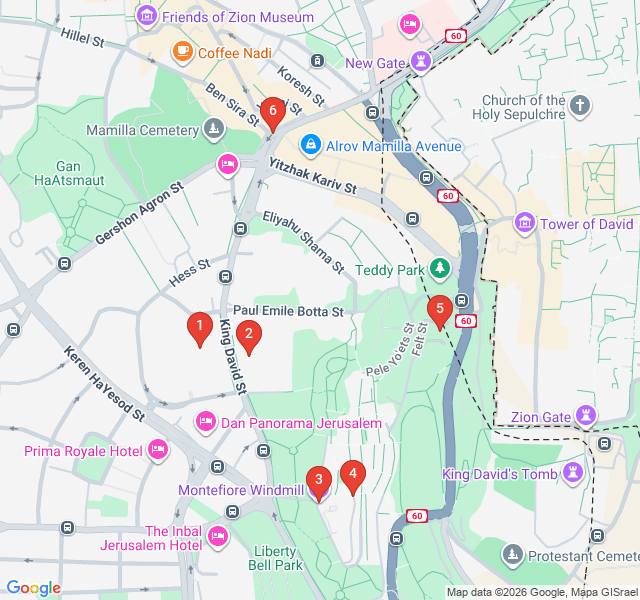
Numbers indicate the order of stops on the tour.
Begin your self-guided adventure at one of Jerusalem's most striking buildings. Completed in 1933, the YMCA was designed by Arthur Loomis Harmon, the same architect responsible for the Empire State Building. Look closely at the facade to see a blend of Byzantine, Romanesque, and Islamic architectural elements. This building was envisioned as a monument to peace and multi-faith cooperation. The inscription on the facade, 'One God, one humanity,' reflects this mission. The central bell tower, standing 46 meters tall, houses a carillon of 36 bells. This site has served as a cultural hub for decades, hosting concerts and events that bring the diverse residents of Jerusalem together under one roof.
Just across the street stands the King David Hotel, a witness to the most dramatic chapters of modern Middle Eastern history. Opened in 1931 using local pink limestone, it remains the city's most prestigious address for visiting heads of state. This building gained international notoriety in 1946 when its south wing, then housing the British Mandate administration, was bombed by the Irgun. As you walk past, notice the Egyptian-inspired motifs in the lobby design, meant to evoke the splendor of the biblical King David's era. It has hosted everyone from Winston Churchill to Elizabeth Taylor, serving as a neutral ground for secret diplomatic negotiations over the decades.
Follow the path toward the edge of the hill to find the Montefiore Windmill. Built in 1857 by British Jewish philanthropist Sir Moses Montefiore, it was intended to provide a source of livelihood for the people moving outside the Old City walls. While the windmill struggled to function due to a lack of consistent wind, it became an enduring symbol of the city's expansion. Today, it houses a boutique winery and offers some of the best vantage points in the city. From here, you can see the deep Hinnom Valley below and the ancient walls of the Old City directly across from you, providing a perfect sense of the distance the early pioneers traveled.
Descend into Mishkenot Sha'ananim, which translates to 'Peaceful Dwellings.' Established in 1860, this was the very first Jewish residential neighborhood built outside the Old City walls. Initially, the project struggled because people were afraid to sleep outside the city gates at night, even with the incentives offered by Montefiore. Notice the long building with its distinctive stone arches and red-tiled roof; this was the original almshouse. Today, this area is an upscale cultural center and guest house for visiting artists and intellectuals. The quiet, flower-drenched streets and the view of Mount Zion make it one of the most romantic spots in Jerusalem, far removed from the city's bustle.
Continue your walking route to Hutzot Hayotzer, the 'Artisans' Lane.' This row of workshops was once a no-man's land between Israeli and Jordanian forces from 1948 to 1967. After the city was reunified, it was transformed into a colony for painters, weavers, and silversmiths. The stone studios here are built into the side of the valley, creating a tiered effect that follows the natural topography. Every summer, this area hosts a massive international arts and crafts festival. Walking through here today, you can see the legacy of Jerusalem's commitment to preserving traditional crafts while fostering a modern creative community in the shadow of the ancient walls.
Your neighborhood stroll concludes at Mamilla, a project that seamlessly connects the 19th-century expansion with 21st-century Jerusalem. Designed by world-renowned architect Moshe Safdie, the Mamilla Alrov Avenue is an open-air pedestrian mall that was built using stones salvaged from the historic buildings that previously stood here. Look for the numbers on the stones of some buildings; these were used by architects to dismantle and then perfectly reconstruct the structures. Mamilla serves as a bridge, both literally and figuratively, leading you directly to the Jaffa Gate of the Old City. It represents the modern face of Jerusalem: a place where history, luxury shopping, and public art coexist in a vibrant urban space.
Start Free on iPhone
Explore “Beyond the Walls: The First Modern Neighborhoods” with your very own Private Tour Guide with Zigway. Start free on iPhone, skip the large group and the fixed routes, and hear the city come alive as you go.
Your Private Tour Guide
Don't miss the good stuff
Explore Freely
 Easy
EasyJerusalem, Israel
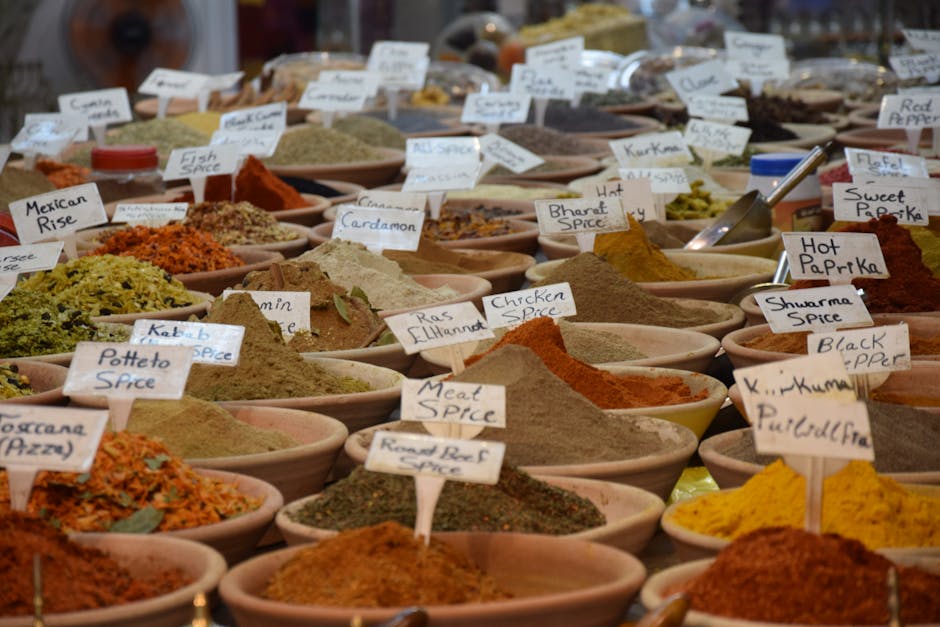
Taste the heart of Jerusalem on this self-guided walk through the legendary stalls and hidden gems of Mahane Yehuda Market.
 Easy
EasyJerusalem, Israel
Explore the secluded world of Mea Shearim on this self-guided walk through Jerusalem’s historic ultra-Orthodox district and 19th-century courtyards.
 Easy
EasyJerusalem, Israel
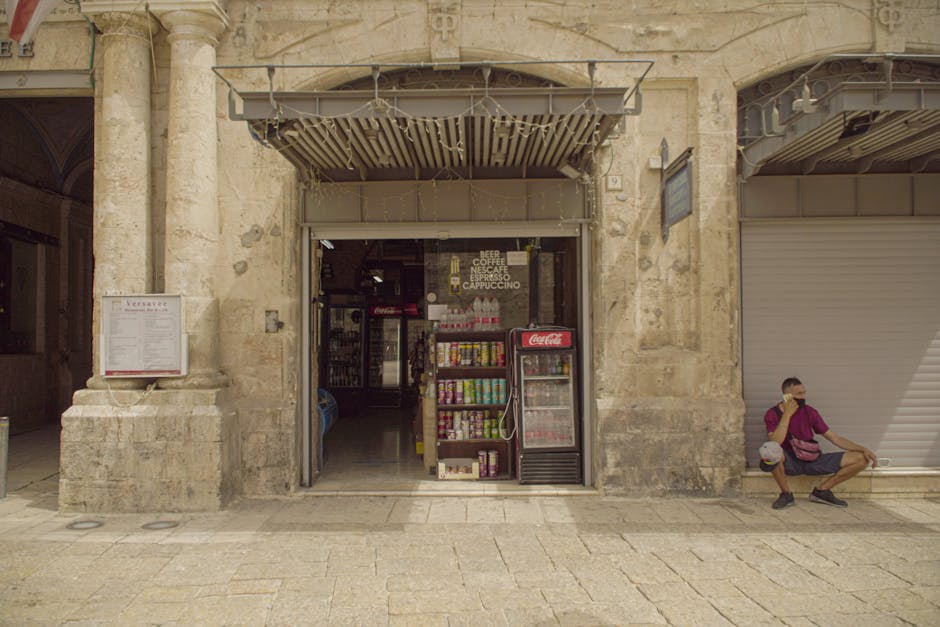
Explore Jerusalem's nightlife and street art, from the shutter murals of the Shuk to secret speakeasies and creative hubs in the City Center.
 Easy
EasyJerusalem, Israel
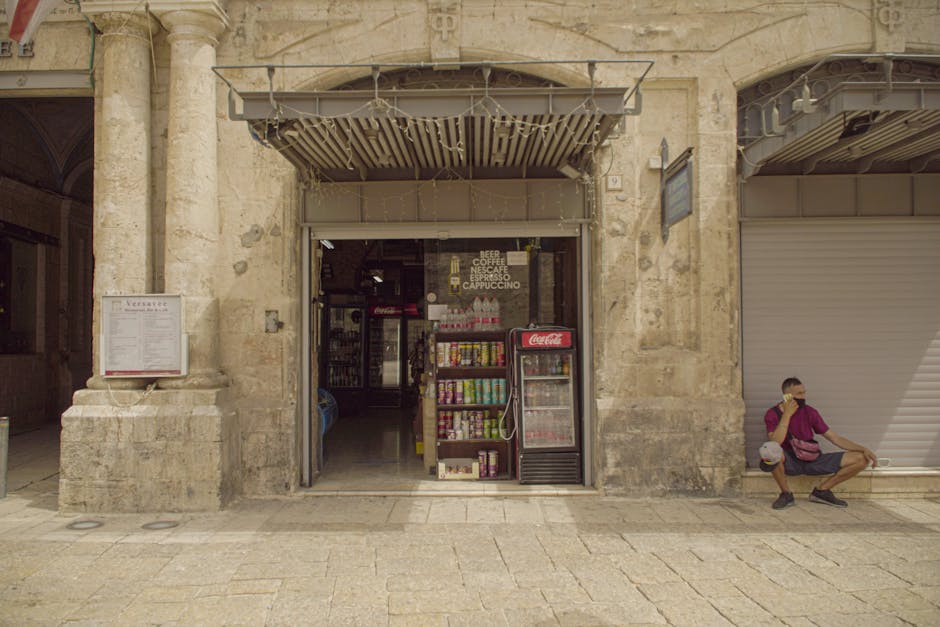
Explore the 'Garden Suburb' of Jerusalem's elite. Discover Bauhaus architecture, historic residences of prime ministers, and intellectual landmarks.
 Easy
EasyGothenburg, Sweden
Explore Gothenburg’s historic wooden houses, legendary giant cinnamon buns, and panoramic fortress views on this self-guided neighborhood stroll.
 Easy
EasyNairobi, Kenya
Discover Nairobi's iconic skyline on this self-guided architecture walk through the CBD’s most famous modernist and Brutalist landmarks.
 Moderate
Vienna, Austria
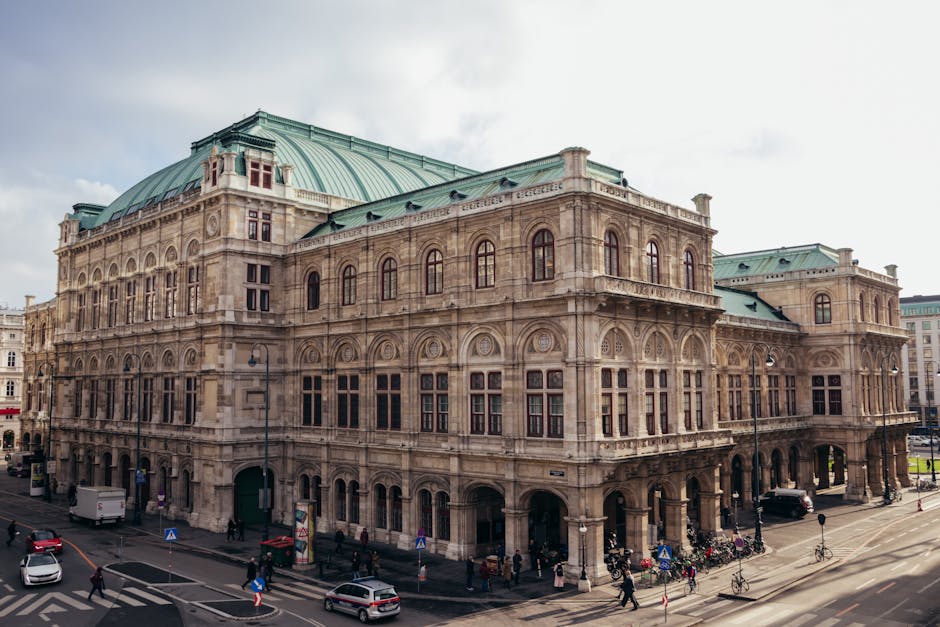
Discover the noir world of The Third Man and Cold War Vienna on this atmospheric self-guided audio walk through the historic Innere Stadt.
 Easy
EasyKrakow, Poland
Explore the prestigious Jagiellonian University district, featuring Neo-Gothic architecture, Baroque churches, and Krakow's hidden scholarly gems.
 Easy
EasyTel Aviv, Israel
Explore a hidden New England-style village in Tel Aviv. Discover wooden houses and 19th-century history on this peaceful self-guided walk.
 Easy
EasyTel Aviv, Israel
Explore the literary heart and stunning architecture of Tel Aviv's most beautiful historic street on this self-guided neighborhood stroll.
 Easy
EasyTel Aviv, Israel
Experience the sea breeze on this self-guided walk through Tel Aviv's historic port, featuring iconic boardwalks, markets, and sunset views.
 Easy
EasyTel Aviv, Israel
Explore the birthplace of Tel Aviv on a self-guided adventure through Bauhaus architecture and the historic site of Israel's independence.