Self-guided audio tour in Tel Aviv
Start Free on iPhone
Hear the stories behind the streets and sights around you as you walk Tel Aviv. Try it free on iPhone.
Your Private Tour Guide
Bialik Street is a short, curved street just off Allenby Street, and a self-guided walk along it shows why it's called the cultural soul of Tel Aviv. It's often described as Tel Aviv's most beautiful street, a place where the early 20th-century dream of a modern Hebrew city is still almost perfectly preserved. Allenby's traffic is close by, but this quiet, crescent-shaped enclave feels a world away, and it's the city's intellectual and artistic heart. Literature, art and architecture all meet on this one street, which once hosted the greatest minds of the Jewish Renaissance. You start at the top of the hill, and the architecture changes as you go: romantic 'Eclectic' buildings from the 1920s with their arches and domes, then the clean, functional lines of the International Style that earned Tel Aviv its 'White City' title. The street is named after Hayim Nahman Bialik, Israel's national poet, and he still feels very present around the square. You'll see his former home, a beautifully designed house that mixes Islamic motifs with European taste, and the Rubin Museum, where painter Reuven Rubin's colorful canvases caught the shifting Mediterranean light. The walk is really about the pioneers who shaped Israeli culture. There's no rush. Hang around in the quiet courtyards and take a proper look at the tile work and decorative ironwork. Architecture fan, history buff or just someone escaping the heat, you'll get a real look at what makes Tel Aviv tick. The historic City Museum, looking over pretty Bialik Square, shows how the city grew from a small sand-dune settlement into a global metropolis.
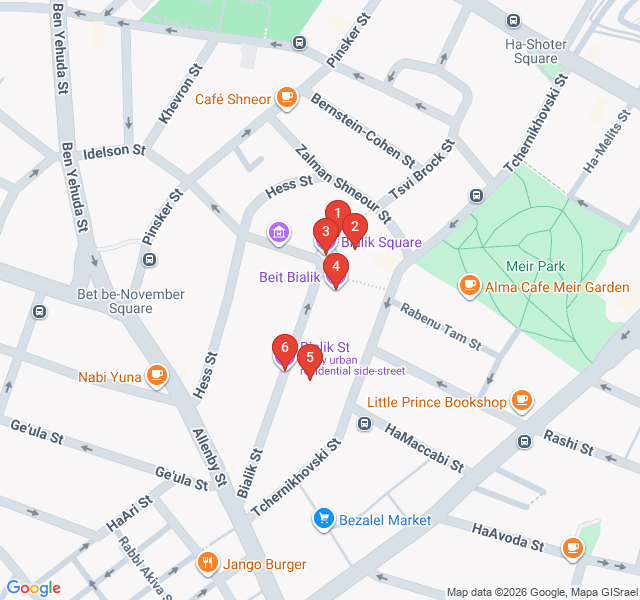
Numbers indicate the order of stops on the tour.
Start at the top of the street, at the Tel Aviv-Yafo City Museum. It's in the city's original Town Hall, built in 1925, and it's a fine example of the Eclectic style, with a grand entrance and matching wings on either side. This was the city's municipal heart until the mid-1960s. These days it's a way into the city's history, using clever digital displays to tell the stories of the people who built Tel Aviv. Look at how the facade balances European architectural traditions with local Middle Eastern touches. That mix is a hallmark of early Tel Aviv design, and once you've noticed it here you'll keep spotting it all the way down the street.
A few steps on, there's a building that looks quite unlike its neighbors. This is the Felicja Blumental Music Center, and it shows how the street has changed over the years. Most of Bialik Street feels like the 1920s, but this center brings a mid-century modernist energy. It's named after the well-known Polish-Brazilian pianist, and it's a hub for chamber music with an extensive library. Having it here says a lot about the street's long ties to the performing arts, and about how much the early residents valued European classical culture. It's a nice reminder that this street was always about more than pretty buildings.
Stop here at the circle in the middle of the street. Bialik Square is one of the calmest spots in the city. In the center is a fountain that was once decorated with a famous mosaic by artist Nahum Gutman, showing the history of Jaffa and Tel Aviv. The original is often protected or moved for conservation, so don't be surprised if it isn't on show. The square works like an outdoor living room for the neighborhood. Turn slowly and take in the whole circle. The buildings around you are the absolute high point of Tel Aviv's early urban planning, where every facade was meant to add to one harmonious whole.
Hayim Nahman Bialik, the national poet of Israel, moved into this house in 1924. Beit Bialik is a gem of a building, mixing pointed arches and Islamic-style pillars with a traditional European library. Bialik was more than a poet. He was a cultural leader, and his home turned into a pilgrimage site for writers and thinkers. Inside, the house is kept exactly as it was during his lifetime, including his massive personal library and the desk where he wrote his later works. It says a lot about the Hebrew cultural revival that defined this era. If you only go inside one building on Bialik Street, make it this one.
Carry on down the street to the former home and studio of Reuven Rubin, one of Israel's most celebrated painters. Rubin was a pioneer of the 'Eretz Yisrael' style: bright colors and a naive, folk-like quality that caught the optimism of the early Zionist movement. The museum has a permanent collection of his work, plus his studio on the upper floor, preserved as it was. The best part is seeing his paintings of the very streets and shores you're walking today. You get a real 'then and now' sense of how quickly the city changed. Give it some time if you can.
On the last stretch toward Allenby, slow right down and look up. This part of the street has some of the best-preserved Bauhaus-inspired balconies and 'thermometer' windows in the city. There's a reason Bialik Street was designated a UNESCO World Heritage site as part of the White City. Every doorway, light fixture and garden fence here tells you about a community that wanted to build something modern but still rooted in history. Then the street hits Allenby, and the quiet elegance of the past runs straight into the frantic energy of modern Tel Aviv. It's quite a jolt after the calm of Bialik Street, and a pretty good way to end.
Explore Mode
Open Zigway, start Explore Mode and just walk. Your guide notices where you are and tells you the story of what's around you, on this route or any street you turn into.
Start Free on iPhone
Open Zigway as you walk and your private tour guide tells the stories behind what you pass.
Your Private Tour Guide
Don't miss the good stuff
Explore Freely
 Easy
Tel Aviv, Israel
Explore a hidden New England-style village in Tel Aviv. Discover wooden houses and 19th-century history on this peaceful self-guided walk.
 Easy
Tel Aviv, Israel
Experience the sea breeze on this self-guided walk through Tel Aviv's historic port, featuring iconic boardwalks, markets, and sunset views.
 Easy
Tel Aviv, Israel
Explore the birthplace of Tel Aviv on a self-guided adventure through Bauhaus architecture and the historic site of Israel's independence.
 Easy
Tel Aviv, Israel
Explore the romantic origins of Tel Aviv on this self-guided walk through Neve Tzedek's historic lanes, artist studios, and restored landmarks.
 Easy
Nairobi, Kenya
Discover Nairobi’s literary soul on this self-guided walk through historic libraries, iconic bookshops, and cultural centers in the heart of the CBD.
 Easy
Krakow, Poland
Explore the prestigious Jagiellonian University district, featuring Neo-Gothic architecture, Baroque churches, and Krakow's hidden scholarly gems.
 Easy
Krakow, Poland
Explore the historic heart of Kazimierz on this self-guided walk through synagogues, ancient cemeteries, and vibrant squares.
 Easy
Warsaw, Poland
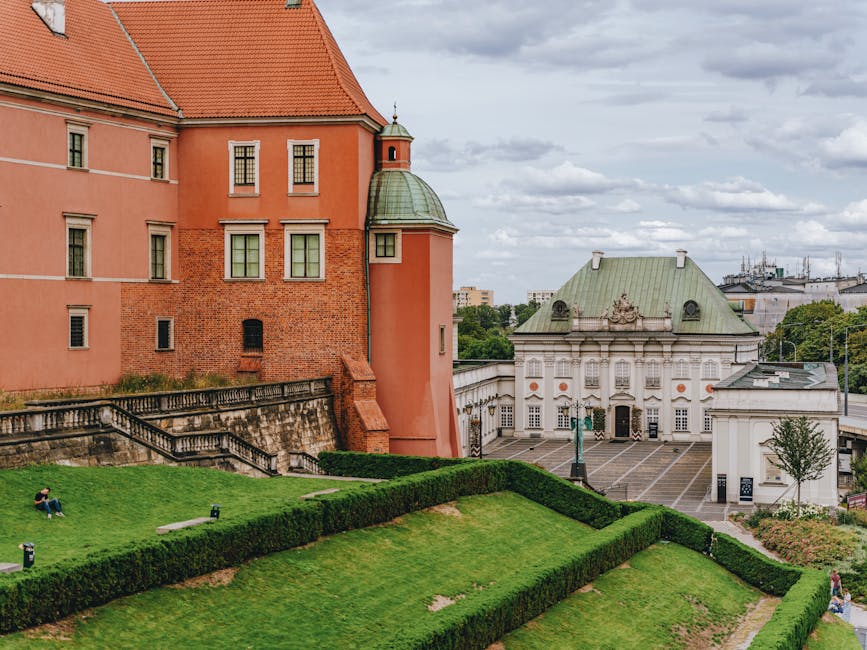
Follow the life of Fryderyk Chopin through Warsaw’s historic center. See where he lived, studied, and where his heart remains today.
 Easy
Jerusalem, Israel
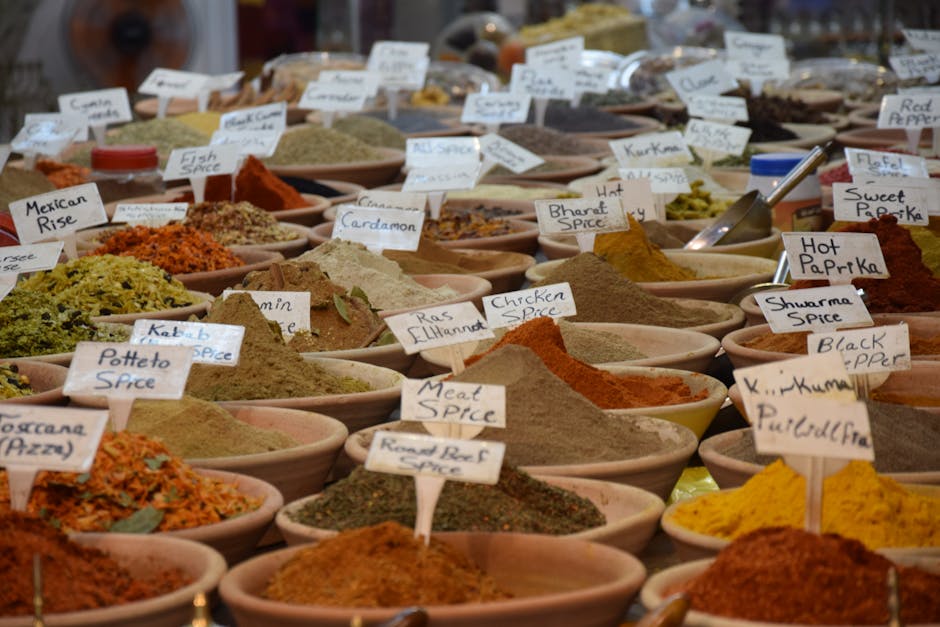
Taste the heart of Jerusalem on this self-guided walk through the legendary stalls and hidden gems of Mahane Yehuda Market.
 Easy
Jerusalem, Israel
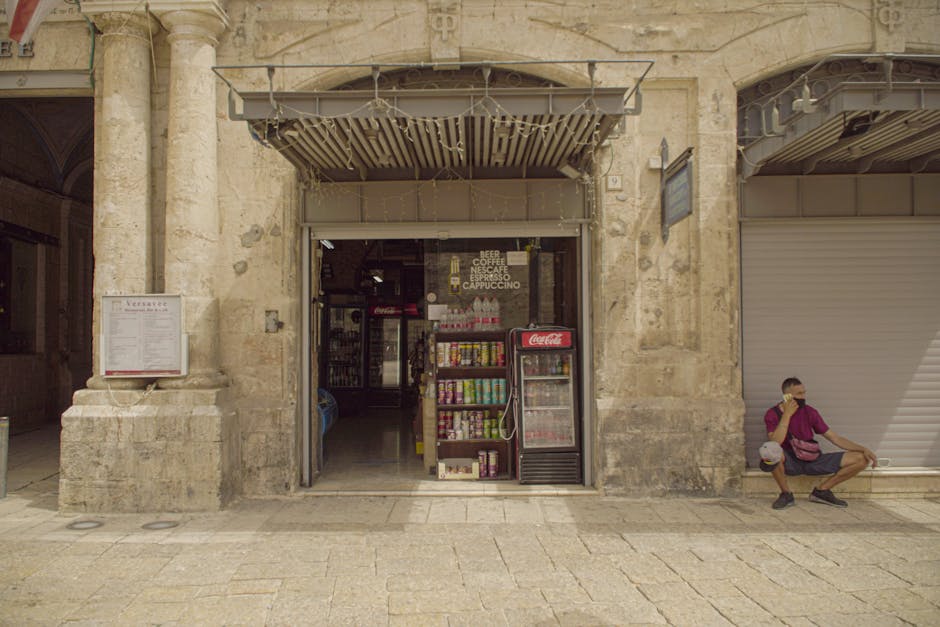
Explore the secluded world of Mea Shearim on this self-guided walk through Jerusalem’s historic ultra-Orthodox district and 19th-century courtyards.
 Easy
Jerusalem, Israel
Explore Jerusalem's nightlife and street art, from the shutter murals of the Shuk to secret speakeasies and creative hubs in the City Center.
 Easy
Jerusalem, Israel
Explore the 'Garden Suburb' of Jerusalem's elite. Discover Bauhaus architecture, historic residences of prime ministers, and intellectual landmarks.