Self-guided audio tour in Tel Aviv
Start Free on iPhone
Start free on iPhone to unlock this self-guided walking tour in Tel Aviv. Hear all the stories that make it amazing, walk at your own pace, and begin whenever you want.
Your Private Tour Guide
Tucked away between the bustling streets of Jaffa and the modern skyscrapers of Tel Aviv lies a neighborhood that feels like a portal to 19th-century New England. This self-guided walk through the American-German Colony invites you to explore one of the city's most peculiar and atmospheric enclaves. Unlike the white-washed Bauhaus buildings or the ancient stone alleys found elsewhere, this neighborhood is defined by clapboard wooden houses and Gothic Revival architecture that seem entirely out of place in the Middle East. This neighborhood stroll reveals the layered history of two distinct groups of dreamers: the American colonists from Maine who arrived in 1866 with prefabricated wooden homes, and the German Templers who succeeded them just a few years later. On this walking route, you will discover the Maine Friendship House, a beautifully restored structure that tells the harrowing and hopeful story of the original settlers. You will also see the imposing Immanuel Church and the elegant stone villas that replaced the initial wooden huts as the colony grew in prosperity. This walking tour Tel Aviv experience is perfect for those who love architectural anomalies and hidden-gems. The route begins at the modern Park HaMesila, a vibrant urban park built on the tracks of the historic Jaffa-Jerusalem railway, and leads you deep into the quiet, leafy streets of the colony. It is a peaceful escape from the city's frantic energy, offering plenty of opportunities for photography and reflection. Whether you are interested in the religious fervor that brought these settlers to the Holy Land or simply want to admire the unique craftsmanship of the buildings, this self-guided adventure provides a comprehensive look at a forgotten chapter of local history. By exploring independently, you can take as much time as you need to soak in the details of the ornate wood carvings and the serene courtyard gardens that make this wooden oasis so special.
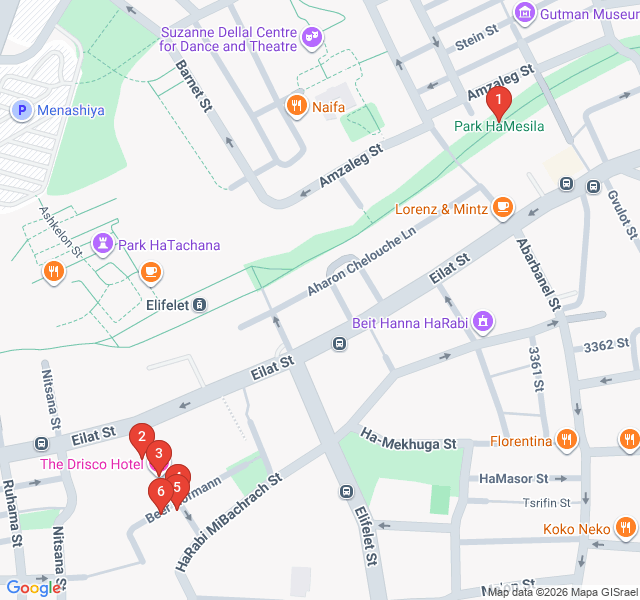
Numbers indicate the order of stops on the tour.
Start your journey at Park HaMesila, the 'Railway Park.' This linear green space follows the path of the original Jaffa-Jerusalem railway line, which operated from 1892. Before the railway, this area was a rugged landscape that the first American settlers had to navigate. Today, it serves as a bridge between the historic neighborhoods of Neve Tzedek, the American Colony, and Jaffa. As you walk along the old tracks, notice how the city has transformed from an industrial corridor into a community hub. This park provides the perfect context for our walk, representing the modernization that eventually surrounded the quiet colony we are about to enter.
Standing before Auerbach St 4, you are looking at the Norton House. Built in 1866 by the Norton family, who were among the original American colonists from Maine, this is one of the few surviving wooden structures from that era. The wood was actually pre-cut in the United States and shipped across the Atlantic. When the American colony failed due to disease and hardship, the German Templers purchased the building. They later added a stone wing and turned it into a hotel. It’s a fascinating architectural hybrid that perfectly illustrates the shift from the American to the German period of the neighborhood.
Next door at Auerbach St 6 stands a grander structure that once served as the Jerusalem Hotel. This building represents the second wave of settlers: the Templers. Unlike the Americans who favored wood, the Germans preferred the permanence of stone. This building was designed by the architect Dr. Paulus Ferdinand Palmer and later operated by the Hardegg family. It was once the height of luxury in the area, hosting travelers who arrived via the nearby railway. Notice the intricate masonry and the blend of European styles with local materials, a hallmark of Templer construction in the late 19th century.
Take a moment to simply walk the length of Auerbach Street. This is the heart of the colony. Look up at the gables, the shutters, and the small gardens. This street was designed to feel like a village, far removed from the dense urban fabric of Old Jaffa. The settlers wanted to recreate the comfort of their homelands—whether Maine or Southern Germany—while living in what was then a desolate Ottoman province. The quietude here is intentional, preserved over decades to maintain the neighborhood's unique residential character. It remains one of the most sought-after and expensive residential streets in modern Tel Aviv.
This is the Maine Friendship House, perhaps the most iconic stop on our route. Originally built by the Wentworth family in 1866, it was painstakingly restored by Jean and Reed Holmes. Inside, it functions as a small museum dedicated to the 157 Maine Christians who came here to prepare the land for the return of the Jews, a prerequisite in their belief for the Second Coming. The house is a rare example of a 'balloon frame' wooden structure in the Middle East. It stands as a monument to the resilience, and ultimate tragedy, of the American settlers who faced immense challenges in this unfamiliar environment.
Our final stop is the Immanuel Church, completed in 1904. This Lutheran church was built to serve the German Templer community, though they eventually moved toward more secular ideologies. The building is a masterpiece of Neo-Gothic architecture, featuring beautiful stained glass and a pipe organ. It was funded largely by donations from Germans, including the royal family. Today, it serves a diverse international congregation and remains a center for music and culture. Its spire is a landmark for the neighborhood, symbolizing the spiritual aspirations that drove both the Americans and the Germans to establish this wooden oasis in the sand.
Start Free on iPhone
Explore “The American-German Colony: A Wooden Oasis” with your very own Private Tour Guide with Zigway. Start free on iPhone, skip the large group and the fixed routes, and hear the city come alive as you go.
Your Private Tour Guide
Don't miss the good stuff
Explore Freely
 Easy
EasyTel Aviv, Israel
Explore the literary heart and stunning architecture of Tel Aviv's most beautiful historic street on this self-guided neighborhood stroll.
 Easy
EasyTel Aviv, Israel
Experience the sea breeze on this self-guided walk through Tel Aviv's historic port, featuring iconic boardwalks, markets, and sunset views.
 Easy
EasyTel Aviv, Israel
Explore the birthplace of Tel Aviv on a self-guided adventure through Bauhaus architecture and the historic site of Israel's independence.
 Easy
EasyTel Aviv, Israel
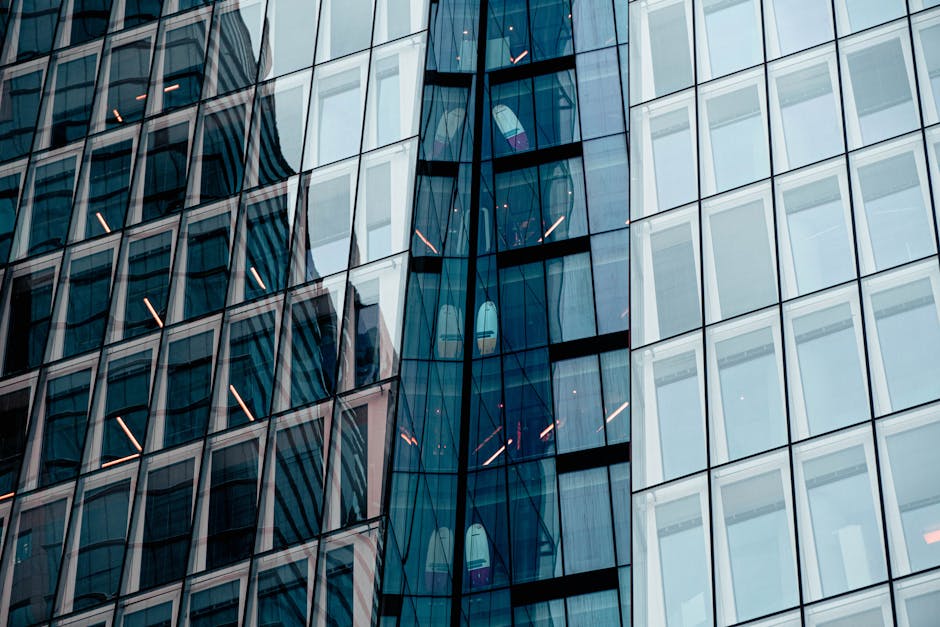
Explore the romantic origins of Tel Aviv on this self-guided walk through Neve Tzedek's historic lanes, artist studios, and restored landmarks.
 Easy
EasySalzburg, Austria
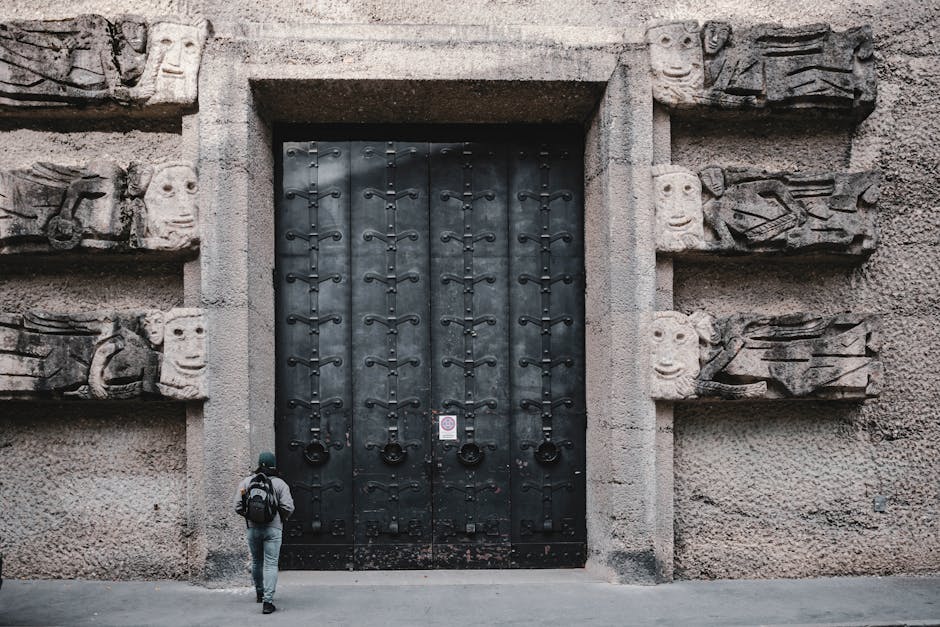
Discover Salzburg's oldest medieval alley, the birthplace of the 'Silent Night' author, and breathtaking views on this quiet self-guided walk.
 Easy
EasyWarsaw, Poland
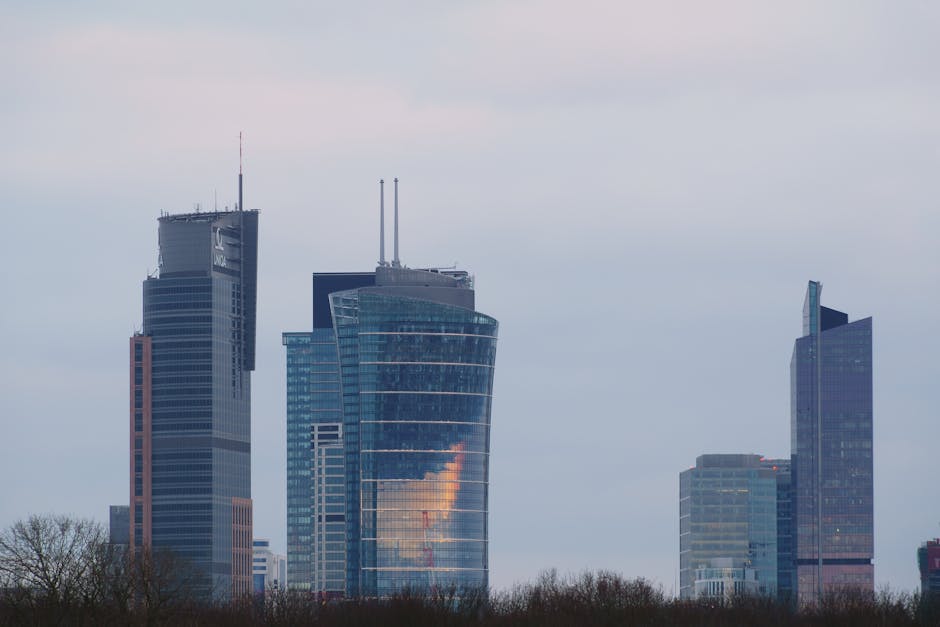
Discover the hidden courtyards and grand pre-war architecture of Warsaw's most atmospheric neighborhood on this self-guided stroll.
 Easy
EasyHelsinki, Finland
Discover Helsinki's oldest neighborhood on this self-guided audio walk through Kruununhaka’s historic streets, hidden courtyards, and scenic shores.
 Easy
EasyNairobi, Kenya
Discover Nairobi's iconic skyline on this self-guided architecture walk through the CBD’s most famous modernist and Brutalist landmarks.
 Easy
EasyJerusalem, Israel
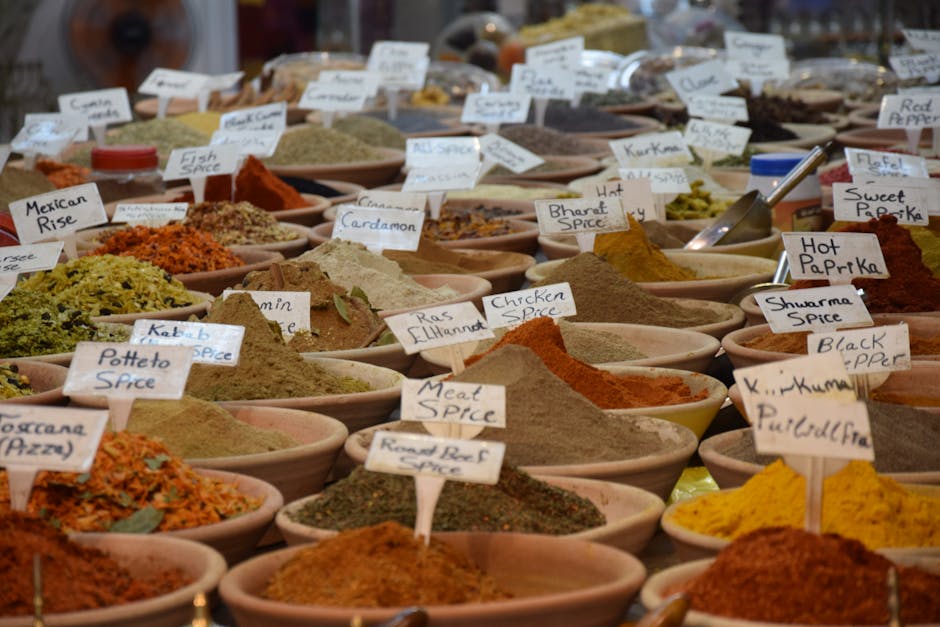
Taste the heart of Jerusalem on this self-guided walk through the legendary stalls and hidden gems of Mahane Yehuda Market.
 Easy
EasyJerusalem, Israel
Explore the secluded world of Mea Shearim on this self-guided walk through Jerusalem’s historic ultra-Orthodox district and 19th-century courtyards.
 Easy
EasyJerusalem, Israel
Explore Jerusalem's nightlife and street art, from the shutter murals of the Shuk to secret speakeasies and creative hubs in the City Center.
 Easy
EasyJerusalem, Israel
Explore the 'Garden Suburb' of Jerusalem's elite. Discover Bauhaus architecture, historic residences of prime ministers, and intellectual landmarks.