Self-guided audio tour in Jerusalem
Start Free on iPhone
Start free on iPhone to unlock this self-guided walking tour in Jerusalem. Hear all the stories that make it amazing, walk at your own pace, and begin whenever you want.
Your Private Tour Guide
Rising above the Kidron Valley, the Mount of Olives is a sacred ridge that has served as a silent witness to three millennia of history. This self-guided walk invites you to traverse one of Jerusalem's most significant landscapes, where the air is thick with the scent of ancient olive trees and the weight of prophecy. From the golden-domed churches of the Russian Orthodox tradition to the stark, sun-bleached stones of the world’s oldest active cemetery, this neighborhood stroll offers a profound encounter with the city's spiritual heritage. The route is physically demanding, featuring steep inclines that mirror the intensity of the stories embedded in the soil. As you begin your self-guided adventure at the base of the hill, you will encounter the Church of All Nations and the Garden of Gethsemane, where twisted, ancient trunks are said to date back centuries. The path then winds upward, passing the subterranean Tomb of the Virgin and the striking Church of Mary Magdalene, whose seven golden domes dominate the skyline. Further up the slope, the Dominus Flevit Church offers what is arguably the most famous view in the region, looking through a window that perfectly frames the Dome of the Rock. This walking route Jerusalem visitors find most rewarding culminates at the summit, providing a panoramic vista of the Old City walls, the Temple Mount, and the sprawling Judean Desert to the east. It is a journey through architectural styles ranging from Byzantine to Crusader and Modernist, all set against a backdrop of unparalleled religious significance. Whether you are interested in the historical layers of the Romanov influence in the Holy Land or the archaeological wonders of the Kidron Valley, this self-guided walk provides the context and quietude needed to appreciate this iconic landscape. Be prepared for a challenging trek that rewards every step with a new perspective on the eternal city.
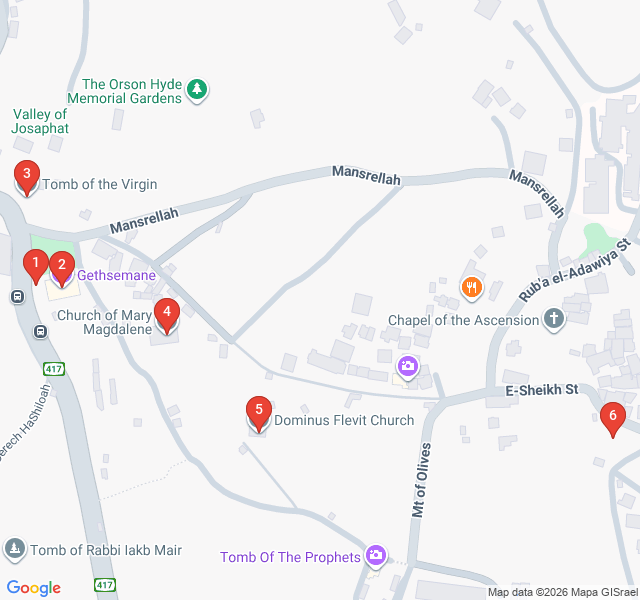
Numbers indicate the order of stops on the tour.
Also known as the Basilica of the Agony, this 20th-century masterpiece was designed by the 'Architect of the Holy Land,' Antonio Barluzzi. As you stand before the facade, note the stunning mosaic depicting Christ as the link between God and humanity. The interior is deliberately kept dim to reflect the somber night of the Agony. Look up at the ceiling to see the twelve domes, each decorated with the coat of arms of the nations that contributed to its construction. The church is built over the rock where Jesus is believed to have prayed before his arrest, a site that has hosted Byzantine and Crusader churches long before this modern structure was erected.
Adjacent to the church lies a small but profoundly significant grove of olive trees. The word Gethsemane translates to 'oil press' in Aramaic, indicating the agricultural history of this slope. While it is difficult to date olive trees precisely due to their regenerative nature, carbon dating has suggested that the root systems of some of these trees are nearly 900 years old, with the trees themselves likely being descendants of those that stood here 2,000 years ago. This peaceful garden serves as a living monument to the enduring nature of the landscape, offering a moment of quiet reflection away from the bustle of the nearby Jericho Road.
Step down into the cool, subterranean depths of this Crusader-era structure. According to Eastern Christian tradition, this is the burial place of Mary, the mother of Jesus. The grand staircase, dating back to the 12th century, leads you deep underground to a dimly lit cavern filled with the scent of incense and the glow of hundreds of hanging oil lamps. The atmosphere here is markedly different from the hilltop churches; it is damp, ancient, and deeply atmospheric. This site is shared by various Christian denominations and remains one of the most important pilgrimage sites in the Kidron Valley.
The seven golden onion domes of this church are a striking piece of Russian architecture in the Middle East. Built in 1888 by Tsar Alexander III in memory of his mother, Empress Maria Alexandrovna, the church is a brilliant example of the Muscovite style. Inside, you can find the remains of Grand Duchess Elizabeth Feodorovna, a member of the Romanov family who was martyred during the Russian Revolution. The church is surrounded by a beautifully maintained garden, offering a serene vantage point. Note the intricate brickwork and the traditional Russian icons that decorate the interior, which feels like a piece of St. Petersburg transported to the Judean hills.
This small church, also designed by Antonio Barluzzi, is shaped like a teardrop to commemorate the Gospel story of Jesus weeping over the future of Jerusalem. The most iconic feature is the west-facing window behind the altar. Unlike most churches that face east, this one faces west toward the Old City. The window is fitted with a delicate iron screen that frames the Dome of the Rock and the Church of the Holy Sepulchre perfectly, making it one of the most photographed spots in Jerusalem. Outside, you can explore ancient burial caves dating back to the Second Temple period, highlighting the layers of history beneath your feet.
You have reached the summit of the ridge. From this vantage point, the entirety of Jerusalem unfolds before you. Directly below is the Jewish Cemetery, the oldest and most important Jewish burial ground in the world, with over 150,000 graves spanning 3,000 years. Beyond the cemetery, the Golden Gate (Mercy Gate) is visible in the eastern wall of the Old City. Legend and prophecy suggest that this is where the Messiah will enter the city. To the east, you can see the landscape drop away toward the Judean Desert and the mountains of Moab in Jordan. This is the ultimate place to understand the topography of the Holy City.
Start Free on iPhone
Explore “Mount of Olives: Path of the Prophets” with your very own Private Tour Guide with Zigway. Start free on iPhone, skip the large group and the fixed routes, and hear the city come alive as you go.
Your Private Tour Guide
Don't miss the good stuff
Explore Freely
 Easy
EasyJerusalem, Israel
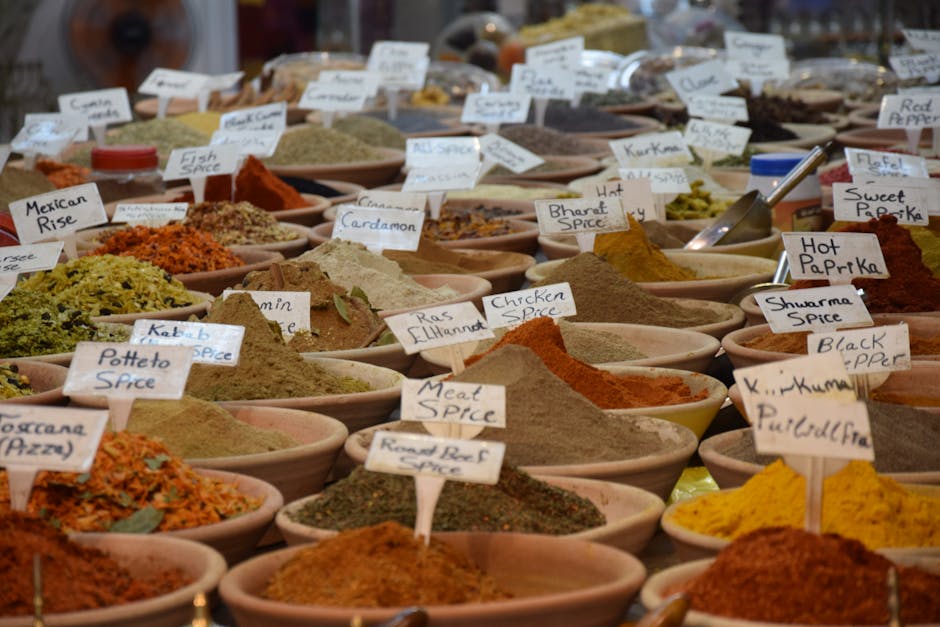
Taste the heart of Jerusalem on this self-guided walk through the legendary stalls and hidden gems of Mahane Yehuda Market.
 Easy
EasyJerusalem, Israel
Explore the secluded world of Mea Shearim on this self-guided walk through Jerusalem’s historic ultra-Orthodox district and 19th-century courtyards.
 Easy
EasyJerusalem, Israel
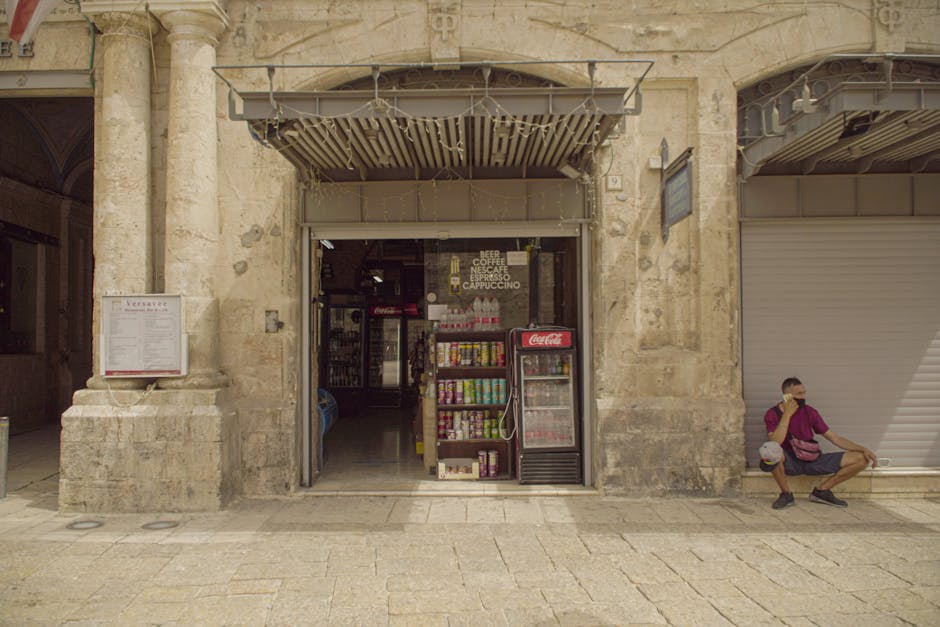
Explore Jerusalem's nightlife and street art, from the shutter murals of the Shuk to secret speakeasies and creative hubs in the City Center.
 Easy
EasyJerusalem, Israel
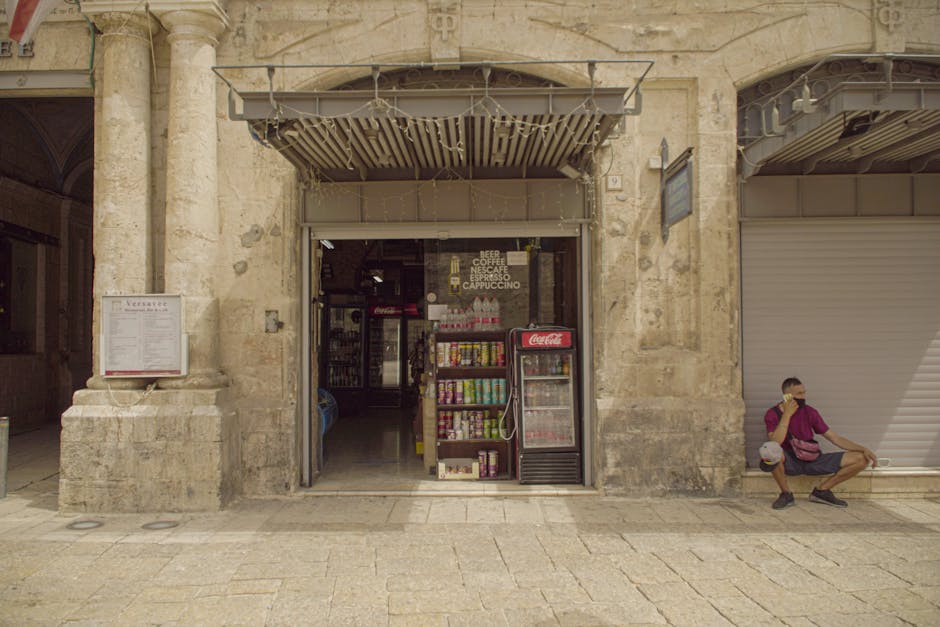
Explore the 'Garden Suburb' of Jerusalem's elite. Discover Bauhaus architecture, historic residences of prime ministers, and intellectual landmarks.
 Easy
EasyNairobi, Kenya
Discover Nairobi's iconic skyline on this self-guided architecture walk through the CBD’s most famous modernist and Brutalist landmarks.
 Easy
EasySalzburg, Austria
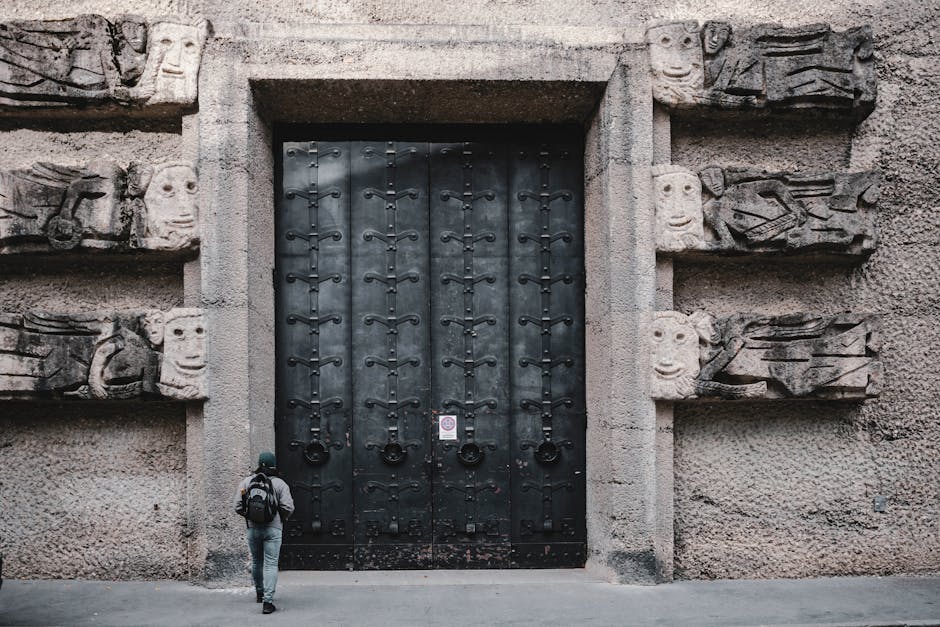
Discover the 'Rome of the North' on this self-guided walk through the Baroque squares and monumental legacy of Salzburg’s Prince-Archbishops.
 Moderate
Warsaw, Poland
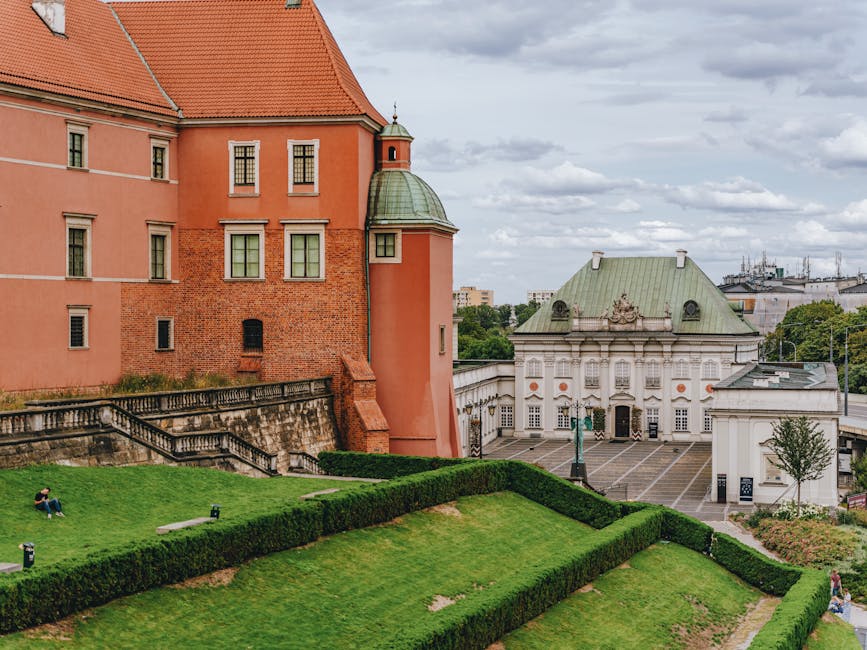
Explore the resilient spirit of Warsaw's Muranów district on this self-guided walk through the history and landmarks of the former Jewish Ghetto.
 Moderate
Gothenburg, Sweden
Discover Gothenburg’s maritime soul on this self-guided walk from the historic Central Station to the scenic riverfront at Stenpiren.
 Easy
EasyTel Aviv, Israel
Explore a hidden New England-style village in Tel Aviv. Discover wooden houses and 19th-century history on this peaceful self-guided walk.
 Easy
EasyTel Aviv, Israel
Explore the literary heart and stunning architecture of Tel Aviv's most beautiful historic street on this self-guided neighborhood stroll.
 Easy
EasyTel Aviv, Israel
Experience the sea breeze on this self-guided walk through Tel Aviv's historic port, featuring iconic boardwalks, markets, and sunset views.
 Easy
EasyTel Aviv, Israel
Explore the birthplace of Tel Aviv on a self-guided adventure through Bauhaus architecture and the historic site of Israel's independence.