Self-guided audio tour in San Francisco
Start Free on iPhone
Hear the stories behind the streets and sights around you as you walk San Francisco. Try it free on iPhone.
Your Private Tour Guide
This self-guided walking tour of San Francisco's Financial District follows downtown architecture from Art Deco to skyscrapers. The skyline here reads like a vertical timeline of a city that keeps reinventing itself, with early 20th-century grandeur standing next to the glass and steel of the tech era. You start at the legendary Palace Hotel, a good place to see how the city came back from the 1906 earthquake and turned into a global center of innovation. Height is only part of it. You'll be looking closely at terracotta facades, early experiments with glass, and the bold geometric shapes that give the West Coast's best-known skyline its profile. Along the way you'll pass the Hallidie Building, which saw the future coming with the world's first glass curtain wall, and the Shell Building, an Art Deco tower that still glows with 1920s optimism. Then the modern era kicks in. The Salesforce Tower and the Transamerica Pyramid make a sharp contrast with what came before, and show a city still reaching for the clouds while hanging on to its older landmarks. This Art Deco to Skyscrapers walk is easy to take at your own speed. Stop for a coffee in a POPOS (Privately Owned Public Open Space), or stand under the gilded ceiling of a historic lobby for a while. Architecture nerd or just curious, the main thing is to look up. The stories are in the stone and the glass of the city's best-known landmarks.
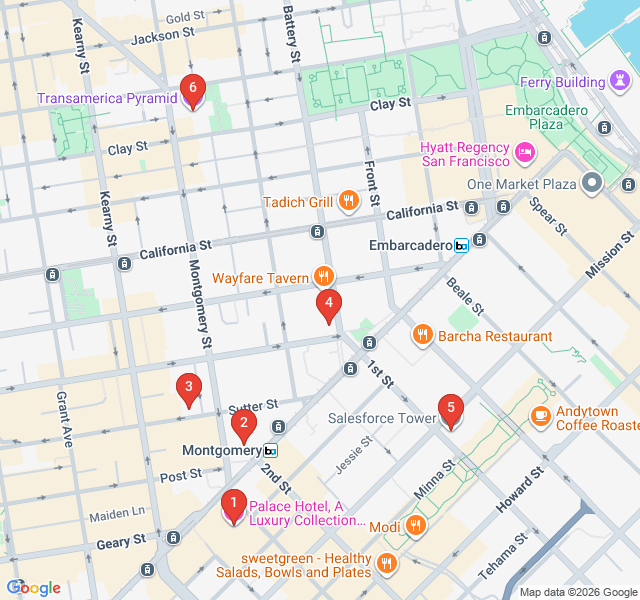
Numbers indicate the order of stops on the tour.
Start at the Palace Hotel, a building that sums up how San Francisco keeps bouncing back. It first opened in 1875, was rebuilt after the 1906 earthquake, and was once the largest and most luxurious hotel in the world. Go inside to the Garden Court. It has a huge leaded-glass ceiling and Austrian crystal chandeliers, and it's where President Woodrow Wilson gave speeches in support of the League of Nations. In the hotel's famous bar, look for the Maxfield Parrish painting 'The Pied Piper of Hamelin'. The building is Beaux-Arts, the style that defined the city's reconstruction: classical elegance, made to fit the needs of a growing city. Don't just walk past. The interior is the reason to come.
Heading down Market Street, look up at the Hobart Building. It was finished in 1914 and designed by Willis Polk, an architect known for being able to turn his hand to almost any style. For a short while it was the second-tallest building in San Francisco. The shape is slender and sculpted, a mix of Italian Renaissance and neoclassical touches, with fine terracotta ornament all over it. See how it seems to lean into its narrow lot. Polk was reportedly given just 11 months to design and build the thing, a frantic pace that matched the city's post-earthquake boom. It's still one of the best-loved 'old-school' skyscrapers in the Financial District, and very easy to miss if you're looking at your phone.
Architecture fans tend to get a bit giddy here, and fair enough. Willis Polk designed the Hallidie Building too, and it was completed in 1918. It's credited with the world's first glass curtain wall. That means the glass skin hangs in front of the structural frame instead of holding anything up. Every skyscraper on the planet does it now. Back then it was revolutionary. The building is named after Andrew Smith Hallidie, the man who invented the cable car, and its intricate Gothic-style ironwork looks great against all that see-through glass. Think of it as a bridge between the heavy masonry of the past and the light-filled towers that came later.
The Shell Building is the city's Art Deco crown jewel. It was finished in 1929, just before the Great Depression, and it still carries that jazz-age optimism. Architect George Kelham gave it a 'set-back' design, which zoning laws required so sunlight could reach the streets below. Now check the upper floors. You'll spot stylized shells and ocean motifs cast in terracotta, a nod to the Shell Oil Company, which commissioned the tower. The lobby's just as good, with bronze elevators and geometric patterns everywhere. It's one of the most photographed interiors in the city. If you only go inside one lobby on this walk besides the Palace, make it this one.
At 1,070 feet, the Salesforce Tower is the tallest building in San Francisco and a big part of the modern skyline. It's hard to miss. Pelli Clarke Pelli designed it, and it was completed in 2018. The soft, tapering outline is meant to feel non-intrusive, which is a tall order for something this massive. It's also a serious bit of sustainable engineering, with an advanced water recycling system and innovative ventilation. After dark, the top nine floors turn into a giant light sculpture by artist Jim Campbell, showing low-resolution videos of city life. The tower marks the city's 'center of gravity' moving toward the South of Market tech corridor.
You can't do a San Francisco architecture walk without the Transamerica Pyramid. When it was proposed in the late 1960s, a lot of people hated it. Critics called it a 'dunce cap'. Since it was finished in 1972, though, it's become part of how the city sees itself. Architect William Pereira picked the pyramid shape so more light would reach the streets below, a modern take on the older set-back laws. It's tough, too. In the 1989 Loma Prieta earthquake it swayed a lot but came through undamaged. The quartz-covered concrete facade gives it a white glow that really stands out against the blue Bay fog.

Guided Walk
A fake ruin, a buried marsh, a grounded airfield and a spared fort, all pointing at one orange bridge.
4.6 km · 1 h 3 min walking

Guided Walk
Walk the shore that built San Francisco, from ferry hall to chocolate factory, and see who it belongs to now.
5.3 km · 1 h 14 min walking

Guided Walk
How Chinatown rebuilt itself as a stage set, and kept its sanctuaries above the street.
1.4 km · 21 min walking
Explore Mode
Open Zigway, start Explore Mode and just walk. Your guide notices where you are and tells you the story of what's around you, on this route or any street you turn into.
Start Free on iPhone
Open Zigway as you walk and your private tour guide tells the stories behind what you pass.
Your Private Tour Guide
Don't miss the good stuff
Explore Freely
 Easy
San Francisco, United States
Explore the epicenter of LGBTQ+ history on this self-guided walk through San Francisco's Castro district, from Harvey Milk's legacy to iconic cinema.
 Easy
San Francisco, United States
Explore the historic Barbary Coast waterfront, from the iconic Ferry Building to the vintage arcades and sea lions of the Embarcadero.
 Moderate
San Francisco, United States
Discover hidden art, cinematic history, and historic forts on this self-guided walk through the Presidio’s lush forests and coastal trails.
 Easy
San Francisco, United States
Explore SoMa’s transformation from industrial warehouses to a global tech and art hub on this self-guided San Francisco neighborhood stroll.
 Easy
Nairobi, Kenya
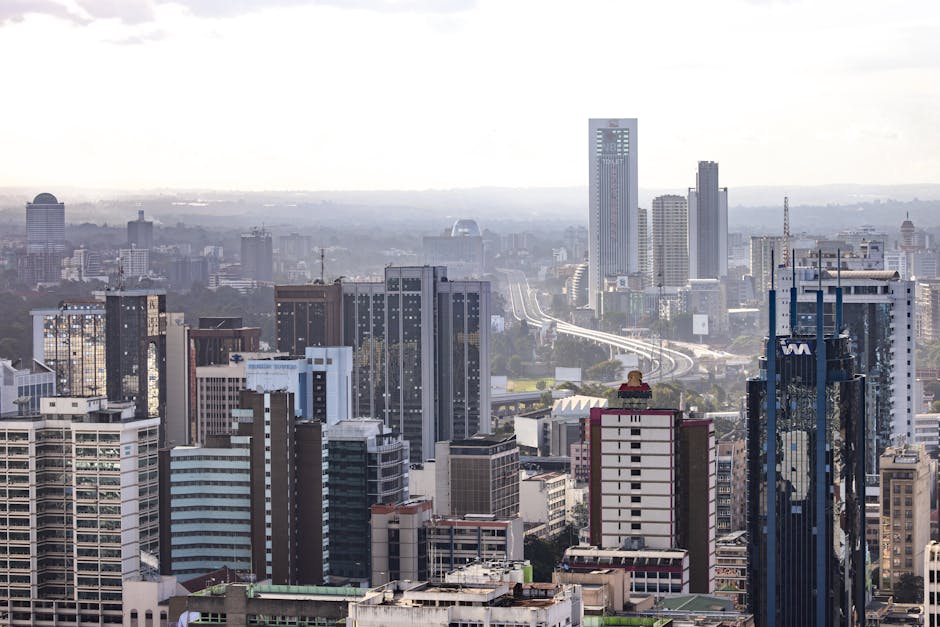
Discover Nairobi's iconic skyline on this self-guided architecture walk through the CBD’s most famous modernist and Brutalist landmarks.
 Easy
Nairobi, Kenya
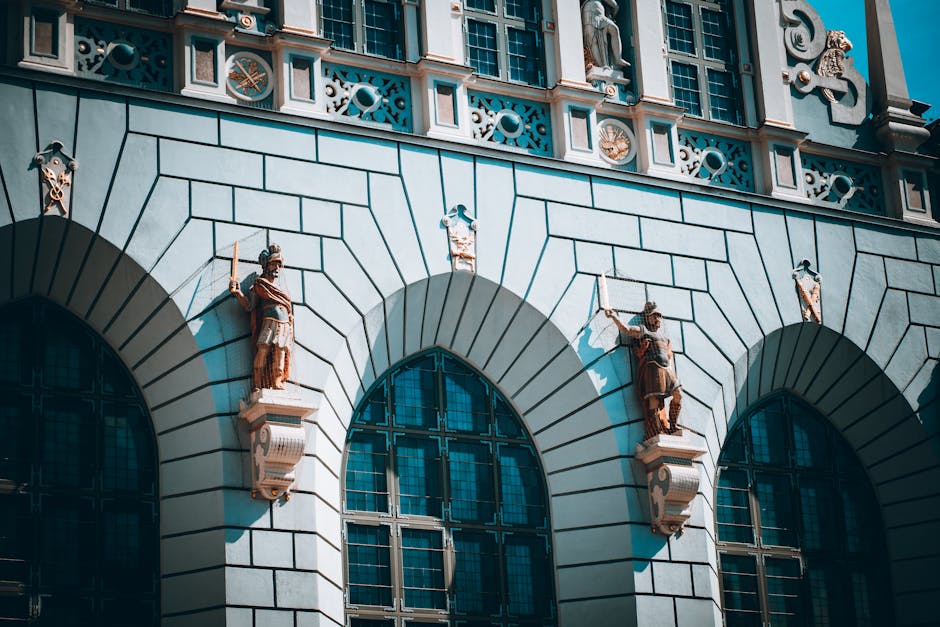
Explore Nairobi's architectural evolution from colonial-era landmarks to iconic Brutalist skyscrapers on this historic self-guided walking route.
 Easy
Gdansk, Poland
Discover the opulent Royal Way of Gdansk at your own pace. Explore Hanseatic history, gilded architecture, and the iconic Neptune's Fountain.
 Easy
Gothenburg, Sweden
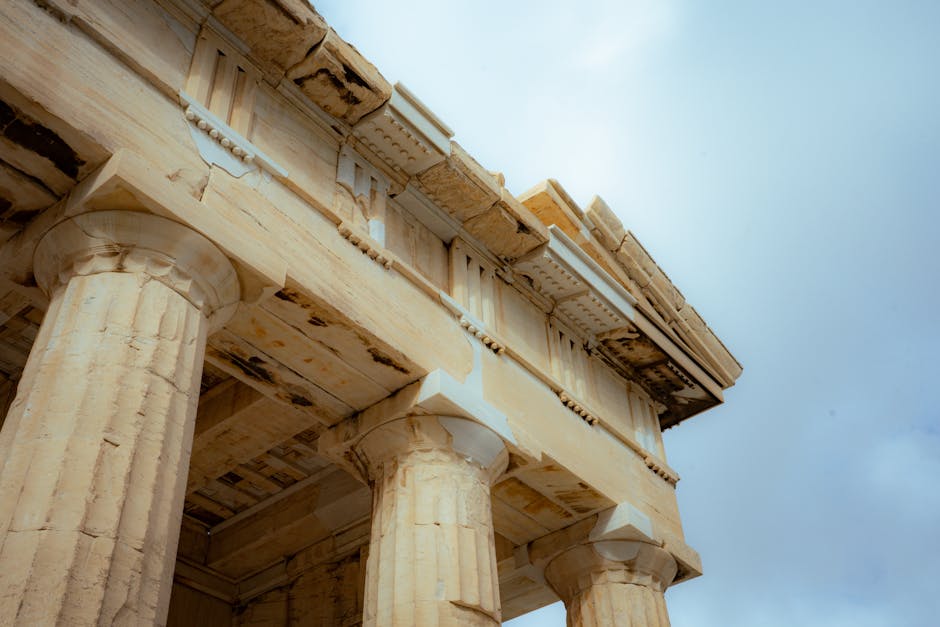
Discover Gothenburg’s 17th-century Dutch foundations, historic canals, and military fortifications on this self-guided architectural walk.
 Easy
Nashville, United States
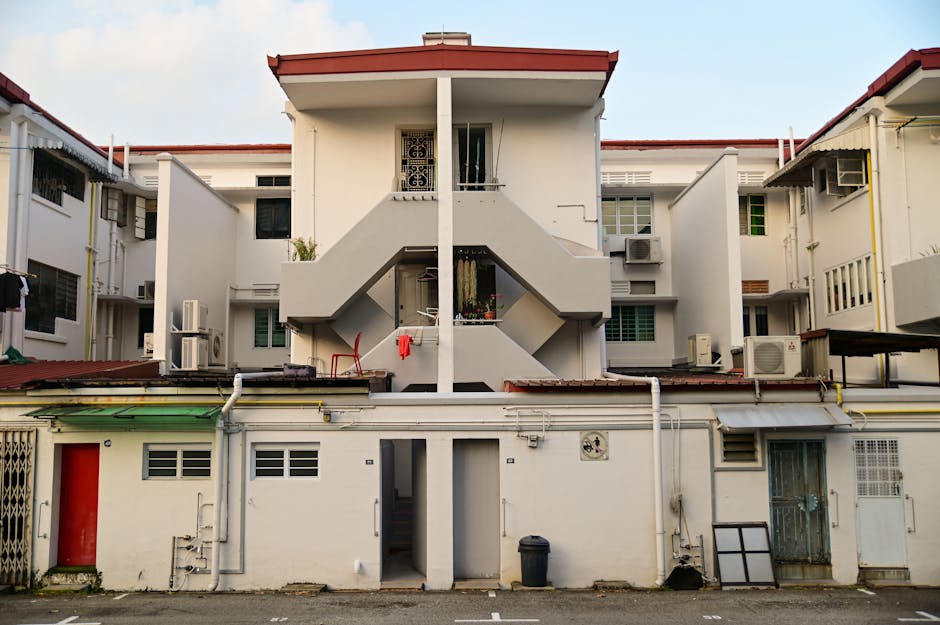
Explore the 'Athens of the South' on this self-guided walk through Centennial Park, featuring the world's only full-scale Parthenon replica.
 Easy
Nashville, United States
Explore Nashville's academic heart and Art Deco gems on this self-guided walk through historic Hillsboro Village.
 Easy
Nashville, United States
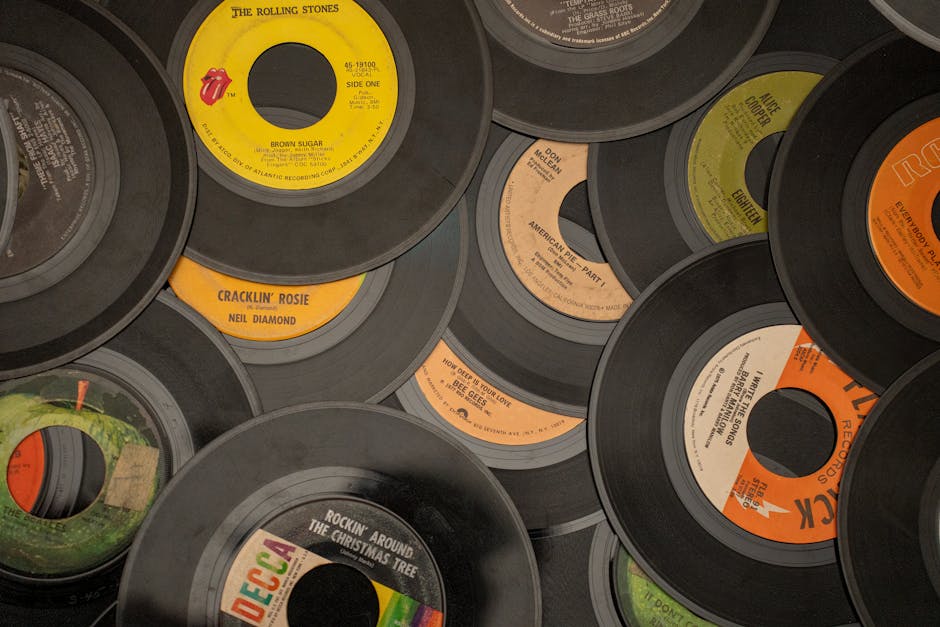
Explore the heart of Nashville's music industry. Discover iconic studios and the history of the legendary Nashville Sound at your own pace.
 Easy
Nashville, United States
Explore Nashville's oldest neighborhood! Discover Victorian architecture, Civil War history, and world-class craft beer on this self-guided walk.